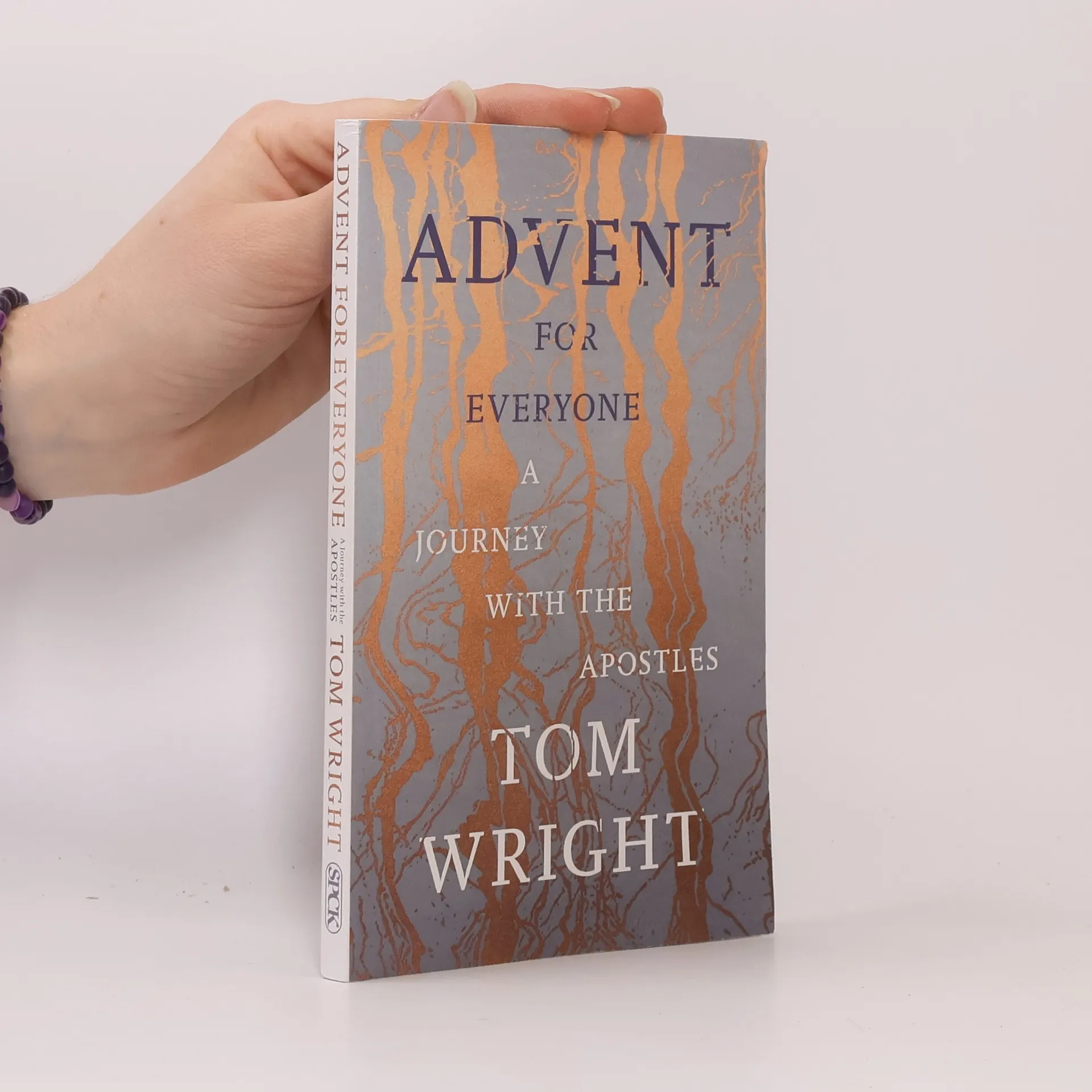
‘Tom Wright is simply crucial; his writing can transform one’s life.’ Anne Rice Join Tom Wright on a journey with the Apostles, exploring the New Testament themes of thankfulness, patience, humility and joy. Within each of these themes, Wright offers a week of daily readings and meditations, beginning with the Sunday reading in the Revised Common Lectionary and ending with stimulating questions for personal reflection or group discussion. Drawing on key passages in his popular For Everyone series of commentaries, these sparkling reflections take you on a journey of spiritual enlightenment, guiding you towards the wonder and joy of Christmas. ‘Tom Wright is, as always, brilliant at distilling immense scholarship into vivid, clear and accessible form.’ Rowan Williams
Ed Wright Libros


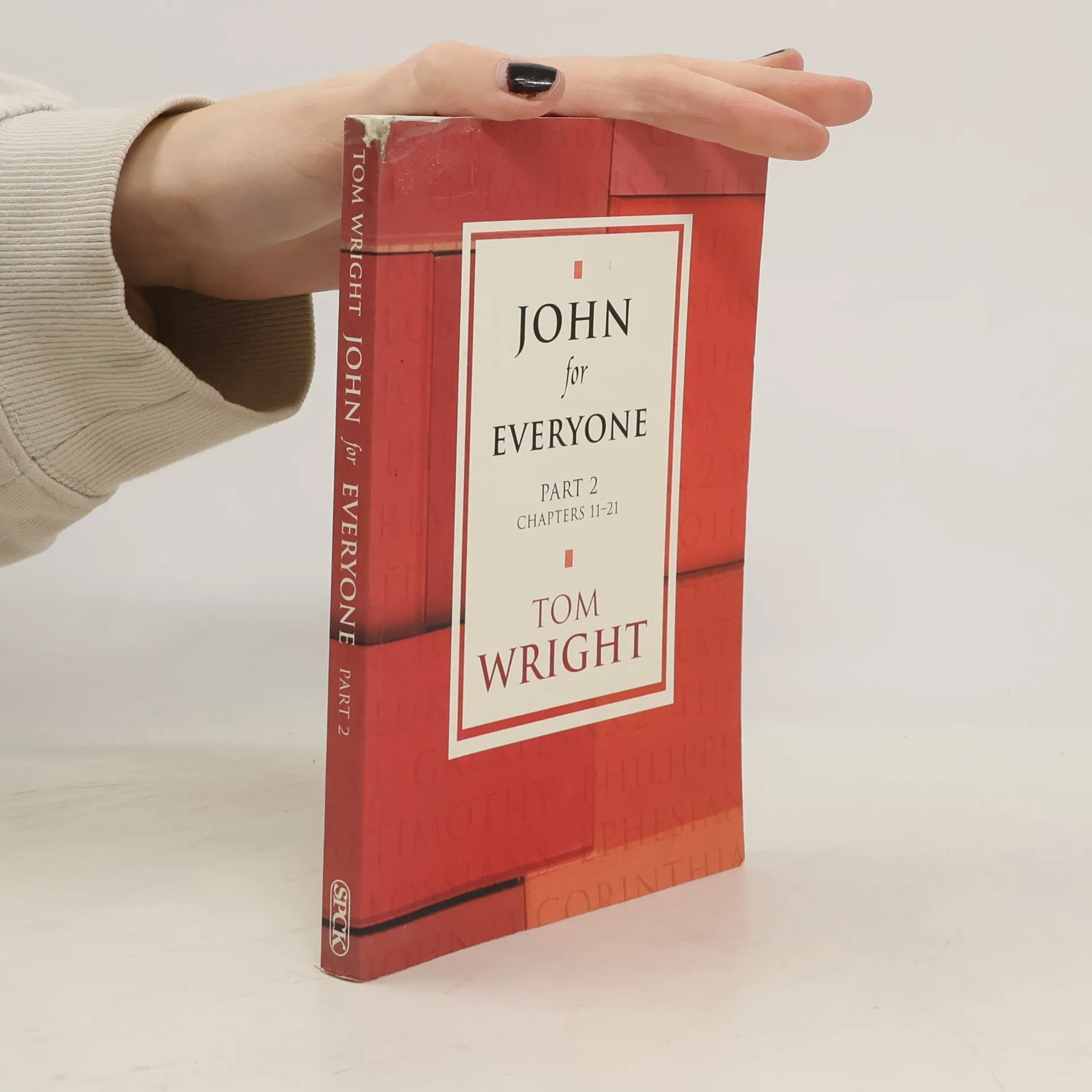
This work seeks to convey the the simplicity, and unravel the great complexity of this gospel. Each short passage is followed by a discussion with background information, interpretation and explanation.
For Everyone Bible Study Guides
- 64 páginas
- 3 horas de lectura
Illness and suffering in the ancient world were regularly regarded as signs of divine displeasure. In 2 Corinthians, we see evidence of Paul's own suffering. The difficulties and pain he endured could be interpreted as God's punishment. Not so, says Paul.
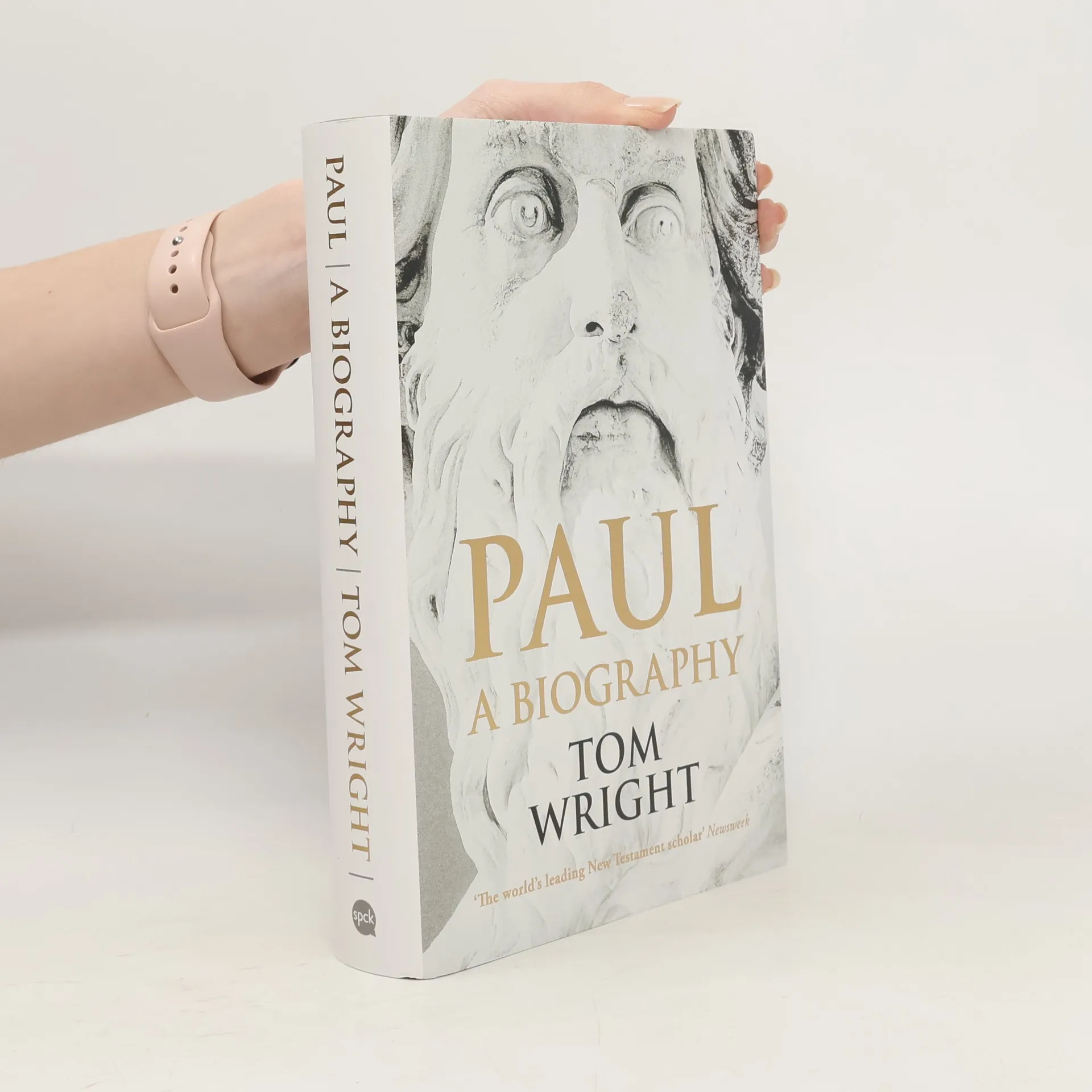
A historical biography, which will appeal to believer and non-believer alike, of the life and thought of St Paul.
Trolling Euclid
- 206 páginas
- 8 horas de lectura
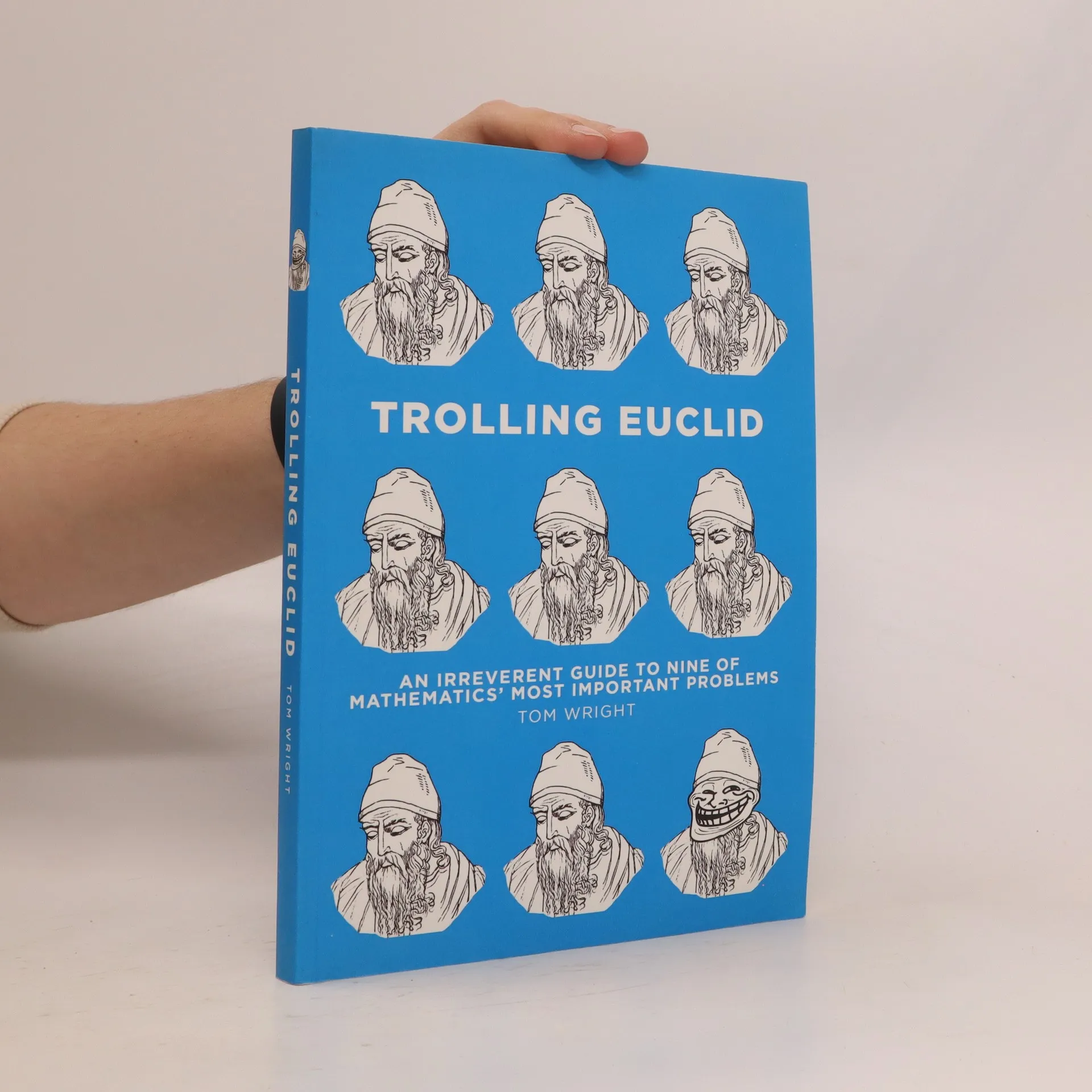
Here it is...your irreverent introduction to the world of cutting-edge mathematics! In Trolling Euclid, author Tom Wright humorously guides you through nine of the most important unsolved problems in modern mathematics, explaining the nuances of these key problems in language that anyone from math novice to math professor can understand. Filled with wit, wisdom, irrelevant anecdotes, and flagrant historical inaccuracies, and narrated by a voice that is in turns snarky, dorky, hip, and downright quirky, Trolling Euclid introduces the reader to the math world in a way that is deep yet entirely comprehensible.
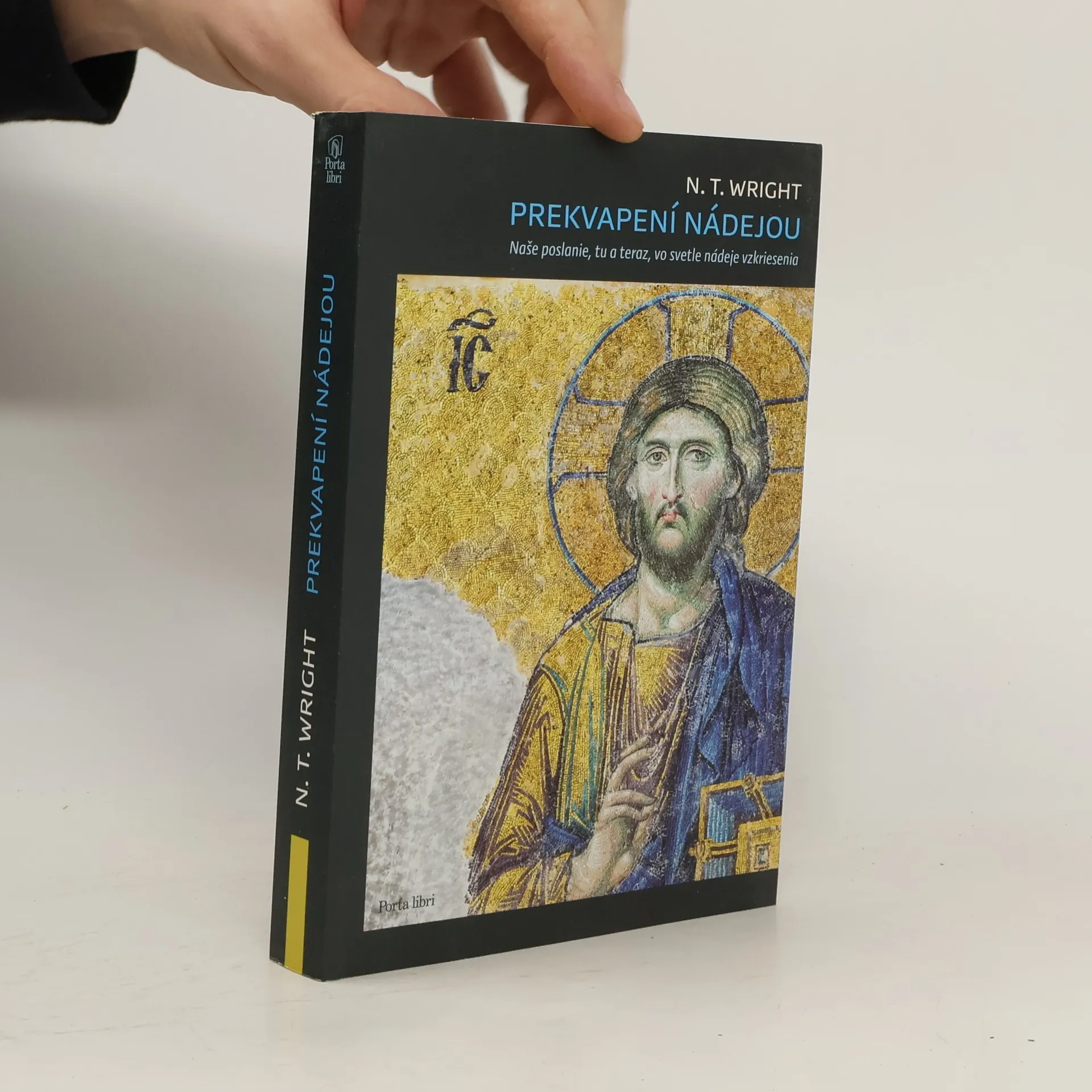
Surprised by Hope. Rethinking Heaven, the Resurrection, and the Mission of the Church
- 352 páginas
- 13 horas de lectura
In this groundbreaking book—available in paperback for the first time—renowned Bible scholar, Anglican bishop, and bestselling author N. T. Wright argues that Christians have not distorted the Bible’s message about heaven and what happens after we die. For years, Christians have been asking, "If you died tonight, do you know where you would go?" It turns out that many believers have been giving the wrong answer. It is not heaven. Wright outlines the present confusion about a Christian’s future hope and shows how it is deeply intertwined with how we live today. Wright asserts that Christianity’s most distinctive idea is bodily resurrection, and provides a magisterial defense for a literal resurrection of Jesus. Wright then explores our expectation of "new heavens and a new earth," revealing what happens to the dead until then and what will happen with the "second coming" of Jesus. For many, including many Christians, it will come as a great surprise to learn that heaven comes to earth instead of us going to heaven. Wright convincingly argues that what we believe about life after death directly affects what we believe about life before death. For if God intends to renew the whole creation—and if this has already begun in Jesus’s resurrection—the church cannot stop at "saving souls" but must anticipate the eventual renewal by working for God’s kingdom in the wider world, bringing healing and hope in the present life.
The Day the Revolution Began: Reconsidering the Meaning of Jesus's Crucifixion
- 440 páginas
- 16 horas de lectura
The renowned scholar, Anglican bishop, and bestselling author widely considered to be the heir to C. S. Lewis contemplates the central event at the heart of the Christian faith—Jesus’ crucifixion—arguing that the Protestant Reformation did not go far enough in transforming our understanding of its meaning. In The Day the Revolution Began, N. T. Wright once again challenges commonly held Christian beliefs as he did in his acclaimed Surprised by Hope. Demonstrating the rigorous intellect and breathtaking knowledge that have long defined his work, Wright argues that Jesus’ death on the cross was not only to absolve us of our sins; it was actually the beginning of a revolution commissioning the Christian faithful to a new vocation—a royal priesthood responsible for restoring and reconciling all of God’s creation. Wright argues that Jesus’ crucifixion must be understood within the much larger story of God’s purposes to bring heaven and earth together. The Day the Revolution Began offers a grand picture of Jesus’ sacrifice and its full significance for the Christian faith, inspiring believers with a renewed sense of mission, purpose, and hope, and reminding them of the crucial role the Christian faith must play in protecting and shaping the future of the world.
BRIMSTONES KNIGHT II
- 336 páginas
- 12 horas de lectura
Fall of Wormwood. A prophetic threat is headed toward Earth and it cant be stopped. The Bible calls it Wormwood but the dragons know it as Nimburu. Yet, it means the same to all death, destruction, and unbelievable mutations. The knights of the Hampton Shire will face a multitude of challenges as they struggle to save humanity. President Strump sees an opportunity to rule the world. An evil, mutated general by the name of Victor Grasmere is hell-bent on conquering the planet. Their success depends upon the killing of Commander Eric Hampton. However, they arent the only ones that want the commander dead. In the shadows lurks a
On Earth as in Heaven
- 400 páginas
- 14 horas de lectura
On Earth as in Heaven is a 365 devotional book, offering daily meditations from Tom Wright, one of the world's best-loved inspirational writers, reflecting on key biblical themes and teachings to help you grow as a follower of Jesus.
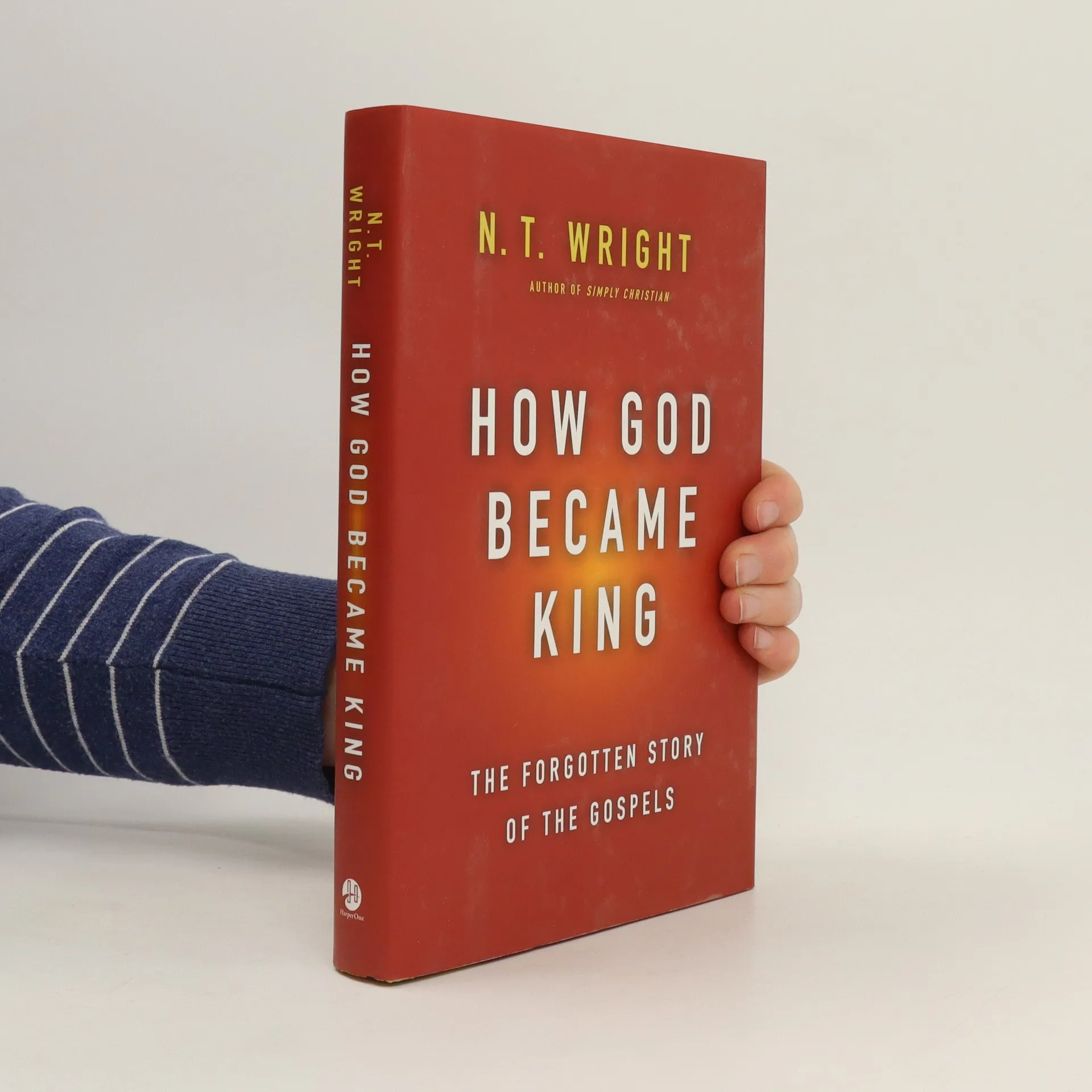
How God Became King
- 300 páginas
- 11 horas de lectura
Foundational: The four gospels come directly from the ancient church and are among the primary sources for the church's teachings. Familiar: Since Christian worship services began, a reading from the gospels has played a central role. Studied: For over two hundred years scholars have challenged and defended the central claims of the gospels: miracles, historical accuracy, the divinity of Jesus, and more. But Forgotten: Still, leading Bible scholar N. T. Wright reveals shocking news: We have all forgotten what the four gospels are about. "Despite centuries of intense and heavy industry expended on the study of all sorts of features of the gospels," Wright writes, "we have often managed to miss the main thing that they, all four of them, are most eager to tell us. What we need is not just a bit of fine-tuning, an adjustment here and there. We need a fundamental rethink about what the gospels are trying to tell us." What Wright offers is an opportunity to confront these powerful texts afresh, as if we are encountering them for the first time. How God Became King reveals the surprising, unexpected, and shocking news of the gospels: this is the story of a new king, a new kind of king, a king who has changed everything, and a king who invites us to be part of his new world.
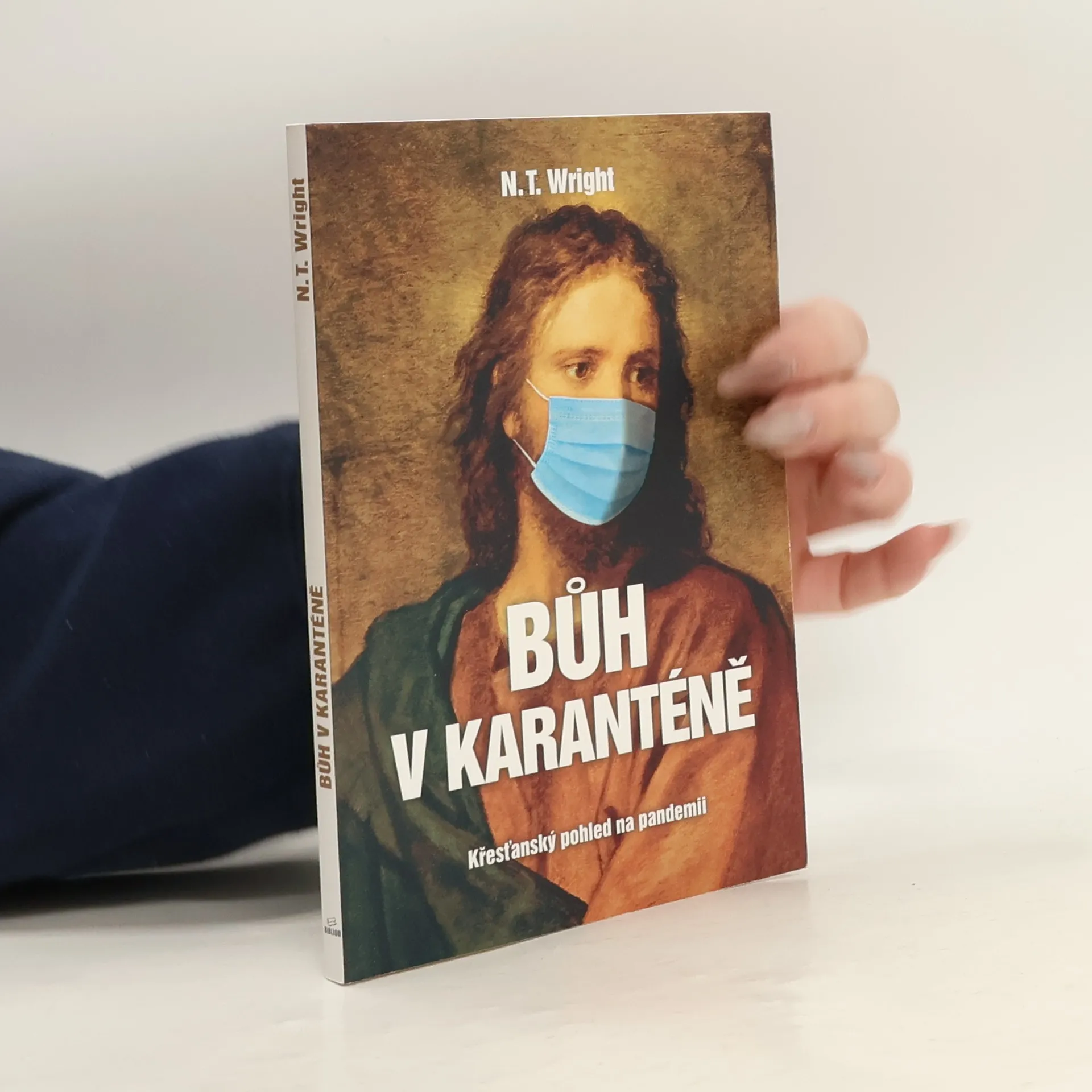
Wise words on the coronavirus pandemic - and what we make of it when it's all over - by one of the world's most widely respected Christian writers
After You Believe
- 307 páginas
- 11 horas de lectura
From the author of the acclaimed Simply Christian and Surprised by Hope comes a book that addresses the question that has plagued humans for centuries—what is our purpose? As Christians, what are we to do with that ambiguous time between baptism and the funeral? It's easy to become preoccupied with who gets into heaven; the real challenge is how we are going to live in the here and now. Wright dispels the common misconception that Christian living is nothing more than a checklist of dos and don'ts. Nor is it a prescription to "follow your heart" wherever it may lead. Instead, After You Believe reveals the Bible's call for a revolution—a transformation of character that takes us beyond our earthly pursuit of money, sex, and power into a virtuous state of living that allows us to reflect God and live more worshipful, fulfilling lives. We are all spiritual seekers, intuitively knowing there is more to life than we suspect. This is a book for anyone who is hoping there is something more while we're here on Earth. There is. We are being called to join the revolution, and Wright insightfully encourages readers to find new purpose and clarity by taking us on an eye-opening journey through key biblical passages that promise to radically alter the work of the church and the direction of our lives.
Spiritual and Religious
- 192 páginas
- 7 horas de lectura
How a better understanding the New Testament in its original pagan context can help you live and communicate the Christian gospel more effectively amidst the plethora of spiritual pathways on offer today.
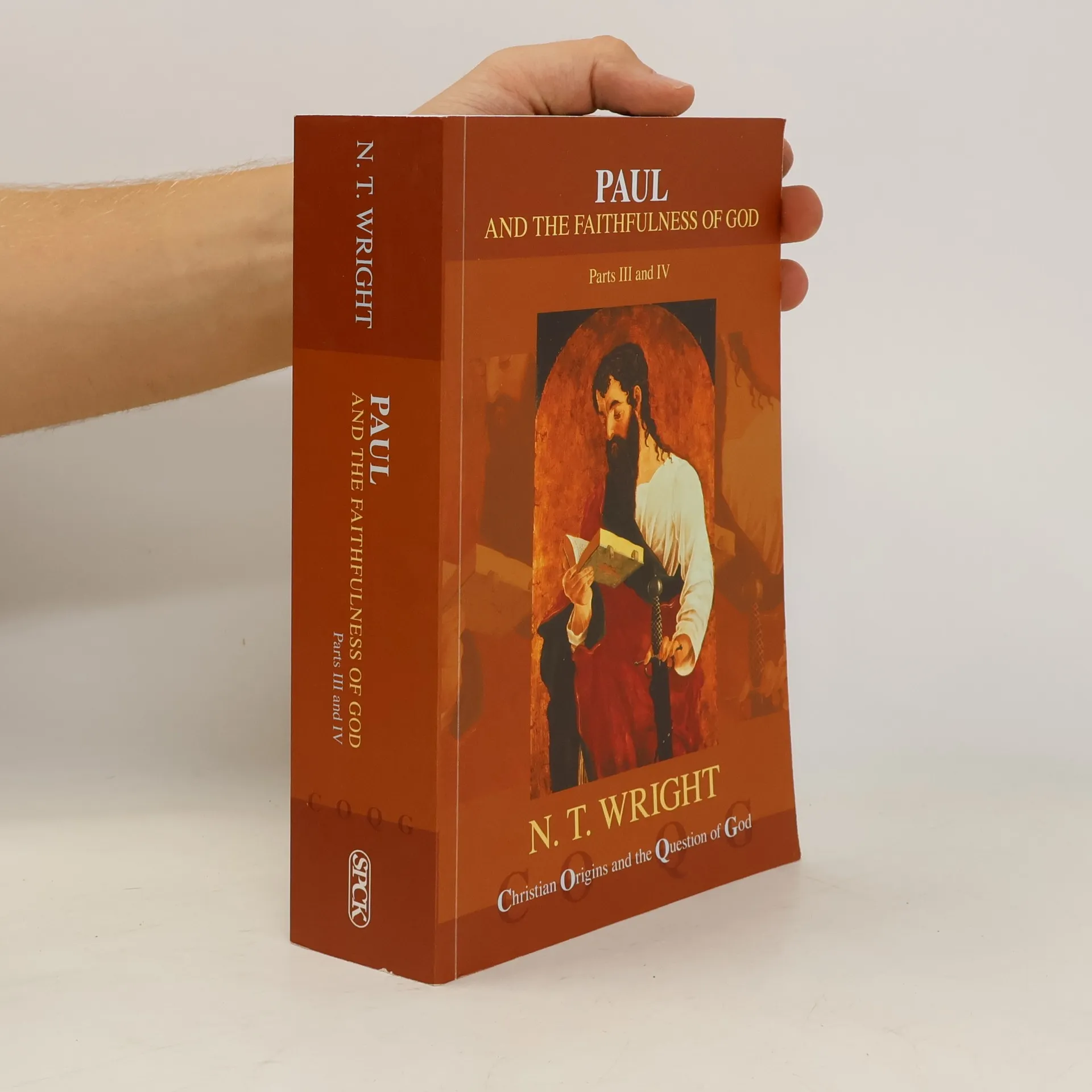
Paul and the Faithfulness of God. Parts III and IV
- 1658 páginas
- 59 horas de lectura
Tom Wright's long-awaited full-length study of St Paul will not in any way disappoint the high expectations that surround it. From the very first sentence, it holds the attention, arguing a strong, persuasive, coherent and fresh case, supported by immense scholarship and comprehensive theological intelligence. It is a worthy successor to his earlier magisterial studies of the themes of the Kingdom and the Resurrection: lively, passionate and deeply constructive, laying out very plainly the ways in which the faith of the New Testament is focused on God's purpose to re-create, through the.
Simply Jesus
- 208 páginas
- 8 horas de lectura
In Simply Jesus, bestselling author and leading Bible scholar N.T. Wright summarizes 200 years of modern Biblical scholarship and models how Christians can best retell the story of Jesus today. In a style similar to C.S. Lewis’s popular works, Wright breaks down the barriers that prevent Christians from fully engaging with the story of Jesus. For believers confronting the challenge of connecting with their faith today, and for readers of Timothy Keller’s The Reason for God, Wright’s Simply Jesus offers a provocative new picture of how to understand who Jesus was and how Christians should relate to him today.
Broken Signposts
- 208 páginas
- 8 horas de lectura
In this thoughtful follow-up to Simply Christian, today's leading Bible scholar, Anglican bishop, and acclaimed author uses the Gospel of John to reveal how Christianity presents a compelling and relevant explanation for our world. N. T. Wright argues that every world view must explain seven "signposts," indicators inherent to humanity: Justice, Spirituality, Relationships, Beauty, Freedom, Truth, and Power. If we do not live up to these ideals, our societies and individual lives become unbalanced, creating anger and frustration--negative emotions that divide us from ourselves and from God, he contends. Using the Gospel of John as his source, Wright shows how Christianity defines each signpost and illuminates why we so often see them as being "broken" and unattainable. Drawing on the wisdom of the Gospels, Wright explains why these signposts are fractured and damaged and how Christianity provides the vision, guidance, and hope for making them whole once again, ultimately healing ourselves and our world.
Jesus and the Powers
- 160 páginas
- 6 horas de lectura
What guidance does the bible offer for how Christians should respond to the current wave of political turmoil that is sweeping over the world?
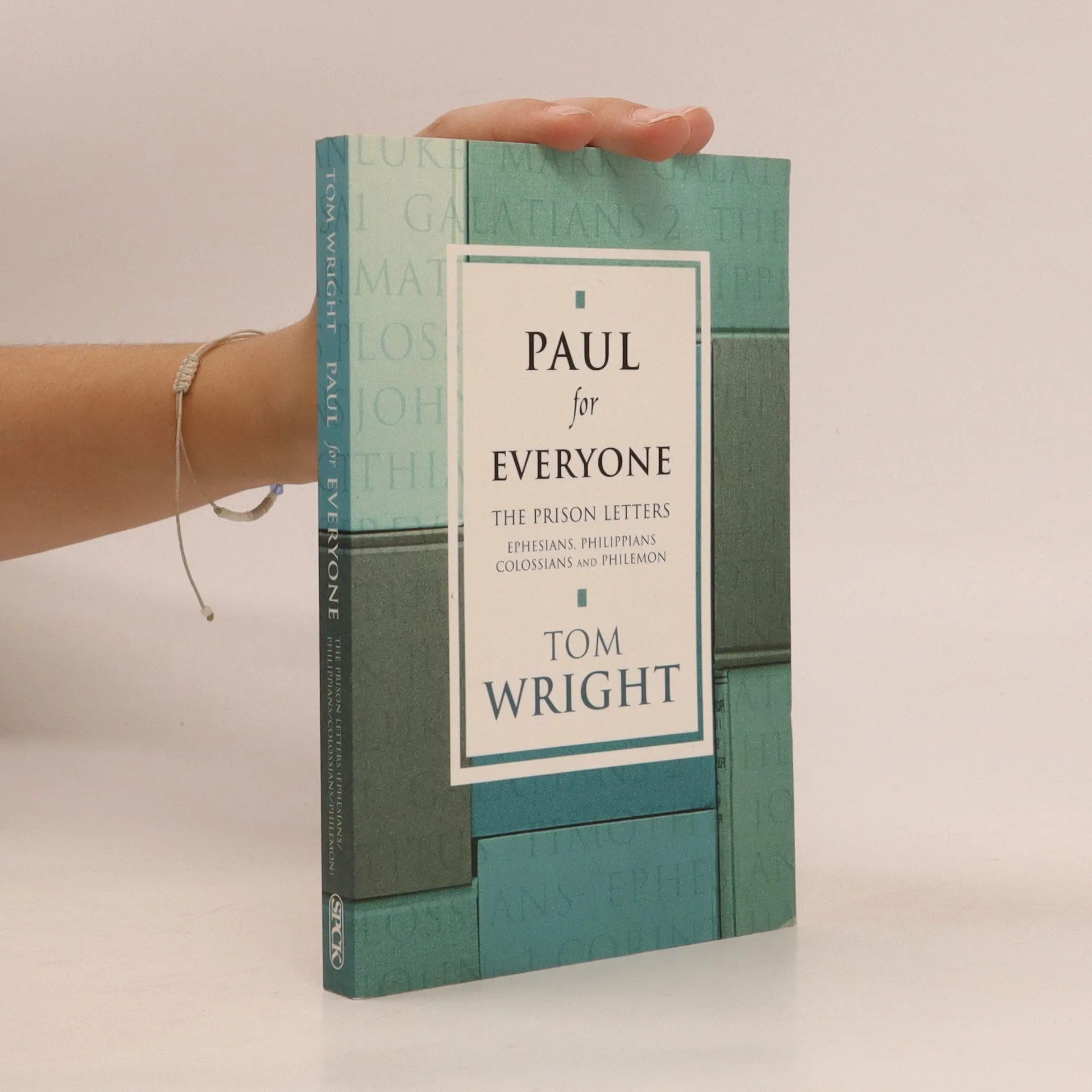
Paul for Everyone: The Prison Letters
- 240 páginas
- 9 horas de lectura
Making use of his true scholar's understanding, yet writing in an approachable and anecdotal style, Tom Wright captures the verve and sparkle of these letters. Paul wrote the letters while in prison facing possible death, but their passion and energy are undimmed. They reveal Paul's longing to see young churches grow in faith and understanding, rooted in Jesus himself, and to see this faith worked out in practice - in one case, through the rehabilitation of a runaway slave. Wright's stimulating comments are combined with his own translation of the Bible text.
Two Pulitzer-finalist Wall Street Journal reporters document the true story of how a young social climber orchestrated one of history's biggest financial heists, exposing the secret nexus of elite wealth, banking, Hollywood and politics. 75,000 first printing.
Justification
- 244 páginas
- 9 horas de lectura
"Writing from the perspective of his much admired scholarship, yet with a fluency and accessibility that few can match, Tom Wright argues that to understand 'justification' from Paul's point of view, it is necessary to see it in terms of four elements: the cosmic law court; the forward-moving purpose of God ('eschatology') ; the fact of God's achievement in Jesus Christ and our participation in him; and ultimately the single divine plan, through Israel, for the whole world ('covenant'). Above all, we will only see what 'justification' is about when we recognize that we are part of a larger purpose. God is rescuing us from the shipwreck of the world, not so that we can sit back and put our feet up in his company, but so that we can be part of his plan to rescue and remake the whole of creation." --Book Jacket.
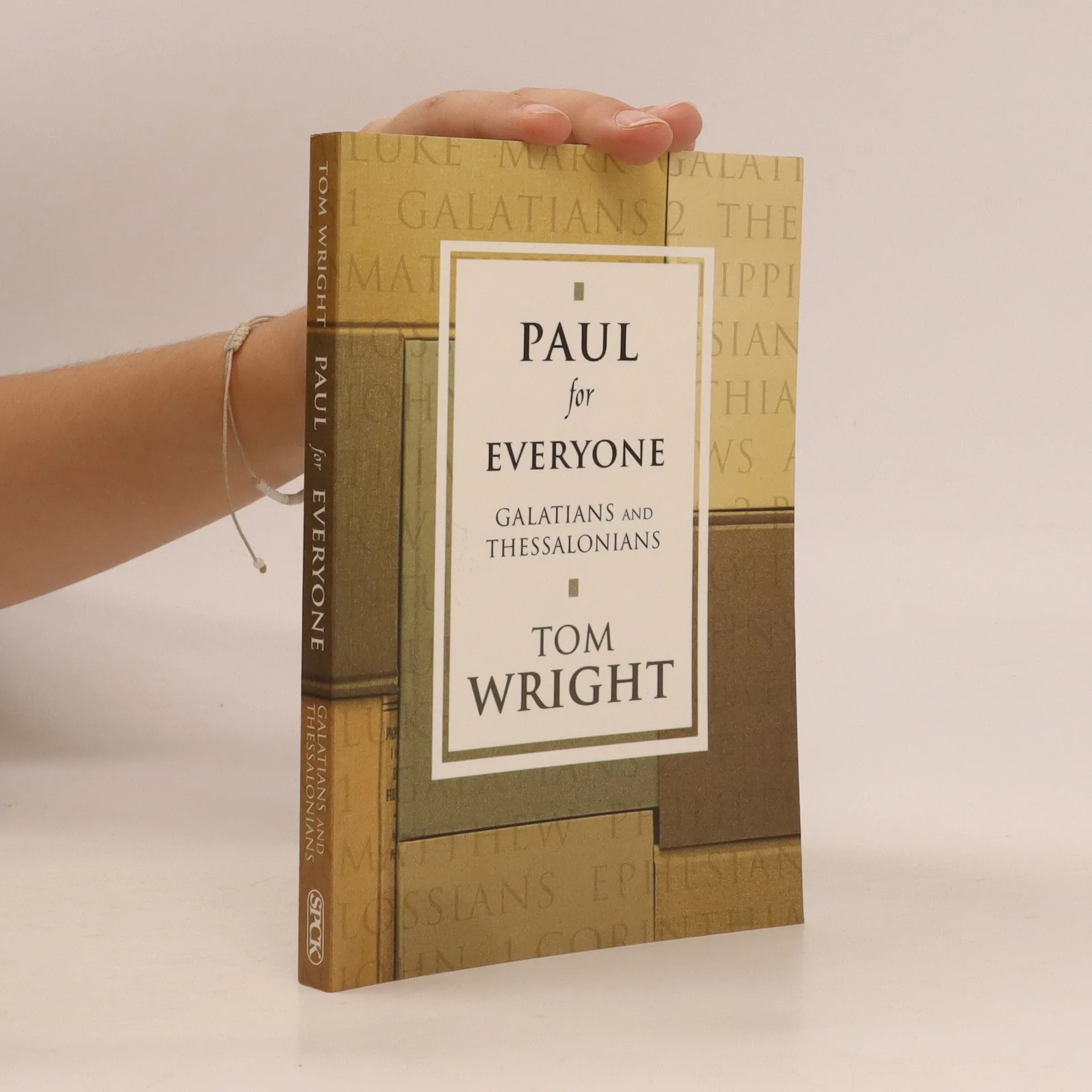
Paul for Everyone
- 178 páginas
- 7 horas de lectura
Wright's eye-opening comments on these letters are combined, passage by passage, with his new translation of the Bible text. He is the author of The Challenge of Jesus and Twelve Months of Sundays.
Wright argues that getting ready for the millennium does not mean getting ready for the end of the world as we know it, and shows that the millennium hype is masking a deeper problem in our culture. By following some ancient words on hope, Wright outlines a practical way for creating a better world as we move into the coming age.
Blackbird
- 353 páginas
- 13 horas de lectura
Blackbird is a detective thriller about a serial killer on the loose in contemporary Texas. Leading the investigations is one Detective Jim Beaudry, formerly known as Biscuit, no stranger to the dark side of life. Wrapping up the case will force Jim into the deepest recesses of his own history, even the parts he'd rather forget.
Part of a five-volume project on the theological questions surrounding the origins of Christianity, this book offers a reappraisal of literary, historical and theological readings of the New Testament, arguing for a form of critical realism that facilitates different readings of the text.
Tom Wright unpacks the contents of the Bible and explains the meaning of its inspiration, impact and authority. A book for all who are curious about how God's voice can be heard today.
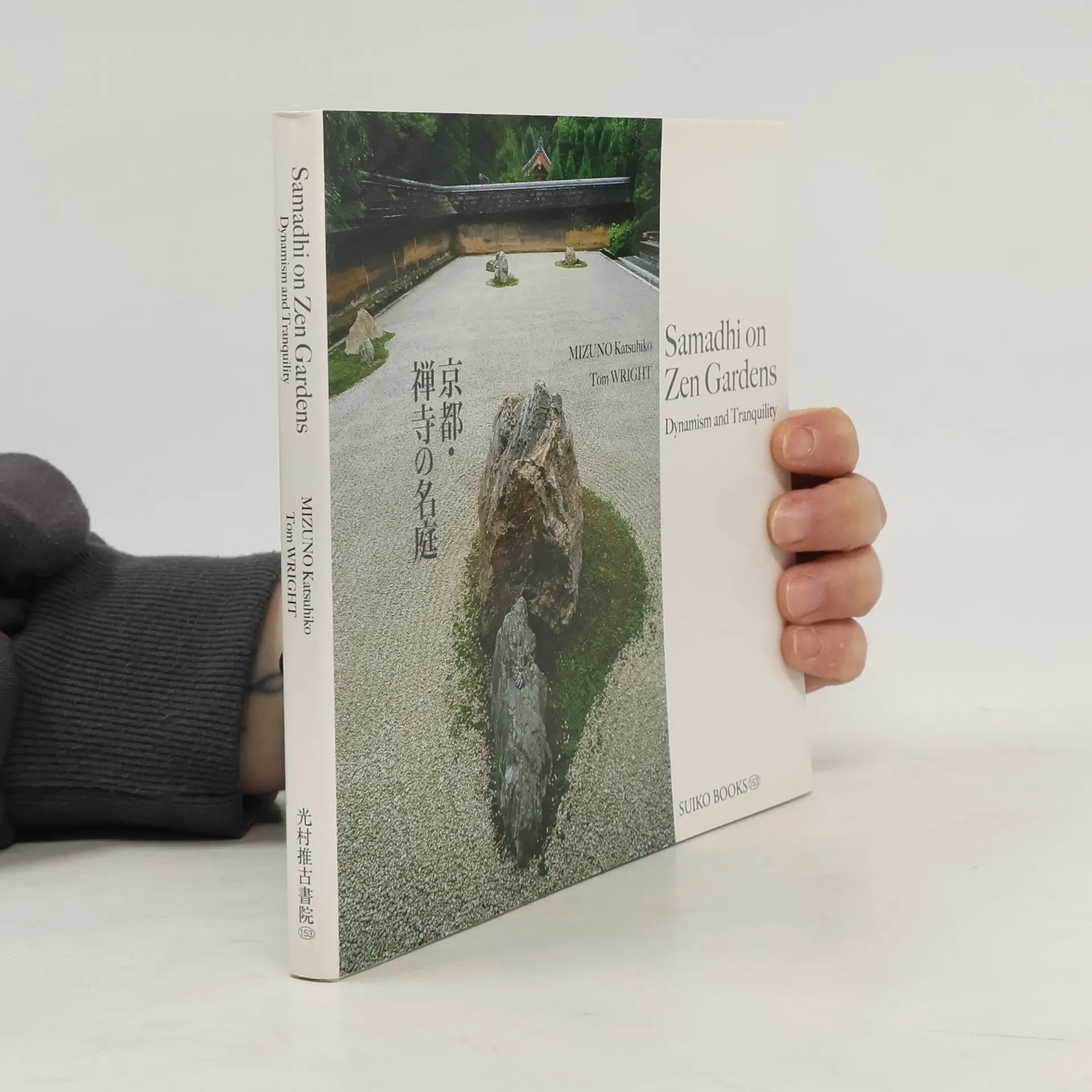
Samadhi on Zen Gardens
- 120 páginas
- 5 horas de lectura
In Kyoto, only a few steps from the bustling city center can lead people into the tranquil precincts of Zen temples. This photo book introduces the simple yet fascinating beauty of more than 50 gardens. Includes brief explanations about gardens along with basic information (opening hours, access, etc.) in Japanese and English.
Překvapivá naděje
- 352 páginas
- 13 horas de lectura
Nejznámější kniha předního anglikánského teologa se zabývá biblickou otázkou, co se stane, až zemřeme, a co to znamená pro náš život už tady a teď. Oproti rozšířené představě mnoha věřících i nevěřících, že po smrti „jdeme do nebe“, staví biblické učení o vzkříšení, příchodu Božího království a obnoveném stvoření. Tato původní křesťanská perspektiva věčnosti má zásadní vliv na to, jak žijeme už nyní v tomto světě.
Worum es Paulus wirklich ging
- 224 páginas
- 8 horas de lectura
Über die Person des Apostels Paulus gehen die Meinungen heute genauso weit auseinander wie im 1. Jh.: Für die einen ist er ein gefährlicher religiöser Scharlatan, für die anderen der größte Lehrer der Christenheit. Doch worum ging es ihm wirklich? Was war sein "Evangelium"? Was dachte er über Jesus? Wieso war seine Lehre für das antike Heidentum so eine Herausforderung und was war seine Botschaft für die Juden? Was meinte er mit "Rechtfertigung"?
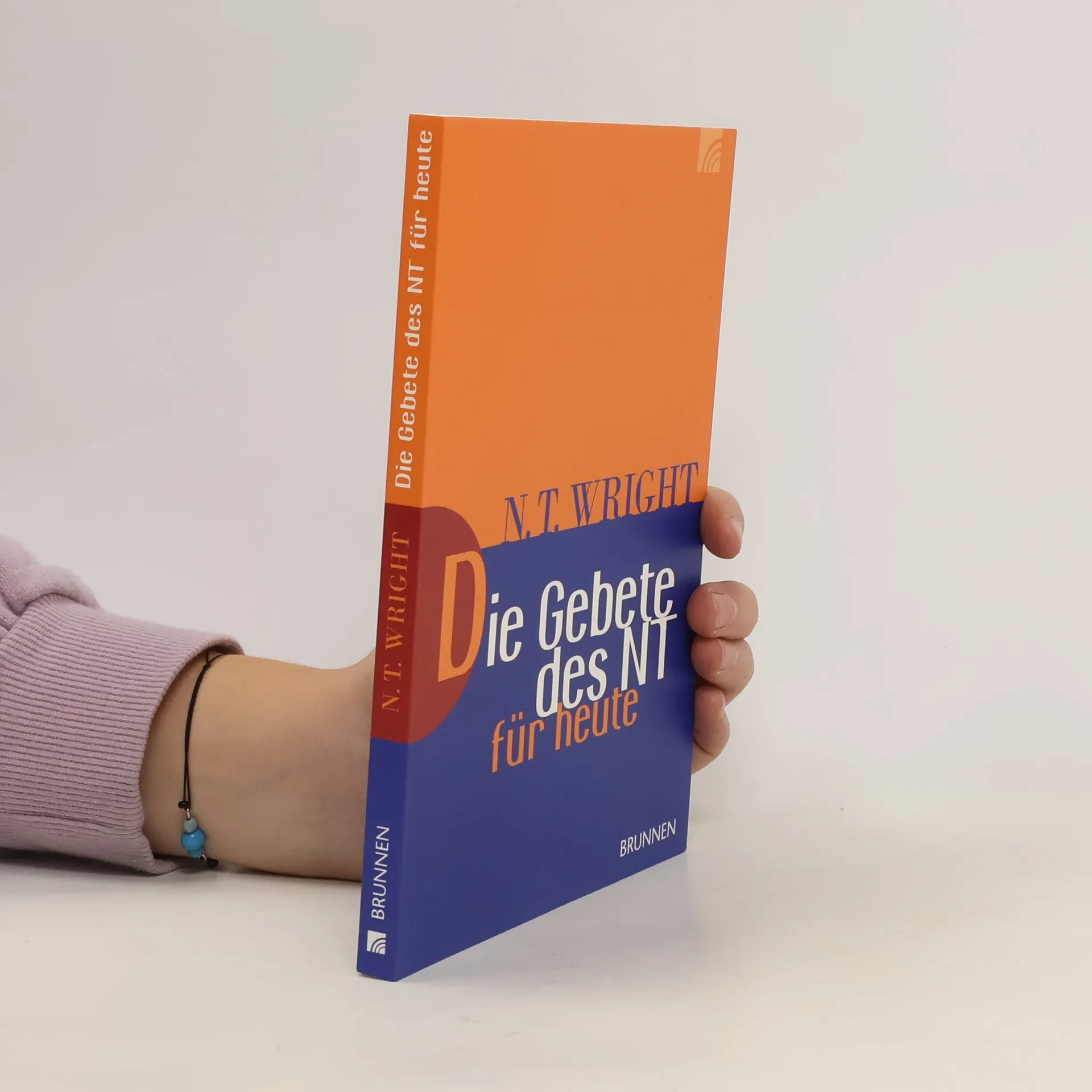
Die Gebete des NT für heute
- 128 páginas
- 5 horas de lectura
N. T. Wright erläutert die Lehren von Jesus, Paulus und den frühen Christen über das Gebet und interpretiert die im Neuen Testament enthaltenen Gebete für die heutige Zeit. Ein wertvolles Buch für alle, die das Beten erlernen möchten!
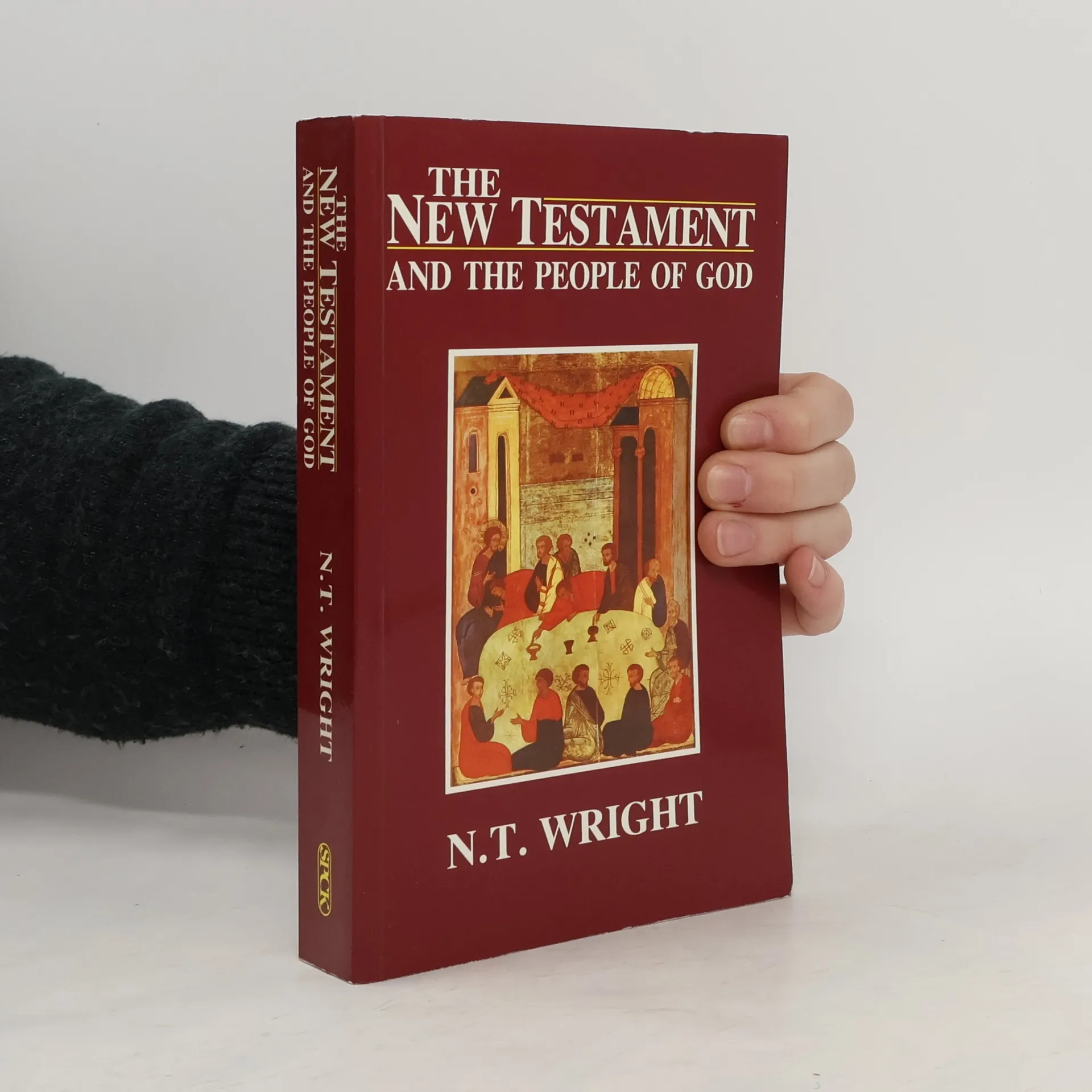
Das Neue Testament und das Volk Gottes, Ursprünge des Christentums und die Frage nach Gott. Bd.1
- 698 páginas
- 25 horas de lectura
Teil eines fünfbändigen Projekts zu den theologischen Fragen rund um die Ursprünge des Christentums, bietet dieses Buch eine Neubewertung literarischer, historischer und theologischer Lesarten des Neuen Testaments und plädiert für eine Form des "kritischen Realismus", die unterschiedliche Lesarten des Textes ermöglicht. Es bietet eine historische, theologische und literarische Studie des Judentums und des Christentums im ersten Jahrhundert und führt eine vorläufige Diskussion über die Bedeutung des Wortes „Gott“ innerhalb dieser Kulturen.
Jednoduše dobrá zpráva
- 136 páginas
- 5 horas de lectura
Biskup, biblista, moderní duchovní dědic C. S. Lewise a uznávaný autor nabízí nový pohled na evangelium a vysvětluje, proč je Ježíšovo poselství "dobrou zprávou" a proč je dnes aktuálnější a více proměňující, než si uvědomujeme. Evangelium v překladu znamená dobrá zpráva. Ale pokud se jedná o zprávu starou 2000 let, co na ní dnes tak význačného? Co je „dobrého“ na příbězích, v nichž dochází k proklínání, násilí a v nichž Bůh obětuje svého jediného syna? Biblista N. T. Wright nám ukazuje, jak dnešní křesťané ztratili ze zřetele, co je „dobrou zprávou“ evangelia. V knize Jednoduše dobrá zpráva nás provede proti proudu času, aby nám odhalil, jak lidé z prvního století – původní čtenáři evangelií – vnímali Ježíšovo poselství. Nabízí jasnou a promyšlenou analýzu toho, co je ve skutečnosti onou „dobrou zprávou“, aplikuje ji na náš současný život a odhaluje její schopnost nás proměňovat.
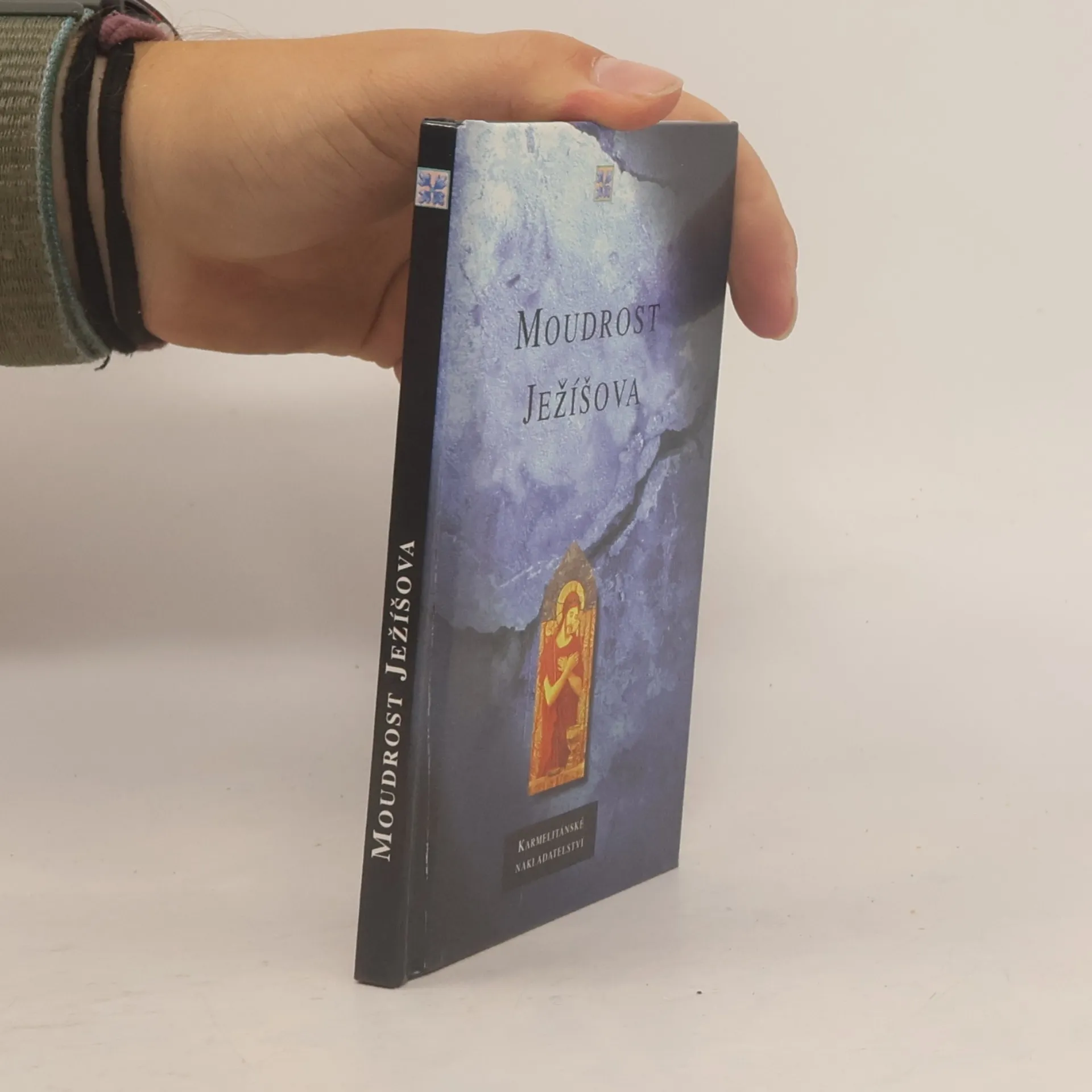
Moudrost Ježíšova
- 48 páginas
- 2 horas de lectura
Knihy čerpající z pokladů duchovní tradice. Texty jsou bohatě doprovázeny barevnými reprodukcemi.
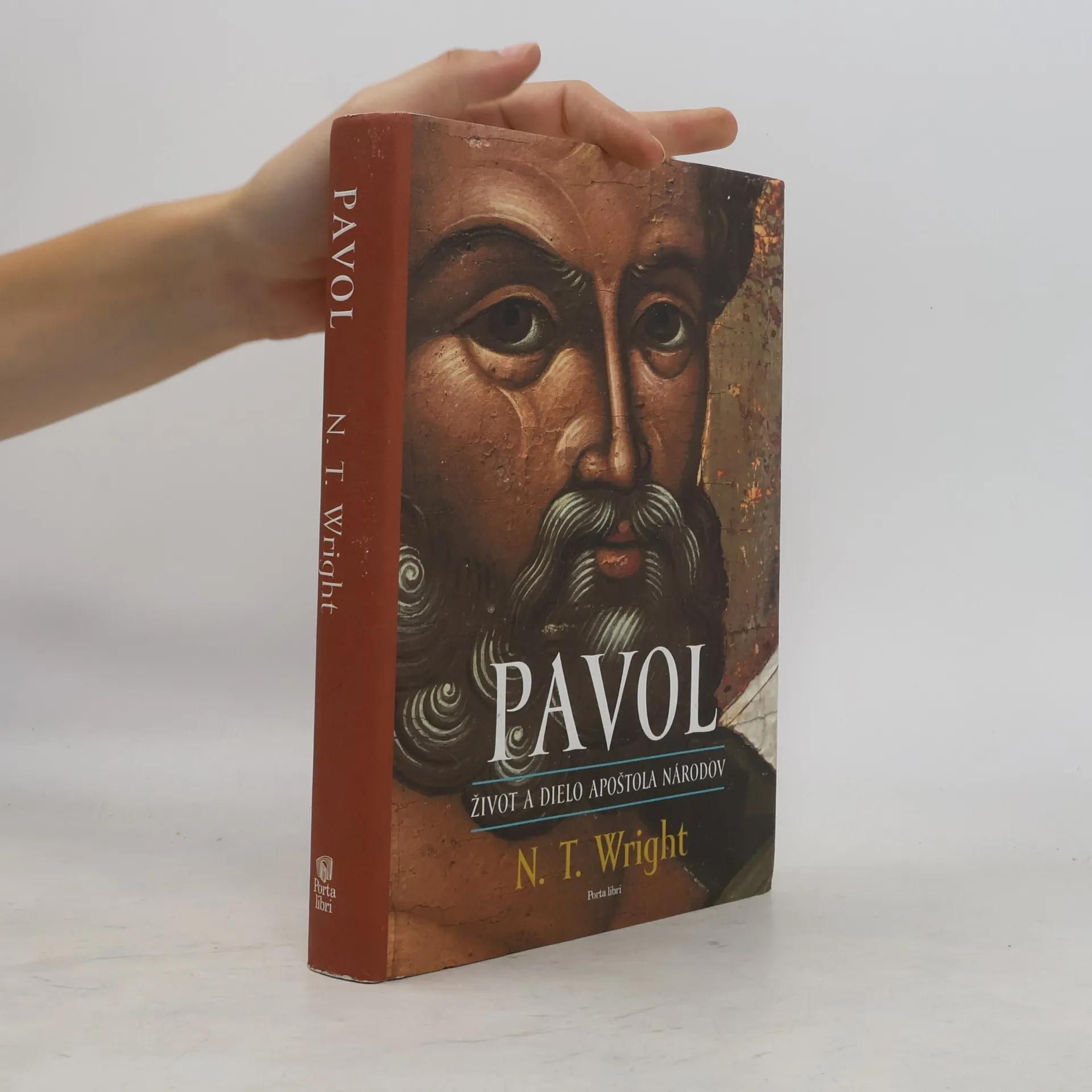
Pavol - život a dielo apoštola národov
- 400 páginas
- 14 horas de lectura
Apoštol Pavol, známy ako Saul z Tarzu, je považovaný za jedného z najvplyvnejších mysliteľov v histórii civilizácie a mnohí ho vidia ako zakladateľa kresťanstva. On sám by však tvrdil, že „Ježiš zmenil svet“. Jeho písomnosti mali zásadný vplyv na vznik a rozvoj západnej kultúry a sú dodnes významným vodidlom pre milióny kresťanov. N.T. Wright, odborník na dejiny raného kresťanstva, skúma život Saula, ktorý sa stal Pavlom. V diele nás Wright vovádza do Saulovho judaizmu a jeho prenasledovania prvých nasledovníkov Ježiša, pričom sa zameriava na jeho prelomové stretnutie so vzkrieseným Mesiášom na ceste do Damasku. Spolu s Pavlom prechádzame jeho misiami po rímskych mestách Malej Ázie a južnej Európy až po jeho mučenícku smrť v Ríme. Wright kombinuje svoje znalosti starovekého židovského sveta s hlbokým porozumením Pavlových listov, čím vytvára najucelenejší portrét Pavla doteraz. Kniha ponúka erudované a komplexné, no aj prístupné a emocionálne čitateľné štúdium Pavla, pričom autor zachováva pastorálny podtón. Toto dielo je významným prínosom pre slovenskú cirkev a pomáha lepšie chápať Pavlove biblické texty. Wrightov pohľad na Pavla ako trojrozmernú postavu ponúka fascinujúci a hlboký pohľad na jeho myslenie.
Matthäus für heute. Bd.1
- 256 páginas
- 9 horas de lectura
Matthäus erklärt von N.T. Wright. Intelligent, aber nicht hochgestochen. Leicht verständlich, aber nicht zu simpel. Die einzelnen Bibelabschnitte werden lebendig vor dem Hintergrund dessen, was wir heute über Jesus und seine Zeit wissen. Und sie werden lebendig für das Leben mit Jesus heute.
N.T. Wright erzählt die biblischen Texte neu. Er öffnet dem Leser nicht nur die Augen für viele bisher unentdeckte Hintergründe und Zusammenhänge, sondern vor allem dafür, wie er heute Jesus nachfolgen kann.§- Mit eigener, oftmals überraschender Bibelübersetzung.§- Jeder Abschnitt stellt zuerst mit einer Anekdote oder einem aktuellen Bezug die Verbindung zu uns heute her und erklärt vor diesem Hintergrund den Bibeltext.§- Die leicht zugängliche, einfache Auslegung lässt den Text vor dem Hintergrund der Welt der Bibel lebendig werden - auf der Grundlage von Wrights jahrelangen Forschungen über Jesus und das frühe Christentum.§- Als eigenständiger Denker zeigt Wright ganz praktisch, was die biblischen Texte für unser Leben heute bedeuten.
Jakobus, Petrus, Johannes und Judas für heute
- 224 páginas
- 8 horas de lectura
Paulus für heute: Der Römerbrief. Bd.1
- 224 páginas
- 8 horas de lectura
Der Römerbrief ist das Meisterwerk des Apostel Paulus. Hiereht es von Anfang bis Ende um den Gott, der seine Kraft und Gnade durch die gute Nachricht von Jesus enthüllt. Erklärt von N.T. Wright. Ein seltenes Ereignis: Ein Bibelkommentar, der intelligent, aber nicht hochgestochen ist, leicht verständlich, aber nicht zu simpel. Eine geniale geistliche Konversation über diese Texte des Neuen Testaments, die unser Leben prägen wollen. (Eugene Peterson)
Nečekejte plané řeči o Božích trestech a zlověstných znameních konce světa. Podobných laciných výkladů je všude plno. N. T. Wright bere Bibli vážně. Naslouchá hebrejským prorokům, žalmistům i novozákonním apoštolům. Klade těžké otázky a nespěchá k odpovědím. V jeho rukou se Bible – ta stará ohmataná kniha – stává aktuálním komentářem situací a problémů, které přináší 21. století. Problémů nečekaných, nových a znepokojivých. Problémů, jako je koronavirus.
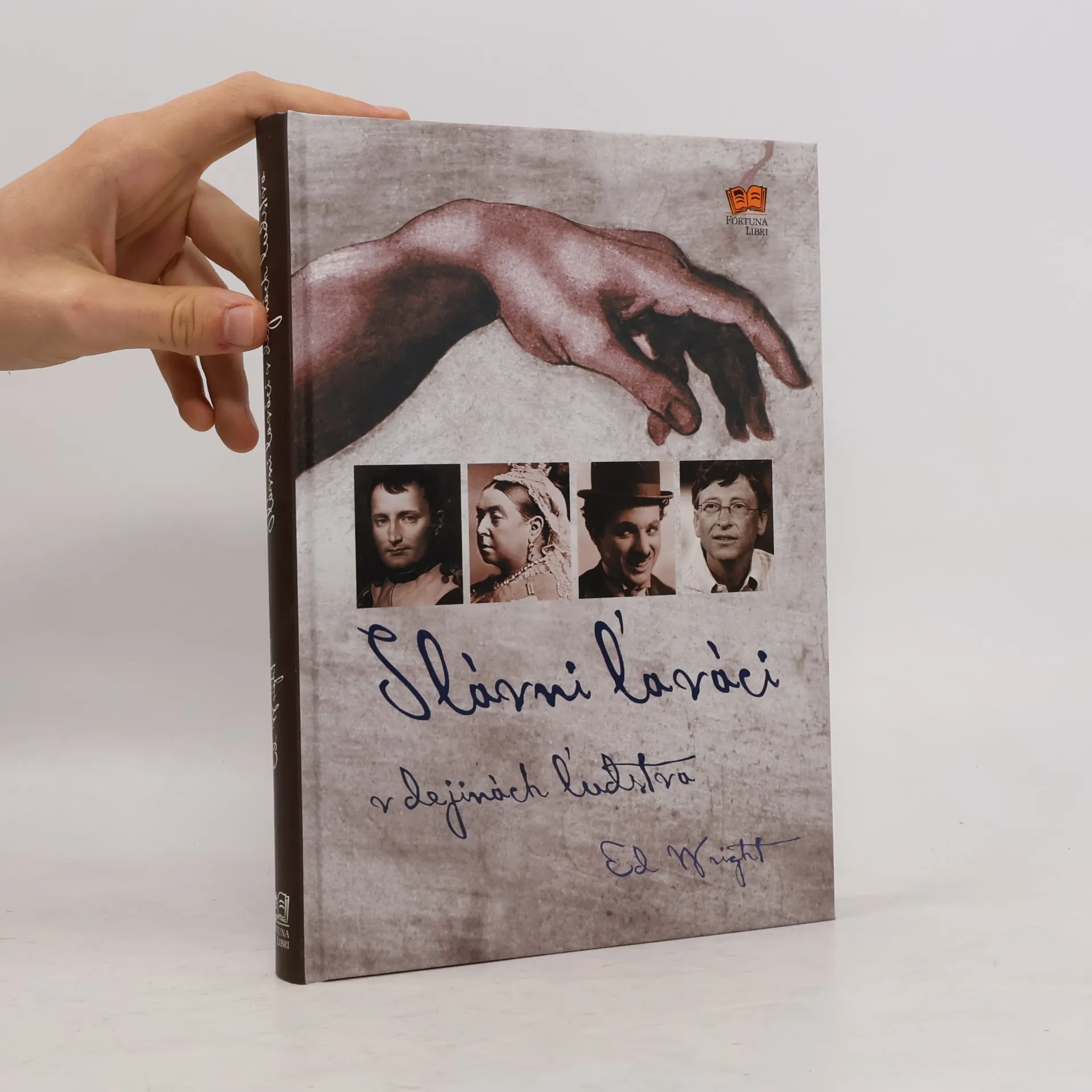
Slávni ľaváci v dejinách ľudstva
- 256 páginas
- 9 horas de lectura
Julius Caesar a Isaac Newton boli ľaváci rovnako ako Paul McCartney alebo Bill Gates. A je až zarážajúce, koľko ľavákov bolo medzi americkými prezidentmi. Prečo sa do dejín ľudstva zapísalo toľko ľavákov? Ed Wright vysvetľuje toto tajomstvo vo svojej fascinujúcej zbierke slávnych ľavákov od dávnych čias až po súčasnosť. V knihe sa stretáva psychologický aspekt s históriou tak, aby sa čitateľ pútavou formou dozvedel, koľko toho svet od ľavákov získal.
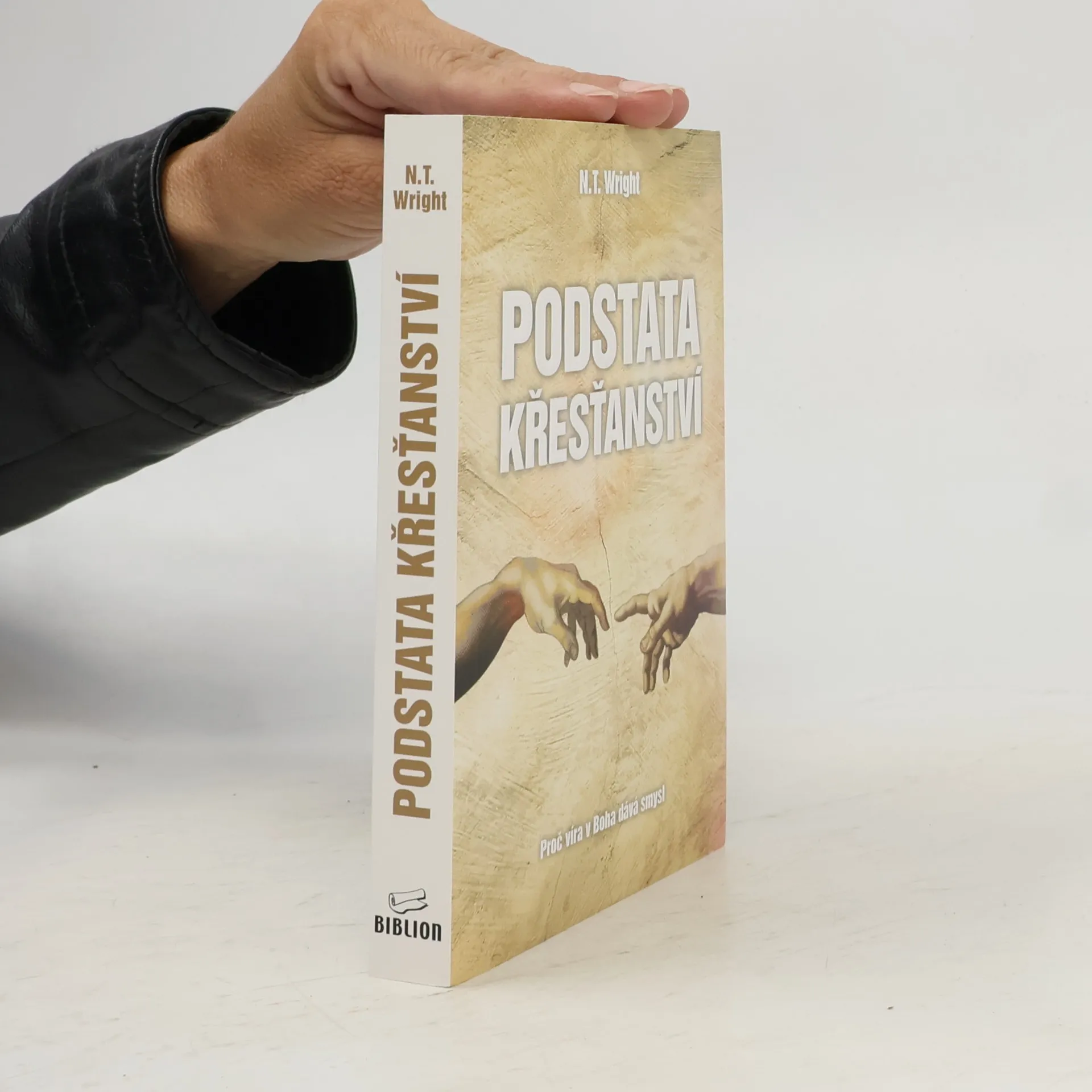
Podstata křesťanství
- 248 páginas
- 9 horas de lectura
Proč toužíme po spravedlnosti? Proč hledáme duchovní rozměr života? Proč nás přitahuje krása? Proč se trápíme ve vztazích? Jak dát svět znovu do pořádku? Podle N. T. Wrighta jsou tyto odvěké otázky ozvěnou hlasu, který tušíme jen mlhavě, ale bytostně toužíme jej zaslechnout. Tyto otázky nás přivádějí k samotné podstatě Boha, jeho charakteru a jeho vůle. Křesťanství na tyto otázky odpovídalo po celá dvě tisíciletí. Přední novozákonní badatel a anglikánský biskup N. T. Wright ukazuje, že na ně může odpovídat i dnes. Podobně jako to učinil v minulé generaci C. S. Lewis ve svém díle K jádru křesťanství, N. T. Wright nyní objasňuje základní obsah křesťanské víry a ukazuje na způsob, jak ji autenticky žít v dnešním světě. Jeho kniha Podstata křesťanství nabízí vysvětlení hledajícím i skeptikům a přináší novou inspiraci i dlouholetým věřícím.
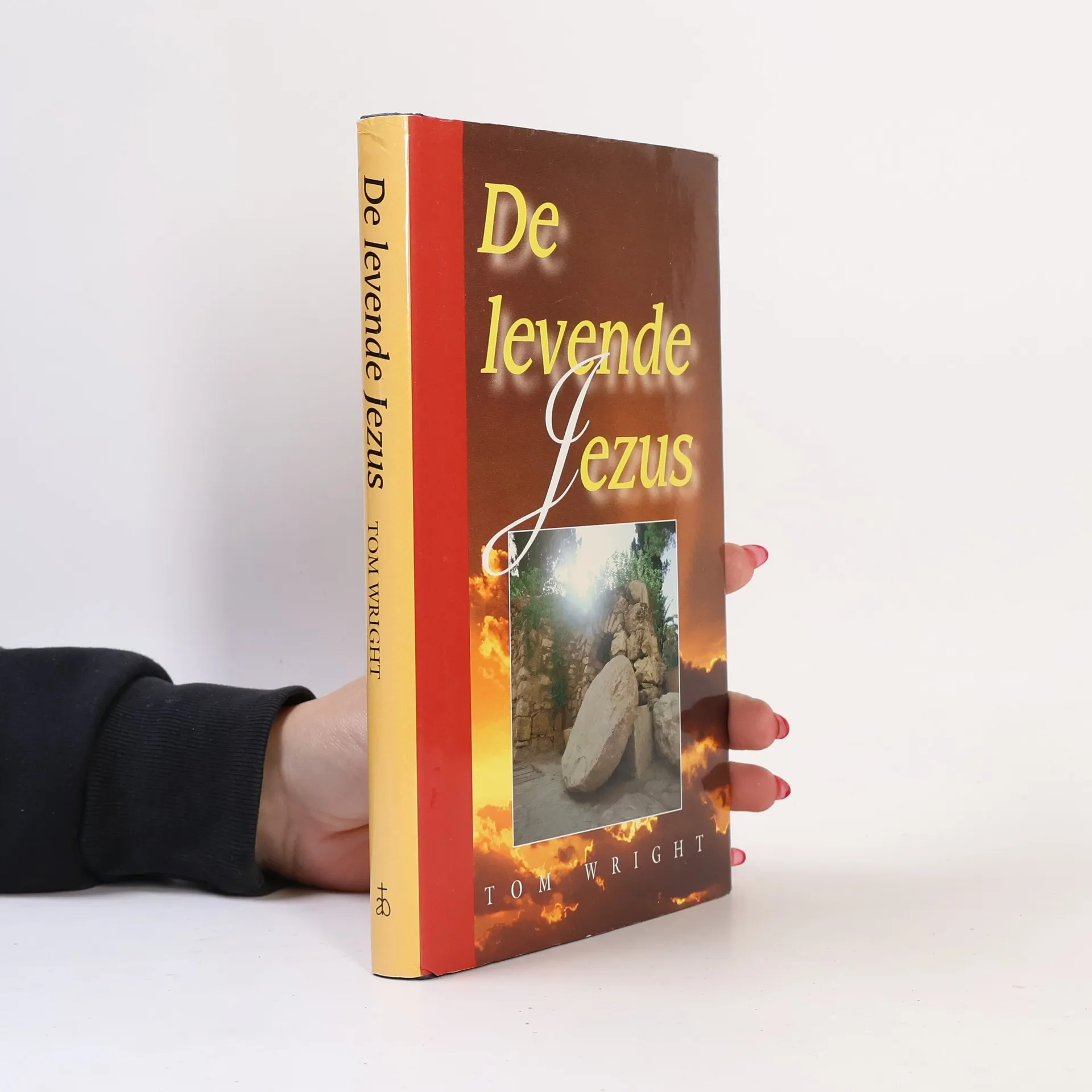
De levende Jezus
- 152 páginas
- 6 horas de lectura
In The Original Jesus biblical historian Tom Wright focuses on key stages in the life of Jesus, and key elements of his teaching,revealing a vivid reconstruction of what Jesus himself was aiming toachieve, and how the movement he began can best be understood inrelation to the turbulent politics and fervent aspirations of his day.Tom Wright also looks at the way we interpret the different Gospelnarratives about Jesus, showing how modern readers coming fresh tothese texts can do so in an informed and discriminating way. Written ina lively, non-technical style, and illustrated throughout withfull-color photographs, The Original Jesus offers a compelling insightinto what Jesus really stood for, why he was crucified, and how it wasthat his followers came to regard him as nothing less than the humanface of God. Distributor: Spring Arbor/Ingram Author: Tom Wright Format: 160 pages, paperback ISBN: 9780802842831
In diesem Buch gibt der renommierte Neutestamentler N. T. Wright herausfordernde Einsichten in die Bibel und klärt so manches Missverständnis auf, dem unsere christlichen Gemeinden unterliegen. Soll der Glaube öffentlich gelebt werden? Was sagt die Bibel zu Frauen in der Gemeindeleitung? Kann ein Naturwissenschaftler an die Auferstehung glauben? Wie bricht Gottes Reich auf der Erde an? Welchen Stellenwert hat die Schöpfung? Sind die alten Götzen wirklich tot? Was passiert am Ende der Zeit? Diesen und anderen brisanten Themen geht der Autor auf inspirierende, ermutigende und nicht zuletzt überraschende Weise nach.
Wat de zomer niet overleeft
- 261 páginas
- 10 horas de lectura
In een stadje in het zuiden van de Verenigde Staten groeit de jonge Jim, Biscuit voor vrienden, bij zijn grootmoeder op. Op een dag treft hij zijn nichtje L.A. toegetakeld aan op de veranda en hij neemt haar mee naar binnen. Ze is te getraumatiseerd om haar verhaal te doen. Al snel blijkt dat er in de stad meisjes verdwijnen die vermoord teruggevonden worden. Jim vermoedt dat er een verband is tussen de verdwijningen en hij denkt dat L.A. er meer van weet. Naarmate de lange, warme zomer vordert ontdekt Jim steeds meer verdachten. Geplaagd door visioenen van de slachtoffers en geholpen door een bevriende politieman, gaat hij op zoek naar de moordenaar.
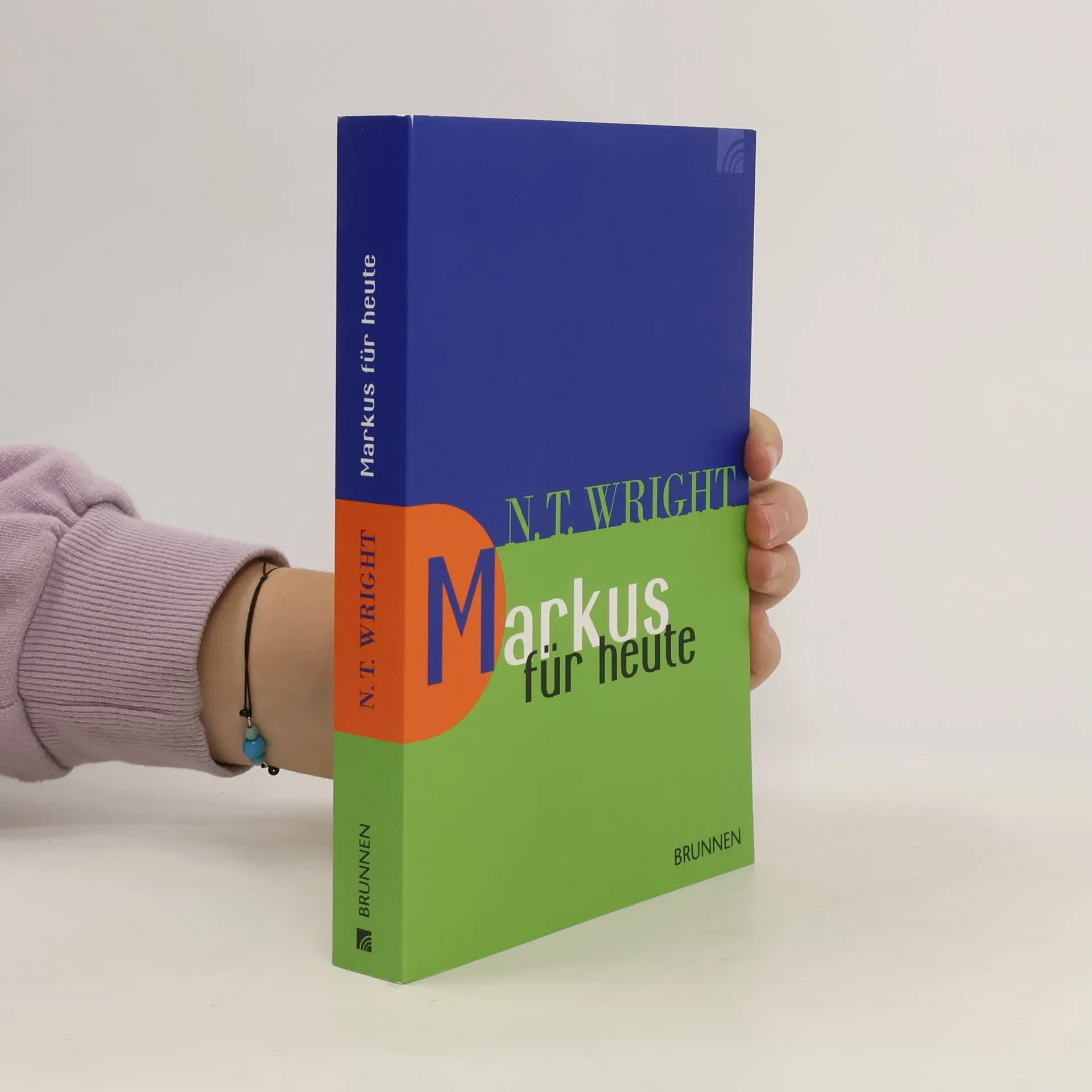
Markus für heute
- 304 páginas
- 11 horas de lectura
Paulus für heute: Der Römerbrief. Bd.2
- 176 páginas
- 7 horas de lectura
Der Römerbrief Paulus Meisterwerk. Im Römerbrief geht es von vorne bis hinten um den Gott, der seine Kraft und Gnade durch die gute Nachricht von Jesus enthüllt. Erklärt von N.T. Wright. Intelligent, aber nicht hochgestochen. Leicht verständlich, aber nicht zu simpel. Durch und durch lebensnah.
Die Offenbarung: Eine der klarsten und schärfsten Visionen über Gottes endgültige Absicht mit der Schöpfung. Sie erzählt, wie die Mächte des Bösen in dieser Welt am Werk sind. Sie erzählt, wie Jesus und seine Nachfolger diese Mächte vom Thron stoßen. Und sie stellt uns die Frage: Wie können wir in einer Welt von Gewalt, Hass und Misstrauen Zeugen von Gottes Liebe sein?
Apostelgeschichte für heute. Bd.2
- 352 páginas
- 13 horas de lectura
Die populäre Reihe von N.T. Wright wird fortgesetzt mit einer der spannendsten Geschichten der Bibel - der Apostelgeschichte. Tom Wright nimmt den Leser in einem einfachen Stil und mit vielen praktischen Beispielen und Anekdoten mit hinein in den spannenden Bericht von Lukas.
Apostelgeschichte für heute. Bd.1
- 272 páginas
- 10 horas de lectura
Die populäre Reihe von N.T. Wright wird fortgesetzt mit einer der spannendsten Geschichten der Bibel - der Apostelgeschichte. Tom Wright nimmt den Leser in einem einfachen Stil und mit vielen praktischen Beispielen und Anekdoten mit hinein in den spannenden Bericht von Lukas.
Johannes für heute - Das Evangelium. Bd.1
- 208 páginas
- 8 horas de lectura
Das Johannesevangelium ist in gewisser Hinsicht das einfachste aller Evangelien, aber auch das tiefgründigste, geschrieben von einem engen Freund von Jesus. N. T. Wright lässt eines der großartigsten Bücher der Weltliteratur anschaulich für heute aktuell werden.
Hebräerbrief für heute
- 224 páginas
- 8 horas de lectura
Der Hebräerbrief ist eines der herausforderndsten Bücher im Neuen Testament und wird oft als schwierig empfunden, da er viele Bezüge zum Alten Bund und zur Geschichte Israels enthält. N.T. Wright bringt mit seiner profunden Kenntnis des Judentums die große Geschichte Gottes lebendig und verständlich in den Fokus, indem er ein neues Kapitel aufschlägt. Durch seine einfache, lebensnahe Auslegung zeigt Wright überzeugend, was der Hebräerbrief uns heute zu sagen hat. In seiner Auslegungsreihe erzählt er die biblischen Texte neu und bietet einen modernen Bibelkommentar. Er öffnet die Augen für unentdeckte Hintergründe und Zusammenhänge und zeigt, wie wir Jesus nachfolgen können. Mit einer eigenen, oft überraschenden Bibelübersetzung stellt jeder Abschnitt zuerst die Verbindung zu unserem heutigen Leben her und erklärt den Bibeltext im entsprechenden Kontext. Wrights leicht zugängliche Auslegung lässt den Text vor dem Hintergrund der biblischen Welt lebendig werden, basierend auf seinen jahrelangen Forschungen über Jesus und das frühe Christentum. Als eigenständiger Denker verdeutlicht Wright, was die biblischen Texte für unser Leben heute bedeuten, und betont, dass Jesus der König ist, der diese Welt regiert, und dass Christen als Bürger dieses neuen Reiches leben und sich engagieren sollen.
Paulus für heute - die Pastoralbriefe
1. und 2. Timotheus, Titus
Die Pastoralbriefe sind persönliche Schreiben von Paulus an Timotheus und Titus, die Ermutigung und praktische Hinweise für ihre Situationen bieten. Sie spiegeln das reiche theologische Bild wider, das Paulus von Jesus zeichnet, und erzählen von der Kraft des Evangeliums. In der Auslegungsreihe von N.T. Wright wird der biblische Text neu interpretiert – ein Bibelkommentar 2.0. Wright eröffnet neue Perspektiven auf bisher unentdeckte Hintergründe und zeigt, wie wir Jesus heute nachfolgen können. Mit einer eigenen, oft überraschenden Bibelübersetzung wird jeder Abschnitt zunächst in Bezug auf unsere heutige Realität betrachtet, bevor der Bibeltext erklärt wird. Die zugängliche Auslegung lässt die Texte lebendig werden, gestützt auf Wrights umfangreiche Forschungen über Jesus und das frühe Christentum. Als eigenständiger Denker verdeutlicht N.T. Wright, welche Bedeutung die biblischen Texte für unser Leben haben. Er ist überzeugt, dass Jesus der König ist, der diese Welt bereits regiert, und dass Christen berufen sind, als Bürger dieses neuen Reiches zu leben und sich aktiv in der Welt zu engagieren.
Paulus für heute - die Gefangenschaftsbriefe
Epheser, Philipper, Kolosser, Philemon
In seiner Auslegungsreihe erzählt N. T. Wright die biblischen Texte neu und eröffnet Einblicke in bisher unentdeckte Hintergründe und Zusammenhänge, die für das heutige Nachfolgen Jesu entscheidend sind. Dieser Band behandelt die vier Gefangenenbriefe des Paulus: Epheser-, Philipper-, Kolosser- und Philemonbrief. Paulus' persönliche Lebensumstände verleihen diesen Briefen besondere Tiefe, da sie von einem Mann zeugen, der trotz großer Nöte und Schwierigkeiten seinen Glauben und seine Hoffnung bewahrt. Dies verstärkt die Bedeutung seiner Botschaften an die jungen Gemeinden und an Philemon, der sich in einem moralischen Dilemma befindet. Etwa 30 Jahre nach Jesu Tod und Auferstehung hat Paulus ein facettenreiches Bild von Jesus und Gottes Plan für die Menschheit entwickelt und zeigt, wie sich dies im Leben gewöhnlicher Menschen auswirkt. Mit einer eigenen, oft überraschenden Bibelübersetzung wird jeder Abschnitt mit der heutigen Relevanz verknüpft und erklärt den Bibeltext im Kontext der biblischen Welt. Wrights leicht zugängliche Auslegung macht die Texte lebendig und basiert auf seinen jahrelangen Forschungen über Jesus und das frühe Christentum. Er verdeutlicht, dass Jesus der König ist, der bereits jetzt regiert, und dass Christen als Bürger dieses neuen Reiches leben und sich engagieren sollen.
Meine große Geschichten-Bibel
Farbig illustrierte Kinderbibel mit 140 Geschichten
- 296 páginas
- 11 horas de lectura
Diese Kinderbibel macht Lust, in die Geschichten aus dem Alten und Neuen Testament einzutauchen. Prachtvoll bebilderte Bibelgeschichten für Kinder ab 6 Jahren Umfangreichen Ausgabe mit über 100 Geschichten Mit attraktiver Folienveredelung auf dem Umschlag – ein wunderschönes Geschenk für Patenkinder und Enkelkinder Die Kinder erfahren von der Schöpfung, von der Arche Noah, von Abraham, David, Jona, Daniel und Jesus. Und wenn sie die Geschichte Gottes mit den Menschen ganz neu verstehen wollen, können sie den Hinweisen auf andere Bibelerzählungen folgen.
Augenblicke des Friedens
- 58 páginas
- 3 horas de lectura
Nadat twee tieners in het Texas van de jaren zeventig van de 20e eeuw het lijk van een verminkt meisje hebben gevonden, komt hun leven in gevaar.