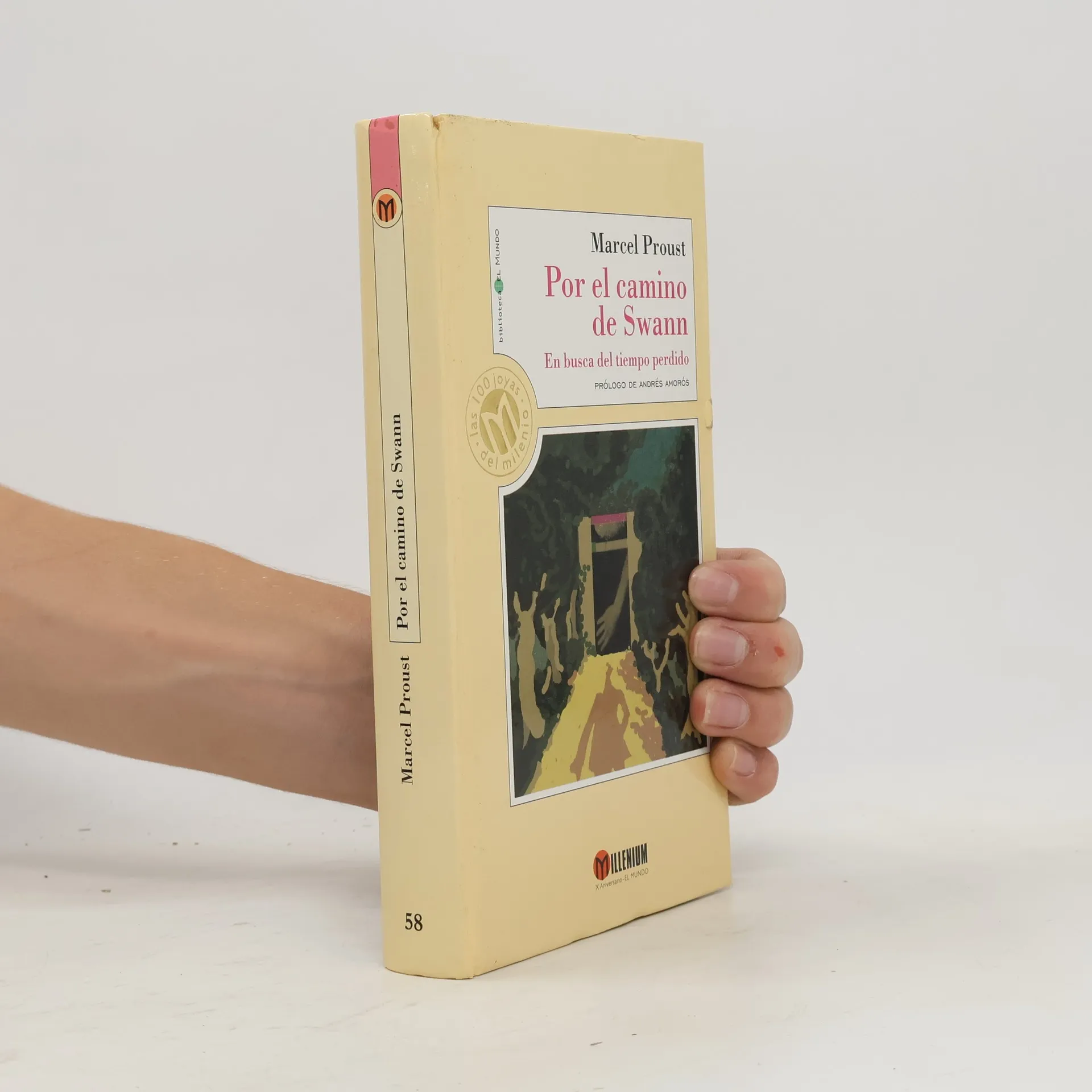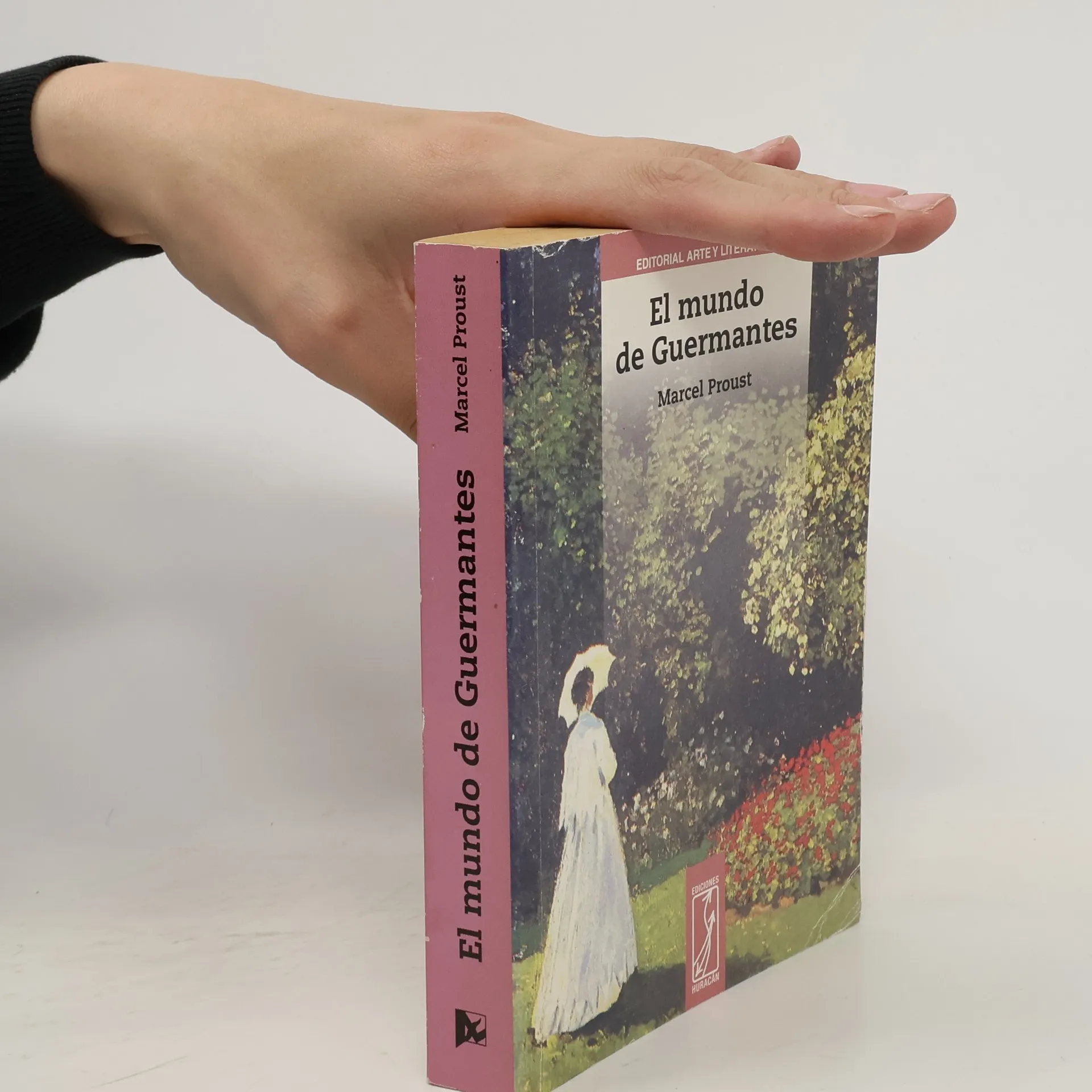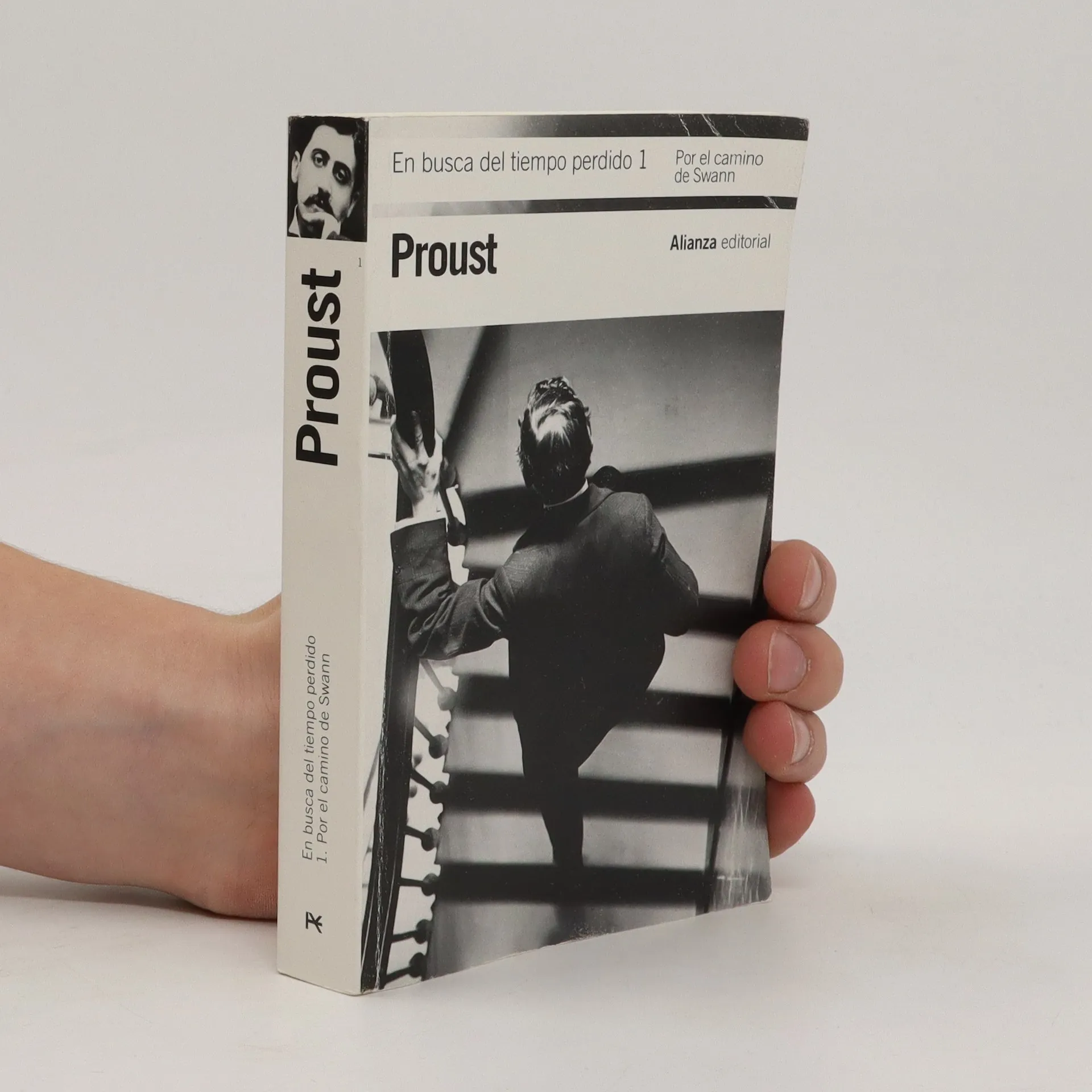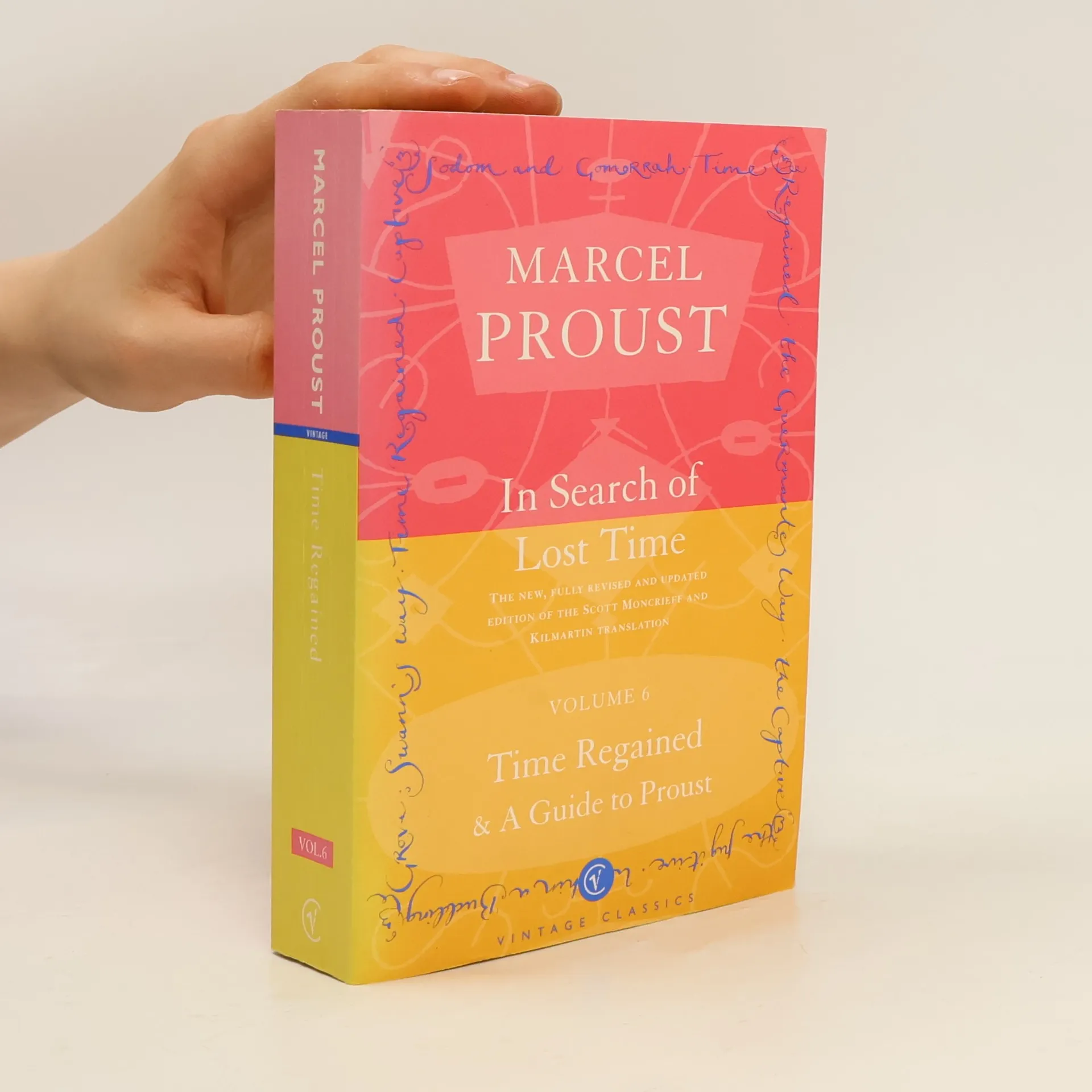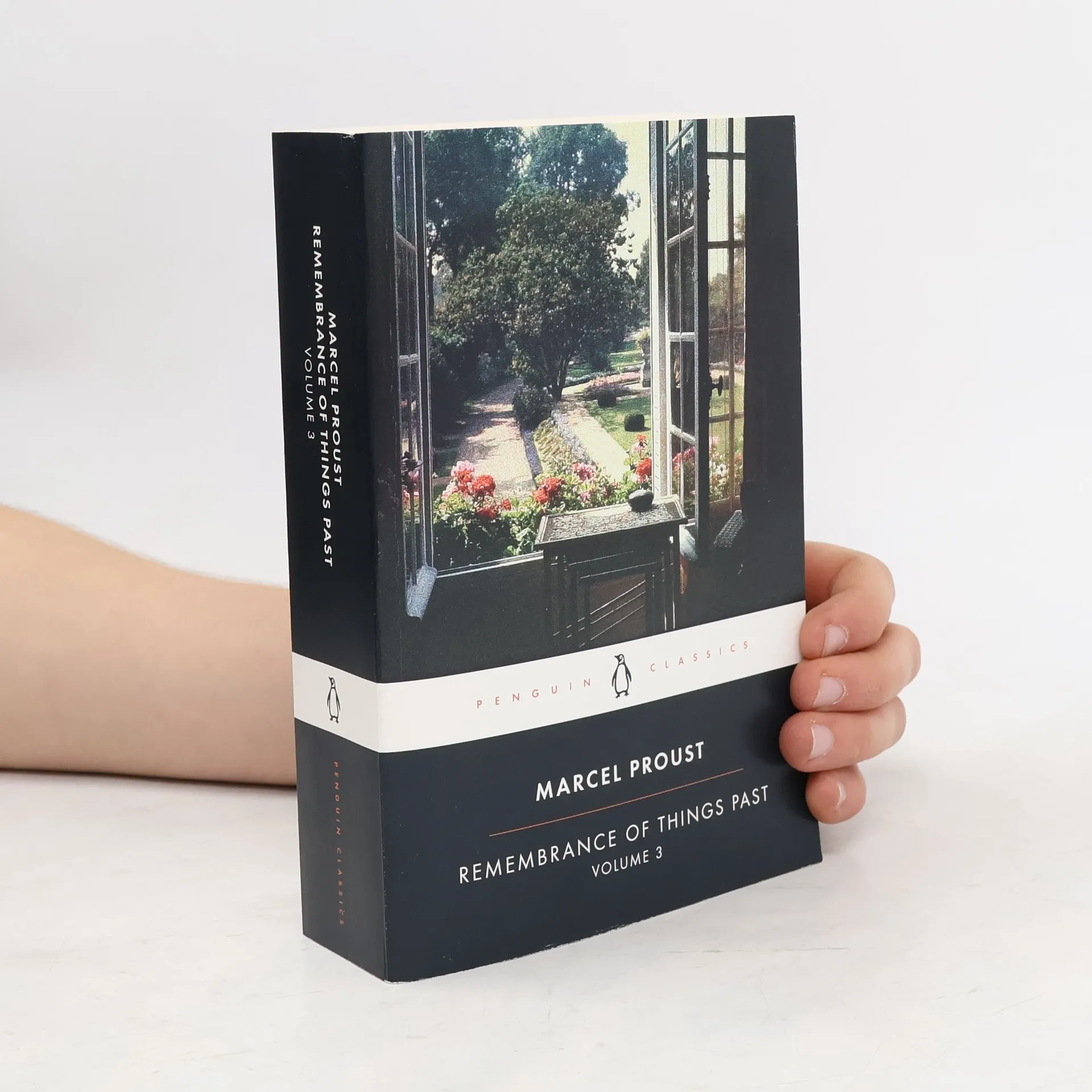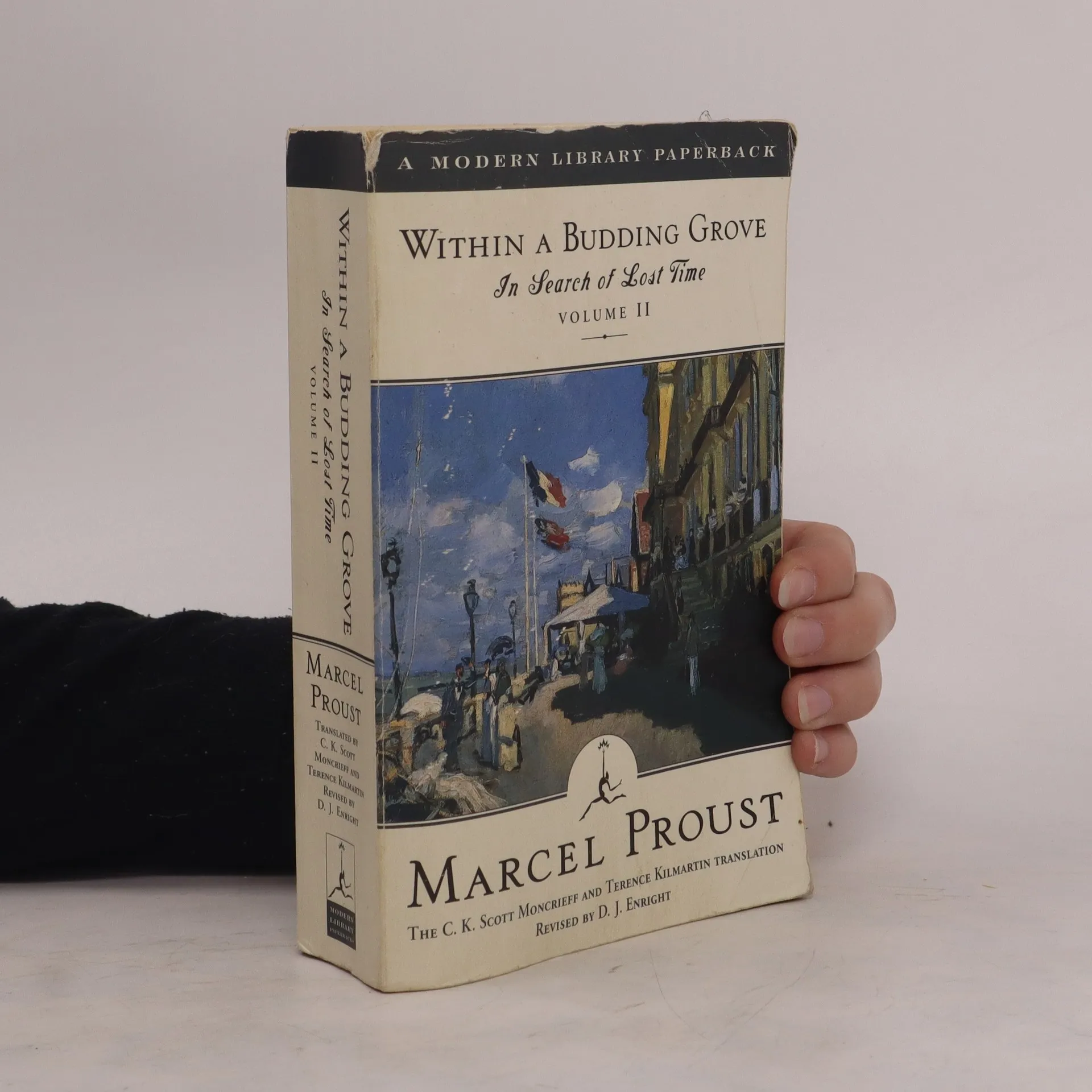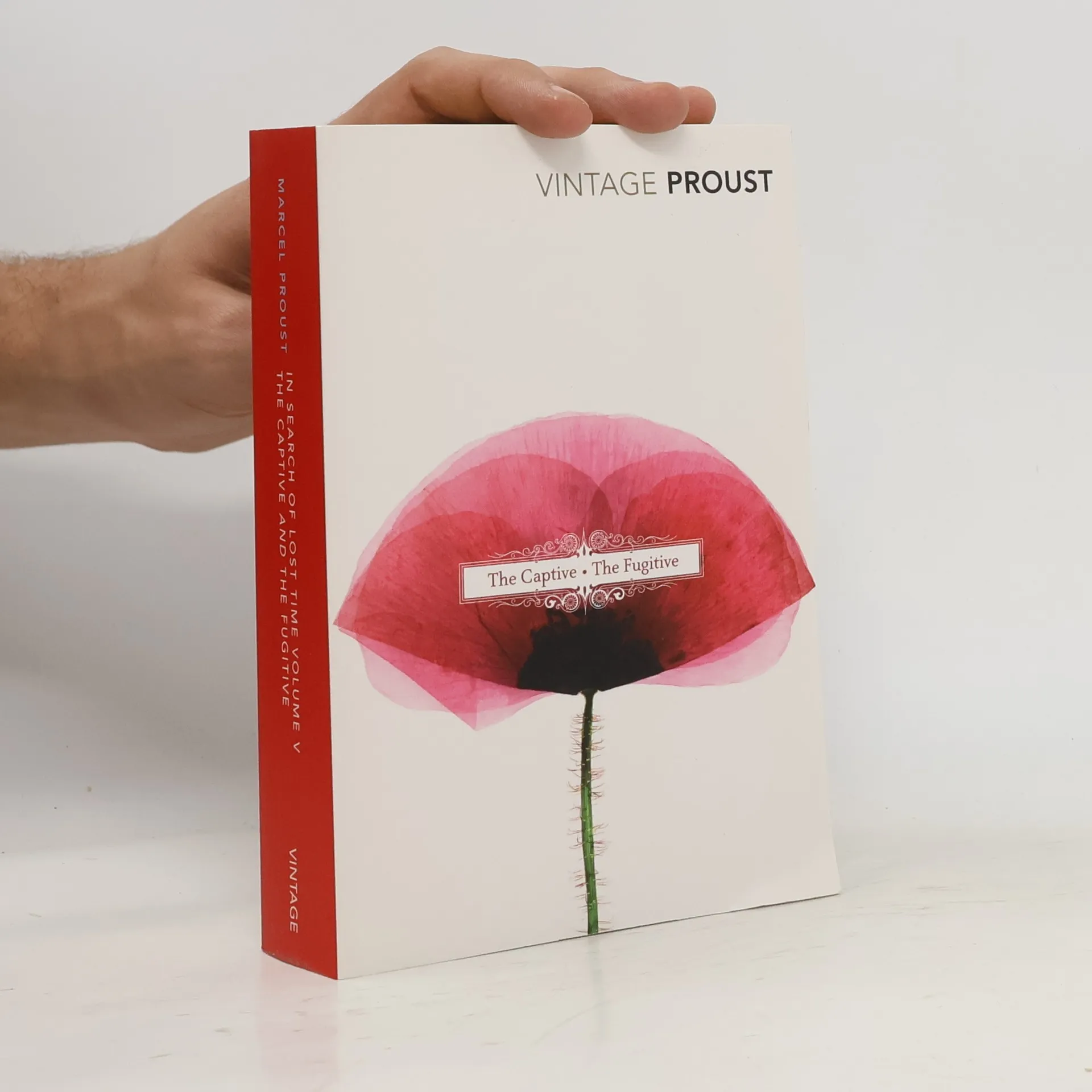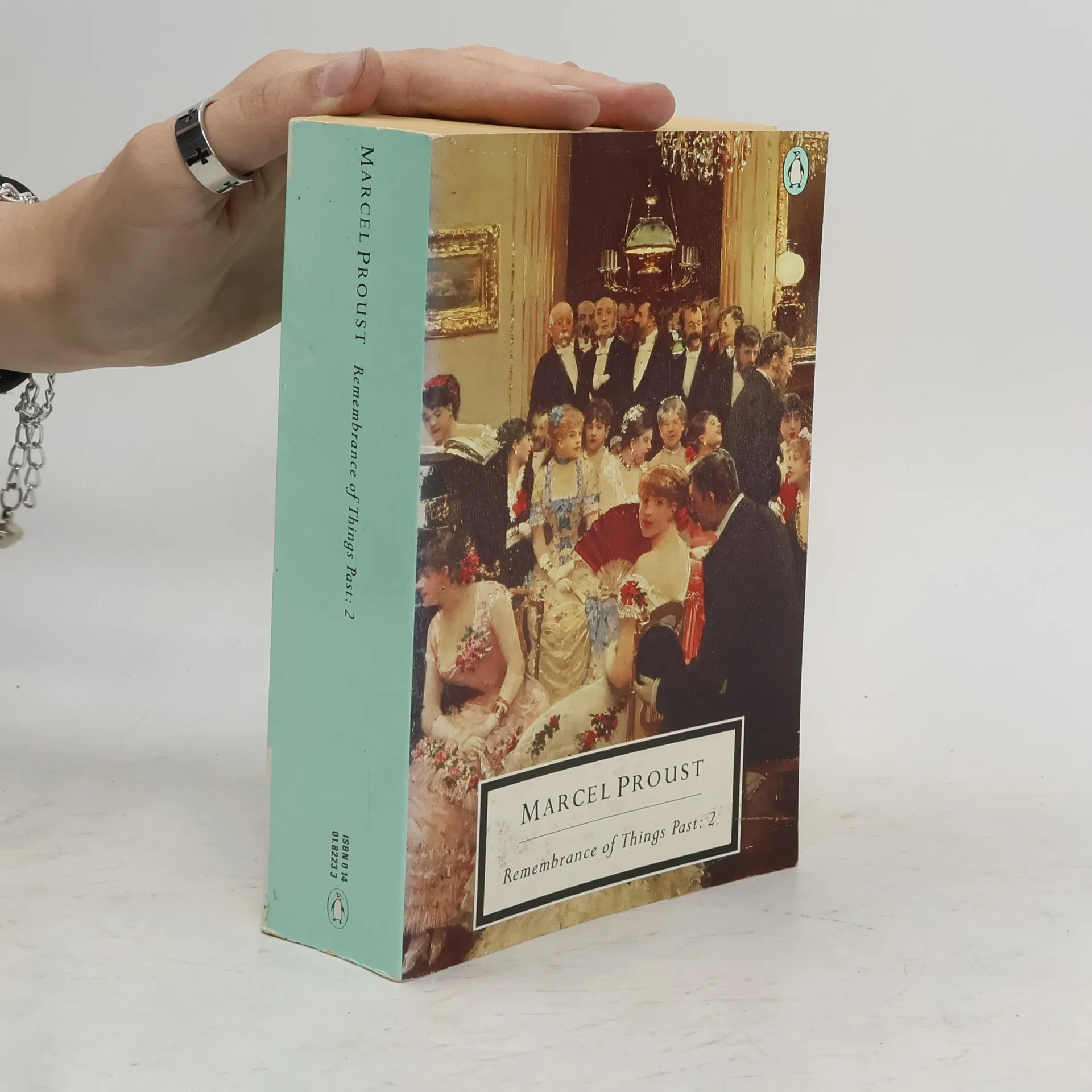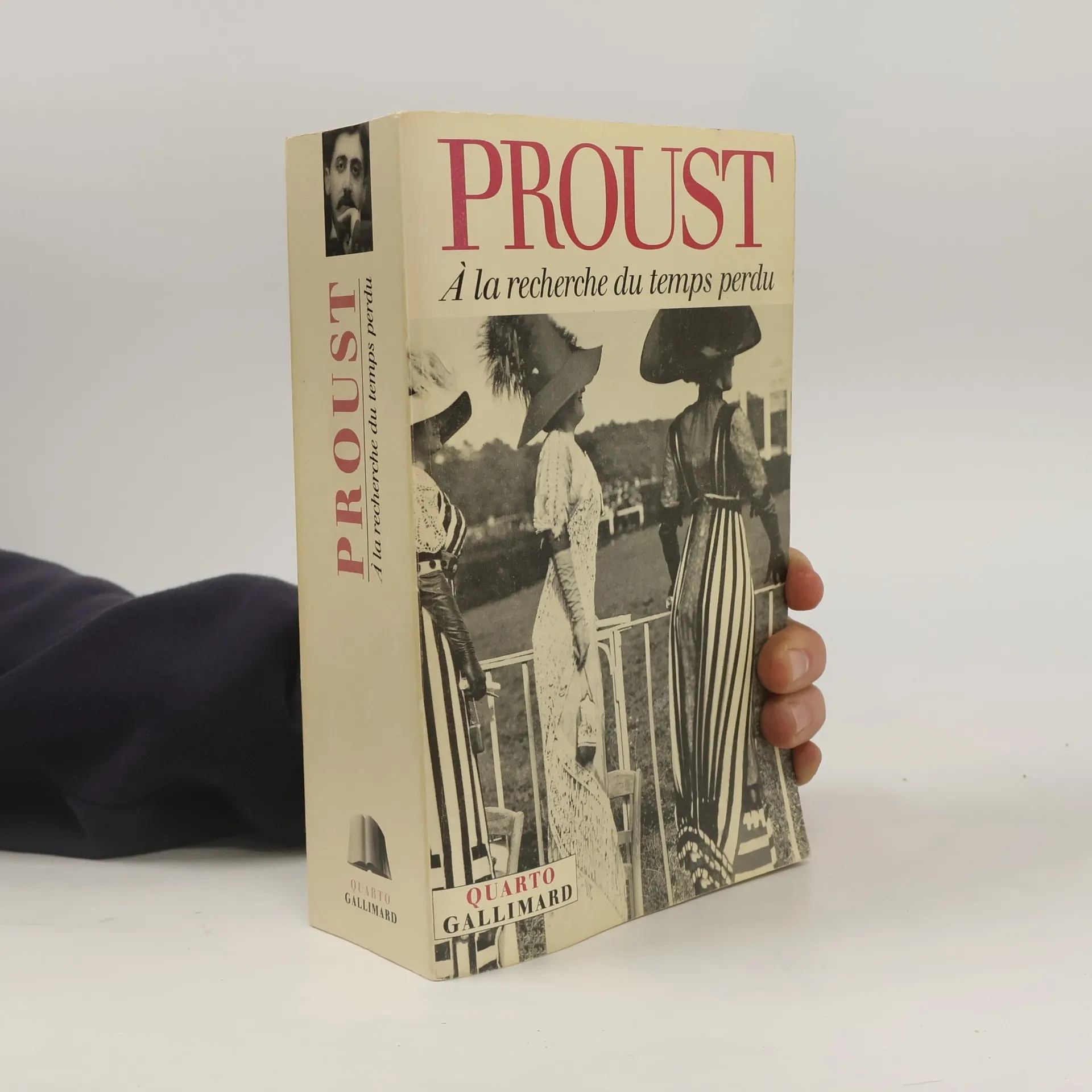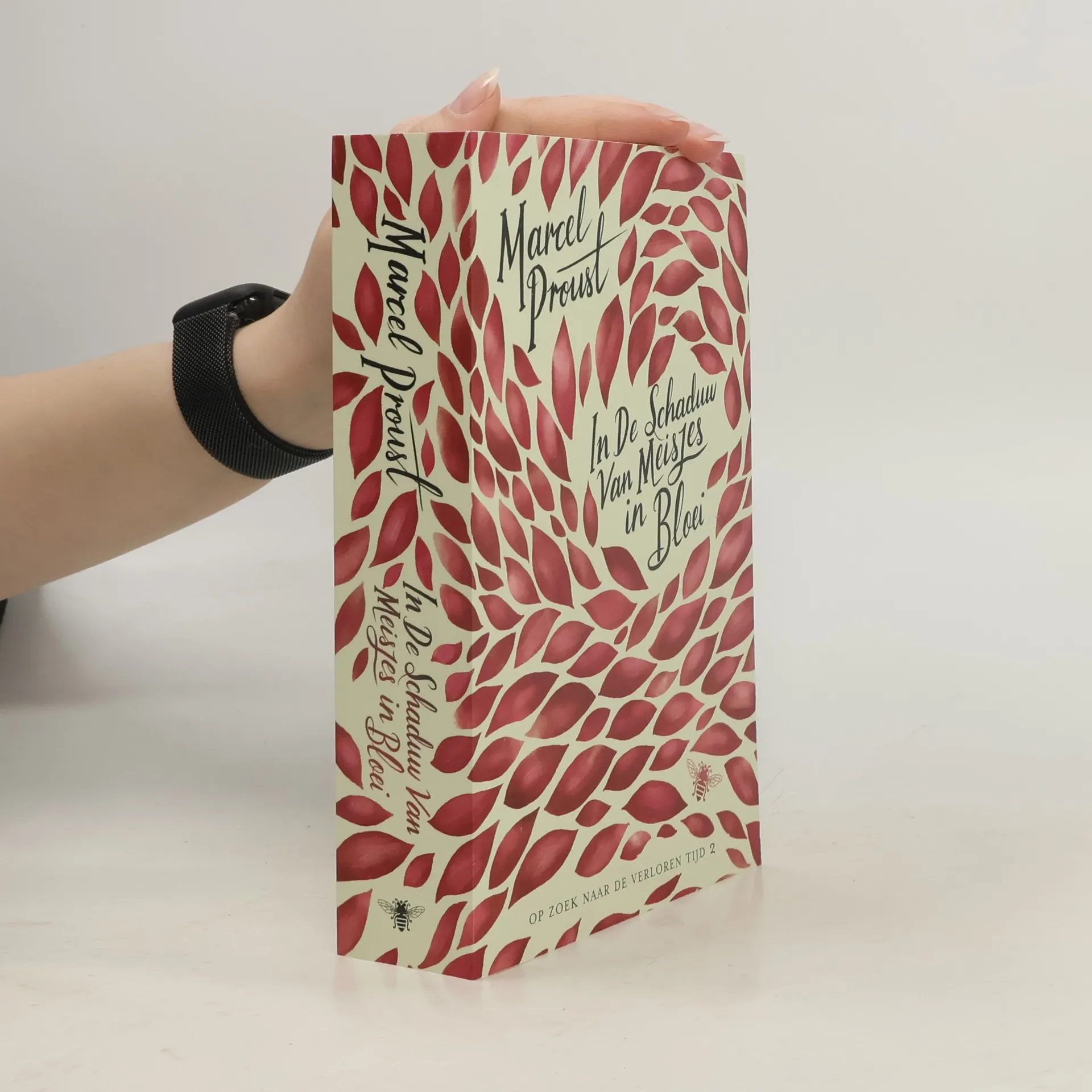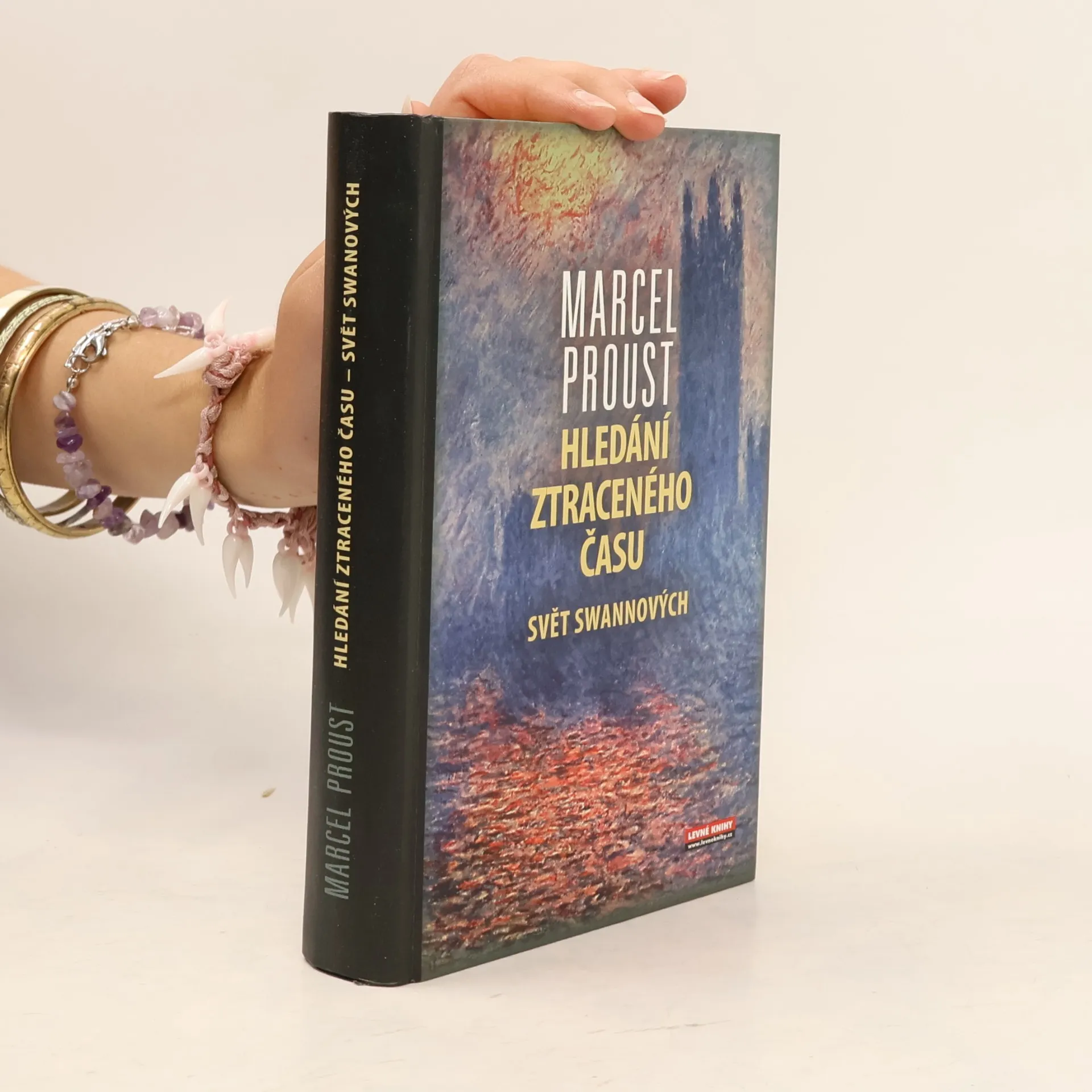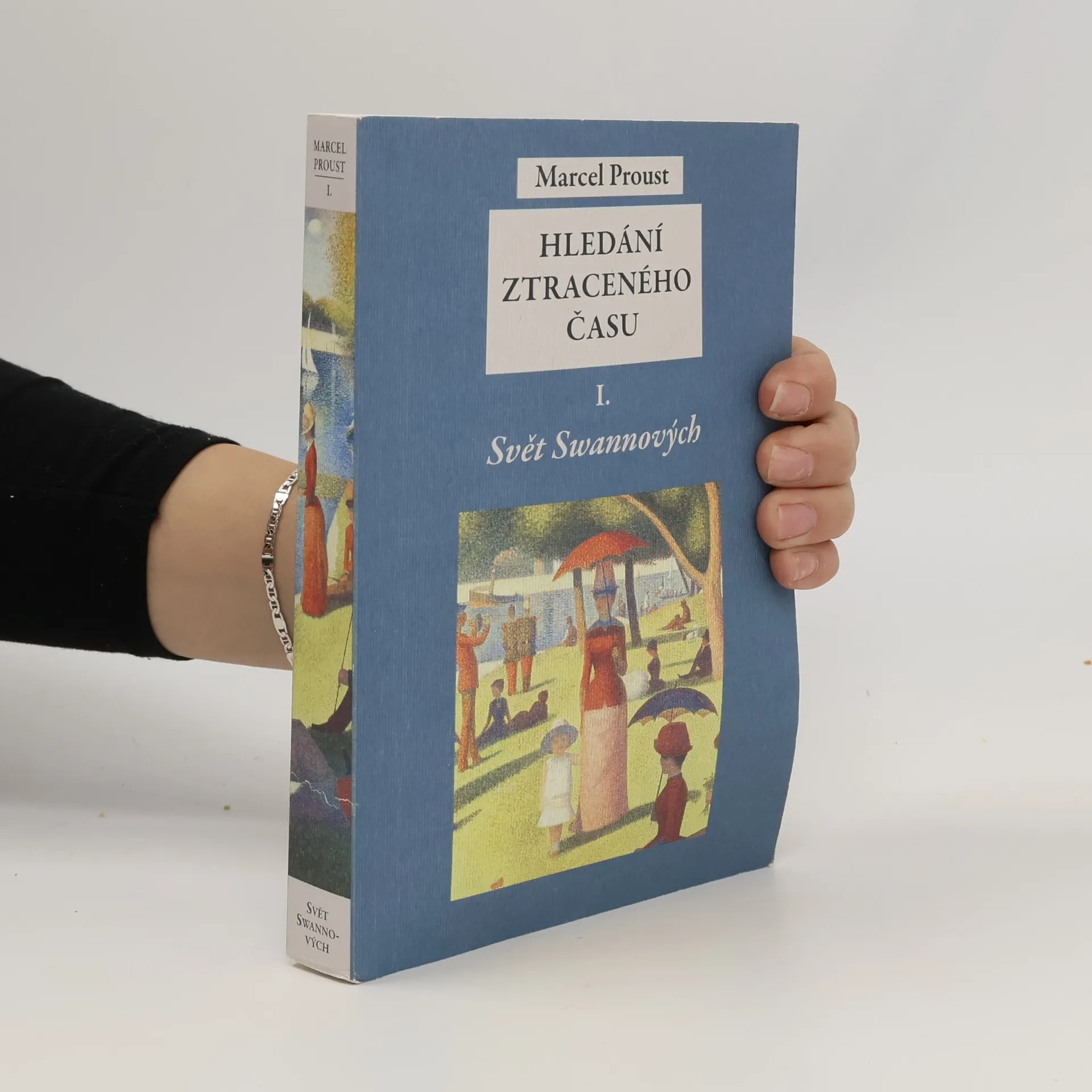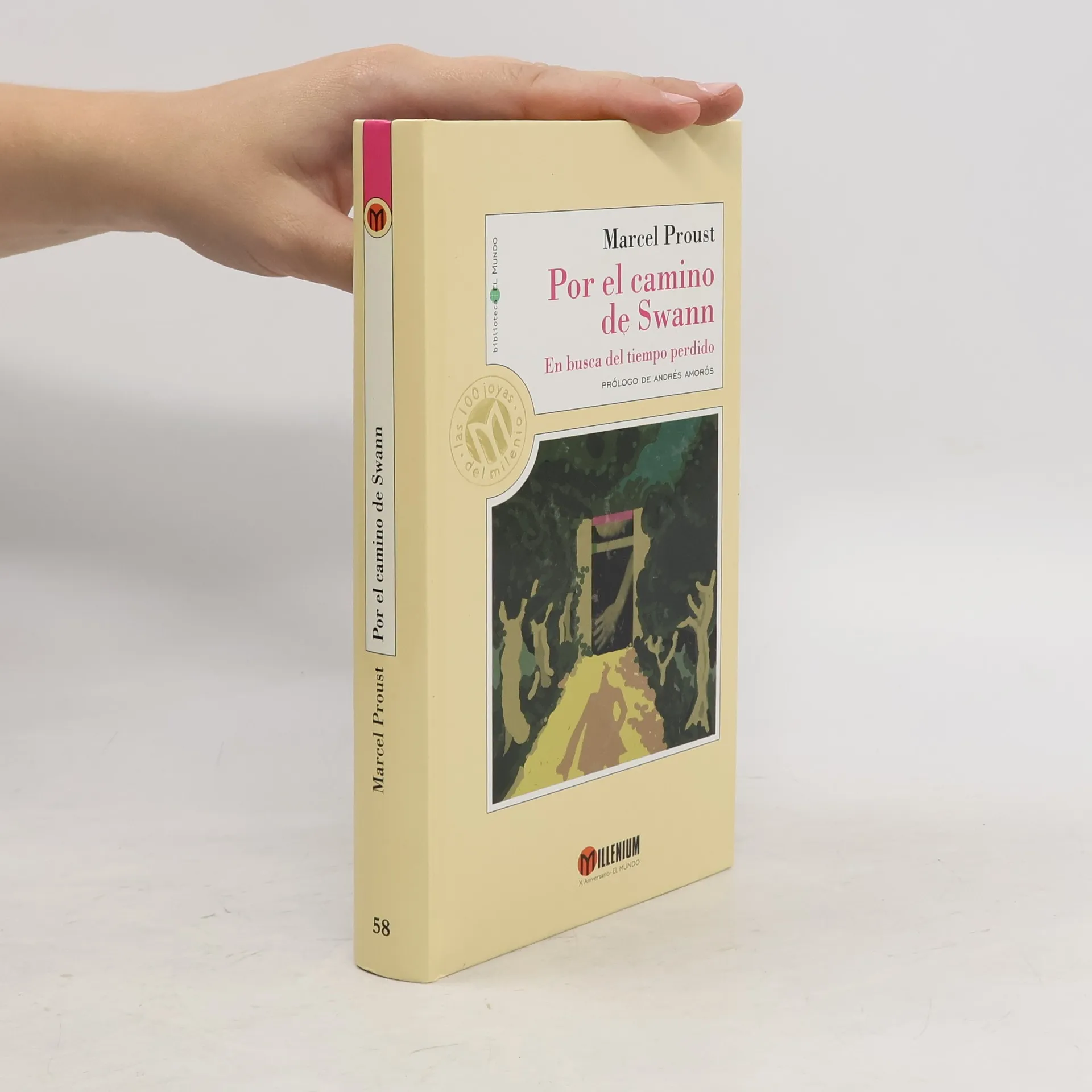
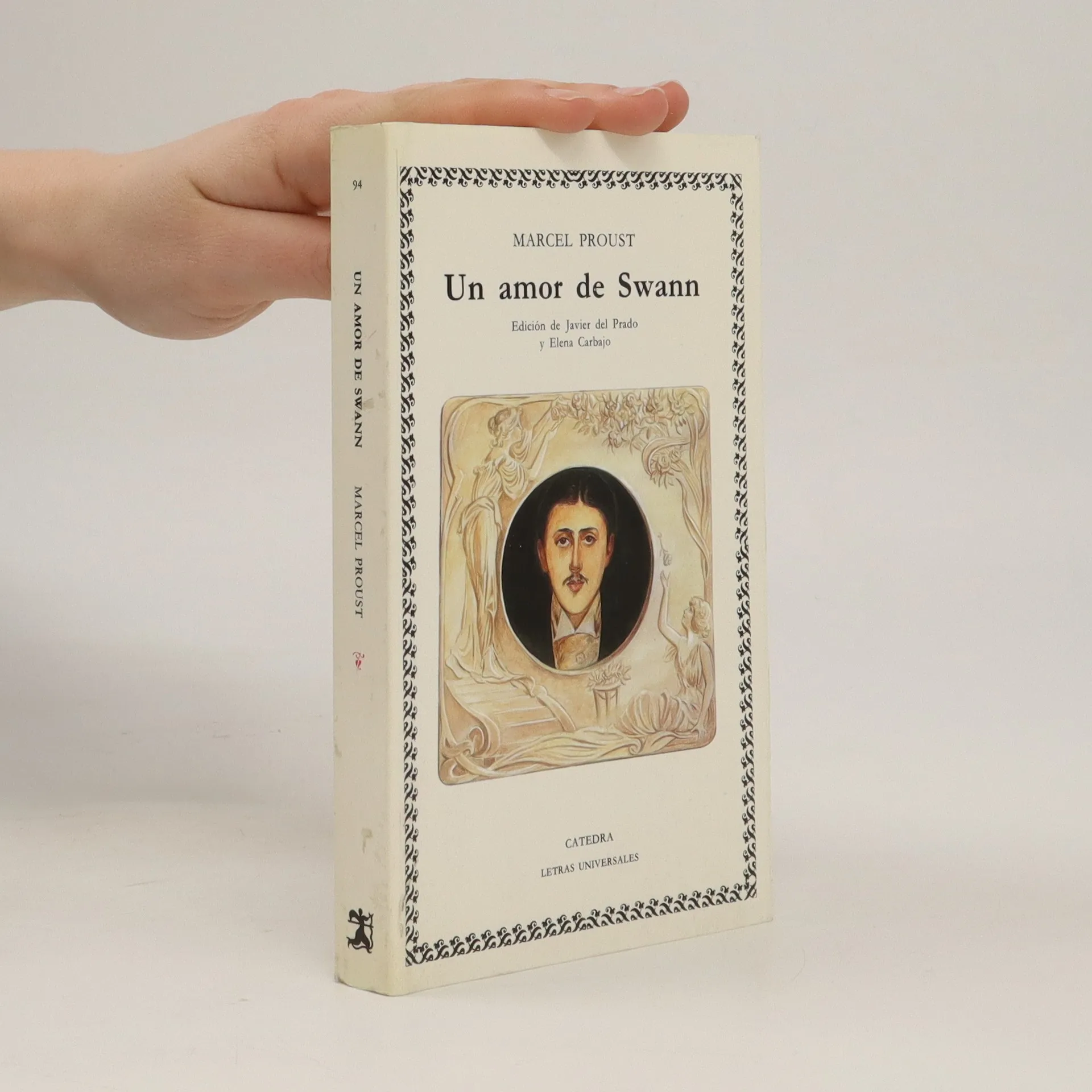
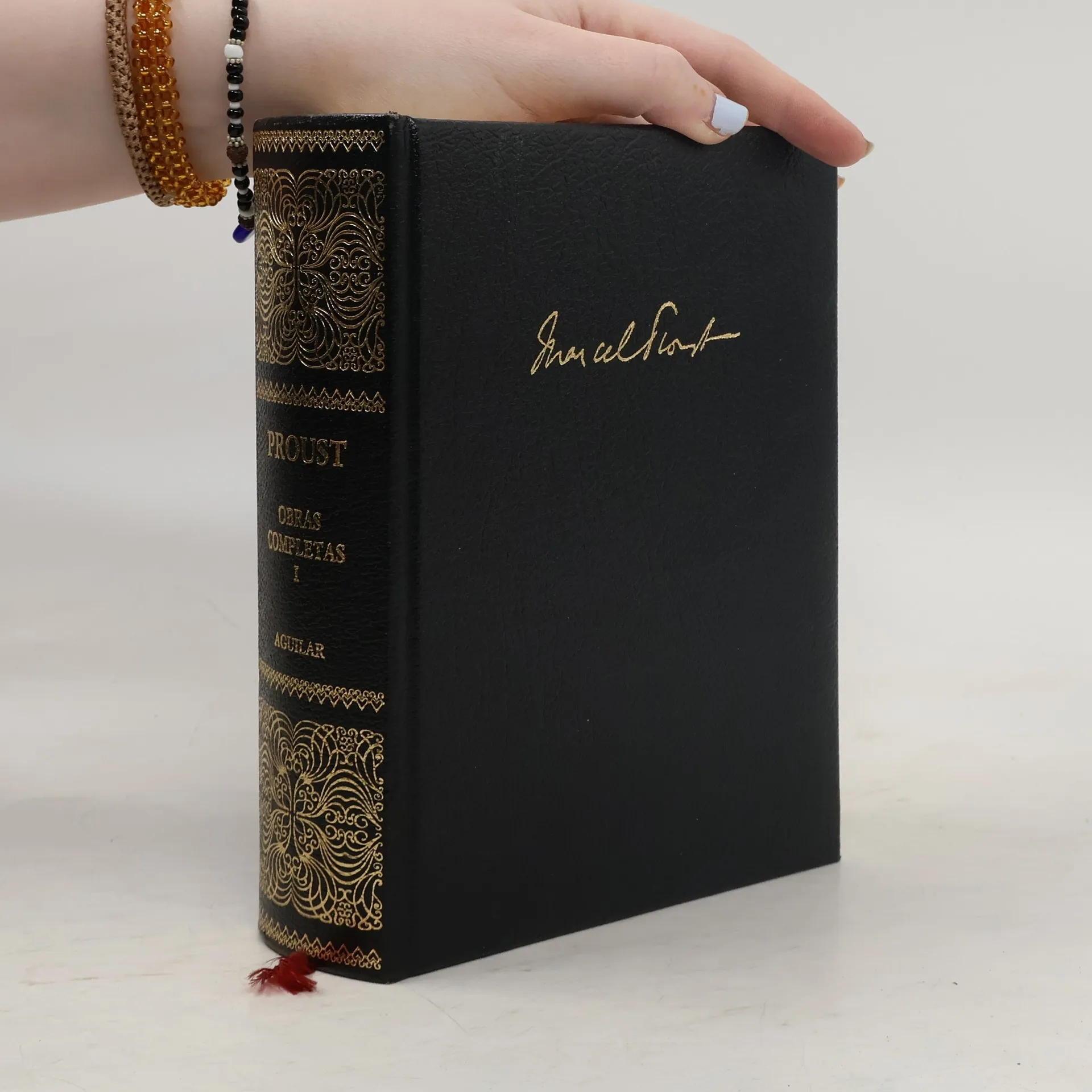
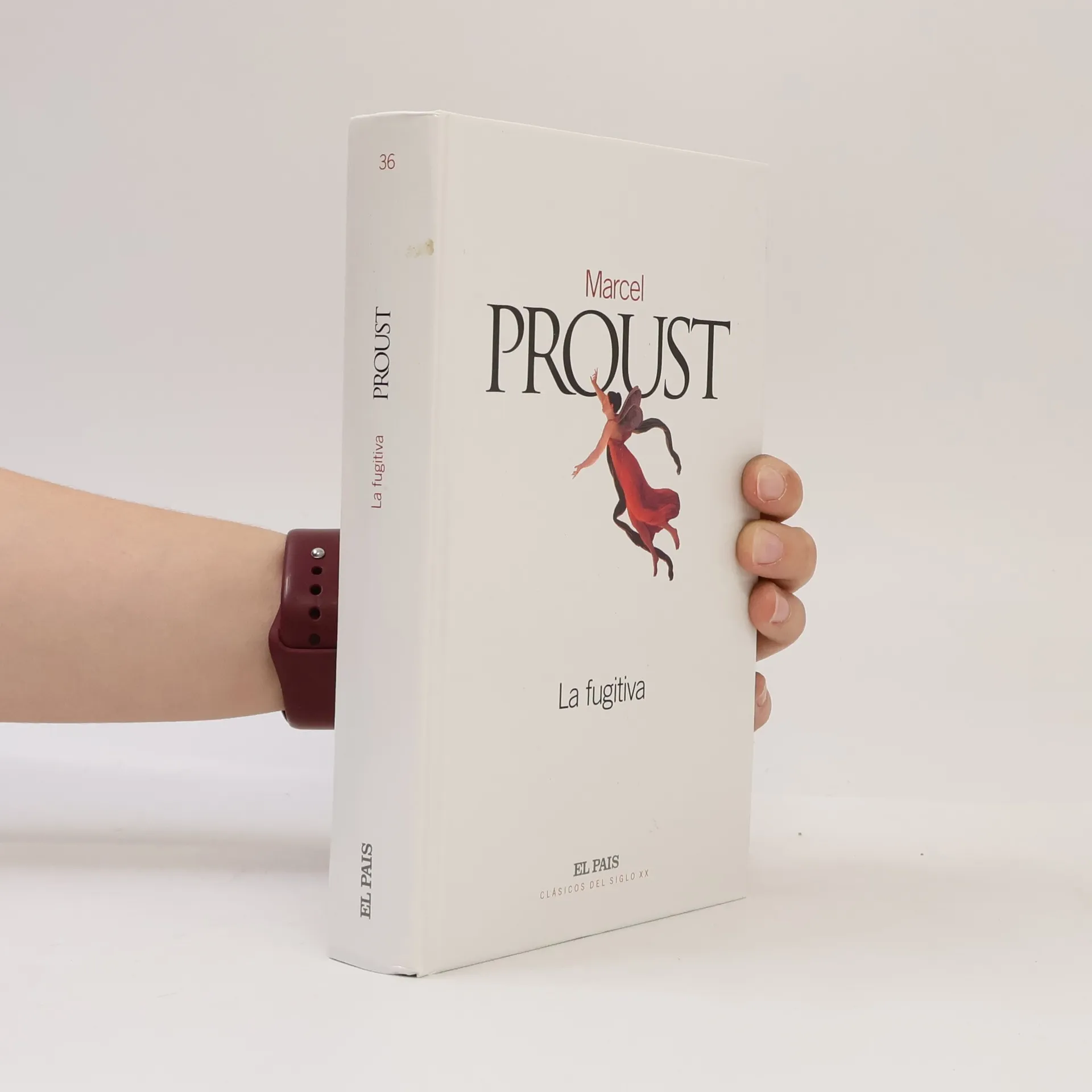
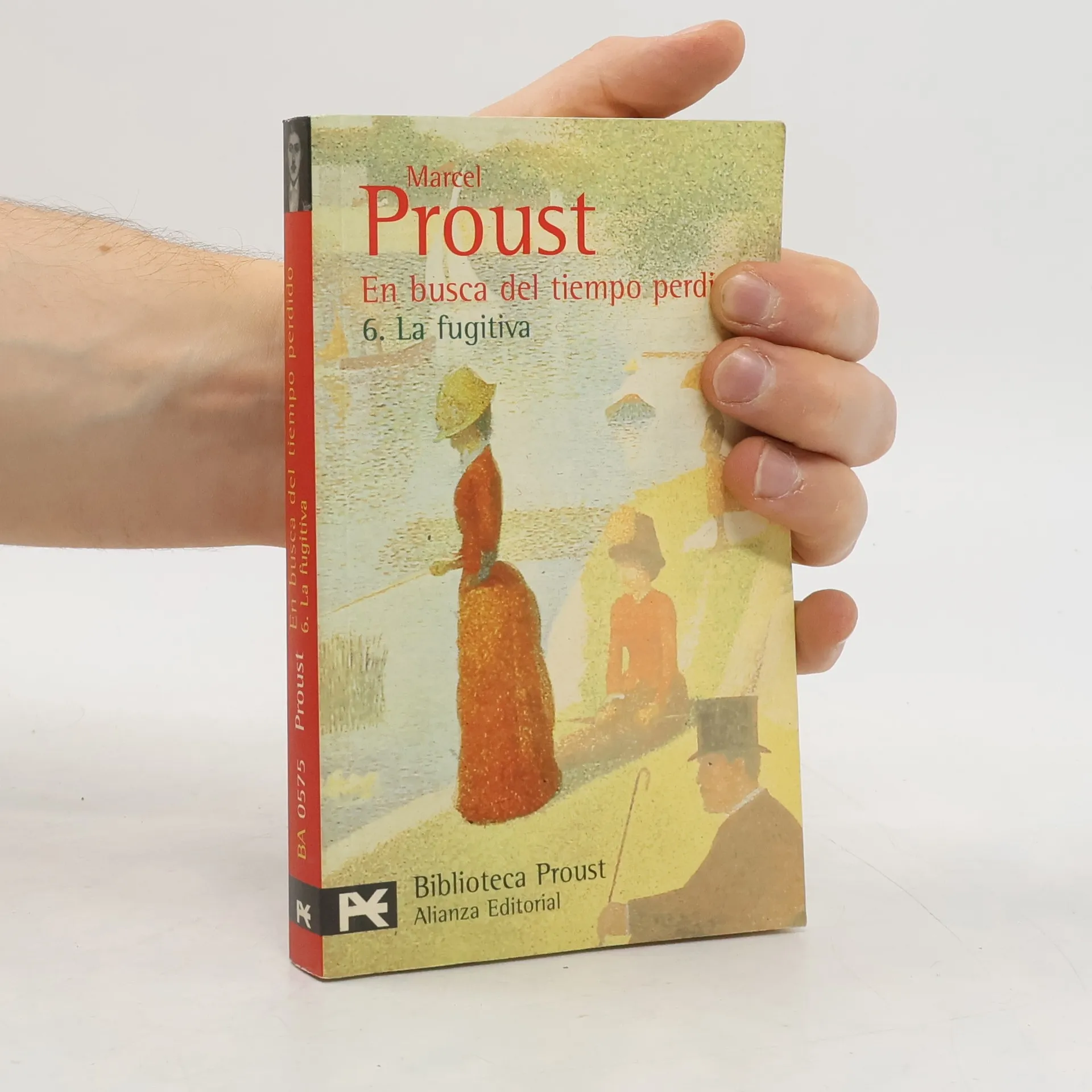
En busca del tiempo perdido
- 315 páginas
- 12 horas de lectura
Este novelista francés es ampliamente reconocido como uno de los más grandes autores del siglo XX. Su obra monumental, escrita en gran parte con un estilo de flujo de conciencia, es considerada uno de los logros literarios más deslumbrantes y significativos de los tiempos modernos. A través de su voz única, profundiza en temas como la memoria, el tiempo y los matices sociales, ofreciendo una profunda visión de la psique humana. Su enfoque distintivo y su dedicación incomparable han consolidado su lugar como una figura cumbre en la historia literaria.
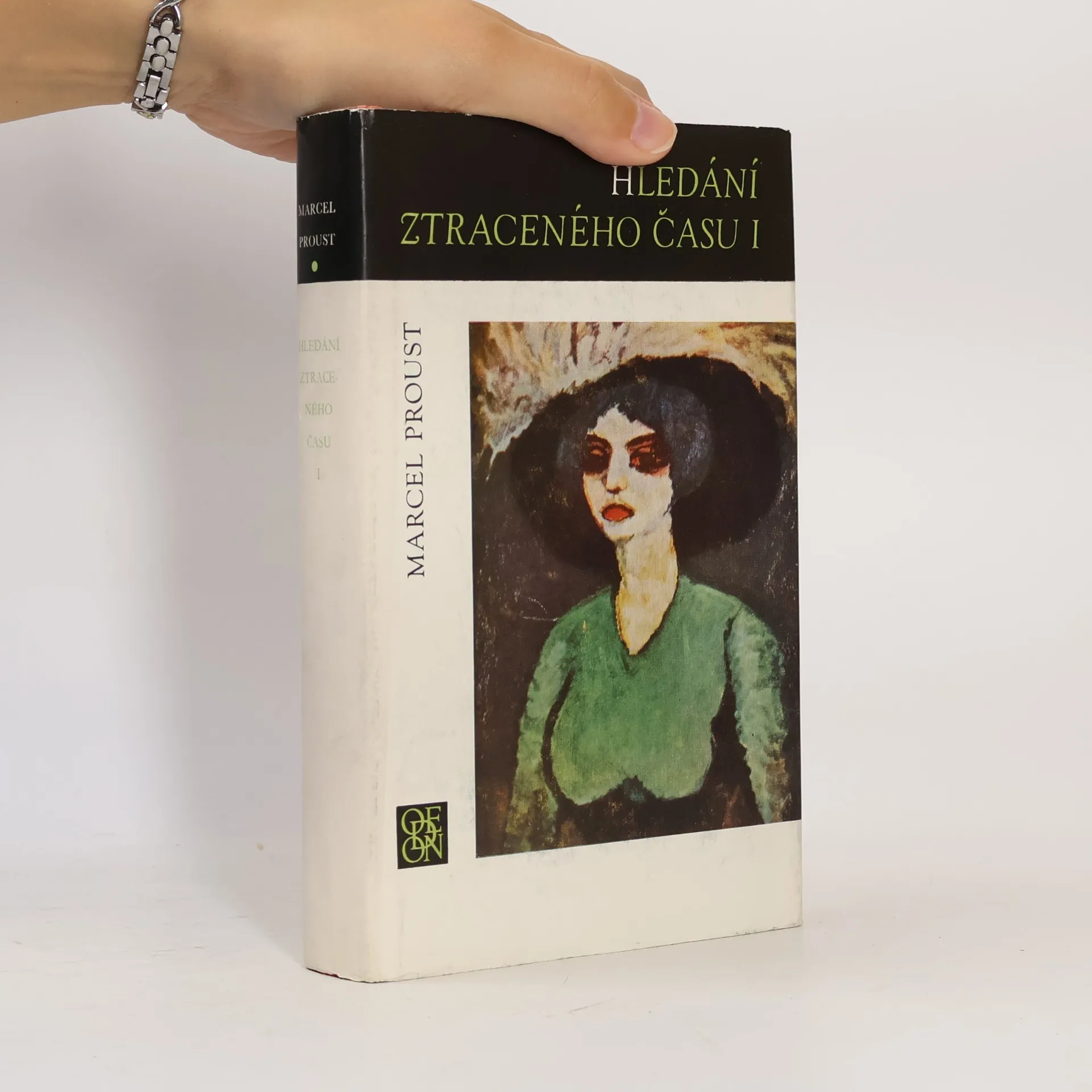


1ª edicion 1991, traduccion de J. Jamin Proust, 109 paginas, tapa blanda, en buen estado general
Barcelona. 20 cm. 938 p. Encuadernación en tapa dura de editorial. Colección 'Obras completas', numero coleccion(t. 1). Proust, Marcel 1871-1922. À la recherche du temps perdu. Traducción, Pedro Salinas y J. M. Quiroga Plà. Por el camino de Swann ; A la sombra de las muchachas en flor ; El mundo de Guermantes. En la Aguilar. Salinas, Pedro. 1891-1951. Quiroga Plá, José María. 1902-1955. Obras completas. numero coleccion( t. 1) .. Este libro es de segunda mano y tiene o puede tener marcas y señales de su anterior propietario. 8447336085 (v. 1)
Marcel Proust es para algunos, los mas, el mayor novelista del siglo XX, mientras que para otros, los menos, es un simple dilettante cuya obra esta ligada servilmente a la sociedad ociosa y desintegrada que le sirve de telon de fondo a parte de la anecdota de su texto. Un amor de Swann ofrece una estructura social cerrada y el relato de una historia de amor. Es un poema sobre el amor y la mujer y tambien un tratado sobre la funcion del arte y lo negativo de las buenas costumbres.
En Busca del Tiempo Perdido
Para muchos historiadores y críticos, «En busca del tiempo perdido» no sólo es una obra cumbre de las letras francesas del siglo xx, sino también una de las más grandes creaciones literarias de todas las épocas, en la que la trasposición en el relato de la vida de Marcel Proust (1871-1922), así como de personajes y ambientes sociales de su tiempo, dio forma a un nuevo y fecundo camino en el campo de la novela. «Por el camino de Swann» es el primer volumen de la serie que completan, por este orden, «A la sombra de las muchachas en flor», «El mundo de Guermantes», «Sodoma y Gomorra», «La prisionera», «La fugitiva» y «El tiempo recobrado».
THE ACCLAIMED FULLY REVISED EDITION OF THE SCOTT MONCRIEFF AND KILMARTIN TRANSLATIONTime Regained begins in the bleak and uncertain years of World War I. Years later, after the war's end, Proust's narrator returns to Paris and reflects on time, reality, jealousy, artistic creation, and the raw material of literature - his past life.
The third and final volume includes THE CAPTIVE, THE FUGITIVE, and TIME REGAINED.
Marcel Proust (1871-1922) spent the last fourteen years of his life writing "la recherche du temps perdu." Moncrieff's translation strives to capture the extraordinary blend of muscular analysis with poetic reverie that typifies Proust's style.
First published in 1919, Within a Budding Grove was awarded the Prix Goncourt, bringing the author immediate fame. In this second volume of In Search of Lost Time, the narrator turns from the childhood reminiscences of Swann’s Way to memories of his adolescence. Having gradually become indifferent to Swann’s daughter Gilberte, the narrator visits the seaside resort of Balbec with his grandmother and meets a new object of attention—Albertine, “a girl with brilliant, laughing eyes and plump, matt cheeks.”For this authoritative English-language edition, D. J. Enright has revised the late Terence Kilmartin’s acclaimed reworking of C. K. Scott Moncrieff’s translation to take into account the new definitive French editions of Á la recherché du temps perdu (the final volume of these new editions was published by the Bibliothèque de la Pléiade in 1989).
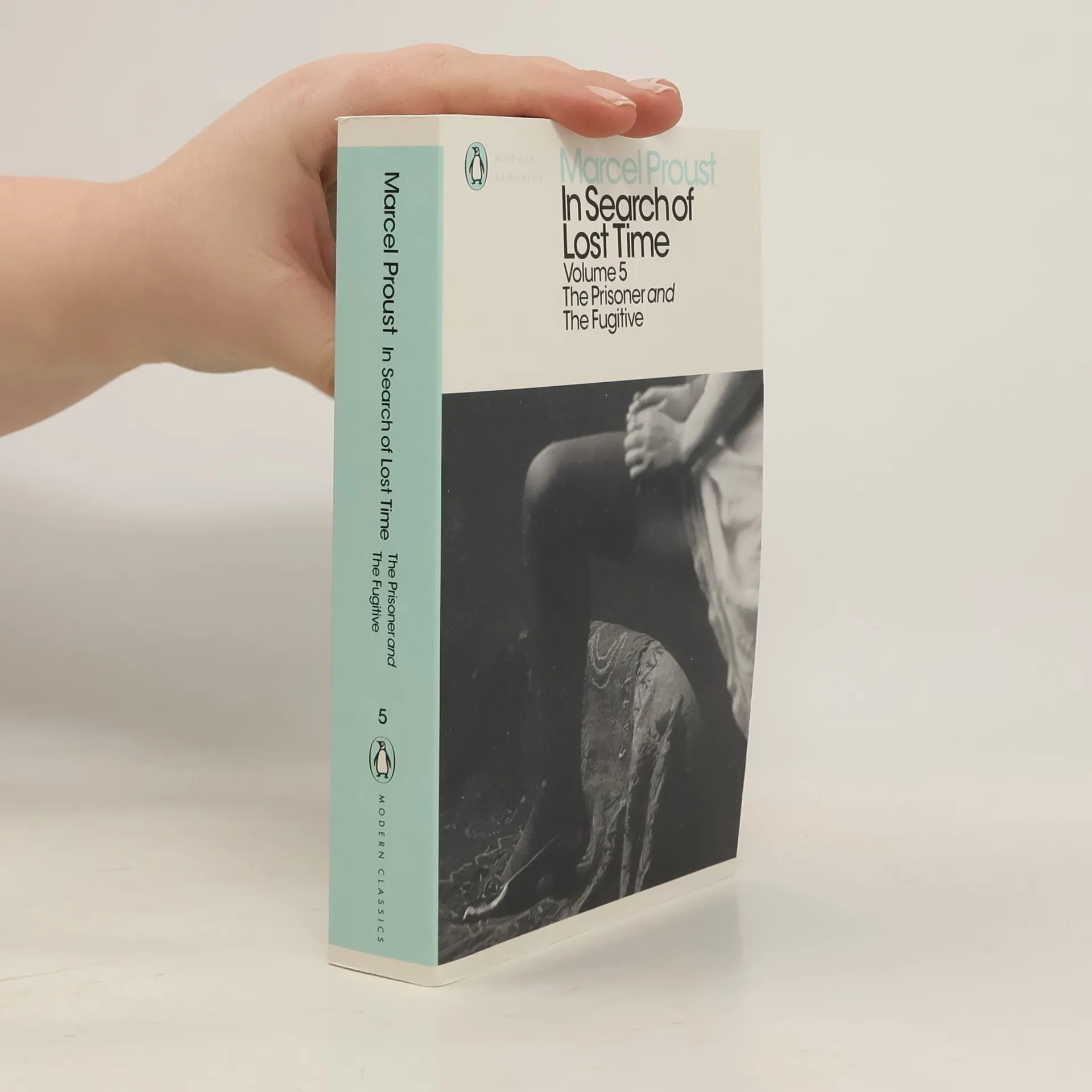
The Modern Library’s fifth volume of In Search of Lost Time contains both The Captive (1923) and The Fugitive (1925). In The Captive, Proust’s narrator describes living in his mother’s Paris apartment with his lover, Albertine, and subsequently falling out of love with her. In The Fugitive, the narrator loses Albertine forever. Rich with irony, The Captive and The Fugitive inspire meditations on desire, sexual love, music, and the art of introspection. For this authoritative English-language edition, D. J. Enright has revised the late Terence Kilmartin’s acclaimed reworking of C. K. Scott Moncrieff’s translation to take into account the new definitive French editions of Á la recherché du temps perdu (the final volume of these new editions was published by the Bibliothèque de la Pléiade in 1989).
THE ACCLAIMED FULLY REVISED EDITION OF THE SCOTT MONCRIEFF AND KILMARTIN TRANSLATIONIn the two novels - The Captive and The Fugitive - contained in this volume, Proust's narrator is living in his mother's apartment in Paris with his lover, Albertine.
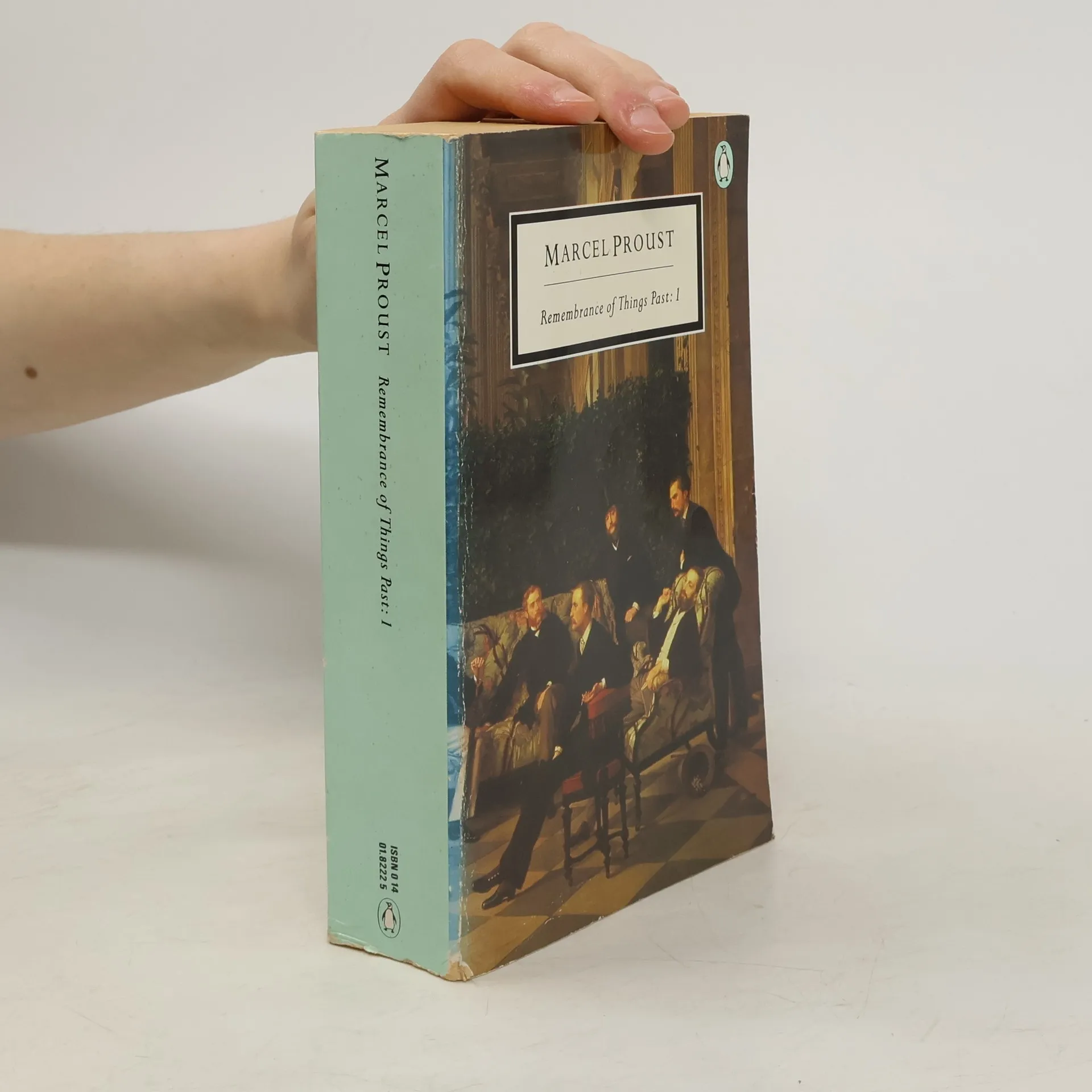
Marcel Proust whiled away the first half of his life as a self-conscious aesthete and social climber. The second half he spent in the creation of the mighty roman-fleuve that is Remembrance of Things Past, memorializing his own dandyism and parvenu hijinks even as he revealed their essential hollowness. Proust begins, of course, at the beginning--with the earliest childhood perceptions and sorrows. Then, over several thousand pages, he retraces the course of his own adolescence and adulthood, democratically dividing his experiences among the narrator and a sprawling cast of characters. Who else has ever decanted life into such ornate, knowing, wrought-iron sentences? Who has subjected love to such merciless microscopy, discriminating between the tiniest variations of desire and self-delusion? Who else has produced a grief-stricken record of time's erosion that can also make you laugh for entire pages? The answer to all these questions is: nobody.
This Wiseblood Books edition of Death Comes for the Cathedrals includes an introduction by its translator, Dr. John Pepino, an afterword by Dr. Peter Kwasniewski, and beautiful color images of Chartres Cathedral.
Scott Moncrieff's translation to take into account the new definitive French editions of A la recherche du temps perdu (the final volume of these new editions was published by the Bibliotheque de la Pleiade in 1989). schovat popis
Marcel continues his voyage of discovery through the homosexual world, where affairs of the ageing Baron de Charlus lead to unexpected and hilarious adventures. schovat popis
In the opening volume of Proust's great novel, the narrator travels backwards in time in order to tell the story of a love affair that had taken place before his own birth. All Proust's great themes - time and memory, love and loss, art and the artistic vocation - are here in kernel form. schovat popis
Describes the class tensions of a changing France at the beginning of the twentieth century and exposes the decadence of aristocratic Parisian society and muses upon the subjects of homosexuality and sexual jealousy.
This edition presents two interconnected narratives, "The Captive" and "The Fugitive," exploring themes of love, obsession, and the complexities of human relationships. Proust delves into the psychological intricacies of his characters, particularly focusing on the protagonist's turbulent emotions and the impact of desire and possession. As part of the broader tapestry of "In Search of Lost Time," these volumes continue to unravel the intricate dynamics of memory and identity within the context of early 20th-century French society.
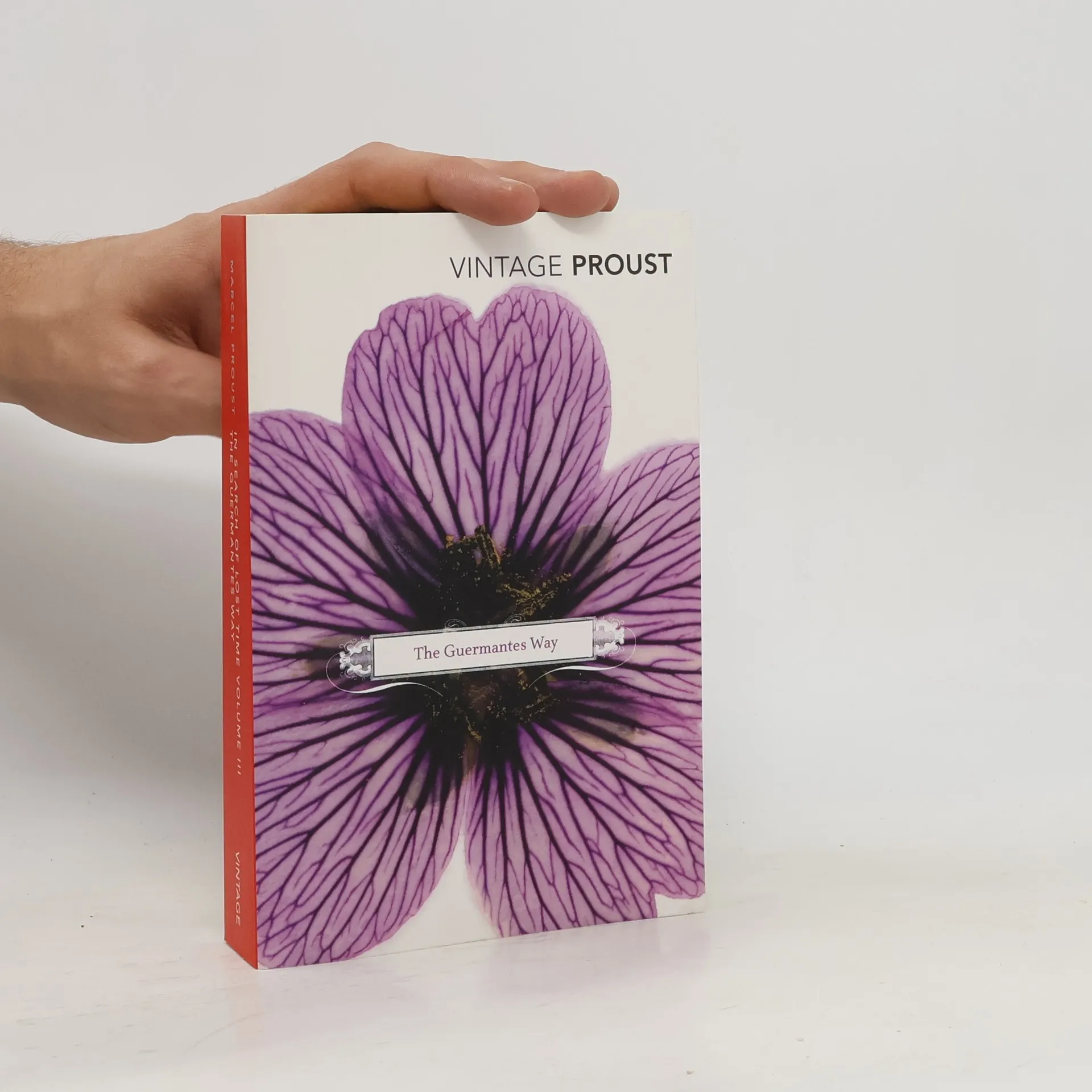
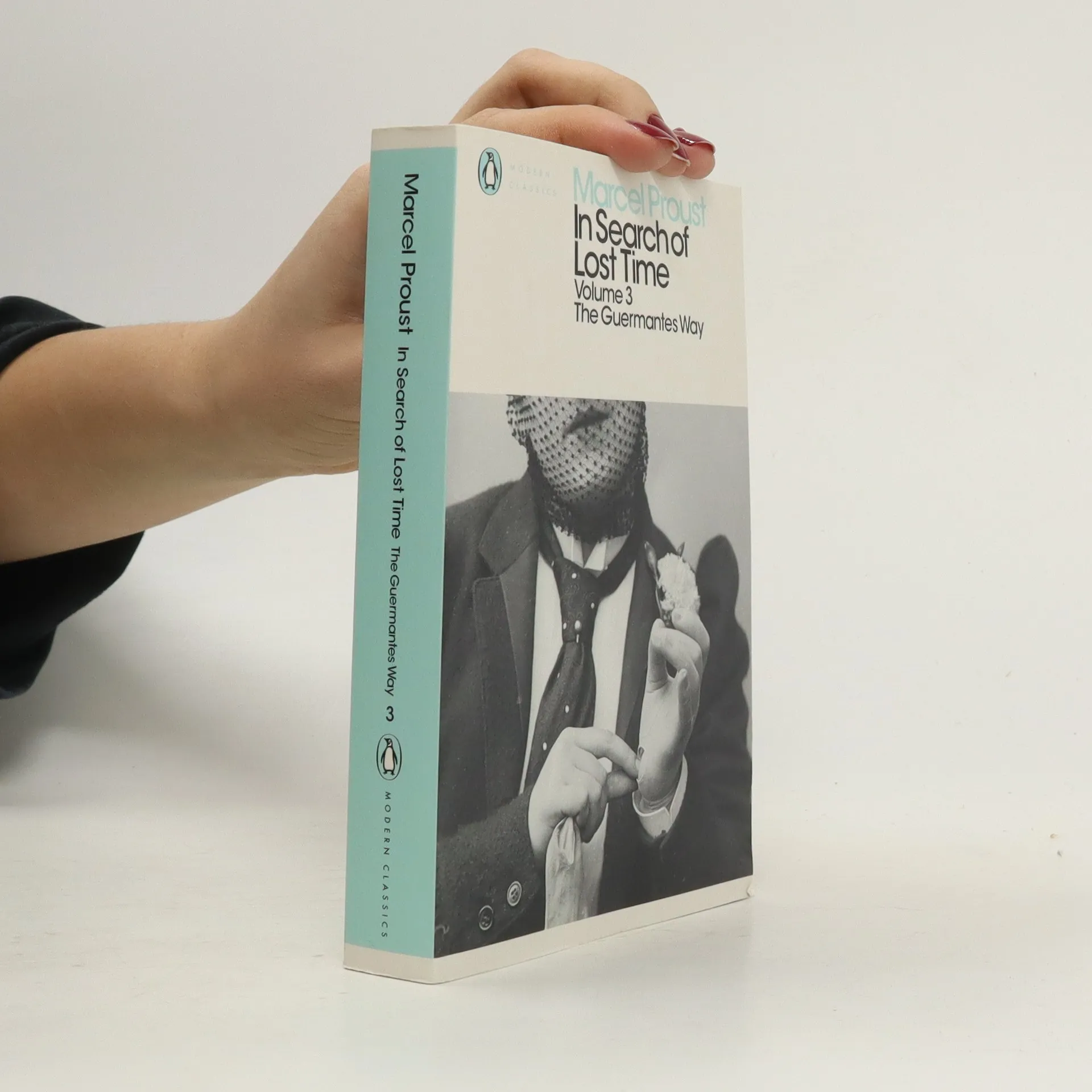
THE ACCLAIMED FULLY REVISED EDITION OF THE SCOTT MONCRIEFF AND KILMARTIN TRANSLATIONIn The Guermantes Way Proust's narrator recalls his initiation into the dazzling world of Parisian high society. Looking back over his time in the glamorous salons of the aristocracy, he satirises this shallow world and his own youthful infatuation with it.
An authoritative new edition of the third volume in Marcel Proust's epic masterwork, In Search of Lost Time
"Carol Clark's acclaimed new translation of The Prisoner introduces a new generation of American readers to the literary riches of Marcel Proust. The fifth volume in Penguin's superb edition of In Search of Lost Time -- the first completely new translation of Proust's masterpiece since the 1920s -- brings us a more comic and lucid prose than readers of English have previously been able to enjoy. In The Prisoner -- the volume that represents 'the very summit of Proust's art' (Slate) -- the prisoner is Albertine, the tall, dark orphan with whom Marcel had fallen in love at the end of Sodom and Gomorrah (volume 4). Marcel, who worries obsessively about Albertine's relationships with other women, grows more and more irrational in his attempt to control her, keeping her prisoner in his family's apartment in Paris and buying her couture gowns, furs, and jewelry in an attempt to protect her from herself and from the outside world. And yet in addition to being a tragedy of possessive love, The Prisoner is also a comedy of human folly and misunderstanding, linked to the other volumes of the larger novel through its themes of class differences, art, irrationality, social snobbery, and, of course, time and memory."-- book jacket
'The transmutation of sensation into sentiment, the ebb tide of memory, waves of emotion such as desire, jealousy, and artistic euphoria — this is the material of this enormous and yet singularly light and translucid work' — Vladimir Nabokov Originally rendered by C.K. Scott Moncrieff from an early and unrealiable French edition, Proust’s masterpiece has now been flawlessly translated by Terence Kilmartin in this acclaimed version.
In The Guermantes Way Proust's narrator recalls his initiation into the dazzling world of Parisian high society. Looking back over his time in the glamorous salons of the aristocracy, he satirises this shallow world and his own youthful infatuation with it. schovat popis
Celebrating the 150th anniversary of Marcel Proust's birth, this penultimate volume showcases the pinnacle of his literary artistry. It is part of the highly regarded Penguin translation, offering readers a chance to engage with Proust's intricate narrative and profound themes. The book promises to deepen the exploration of memory, time, and human experience, solidifying its place as a significant contribution to modern literature.
'In Search of Lost Time' is Proust's masterpiece and was described by Somerset Maugham as the greatest novel of the 20th century
This graphic adaptation reveals the fundamental architecture of Proust's work while displaying a remarkable fidelity to his language as well as the novel's themes of time, art, and the elusiveness of memory.
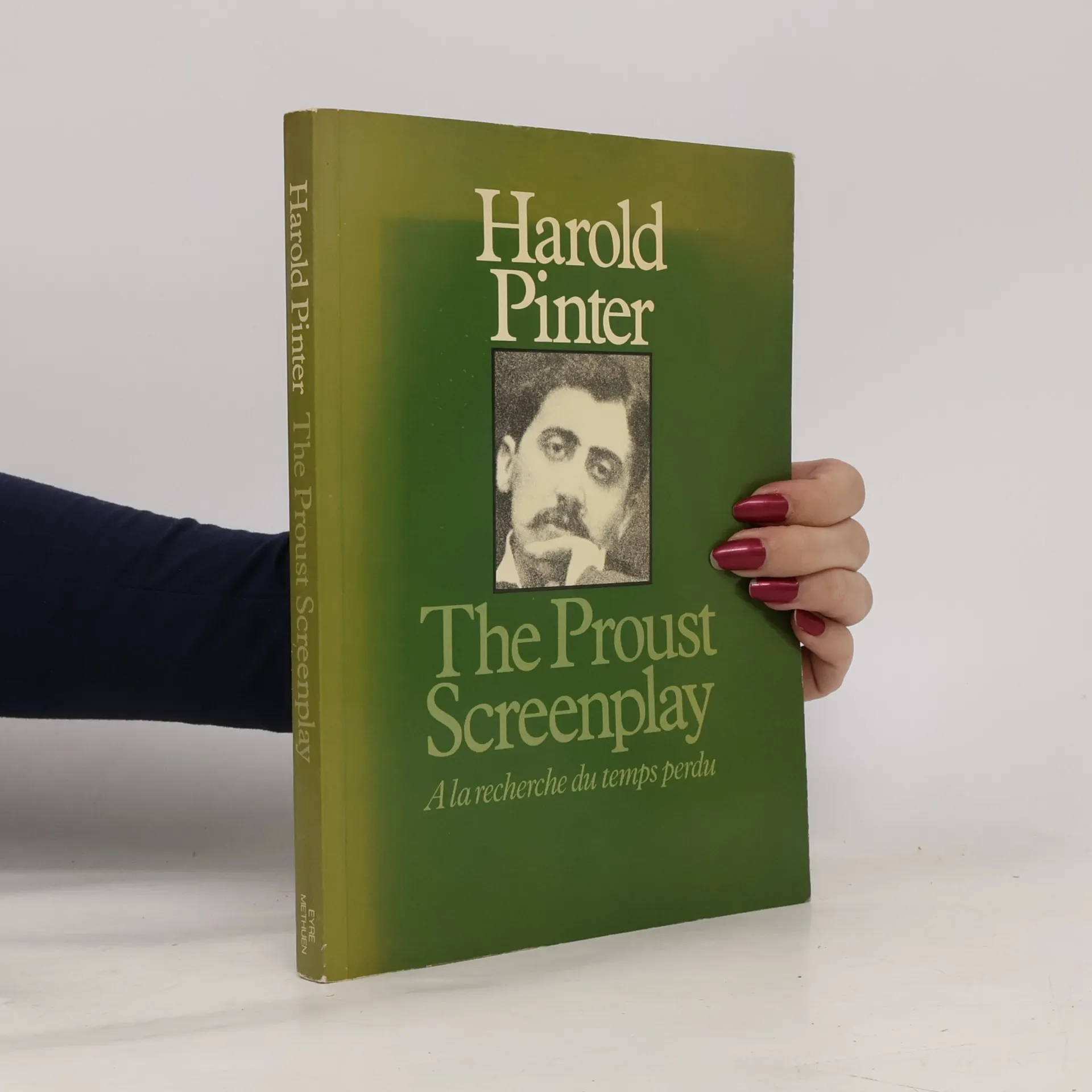
In the early 1970s Harold Pinter joined forces with director Joseph Losey and Proust scholar Barbara Bray to develop a screenplay of Proust's masterpiece, Remembrance of Things Past. Pinter took more than a year to conceive and write the screenplay and called the experience "the best working year of my life." Although never produced, Harold Pinter's The Proust Screenplay is considered one of the greatest adaptations for the cinema ever written.With fidelity to Proust's text, the screenplay is an extraordinary re-creation by one of the leading playwrights of our time. It is, in its way, a unique collaboration between two extraordinary writers united across more than half a century and two different cultures by a special concern for time and memory.
In Search of Lost Time is one of the greatest, most entertaining reading experiences in any language. This book is an English translation of the French original.
The definitive translation of the bestselling and best-known book of Marcel Proust's sequence Remembrance of Things Past.
Rich in language and detail, and by turns satirical and moving, Proust's stories - presented here in Andrew Brown's nuanced translation, the only edition currently in print - are layered with imagery and feeling and foreshadow the themes and psychological atmosphere of his later masterpiece.
In these inspiring essays about why people read, Proust explores all the pleasures and trials that readers take from books and the joys of losing oneself in literature.
Newly discovered stories from one of the great storytellers of the twentieth century Throughout Proust's life, nine of his short stories remained unseen - the writer never spoke of them. Why did he choose not to publish them along with the others? One possible answer is that he was developing his themes in preparation for his masterpiece, In Search of Lost Time; another is that the stories were too audacious - too near to life - for the censorious society of the time. In these stories, published here for the first time, we find an intimate picture of a young author full of darkness and melancholy, longing to reveal his true self to the world.
"In Search of Lost Time" is one of the greatest, most entertaining reading experiences in any language. This book is an English translation of the French original.
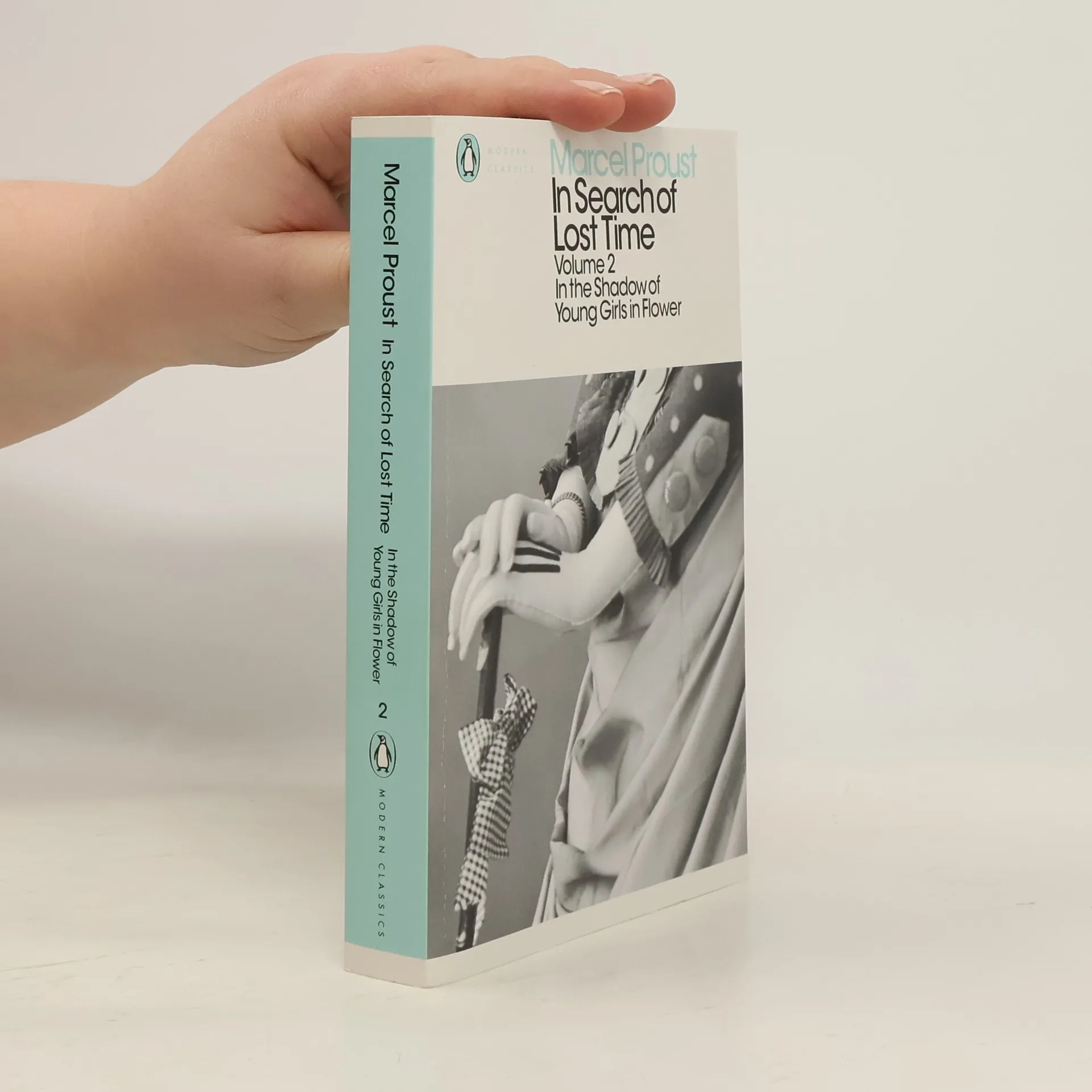
Within A Budding Grove (In the Shadow of Young Girls in Flower)
Within a Budding Grove describes the first shoots of an astonishing love affair. When Proust's adolescent narrator travels from Paris to the sunny seaside town of Balbec he meets an intriguing set of new acquaintances who provide him with both friendship and entertainment. Most significantly of all he meets a dark-haired girl with sparkling eyes and a tiny beauty spot on her chin: the mysterious Albertine, who will become the great love of his life.
When the night falls, the unnamed narrator finds it difficult to reign in his galloping thoughts. Night for him means profound loneliness and also the only time when his thoughts and memories come back unbidden, often waking him up in the middle of the night. His thoughts involuntarily go back his past, his country home in Combray and the people who once populated that time... "For a long time I used to go to bed early. Sometimes, when I had put out my candle, my eyes would close so quickly that I had not even time to say "I'm going to sleep." And half an hour later the thought that it was time to go to sleep would awaken me; I would try to put away the book which, I imagined, was still in my hands, and to blow out the light; I had been thinking all the time..." Marcel Proust (1871-1922) was a French novelist, critic, and essayist best known for his monumental novel À la Recherche du Temps Perdu (1913-1927). He is considered by English critics and writers to be one of the most influential authors of the 20th century. Charles Kenneth Scott Moncrieff (1889-1930) was a Scottish writer, most famous for his English translation of most of Proust's À la recherche du temps perdu, which he published under the Shakespearean title Remembrance of Things Past.
The story centers on a young man aspiring to be a writer, grappling with anxiety and a complex relationship with his mother. His childhood fears manifest in manipulative behavior, reflecting the themes of control and emotional dependency. This dynamic is echoed in the actions of other characters, including his aunt Leonie and various lovers, all of whom engage in similar tactics of emotional manipulation. The narrative explores the intricacies of love, possession, and the struggle for identity amidst these familial and romantic entanglements.
Focusing on the struggles of a sensitive young man aspiring to be a writer, the narrative explores themes of identity and anxiety. The protagonist's internal conflicts lead to manipulative behaviors, mirroring the dynamics of his invalid aunt Leonie and the various lovers throughout the story. This intricate web of relationships reveals the complexities of human emotions and the impact of personal insecurities on connections with others.
The book is a reproduction of a historical work, specifically designed in large print to enhance readability for individuals with impaired vision. Published by Megali, a house dedicated to making historical texts accessible, this edition aims to preserve the original while ensuring it reaches a wider audience.
The exploration of memory, love, and the passage of time deepens in Part 2 of Marcel Proust's monumental work. Spanning Volumes 4 to 7, this segment continues to weave intricate characters into the rich tapestry of human experience. Proust's masterful storytelling captures profound emotions and introspective narratives, inviting readers to engage with the timeless themes that resonate intellectually and emotionally. This continuation of the journey promises to enchant and provoke thought as it unfolds the complexities of existence.
Memory and the passage of time are central themes in this monumental work, which spans seven volumes. Proust intricately explores human experiences through captivating prose, revealing how even the smallest moments can carry profound meaning. The narrative weaves together love and nostalgia, inviting readers to reflect on the essence of life itself in a beautifully crafted literary tapestry.
This book is a reproduction of a historical work, published by Megali, a company dedicated to creating accessible large print editions for individuals with impaired vision. The focus on enhancing readability allows a broader audience to engage with important historical texts.
An abridged of Marcel Proust's literary classic Remembrance Of Things Past with a new translation of Time Regained by the editor.
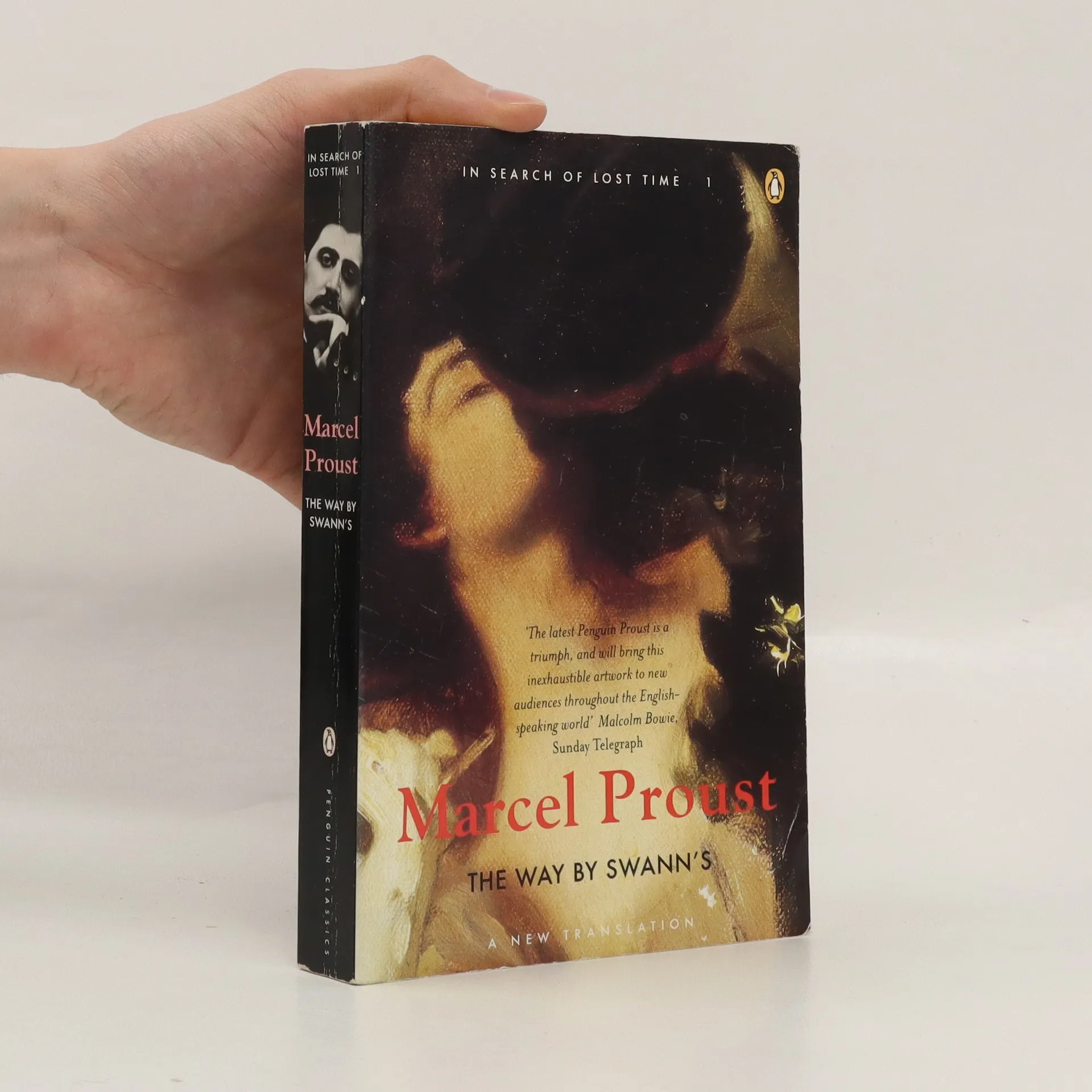
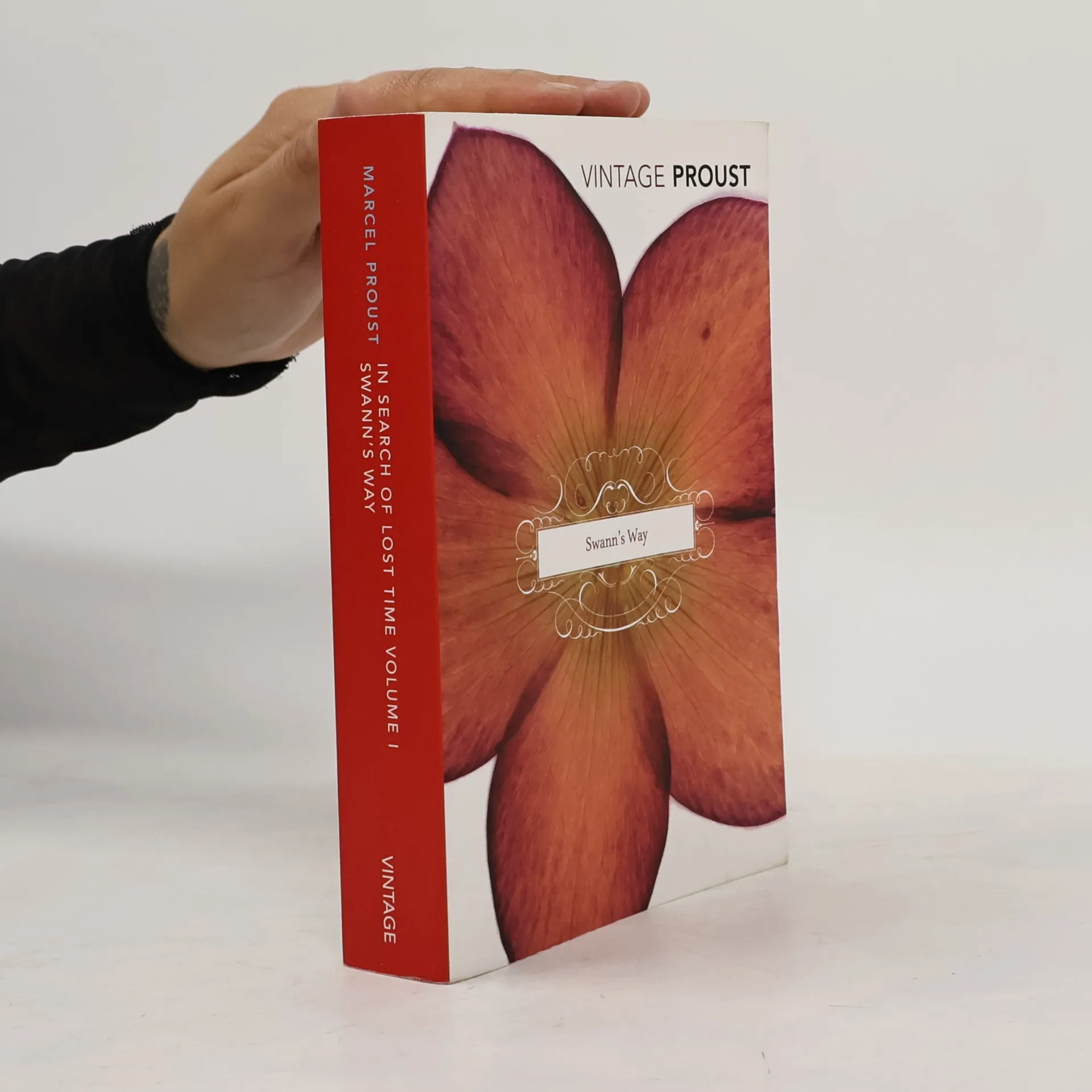
In Swann’s Way, the themes of Proust’s masterpiece are introduced, and the narrator’s childhood in Paris and Combray is recalled, most memorably in the evocation of the famous maternal good-night kiss. The recollection of the narrator’s love for Swann’s daughter Gilberte leads to an account of Swann’s passion for Odette and the rise of the nouveaux riches Verdurins. For this authoritative English-language edition, D. J. Enright has revised the late Terence Kilmartin’s acclaimed reworking of C. K. Scott Moncrieff’s translation to take into account the new definitive French editions of Á la recherché du temps perdu (the final volume of these new editions was published by the Bibliothèque de la Pléiade in 1989).
In Search of Lost Time is one of the greatest, most entertaining reading experiences in any language. This book is an English translation of the French original.
The Swann Way is the first volume of Marcel Proust's In Search of Lost Time (1913-27), one of the most important novels of the twentieth century.
Can we truly know the one we love? The author looks straight into the green eye of every lover's jealous struggle. He broods on why we are driven to try possess one another, how jealousy can outlive death, and whether we can ever reclaim those careless days of first love.
A work of Proust that is translated from French original into English.
The definitive translation of one of the greatest French novels of the twentieth century In the opening volume of Proust's great novel, the narrator travels backwards in time in order to tell the story of a love affair that had taken place before his own birth. Swann's jealous love for Odette provides a prophetic model of the narrator's own relationships. All Proust's great themes - time and memory, love and loss, art and the artistic vocation - are here in kernel form. 'Surely the greatest novelist of the 20th century' Telegraph
"In Search of Lost Time" is one of the greatest, most entertaining reading experiences in any language. This book offers an English translation of the French original.
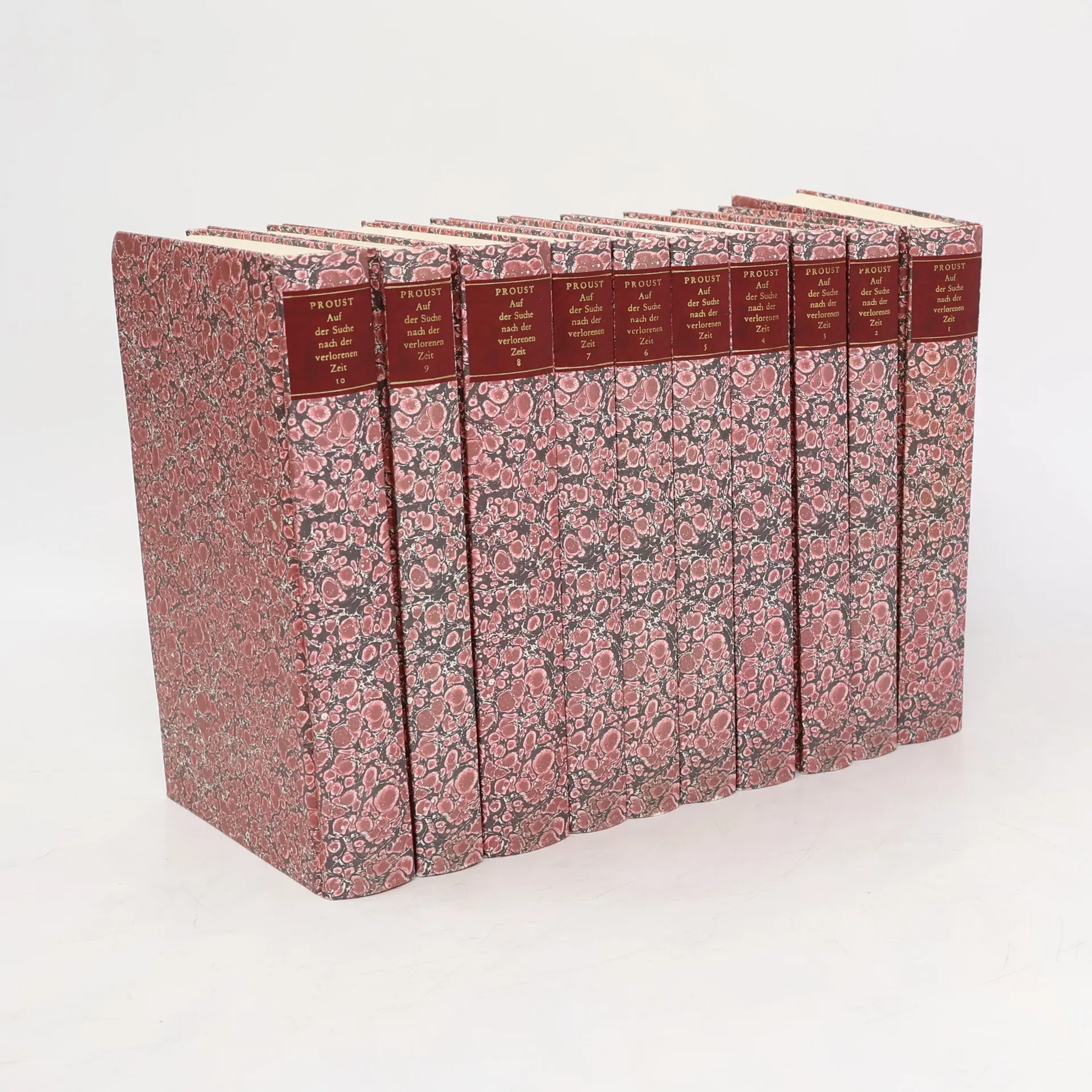
Nové kompletní vydání stěžejního díla světové literatury. Sedmidílný román Hledání ztraceného času, považovaný za jedno ze základních děl nejen francouzské, ale i světové literatury, vznikal v letech 1909 až 1922 a byl uveřejňován postupně v letech 1913 až 1927. Proustův románse odehrává v prostředí francouzské vyšší společnosti na přelomu 19. a 20. století. Lze-li o něm říci, že podává po Balzacově Lidské komedii nejúplnější „obraz mravů“ své doby, zároveň platí, že autorovi jde o mnohem víc než o realistické zobrazení společnosti: hlavními tématy jeho díla jsou čas, paměť, umění a poznání. Hlavním "hrdinou" tohoto románu-řeka, či spíše románu-katedrála, který čítá 3120 stran a v němž figuruje více než 200 postav, je lidské vědomí. Vydání je doplněno o rozsáhlý doslov, jehož autorem je Josef Fulka, jeden z našich největších znalců Proustova díla.
Závěrečný díl románové řady zastihuje zestárlého vypravěče, který pozoruje a konstatuje proměny, kterých společnost za jeho života doznala - pád staré aristokracie, vzestup dříve opovrhované zbohatlické kasty a také pohled na 1. světovou válku, tuto definitivní tečku za starými časy. Druhým těžištěm závěrečné části jsou úvahy nad literární poetikou i smyslem a důležitostí umělecké tvorby, která jediná může znovu nalézt čas, ztracený v malicherných peripetiích skutečného života.
Nové kompletní vydání stěžejního díla světové literatury. Sedmidílný román Hledání ztraceného času, považovaný za jedno ze základních děl nejen francouzské, ale i světové literatury, vznikal v letech 1909 až 1922 a byl uveřejňován postupně v letech 1913 až 1927. Proustův románse odehrává v prostředí francouzské vyšší společnosti na přelomu 19. a 20. století. Lze-li o něm říci, že podává po Balzacově Lidské komedii nejúplnější „obraz mravů“ své doby, zároveň platí, že autorovi jde o mnohem víc než o realistické zobrazení společnosti: hlavními tématy jeho díla jsou čas, paměť, umění a poznání. Hlavním "hrdinou" tohoto románu-řeka, či spíše románu-katedrála, který čítá 3120 stran a v němž figuruje více než 200 postav, je lidské vědomí. Vydání je doplněno o rozsáhlý doslov, jehož autorem je Josef Fulka, jeden z našich největších znalců Proustova díla.
Uvězněná
Pátá část rozsáhlého románového cyklu, který je jedním ze základních děl světové literatury.
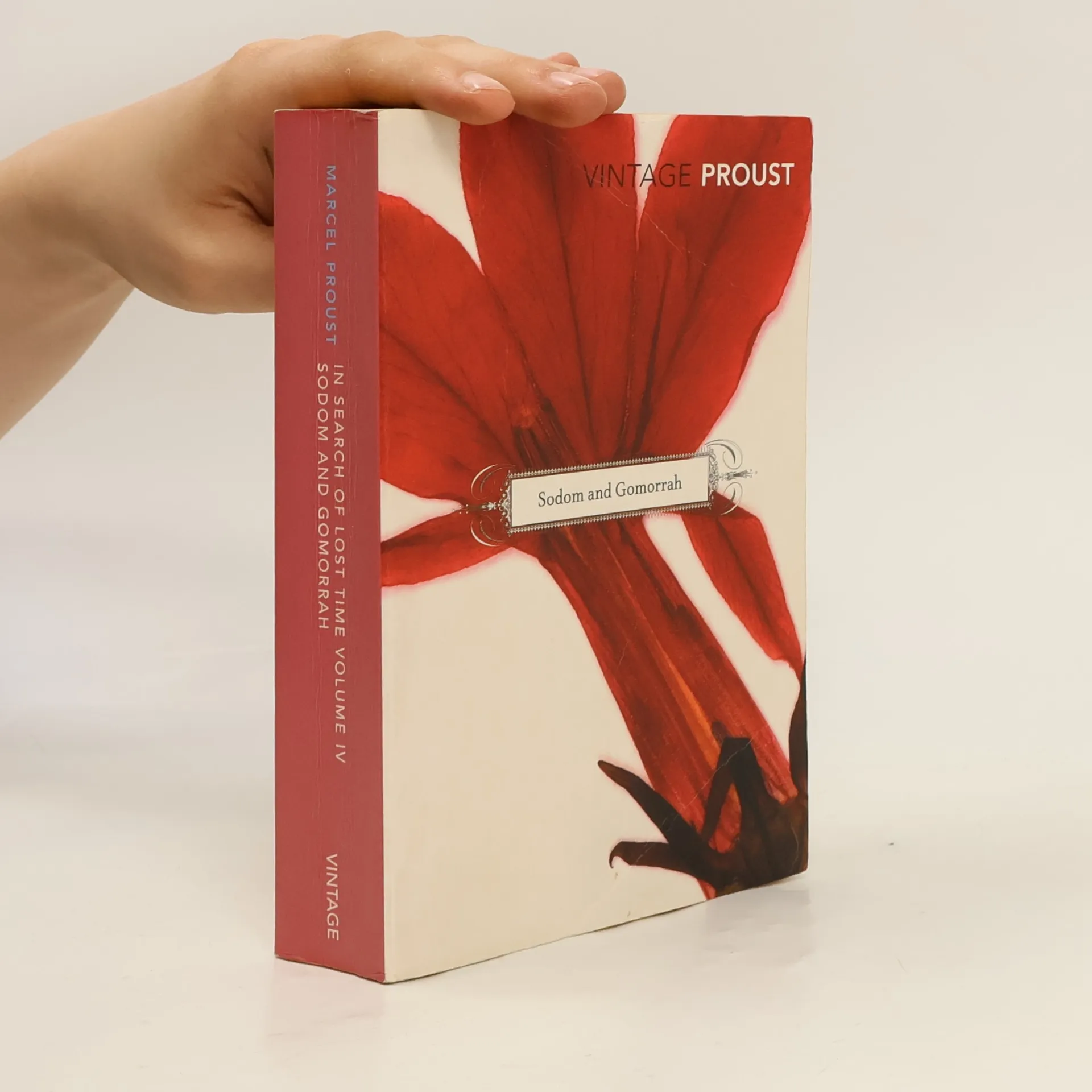
Sodoma a Gomora
V Sodomě a Gomoře Proust odkrývá skryté stránky povahy a života jedné ze svých nejpřízračnějších postav – barona Charluse. Znovu sledujeme vypravěčův život v přímořském Balbecu, jeho rozporuplnou lásku k Albertině a jeho úspěchy v salónech okolních záměčků.
La deuxième partie d'A l'ombre des jeunes filles en fleurs : " Noms de pays : le pays ". en faisant écho à la dernière partie de Du côté de chez Swann : " Noms de pays : le nom ", annonce un progrès dans la connaissance des réalités. La ville rêvée, enveloppée de brumes, se révèle bien différente, illuminée par un soleil éclatant. Mais ce Balbec au nom oriental permet au héros d'accéder à un autre orient de ses rêves. Mme de Villeparisis, amie d'enfance de sa grand-mère, lui présente le marquis de Saint-Loup et le baron de Charlus qui, comme elle, appartiennent à l'aristocratique famille des Guermantes. La découverte de l'univers d'Elstir, peintre de génie, lui dévoile - sans qu'il en ait pleinement conscience - quelques-unes des vérités essentielles qu'il avait jusqu'alors vainement cherchées. Et Elstir lui permet encore d'aller au bout d'un rêve en l'introduisant auprès de la petite bande des jeunes filles en fleurs qui se profilent le long de la plage de Balbec. Au plaisir de leur compagnie le jeune homme est prêt à tout sacrifier : parents, amis, travail. A-t-il vraiment tort ?
Ve stínu kvetoucích dívek
Druhý díl, poctěný r. 1919 Goncourtovou cenou, se odehrává z větší části v normandských mořských lázních. Autor opět uvádí na scénu zámožného Pařížana a další postavy a podává mj. analýzu rozdílu mezi spisovatelem-člověkem a jeho dílem, analýzu lidských a rodinných vztahů, pohled na chováni měšťáka a šlechtice a detailní rozbor rodící se lásky mezi mužem a ženou.
Díly: Svět Swannových (388 stran), Ve stínu kvetoucích dívek (480 stran), Svět Guermantových (600 stran), Sodoma a Gomora (528 stran), Uvězněná (412 stran), Uprchlá (288 stran), Čas znovu nalezený (424 stran) Sedmidílný román Hledání ztraceného času, považovaný za jedno ze základních děl nejen francouzské, ale i světové literatury, vznikal v letech 1909 až 1922 a byl uveřejňován postupně v letech 1913 až 1927. Proustův román se odehrává v prostředí francouzské vyšší společnosti na přelomu 19. a 20. Lze-li o něm říci, že podává po Balzacově Lidské komedii nejúplnější "obraz mravů" své doby, zároveň platí, že autorovi jde o mnohem víc než o realistické zobrazení společnosti: hlavními tématy jeho díla jsou čas, paměť, umění a poznání. Hlavním "hrdinou" románu tohoto románu-řeka, či spíše románu-katedrála, který čítá 3120 stran a v němž figuruje více než 200 postav, je lidské vědomí. "Osud Proustova Hledání je současně záviděníhodný i nezáviděníhodný. Záviděníhodný proto, že Proustovi se skutečně podařilo splnit to, co si ve svém velkém románovém cyklu předsevzal: napsat dílo, kterým dosáhne nesmrtelnosti nejen v tom smyslu, že bude za nesmrtelné formálně uznáno (tedy že se stane součástí kánonu), ale především v tom smyslu, že málokterý román vede tak bohatý "posmrtný" život jako právě Hledání ztraceného času. Interpretací a analýz, které mu byly věnovány, je bezpočet. Celá řada filosofů, literárních teoretiků i estetiků se k Proustovi nepřestává vracet a konfrontovat se s ním. Proust je pro mnoho z nich nejen předmětem zájmu, ale skutečné fascinace: těchto sedm svazků čtenáři poskytuje nekonečné množství podnětů jak ke čtenářskému potěšení, tak k přemýšlení, neboť Proust není jen spisovatel, ale i výjimečný filosof, estetik i sociolog. Jeho dílo je natolik komplexní a mnohovrstevnaté, že zůstává - a navždy zůstane - pro čtenáře tajemstvím: můžeme je číst opakovaně, ale nikdy mu nelze být beze zbytku práv a proniknout do jeho vnitřní architektoniky natolik, abychom mohli říci, že nám nic nového už nemůže dát." Josef Fulka (z Doslovu k českému vydání). Autory překladu, jenž původně vycházel postupně v letech 1979 až 1988 a z něhož vychází i vydání současné, jsou Prokop Voskovec (díly I a II) a Jiří Pechar (díly III až VII). Jestliže Pecharův překlad v našem vydání nedoznal žádných změn, překlad Voskovcův (zejména díl Ve stínu kvetoucích dívek), jemuž úmrtí nedovolilo dílo dokončit, si vyžádal nezbytnou revizi. Nové vydání je doplněno o rozsáhlý doslov, jehož autorem je Josef Fulka, jeden z našich největších znalců Proustova díla.
« Tout d'un coup, dans le petit chemin creux, je m'arrêtai touché au cœur par un doux souvenir d'enfance : je venais de reconnaître, aux feuilles découpées et brillantes qui s'avançaient sur le seuil, un buisson d'aubépines défleuries, hélas, depuis la fin du printemps. Autour de moi flottait une atmosphère d'anciens mois de Marie, d'après-midi du dimanche, de croyances, d'erreurs oubliées. J'aurais voulu la saisir. Je m'arrêtai une seconde et Andrée, avec une divination charmante, me laissa causer un instant avec les feuilles de l'arbuste. Je leur demandai des nouvelles des fleurs, ces fleurs de l'aubépine pareilles à de gaies jeunes filles étourdies, coquettes et pieuses. "Ces demoiselles sont parties depuis déjà longtemps", me disaient les feuilles. » À l'ombre des jeunes filles en fleurs (deuxième partie) - Le Côté de Guermantes - Esquisses
V prvním dílu románového cyklu, postihujícího vývoj francouzské společnosti od Dreyfusovy aféry až po první světovou válku a stojícího u základů psychologického románu 20. století, představuje autor hrdinu, zámožného Pařížana, člověka ušlechtilého, ale zároveň neúprosně logického a pravdivého. Na jeho příběhu podává studii milostného citu, žárlivosti, společenských vztahů a mravů.
Nové kompletní vydání stěžejního díla světové literatury. Sedmidílný román Hledání ztraceného času, považovaný za jedno ze základních děl nejen francouzské, ale i světové literatury, vznikal v letech 1909 až 1922 a byl uveřejňován postupně v letech 1913 až 1927. Proustův román se odehrává v prostředí francouzské vyšší společnosti na přelomu 19. a 20. století. Lze-li o něm říci, že podává po Balzacově Lidské komedii nejúplnější „obraz mravů“ své doby, zároveň platí, že autorovi jde o mnohem víc než o realistické zobrazení společnosti: hlavními tématy jeho díla jsou čas, paměť, umění a poznání. Hlavním "hrdinou" tohoto románu-řeka, či spíše románu-katedrála, který čítá 3120 stran a v němž figuruje více než 200 postav, je lidské vědomí. Vydání je doplněno o rozsáhlý doslov, jehož autorem je Josef Fulka, jeden z našich největších znalců Proustova díla.
L'expression roman fleuve devrait, sans connotation péjorative, désigner une œuvre qui prend le temps de charrier mille petites particules d'impression pour les infuser dans l'esprit d'un lecteur captivé. En somme, elle devrait avoir été créée pour désigner La Recherche proustienne, qui s'ouvre Du côté de chez Swann et s'achève une fois Le Temps retrouvé . Dans le premier tome de ce superbe travail sur la mémoire et la métaphore, œuvre à part entière mais aussi amorce dramatique d'un joyau de la langue française, le narrateur s'aperçoit fortuitement, à l'occasion d'un goûter composé d'une tasse de thé et d'une madeleine désormais célèbre, que les sens ont la faculté de faire ressurgir le souvenir. Grâce aux senteurs d'un buisson d'aubépines, il prend confusément conscience de la distinction entre le souvenir et la réminiscence, pour ensuite s'exercer à manier les mots comme de petits papiers japonais qui, touchés par la grâce de l'eau, se déploient en corolle pour faire place à tout un univers. Tout comme se déploie un roman fleuve à partir de cette toute petite phrase légendaire : "Longtemps, je me suis couché de bonne heure". --Sana Tang-Léopold Wauters
Op zoek naar de verloren tijd is een van de grootste triomfen van de wereldliteratuur. In deze romancyclus wordt de lezer door het zintuiglijke proza van Marcel Proust gevangen in een web van subtiliteiten, onvergetelijke personages, verfijnde ironie, glasheldere zinnen en messcherpe observaties. In de schaduw van meisjes in bloei , het tweede deel van de cyclus, beschrijft de volwassenwording van de verteller Marcel. Zijn herinneringen aan Parijs, de Normandische kust en zijn relatie met zijn grootmoeder en de familie Swann leiden tot schitterende beschouwingen over de liefde, literatuur en schilderkunst. Ook de kennismaking met de baron de Charlus en de mysterieuze Albertine zal van groot belang blijken voor het verdere leven van Marcel.
Im Schatten junger Mädchenblüte – Im Umkreis von Madame Swann, Teil I
Nach seiner Begegnung mit dem Marquis de Norpois und dem ersten Theaterbesuch, bei dem er die Berma in Racines Phädra bewundert, erinnert sich Marcel an seine erste Liebe, Gilbert. Sie ist die Tochter des feinen Herrn Swann, seiner Frau Odette, die der Halbwelt entstammt. Die komplizierte Liebe zu ihr ist von zahlreichen Geheimnissen umgeben und bindet ihn immer enger an die Familie Swann. Marcels jugendlichen Erwartungen, seine Illusionen und sein Ehrgeiz sind immer wieder Enttäuschungen und Ernüchterungen ausgesetzt. Gewohnt gekonnt setzt Stéphane Heuet in seinem Stil der »Ligne claire« einen weiteren Teil von Marcel Prousts Werk Auf der Suche nach der verlorenen Zeit um und setzt damit die Teilserie »Im Schatten junger Mädchenblüte« fort.
První část knihy s názvem Combray zachycuje vzpomínky a reflexe dětství ve stejnojmenném venkovském městečku a představuje postavy, významné pro další děj: zejména obchodníka a milovníka umění Charlese Swanna a jeho manželku Odettu, bývalou kurtizánu. Druhý oddíl, Swannova láska, zachycuje příběh jejich seznámení a vztahu a často bývá vydáván jako samostatné dílo. Stručná závěrečná část je pak především vypravěčovou úvahou nad subjektivitou míst a vzpomínek.
Czytelnicy zaznajomieni z poprzednim tomem cyklu W poszukiwaniu utraconego czasu, czyli z Sodomą i Gomorą, z pewnością dziwili się nierównowadze między obiema stronami: zajmujący całą (choć krótką) pierwszą część tomu esej o Sodomie przelewa się na część drugą, pozostawiając Gomorze stosunkowo niewiele miejsca. Jej czas bowiem nadchodzi dopiero teraz. Tytuł Uwięziona pojawia się zresztą w Proustowskich zapiskach naprzemiennie z innym: Sodoma i Gomora III (obejmującym skądinąd również kolejny tom). W owych zapiskach znajdziemy też planowane tytuły trzech rozdziałów Uwięzionej, będące jej zwięzłym i trafnym streszczeniem: Wspólne życie z Albertyną, Verdurinowie poróżnieni z panem de Charlusem i jeszcze jeden, którego tu nie podamy, żeby nie psuć przyjemności z lektury. Powiemy za to, że to właśnie w Uwięzionej bohater doznaje artystycznego objawienia, słuchając septetu Vinteuila, to tutaj rozprawia o sukniach od Fortunyego, o Wenecji i Dostojewskim, i to tutaj pojawia się imię Marcel. Przede wszystkim jednak patrzy na śpiącą Albertynę, więzi ją, a tym samym samego siebie, i oddaje się swojej największej pasji: zazdrości.
Žáner eseje tvorí významnú súčasť životného diela Marcela Prousta (1871-1922), ktorý sa už od mladosti venoval písaniu glos, článkov, kroník a esejí. Tieto texty sa zaoberajú výstavami, koncertmi, literárnymi dielami a otázkami umeleckej tvorby, pričom približujú aj aristokratické salóny a spoločenské udalosti. Proust začal prispievať do revue Le Banquet a La Revue blanche, neskôr do La Chronique des arts et de la curiosité, Le Gaulois a Les Lettres. Jeho noticky sa pravidelne objavovali v Le Figaro a neskôr v La Nouvelle Revue française. Počas svojho života vydal jedinú zbierku esejistických útvarov, Pastiše a rozmanitosti (1919), ktorá obsahuje kolekciu pastišov a rôznych esejí, vrátane pozoruhodných Dní čítania. Po jeho smrti vyšli Kroniky (1927) a nedokončená esej Proti Sainte-Beuvovi (1954). Súbor tridsiatich esejí a článkov preložil Boris Mihalkovič z francúzskeho vydania Marcel Proust: Contre Sainte-Beuve précédé de Pastiches et mélanges et suivi de Essais et articles. Tento výber sa zameriava na Proustove estetické záujmy (literatúra, hudba, výtvarné umenie, portréty, nekrológy, recenzie) a zachytáva jeho literárny vývoj od začiatkov po neskoré povojnové texty, chronologicky usporiadané ako vo francúzskom origináli.
A translation of the second volume of "In Search of Lost Time" captures the intricacies and challenges of male and female adolescence and awakening love, based on the narrator's reminiscences about Paris and the Normandy coast.