


Bookbot

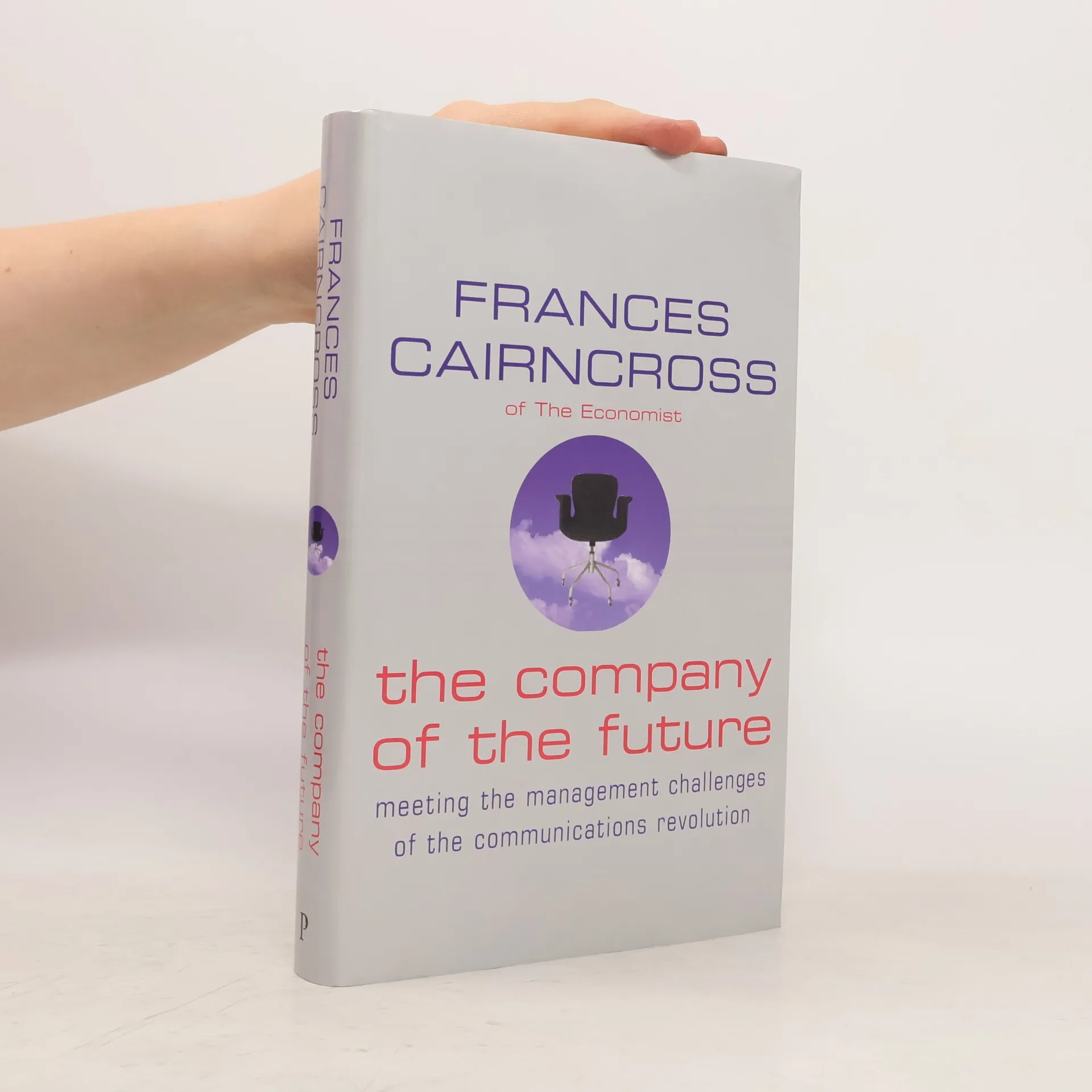
Frances Cairncross

    Konec vzdálenosti. Jak komunikační revoluce změní naše životy
    The Death of Distance
    The Guardian. Guide to the Economy
    The Death of Distance
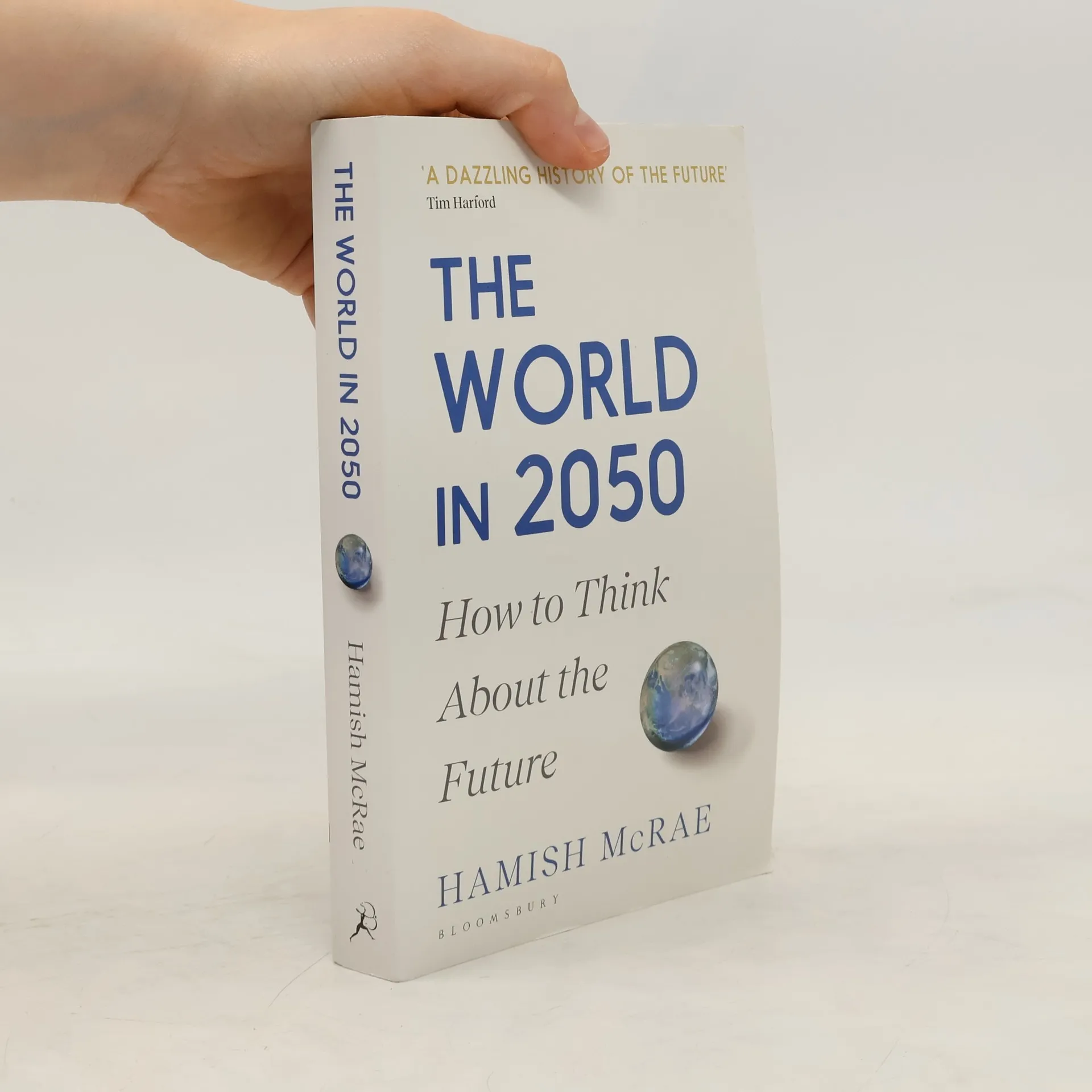
    The World In 2050
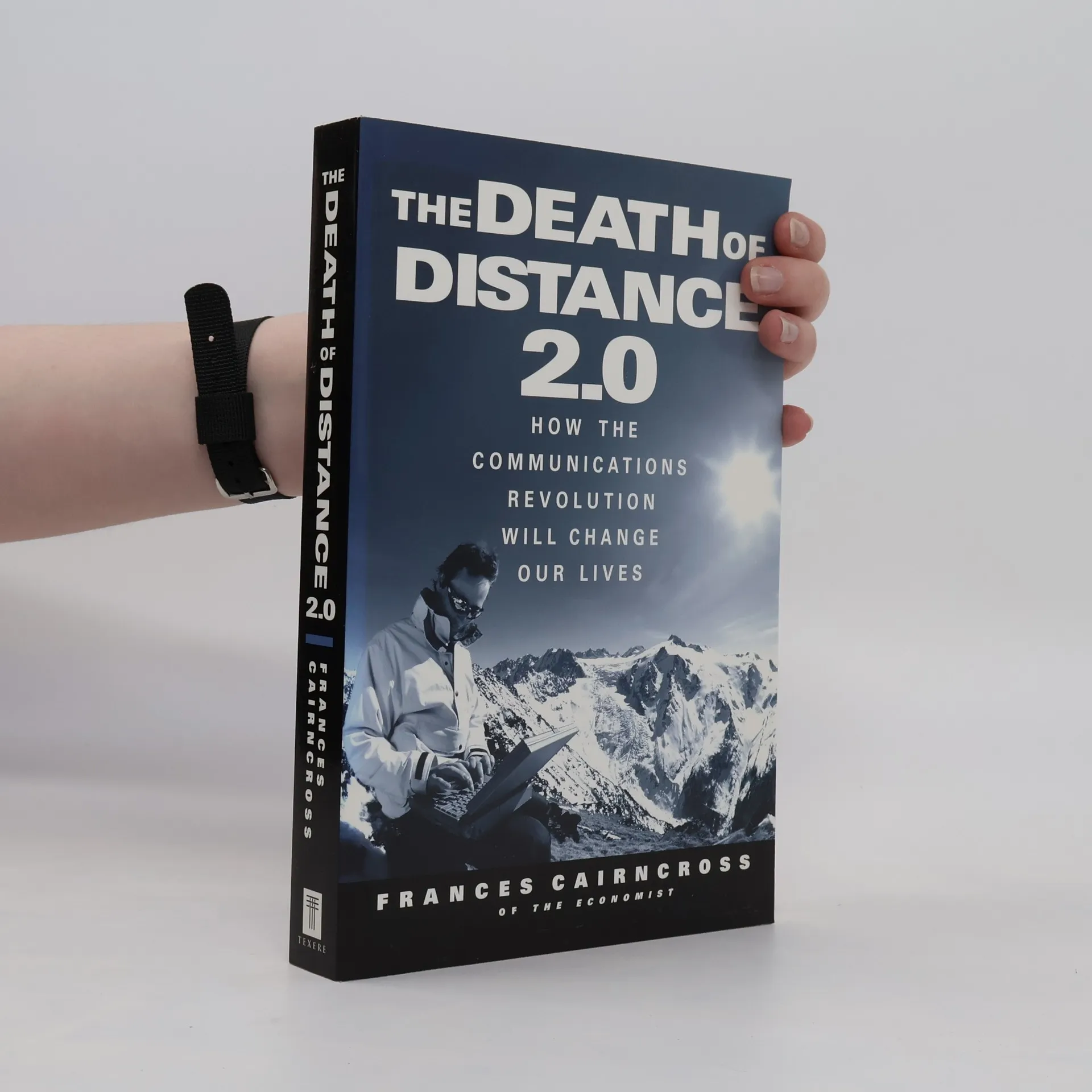
    The Death of Distance 2.0
    • The Death of Distance 2.0

      • 320 páginas
      • 12 horas de lectura

      An incisive analysis of the changes taking place in the telecommunications industry and the huge effects it will have on business and society. Never before in human history has technology changed as fast as it is doing now. The biggest changes of all are taking place in communications and computers, which are being combined in new and astonishing ways. 3 sets of technologies - telephone, telvision, computer - are now racing ahead more quickly than ever before. The result will be a communications revolution which is still in it's infancy, and which is the backdrop to this book by The Economist Media editor Frances Cairncross. But the sheer speed of the change has overtaken human ability to make use of it. Technologies are hunting for uses rather than the other way. Plenty of things are becoming possible - but people may not want them, or at l east may not be willing to pay for them . A gigantic guessing game is taking place, to try to see where the communications revolution will lead, and this book offers some possible answers. 1 thing is for sure - thanks to technology and competition in telecoms, distance will soon be no object, and the effect on business and society will be dramatic.

      The Death of Distance 2.0
      4,0
    • The World In 2050

      • 400 páginas
      • 14 horas de lectura

      'A dazzling history of the future - Hamish McRae has given us a tour de force' - Tim Harford _______________ A bold and illuminating vision of the future, from one of Europe's foremost speakers on global trends in economics, business and society What will the world look like in 2050? How will complex forces of change - demography, the environment, finance, technology and ideas about governance - affect our global society? And how, with so many unknowns, should we think about the future? One of Europe's foremost voices on global trends in economics, business and society, Hamish McRae takes us on an exhilarating journey through the next thirty years. Drawing on decades of research, and combining economic judgement with historical perspective, Hamish weighs up the opportunities and dangers we face, analysing the economic tectonic plates of the past and present in order to help us chart a map of the future. A bold and vital vision of our planet, The World in 2050 is an essential projection for anyone worried about what the future holds. For if we understand how our world is changing, we will be in a better position to secure our future in the decades to come.

      The World In 2050
      3,5
    • Examines the ways in which advances in telecommunication will change the way companies do business, governments are run, and families and friends interact

      The Death of Distance
      3,7
    • The Guardian. Guide to the Economy

      • 150 páginas
      • 6 horas de lectura

      viii 150p hardback with dustjacket, glossary, notes, very good copy from a Cambridge college library, nice and fresh

      The Guardian. Guide to the Economy
    • The Death of Distance

      How the Communications Revolution Will Change Our Lives

      • 288 páginas
      • 11 horas de lectura

      From the advent of electronic communications, there's been talk about how the world has been shrinking. Frances Cairncross, senior editor for the Economist , makes her case from an economical standpoint: The growing ease and speed of communication is creating a world where the miles have little to do with our ability to work or interact together. Cairncross predicts that it won't be long before people organize globally on the basis of language and three basic time shifts--one for the Americas, one for Europe, and one for East Asia and Australia. Much work that can be done on a computer can be done from anywhere. Workers can code software in one part of the world and pass it to a company hundreds of miles away that will assemble the code for marketing. And with workers able to earn a living from anywhere, countries may find themselves competing for citizens as people relocate for reasons ranging from lower taxes to nicer weather. Cairncross discusses about 30 major changes likely to result from these trends, including greater self-policing of businesses, an unavoidable loss of personal privacy, and a diminishing need for countries to want emigration.

      The Death of Distance