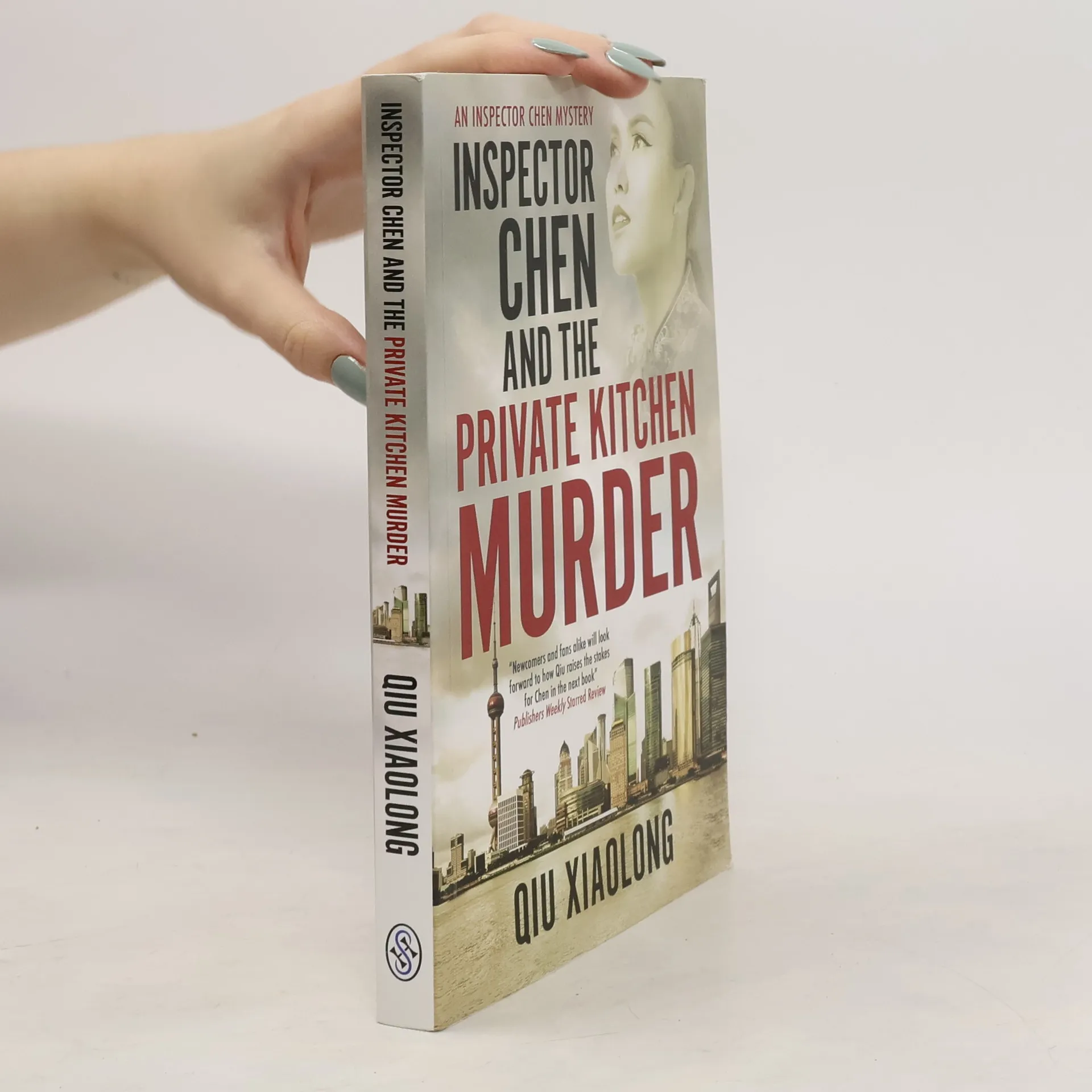
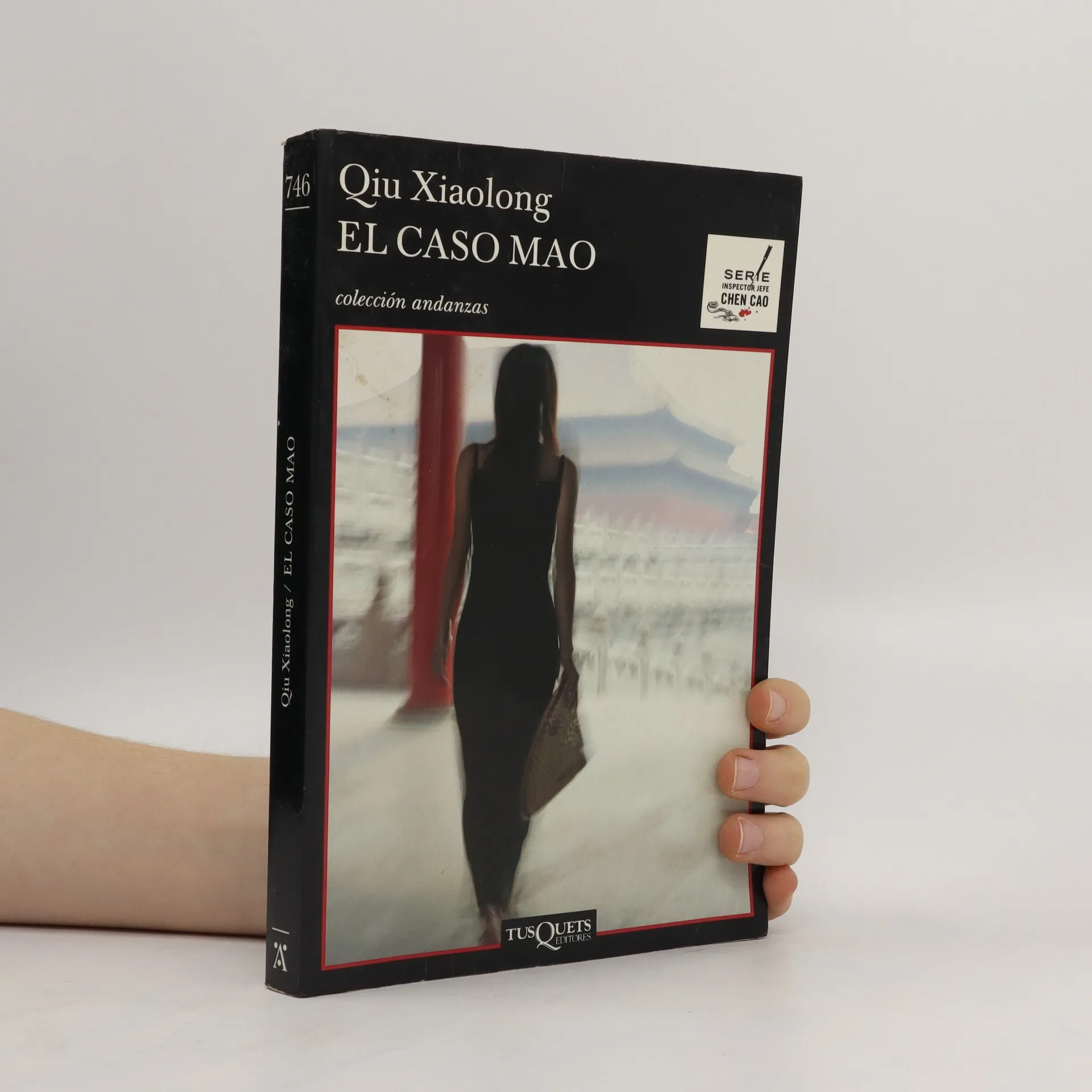
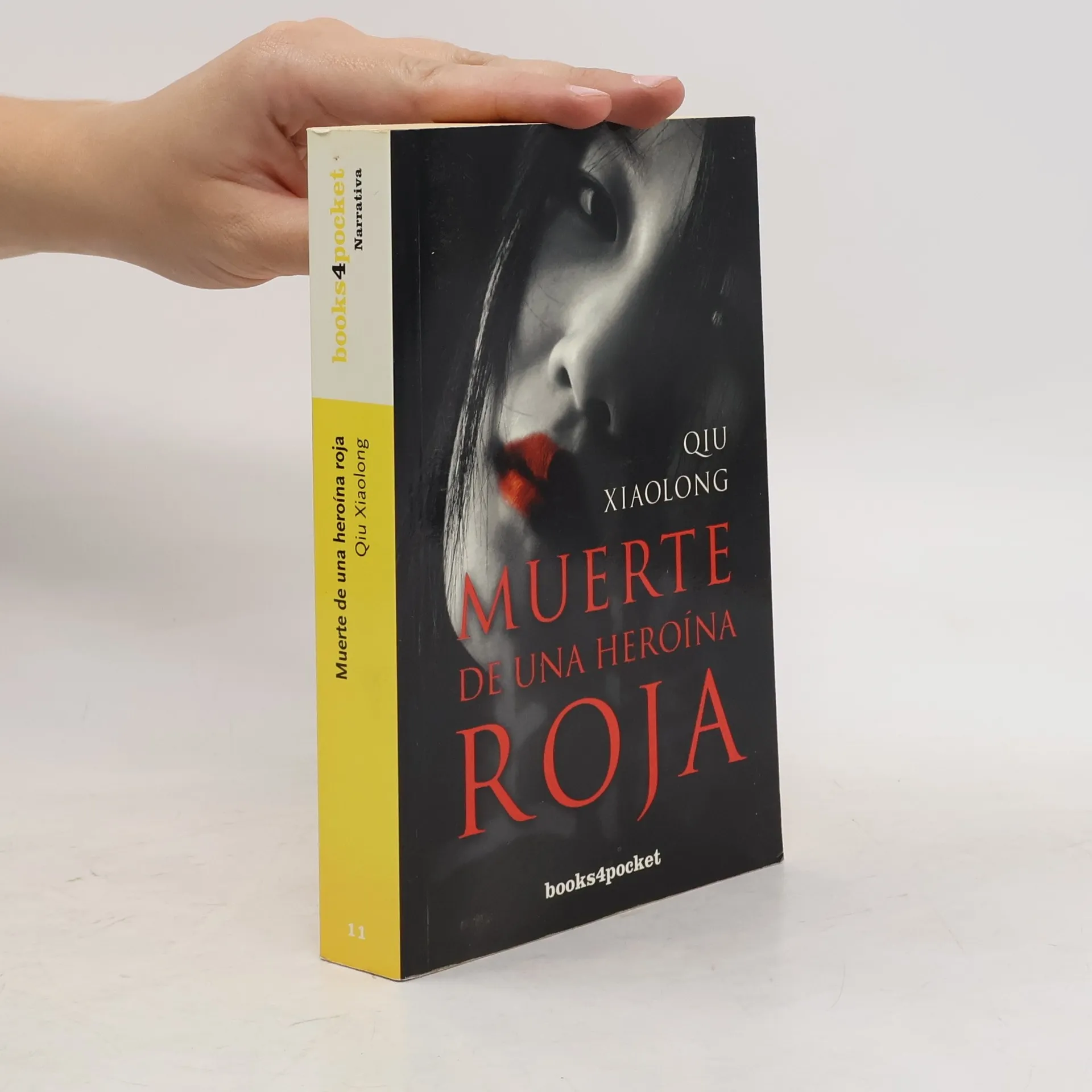
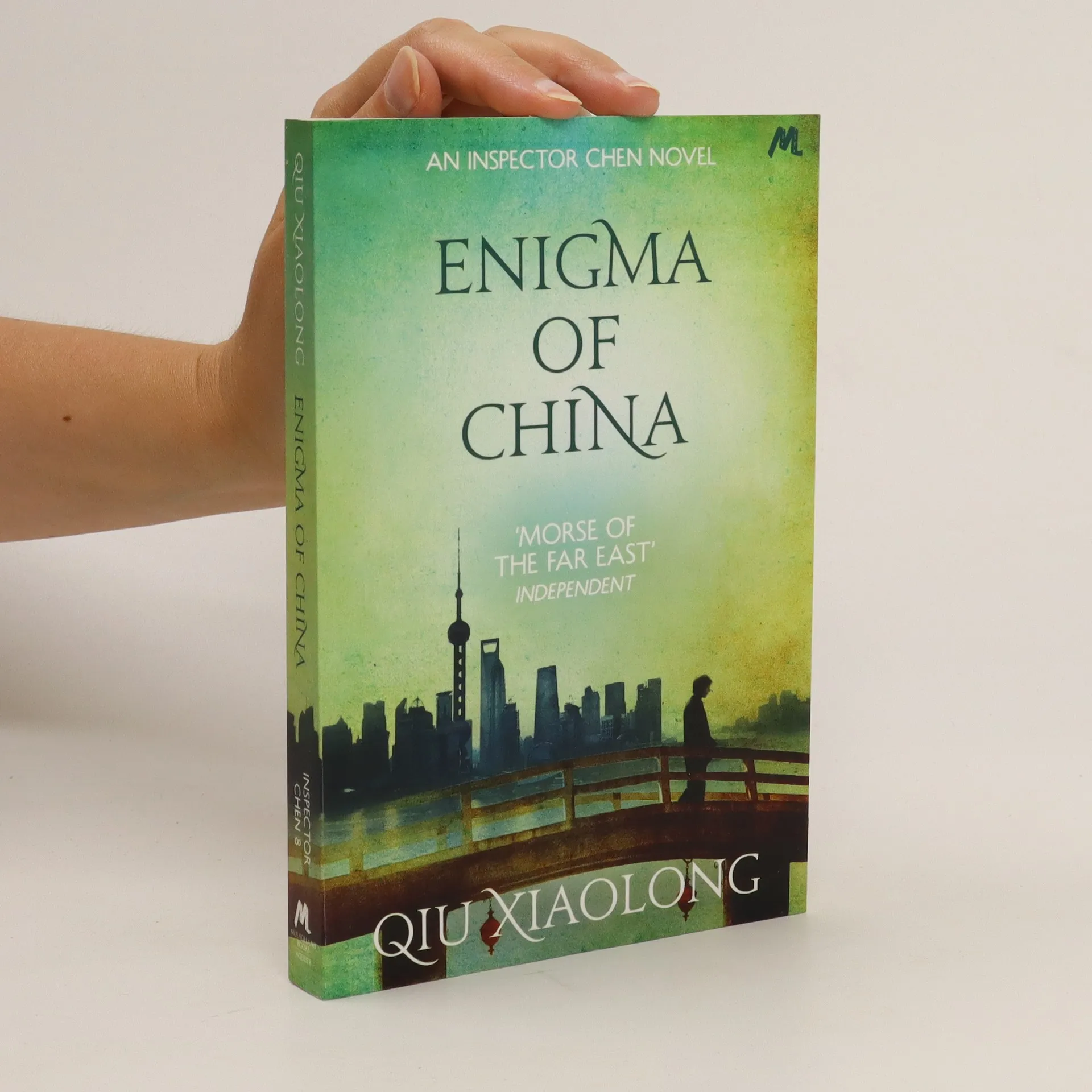
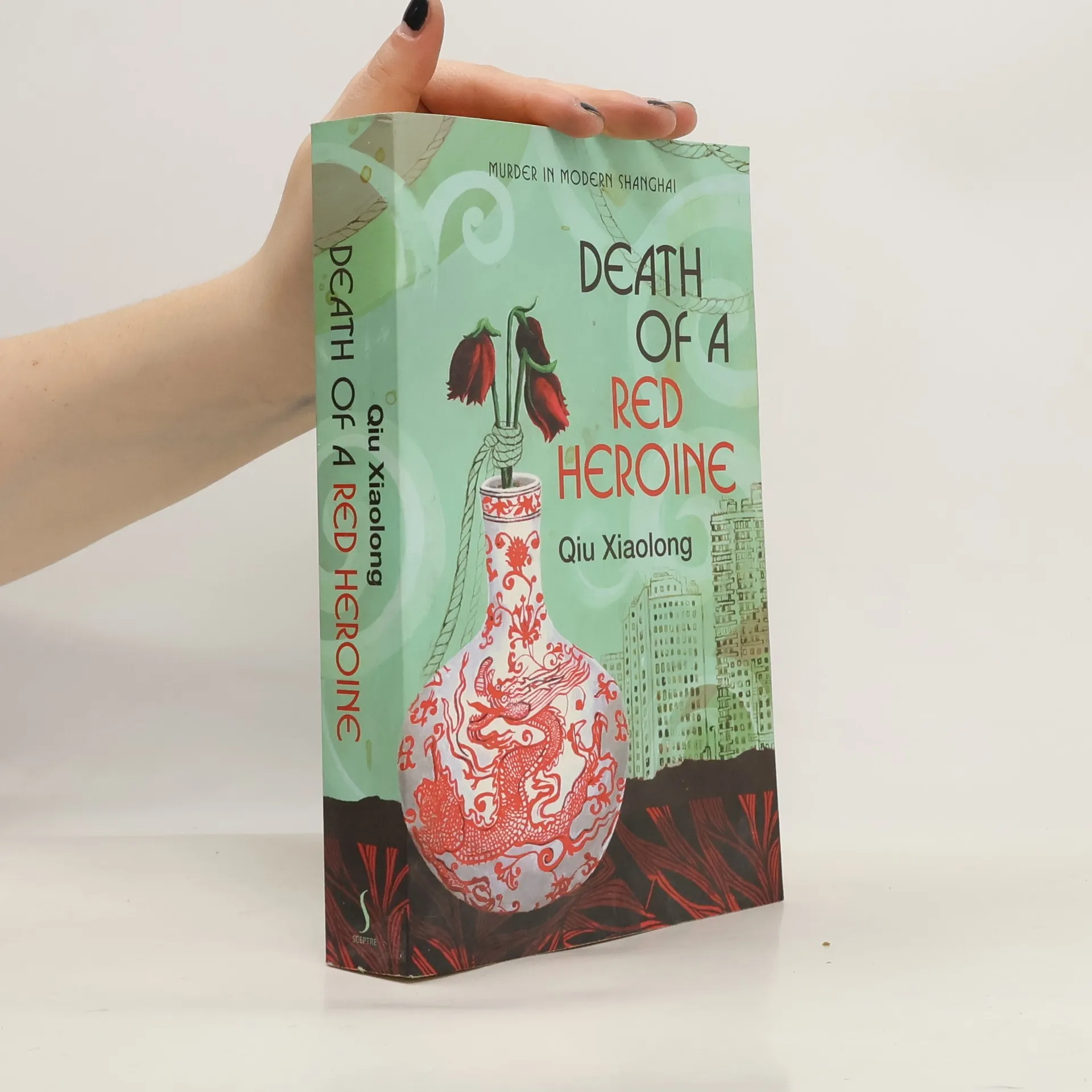
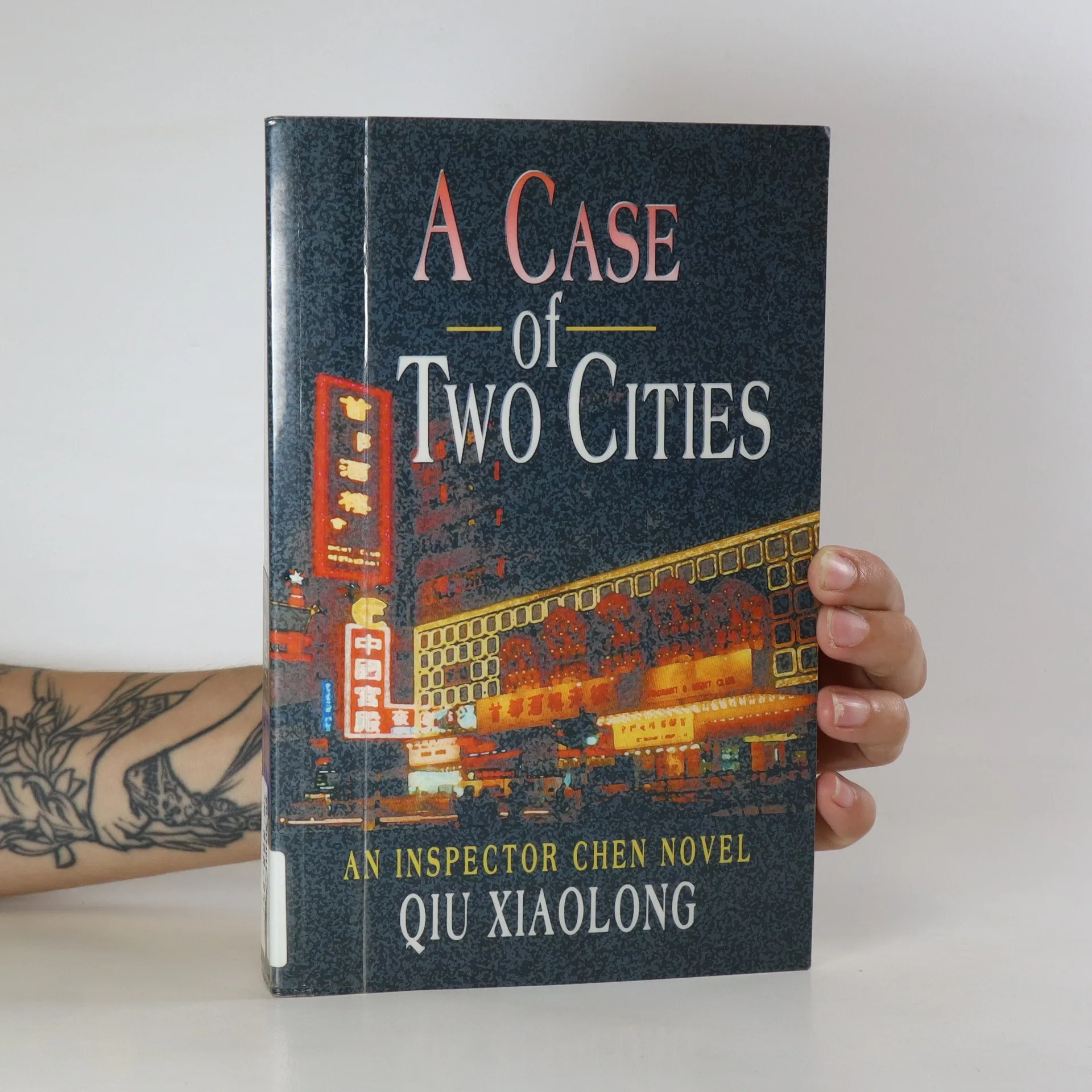
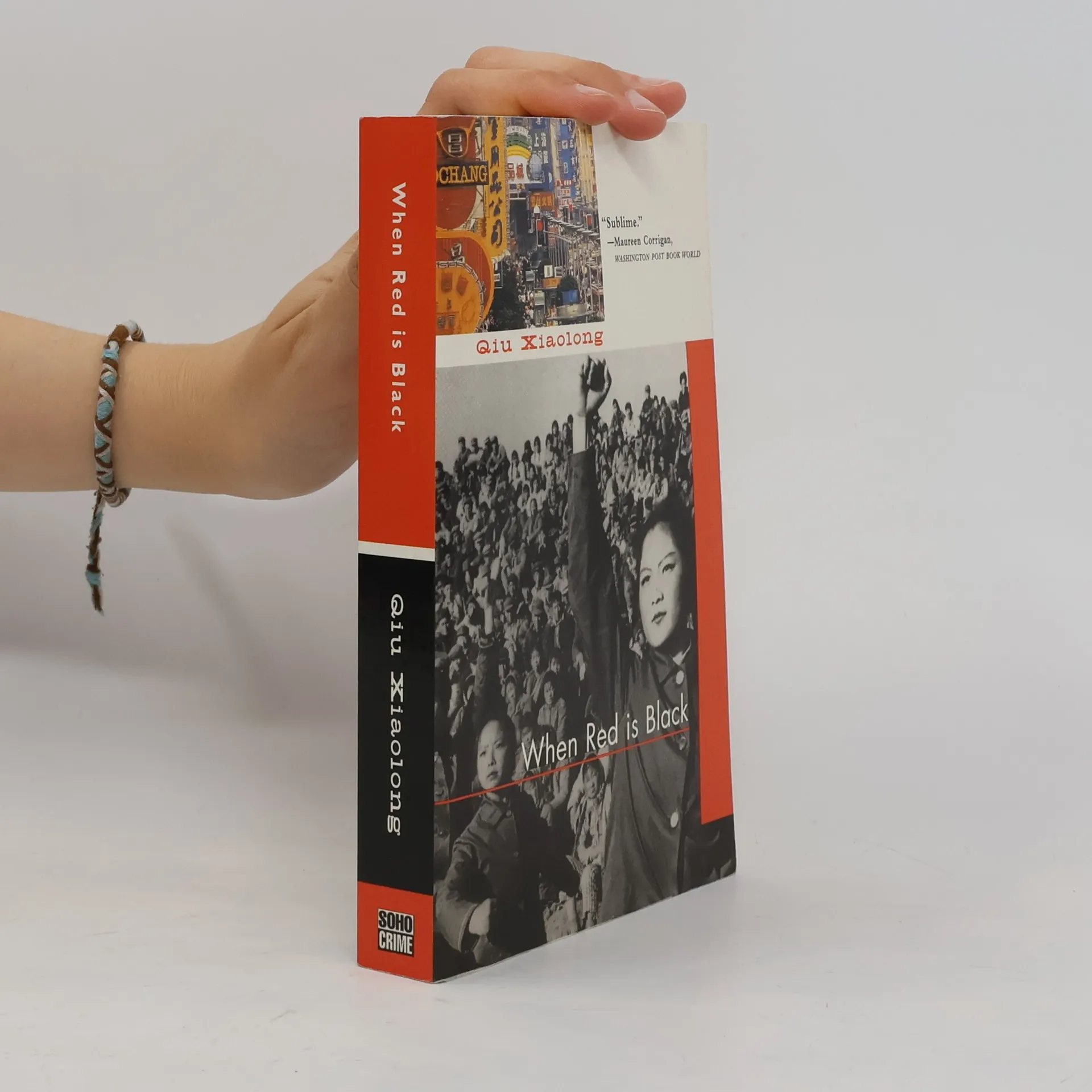
Qiu Xiaolong es el creador de la aclamada serie de misterio del Inspector Chen, ambientada en su nativa Shanghái. Sus novelas son elogiadas por sus profundas perspectivas sobre la sociedad, la cultura y la política chinas durante períodos de transición. Qiu teje expertamente tramas intrincadas con descripciones poéticas y reflexiones filosóficas. Más allá de su ficción detectivesca, su obra también abarca poesía y traducciones de verso chino, lo que otorga a su prosa una capa adicional de profundidad artística.
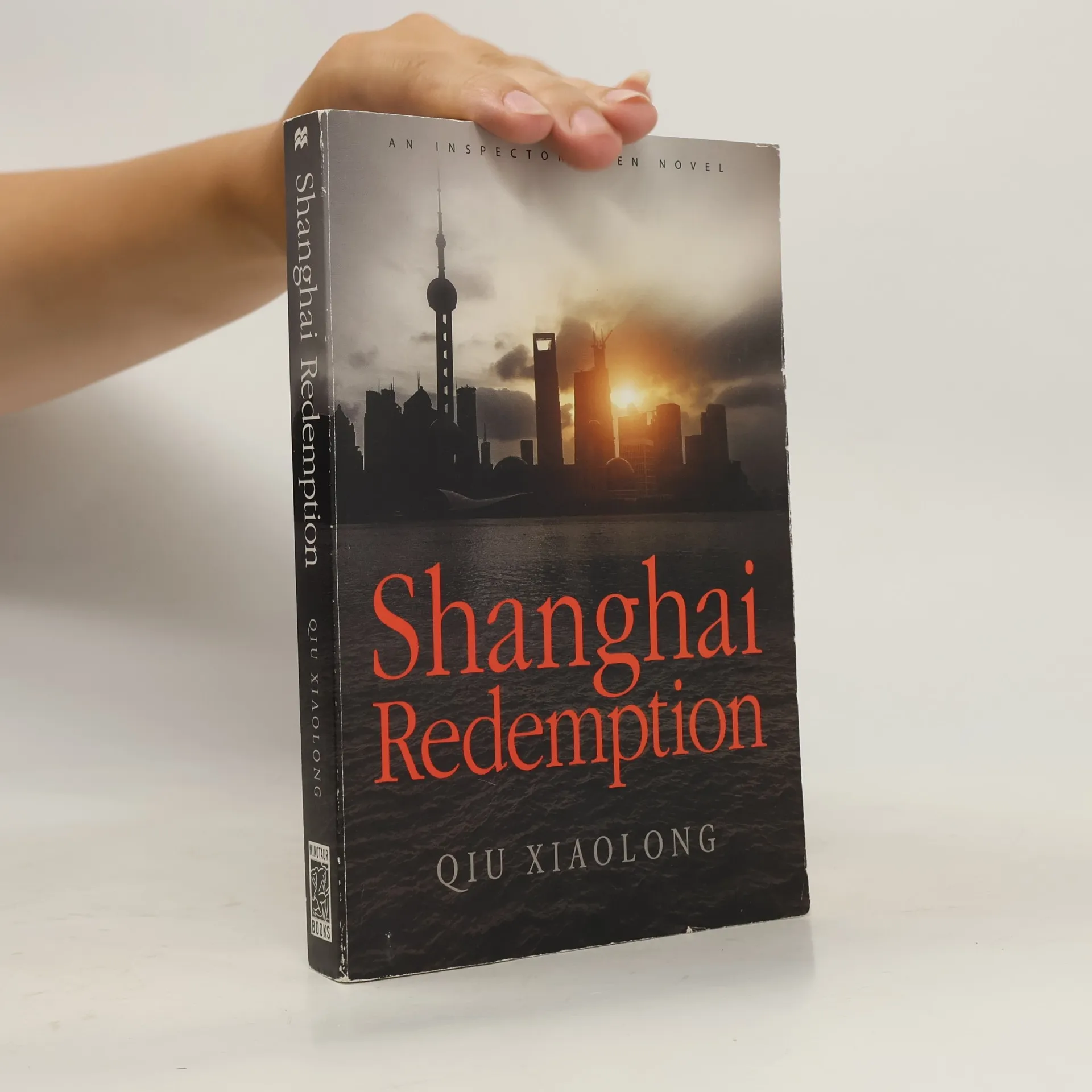
Barcelona. 23 cm. 335 p. Encuadernación en tapa blanda de editorial ilustrada. Colección 'Serie Inspector jefe Chen Cao', numero coleccion(871). Qiu, Xiaolong 1953-. Traducción de Victoria Ordóñez Diví. Título original: Shanghai redemption. Ordóñez Diví, Victoria. traductor .. Este libro es de segunda mano y tiene o puede tener marcas y señales de su anterior propietario. ISBN: 978-84-9066-208-3
Bestseller o emigrante z komunistické Číny, v němž se mísí erotika, politika a napětí s úryvky ze staré čínské poezie, podává autentické svědectví o měnící se tváři asijské velmoci. Autor se inspiroval klasiky britského detektivního žánru a vytvořil originální postavu kriminálního inspektora Čchena, zapáleného idealisty, básníka, přítele žen, milovníka dobrého jídla a oddaného straníka. Po objevení mrtvoly mladé ženy Kuan, vzorné národní pracovnice, začíná Čchen rozplétat předivo intrik, maskovaných jako zájem strany, ale ve svém důsledku jen směřujících k získání absolutní moci. Před čtenářem defiluje na pozadí Šanghaje, velkoměsta plného protikladů, řada postav inspirovaných soudobou čínskou realitou - úspěšná novinářka ve stranických novinách, rafinovaný policista na odpočinku či zvrhlý syn prominentních funkcionářů. Příběh plný nečekaných zvratů ústí v překvapivé vyvrcholení a s (ne)příjemným mrazením připomíná doby, které jsou pro čtenáře naštěstí už jen minulostí.
Cuando aún no se ha repuesto de la noticia de que su antigua novia, Ling, se ha casado, el inspector jefe Chen Cao recibe la llamada de un ministro que le insta a encargarse, sin demora y personalmente, de una delicada investigación relacionada con el presidente Mao. Las autoridades temen que Jiao, la nieta de una actriz que mantuvo una «relación especial» con Mao y fue perseguida durante la Revolución Cultural, haya heredado algún documento que, de salir a la luz, empañe la figura de Mao, «intocable» aun décadas después de su fallecimiento. Jiao acaba de dejar un empleo mal pagado como recepcionista, se ha mudado a una lujosa vivienda y se ha integrado en un nuevo círculo de amistades que sólo anhela revivir nostálgicamente las costumbres y modas de la dorada Shanghai precomunista. Chen deberá infiltrase en el círculo, recuperar el comprometedor material –si existe– y evitar el escándalo, en un caso trepidante en el que se entrecruzan la fuerza de los mitos, la corrupción de la élite política y la historia reciente de China.
Set against the backdrop of modern China, this collection of linked short stories chronicles fifty years of transformation through the lens of Red Dust Lane in Shanghai. It captures the evolution from the optimism following the Communist revolution in 1949, through the turmoil of the Cultural Revolution, to the pro-democracy movements and Tiananmen Square riots. Each story reflects the broader historical shifts while revealing the personal experiences of those living in this small yet significant street, making history both epic and intimate.
Removed from his position as chief Inspector, Chen Cao has been installed as
director of the Shanghai Judicial System Reform Office but immediately placed
on involuntary 'convalescence leave.' Despite being on leave, the murder of an
acquaintance leads Chen to get involved in an investigation that shares a
striking similarity to a Judge Dee novel.
Former chief inspector Chen faces a tricky serial murderer case at the height of the Covid pandemic - and risks everything he has to expose the deadly effects of the Chinese Communist Party's so-called zero Covid policy to the world. Over two million copies of the Inspector Chen series sold worldwide. The Covid crisis is at its height in China. Ex-chief inspector Chen Cao is horrified by the way the Chinese Communist Party are using the pandemic as an excuse to put the Chinese people under blanket surveillance and by the soaring number of deaths caused not by Covid, but by the CCP's inhuman 'zero Covid' policy. Chen is debating whether to translate the 'Wuhan File' - a diary of life during the Wuhan disaster smuggled to him by a close friend - and expose the CCP's secrets to the world when to his surprise he is summoned by a high-level party cadre to help investigate a series of murders near a local Shanghai hospital. Under pressure from the Party to reach a quick conclusion and help maintain political stability, Chen investigates, aware that he too has been placed under omnipresent, omnipotent surveillance. And as he works, determined to uncover the truth, no matter what, he risks everything by deciding to translate the Wuhan Files. For one thing is true in China: you must be absolutely loyal to the Party. Otherwise, you are considered absolutely disloyal, and the consequences are dark indeed . . .
Chief Inspector Chen Cao never had a choice about his career. A poet by training, he was assigned to the Shanghai Police Department after college. To his own surprise, he became an excellent detective, and now he's in line to take over the top political position in the department. Which is why the Party has chosen him for the investigation into the death of Zhou Keng. Zhou Keng was running the Shanghai Housing Development Committee when a number of his corrupt practices were exposed. Removed from his position and placed into detention, he apparently hanged himself while under guard. The Party is anxious to have Zhou's death declared a suicide, but the sequence of events doesn't quite add up. Now Chen will have to decide what to do - follow the party line, or seek the justice his position requires and risk angering powerful people...
Chief Inspector Chen is assigned to investigate a group of environmental activists trying to tackle the pollution issues in China. The case is supposed to be simple, but it is complicated by Chen having history with the leader of the group. Meanwhile Detective Yu is on the trail of a serial murderer.
Praise for Qiu Xiaolong highlights his impressive storytelling in this sequel, which transitions from a poetic, exotic setting to a more modern and commercial portrayal of China. The novel features Inspector Chen of the Shanghai Police Bureau, appealing to Sinophiles who wish for an insider's view of Shanghai. The narrative skillfully balances travelogue elements with critical insights, using the murder mystery as a vehicle to explore deeper social issues.
Inspector Chen is tasked by his mentor to escort U.S. Marshal Catherine Rohn, who is on a mission to bring Wen, the wife of a key witness in a major criminal trial, to the U.S. However, Chen discovers that Wen has mysteriously disappeared from her village in Fujian, raising suspicions about the situation. Despite his desire to investigate a triad killing in Shanghai's Bund Park, Chen is compelled to prioritize his duty to maintain good relations with Inspector Rohn. As he navigates this delicate situation, he strives to balance his roles as a diligent cop, a principled man, and a loyal Party member. Qiu Xiaolong, a celebrated poet and critic from China, now resides in St. Louis with his family.
Chief Inspector Chen Cao of the Shanghai Police Department is often put in charge of politically sensitive cases. Having recently ruffled more than a few official feathers, when he is asked to look into a sensitive corruption case he takes immediate action - he goes on leave from work. But while on vacation, the body of a murdered young woman is found in a highly trafficked area and the only notable aspect is that she was redressed in a red mandarin dress. When a second body appears, this time in the People's Park, also in precisely the same kind of red mandarin dress, the newspapers start screaming that Shanghai is being stalked by its first sexual serial killer. With the Party anxious to resolve the murders quickly, Chen finds himself in the midst of his most potentially dangerous and sensitive case to date.
"Dark, gorgeous...feels authentically Chinese and it works like a charm." --Washington Post Book World on A Case of Two Cities Chief Inspector Chen Cao of the Shanghai Police Department is offered a bit of luxury by friends and supporters within the Party - a week's vacation at a luxurious resort near Lake Tai, a week where he can relax, and recover, undisturbed by outside demands or disruptions. Unfortunately, the once beautiful Lake Tai, renowned for its clear waters, is now covered by fetid algae, its waters polluted by toxic runoff from local manufacturing plants. Then the director of one of the manufacturing plants responsible for the pollution is murdered and the leader of the local ecological group is the primary suspect of the local police. Now Inspector Chen must tread carefully if he is to uncover the truth behind the brutal murder and find a measure of justice for both the victim and the accused.
After eighteen years as a political prisoner in the Bastille, the aging Dr Manette is finally released and reunited with his daughter in England. There two very different men, Charles Darnay, an exiled French aristocrat, and Sydney Carton, a disreputable but brilliant English lawyer, become enmeshed through their love for Lucie Manette. From the tranquil lanes of London, they are all drawn against their will to the vengeful, bloodstained streets of Paris at the height of the Reign of Terror and soon fall under the lethal shadow of La Guillotine.
Inspector Chen Cao of the Shanghai Police Bureau is taking a vacation, in part because he is annoyed at his boss, Party Secretary Li, but also because he has been made an offer he can’t refuse by Gu, a triad-connected businessman. For what seems to be a fortune—with no apparent strings attached— he is to translate a business proposal for the New World, a complex of shops and restaurants to be built in Central Shanghai, evoking nostalgia for the “glitter and glamour” of the 1930s. It is up to Detective Yu, Chen’s partner, to take charge of a new case. Yin, a novelist, has been murdered in her room. At first it seems that only a neighbor could have committed the crime, but when one confesses, Yu cannot believe that he is really the killer. As Yu looks further into Yin’s life, ample motives begin to surface, even on the part of Internal Security. But it is only when Inspector Chen steps back into the investigation that the culprit is apprehended. And then Chen discovers how Gu has played him and how he, in turn, can play the new capitalist system.
Chief Inspector Chen, facing possible disciplinary action, is excluded from a
new investigation that has seen a poem said to be criticising the current
government removed from the Internet. Left fearing for his career he finds
himself reflecting on his life growing up during the Cultural Revolution and
his previous cases.
Fans of historical Far-Eastern novels will love Anthony Award-winning Qiu Xiaolong's homage to the legendary Judge Dee Renjie in this politically absorbing mystery.
"The system has no place for a cop who puts justice above the interests of the Party. It's a miracle that I survived as long as I did." For years, Chen Cao managed to balance the interests of the Communist Party and the promises made by his job. He was both a Chief Inspector of Special Investigations of the Shanghai Police Department and the deputy party secretary of the bureau. He was considered a potential rising star in the Party until, after one too many controversial cases that embarrassed powerful elements in the Party, Chen Cao found himself neutralized. Under the guise of a major promotion, a new position with a substantial title but no power, he's stripped of his job duties and isolated. But that's still not enough, as it becomes increasingly clear that someone is attempting to set him up, for public disgrace and possibly worse. Chen Cao is technically in charge of the corruption case of a "Red Prince"---a powerful, high Party figure who embodies the ruthless ambition, greed, and corruption that is increasingly evident in the new China. This "Red Prince" has the kind of connections and power to deflect any attempts to bring him to justice. Now with no power, few allies, and with his own reputation on the line, the former Inspector Chen is facing the most dangerous investigation of his career, and his life.
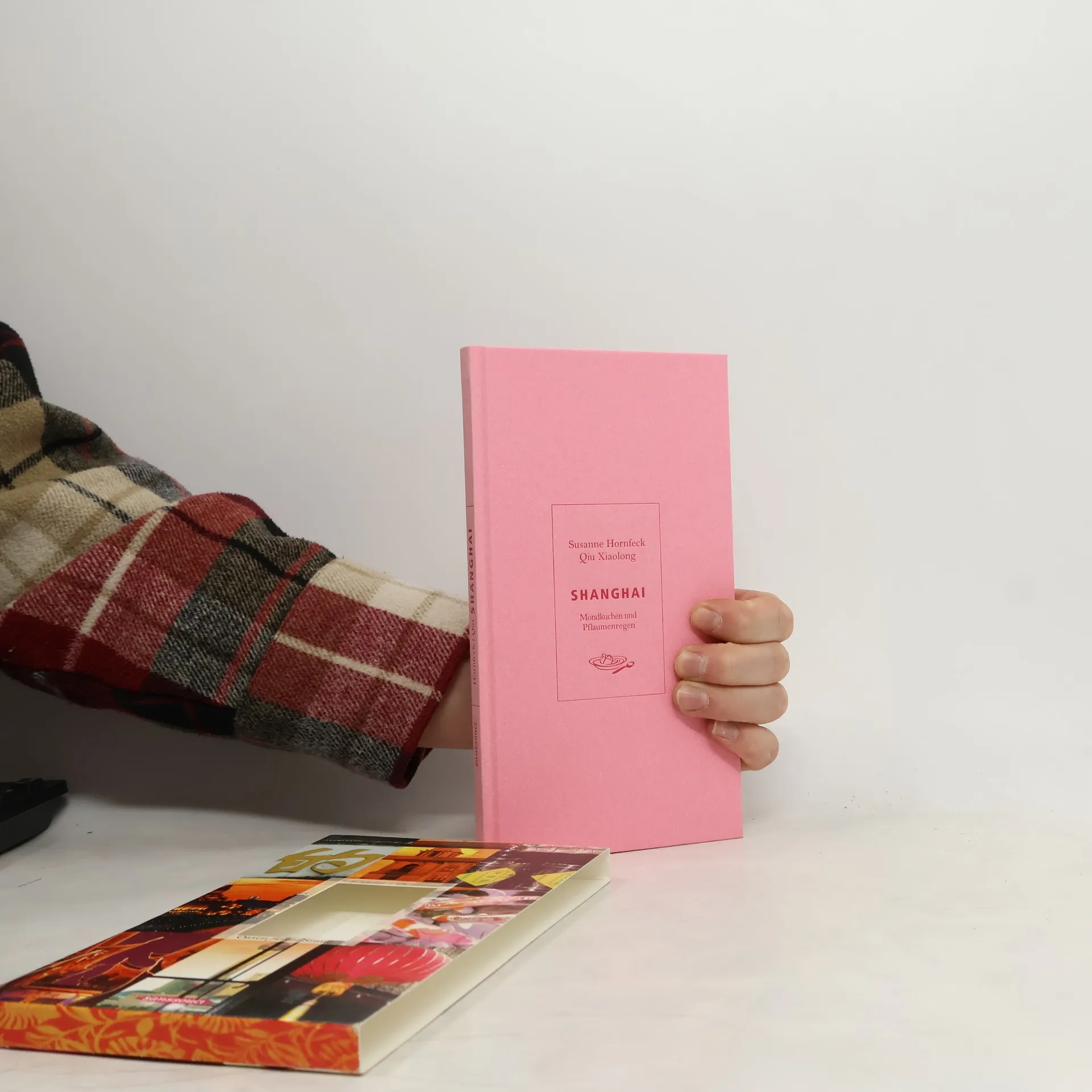
Von Art déco und Singsong-Girls bis zur boomenden Hafenstadt und Metropole der Zukunft: All das war und ist Shanghai. Zwischen den kontrastreichen Welten von Tradition und Moderne unternehmen der bekannte chinesische Krimiautor Qiu Xiaolong und die Sinologin Susanne Hornfeck eine exotisch kulinarische Sinnenreise. Auf ihren Streifzügen durch die Stadt wird alles probiert, was die lokale Küche an Essen und Trinken zu bieten hat. Zahlreiche Rezepte runden diesen Band aus der Reihe "Oasen für die Sinne" ab.