Set during a harsh Russian winter, the narrative follows the journey of Vasili Andreevich Brekhunov and his servant, Nikita. Through their interactions, the story delves into profound themes of human nature, morality, and the relentless pursuit of material wealth. Despite its short length, it offers a thought-provoking exploration of the dynamics between master and servant, highlighting the philosophical complexities of their relationship.
Dostojewskij, Fjodor M – zweisprachige Ausgabe; Originalversion mit deutscher Übersetzung
99 páginas
4 horas de lectura
The Grand Inquisitor is a parable told by Ivan to Alyosha in Fyodor Dostoevsky's novel, The Brothers Karamazov. Ivan and Alyosha are brothers; Ivan is a committed atheist and Alyosha is a novice monk. The Grand Inquisitor is an important part of the novel and one of the best-known passages in modern literature because of its ideas about human nature and freedom, and because of its fundamental ambiguity.
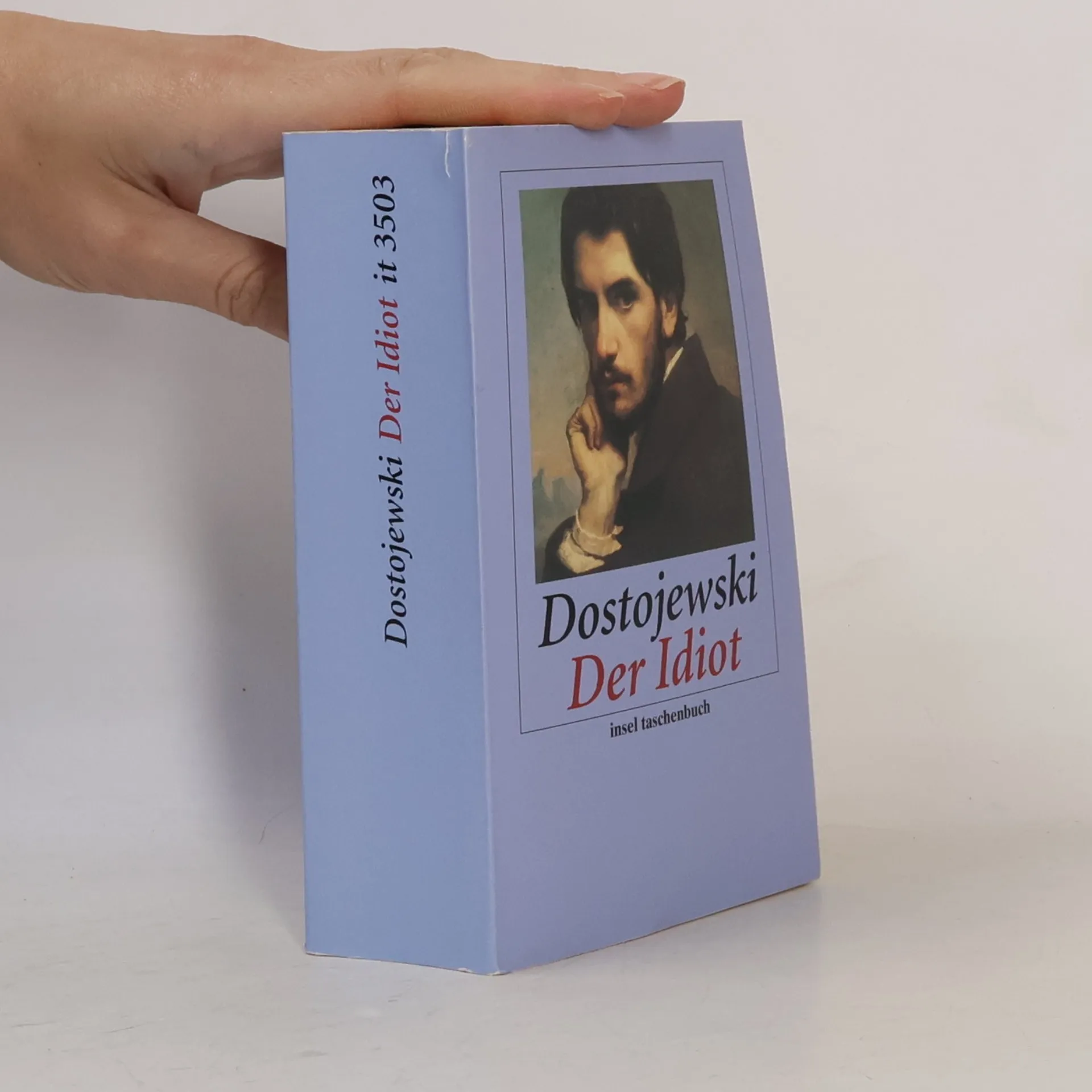
Nach einem Sanatoriumsaufenthalt kehrt der kindlich-naive und an Epilepsie leidende Fürst Myschkin nach Russland zurück. Sein demütiges und mitleidendes Wesen wirkt anziehend auf seine von Schmerz, Schuld und Bosheit geprägteUmgebung. Immer weiter verstrickt er sich in die Ränkespiele um die schöne Nastasja und seinen Rivalen Rogoschin.
The novel explores the tumultuous relationship between 19-year-old Arkady Dolgoruky and his father, the notorious landowner Versilov, as Arkady returns to St. Petersburg after years at boarding school. As he navigates the complexities of his family's scandalous affairs, the story delves into deep psychological, emotional, and moral conflicts, reflecting the intricacies of the human condition. Dostoyevsky's rich characterizations and themes make this work a significant contribution to literature, showcasing the author's profound understanding of human nature.
Included in this volume: "An Honest Thief," "A Novel in Nine Letters," "An Unpleasant Predicament," "Another Man's Wife," "The Heavenly Christmas Tree," "Bobok," and other stories.
Encarnación de cuantas virtudes se asocian al espíritu cristiano, el príncipe Myshkin, sin embargo, paradójicamente, no logra más que desbaratar junto con la vida propia la de la mayoría de los que a él acuden.--Back cover
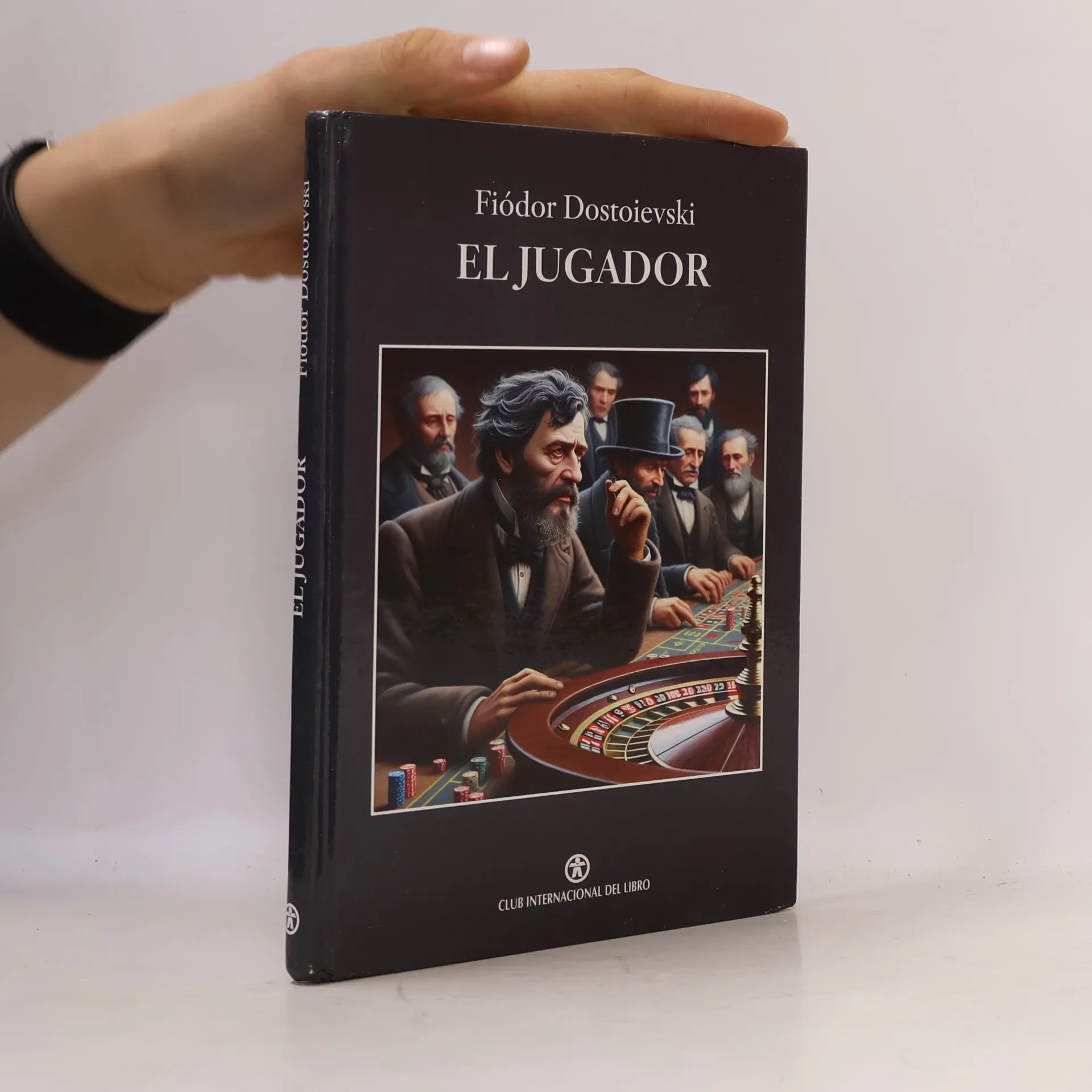
El Jugador es un roman de Fjodor Dostoyevski. Enmarcado en una historia burlesca y a veces grotescamente cómica, sigue a un grupo de personas que, al borde de la ruina financiera, esperan el dinero de una herencia que les salvará en el ficticio balneario de Roulettenburg. A través de descripciones precisas y detalladas, el autor explora la adicción al juego, una experiencia que conocía de primera mano. Publicado en 1866, poco después de Crimen y castigo, Dostoyevski dictó la obra a su taquígrafa y futura esposa Anna en solo 26 días, impulsado por deudas de juego y la presión de su editor, quien exigía la entrega antes del 1 de noviembre. A pesar de los obstáculos, el manuscrito se completó a tiempo gracias a la idea de Anna de depositarlo ante un notario. El relato tiene tintes autobiográficos, evocando lugares como Wiesbaden y Bad Homburg, que reclaman ser la inspiración de Roulettenburg. El roman ha servido de base para la ópera homónima de Sergei Prokofiev y varias adaptaciones cinematográficas.