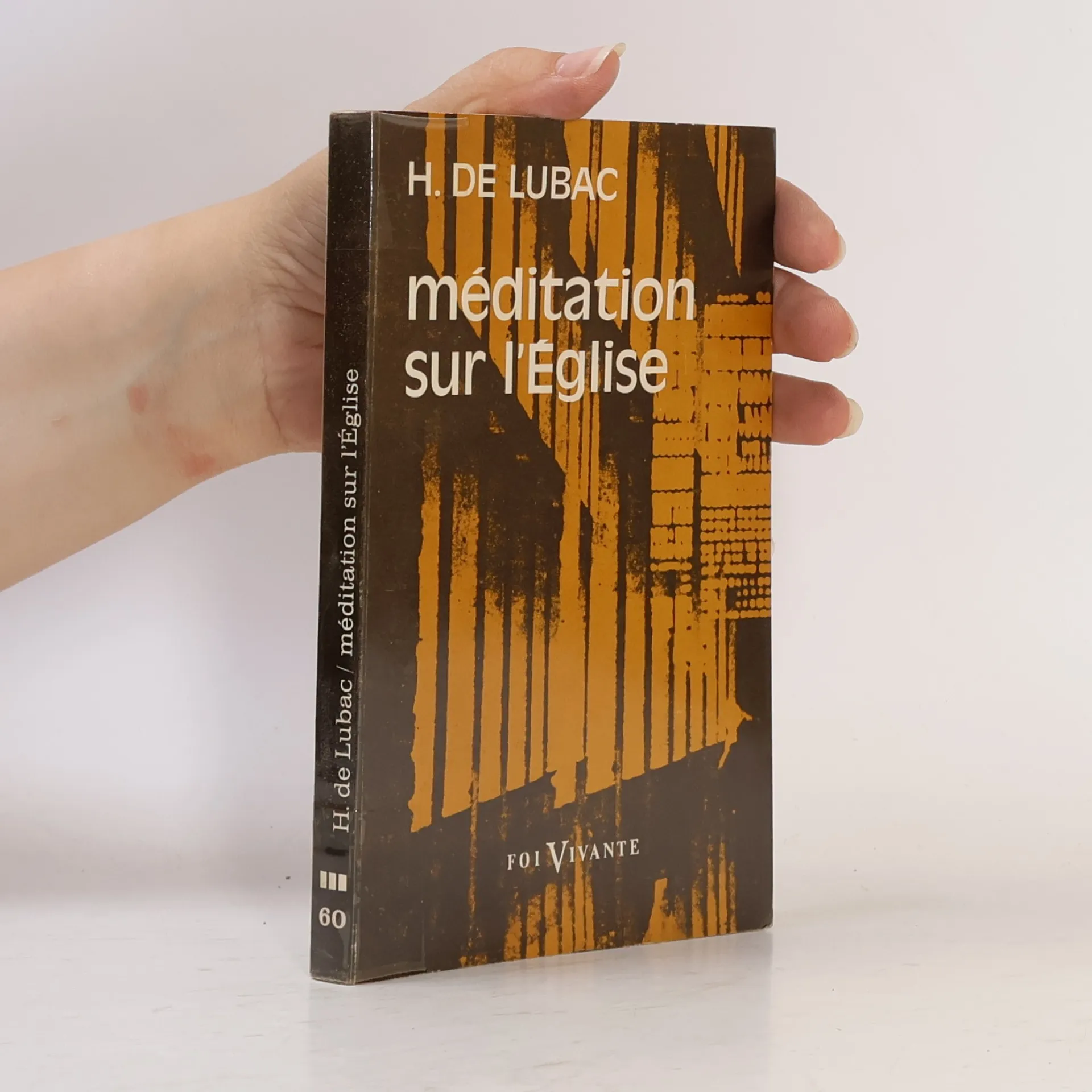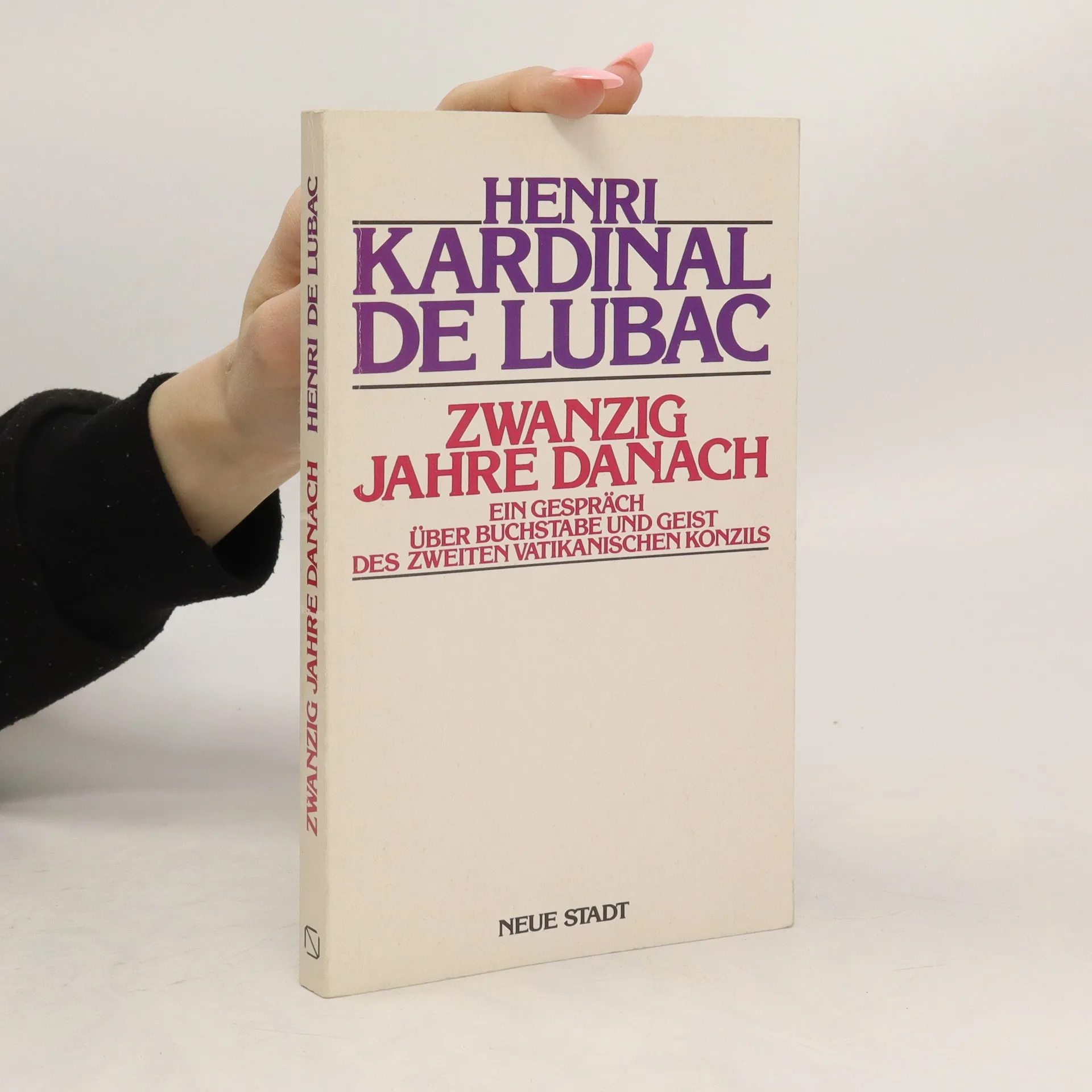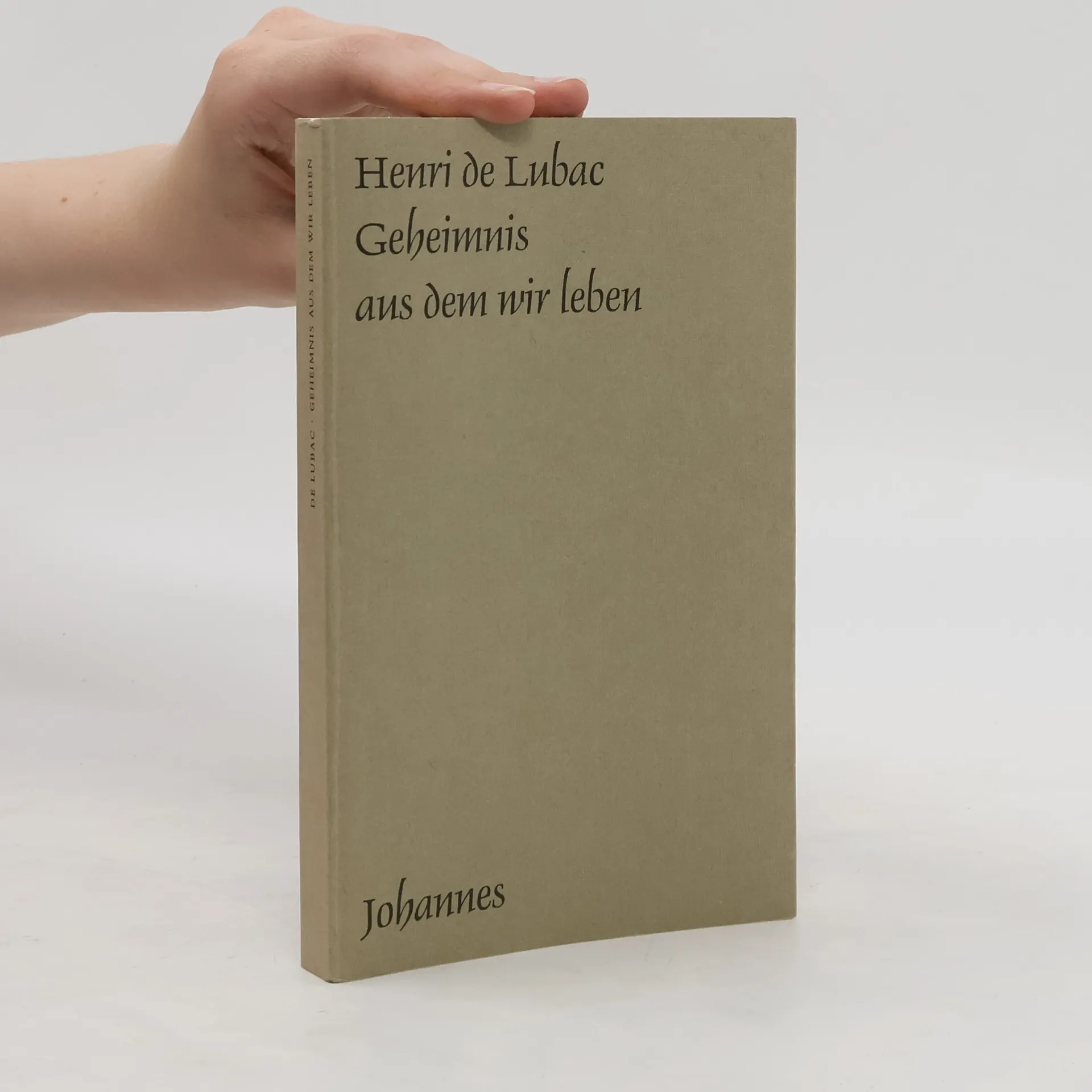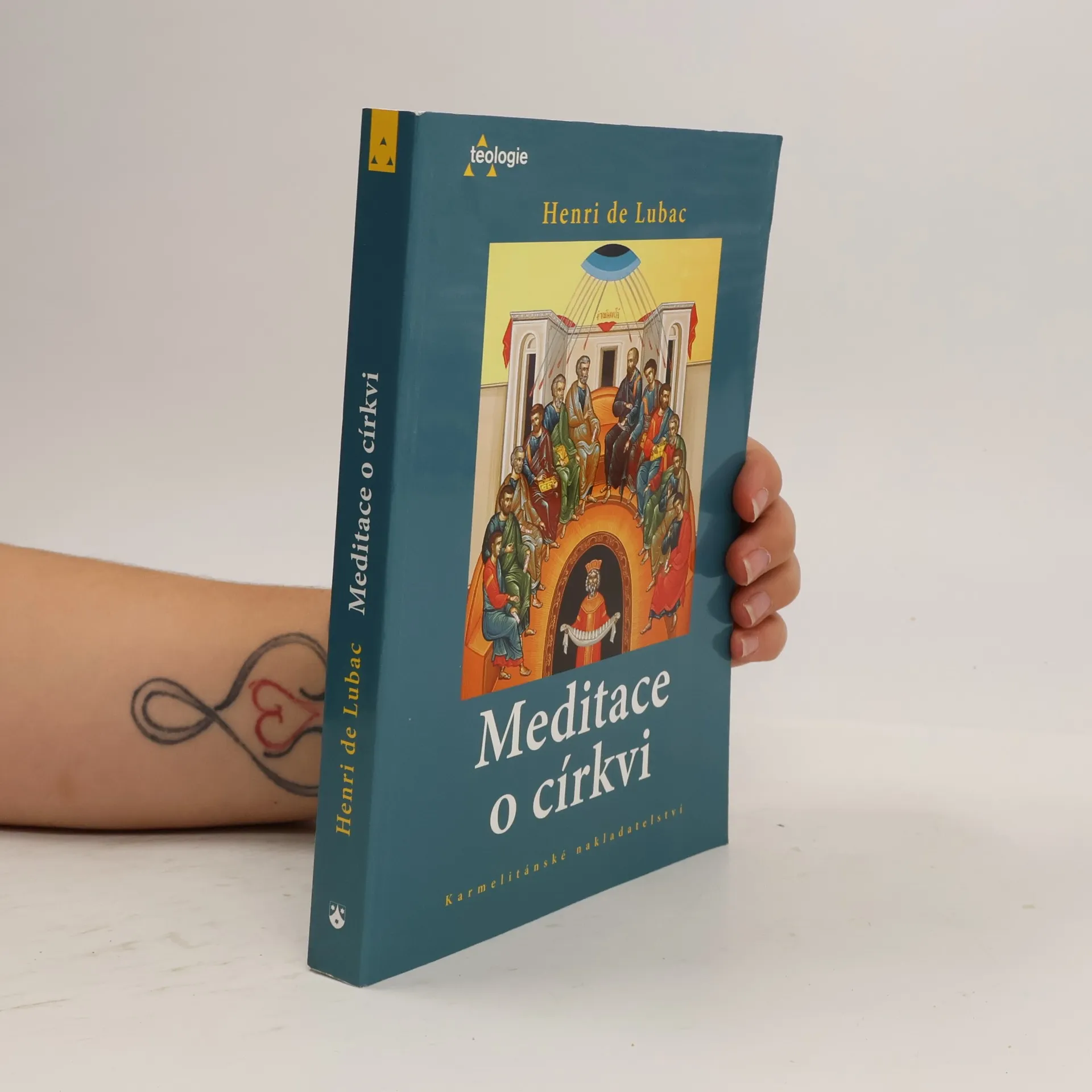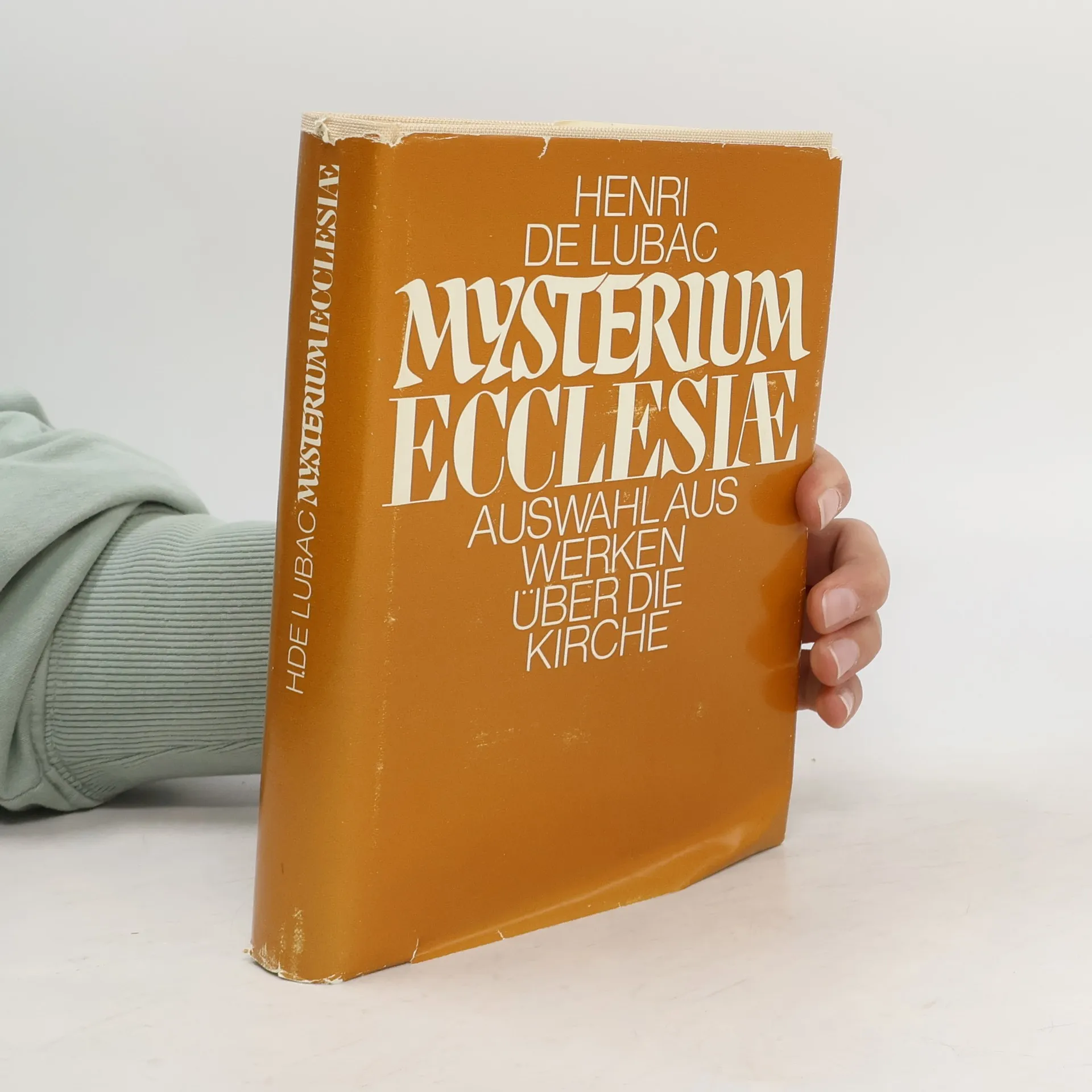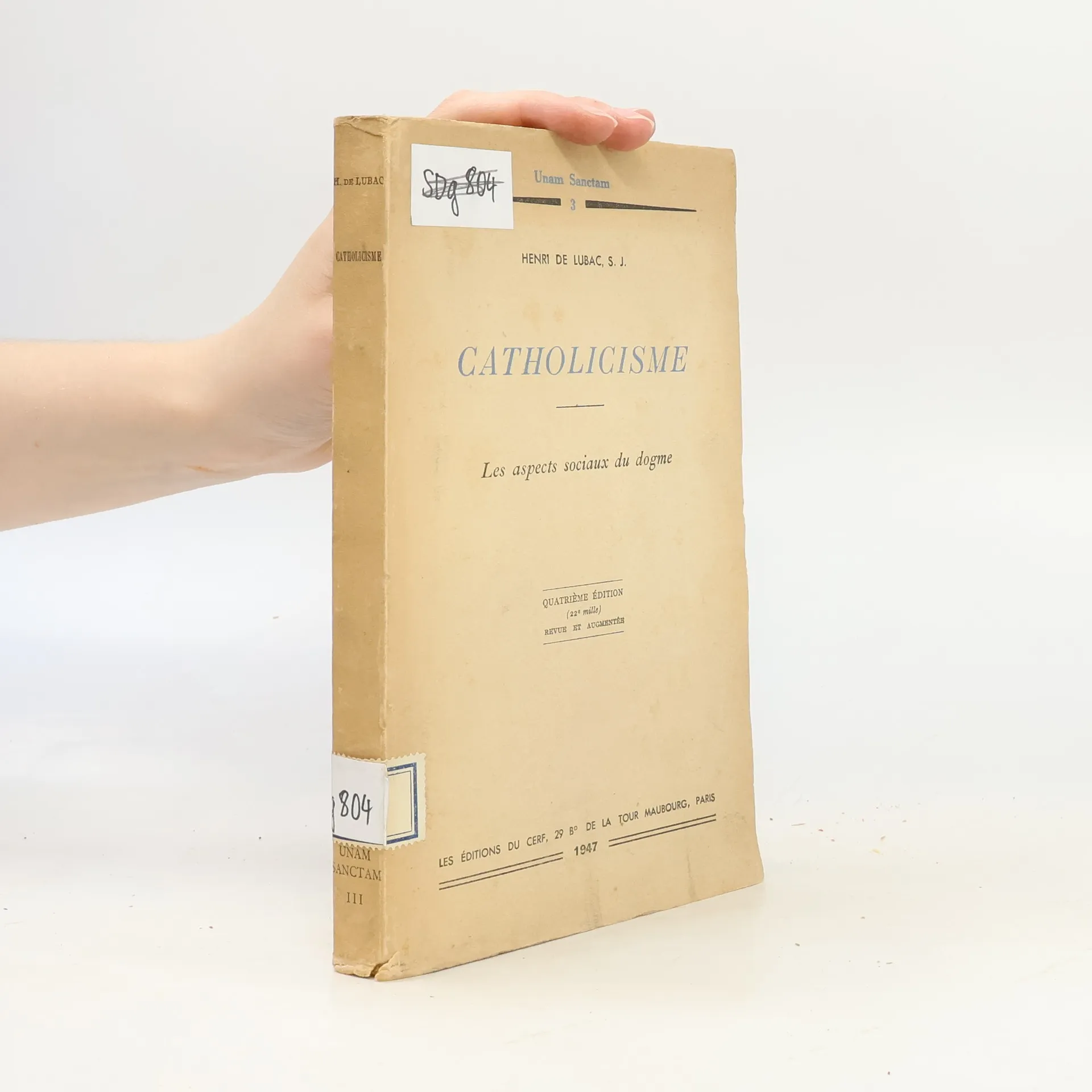
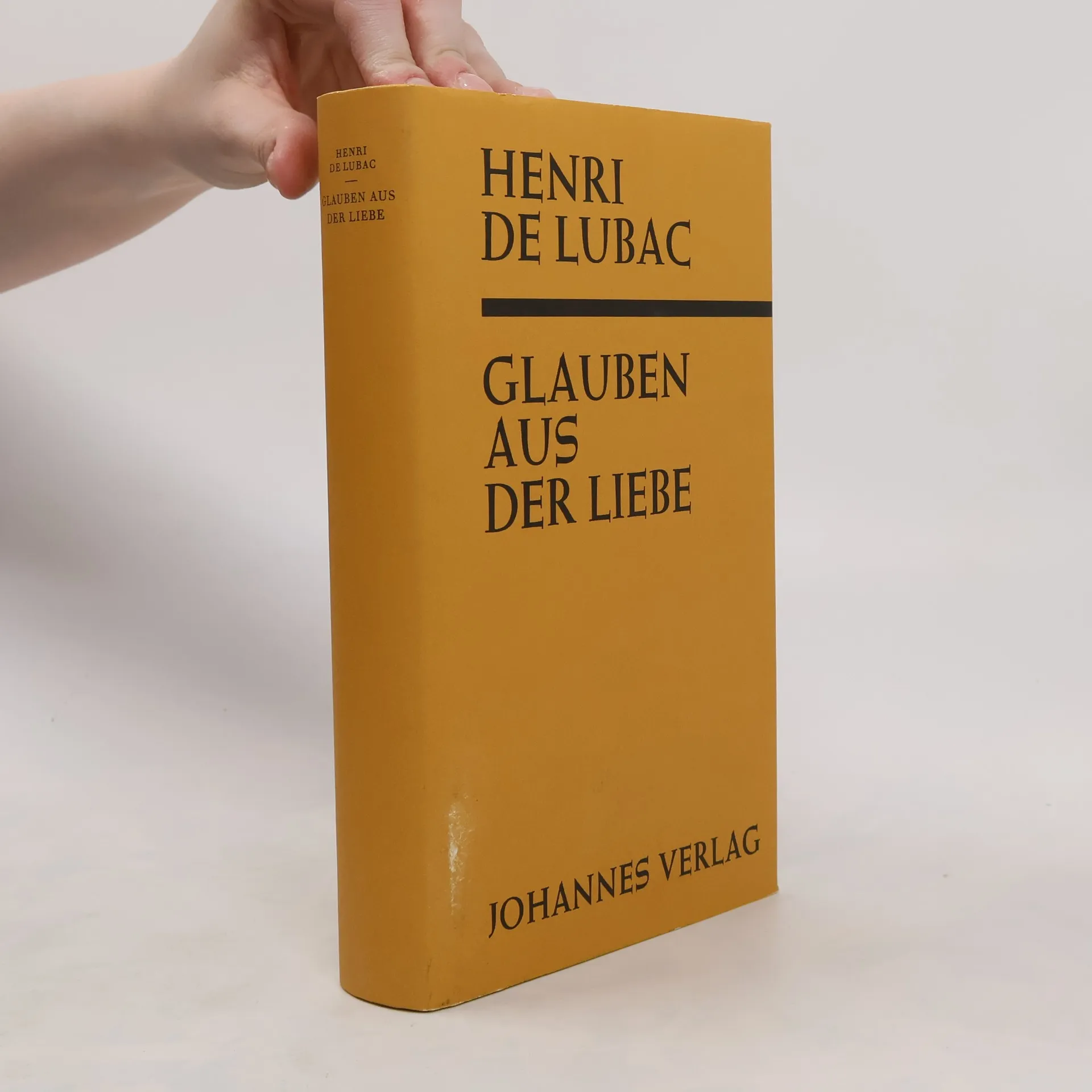

These profound pieces are the fruit of Cardinal Henri de Lubac's lifelong study of the paradoxes of the Christian faith. They are rich and thought-provoking gems, spiritual aphorisms, and meditative reflections, which explore the incongruities and the challenges of the spiritual life. De Lubac’s magnificent language, clarity, spiritual understanding, and shrewd discernment are on display in every chapter, as he discusses a variety of topics including Christian witness, incarnation, suffering, and faith. His mastery of the subjects is the result not only of intellectual study but of a life lived for Christ even in the darkest of times, as when he participated in the underground resistance to the Nazi occupation of France. A leader in nouvelle théologie , an intellectual movement characterized by interest in the Fathers of the Church and the concerns of contemporary men and women, de Lubac was named a cardinal by Pope John Paul II. "The very word paradox is paradoxical. Let the paradox be. Remember, after all, the Gospel is full of paradoxes, that man is himself a living paradox, and that according to the Fathers of the Church, the Incarnation is the supreme Paradox."-- Henri de Lubac, from the Preface
Henri de Lubac Libros
Henri-Marie de Lubac fue un influyente teólogo jesuita francés del siglo XX. Sus escritos e investigación doctrinal desempeñaron un papel clave en la configuración del Concilio Vaticano II. Enseñó historia de las religiones, influyendo en muchos estudiantes destacados. Su obra teológica es esencial para comprender el pensamiento católico moderno.


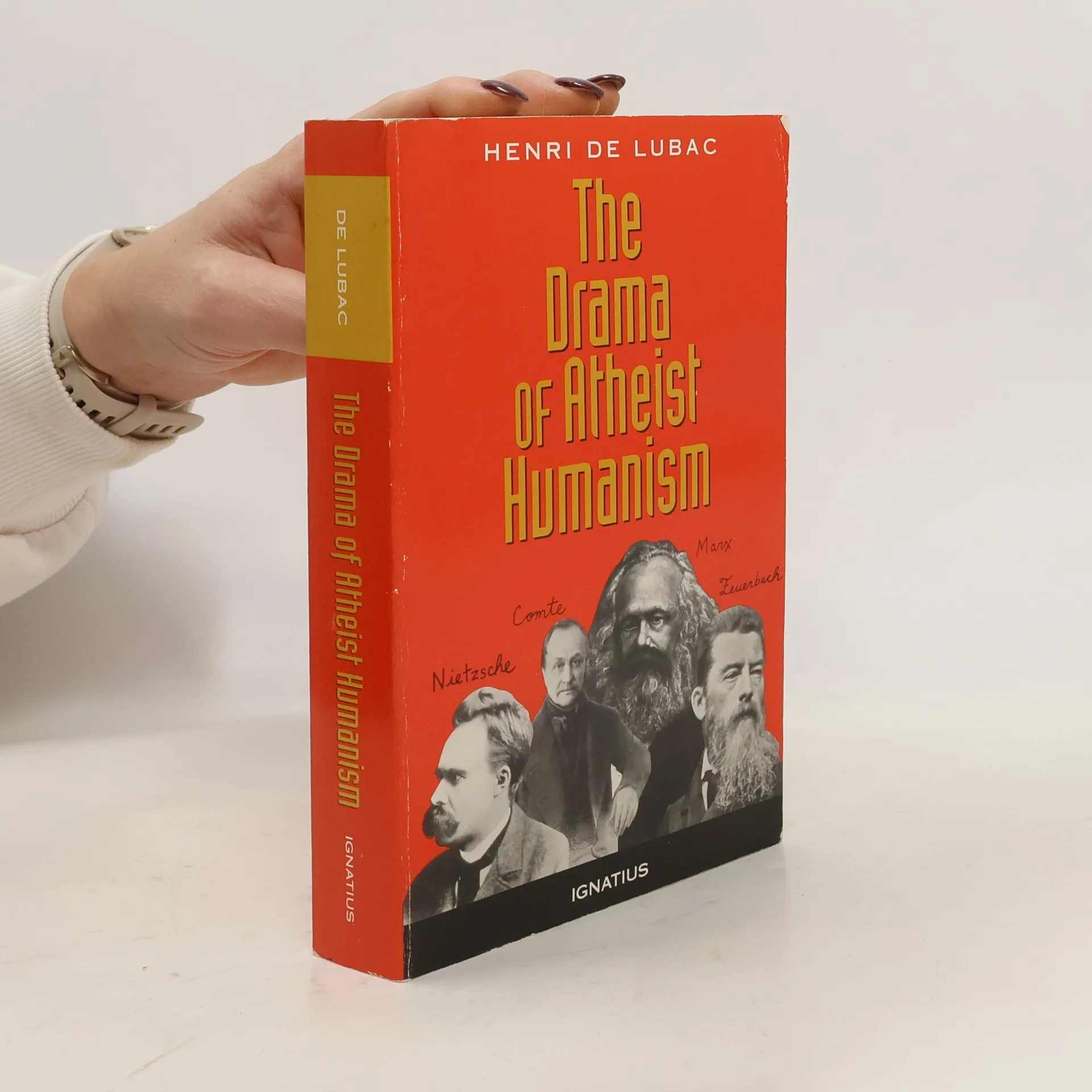
The Drama of Atheist Humanism
- 253 páginas
- 9 horas de lectura
Henri de Lubac, S.J. De Lubac traces the origin of 19th century attempts to construct a humanism apart from God, the sources of contemporary atheism which purports to have "moved beyond God." The three persons he focuses on are Feuerbach, who greatly influenced Marx; Nietzsche, who represents nihilism; and Comte, who is the father of all forms of positivism. He then shows that the only one who really responded to this ideology was Dostoevsky, a kind of prophet who criticizes in his novels this attempt to have a society without God. Despite their historical and scholarly appearance, de Lubac's work clearly refers to the present. As he investigates the sources of modern atheism, particularly in its claim to have definitely moved beyond the idea of God, he is thinking of an ideology prevalent today in East and West which regards the Christian faith as a completely outdated.
Aspects of Buddhism;
- 204 páginas
- 8 horas de lectura
The Discovery of God
- 236 páginas
- 9 horas de lectura
Focusing on the concept of God and spiritual life, this work encapsulates Henri de Lubac's philosophical and theological insights. It explores the interconnectedness of faith and human existence, highlighting the significance of divine discovery in understanding the deeper aspects of spirituality. Through de Lubac's perspective, readers are invited to reflect on the essence of belief and its impact on the human experience.
Further Paradoxes
- 152 páginas
- 6 horas de lectura
The Splendour of the Church;
- 314 páginas
- 11 horas de lectura
The Un-Marxian Socialist; a Study of Proudhon
- 330 páginas
- 12 horas de lectura
Vatican Council Notebooks: Volume Two
- 536 páginas
- 19 horas de lectura
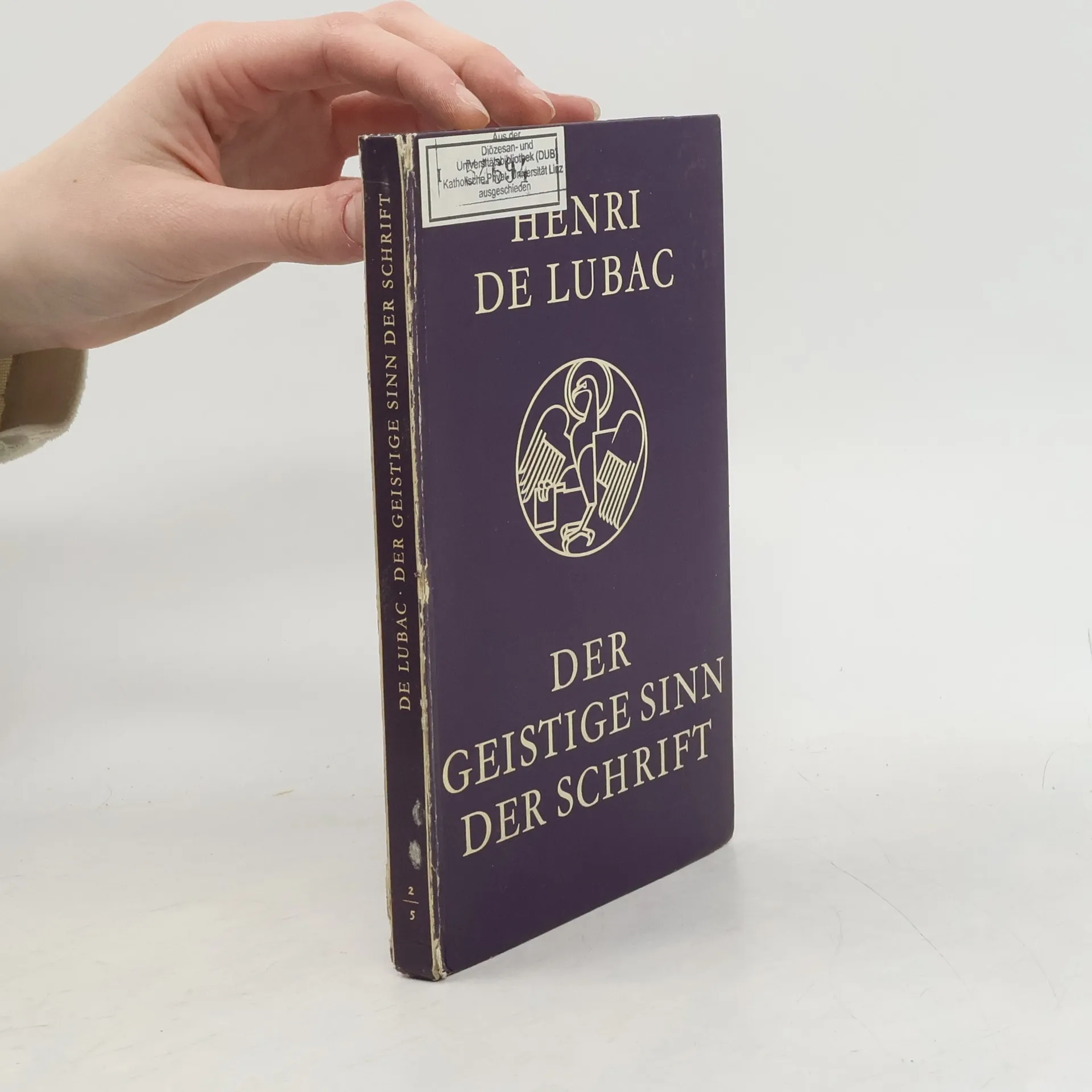
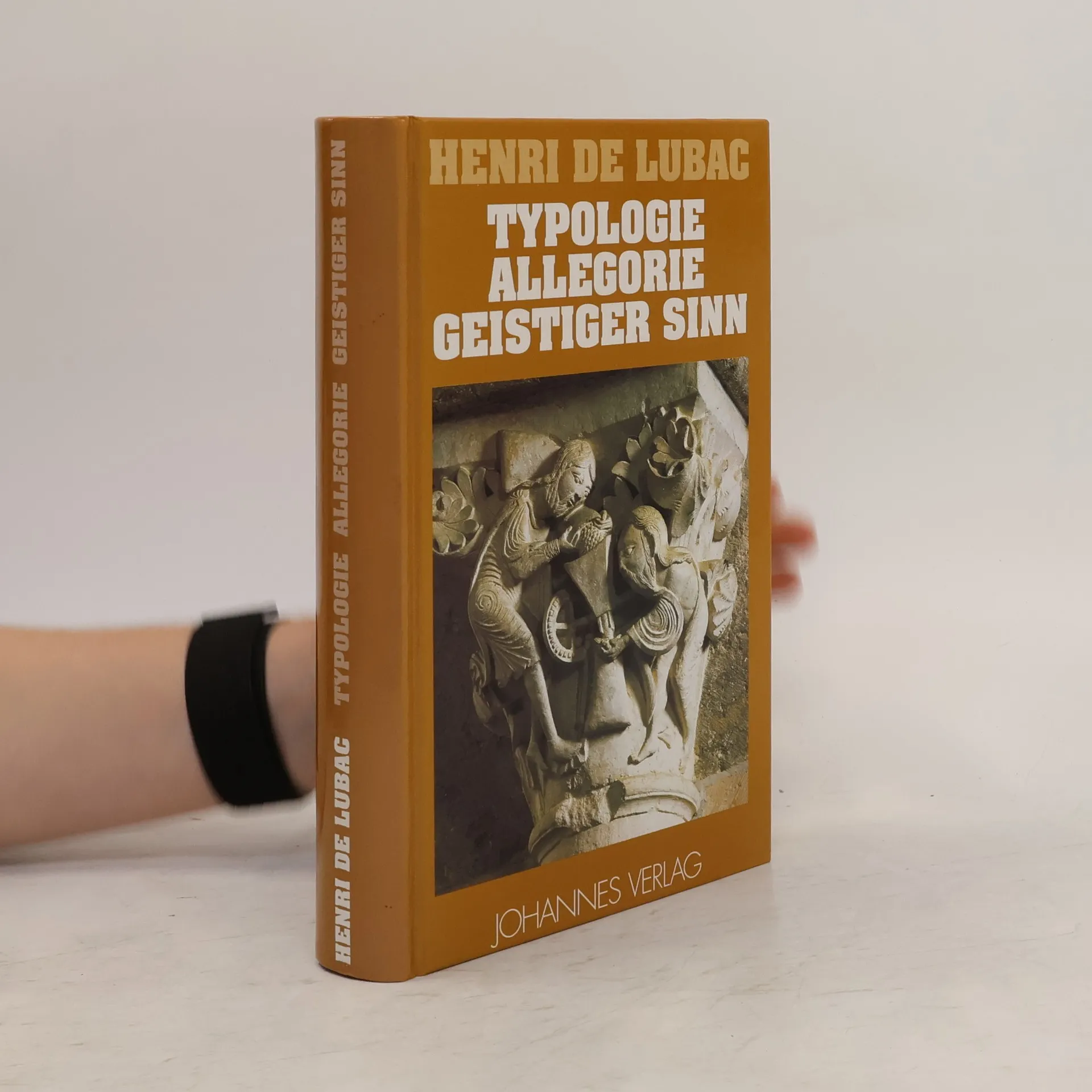
Rudolf Voderholzer legt hier nun die entsprechenden wichtigsten Originaltexte de Lubacs in deutscher Übersetzung vor:Die von de Lubac selbst zusammengestellte Kurzfassung des monumentalen vierbändigen Werkes «Exégèse médiévale» (1959-1964) mit dem Titel «L'Ecriture dans la Tradition» (1966) sowie drei umfangreiche Aufsätze: «Typologie et Allégorie» (1947), «Sur un vieux distique. Le quadruple sens de l'Ecriture» (1948) sowie «A propos de l'Allégorie chrétienne» (1959).Mit dieser Zusammenstellung ist dem deutschsprachigen Leser erstmals die Quintessenz von «Exégèse médiévale» zugänglich gemacht. Das Buch enthält auch die Texte des vergriffenen Bändchens «Der geistige Sinn der Schrift» (= Christ heute II/5) von 1952, dessen Vorwort von Hans Urs von Balthasar diesem Band als Nachwort angefügt ist.(Quelle: http://www.johannes-verlag.de/357x.htm)