
Compra 10 libros por 10 € aquí!
Bookbot

Frederick Douglass

    1 de febrero de 1817 – 20 de febrero de 1895

    Frederick Douglass fue una figura cumbre en el movimiento abolicionista, cuyos escritos articularon poderosamente las brutales realidades de la esclavitud y la búsqueda incesante de la libertad. Su elocuente prosa y agudo intelecto sirvieron como una formidable arma contra la injusticia. El legado literario de Douglass es de una profunda claridad moral y un compromiso inquebrantable con la dignidad humana. A través de sus discursos y escritos, dio voz a los que no la tenían y continúa inspirando a generaciones con su lucha por la igualdad.

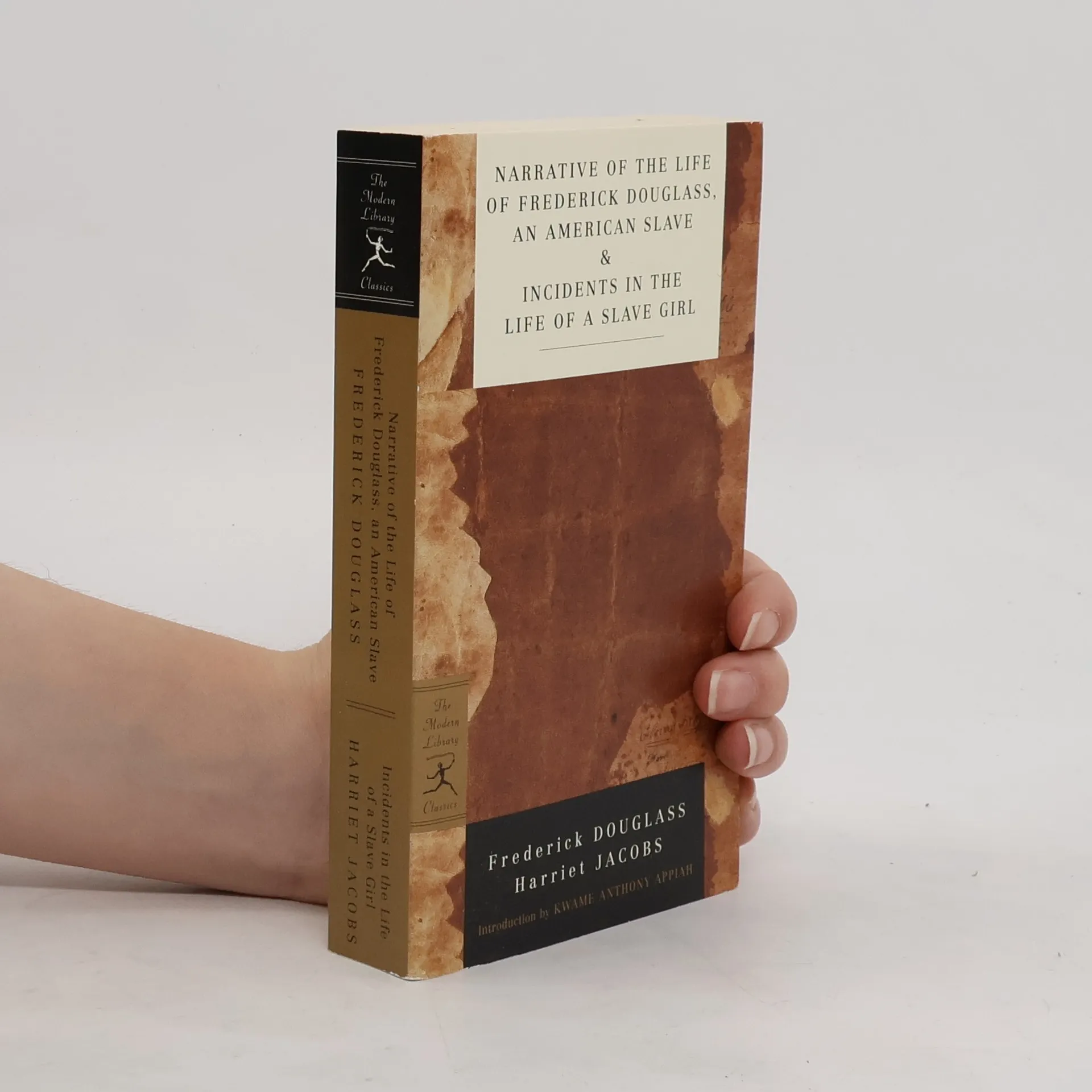
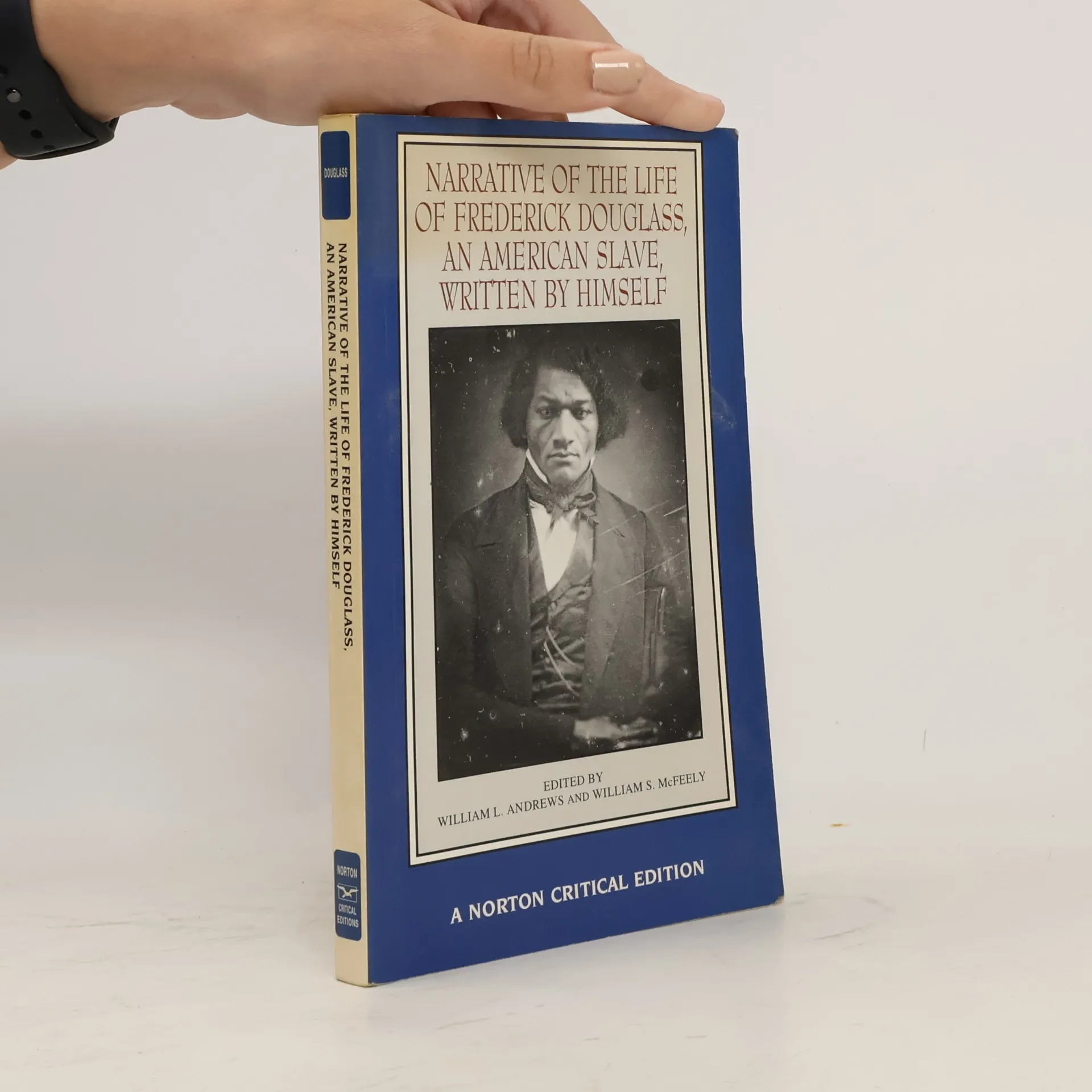
    Narrative of the Life of Frederick Douglass, an American Slave & Incidents in the Life of a Slave Girl
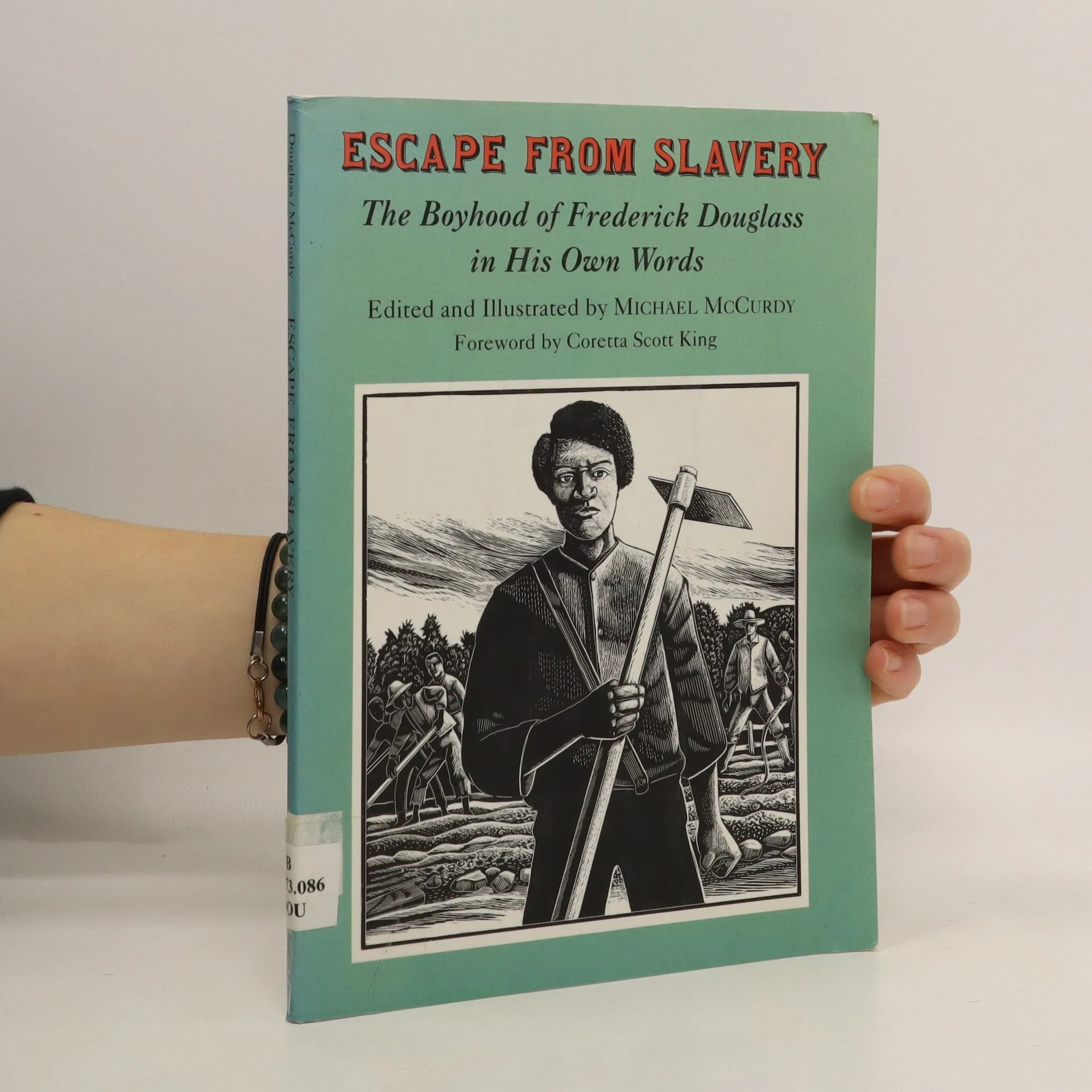
    Escape from Slavery: The Boyhood of Frederick Douglass in His Own Words
    Life and Times of Frederick Douglass
    Narrative of the Life of Frederick Douglass: with Selected Speeches
    Frederick Douglass: Speeches & Writings (loa #358)
    What to the Slave is the Fourth of July?
    • What to the Slave is the Fourth of July?

      • 30 páginas
      • 2 horas de lectura

      Frederick Douglass's historic speech delivered at the Rochester Ladies' Anti-Slavery Society critiques the hypocrisy of American democracy. He powerfully questions the significance of the Fourth of July for enslaved individuals, highlighting the stark contrast between the nation's ideals and the reality of slavery. Douglass's eloquent argument serves as a profound call for justice and freedom, making it a pivotal moment in the fight against slavery.

      What to the Slave is the Fourth of July?
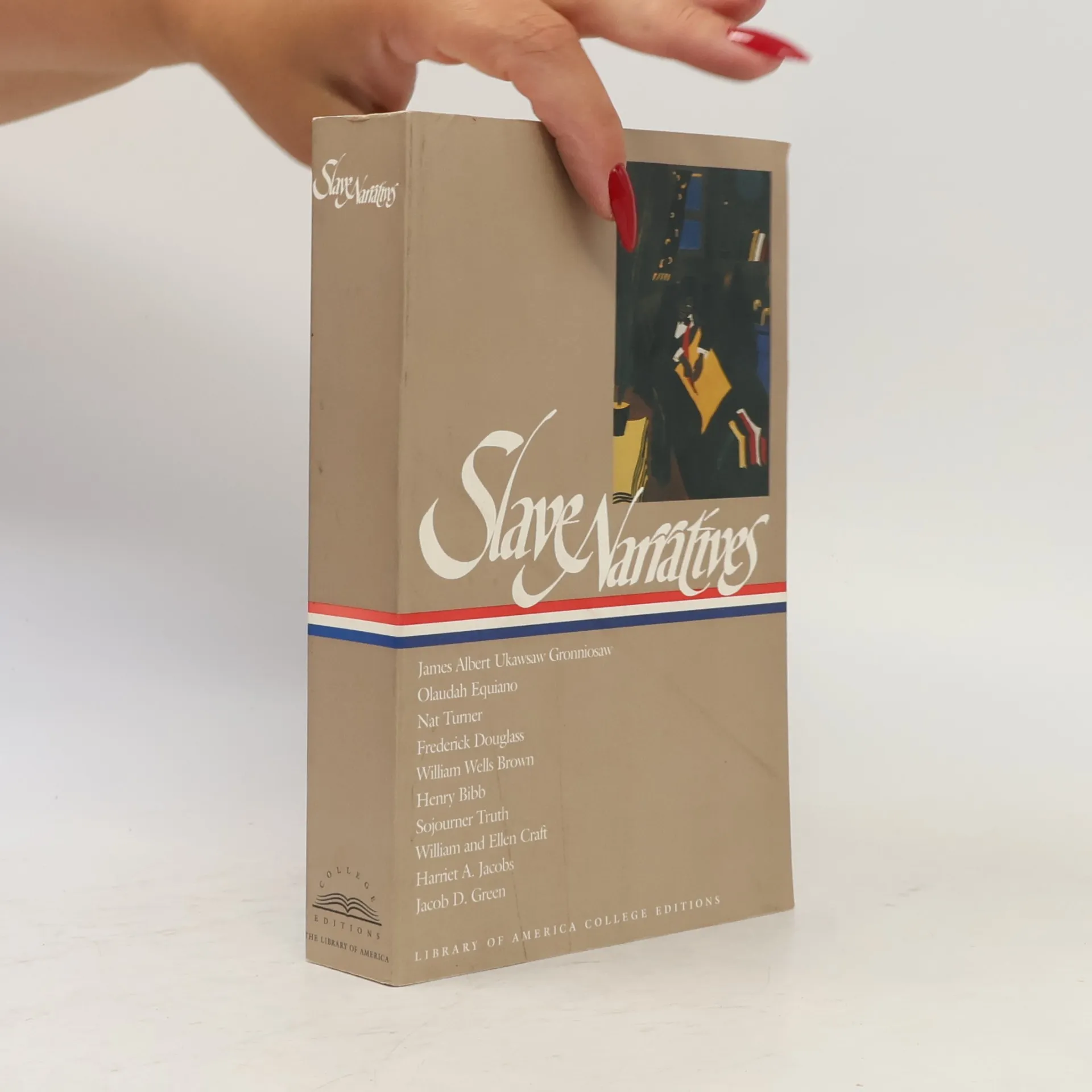
    • "Edited by Pulitzer Prize–winning biographer David W. Blight, this Library of America edition is the largest single-volume selection of Frederick Douglass’s writings ever published, presenting the full texts of thirty-four speeches and sixty-seven pieces of journalism. With startling immediacy, these writings chart the evolution of Douglass’s thinking about slavery and the U.S. Constitution; his eventual break with William Lloyd Garrison and many other abolitionists on the crucial issue of disunion; the course of his complicated relationship with Abraham Lincoln; and his deep engagement with the cause of women’s suffrage. Here are such powerful works as “What to the Slave Is the Fourth of July?,” Douglass’s incandescent jeremiad skewering the hypocrisy of the slaveholding republic; “The Claims of the Negro Ethnologically Considered,” a full-throated refutation of nineteenth century racial pseudoscience; “Is it Right and Wise to Kill a Kidnapper?,” an urgent call for forceful opposition to the Fugitive Slave Act; “How to End the War,” in which Douglass advocates, just days after the fall of Fort Sumter, for the raising of Black troops and the military destruction of slavery; “There Was a Right Side in the Late War,” Douglass’s no-holds-barred attack on the “Lost Cause” mythology of the Confederacy; and “Lessons of the Hour,” an impassioned denunciation of lynching and disenfranchisement in the emerging Jim Crow South. As a special feature the volume also presents Douglass’s only foray into fiction, the 1853 novella “The Heroic Slave,” about Madison Washington, leader of the real-life insurrection on board the domestic slave-trading ship Creole in 1841 that resulted in the liberation of more than a hundred enslaved people. Editorial features include detailed notes identifying Douglass’s many scriptural and cultural references, a newly revised chronology of his life and career, and an index." -- Provided by publisher

      Frederick Douglass: Speeches & Writings (loa #358)
    • Frederick Douglass's autobiography highlights his remarkable journey from slavery to becoming a prominent abolitionist. This hardcover edition features exquisite design elements, making it a meaningful keepsake or gift. It serves as a testament to Douglass's influential role in history and is printed in the USA, reflecting a commitment to quality.

      Narrative of the Life of Frederick Douglass: with Selected Speeches
    • "First published in 1892, Life and Times of Frederick Douglass Written By Himself is the final autobiography written by Frederick Douglass (1818-1895), a man who was born into slavery in Talbot County, Maryland. Securing his self-liberation at twenty years of age in 1838, he went on to become the most renowned antislavery activist, social justice campaigner, author, orator, philosopher, essayist, historian, intellectual, statesman, and liberator in U.S. history. A powerful literary work, Douglass' final autobiography shares the stories of his 'several lives in one.' This new edition examines Douglass' memorialization of his own and his mother's first-hand experiences of enslavement and of their 'mental' liberation through a 'love of letters;' his representation of Civil War Black combat heroism; his conviction that 'education means emancipation;' and finally, his 'unending battle' with white publishers for the freedom to 'tell my story.' This volume reproduces Frederick Douglass' emotionally powerful and politically hard-hitting anti-lynching speech, Lessons of the Hour, published in 1894. This edition includes explanatory notes, a revised introduction, and expanded bibliography"--

      Life and Times of Frederick Douglass
    • Illus. in black-and-white. Opening note by Coretta Scott King. For the first time, the most important account ever written of a childhood in slavery is accessible to young readers. From his days as a young boy on a plantation to his first months as a freeman in Massachusetts, here are Douglass's own firsthand experiences vividly recounted--expertly excerpted and powerfully illustrated.

      Escape from Slavery: The Boyhood of Frederick Douglass in His Own Words
    • This Modern Library Paperback Classics edition combines the two most important African American slave narratives into one volume. Frederick Douglass's Narrative, first published in 1845, is an enlightening and incendiary text. Born into slavery, Douglass became the preeminent spokesman for his people during his life; his narrative is an unparalleled account of the dehumanizing effects of slavery and Douglass's own triumph over it. Like Douglass, Harriet Jacobs was born into slavery, and in 1861 she published Incidents in the Life of a Slave Girl, now recognized as the most comprehensive antebellum slave narrative written by a woman. Jacobs's account broke the silence on the exploitation of African American female slaves, and it remains crucial reading. These narratives illuminate and inform each other. This edition includes an incisive Introduction by Kwame Anthony Appiah and extensive annotations.

      Narrative of the Life of Frederick Douglass, an American Slave & Incidents in the Life of a Slave Girl
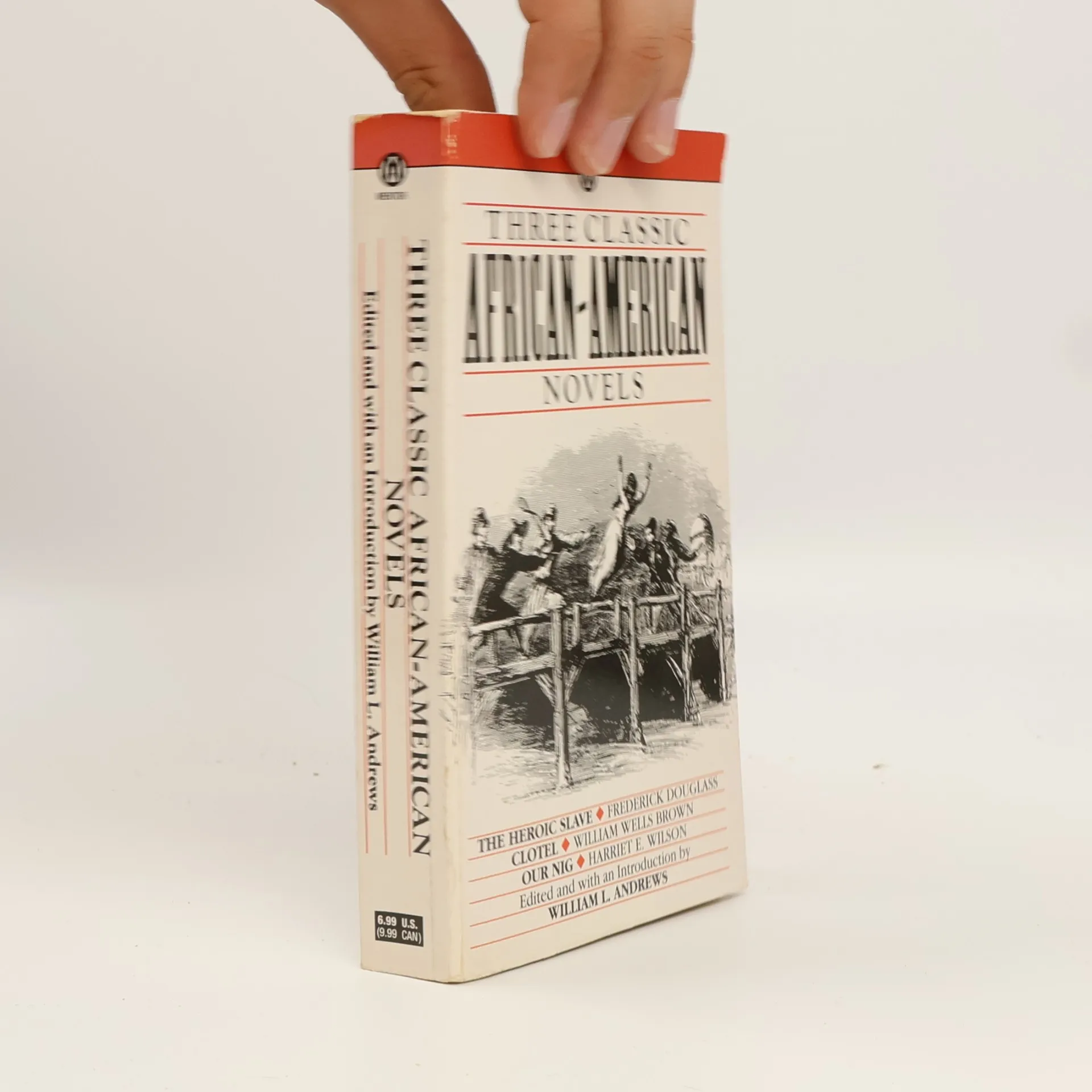
    • The Heroic Slave

      • 44 páginas
      • 2 horas de lectura

      The story unfolds as Mr. Listwell encounters Madison Washington, a long-missing local slave who seeks refuge and assistance. Madison's arrival at Mr. Listwell's home highlights themes of desperation, freedom, and the moral complexities surrounding slavery. As their interaction develops, the novella explores the struggles of enslaved individuals and the choices faced by those who can help them. Frederick Douglass presents a poignant narrative that challenges societal norms and advocates for justice and humanity.

      The Heroic Slave
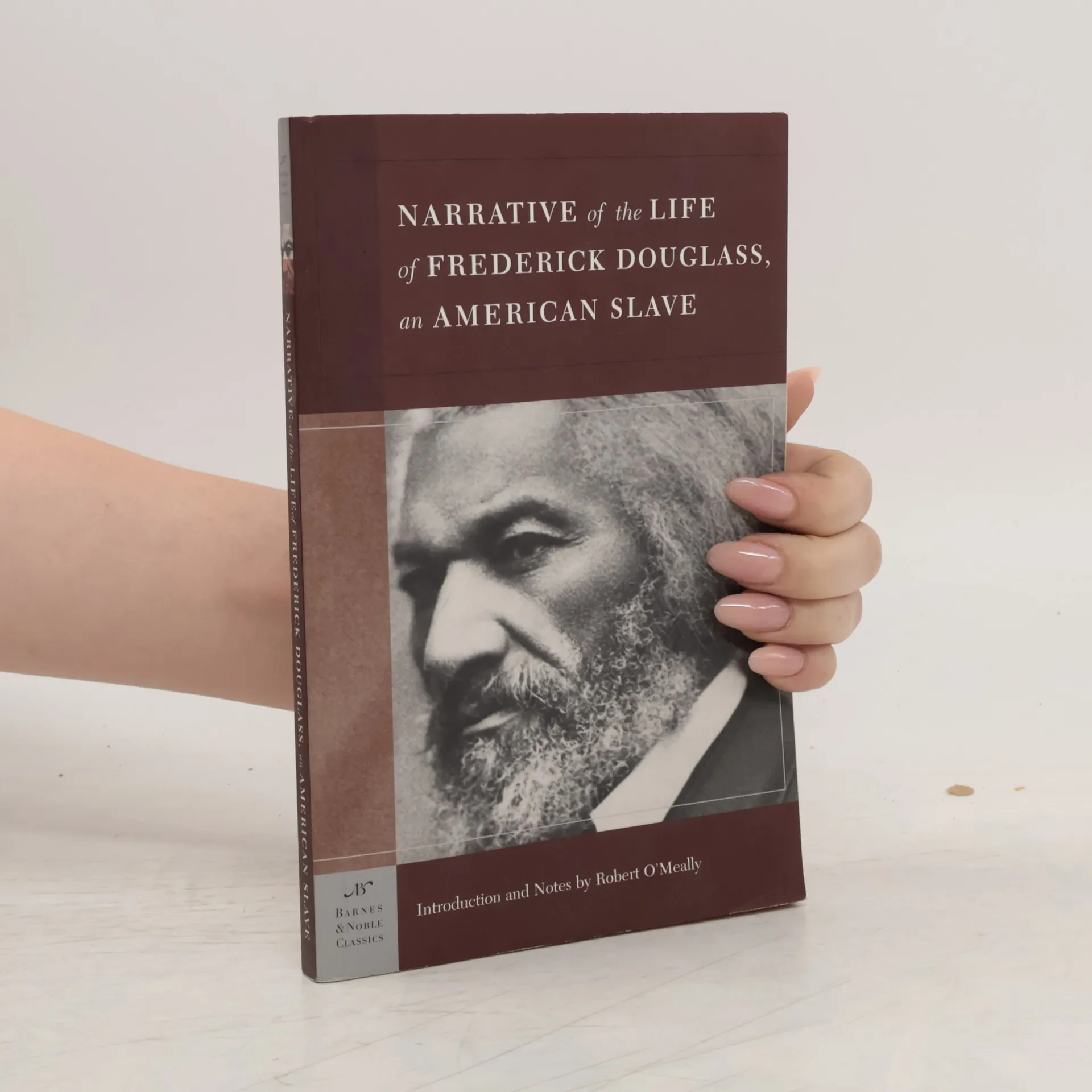
    • The narrative details Frederick Douglass's journey from slavery to freedom, highlighting his struggles and triumphs. After gaining his liberty, he emerged as a significant figure in the abolitionist movement, using his experiences to advocate for justice and equality. His story not only reflects personal resilience but also serves as a powerful commentary on the broader fight against slavery and oppression.

      My Bondage and My Freedom (Deluxe Library Edition) (Annotated)