
The contemporary rabbi is influenced by the modern rabbinic establishments throughout the world, including the rabbinate in Israel. The rabbinate's monopoly on opinions and interpretations prevents rabbis from expressing their individual positions out of fear of delegitimization. The current structure gives the public a negative impression of the rabbinic establishment. The Importance of the Community Rabbi strives to describe and delineate key requirements for a good rabbi, i.e., one who can provide socially acceptable halachic solutions within the parameters of Orthodox thinking. Rabbi Sperber elucidates the halachic techniques and mechanisms that may be used toward this goal. These are further illustrated with stories from rabbinic literature and examples from various responsa.
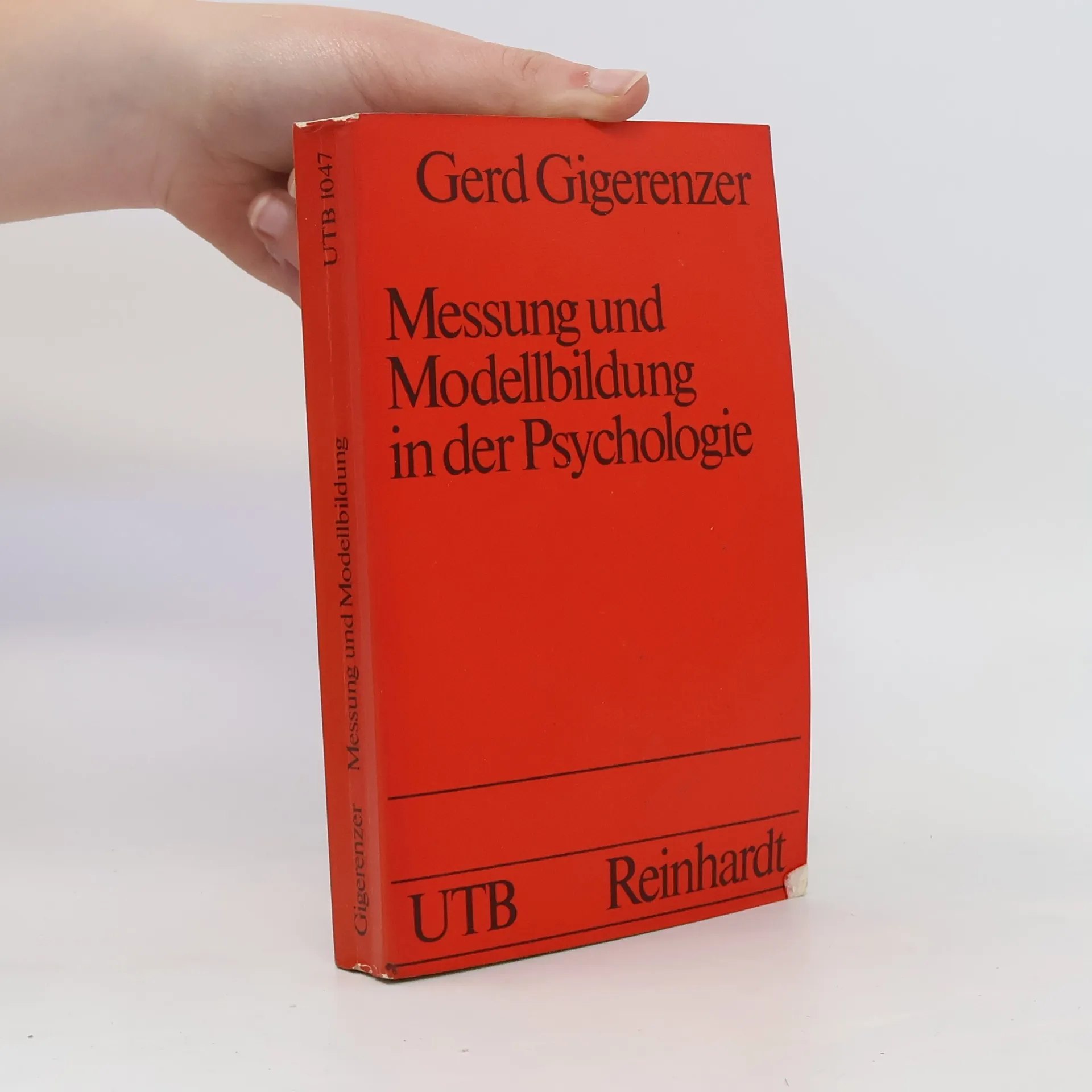
Gerd Gigerenzer Libros
Gerd Gigerenzer es un psicólogo alemán reconocido por su investigación sobre la racionalidad limitada y las heurísticas en la toma de decisiones, especialmente en el ámbito médico. Critica el trabajo de Daniel Kahneman y Amos Tversky, argumentando que las heurísticas no deben llevarnos a concebir el pensamiento humano como plagado de sesgos cognitivos irracionales, sino más bien a entender la racionalidad como una herramienta adaptativa que no es idéntica a las reglas de la lógica formal o el cálculo de probabilidades. Su obra se centra en cómo tomar decisiones racionales ante tiempo e información limitados y un futuro incierto.


The Empire of Chance
- 358 páginas
- 13 horas de lectura
The Empire of Chance tells how quantitative ideas of chance transformed the natural and social sciences, as well as daily life, in the last three centuries. It connects the earliest applications of probability and statistics in gambling and insurance to the most recent forays into law, medicine polling and baseball.
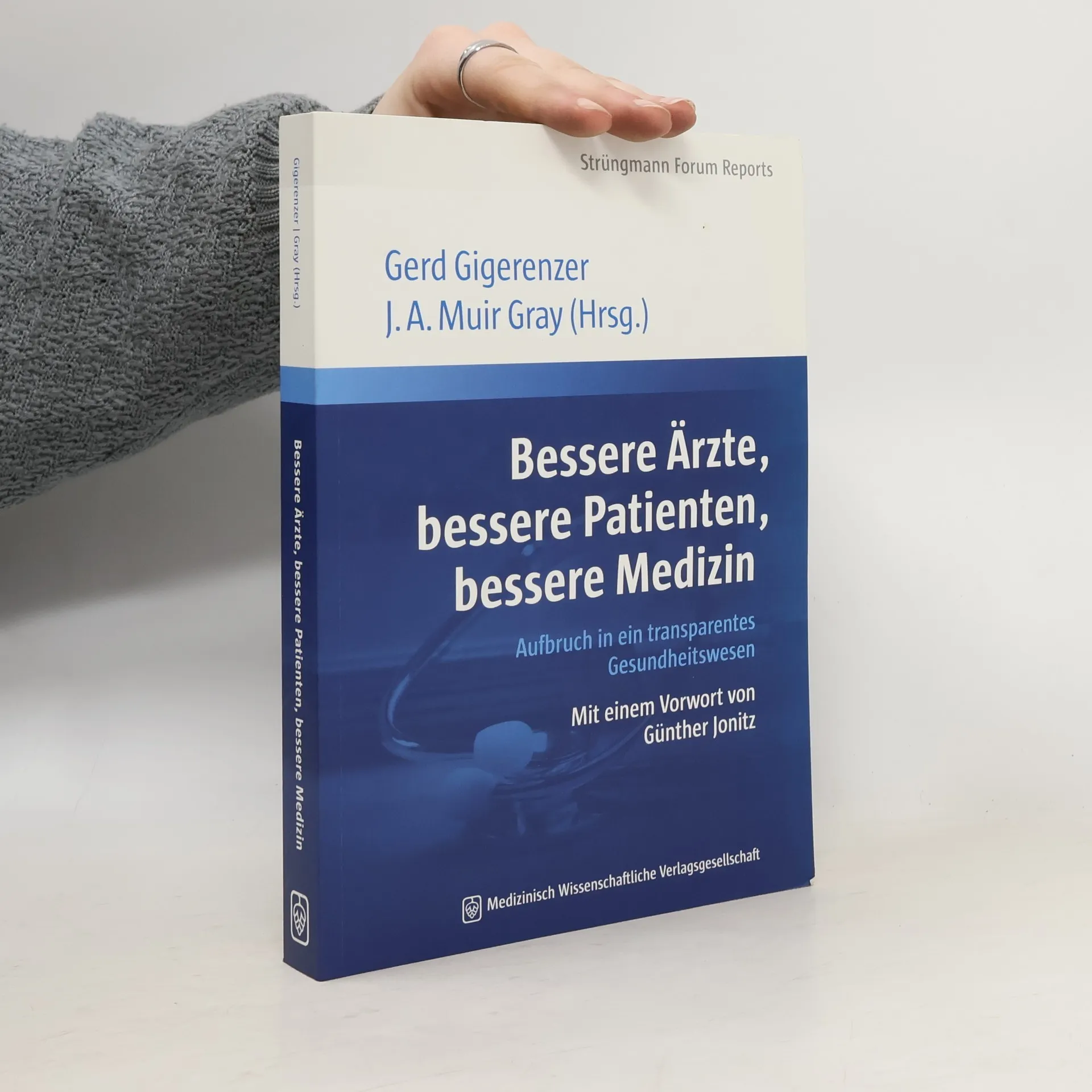
Better Doctors, Better Patients, Better Decisions: Envisioning Health Care 2020
- 391 páginas
- 14 horas de lectura
One of the main issues in delivering high-quality health care is not financial but rather a lack of knowledge among both doctors and patients. Studies reveal that many doctors and most patients struggle to grasp available medical evidence, leading to widespread "risk illiteracy." This means they often cannot distinguish between actual and relative risk. Doctors frequently misinterpret test results, while patients cannot make informed choices when presented with inaccurate information. Treatment variations are significant; for instance, in one Iowa referral region, sixty percent of prostate patients underwent surgery, while only fifteen percent did in another region. Such disparities in treatment decisions are common in the U.S. and Europe, contributing to unnecessary healthcare spending. The contributors to this work examine the roots of these issues, highlighting the focus on technology and blockbuster drugs in medical research and the insufficient education for both doctors and patients. They advocate for a more enlightened healthcare system that includes improved medical education, transparent reporting of study outcomes, and empowering patients to manage their medical records. This approach aims to help patients navigate statistics confidently and make informed decisions about their treatments.
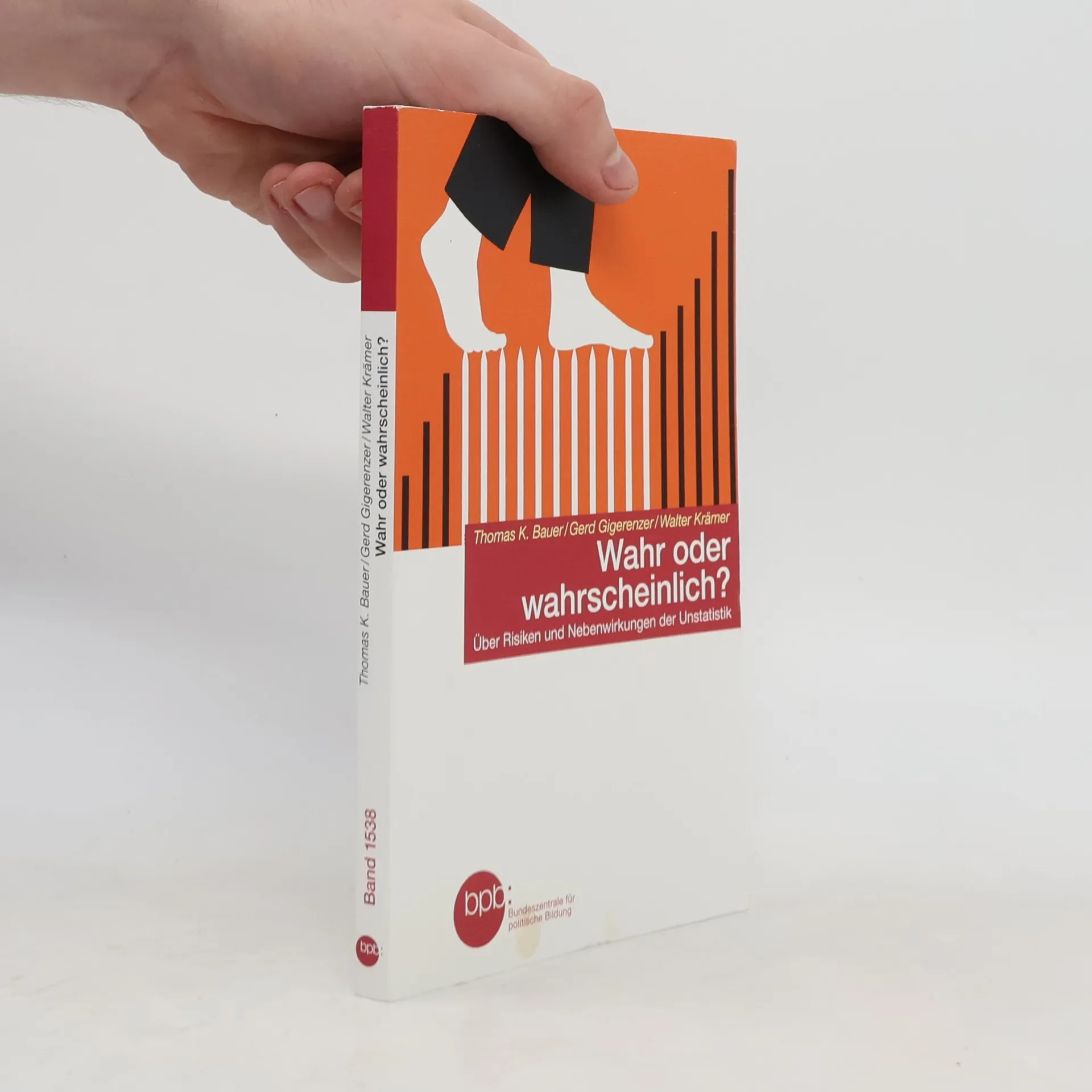
In the beginning of the 20th century, the father of modern science fiction, H.G. Wells, predicted that statistical thinking would be as necessary for citizenship in a technological world as the ability to read and write. Yet, a century on, most of us, from TV weather forecasters to the American President, seem to have no idea of how to reason about uncertainties.
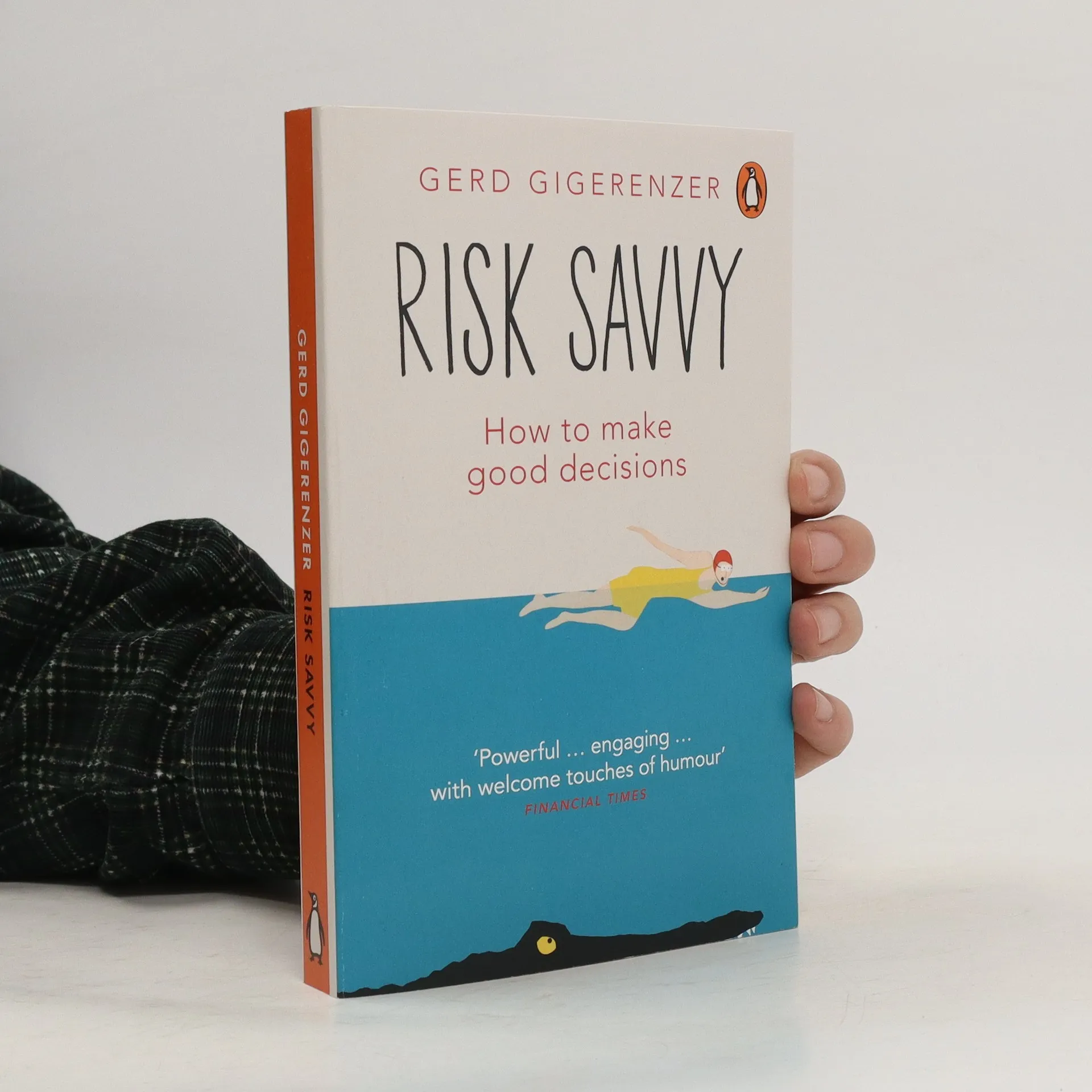
Risk savvy. How to Make Good Decisions
- 336 páginas
- 12 horas de lectura
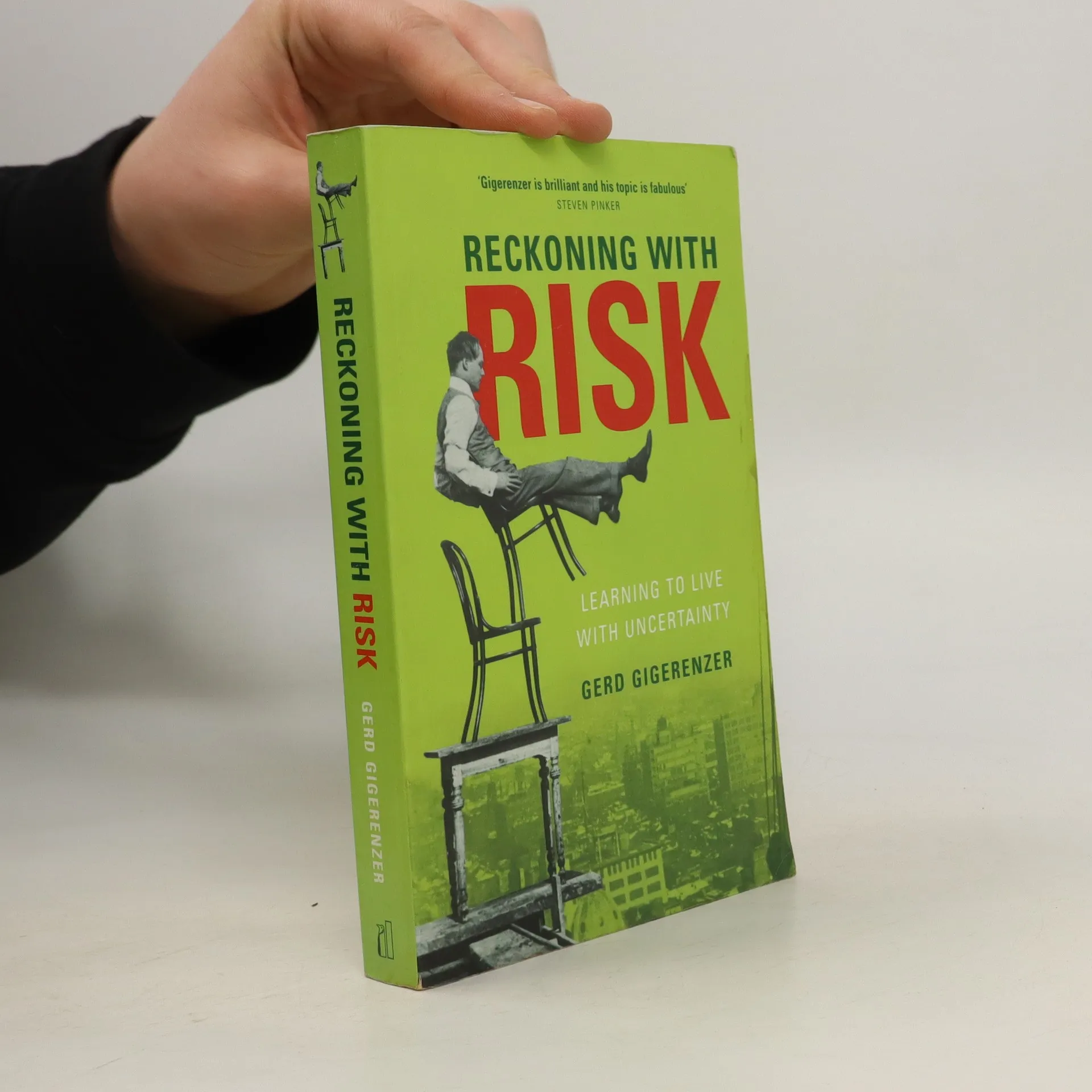
Risk-taking is essential for innovation, fun, and the courage to face the uncertainties in life. Yet for many important decisions, we're often presented with statistics and probabilities that we don't really understand and we inevitably rely on experts in the relevant fields. But what if they don't quite understand the way the information is presented either? This entertaining book shows us how to recognize when we don't have all the information and know what to do about it. Gerd Gigerenzer looks at examples from every aspect of life to identify the reasons for our collective misunderstanding of the risks we face. He shows how we can all use simple rules to avoid being manipulated into unrealistic fears or hopes, to make better-informed decisions, and to learn to understand risk and uncertainty in our own lives.
Predicting the importance of statistical literacy, H. G. Wells emphasized its necessity alongside reading and writing in a technological society. In the twenty-first century, individuals face challenges in understanding a complex landscape filled with percentages and probabilities, highlighting the need for better statistical comprehension to navigate modern life effectively.
Why is split second decision-making superior to deliberation? Gut Feelings delivers the science behind Malcolm Gladwell's Blink. Reflection and reason are overrated, according to renowned psychologist Gerd Gigerenzer. Much better qualified to help us make decisions is the cognitive, emotional, and social repertoire we call intuition, a suite of gut feelings that have evolved over the millennia specifically for making decisions. Gladwell drew heavily on Gigerenzer's research. But Gigerenzer goes a step further by explaining just why our gut instincts are so often right. Intuition, it seems, is not some sort of mystical chemical reaction but a neurologically based behavior that evolved to ensure that we humans respond quickly when faced with a dilemma (BusinessWeek).
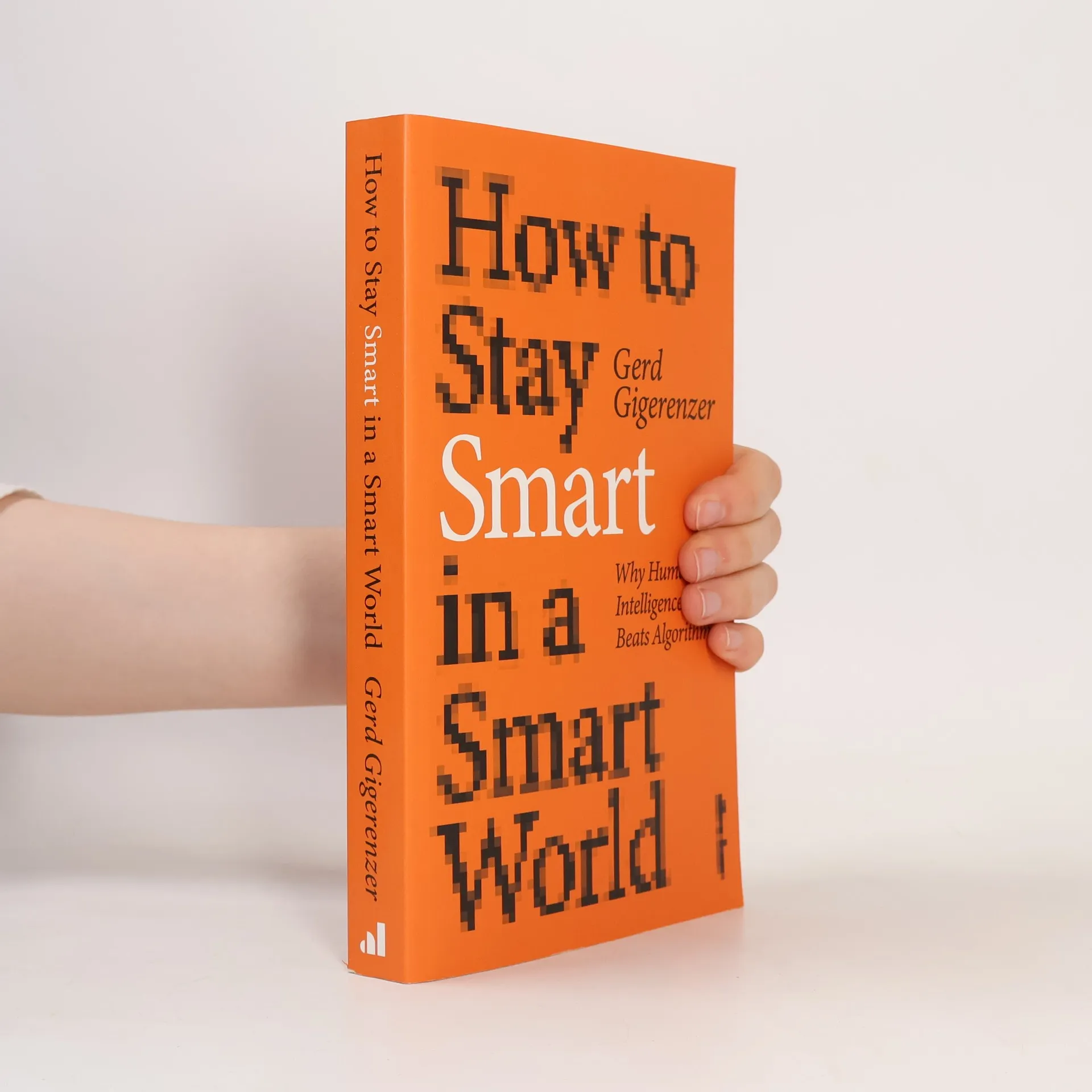
Is more data always better? Do algorithms really make better decisions than humans? Can we stay in control in an increasingly automated world? Drawing on examples from all spheres of life - media literacy, online dating, self-driving cars, the justice system, health records - Gerd Gigerenzer shows how, when it comes to data and decision making, more isn't always better- when dealing with uncertainty, the elegant and nuanced simplicity of human reasoning beats complex algorithms time and time again. Filled with practical examples and cutting-edge research, How to Stay Smart in a Smart World examines the growing role of AI at all levels of daily life with refreshing clarity. This book is a liferaft in a sea of information and an urgent invitation to actively shape the digital world in which we want to live.
Think less � and know more. A sportsman can catch a ball without calculating its speed or distance. A group of amateurs beat the experts at playing the stock market. A man falls for the right woman even though she�s �wrong� on paper. All these people succeeded by trusting their instincts � but how does it work? In Gut Feelings psychologist and behavioural expert Gerd Gigerenzer reveals the secrets of fast and effective decision-making. He explains that, in an uncertain world, sometimes we have to ignore too much information and rely on our brain�s �short cut�, or heuristic. By explaining how intuition works and analyzing the techniques that people use to make good decisions � whether it�s in personnel selection or heart surgery � Gigerenzer will show you why gut thinking can change your world.
The power of intuition is clear, but there is a common mistrust of intuition as well. Researchers often confuse intuition with the arbitrary or systematically error-prone judgments of inept decision makers. To dispel the myths surrounding intuition, this book presents a scientific perspective.