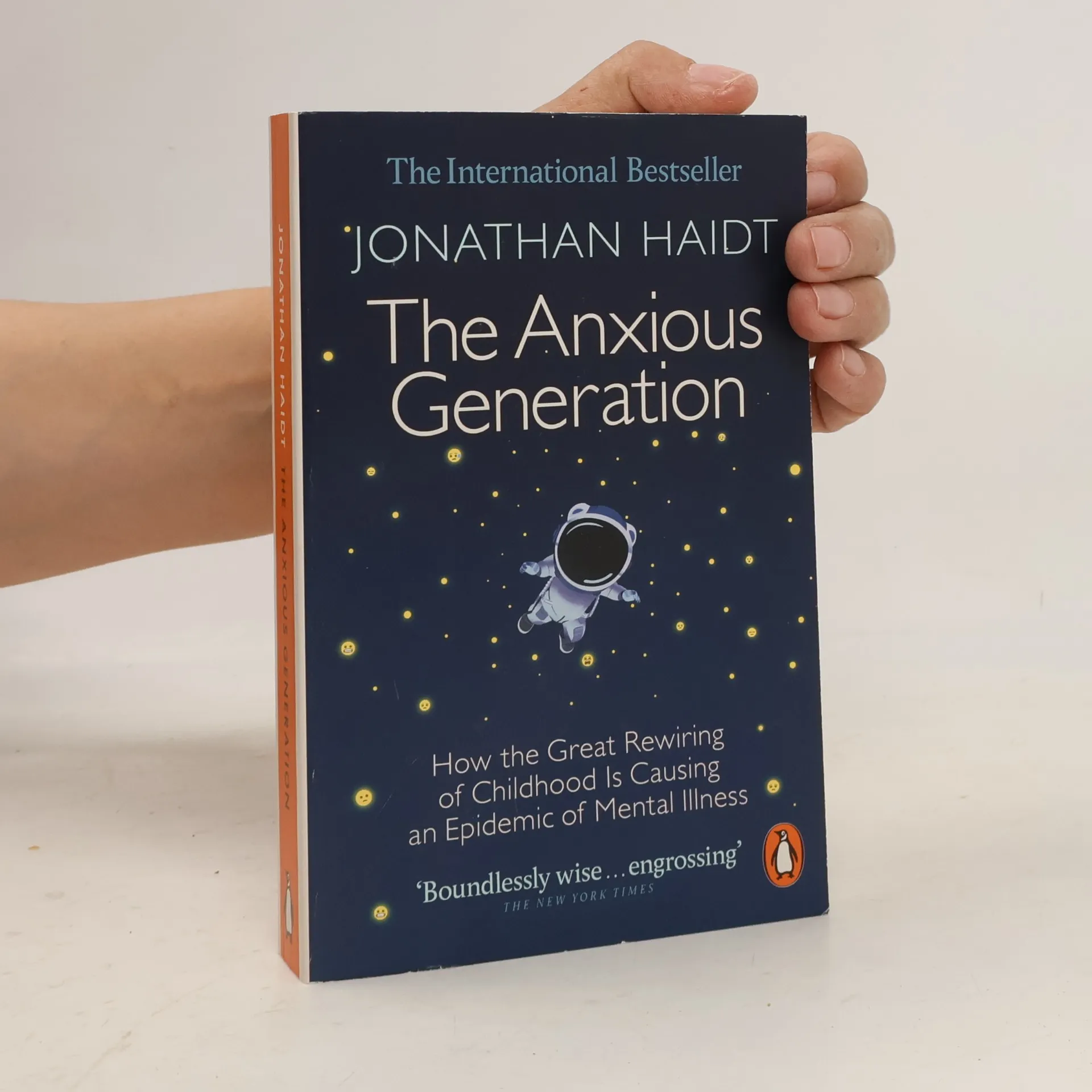
A must-read for all parents, this generation-defining investigation delves into the collapse of youth mental health amid the rise of smartphones, social media, and big tech, while offering a plan for a healthier childhood. Social psychologist Jonathan Haidt reveals how adolescent mental health, stable for over a decade, sharply declined in the early 2010s, with rates of depression, anxiety, self-harm, and suicide more than doubling. He explores the reasons behind this epidemic, examining the decline of play-based childhoods since the 1980s and the emergence of phone-based experiences. Haidt identifies over a dozen mechanisms through which this transformation has disrupted children’s social and neurological development, including sleep deprivation, addiction, loneliness, and perfectionism. He highlights the disproportionate impact of social media on girls and the troubling trend of boys retreating into virtual worlds. Most importantly, Haidt calls for action, diagnosing the collective challenges we face and proposing four simple rules to address them. He outlines steps that parents, educators, tech companies, and governments can take to combat the mental health crisis and foster a more humane childhood. His insights are crucial for protecting children from the psychological harms of a phone-centric life.
Jonathan Haidt Libros
Jonathan Haidt es un distinguido psicólogo y profesor cuya investigación se centra en la psicología moral. Investiga la naturaleza fundamental de la moralidad, las razones detrás de las divisiones políticas y religiosas, y la búsqueda continua de la sabiduría. Su trabajo busca conectar las antiguas ideas filosóficas con la comprensión contemporánea, arrojando luz sobre el comportamiento humano y la dinámica social.


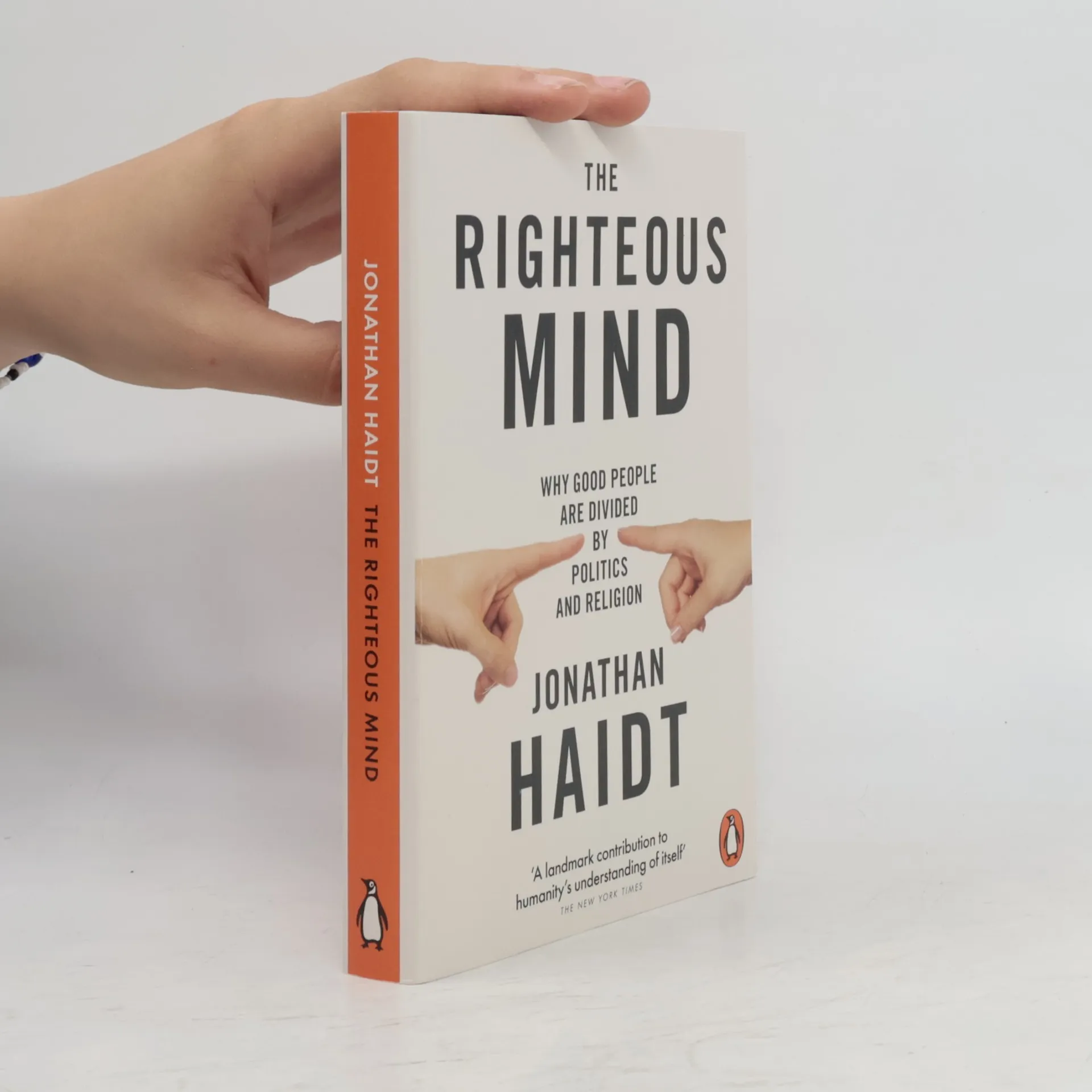
The Righteous Mind
- 528 páginas
- 19 horas de lectura
Why can it sometimes feel as though half the population is living in a different moral universe? Why do ideas such as 'fairness' and 'freedom' mean such different things to different people? And why do political views which conflict with our own often seem illogical? Social psychologist Jonathan Haidt reveals how the conflict, self-righteousness and hypocrisy that can make it so hard for us to get along are actually the natural expression of our moral minds. Drawing on twenty-five years of groundbreaking research, Haidt shows how moral judgments arise not from reason but from intuition, and why we evolved to be this way. Morality binds and blinds, but this book will help you to see and understand your friends, enemies and fellow citizens as never before. 'If you want to know why you hold your moral beliefs and why many people disagree with you, read this book.' Simon Baron-Cohen, author of The Essential Difference 'A truly seminal book.' David Goodhart, Prospect 'A tour de force - brave, brilliant, and eloquent. It will challenge the way you think about liberals and conservatives, atheism and religion, good and evil.' Paul Bloom, author of How Pleasure Works 'Compelling . . . a fluid combination of erudition and entertainment.' Ian Birrell, Observer 'Lucid and thought-provoking . . . deserves to be widely read.' Jenni Russell, Sunday Times
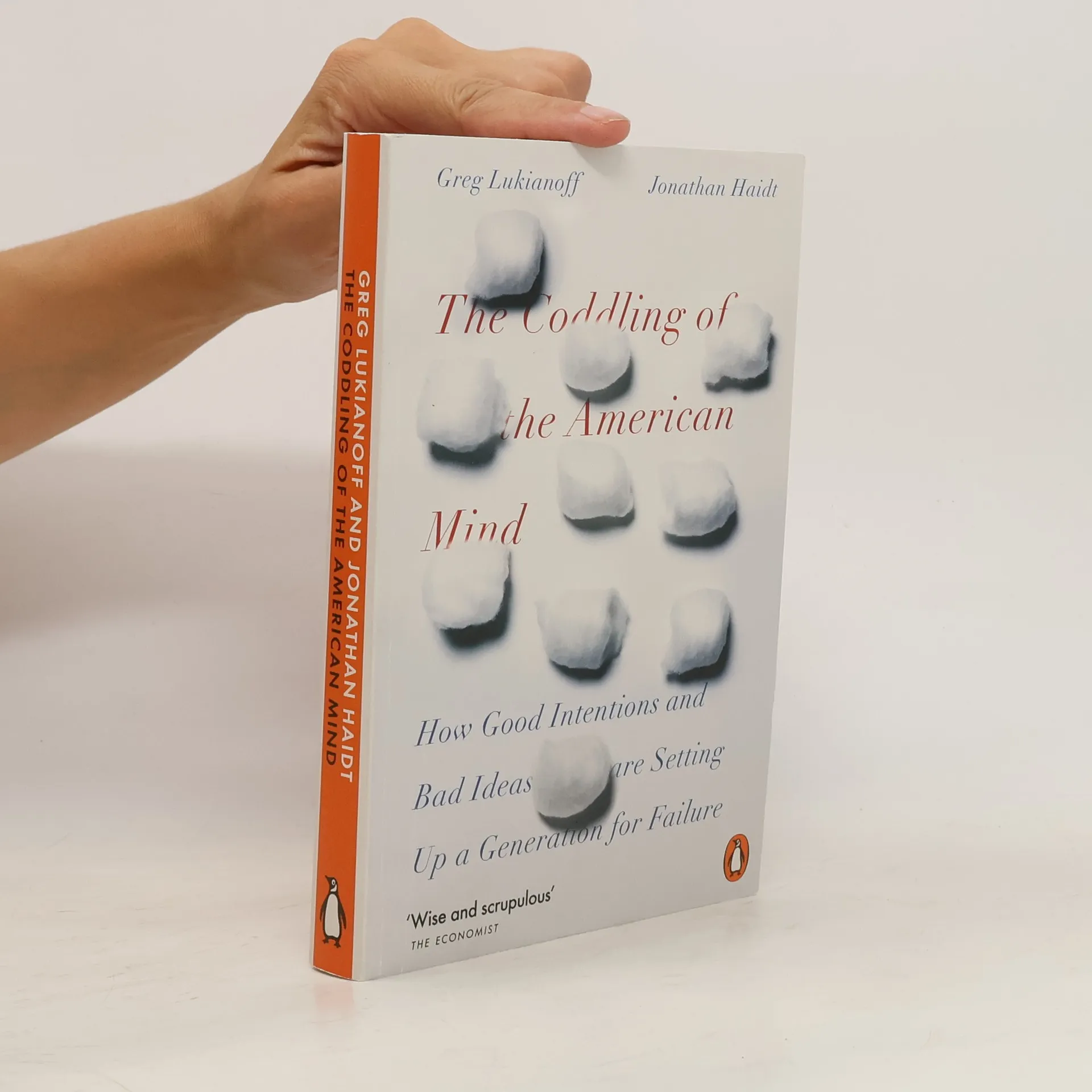
Three bad ideas. The untruth of fragility : what doesn't kill you makes you weaker ; The untruth of emotional reasoning : always trust your feelings ; The untruth of us versus them : life is a battle between good people and evil people -- Bad ideas in action. Intimidation and violence ; Witch hunts -- How did we get here? The polarization cycle ; Anxiety and depression ; Paranoid parenting ; The decline of play ; The bureaucracy of safetyism ; The quest for justice -- Wising up. Wiser kids ; Wiser universities ; Wiser societies.
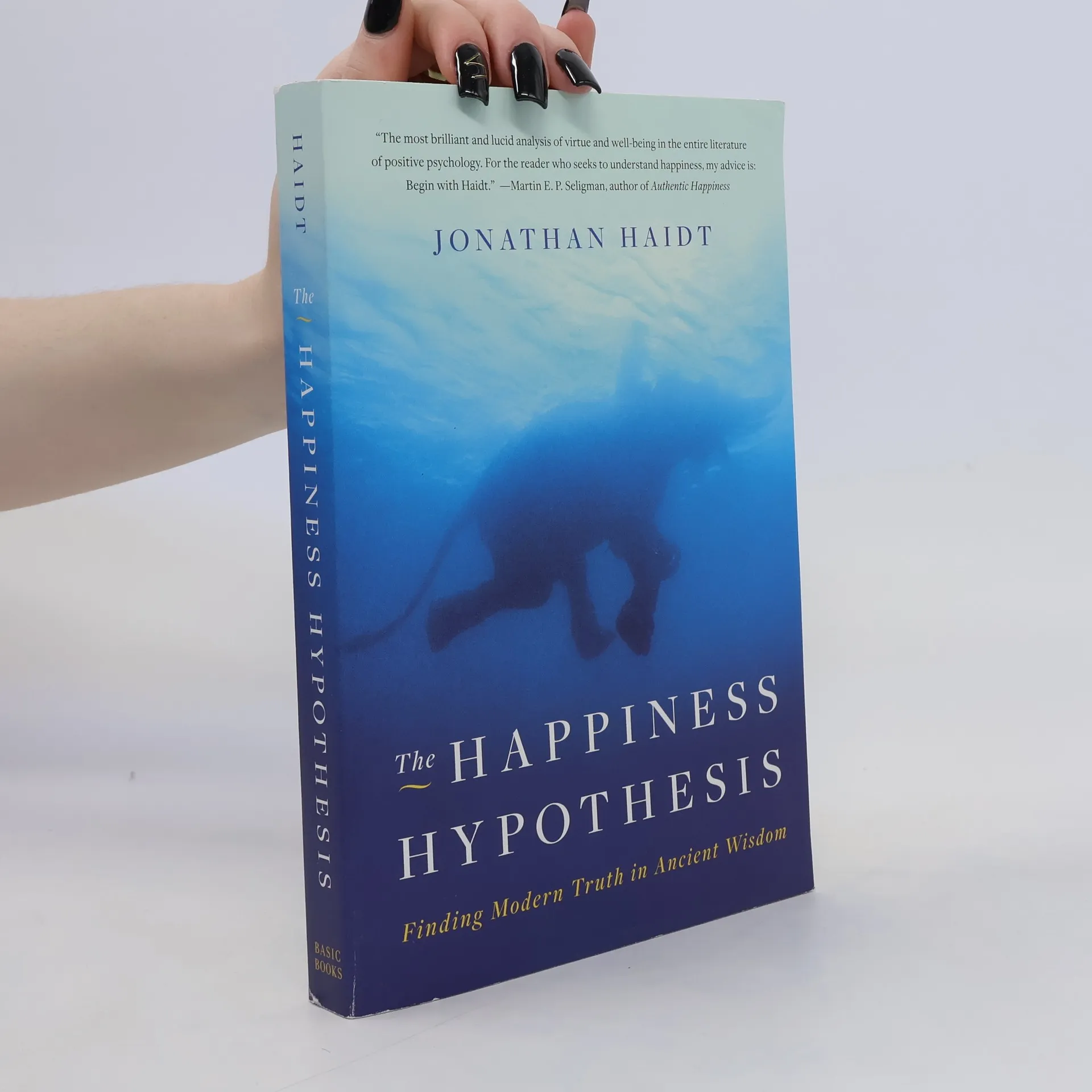
The Happiness Hypothesis
- 297 páginas
- 11 horas de lectura
The bestselling author of The Righteous Mind draws on philosophical wisdom and scientific research to show how the meaningful life is closer than you think The Happiness Hypothesis is a book about ten Great Ideas. Each chapter is an attempt to savor one idea that has been discovered by several of the world's civilizations--to question it in light of what we now know from scientific research, and to extract from it the lessons that still apply to our modern lives and illuminate the causes of human flourishing. Award-winning psychologist Jonathan Haidt, the author of The Righteous Mind, shows how a deeper understanding of the world's philosophical wisdom and its enduring maxims--like "do unto others as you would have others do unto you," or "what doesn't kill you makes you stronger"--can enrich and even transform our lives.
The Canceling of the American Mind
- 464 páginas
- 17 horas de lectura
"A timely deep dive into cancel culture, an account of its dangers to all Americans, and the much-needed antidote from the team that brought you Coddling of the American Mind ... [Includes] hard data and research on what cancel culture is and how it works, along with hundreds of new examples showing the left and the right both working to silence their enemies ...Offers concrete steps toward reclaiming a free speech culture, with materials specifically tailored for parents, teachers, business leaders, and everyone who uses social media"
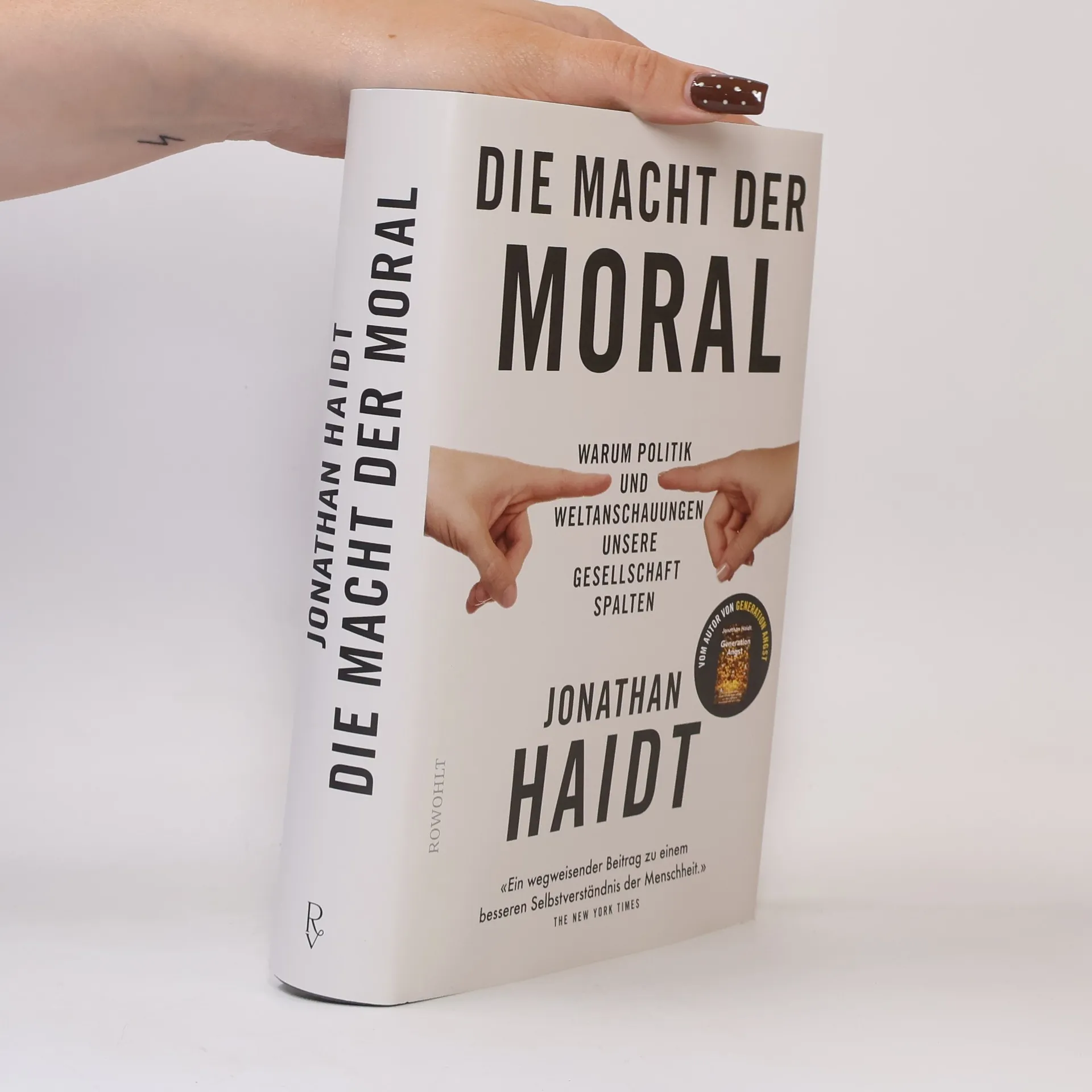
Die Macht der Moral
Warum Politik und Weltanschauungen unsere Gesellschaft spalten
- 528 páginas
- 19 horas de lectura
Warum fühlt es sich oft so an, als würde die Hälfte der Bevölkerung in einem anderen moralischen Universum leben? Warum bedeuten «Gerechtigkeit» und «Freiheit» für verschiedene Menschen so unterschiedliche Dinge? Warum geraten wir ständig wegen unserer Weltanschauungen aneinander, selbst wenn wir im Grunde dasselbe wollen? Der Sozialpsychologe Jonathan Haidt zeigt: Die Antwort liegt in unserer Moral – die weit weniger auf Rationalität und Logik gründet als auf Intuition und Sozialtrieb. Moral bringt uns dazu, individuelle Interessen zu überwinden und mit anderen zu kooperieren; zugleich aber macht sie uns blind für die Perspektiven anderer Gruppen. So haben sich im Lauf der Evolution und Geschichte zwischen Gemeinschaften und Kulturen sehr unterschiedliche moralische Intuitionen herausgebildet. Haidt erklärt, wie diese uns sozial binden, aber auch blenden, etwa im politischen Dauerstreit zwischen Progressiven und Konservativen. Sein Buch hilft uns, nicht nur unser individuelles Verhalten besser zu verstehen, sondern auch die gesellschaftlichen Auseinandersetzungen der Gegenwart – und über weltanschauliche Gräben hinweg zueinanderzufinden.
Generation Angst
Wie wir unsere Kinder an die virtuelle Welt verlieren und ihre psychische Gesundheit aufs Spiel setzen
- 448 páginas
- 16 horas de lectura
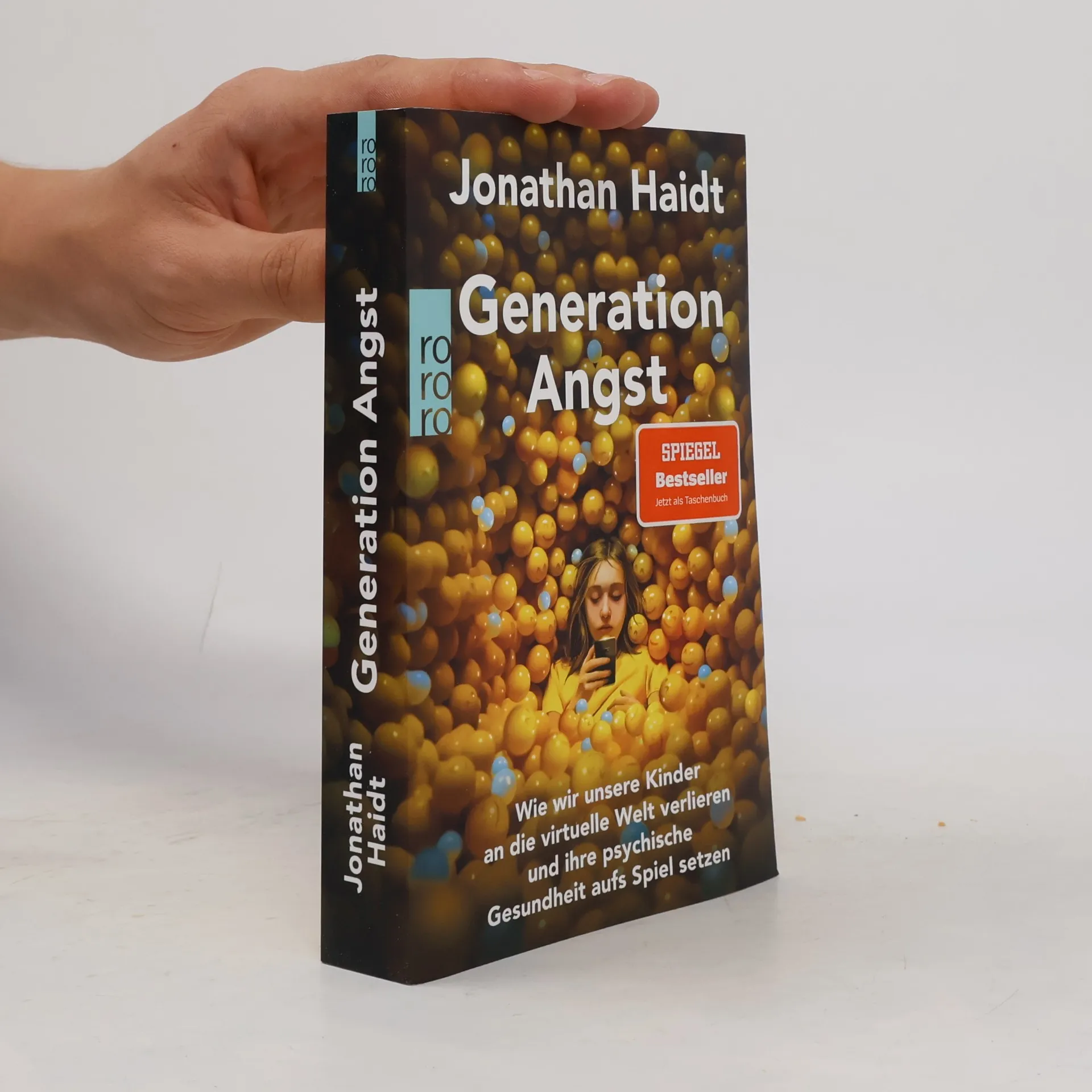
Die Taschenbuch-Ausgabe des Spiegel-Bestsellers Drei mediale Megatrends bestimmten die frühen 2010er-Jahre: Smartphones, Social-Media-Plattformen und die Selfie-Kultur. Das Ergebnis: Eine ganze Generation von Kindern und Jugendlichen verwendete mehrere Stunden am Tag darauf, durch die Beiträge von Influencer:innen und mehr oder weniger fremden Nutzer:innen zu scrollen, statt sich mit Menschen in ihrem unmittelbaren Umfeld auseinanderzusetzen. Die Mitglieder der Generation Z, die als Erste ihre Pubertät mit den neuen Medien in der Tasche durchlebten, wurden so zu Testpersonen für das Aufwachsen in einer radikal umgestalteten, zunehmend digitalen Umgebung. Die Folgen dieses Experiments waren, wie Jonathan Haidt auf Grundlage umfangreichen Datenmaterials zeigt, katastrophal – und sie betreffen auch die heute Heranwachsenden. Die schnellste und allumfassendste Neuverdrahtung menschlicher Beziehungen führte dazu, dass sich die mentale Gesundheit der Kinder und Jugendlichen rapide und dauerhaft verschlechtert hat. Dieser Entwicklung müssen wir jetzt entgegentreten: Haidt erklärt, was Regierungen, Schulen und Eltern tun können, um Kindern ein gesundes Aufwachsen zu ermöglichen.
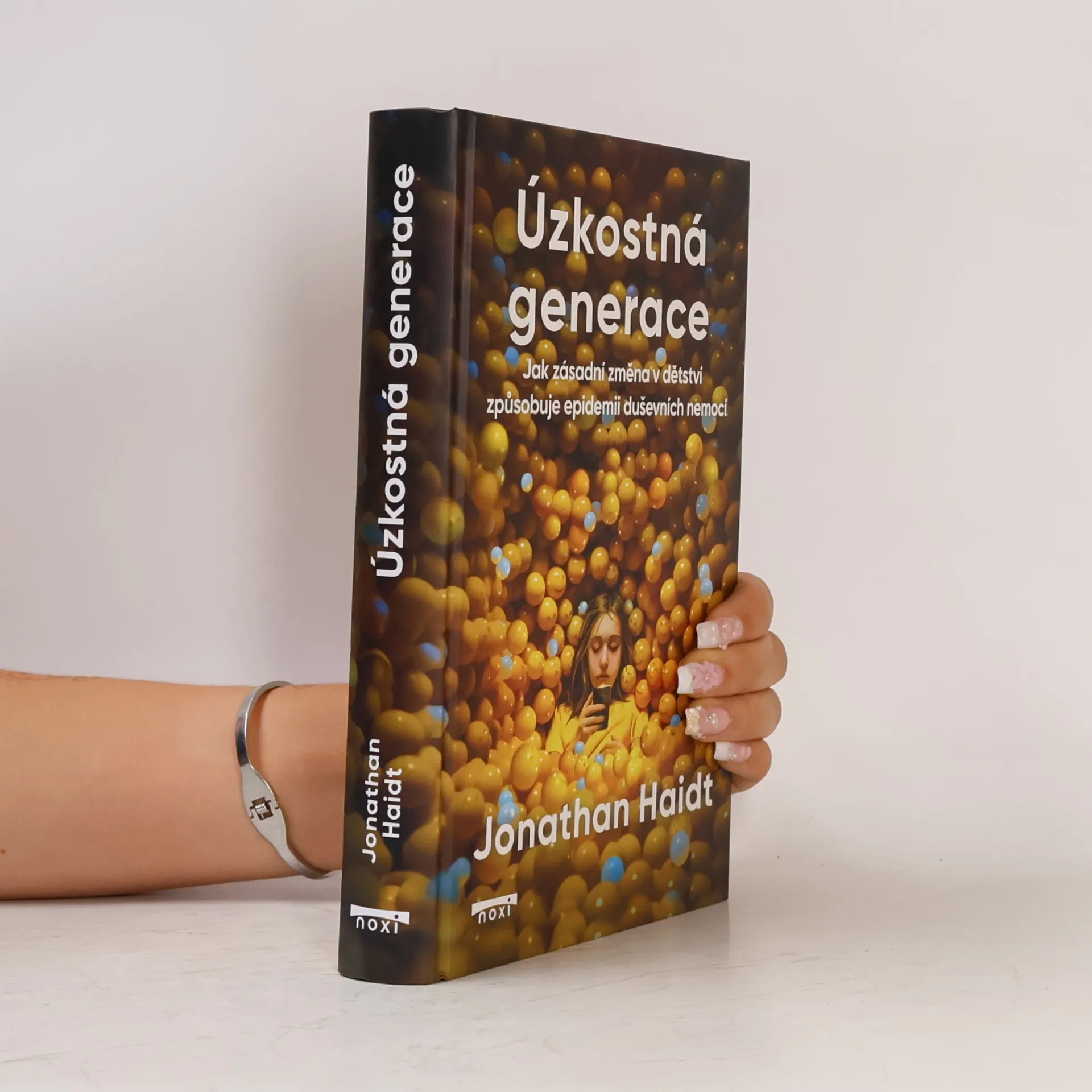
Úzkostná generace - Jak zásadní změna v dětství způsobuje epidemii duševních nemocí
- 381 páginas
- 14 horas de lectura
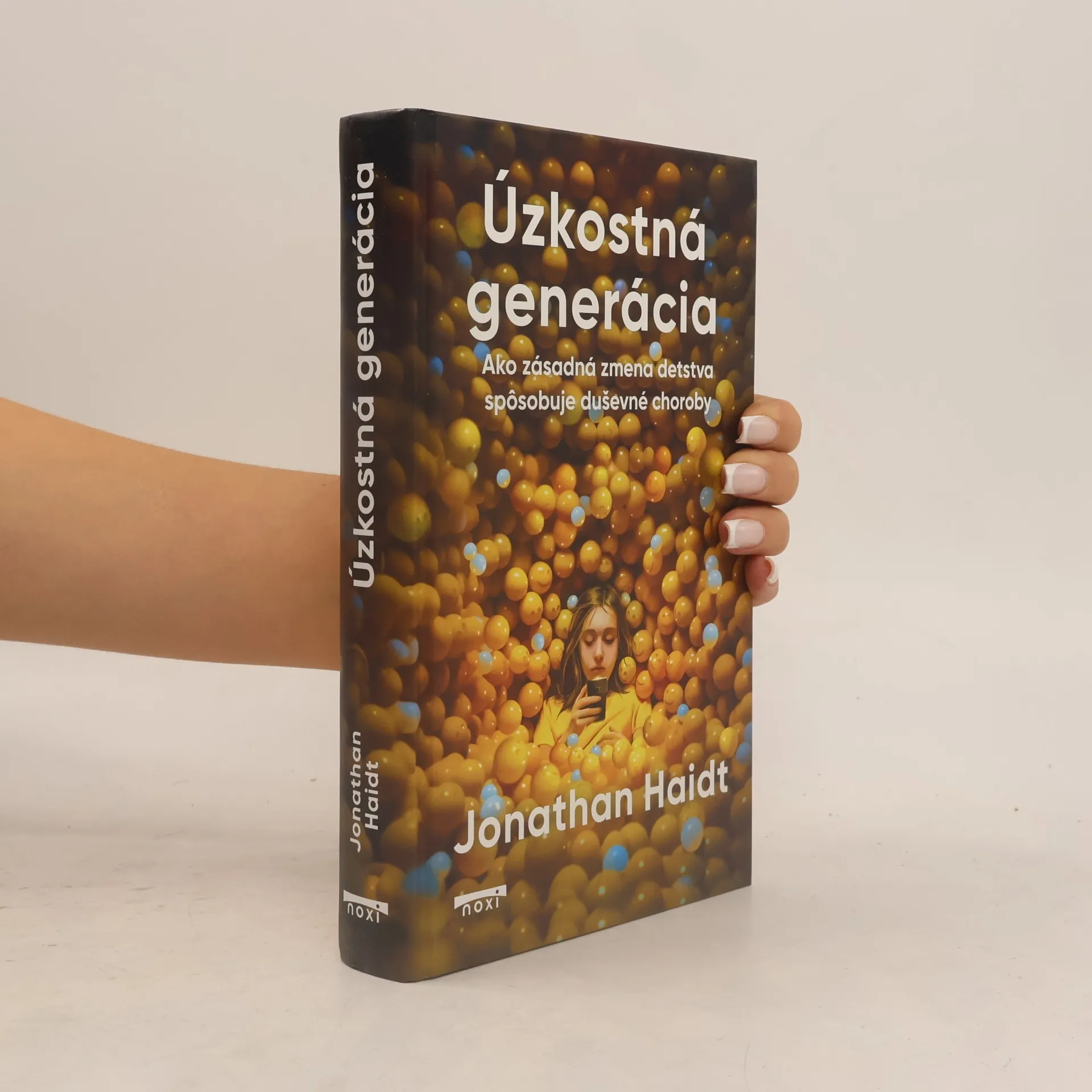
Úzkostná generácia
- 376 páginas
- 14 horas de lectura
V knihe Úzkostná generácia sociálny psychológ Jonathan Haidt uvádza fakty o epidémii duševných chorôb dospievajúcich, ktorá zasiahla mnohé krajiny v rovnakom čase. Skúma podstatu detstva vrátane toho, prečo deti potrebujú hru a nezávislé skúmanie, aby dozreli na kompetentných a prosperujúcich dospelých. Ukazuje, ako detstvo založené na hre začalo upadať v 80. rokoch 20. storočia a ako ho napokon zlikvidoval príchod detstva založeného na telefóne začiatkom roka 2010. Predstavuje viac ako tucet mechanizmov, ktorými táto zásadná zmena detstva zasiahla do sociálneho a neurologického vývoja detí, pričom zahŕňa všetko od nedostatku spánku po trieštenie pozornosti, závislosť, osamelosť, porovnávanie sa s ostatnými na internete a perfekcionizmus. Vysvetľuje, prečo sociálne siete škodia viac dievčatám ako chlapcom a prečo sa chlapci sťahujú z reálneho do virtuálneho sveta, čo má katastrofálne dôsledky pre nich samých, ich rodiny a spoločnosť.