El otoño de la Edad Media
- 512 páginas
- 18 horas de lectura





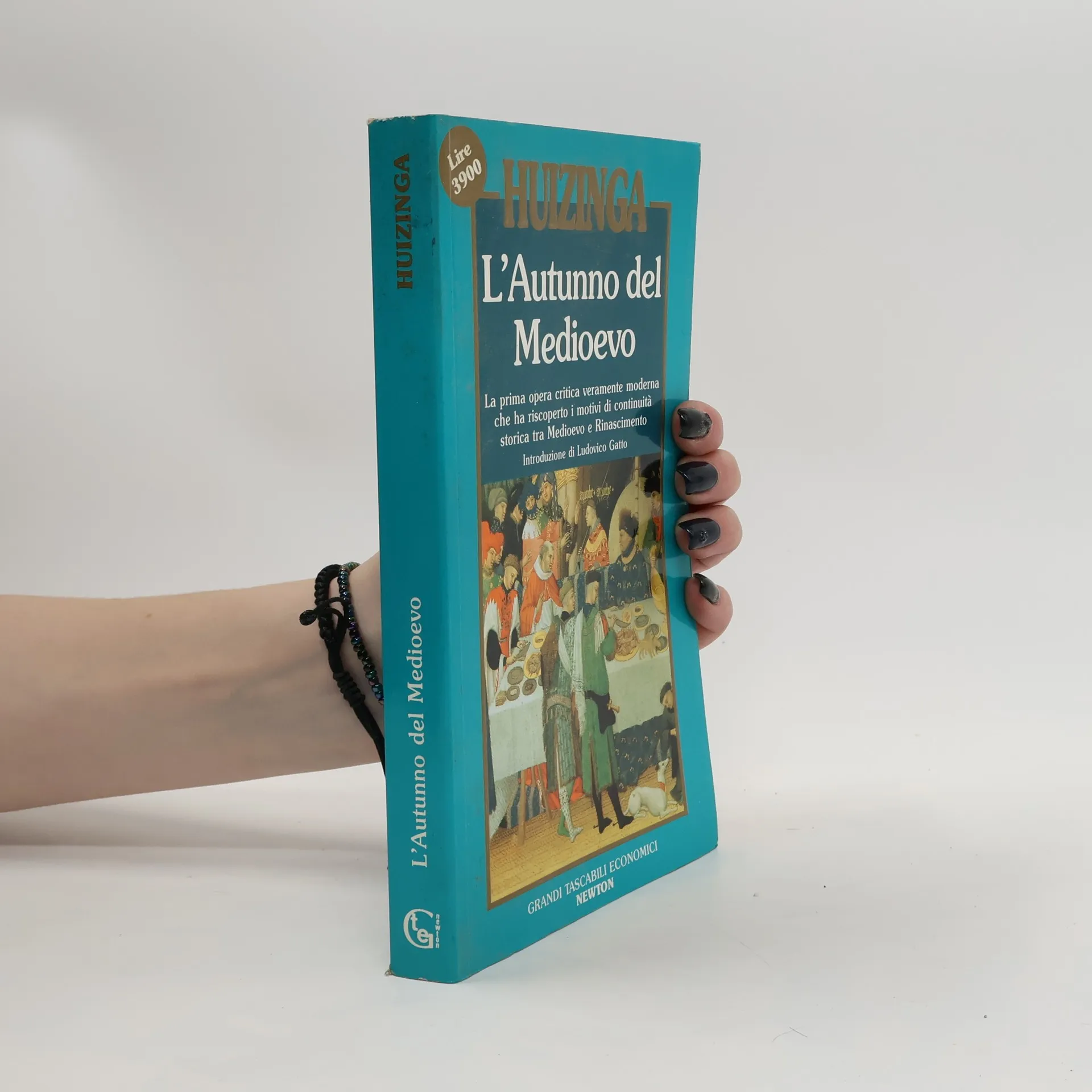
This study of life, thought and art in France and the Netherlands in the 14th and 15th centuries remains a classic historical work. In it, Johan Huizinga challenges the prevailing notion that the Middle Ages were just a prelude to the Renaissance. Examining in detail the work of the brothers Van Eyck, he goes on to demonstrate his belief that the actions of princes and statesmen, the chivalry of knights, and the outpourings of theologians, artists, poets and chroniclers were the final and perfect flowering of an older style of life. He ends his work by concluding that in an age of violent contrasts and impressive forms there was a tone of passion in everyday life that helped produce that perpetual oscillation between despair and distracted joy, between cruelty and pious tenderness, which characterize life in the Middle Ages.
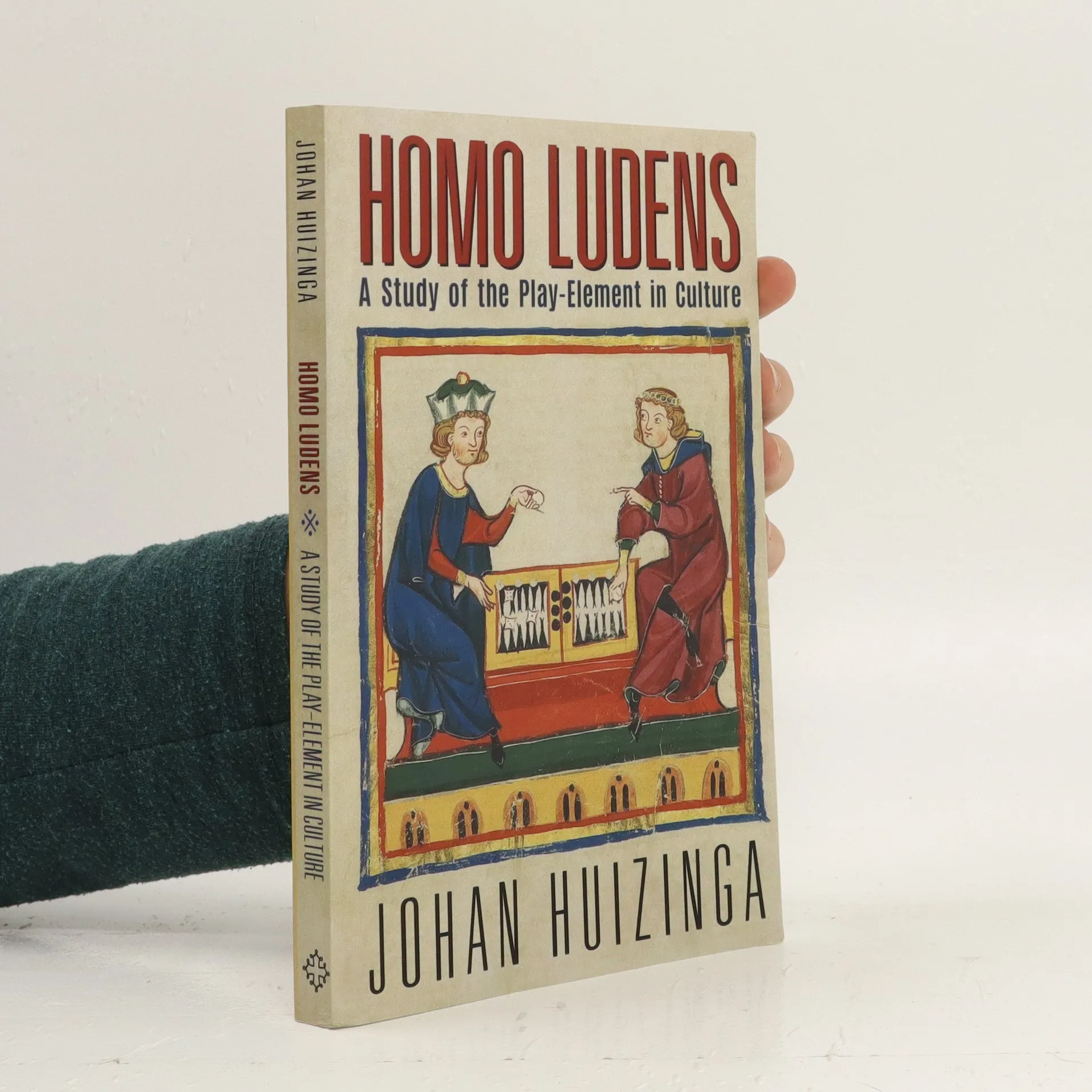
In Homo Ludens, Johan Huizinga defines play as the central activity in flourishing societies. He identifies five characteristics of play: it is free; it is not ordinary or real life; it is distinct from ordinary life both as to locality and duration; it creates order; it is connected with no material interest, and from it no profit can be gained. With cross-cultural examples from the humanities, business, and politics, Huizinga examines play in all its diverse guises as it relates to language, law, war, knowledge, poetry, myth, philosophy, art, and much more. As he writes, Civilization is, in its earliest phases, played. It does not come from play like a baby detaching itself from the womb: it arises in and as play, and never leaves it. Starting with Plato, Huizinga traces the contribution of man the player through the Middle Ages, the Renaissance, and early modern world. With an eye for our own times he writes: In American politics [play] is even more evident. Long before the two-party system had reduced itself to two gigantic teams whose political differences were hardly discernible to an outsider, electioneering in America had developed into a kind of national sport. With its remarkable historical sweep, Homo Ludens defines play for generations to come
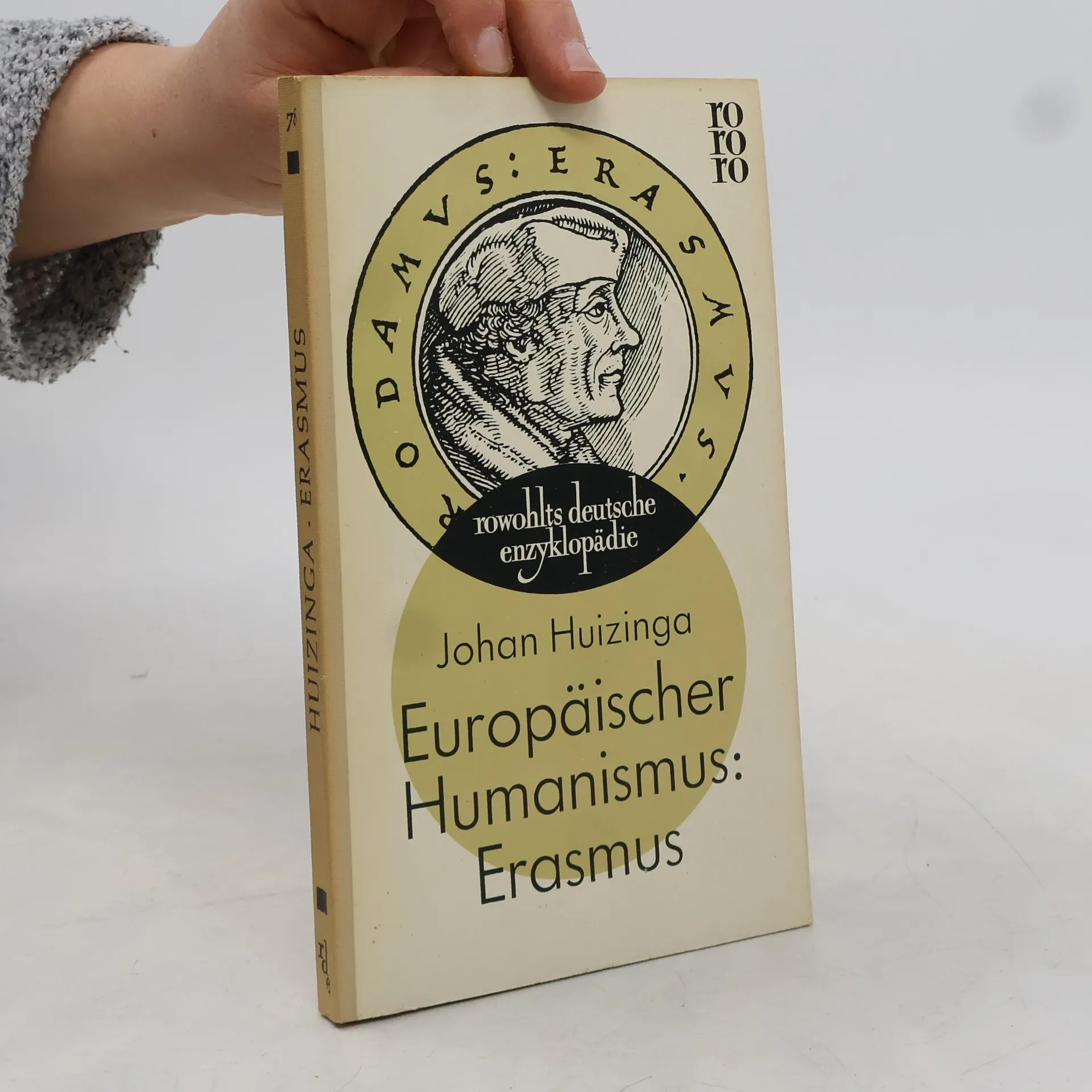
In the 16th century, Erasmus was one of the most celebrated figures in Europe - a man of such vast learning that both royalty and universities petitioned for his services. In this very readable biography, a noted scholar traces Erasmus’s youth, his years as an itinerant scholar, sojourns in England, France, Switzerland, and Italy, friendship with Sir Thomas More, and disputes with Martin Luther. The author also probes Erasmus’s mind and character and discusses his writings, including In Praise of Folly and his great translation of the New Testament.
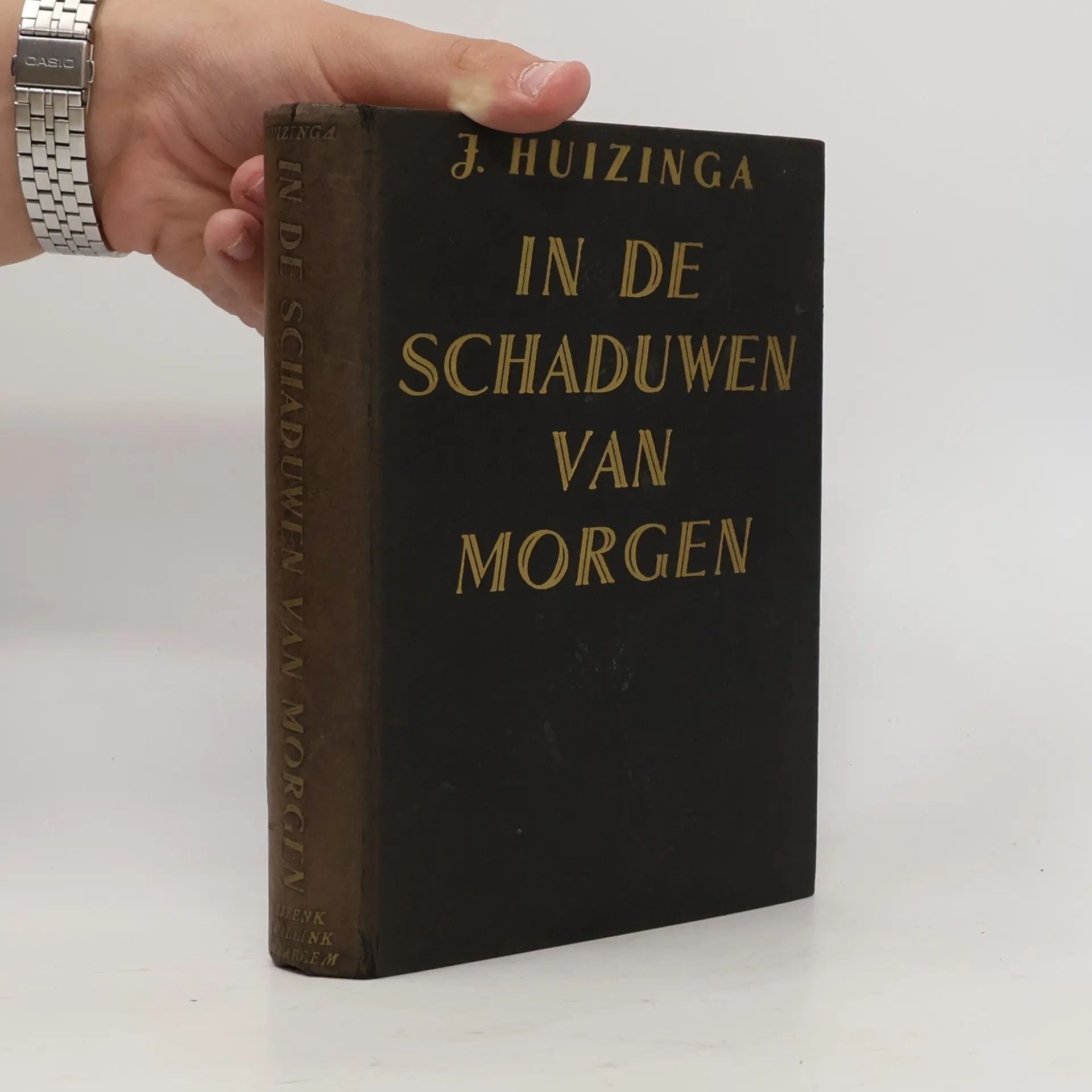
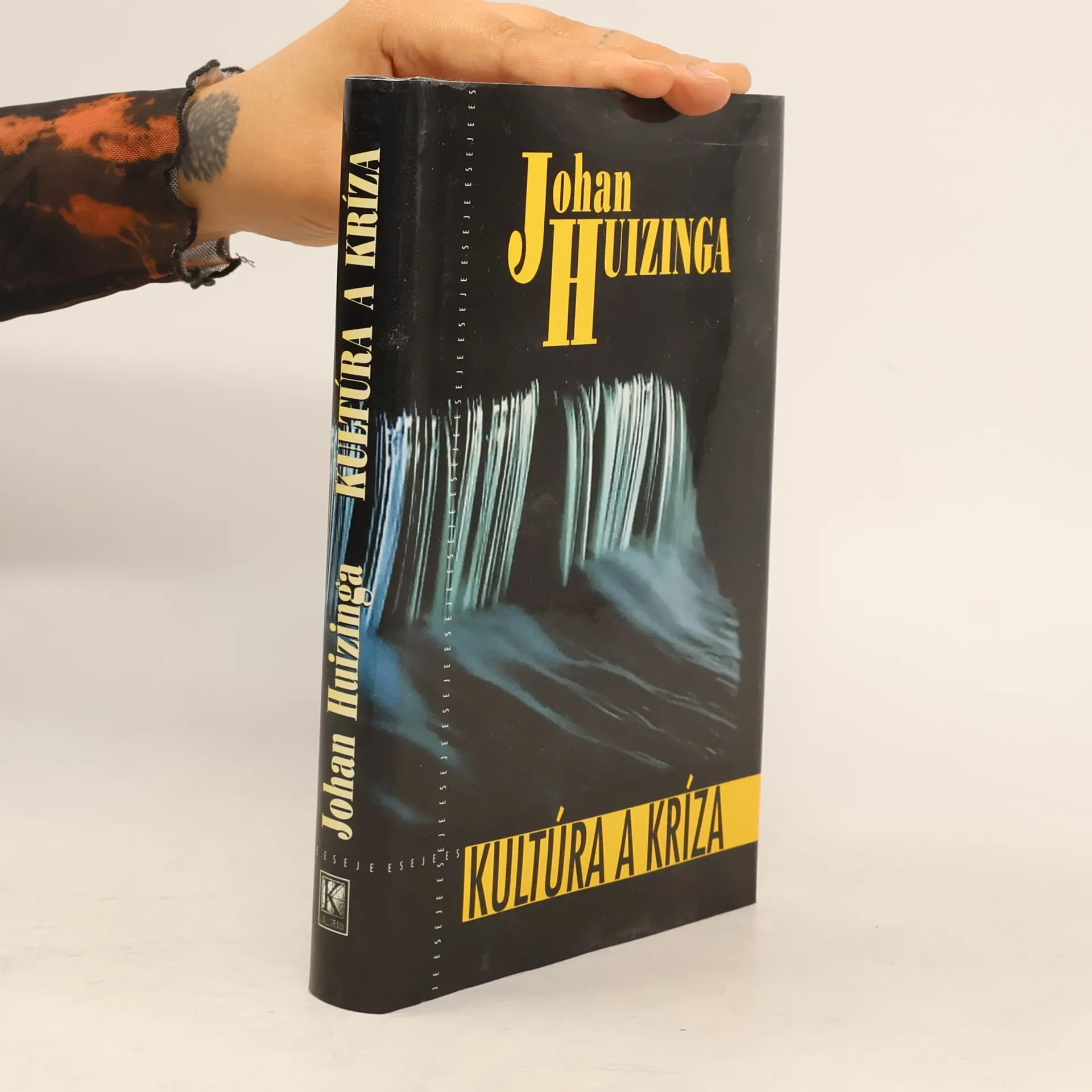
Úvahy o příčinách krize evropské společnosti a osudech evropské kultury jsou dnes stejně aktuální jako byly v roce vydání (1935). Tázání se po kořenech antihumanistických ideologií a totalitního amorálního státu neztratilo nic na své naléhavosti. Ani dnes nelze zapomínat na onu tradicí evropského myšlení o podstatných věcech, jejíž přehlížení vedlo nakonec ke katastrofám 20. století. A ani dnes se nelze beztrestně zbavovat jádra kultury. Přeložil Antonín Šimek.
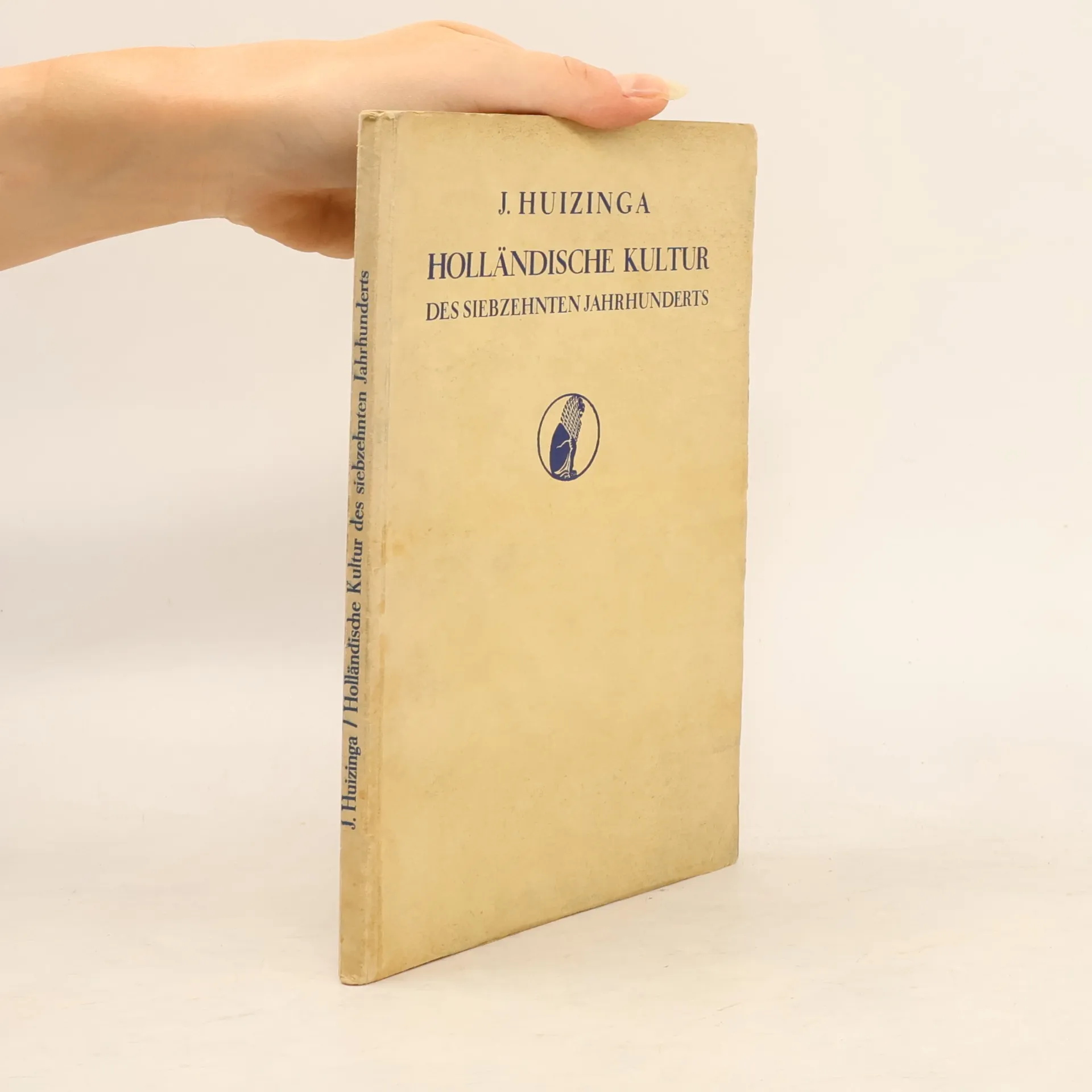
Nizozemský kultúrny historik Johan Huizinga (1872-1945) sa preslávil najmä dvoma knihami, medievistickou prácou Jeseň stredoveku (1919) a kultúrnofilozofickou štúdiou Homo ludens (1938). Okrem toho je však aj autorom mnohých ďalších kníh a esejí z oblasti ranomoderných európskych dejín (napr. Erasmus, Kultúra Nizozemska v 17. storočí), z dejín USA (Človek a dav v Amerike, Amerika ako žije a myslí), z indickej literatúry (Vidušaka) a takisto kritických diel o úpadku modernej západnej civilizácie v 20. storočí (V tieňoch zajtrajška, Zhanobený svet). Vo všetkých týchto dielach sa prejavil nielen ako brilantný mysliteľ, ale aj ako skvelý literát. Súčasný výber jeho esejí približuje túto veľkú osobnosť európskej vzdelanosti prvej polovice minulého storočia ako vnímavého kultúrneho historika, ktorý mal nielen presné predstavy o základoch európskej civilizácie a kultúrnom jestvovaní jednotlivca i spoločnosti, ale aj o poslaní modernej historickej vedy.
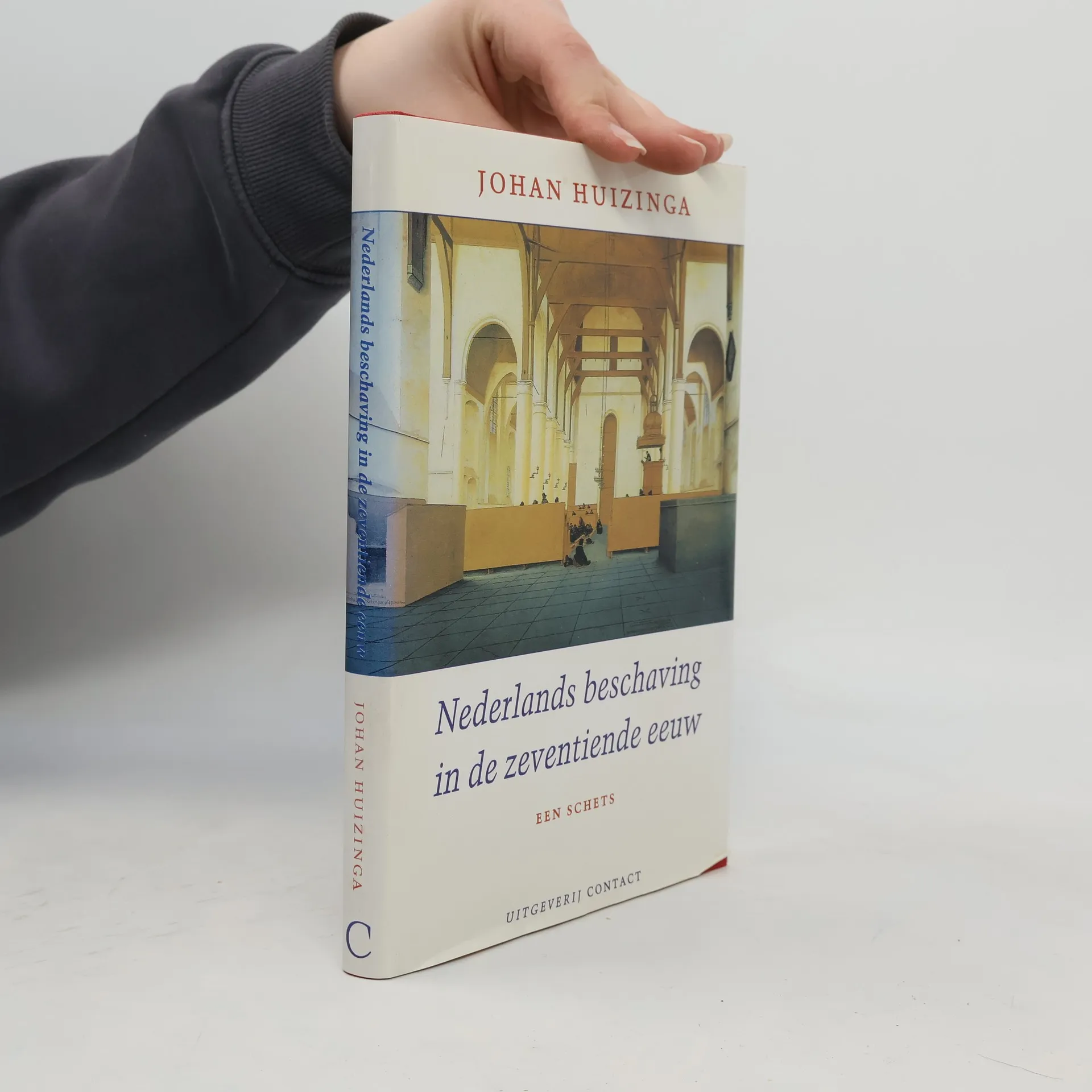
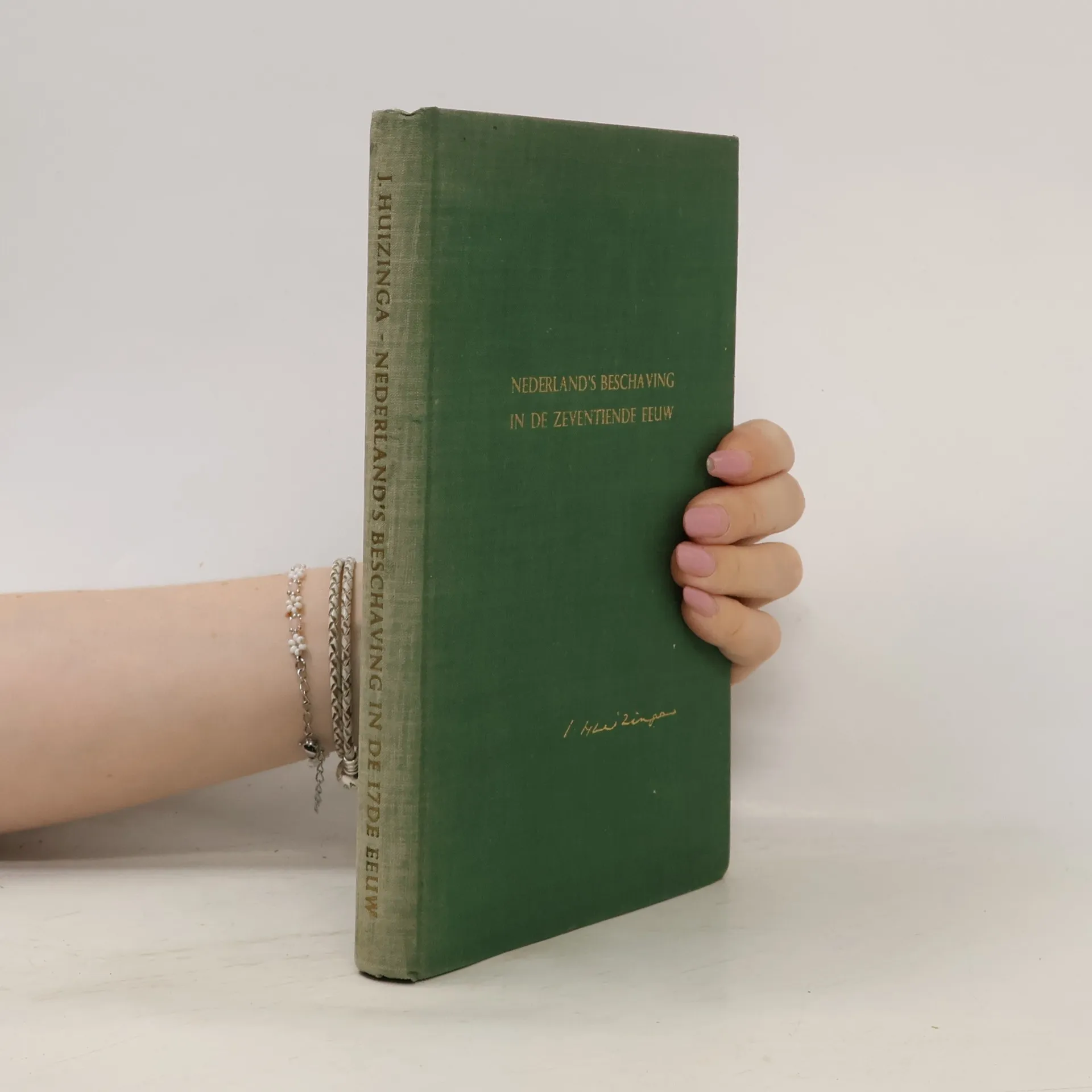
Als ons bloeitijdperk een naam moet hebben, laat het dan zijn naar hout en staal, pik en teer, verf en inkt, durf en vroomheid, geest en fantasie. Aldus Huizinga in zijn pleidooi voor een andere minder zelfgenoegzame benadering van Hollands Gouden Eeuw. In een zestal briljante essays laat de grote historicus de lezer zijn verwondering meevoelen, over die tamelijk kortstondige bloei, zijn oorzaken, kenmerken en innerlijke tegenstrijdigheden. In dit boek wil hij niet minder dan de essentie achterhalen van Nederlandse beschaving.
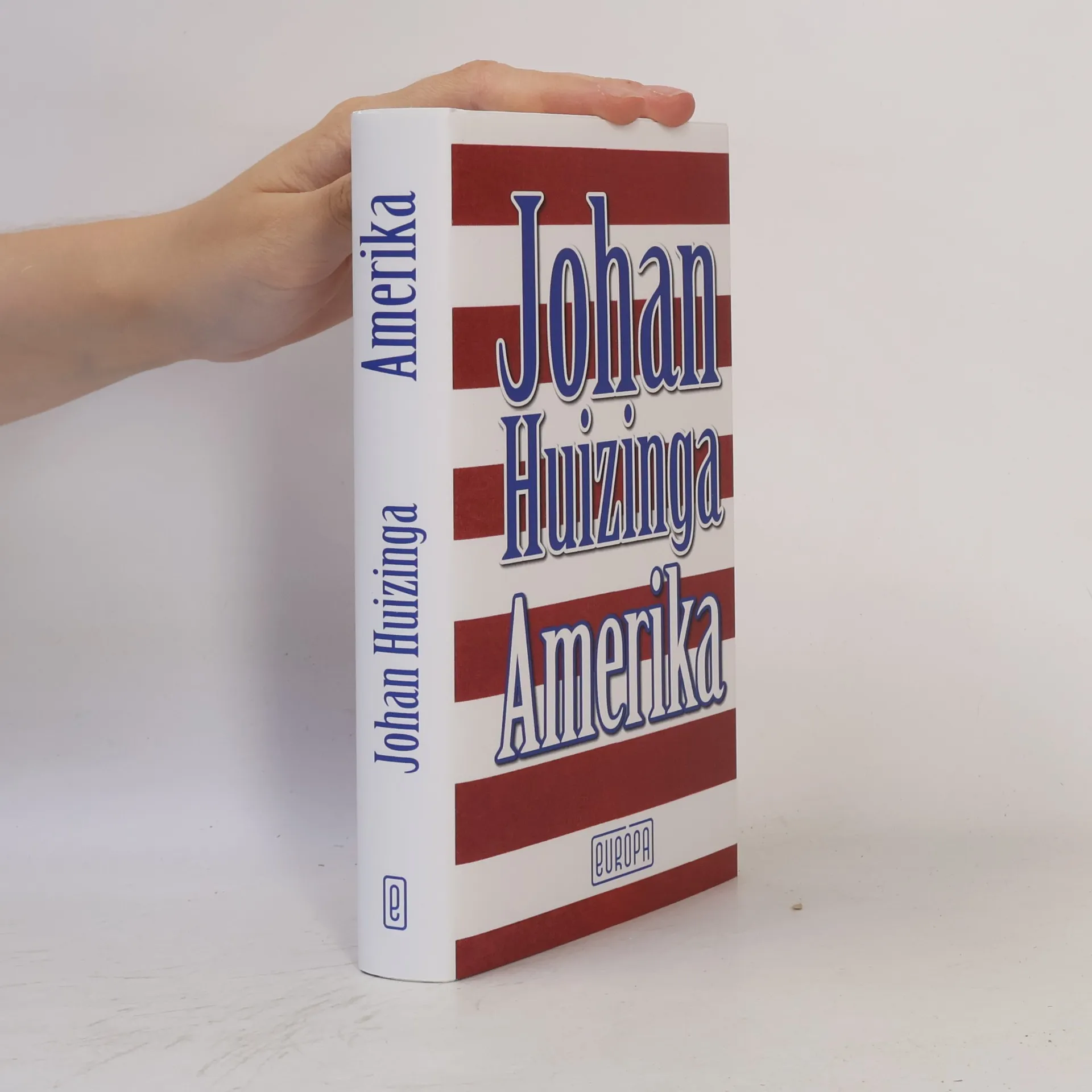
Dve klasické kultúrnohistorické diela slávneho nizozemského mysliteľa. Slávny nizozemský historik Johan Huizinga (1872-1945), autor dnes už klasických, do mnohých jazykov preložených prác Jeseň stredoveku (1919), Erasmus (1924), Homo ludens (1938), Nizozemská kultúra v 17. storočí (1933/41), V tieňoch zajtrajška (1935) či Zhanobený svet (1945), patrí ku kľúčovým postavám európskeho kultúrnohistorického a antropologického myslenia prvej polovice 20. storočia. Jeho záujem pritom ďaleko presahoval Európu, od mladosti sa totiž zaujímal takisto o Indiu ale aj o Rusko. Ako profesor histórie na univerzite v severonizozemskom Groningene pochopil počas prvej svetovej vojny ako jeden z prvých európskych intelektuálov budúci globálny význam Spojených štátov amerických a pre svojich krajanov napísal o USA originálne a pútavé kultúrnohistorické dielo s názvom Človek a dav v Amerike (1918). O osem rokov neskôr, keď po prvý (a posledný) raz vstúpil na americkú pôdu, napísal o USA svoju druhú, oveľa osobnejšiu knihu s názvom Amerika, ako žije a myslí (1926). Obe autorove diela, ktorých myšlienkovú kvalitu preveril čas, vychádzajú v prvom slovenskom preklade.
"Erasmus" und "Jan Veth. Sein Leben und Schaffen". Aus dem Niederländischen von Annette Wunschel
Die Studie über Erasmus von Johan Huizinga beleuchtet den geistigen Wandel in Europa während der politischen und sozialen Krisen der Weltkriege. Ursprünglich 1924 für die Reihe "Great Hollanders" verfasst, wird das Werk nun in deutscher Neuübersetzung präsentiert. Begleitet wird es von einer erstmals in eine andere Sprache übersetzten Analyse über den niederländischen Maler und Dichter Jan Veth, mit dem Huizinga eine enge Freundschaft pflegte. Diese Kombination bietet einen tiefen Einblick in die kulturellen Strömungen der Zeit.
Johan Huizingas Kulturgeschichte des Goldenen Zeitalters der Niederlande ist eines der Meisterwerke des berühmten Kulturhistorikers. Mit leichten Strichen zeichnet Huizinga ein Porträt der Epoche: ihrer Kunst, die wir etwa in den Werken Rembrandts und Vermeers bis heute bewundern, ihrer Literatur sowie der politischen, sozialen und wirtschaftlichen Voraussetzungen, die die kulturelle Blüte erst ermöglichten. Das Werk wird hier nach langer Zeit zum ersten Mal wieder in deutscher Sprache veröffentlicht.
Als Martin Luther zu Beginn des 16. Jahrhunderts mit seinen Reformbestrebungen an die Öffentlichkeit trat, war Erasmus von Rotterdam (1466–1536) schon viele Jahre lang eine der prägenden Persönlichkeiten im Zeitalter des Humanismus. Er prägte nicht nur das Denken der europäischen Intellektuellen, sein Einfluss reichte bis in die Fürstenhäuser und höchste klerikale Kreise seiner Zeit. Die Reformation ist ohne diese herausragenden Renaissance-Gelehrten folglich nicht zu verstehen. Seine humanistischen Schriften, seine Herausgaben der Kirchenväter, seine Satiren wie das »Lob der Torheit« und seine theologischen Texte haben breite Wirksamkeit entfaltet. Seine umfassende Revision des Neuen Testaments, sein »Novum testamentum«, kann als ein Begründer der modernen Bibelexegese gelten. Die Biographie dieses großen humanistischen Gelehrten aus der Feder des niederländischen Kulturhistorikers Johan Huizinga (1872–1945) ist ein »Klassiker« der geschichtswissenschaftlichen Literatur. Sie liegt nun in einer zweiten Auflage der Übersetzung von Hartmut Sommer vor.
In sieben Bänden. Aus dem Niederländischen von Annette Wunschel
Die Reihe der „Huizinga Schriften“, die Brill | Fink seit 2011 in Neu- und Erstübersetzungen vorlegt, findet ihren Abschluss mit dem siebten Band, der mit „Homo Ludens“ den Referenztext aller modernen Spieltheorien enthält. Dank Annette Wunschel, die für ihre Übersetzung von Huizingas „Kultur- und zeitkritischen Schriften“ 2016 mit dem Else-Otten-Preis ausgezeichnet wurde, liegen jetzt nicht nur Huizingas Hauptwerke „Herbst des Mittelalters“, „Erasmus“ und „Homo Ludens“ in einer gänzlich neuen Übersetzung vor, die durch ihre intendierte Nähe zum Originaltext dessen Lebendigkeit und Pointenreichtum bis in kleinste Nuancen zu erhalten vermag. Mit den erstmals übersetzten Briefen, den „Amerika“-Büchern und der Biographie des Künstlers Jan Veth eröffnet sich ein umfassender Blick auf das Werk des großen niederländischen Kulturhistorikers.
Zwischen 1989 und 1991 erschien in den Niederlanden die Erstausgabe des Briefwechsels von Johan Huizinga (1872–1945). Über Jahre hatten die Herausgeber Léon Hanssen, Wessel E. Krul und Anton van der Lem die fünf Jahrzehnte umfassende Korrespondenz des bedeutenden niederländischen Kulturhistorikers aus internationalen Archiven zusammengetragen und lesefreundlich kommentiert. Huizingas Briefwechsel ist für die kulturwissenschaftliche Forschung weltweit von Interesse. Der Autor von Mensch und Masse in Amerika und Herbst des Mittelalters, den zeit- und kulturkritischen Schriften Im Schatten von morgen und Verratene Welt und dem Referenztext aller modernen Spieltheorien, Homo Ludens, wird in seinen Briefen auf vielfältige Weise sichtbar: als einflussreiche Persönlichkeit und als Knotenpunkt eines internationalen intellektuellen Netzwerks in der ersten Hälfte des 20. Jahrhunderts. In diesem Netzwerk begegnen sich bekannte und weniger bekannte, aber einflussreiche Wegbegleiter Huizingas: von Henri Pirenne bis Bronislaw Malinowski, von Menno ter Braak bis Fritz Saxl, von P. S. Allen bis Jaap Kunst, von Richard Koebner bis George Sarton, um nur wenige zu nennen. Die Briefe werden erstmals in deutscher Sprache zugänglich gemacht. Diese Ausgabe ist Teil der von der Niederländischen Stiftung für Literatur geförderten Reihe Huizinga Schriften, die Fink seit 2011 in Neu- und Erstübersetzungen vorlegt.
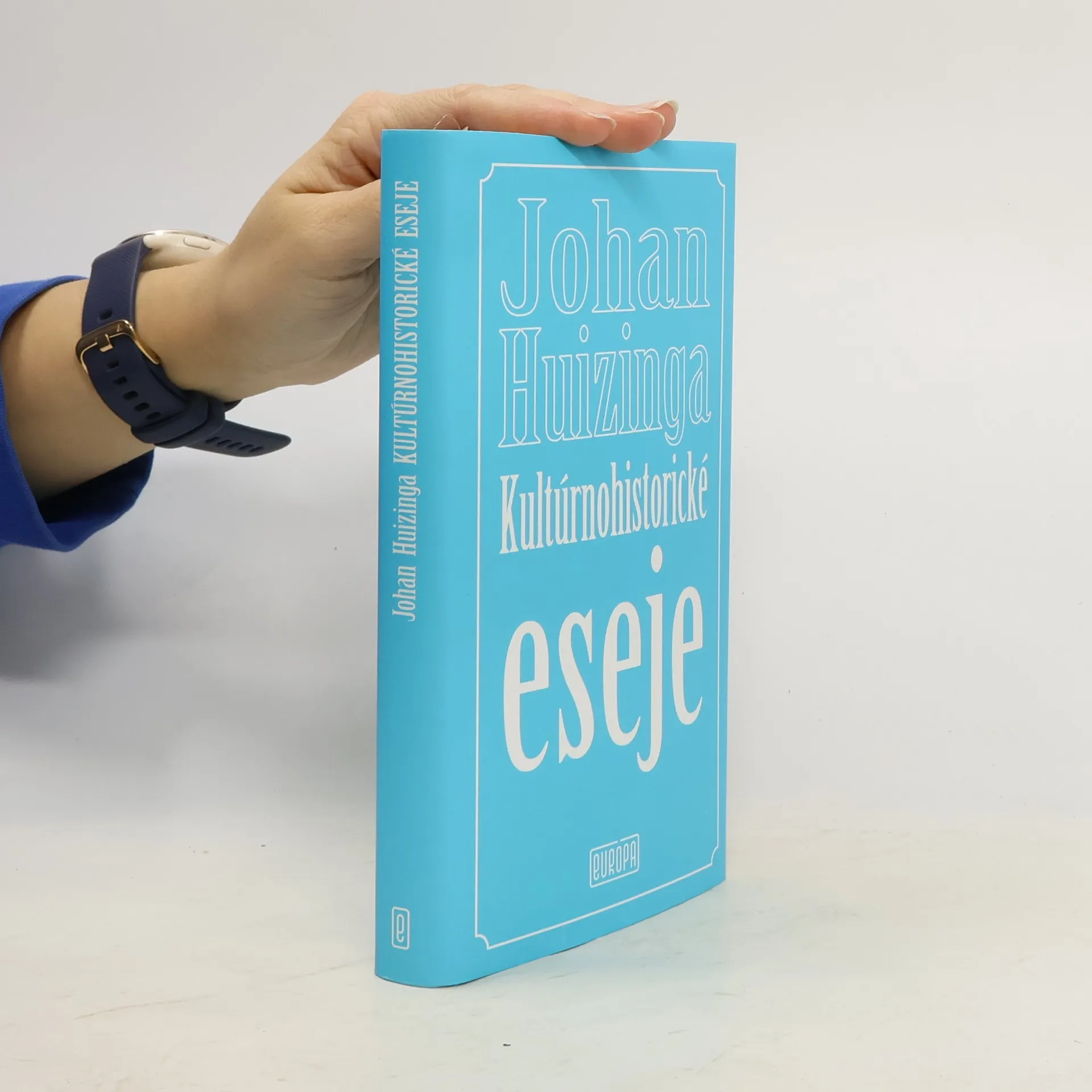
Výber z esejistických prác Johana Huizingu (1872 – 1945) predstavuje tohto slávneho nizozemského historika ako kultúrneho kritika. Huizinga je autorom veľkých esejí, v ktorých zaujal stanovisko k nacionalizmu, totalitarizmu, etickej kríze, ku kríze vied a umení a k aktuálnej kultúrnej situácii v Európe. Huizinga sa v tejto publikácii prezentuje ako skeptický pozorovateľ, ktorého víziu sveta určuje pohľad a skúsenosti erudovaného odborníka na históriu.
In dit boek is het beeld dat van de bezettingstijd geboden wordt anders, completer, dan dat in de meeste publicaties over deze dramatische jaren. Geen kroniek van oorlogs- en verzetshandelingen, maar een geschiedenis die inzicht verschaft in allerlei aspecten van het leven. De vraag naar de betekenis van de Duitse bezetting voor Friesland staat in het boek centraal. Het vertelt op welke wijze en hoe zeer het leven van alledag in Friesland veranderde in de jaren 1940-1945.
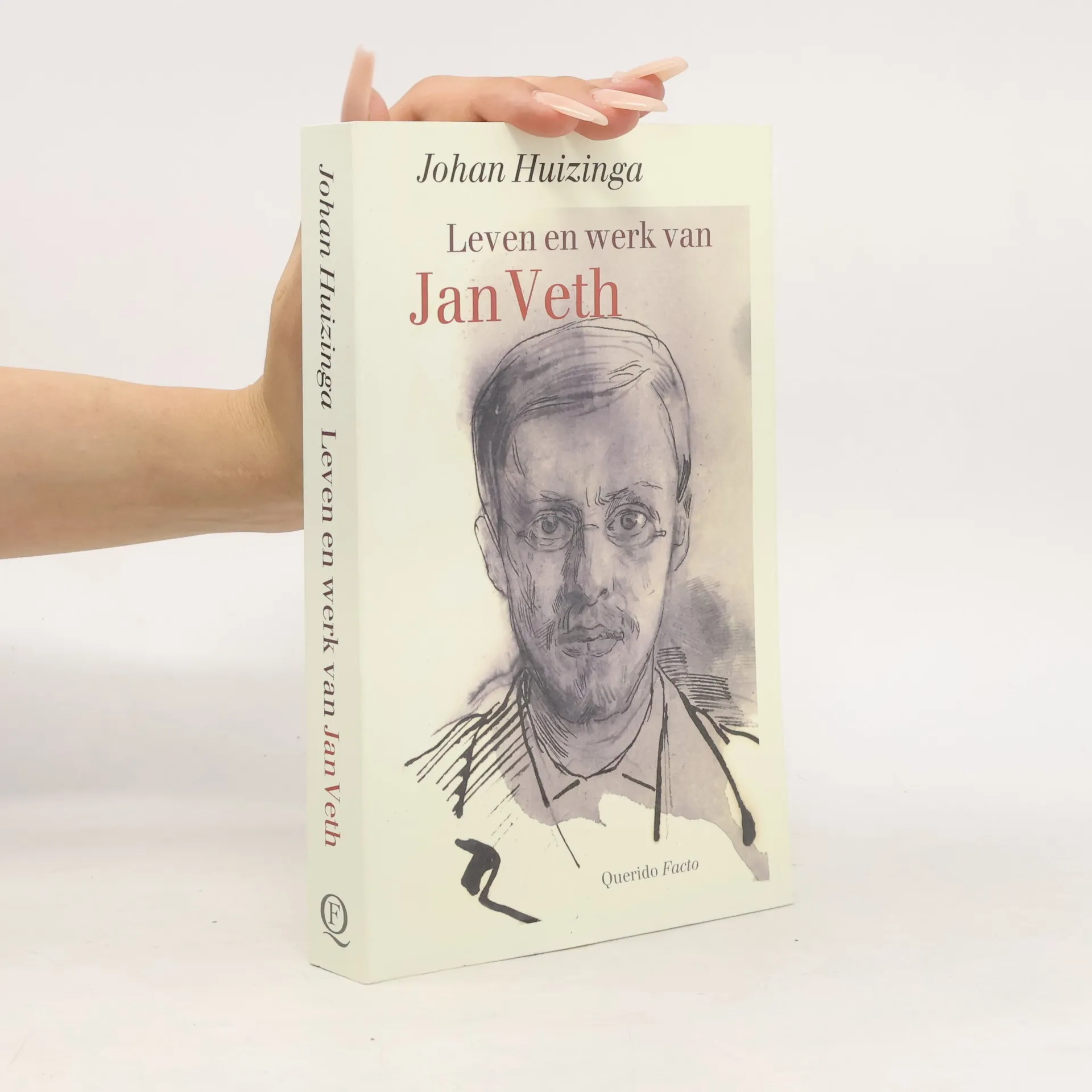
Na 1880 ontwikkelde Jan Veth (1864-1925) zich tot een van de belangrijkste schilders van Nederland, die 'half Nederland' portretteerde. Hij schreef ook bezielende artikelen over beeldende kunst in kranten en tijdschriften en publiceerde gedichten. Daarnaast was Veth een pionier in monumentenzorg en het behoud van historische stadsgezichten, onder andere als initiatiefnemer van het Rembrandthuis in Amsterdam en als fel tegenstander van het gemeentelijk plan om de Reguliersgracht te dempen. Veth en Johan Huizinga deelden vergelijkbare opvattingen over kunst, literatuur, geschiedenis en het behoud van monumenten. Hun vriendschap leidde tot regelmatige bezoeken en maandelijkse ontmoetingen tijdens redactievergaderingen van De Gids. Na Veth's overlijden besloot Huizinga zijn biografie te schrijven, wat door hun gedeelde voorkeuren en langdurige vriendschap een sterk autobiografische inslag kreeg. Huizinga’s biografie van Veth wordt nog steeds hoog gewaardeerd door kenners. Deze heruitgave, met tientallen afbeeldingen in kleur, is bijzonder waardevol. Anton van der Lem heeft de tekst verzorgd, voorzien van verklarende noten en een deskundig nawoord. Deze vergeten klassieker verschijnt ter gelegenheid van de grote Huizinga-herdenking en de eerste Veth-overzichtstentoonstelling, waardoor het een onmisbaar boek is. Anton van der Lem biedt hier meer inzicht in het leven en werk van Jan Veth.