

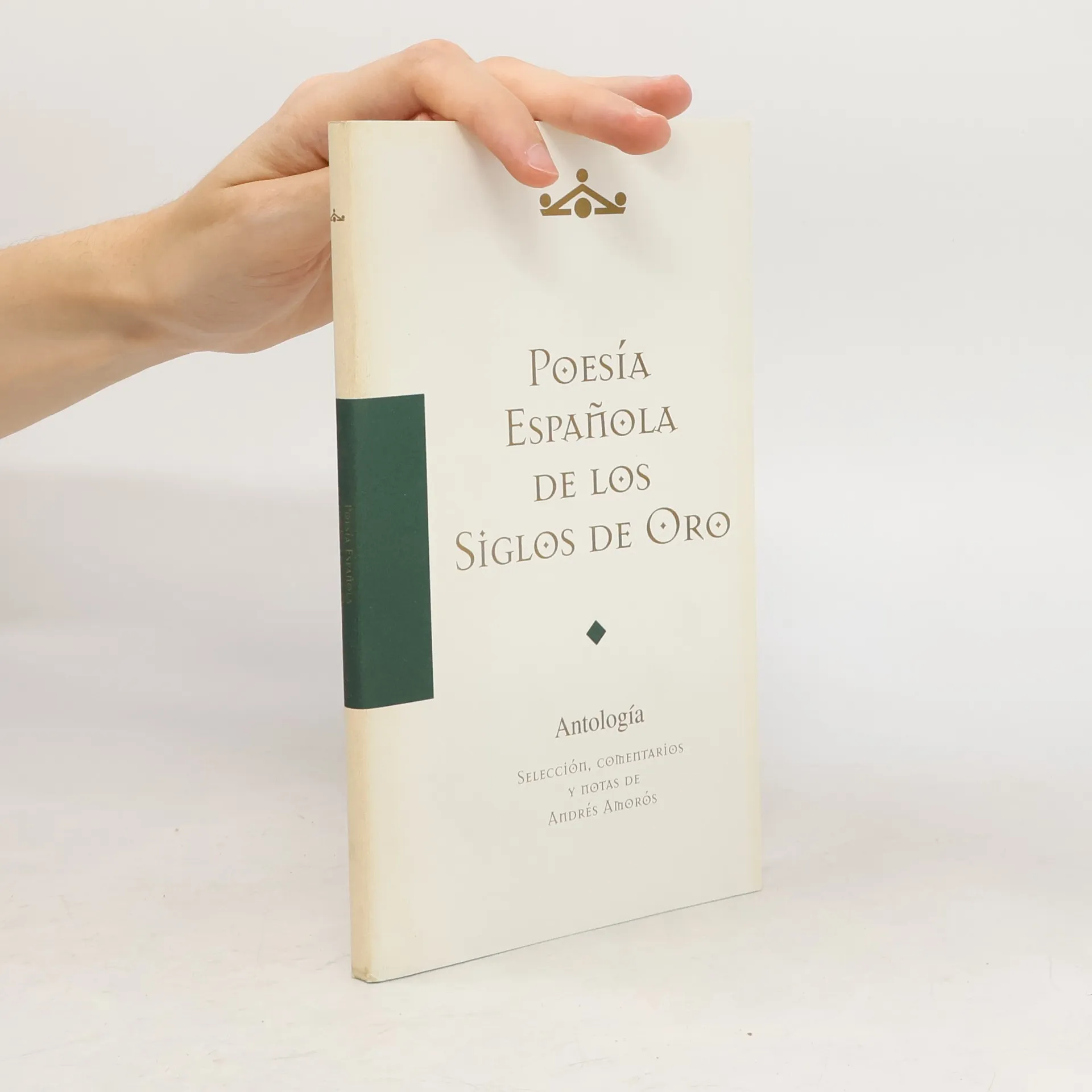
Andrés Amorós Orden de los libros (cronológico)
Andrés Amorós Guardiola es un ensayista, crítico literario e historiador de la literatura española, profundamente inmerso en el estudio del teatro español y la vida cultural de los siglos XIX y XX. Su extensa obra abarca tanto la literatura clásica como la contemporánea española e hispanoamericana, además de la literatura de consumo, con importantes trabajos sobre la novela romántica. Reconocido como una autoridad, se centra en la voz única y la significación literaria de los autores y sus obras. Amorós Guardiola también ha ocupado puestos de liderazgo en destacadas instituciones culturales y ha coordinado importantes proyectos literarios, enriqueciendo el estudio de la literatura española.

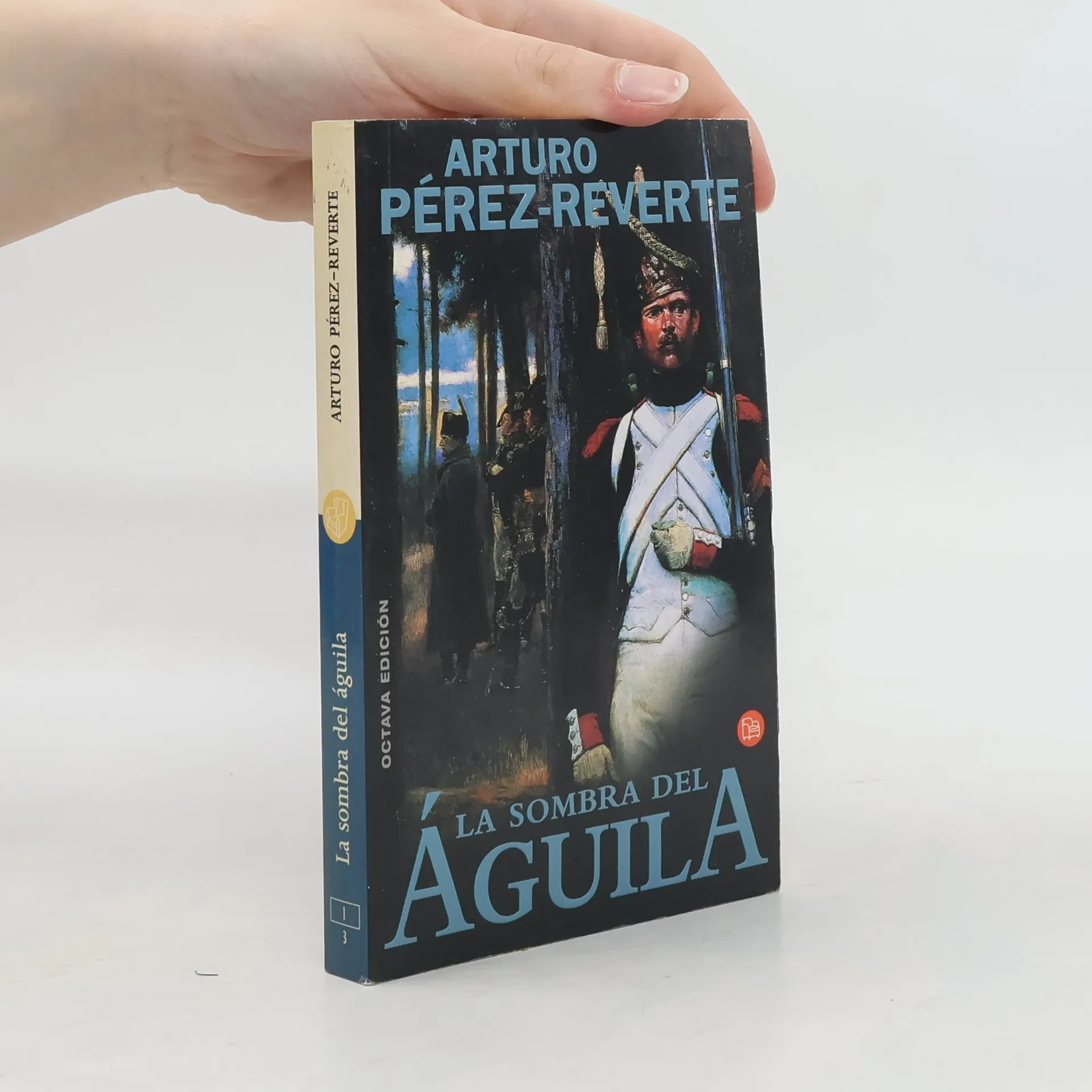
La sombra del águila
- 173 páginas
- 7 horas de lectura
Libro usado en buenas condiciones, por su antiguedad podria contener señales normales de uso
BOOKS IN SPANISH
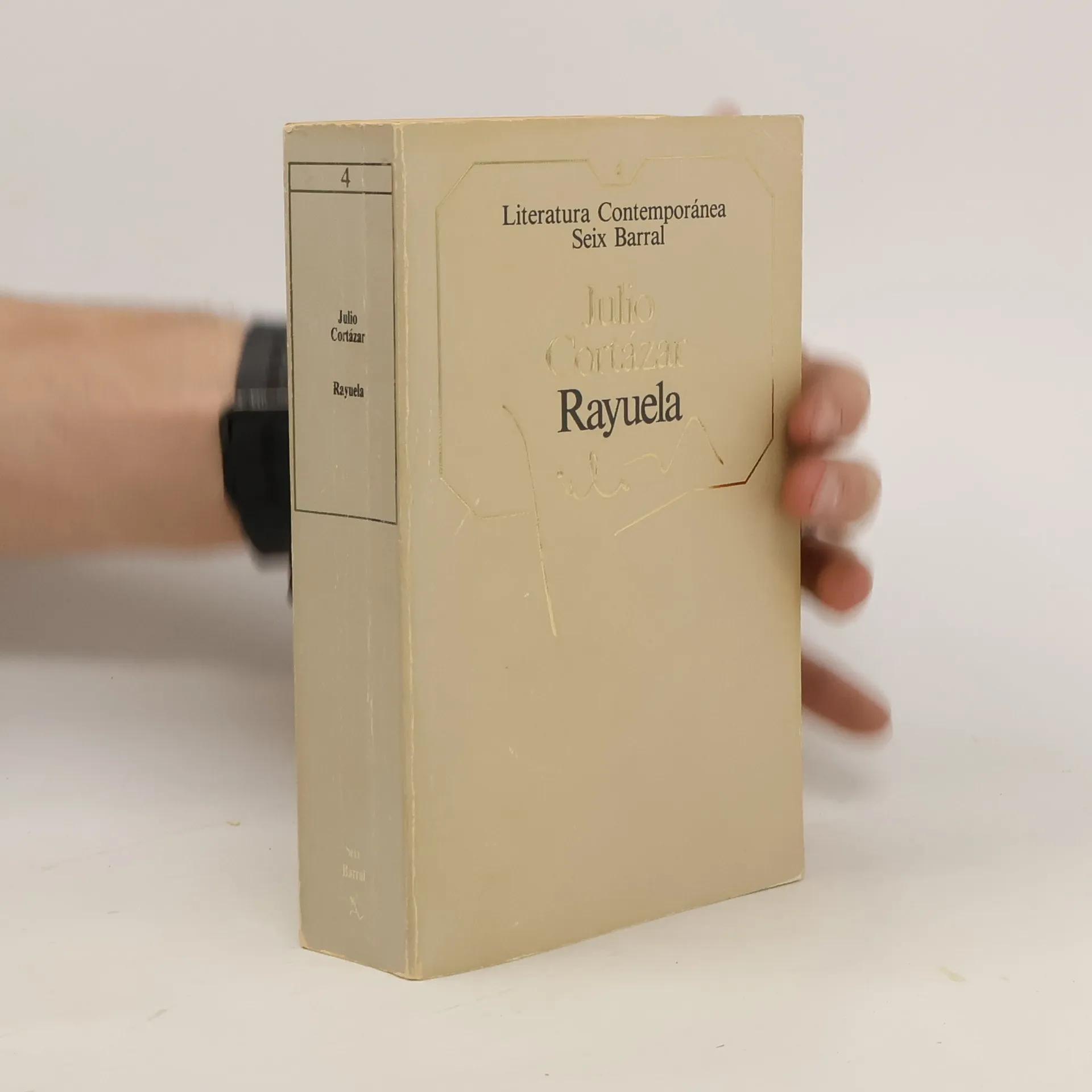
El amor turbulento de Oliveira y La Maga, los amigos del Club de la Serpiente, las caminatas por París en busca del cielo y el infierno tienen su reverso en la aventura simétrica de Oliveira, Talira y Traveler en un Buenos Aires teñido por el recuerdo.