
Bookbot

Rupert Sheldrake

    28 de junio de 1942

    Rupert Sheldrake es un biólogo y autor cuyo trabajo profundiza en el desarrollo y comportamiento de plantas y animales, la telepatía, la percepción y la metafísica. Inspirado por el filósofo Henri Bergson, desarrolló la teoría de la resonancia mórfica, explorando la interconexión de los fenómenos naturales. La escritura de Sheldrake se caracteriza por un enfoque interdisciplinario que une la investigación científica con la contemplación filosófica. Los lectores apreciarán sus profundas exploraciones sobre la naturaleza de la realidad y el mundo vivo.

    Rupert Sheldrake
    Evolutionary Mind
    Trialogues at the Edge of the West
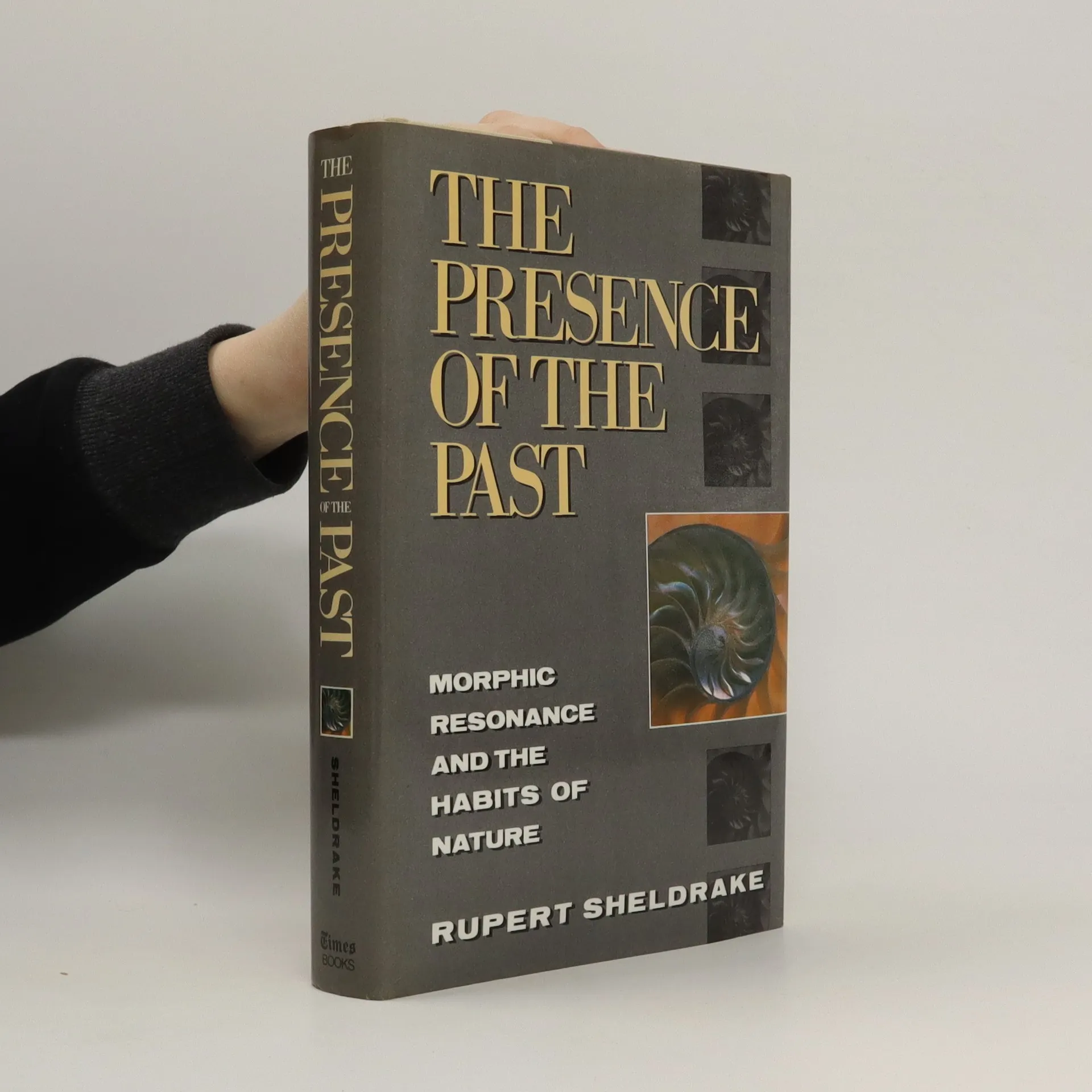
    The Presence of the Past. Morphic Resonance and the Habits of Nature
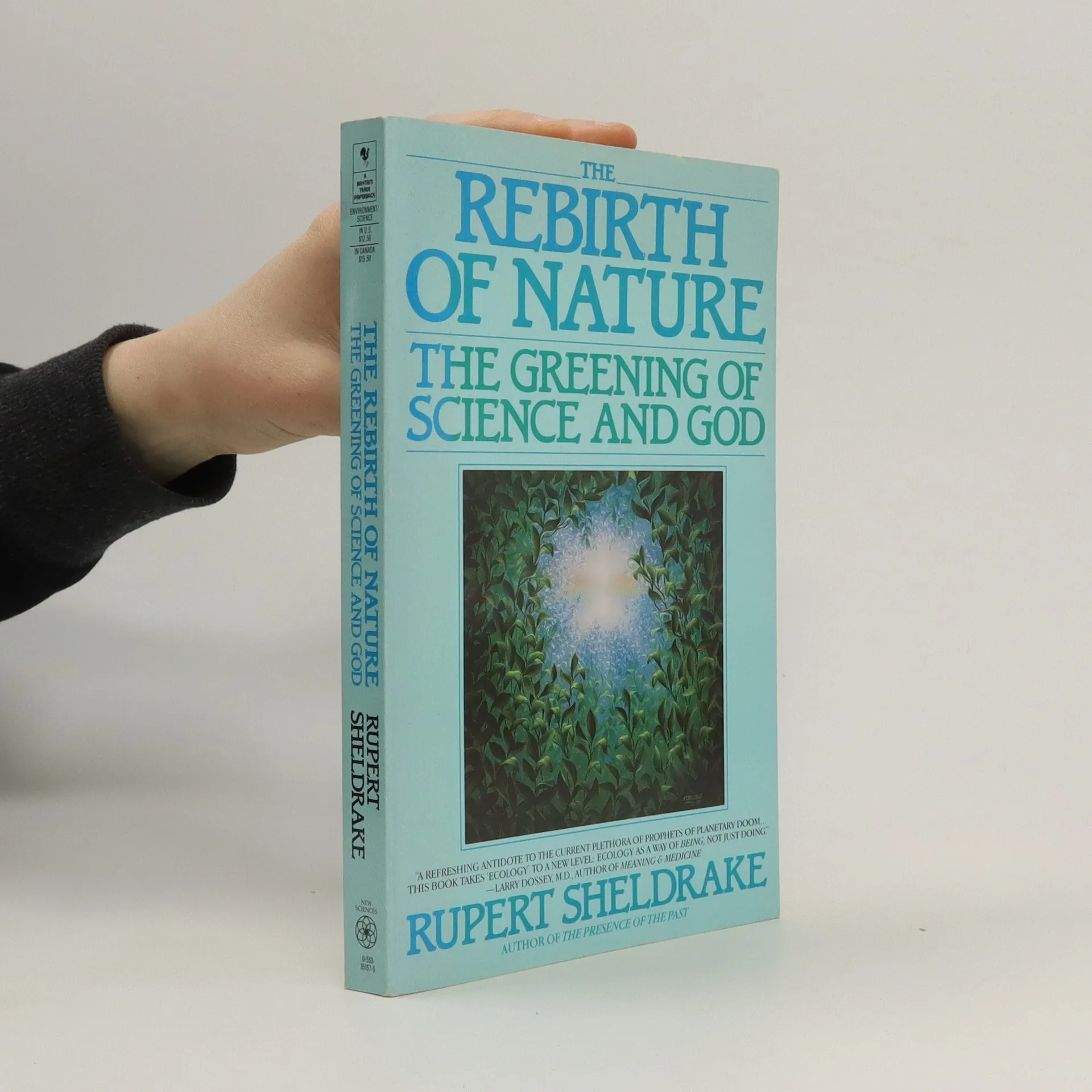
    The Rebirth of Nature. The Greening of Science and God
    The Presence of the Past
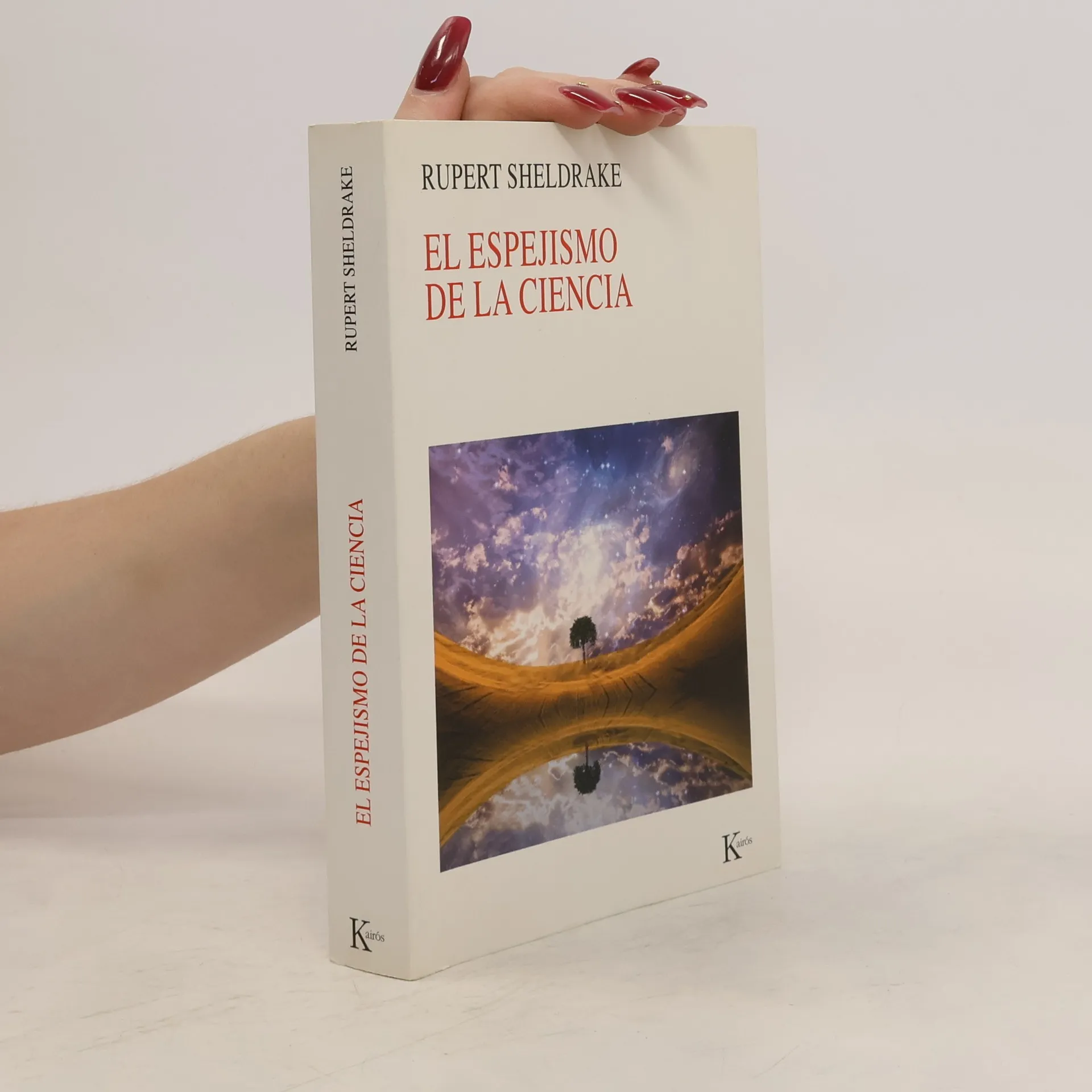
    El espejismo de la ciencia
    • Suggests that the laws of nature may not have been fixed when the universe was born, but may themselves have grown and evolved, and challenges the established views of nature as an inanimate machine

      The Rebirth of Nature. The Greening of Science and God
      4,3
    • Challenging the fundamental assumptions of modern science, this ground-breaking radical hypothesis suggests that nature itself has memory. Sheldrake's hypothesis has been featured in Science, Nature, New Scientist, USA TODAY, and Newsweek. Drawings and photos throughout.

      The Presence of the Past. Morphic Resonance and the Habits of Nature
      4,2
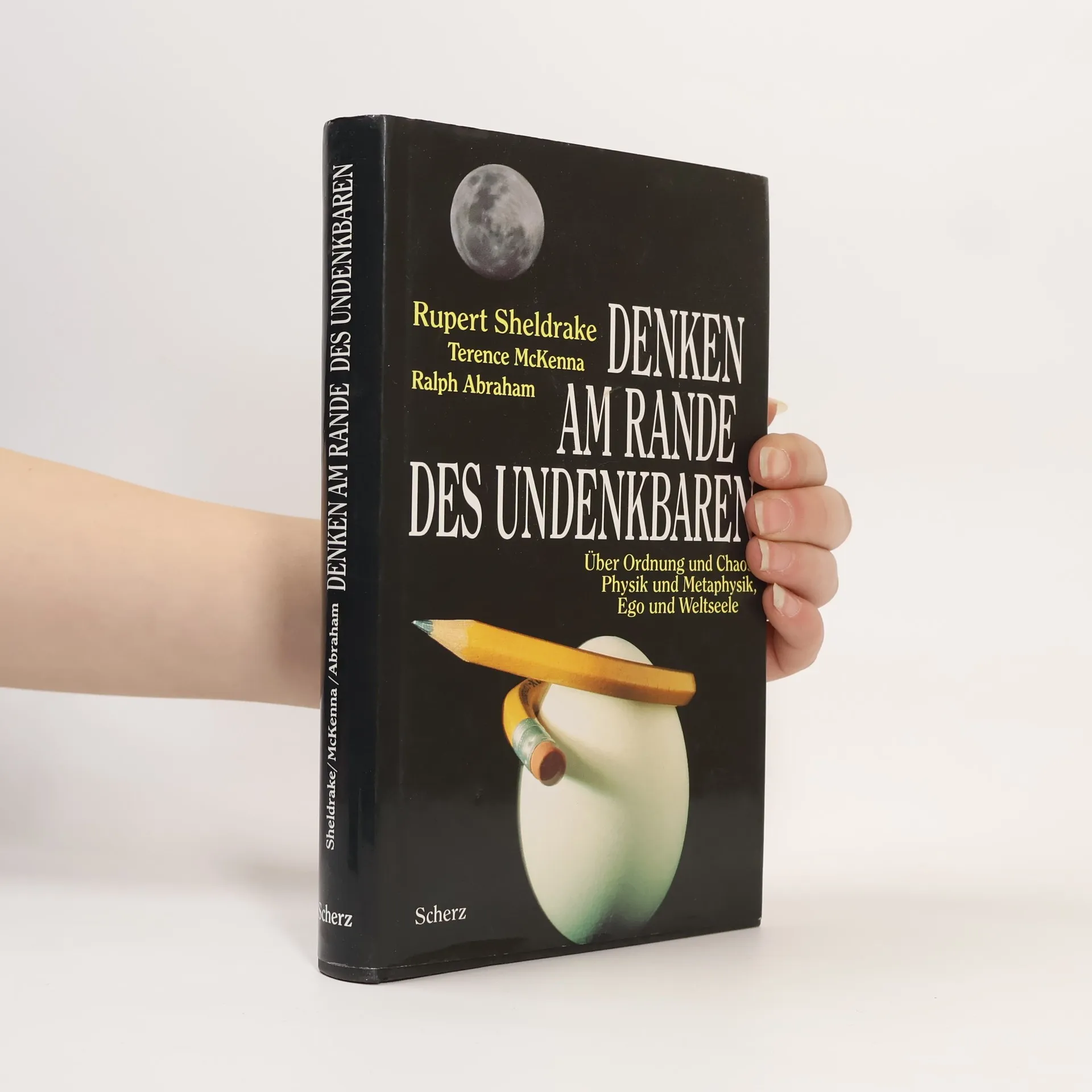
    • Trialogues at the Edge of the West

      Chaos, Creativity, and the Resacralization of the World

      • 175 páginas
      • 7 horas de lectura

      Explore the relationships between chaos, creativity, and imagination, and their connection to the soul of the world. Join Ralph Abraham, mathematician and leader in the new science of chaos, Terence Mckenna, shamanologist and ethno-pharmacologist, and Rupert Sheldrake, acclaimed biologist and originator of the theory of morphogenetic fields, as they "trialogue" on such questions as: - How can chaos contribute to our lives? - Is Armageddon a self-fulfilling prophecy? - How can scientists and myssstics share the same planet? Trialogues at the Edge of the West challenges us to the deepest levels of thought as it calls into question our current views of reality, morality, and the nature of life in the universe. [Description taken from the back of the book]

      Trialogues at the Edge of the West
      4,2
    • Evolutionary Mind

      • 226 páginas
      • 8 horas de lectura

      The authors' passion is to break out of paradigms that retard our evolution and to explore new possibilities. Through challenge and synergy they venture where few have gone before, leading their readers on an exciting journey of discovery. Their discussions focus on the evolution of the mind, the role of psychedelics, skepticism, the psychic powers of animals, the structure of time, the life of the heavens, the nature of God, and transformations of consciousness.

      Evolutionary Mind
      4,2
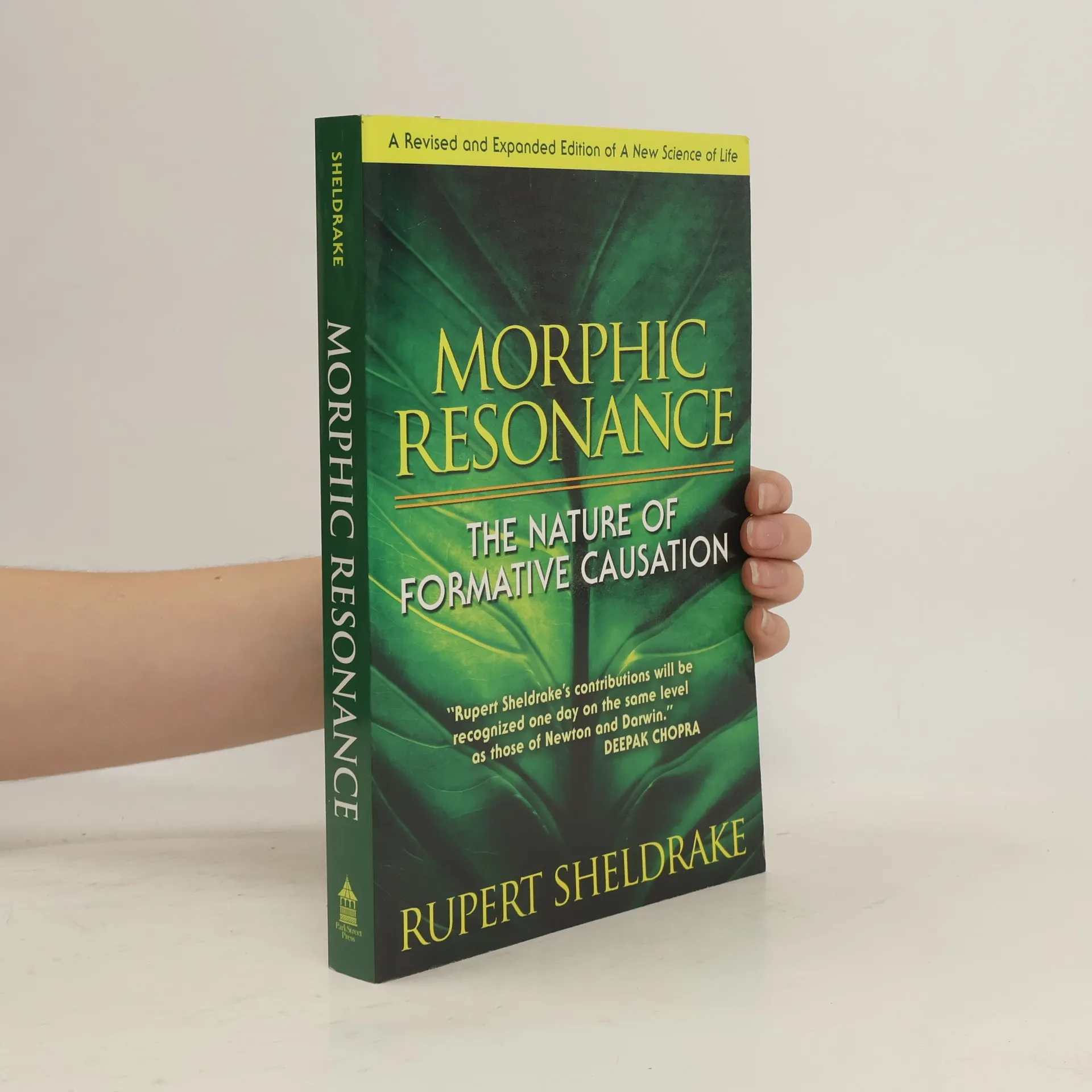
    • Morphic Resonance

      • 318 páginas
      • 12 horas de lectura

      Morphic Resonance( The Nature of Formative Causation) <> Paperback <> RupertSheldrake <> ParkStreetPress

      Morphic Resonance
      4,2
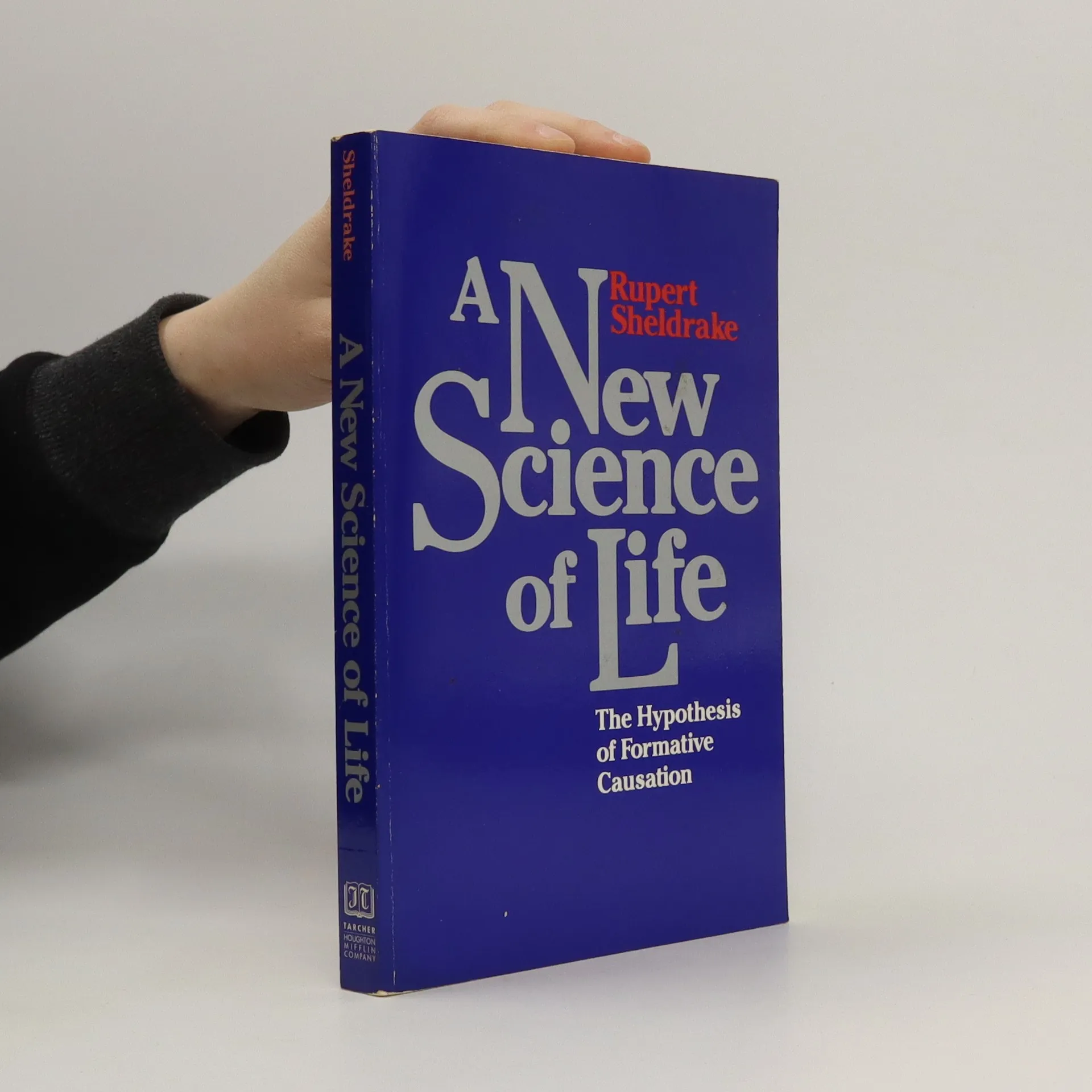
    • A New Science of Life

      • 240 páginas
      • 9 horas de lectura

      What is the nature of life, and how are the shapes and instincts of living organisms determined? Sheldrake's hypothesis, "Formative Causation", proposes that form and function of all living things are passed to succeeding generations by "morphogenetic fields" that extend through space and time.

      A New Science of Life
      4,1
    • Chaos, Creativity and Cosmic Consciousness

      • 184 páginas
      • 7 horas de lectura

      A wide-ranging investigation of the ecology of inner and outer space the role of chaos theory in the dynamics of human creation and the rediscovery of traditional wisdom. schovat popis

      Chaos, Creativity and Cosmic Consciousness
      4,1