

This is the first volume of a major work in moral philosophy, the long-awaited follow-up to Parfit's classic Reasons and Persons, a landmark of 20th-century philosophy. Parfit presents a powerful new treatment of reasons and a critical examination of the most prominent systematic moral theories, leading to his own ground-breaking conclusion.
Derek Parfit Orden de los libros (cronológico)
11 de diciembre de 1942 – 1 de enero de 2017
Derek Parfit fue un profesor británico de filosofía cuya obra se centró en la identidad personal, la racionalidad y la ética. Sus escritos exploraron las intrincadas relaciones entre estos conceptos filosóficos centrales. Profundizó en las complejidades de lo que significa ser una persona y cómo se debe actuar. El riguroso pensamiento de Parfit impactó significativamente en la filosofía moral y metaética moderna.

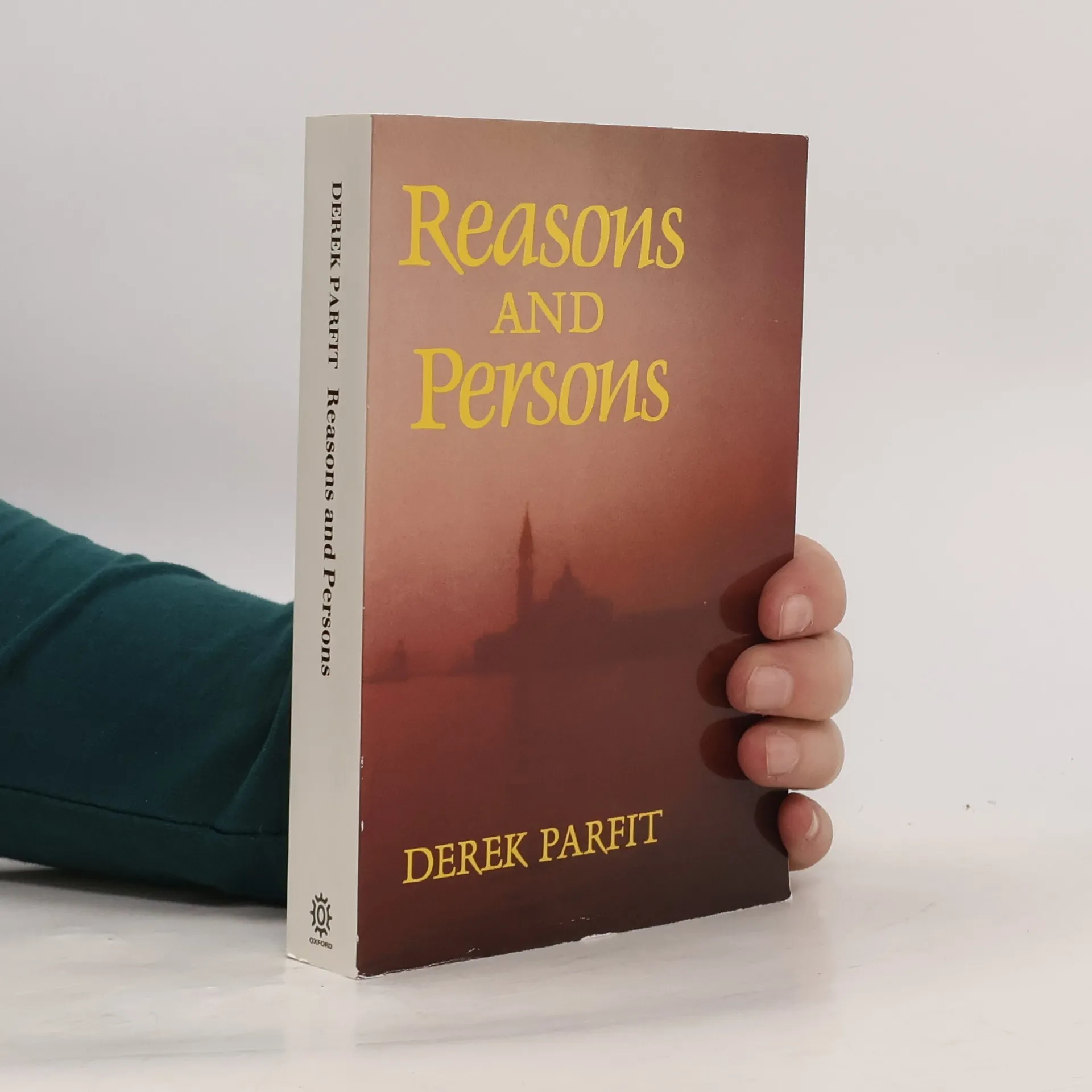
Reasons and Persons
- 560 páginas
- 20 horas de lectura
Challenging, with several powerful arguments, some of our deepest beliefs about rationality, morality, and personal identity, Parfit claims that we have a false view about our own nature. It is often rational to act against our own best interests, he argues, and most of us have moral views that are self-defeating. We often act wrongly, although we know there will be no one with serious grounds for complaint, and when we consider future generations it is very hard to avoid conclusions that most of us will find very disturbing.