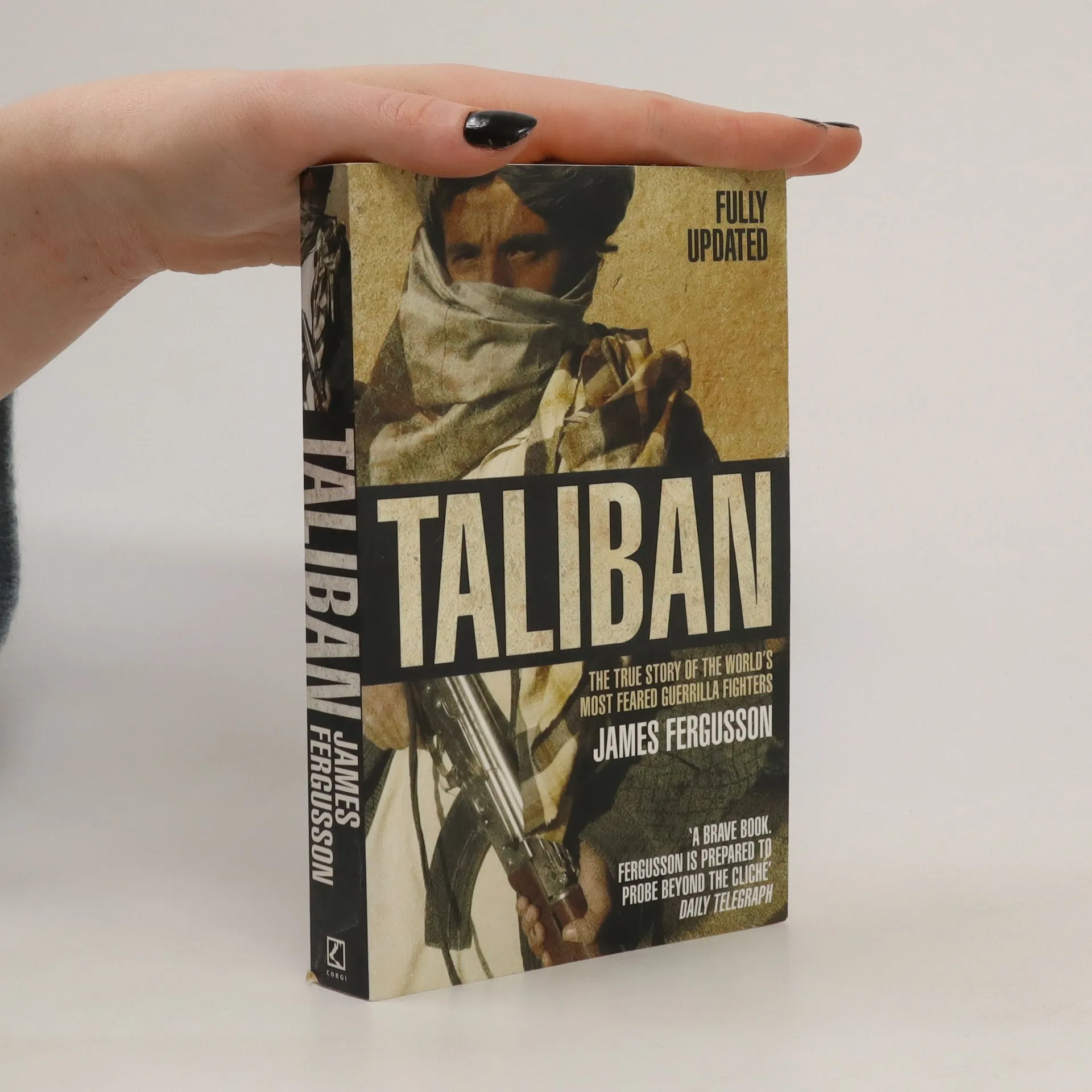
Fifteen years ago, southern Afghanistan was in even greater chaos than it is now. The Russians, who had occupied the country throughout the 1980s, were long gone. The disparate ethnic and religious leaders who had united to eject the invaders - the famous mujaheddin - were at each others' throats. For the rural poor of Kandahar province, life was almost impossible. On 12 October 1994 a small group of religious students decided to take matters into their own hands. Led by an illiterate village mullah with one eye, some 200 of them surrounded and took Spin Boldak, a trucking stop on the border with Pakistan. From this short and unremarkable border skirmish, a legend was born. The students' numbers swelled as news of their triumph spread. The Taliban, as they now called themselves - taliban is the plural of talib, literally 'one who seeks knowledge' - had a simple mission statement: the disarmament of the population, and the establishment of a theocracy based on Sharia law. They fought with a religious zeal that the warring mujaheddin could not match. By February 1995, this people's revolt had become a national movement; 18 months later Kabul fell, and the country was effectively theirs. James Fergusson's fascinating account of this extraordinary story will be required reading for anyone who wishes to understand the situation in Afghanistan, now and for the future...
James Fergusson Libros
- John Stewart Erskine
- James Reed Fergusson
- Wallace Tower
- Frank Fletcher
- Donald MacLaren
- Barrie Bates


The Palaces Of Nineveh And Persepolis, Restored: An Essay On Ancient Assyrian And Persian Architecture (1851)
- 428 páginas
- 15 horas de lectura
This scarce antiquarian book is a selection from Kessinger Publishing's Legacy Reprint Series. Due to its age, it may contain imperfections such as marks, notations, marginalia and flawed pages. Because we believe this work is culturally important, we have made it available as part of our commitment to protecting, preserving, and promoting the world's literature. Kessinger Publishing is the place to find hundreds of thousands of rare and hard-to-find books with something of interest for everyone!
This work has been selected by scholars as being culturally important, and is part of the knowledge base of civilization as we know it. This work is in the "public domain in the United States of America, and possibly other nations. Within the United States, you may freely copy and distribute this work, as no entity (individual or corporate) has a copyright on the body of the work. Scholars believe, and we concur, that this work is important enough to be preserved, reproduced, and made generally available to the public. We appreciate your support of the preservation process, and thank you for being an important part of keeping this knowledge alive and relevant.
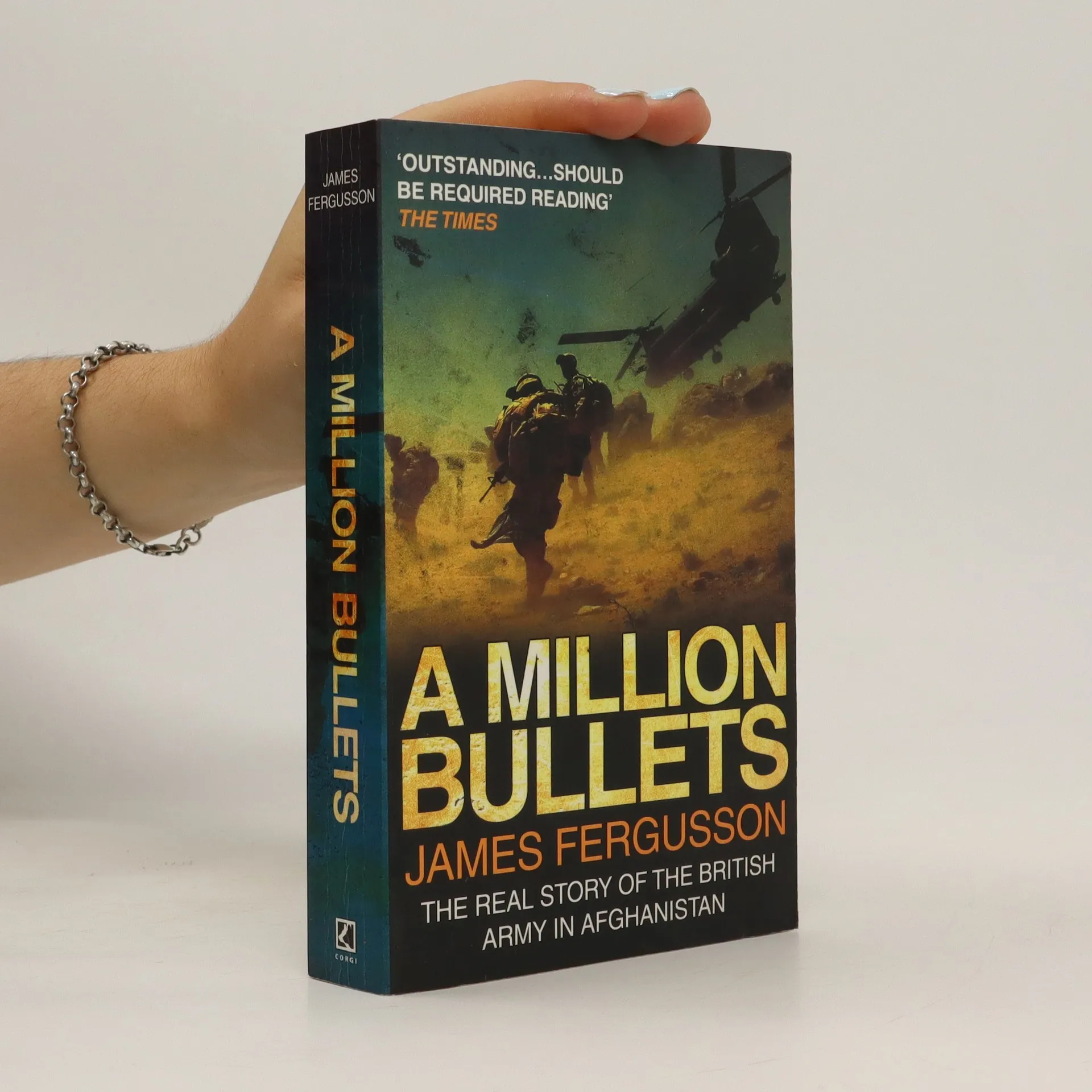
A Million Bullets
- 470 páginas
- 17 horas de lectura
In April 2006 a small British Army force was sent to the Helmand province of Afghanistan. The Defence Minister said the mission could be carried out 'without a shot being fired'. Over a million bullets, 700 dead Afghans and 6 VC recommendations later, James Fergusson brings us the real story of this gruelling and bloody war.
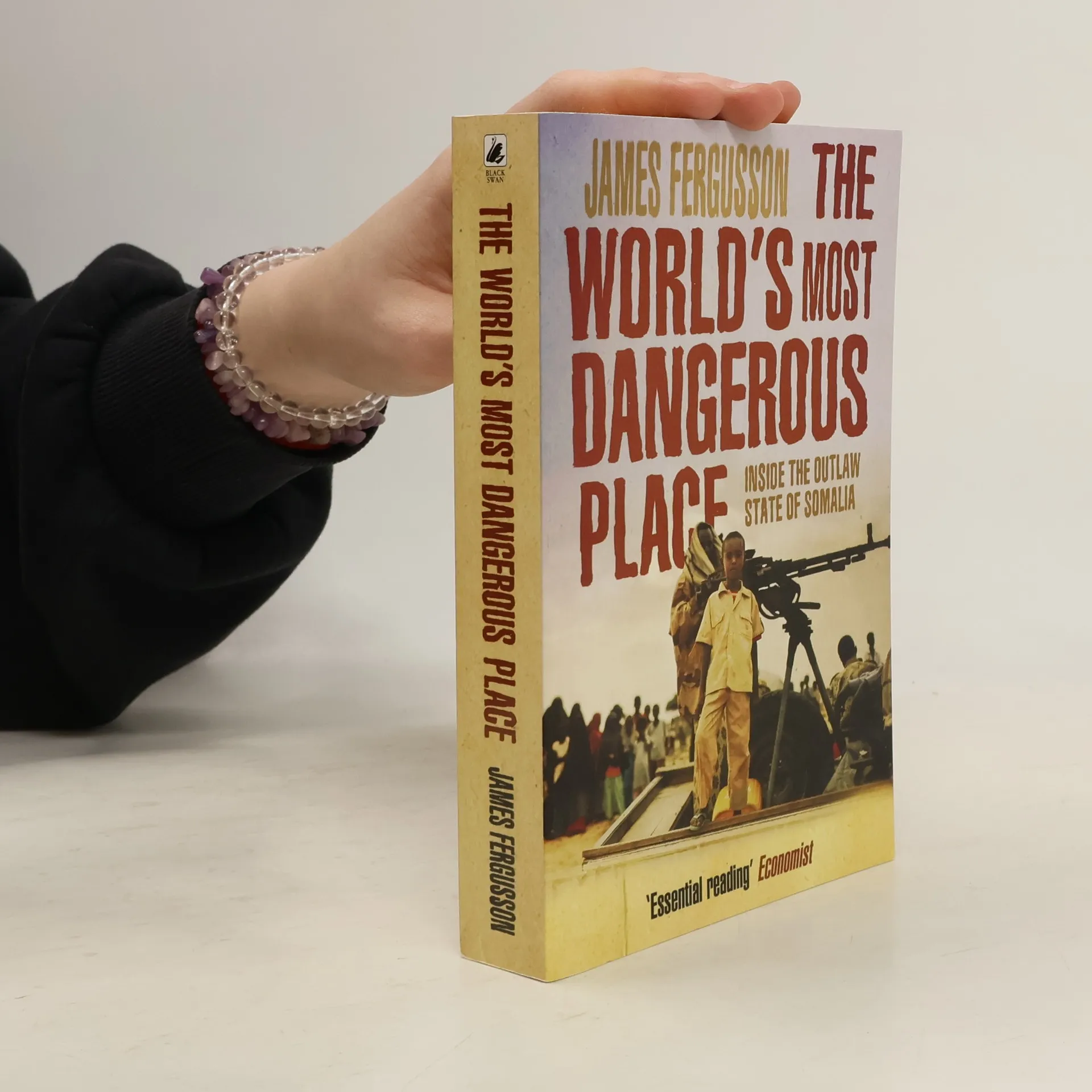
The author is among the few to have witnessed at first hand the devastating reality of life in the failed and desperate state of Somalia. In this book, he takes us to the heart of the struggle, meeting everyone from politicians, pirates, extremists and mercenaries to aid workers, civilians and refugees.
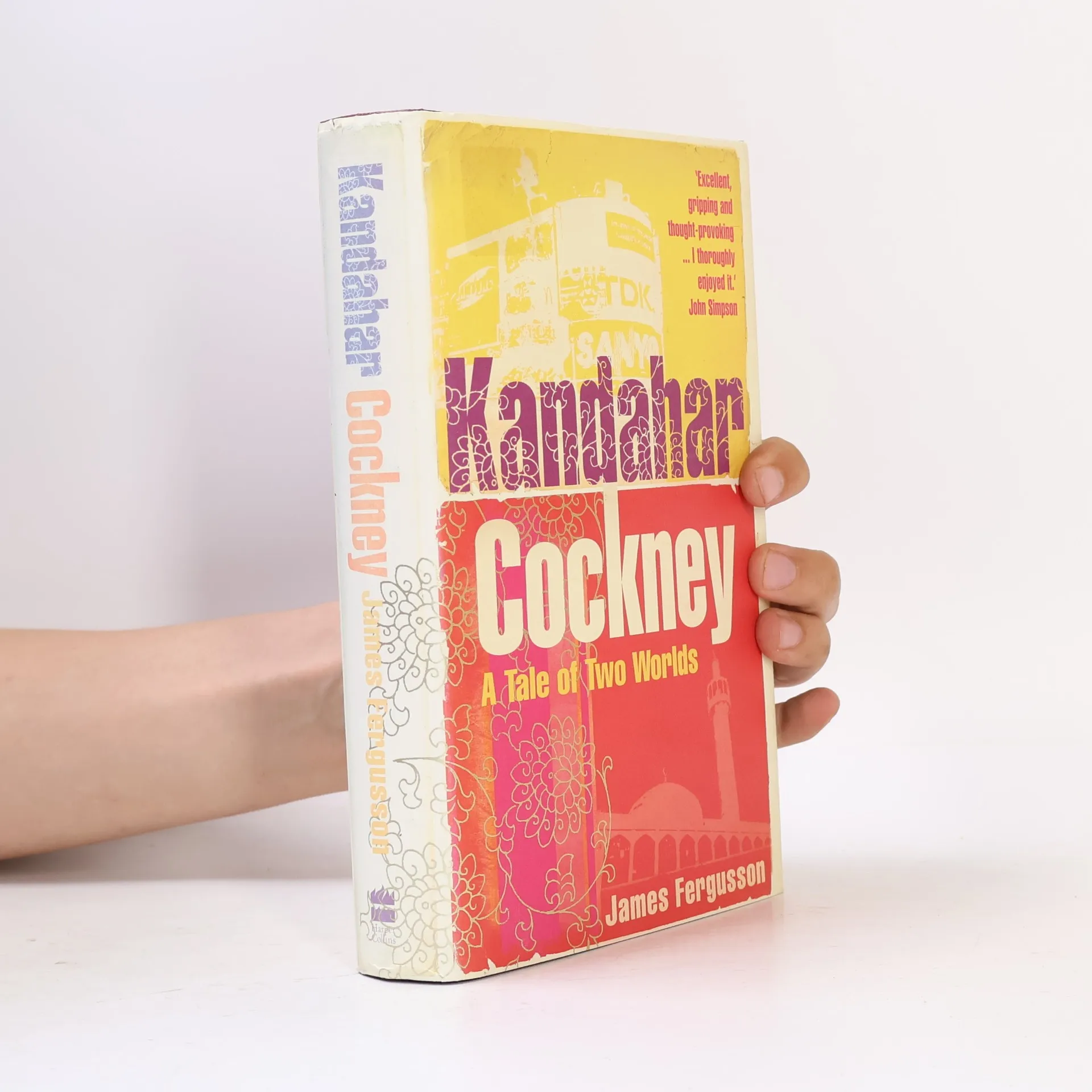
The touching story unfolds the unique friendship between a young British correspondent and his Pashtun interpreter, Mir, in war-torn Afghanistan. Their bond deepens as Mir becomes an essential guide to the complexities of Afghan culture and politics. After Mir and his family flee to escape danger, he seeks asylum in London, turning to James for support. This time, their roles reverse, with James introducing Mir to the unfamiliar customs of Western life. However, Mir also serves as a guide, revealing aspects of his homeland that James had overlooked. Together, they navigate the challenges faced by Afghan communities in London, including the shadow economy where asylum seekers struggle to survive. James accompanies Mir through the daunting asylum process, filled with bureaucratic hurdles and setbacks, while also sharing the joys of everyday life in the West, from shopping at Tesco to enjoying bank holidays by the sea. This poignant narrative offers a human perspective on the complexities of asylum and migration, highlighting the enduring impact of colonial history. It powerfully illustrates the cultural divide between the Third and First Worlds, and the ongoing relevance of these themes in contemporary society.