"El clásico que tienes en tus manos es Crimen y castigo, del escritor ruso Fedor Dostoievski. Es uno más de sus entrañables aportes literarios, cuyos protagonistas se caracterizan por vivir con intensidad sus propias contradicciones. El estudiante ruso Rodion Romanovich Raskolnikov asesina a mansalva a la anciana prestamista Alena Ivanova para robarle. Transcurre el caluroso verano moscovita, y Rodion pasa hambre y sed pues su madre y hermana--que con sumo trabajo sostienen sus estudios--se han visto en dificultades para enviarle algunos rublos. Desesperado, el joven fragua su crimen, sabedor de que la vieja aquella posee una fortuna en joyas y dinero producto de la despiadada usura. La fuerza del destino le depara sorpresas y lo coloca en una violenta y paradójica situación. Al mismo tiempo, su corazón es tocado por las fuerzas del amor y la conciencia, llevando la trama a un desenlace inesperado y ejemplar en el que el crimen del joven no puede quedar sin castigo."--
Constance Garnett Libros
Constance Garnett fue una traductora inglesa fundamental de la literatura rusa del siglo XIX. Fue fundamental para presentar las obras de León Tolstói, Fiódor Dostoyevski y Antón Chéjov al público de habla inglesa a gran escala por primera vez. Sus traducciones moldearon profundamente la recepción y comprensión de estos icónicos autores rusos en el mundo occidental. Los esfuerzos de Garnett hicieron que sus profundas contribuciones literarias fueran accesibles y amadas por una audiencia global.


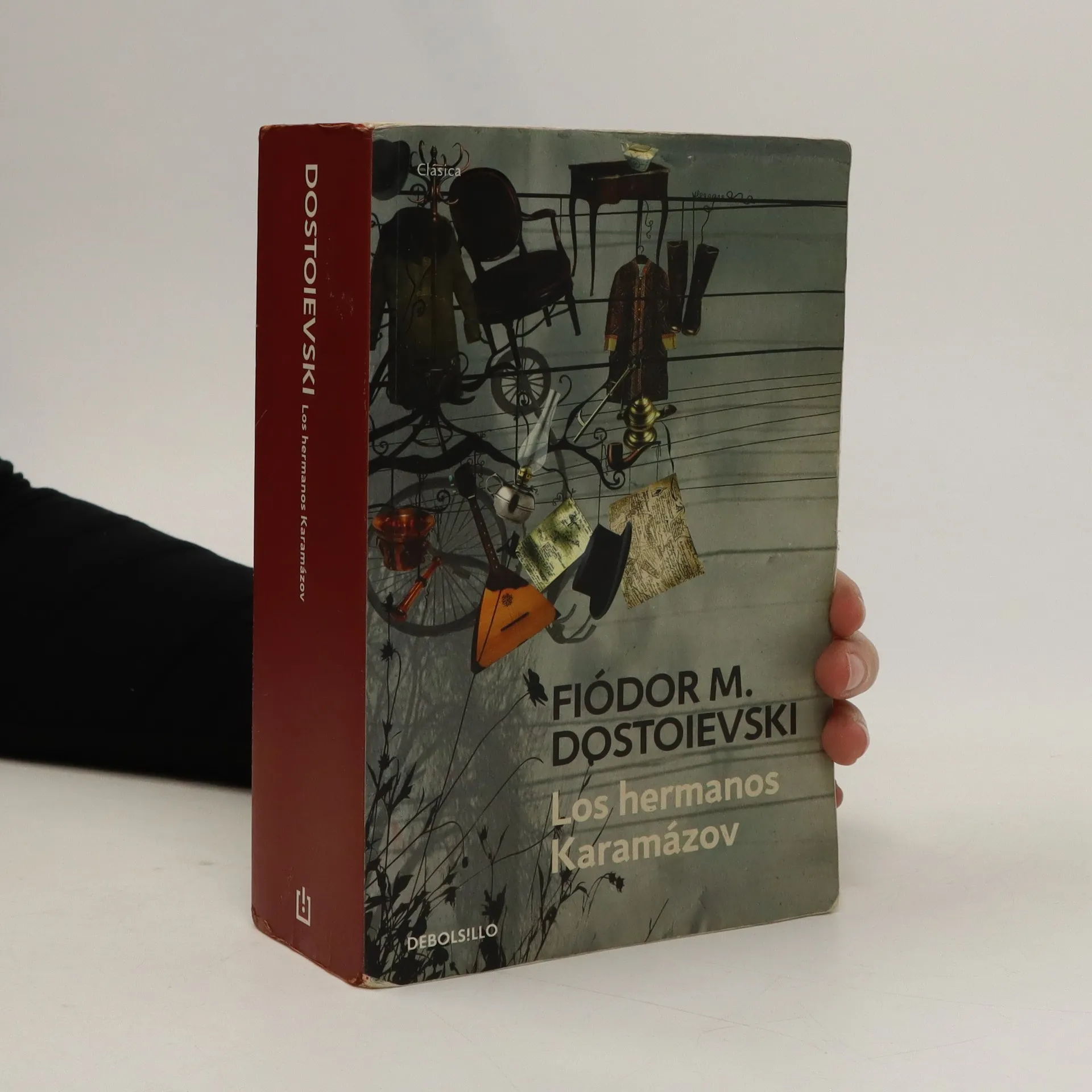
La novela se construye alrededor de Fiódor Pávlovich Karamázov, un terrateniente borracho, arbitrario y corrompido, y de sus cuatro hijos - Dmitri, de carácter violento; lván, un intelectual frío y materialista; Aliosha, el hijo pequeño, pasivo y religioso; y Smerdiakov, hijo bastardo y resentido. La novela gira en torno a las relaciones perversas que se establecen entre el padre y los hijos hasta que éste es asesinado y su presunto asesino, Dmitri, juzgado y condenado. Odio, amor, crueldad, compasión, sentimientos radicalmente contrarios y enfrentados.
Encarnación de cuantas virtudes se asocian al espíritu cristiano, el príncipe Myshkin, sin embargo, paradójicamente, no logra más que desbaratar junto con la vida propia la de la mayoría de los que a él acuden.--Back cover
The House of the Dead
Man is sometimes extraordinarily, passionately, in love with suffering...
- 205 páginas
- 8 horas de lectura
Fyodor Dostoyevsky was born on November 11, 1821, and was introduced to literature early in life, with his mother teaching him to read and write using the Bible. His literary immersion was profound, fueled by his parents' nightly readings. Tragedy struck in 1837 when his mother died of tuberculosis, and he and his brother were enrolled at the Nikolayev Military Engineering Institute, where Dostoyevsky found little interest in military studies, preferring drawing and architecture. His father's death in 1839 may have triggered his epilepsy, yet he persevered, eventually becoming an engineer cadet. His first completed work, a translation of Balzac's "Eugénie Grandet," was published in 1843 but failed commercially. He then wrote "Poor Folk," which was a success, followed by "The Double," which received poor reviews and exacerbated his health issues. Involved in socialist circles, Dostoyevsky faced arrest in 1849 for distributing banned works, leading to a death sentence commuted to four years of hard labor in Siberia. His prison experiences inspired "The House of the Dead," published in 1861. He later completed "The Gambler" in just 26 days. Despite continued health decline, including a diagnosis of pulmonary emphysema, he published "Demons" in 1873. Dostoyevsky died on February 9, 1881, after suffering multiple pulmonary hemorrhages.
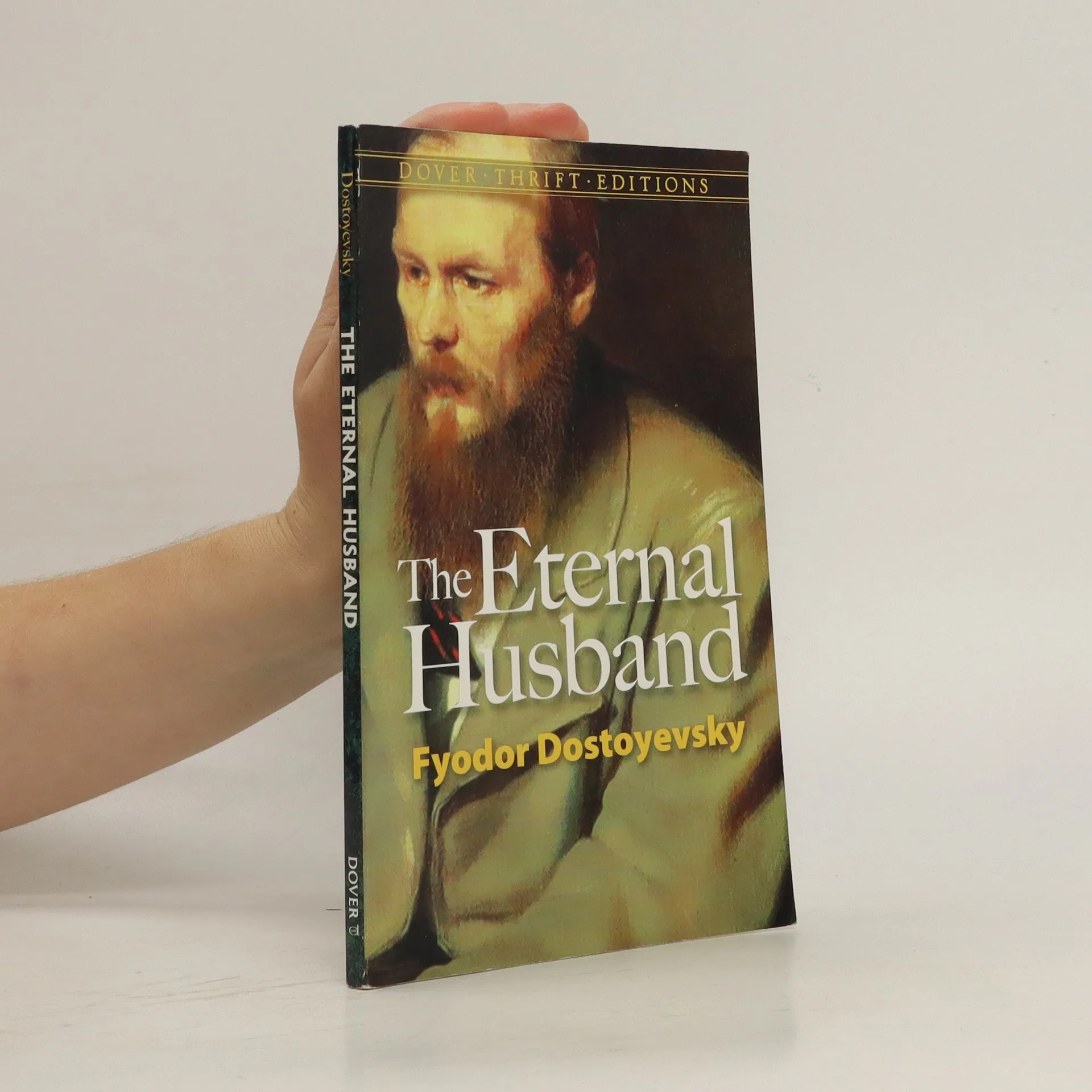
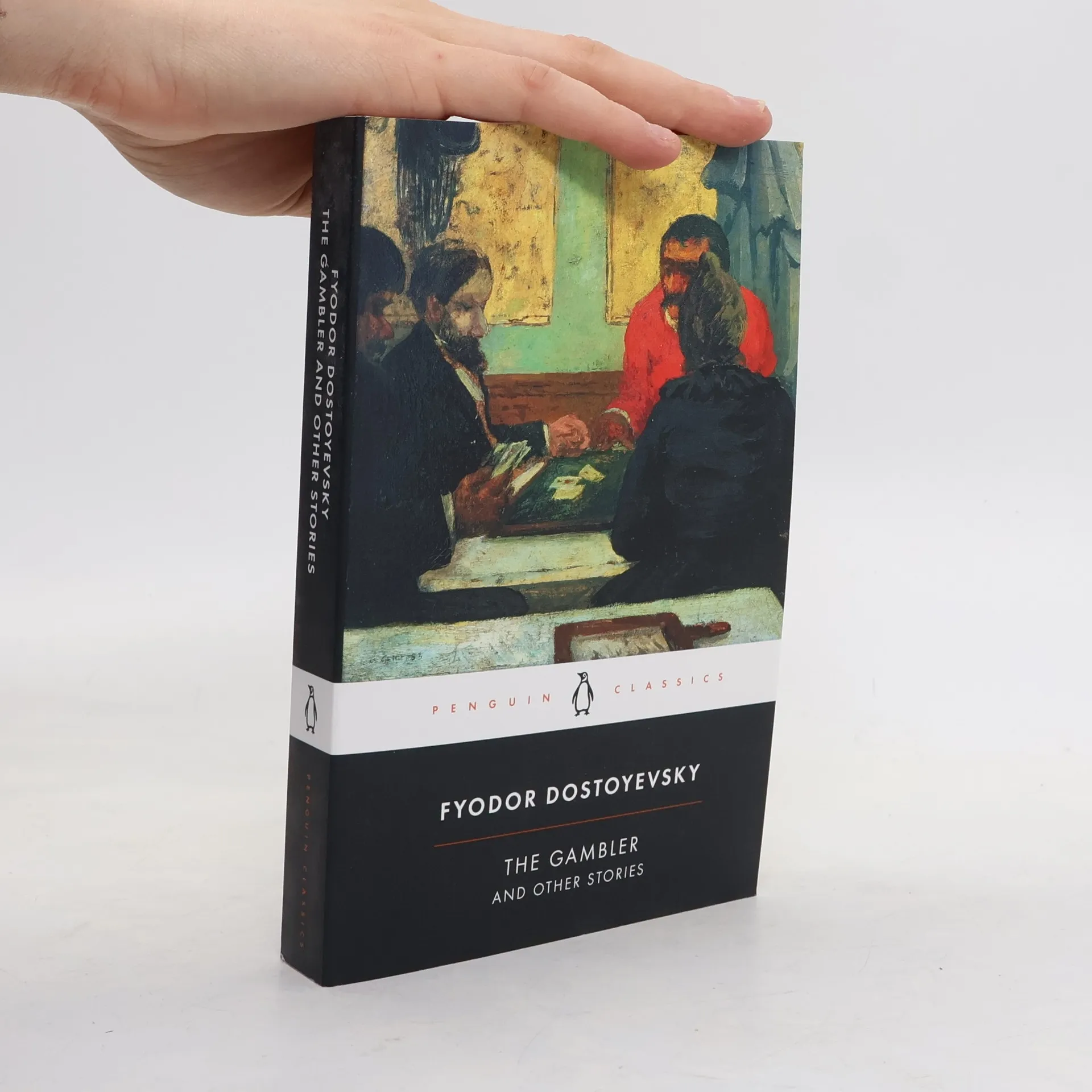
A collection of one novella and six short stories - The Gambler, Bobok, The Dream of a Ridiculous Man, A Christmas Party and a Wedding, A Nasty Story and The Meek One.
Anna Karenina es, junto con la monumental Guerra y paz, una de las obras clave Lev Tolstoi, en la que vemos todas las señas de identidad del gran realismo ruso: fina crítica social y multitud de personajes con una profundidad psicológica asombrosa. Las desventuras de Anna Karenina y su afán por integrarse en una sociedad hipócrita que la margina por adúltera, pero perdona los desmanes de su amante, nos hacen reflexionar sobre la invisibilización de la mujer a la par que nos ofrecen un fresco monumental de la Rusia decimonónica y todas sus contradicciones. Together with the monumental War and Peace, Anna Karenina is one of Leo Tolstoy's most important works and a classic of Russian realism. It contains all the hallmarks of that genre, from pointed social critique to psychologically complex characters. Anna Karenina's misadventures and eagerness to integrate into a hypocritical society that condemns her for adultery, but pardons her lover's excesses, offer a portrait of nineteenth-century Russia in all its contradictions. It also encourages us to reflect on the way women are invisibilized in society.
Memoirs of a Hunter
- 432 páginas
- 16 horas de lectura
Presented here in a masterful new translation by Michael Pursglove, this landmark collection established the literary reputation of the author, who considered it his most significant contribution to Russian literature, and is universally regarded as a milestone in the Russian realist tradition.
A Raw Youth (The Adolescent)
- 366 páginas
- 13 horas de lectura
The novel explores the tumultuous relationship between 19-year-old Arkady Dolgoruky and his father, the notorious landowner Versilov, as Arkady returns to St. Petersburg after years at boarding school. As he navigates the complexities of his family's scandalous affairs, the story delves into deep psychological, emotional, and moral conflicts, reflecting the intricacies of the human condition. Dostoyevsky's rich characterizations and themes make this work a significant contribution to literature, showcasing the author's profound understanding of human nature.
A rich and idle man confronts his dead mistress's husband in this psychological novel of duality. Powerful and accessible, it offers a captivating and revealing exploration of love, guilt, and hatred.
On the Eve
- 224 páginas
- 8 horas de lectura
Brand-new translation of one of Turgenevs major novels, includes pictures and an extensive section on Turgenevs life and works.
This classic Russian novel has it all: murder, suspense, passion, struggle, and redemption. Originally published in 1866, Crime and Punishment is a psychological thriller that deals with issues of morality, conscience, and redemption. Widely considered to be one of the greatest novels written in any language, this novel explores the life of Rodin Raskolnikov, a young Russian man who robs and murders a pawnbroker to save himself from a life of poverty. As a consequence, he must deal with the oppressive mental anguish of being a criminal while attempting to maintain relationships with his friends and family.
The Grand Inquisitor on the Nature of Man
- 52 páginas
- 2 horas de lectura
Wordsworth Classics: White Nights, Poor Folk & The Double
- 304 páginas
- 11 horas de lectura
'White Nights' is one of Dostoevsky's earlier short stories but one of his most enduringly popular. It tells the story of four nights in the life of the lonely narrator, who meets and falls in love with the mysterious and beautiful Nastenka. Poor Folkwas Dostoevsky's first novel, written to try and alleviate his financial plight, and was a commercial success. It tells the story of Makar Devushkin, a clerk, and Varvara Dobroselova, a seamstress, by means of the letters they exchange; they are in love, but too poor to marry. Its exploration of humanitarian themes led to it being described as Russia's first 'social novel'. By contrast, Dostoevsky's second novel, The Doublewas not well received. First published in 1846, it was revised and republished by Dostoevsky in 1866, but he did not consider it a success. By contrast, Vladimir Nabokov called it 'the best thing he ever wrote' and described it as 'a perfect work of art'.
Riverrun Editions: Ward No. 6 and Other Stories
- 352 páginas
- 13 horas de lectura
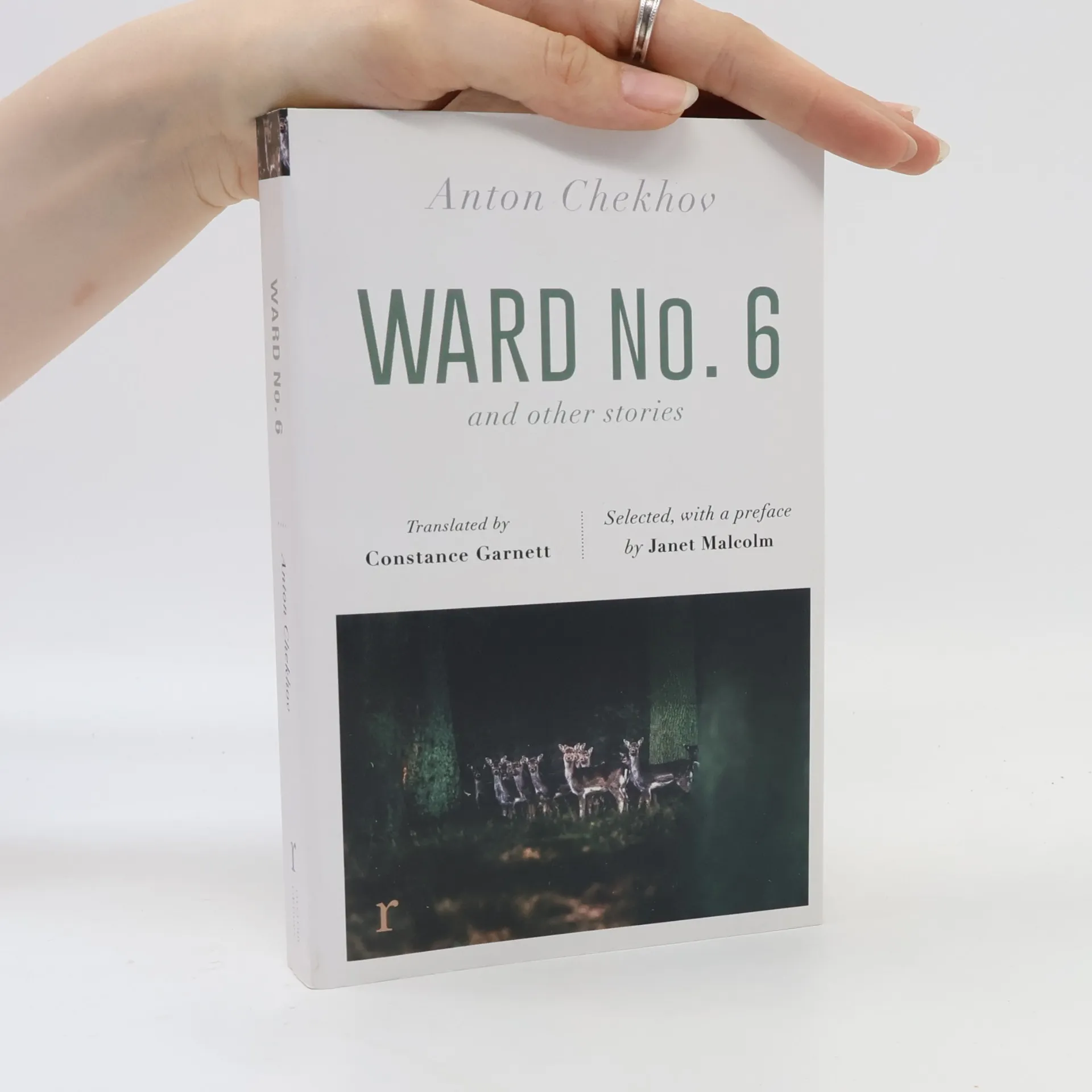
The second unique collection of Constance Garnett's translations of Chekhov's short fiction, selected for riverrun editions by Janet Malcolm
Barnes & Noble Classics: Fathers and Sons
- 240 páginas
- 9 horas de lectura
Youth rebels. It was true in Russia in 1862 when Fathers & Sons appeared. At its center stands Evgeny Bazarov, medical student, doctor's son & nihilist. Bazarov rejects authority, all so-called truths based on faith rather than science & experience. His ideas bring him into conflict with his best friend, recent graduate Arkady Kirsanov, with Arkady's family, with his own parents & eventually with his emotions when he falls in love with the beautiful Madame Odintsova.