David Aaron Kessler es un pediatra, autor y administrador estadounidense cuyo trabajo se centra en la salud pública y la política. Anteriormente se desempeñó como Comisionado de la Administración de Alimentos y Medicamentos de EE. UU. (FDA). Los análisis de Kessler profundizan en cuestiones complejas de regulación y acceso a la atención médica, basándose en su extensa experiencia tanto en el gobierno como en el ámbito académico. Sus escritos exploran la intrincada relación entre las decisiones políticas y el bienestar social en el ámbito de la salud.
Tools for Releasing Pain and Remembering with Love
122 páginas
5 horas de lectura
Exploring the theme of love as a healing force, this book delves into how deep connections can alleviate the suffering that accompanies loss. It highlights the transformative power of relationships, emphasizing that love provides solace and hope in the face of grief. Through poignant narratives, it illustrates how embracing love can lead to personal growth and resilience, ultimately guiding individuals through their darkest moments.
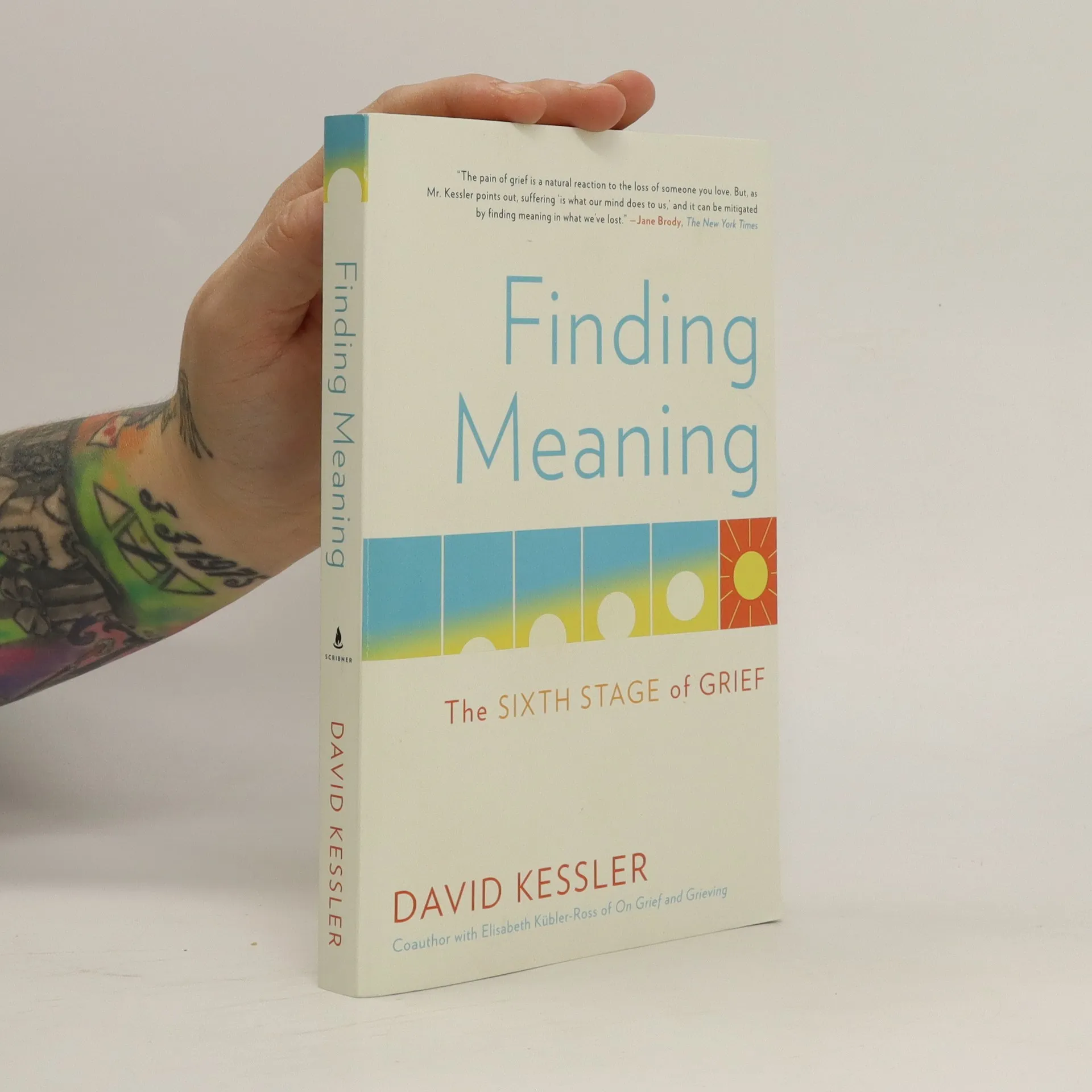
'A brilliant, caring, practical guide to help us understand grief' Daniel J Siegel, M.D.'Finding Meaning is Kessler’s poignant response to society’s insensitivity, [a] how-to in the very best sense' LA TimesDavid Kessler – the world's foremost expert on grief and the coauthor with Elisabeth Kübler-Ross of the iconic On Grief and Grieving – journeys beyond the classic five stages to discover a sixth meaning.David has spent decades teaching about end of life, trauma and grief. And yet his life was upended by the sudden death of his twenty-one-year-old son. How does the grief expert handle such a devastating loss?In Finding Meaning, Kessler shares his hard-earned wisdom and offers a roadmap to remembering those who have died with more love than pain, how to move forward in a way that honours our loved ones and ultimately transform grief into a more peaceful and hopeful experience.An inspiring must-read for anyone struggling to figure out how to live after loss.
Finding the Meaning of Grief Through the Five Stages of Loss
272 páginas
10 horas de lectura
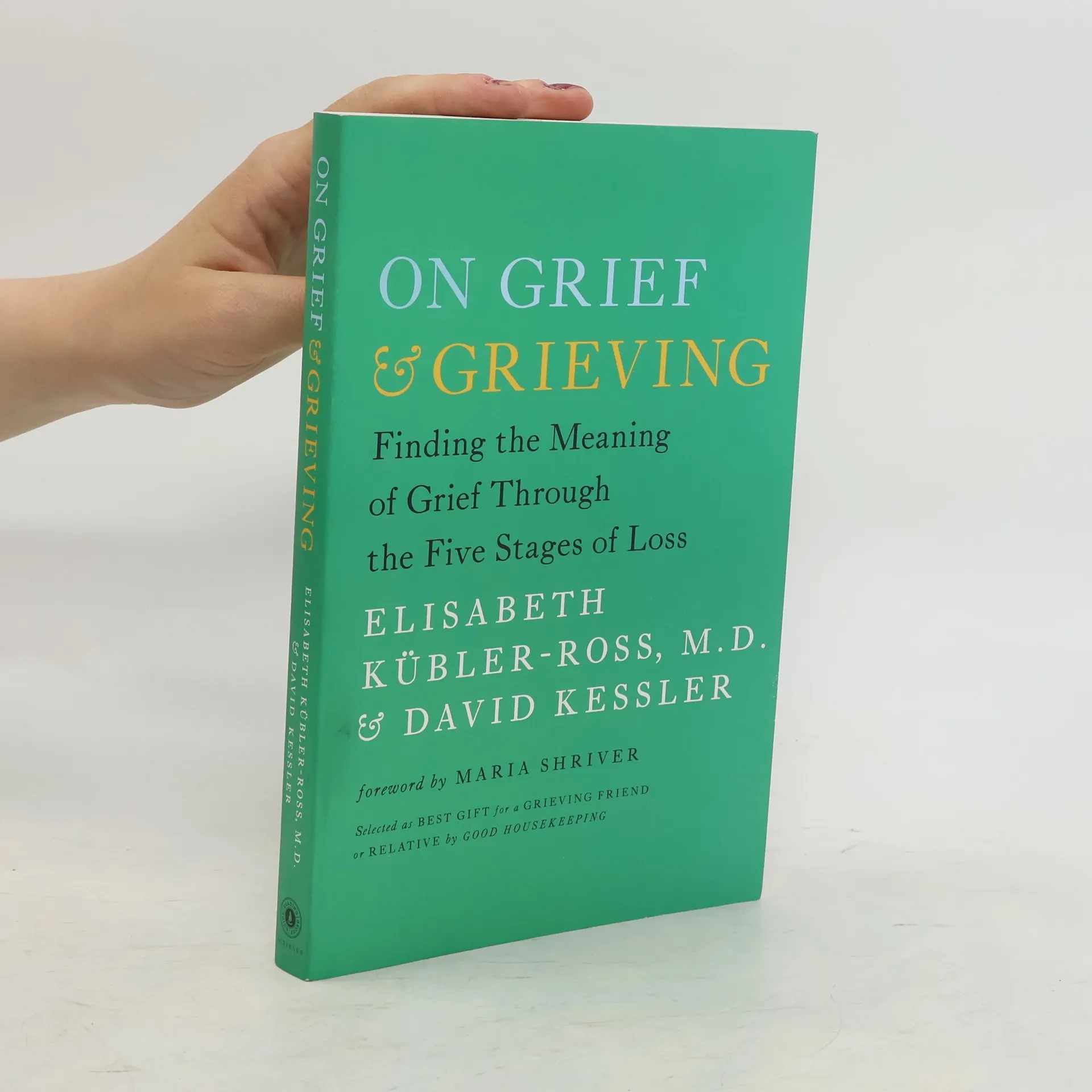
Ten years after the death of Elisabeth K bler-Ross, this commemorative edition of her final book combines practical wisdom, case studies, and the authors' own experiences and spiritual insight to explain how the process of grieving helps us live with loss. Includes a new introduction and resources section. Elisabeth K bler-Ross's On Death and Dying changed the way we talk about the end of life. Before her own death in 2004, she and David Kessler completed On Grief and Grieving, which looks at the way we experience the process of grief. Just as On Death and Dying taught us the five stages of death--denial, anger, bargaining, depression, and acceptance--On Grief and Grieving applies these stages to the grieving process and weaves together theory, inspiration, and practical advice, including sections on sadness, hauntings, dreams, isolation, and healing. This is "a fitting finale and tribute to the acknowledged expert on end-of-life matters" (Good Housekeeping).
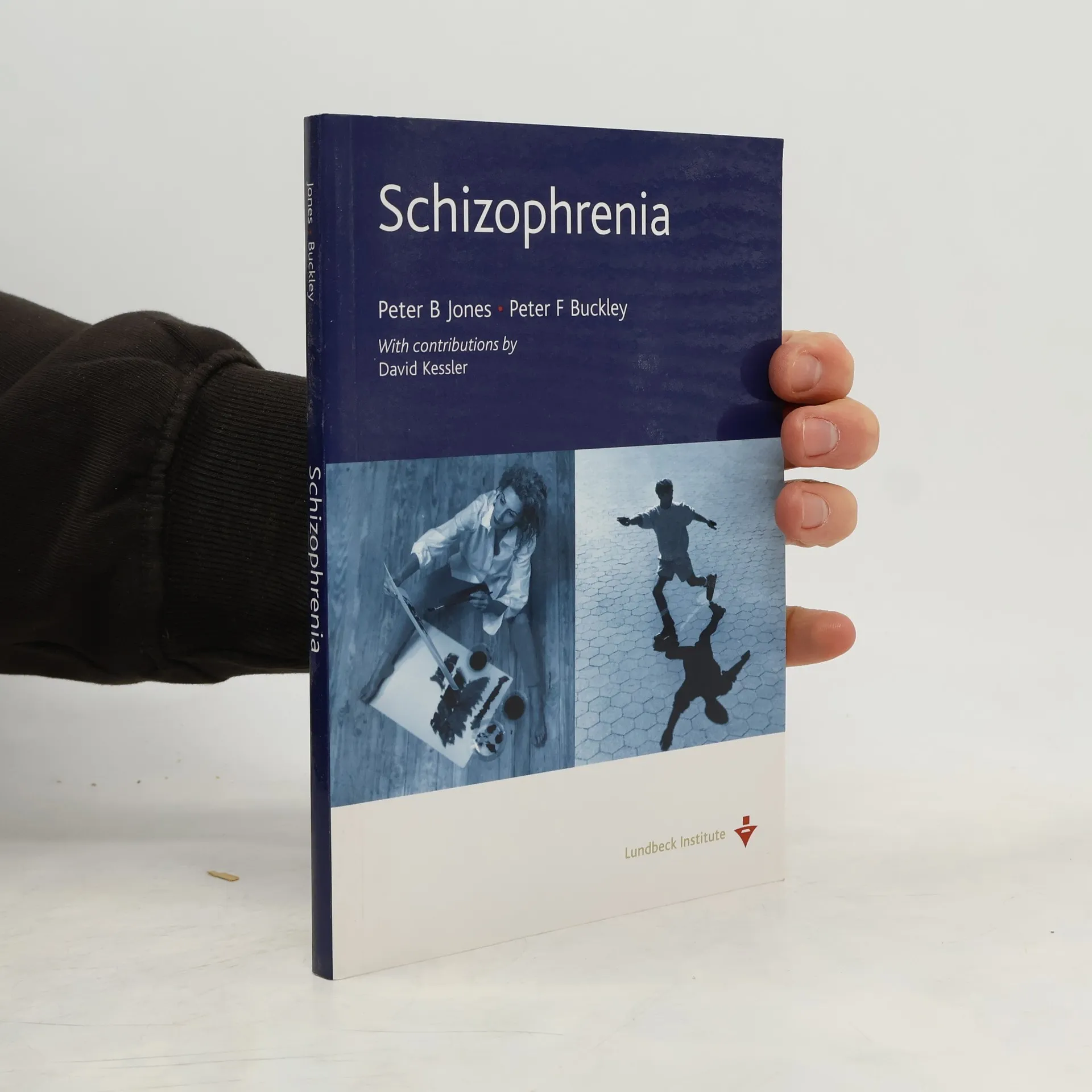
Schizophrenia is a debilitating and serious medical illness that has a profound effect on the patient's life, as well as the lives of their immediate family, friends and carers. This book, jointly written by two experienced researchers and clinicians, aims to bring together all the latest research and current best practice in one easy-reference handbook for the busy clinician. The concise narative with accompanying full-color illustrations help explain more difficult concepts. Case studies enable the reader to explore real-life patients and review their care plans with commentary from the authors. Finally, an excellent reference list allows the interested reader to gather further information on specific topics for themselves. The book is full of new information and clinical pearls, written in a condensed, pocket-book format. Unique design, comprising novel 3D effect artworks 'Pull-out quotes' included in the margin to provide a novel means of highlighting key information Includes management algorithms to provide quick reference treatment pathways Includes Clinical Cases highlighting key issues in the main text Credible evidence-based sources - when possible, evidence base for practice by reference to primary research or international guidelines Bullet lists and short tables for clear presentation of key information Abbreviations lists Website addresses and other useful contact details
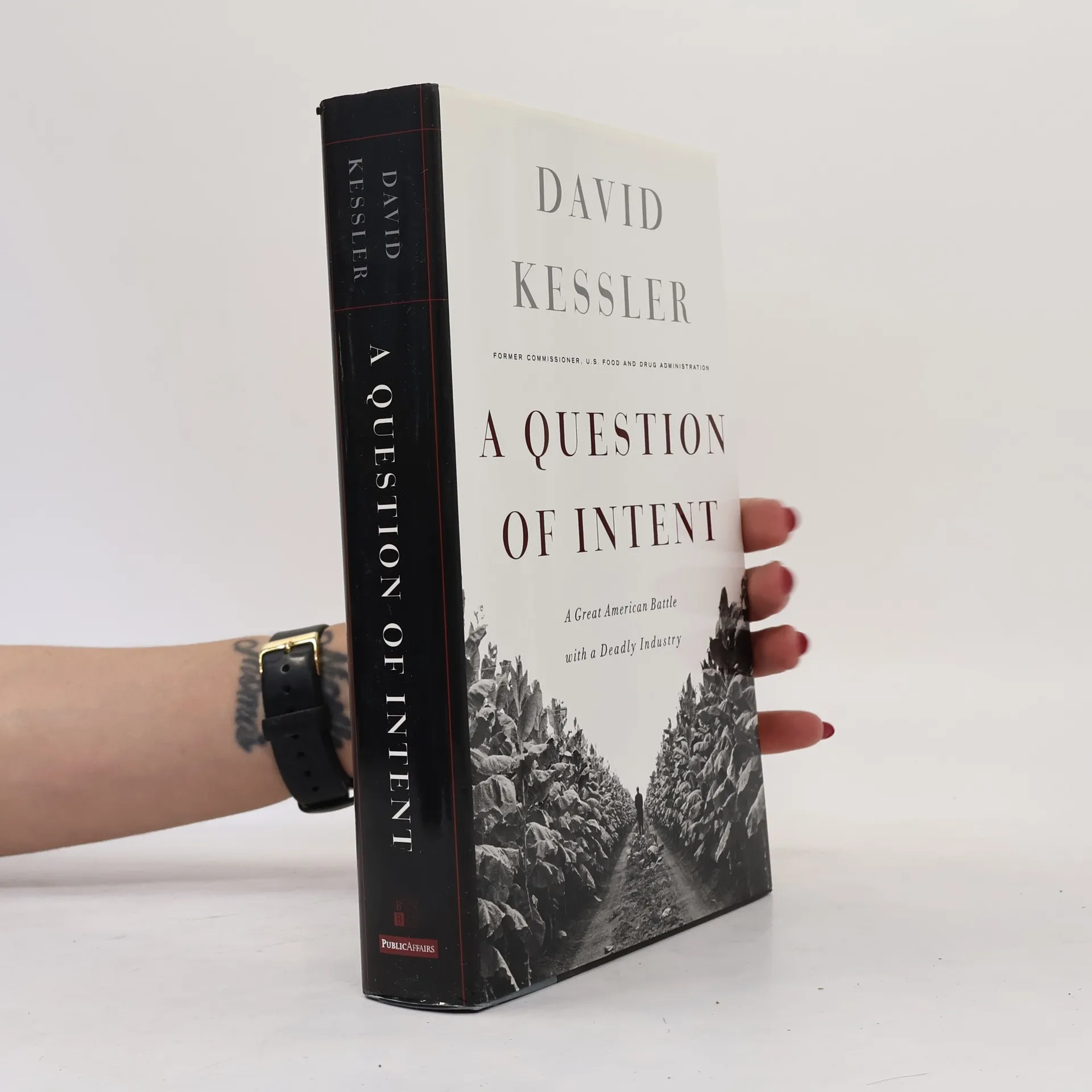
This narrative chronicles the journey of an American bureaucrat who challenged the tobacco industry and contributed to its decline. David Kessler, who led the FDA for seven years under Presidents Bush and Clinton, revitalized a struggling agency that oversaw a significant portion of American consumer spending. Initially hesitant to confront the powerful tobacco industry, Kessler shared the belief that it was too formidable a force in Washington. He recognized that challenging it could divert resources from other consumer benefits. As a controversial figure, especially as one of the few Republican holdovers in the Clinton administration, Kessler's focus ranged from routine FDA business to the pressing issue of cigarette regulation. He gradually realized that tobacco, while legal, posed unique dangers due to its lethal nature. His narrative illustrates his evolution from naiveté to expertise in navigating Washington's power dynamics. While claiming victory over Big Tobacco may be an exaggeration, Kessler and his team played a crucial role in compelling the industry to acknowledge the addictive nature of nicotine and the cancer risks associated with smoking. Kessler advocates for stringent regulations to dismantle the current tobacco industry structure, viewing it as essential to ending the tobacco epidemic. The book unfolds like a compelling detective story, appealing to those interested in public policy.
El gran cl&ásico de Louis L. Hay, un bests&éller que inici&ó el movimiento de crecimiento personal en todo el mundo y que hoy d&ía se sigue editando en m&ás de treinta pa&íses. El planteamiento del libro es muy sencillo: todos tenemos el poder de transformar nuestra vida porque los pensamientos conforman la realidad de cada cual. A partir de esta idea, la autora propone un m&étodo de autotransformaci&ón que ense&ña no s&ólo a crear paz y armon&ía tanto interior como exterior sino a descubrir el significado de la aut&éntica autoestima. Usted puede sanar su vida no ha perdido vigencia con el paso de los a&ños; al contrario, las m&ás modernas teor&ías cient&íficas corroboran sus planteamientos. Muchos autores han recuperado las ideas de Hay con posterioridad pero ninguno ha sabido exponerlos con tanta sencillez y acierto. Hoy, Ediciones Urano vuelve pone al alcance de los lectores la nueva edici&ón de un cl&ásico para leer y releer.
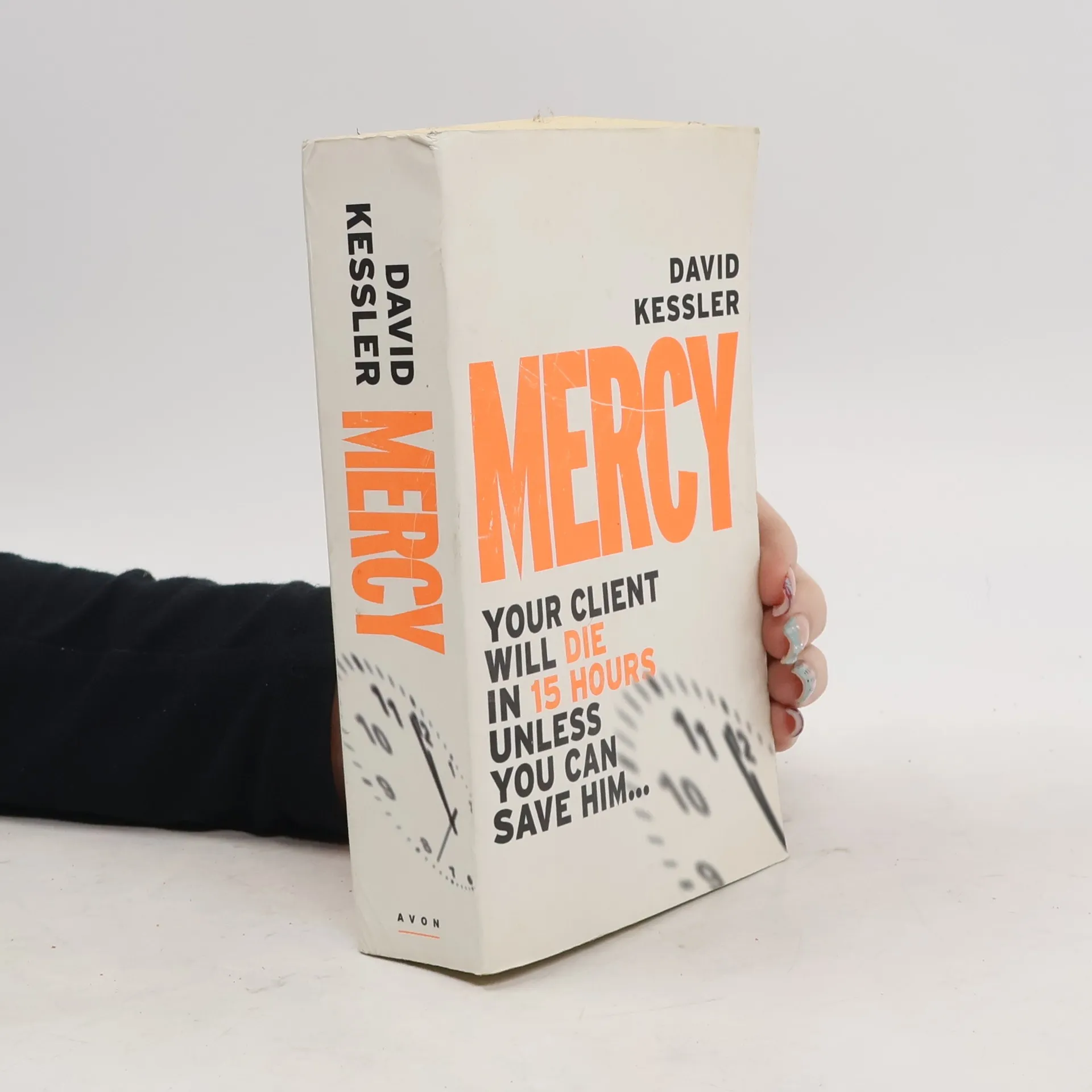
It's hard to sit still when your client is scheduled to die in a matter of hours. As he makes a plea for mercy, lawyer Alex Sedaka is resigned to the fact that Clayton Burrows will be executed. Charged with the rape and brutal murder of 18-year-old classmate Dorothy Olsen, the case seems cut and dry. Or is it?
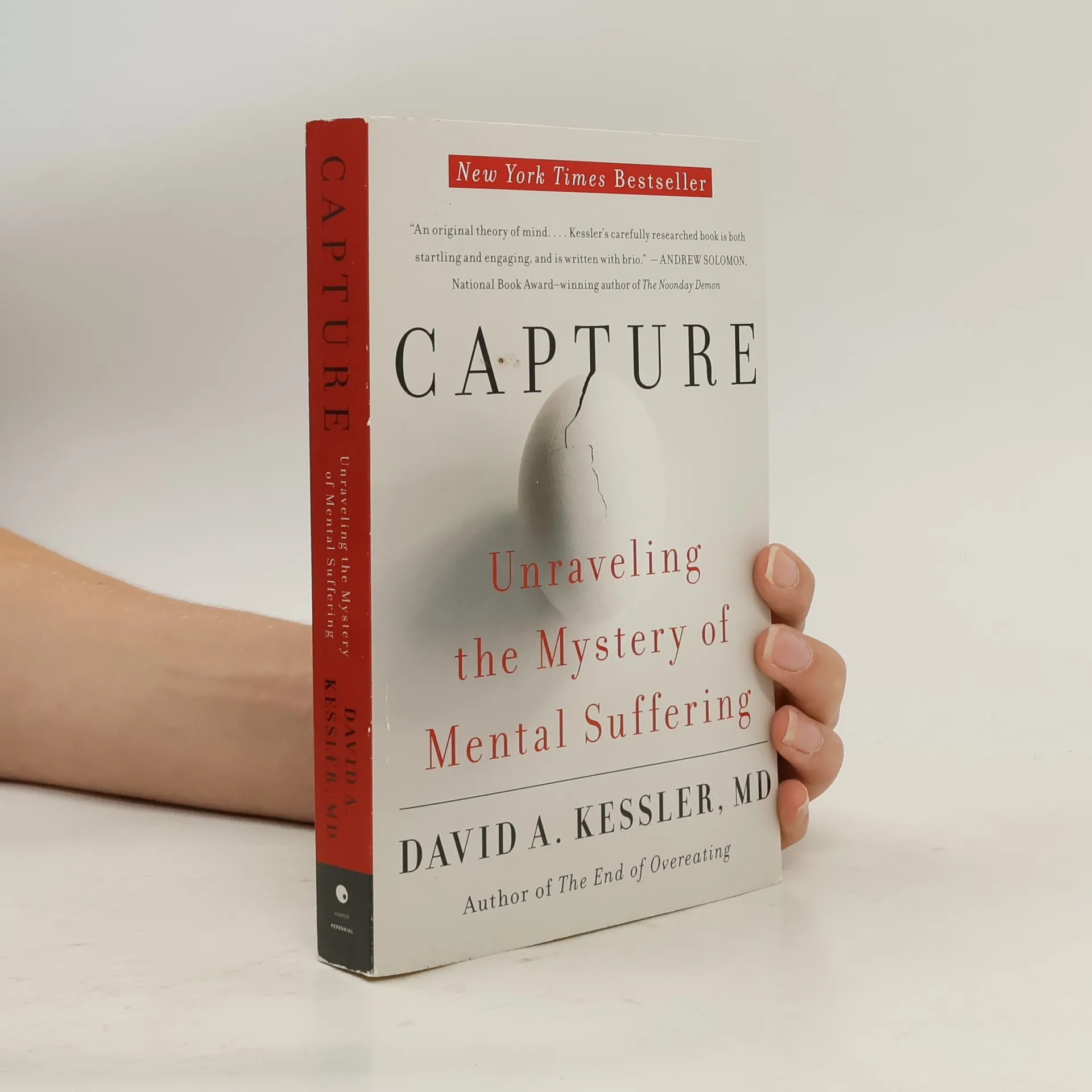
Why do we think, feel, and act in ways we wish we didn't? Dr. David A. Kessler has explored this question through his research on tobacco, food, and drugs, uncovering a common mechanism behind various forms of human suffering: capture. This phenomenon refers to how our attention is hijacked and our brains controlled by external forces. Dr. Kessler delves into profound questions about the origins of mental afflictions, from everyday unhappiness to addiction and depression, and their interconnections. He examines where healing and transcendence fit within our emotional experiences. Drawing from psychology, medicine, neuroscience, literature, philosophy, and theology, he deconstructs centuries of thought, highlighting capture's central role in mental illness and challenging traditional labels that obscure our understanding. By providing a new perspective on capture, he shares emotionally resonant stories of individuals affected by it. Understanding capture's nature, Kessler argues, enhances our ability to alleviate its negative impacts and change our thoughts and behaviors. Ultimately, this exploration sheds light on how we form thoughts and emotions, manage trauma, and heal, offering insights into both mental illness and our everyday anxieties.
When TV talkshow host Elias Claymore is accused of raping a 19-year-old girl he turns to his friend Alex Sadaka to defend him. But Alex has a fight on his hands, for Claymore – a former Black Power activist – is anything but squeaky clean and this time even the DNA evidence is stacked against him. Forced to share the defence with a lawyer from Claymore’s insurance firm, Alex must battle his way through jury tampering, conflicts of interest and vicious hate mail to uncover the truth. With Claymore a vulnerable target in prison and the prosecution scenting blood, Alex knows that time is running out. Could it be that this time there is No Way Out?
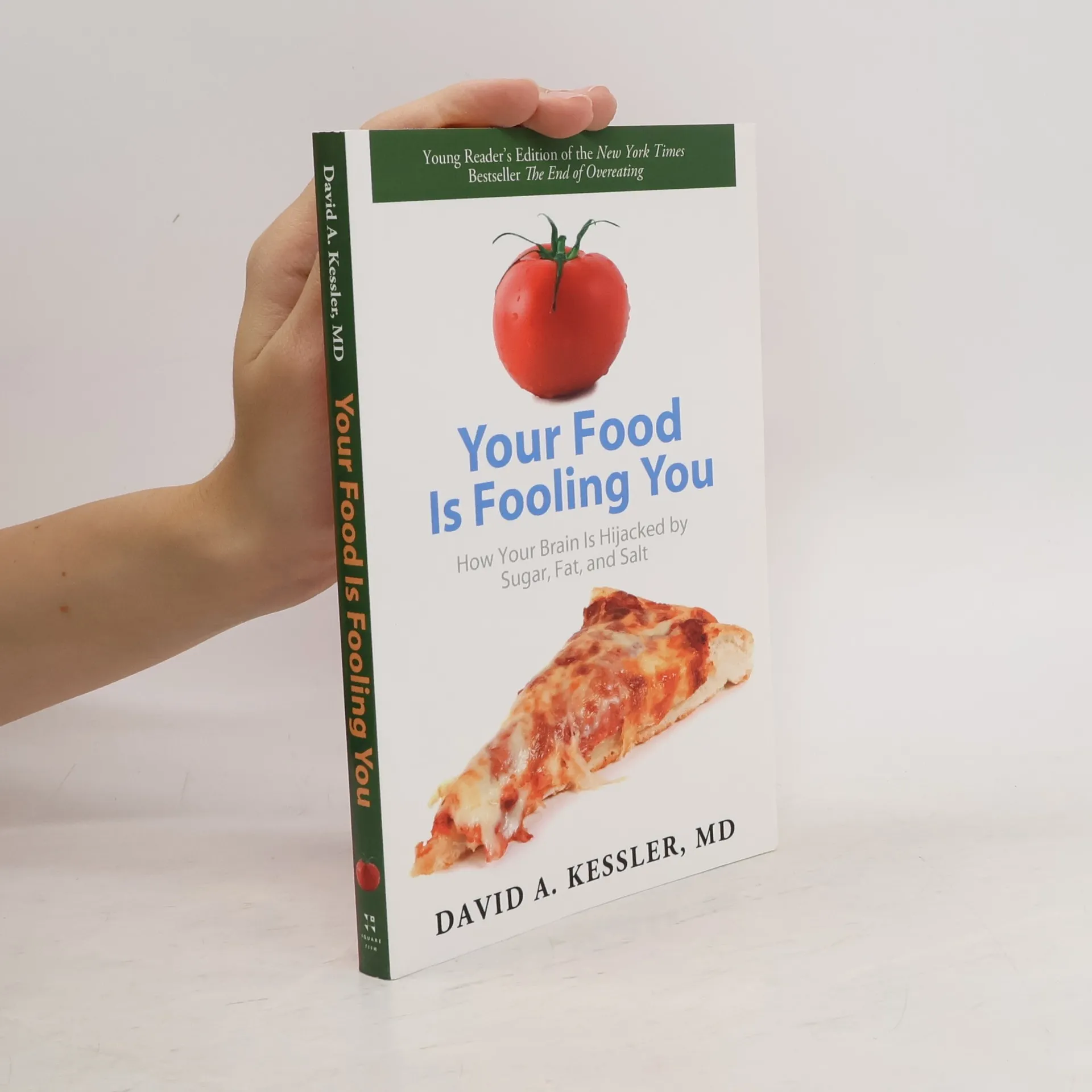
Targeting a younger audience, this teen edition explores the psychology behind overeating and the impact of food marketing on eating habits. It provides relatable insights into the challenges teens face regarding food choices, body image, and health. With practical advice and strategies, the book empowers readers to make informed decisions about their diets, fostering a healthier relationship with food. Engaging and informative, it encourages teens to take control of their eating habits and promotes overall well-being.
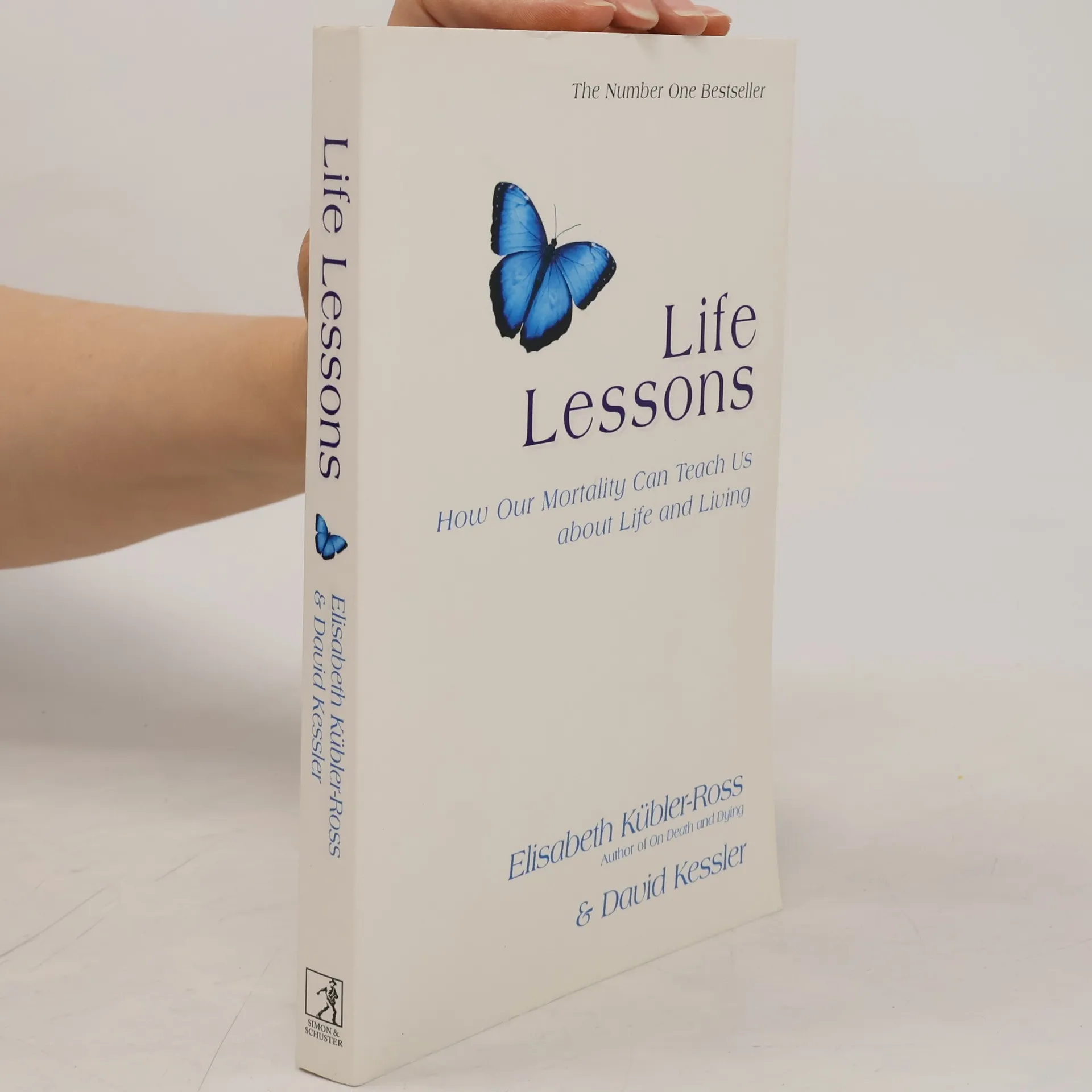
V této knize, která pojednává výhradně o životě a jeho prožívání, spojila Elisabeth Kübler Rossová síly s Davidem Kesslerem – společně nás provázejí řadou praktických i duchovních „životních lekcí“, které musíme zvládnout, abychom dokázali naplno a beze zbytku prožívat každý okamžik svého života. Za léta své práce s umírajícími autoři zjistili, že určité lekce a zkoušky se v lidských životech opakují stále znovu. Často bývá velmi obtížné úspěšně jimi projít – ale dokonce i jen snaha o to, abychom jim porozuměli, pro nás může být velkým přínosem a obohacením. Autoři této knihy ve čtrnácti srozumitelných kapitolách odhalují pravdu o našich obavách, nadějích, vztazích, ale především o velikosti a vznešenosti naší existence.
David möchte unbedingt Vater werden, unabhängig von einer Partnerin, und bald. Was in Deutschland undenkbar ist, wird in den USA Realität: David stellt sich bei der staatlichen Vermittlungsagentur vor - und wird akzeptiert. Er durchläuft die verschlungenen Wege der Bürokratie, stolpert über sinnlose Vorschriften und unsensibel arrangierte Treffen, zweifelt zahllose Male an seinem Entschluss. Doch dann trifft er Wyatt und River, vier und fünf Jahre alt. Es ist Liebe auf den ersten Blick zwischen David und den Geschwistern. Die Brüder, schwer traumatisiert durch ihre frühkindlichen Erfahrungen, stellen Davids Zuversicht in der nun folgenden Zeit oftmals auf die Probe. Aber es ist doch immer klar: ihre Liebe reicht bis zum Himmel und zurück ...
Ein Blick in die geheimen Labore der Nahrungsmittelindustrie
Chips, Hamburger, Pizza und Schokolade haben das gleiche Suchtpotenzial wie Kokain, dennoch kann man sie in jedem Supermarkt kaufen. Dr. David Kessler spricht mit Insidern aus der Nahrungsmittelindustrie und deckt deren skrupellose Methoden auf. Er kommt dem unkontrollierten Essverhalten auf die Spur, erklärt, warum es so schwierig ist, den fett- und zuckerhaltigen Verführungen zu widerstehen und entwickelt eine Methode, die uns die Kontrolle über unsere Essweise wiedergibt.
Fallgeschichten zu übersinnlichen Phänomenen beim Sterben Beim Sterbevorgang ereignen sich oft außerordentliche Phänomene. So erzählen Sterbende, dass sie Verwandte sehen, die bereits seit langem tot sind. Oder sie berichten aufgeregt davon, dass sie sich auf eine Reise zu neuen Zielen begeben. Oder der Sterbende nimmt plötzlich überfüllte Räume wahr, mit Menschen, die in seinem Leben eine Rolle spielten. Kessler schlägt mit seinen Fallgeschichten eine bislang unbekannte Seite der Sterbeforschung auf.