

Alex Kozulin, translator of Vygotsky's work and distinguished Russian-American psychologist, has written the first major intellectual biography about Vygotsky's theories and their relationship to twentieth-century Russian and Western intellectual culture. He traces Vygotsky's ideas to their origins in his early essays on literary criticism, Jewish culture, and the psychology of art, and he explicates brilliantly his psychological theory of language, thought, and development. Kozulin's biography of Vygotsky also reflects many of the conflicts of twentieth-century psychology--from the early battles between introspectionists and reflexologists to the current argument concerning the cultural and social, rather than natural, construction of the human mind. Vygotsky was a contemporary of Freud and Piaget, and his tragically early death and the Stalinist suppression of his work ensured that his ideas did not have an immediate effect on Western psychology. But the last two decades have seen his psychology become highly influential while that of other theoretical giants has faded.
Alex Kozulin Orden de los libros (cronológico)
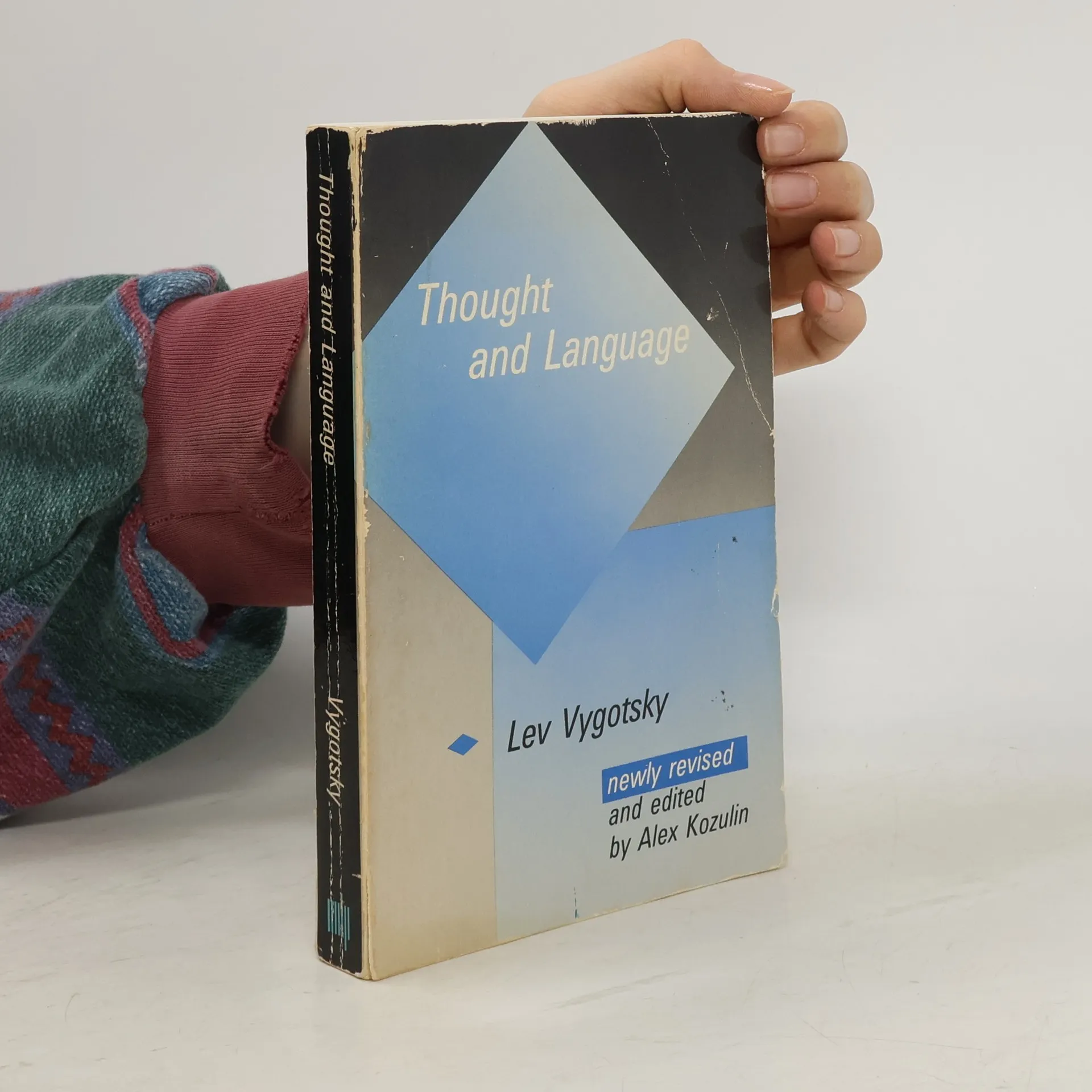

Thought and Language: Newly Revised and Edited by Alex Kozulin
- 287 páginas
- 11 horas de lectura
Since it was introduced to the English-speaking world in 1962, Lev Vygotsky's highly original exploration of human mental development has become recognized as a classic foundational work of cognitive science. Vygotsky analyzes the relationship between words and consciousness, arguing that speech is social in its origins and that only as children develop does it become internalized verbal thought. Now Alex Kozulin has created a new edition of the original MIT Press translation by Eugenia Hanfmann and Gertrude Vakar that restores the work's complete text and adds materials that will help readers better understand Vygotsky's meaning and intentions. Kozulin has also contributed an introductory essay that offers new insight into the author's life, intellectual milieu, and research methods.