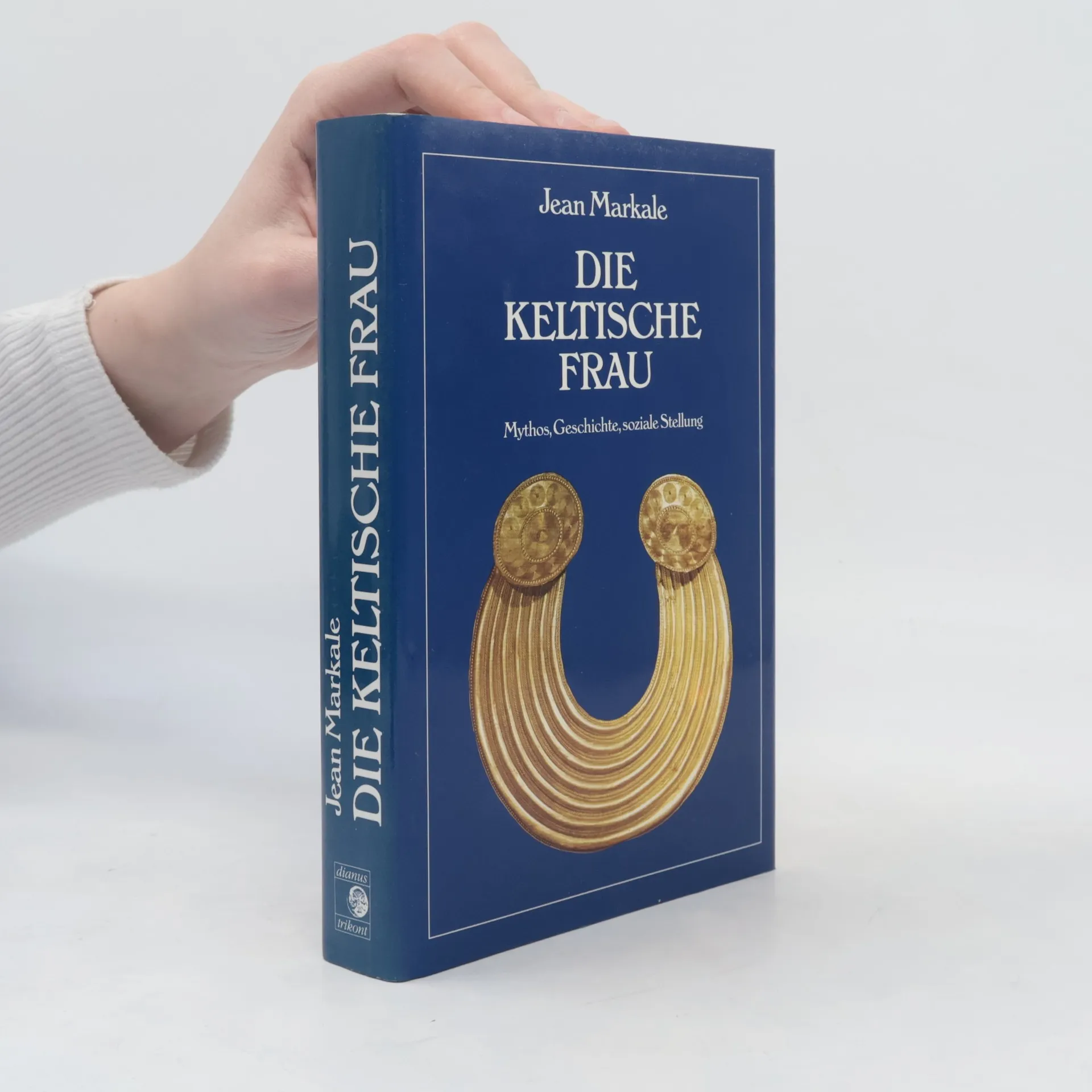
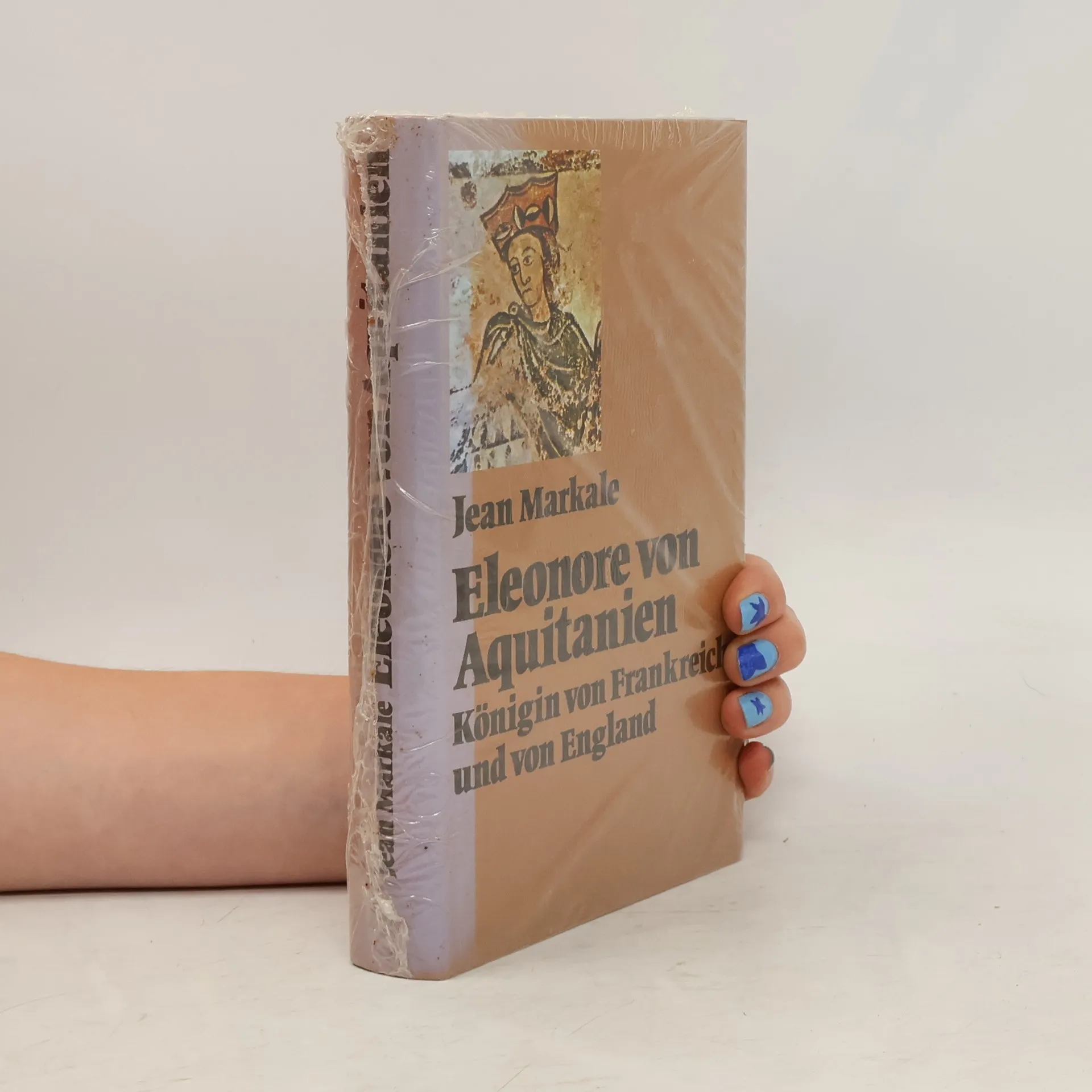
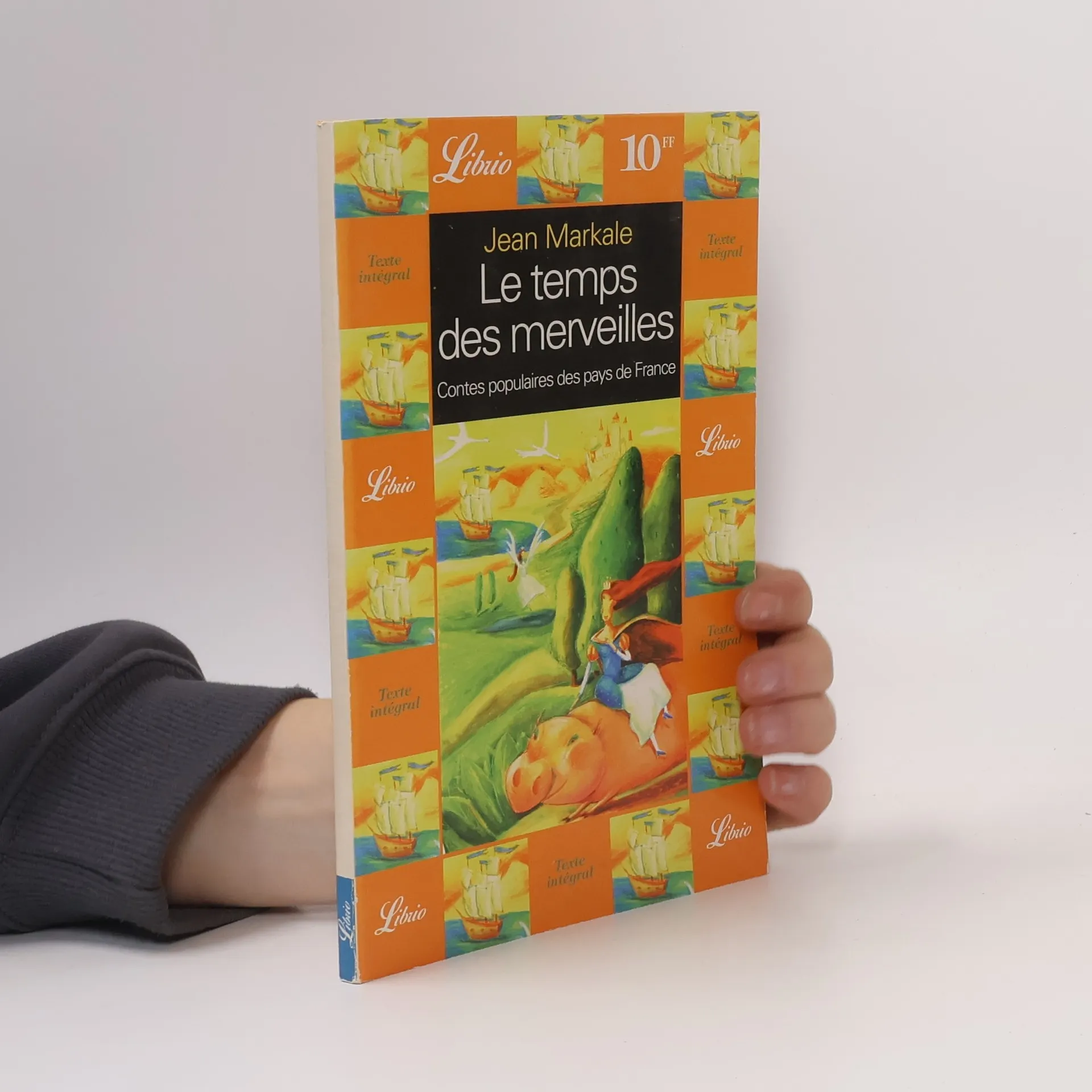
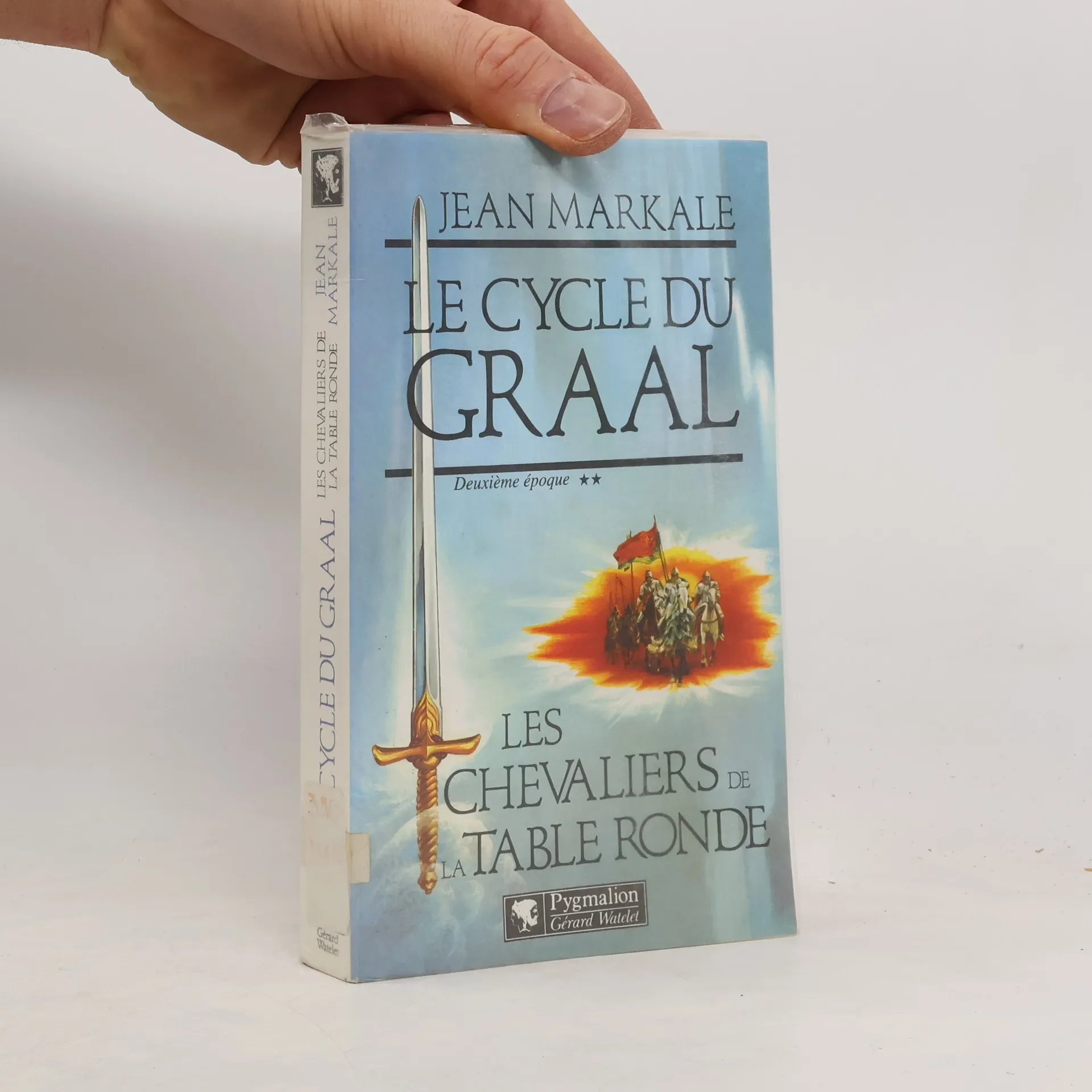
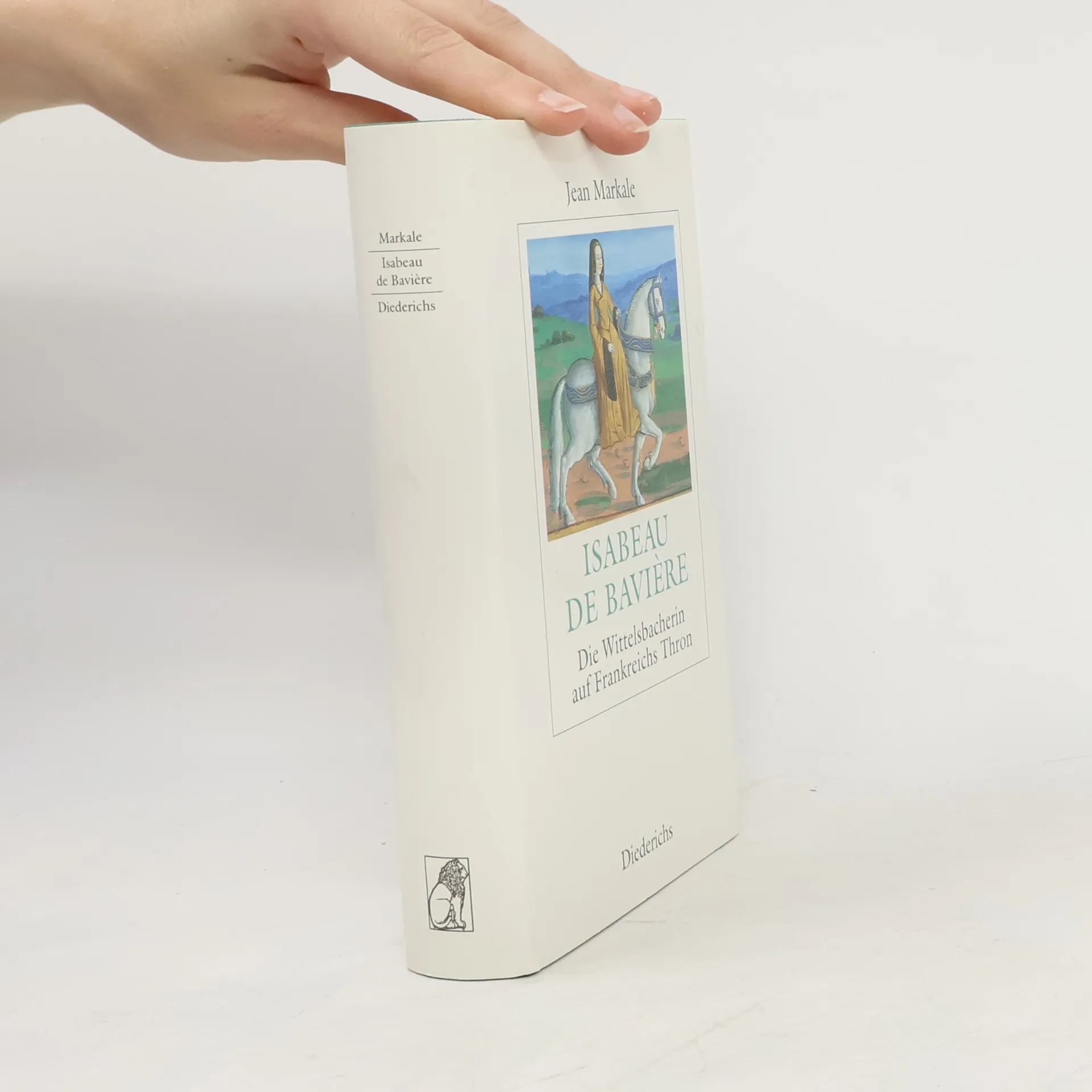
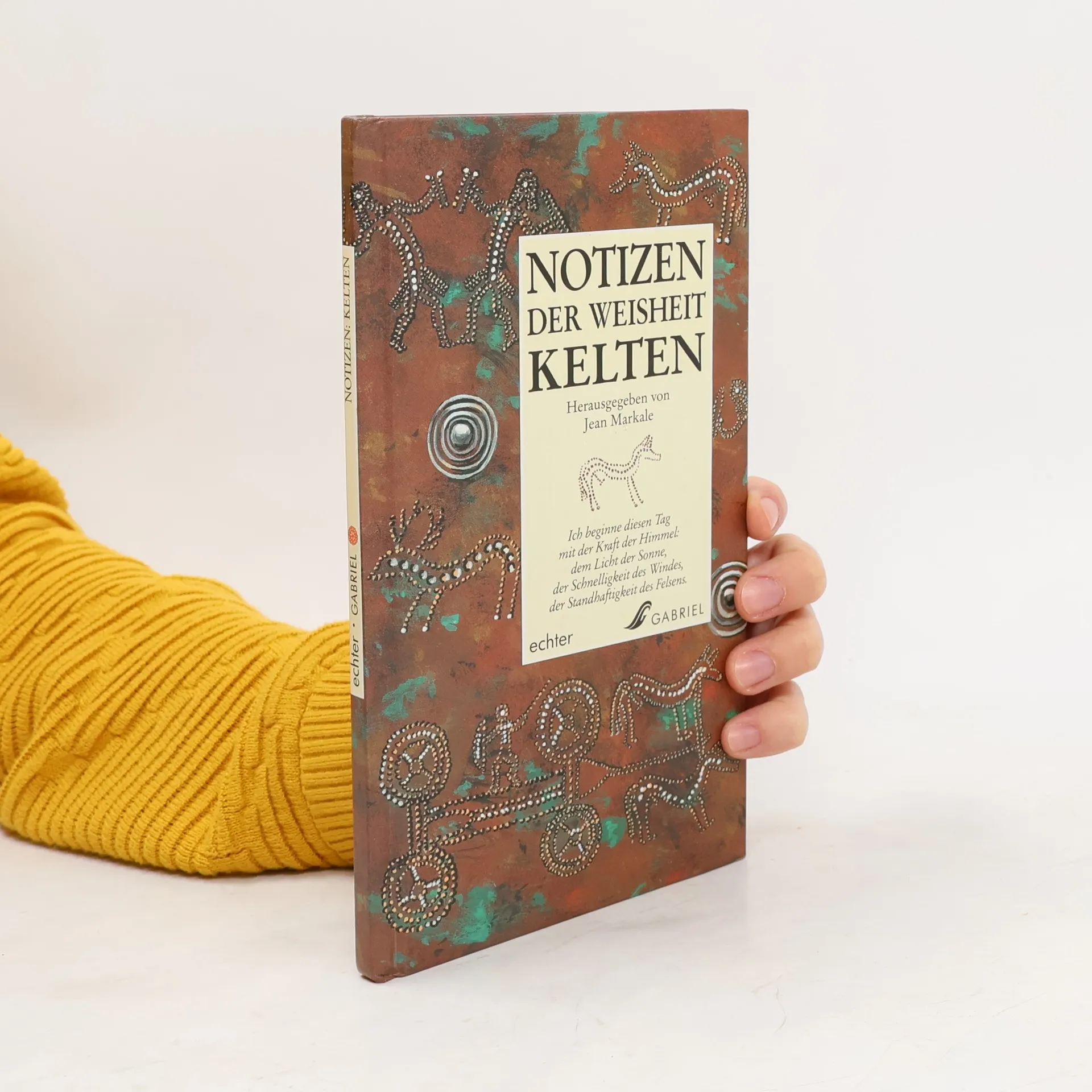
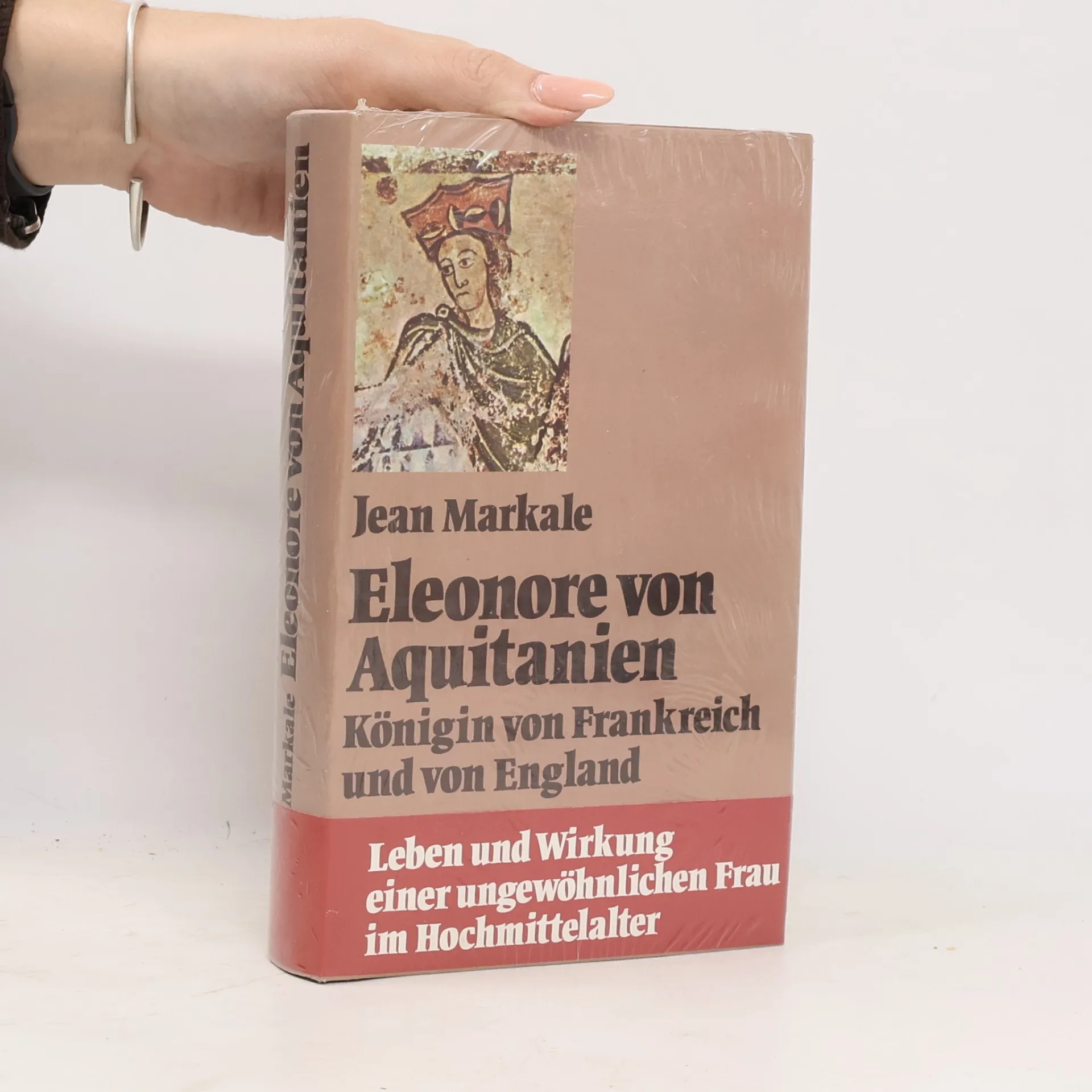
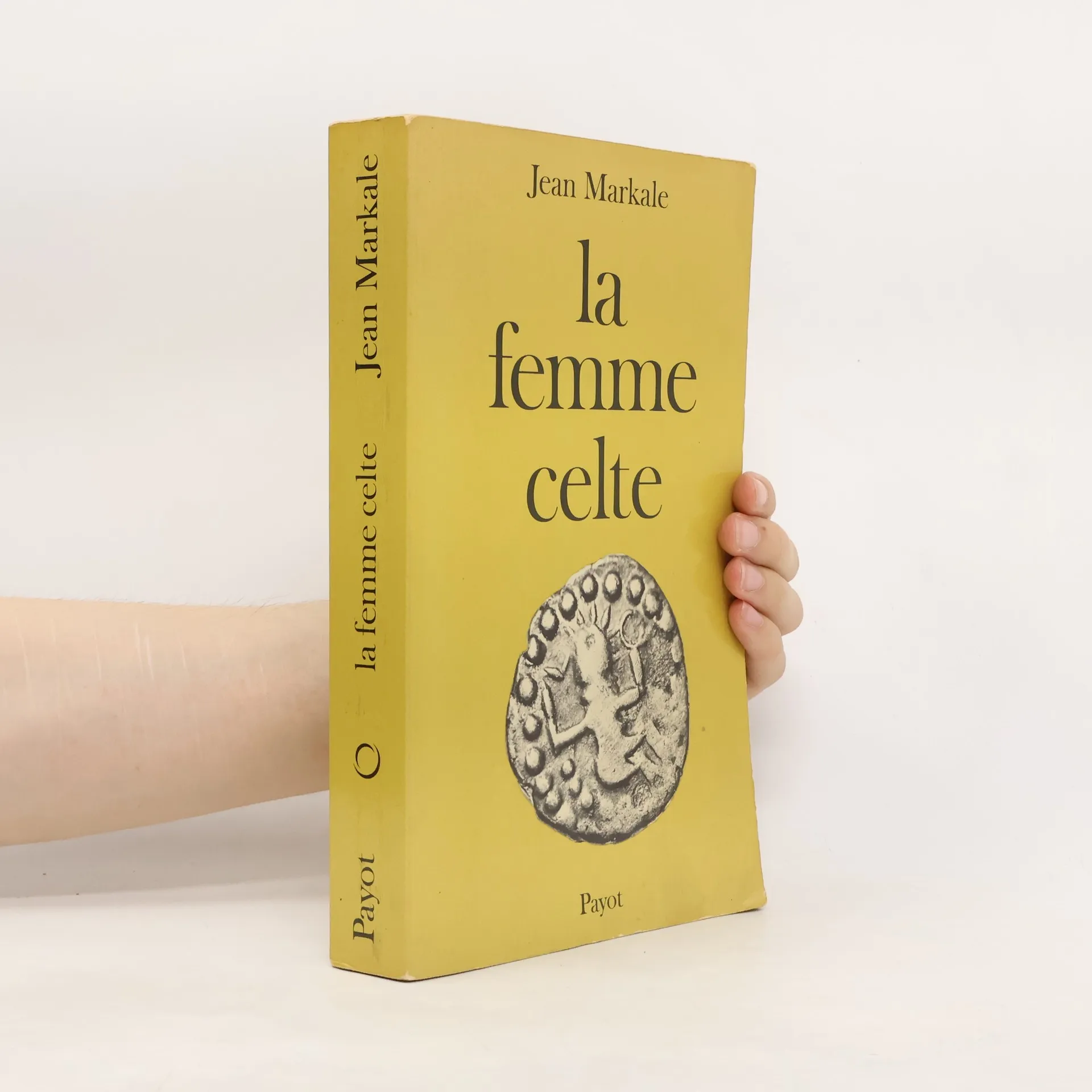
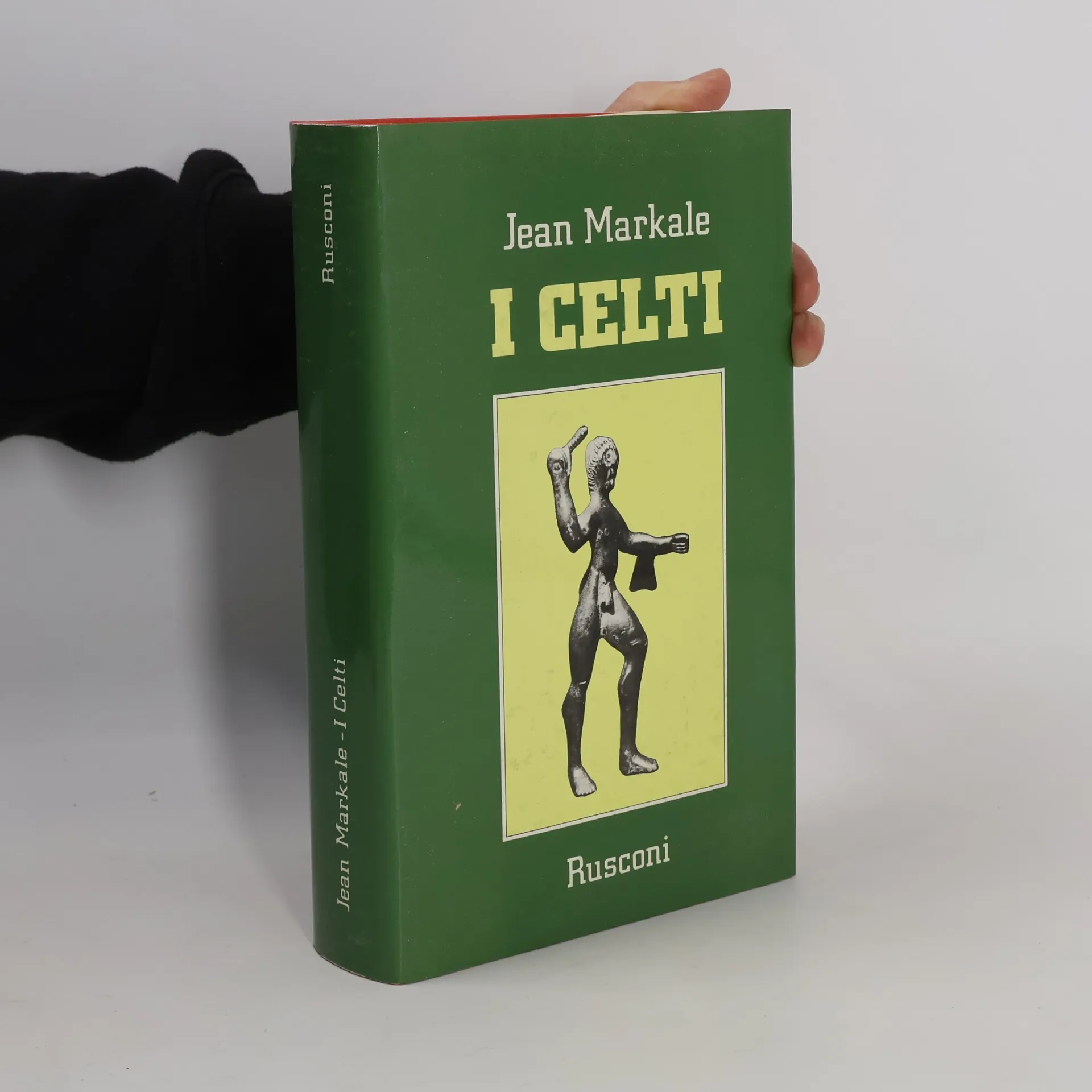
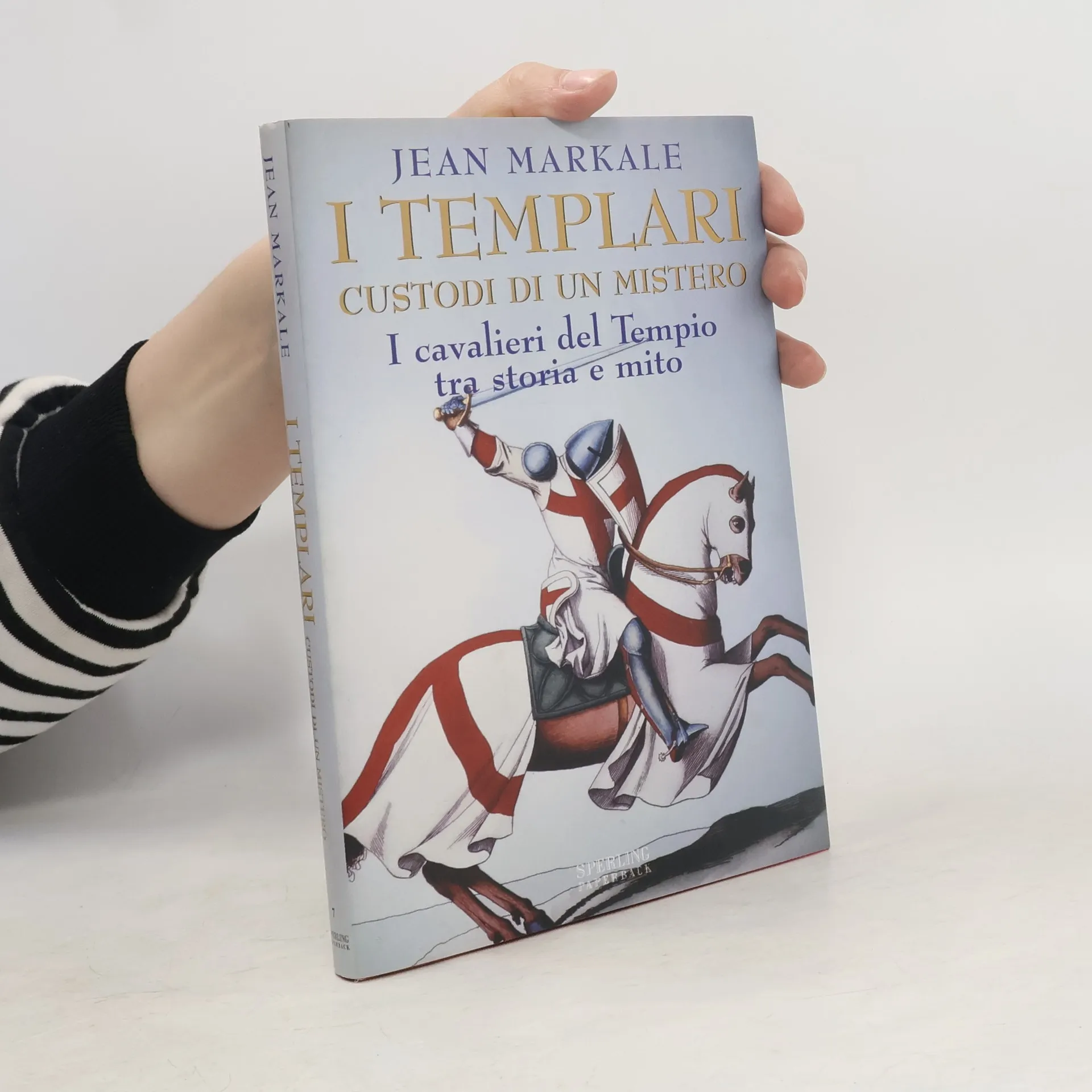
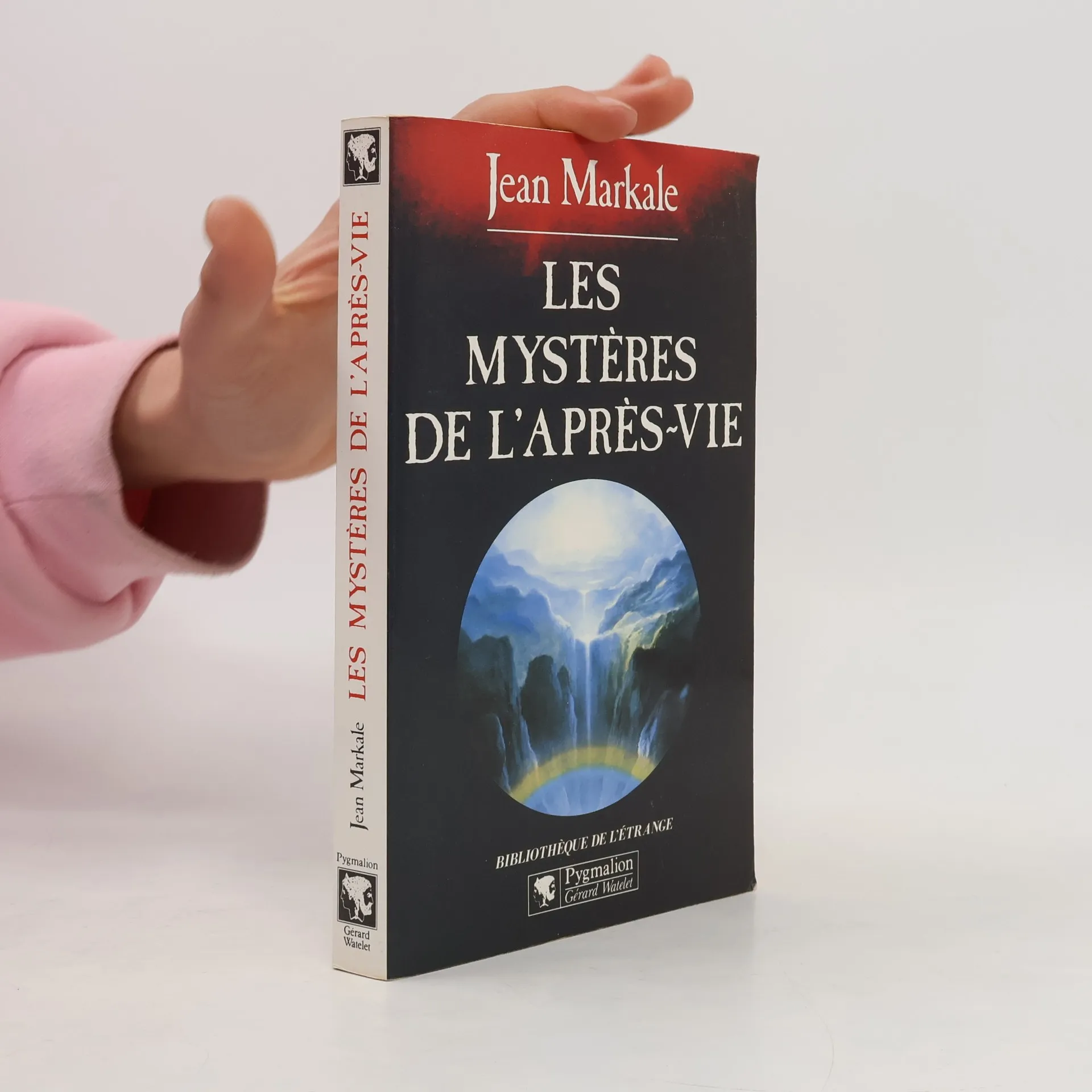
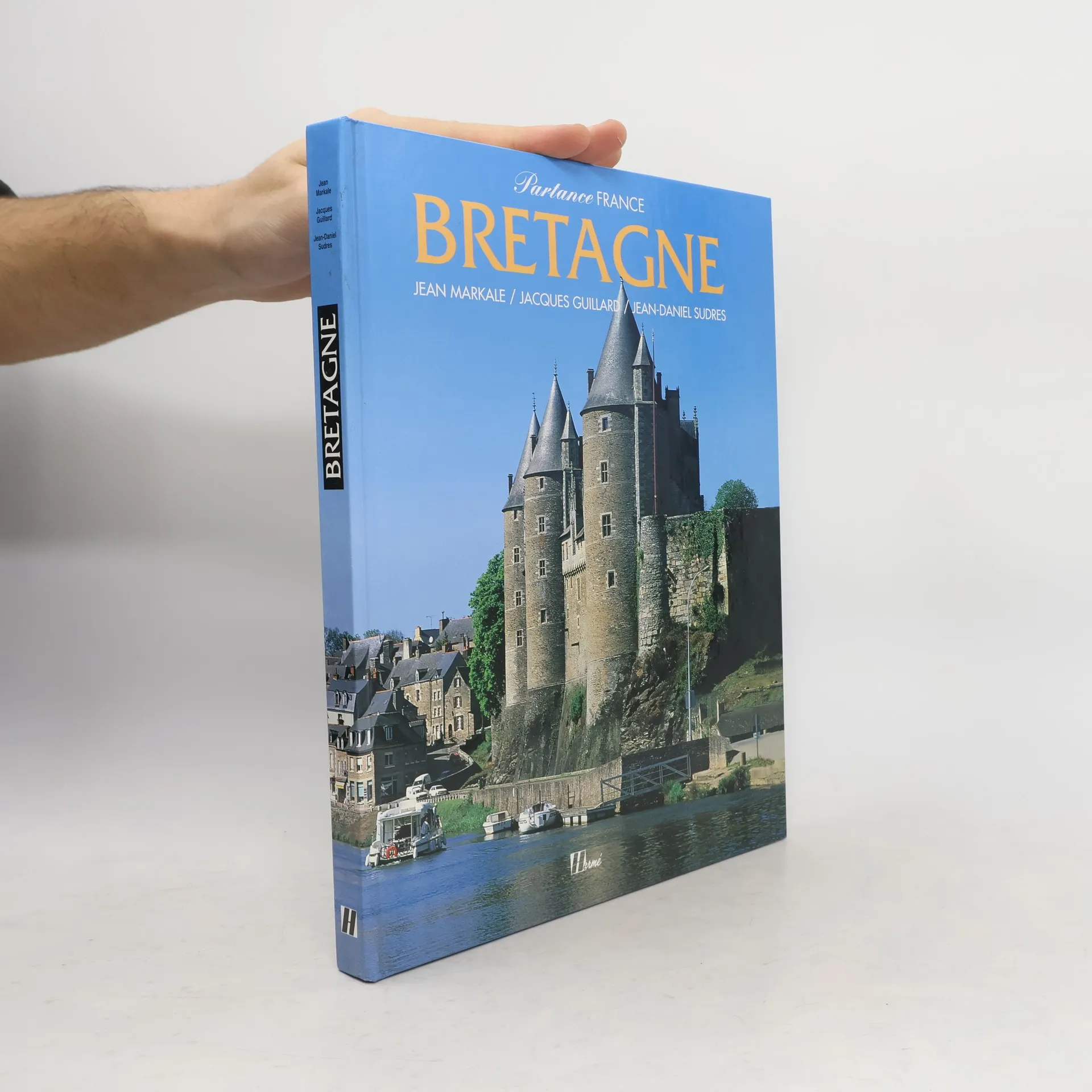
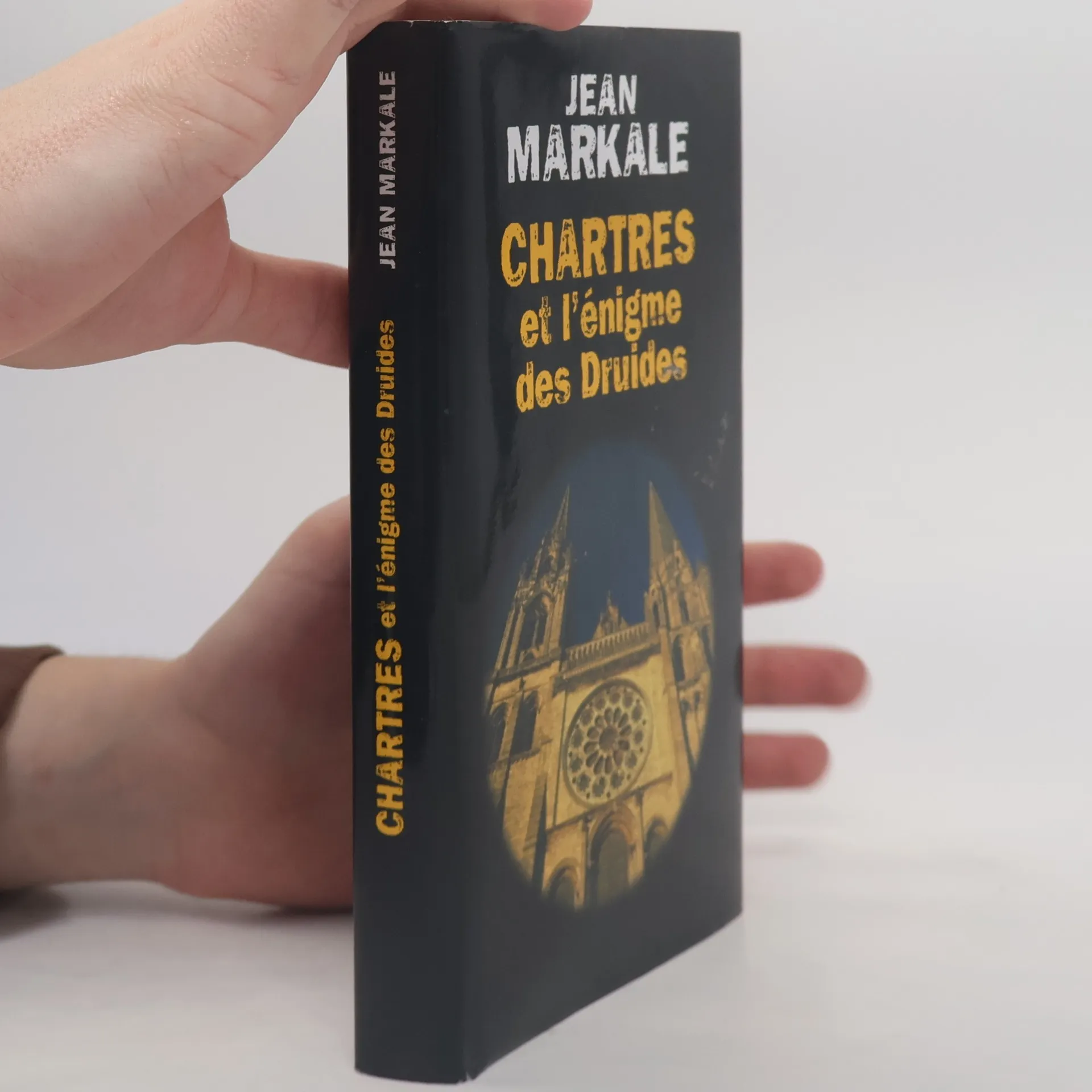
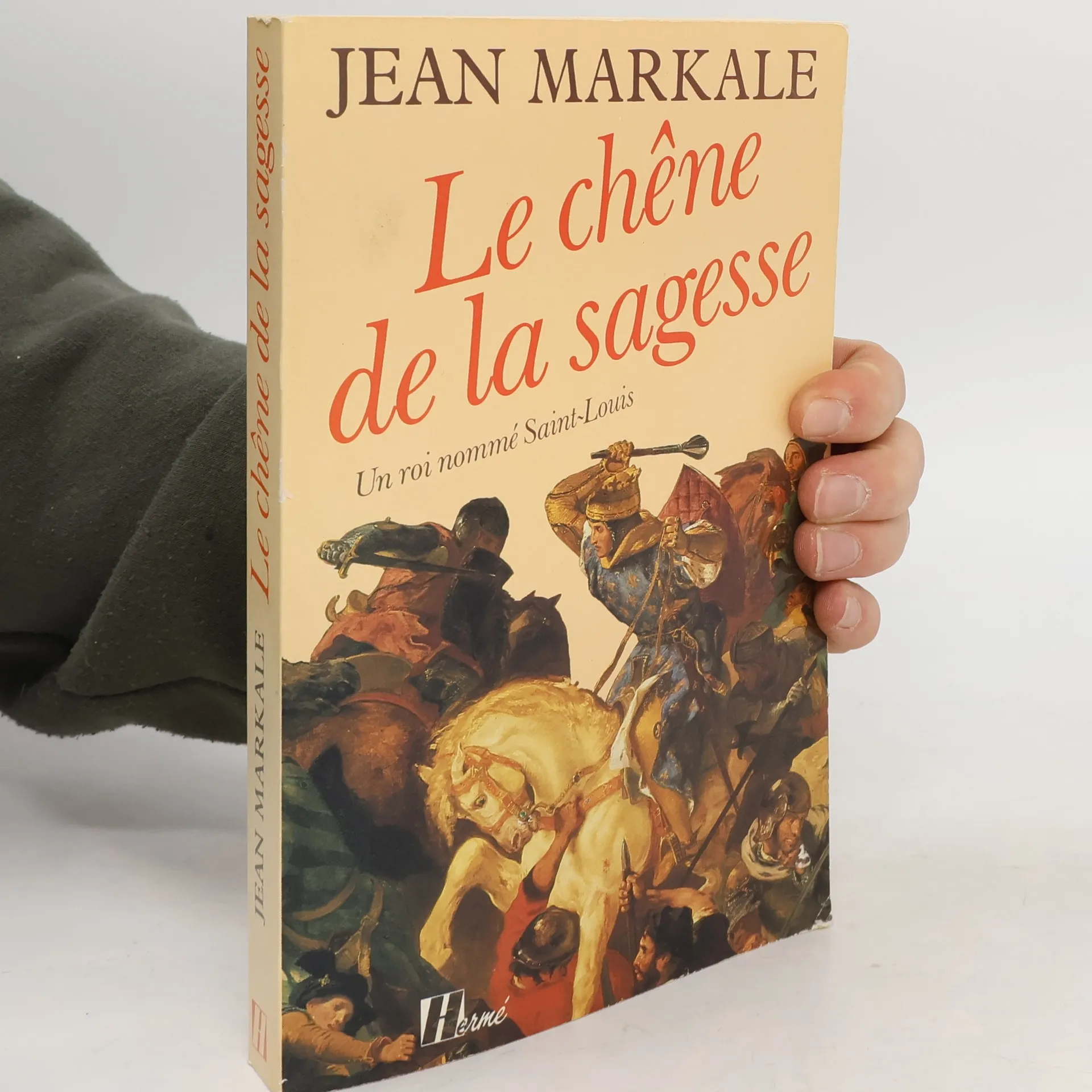
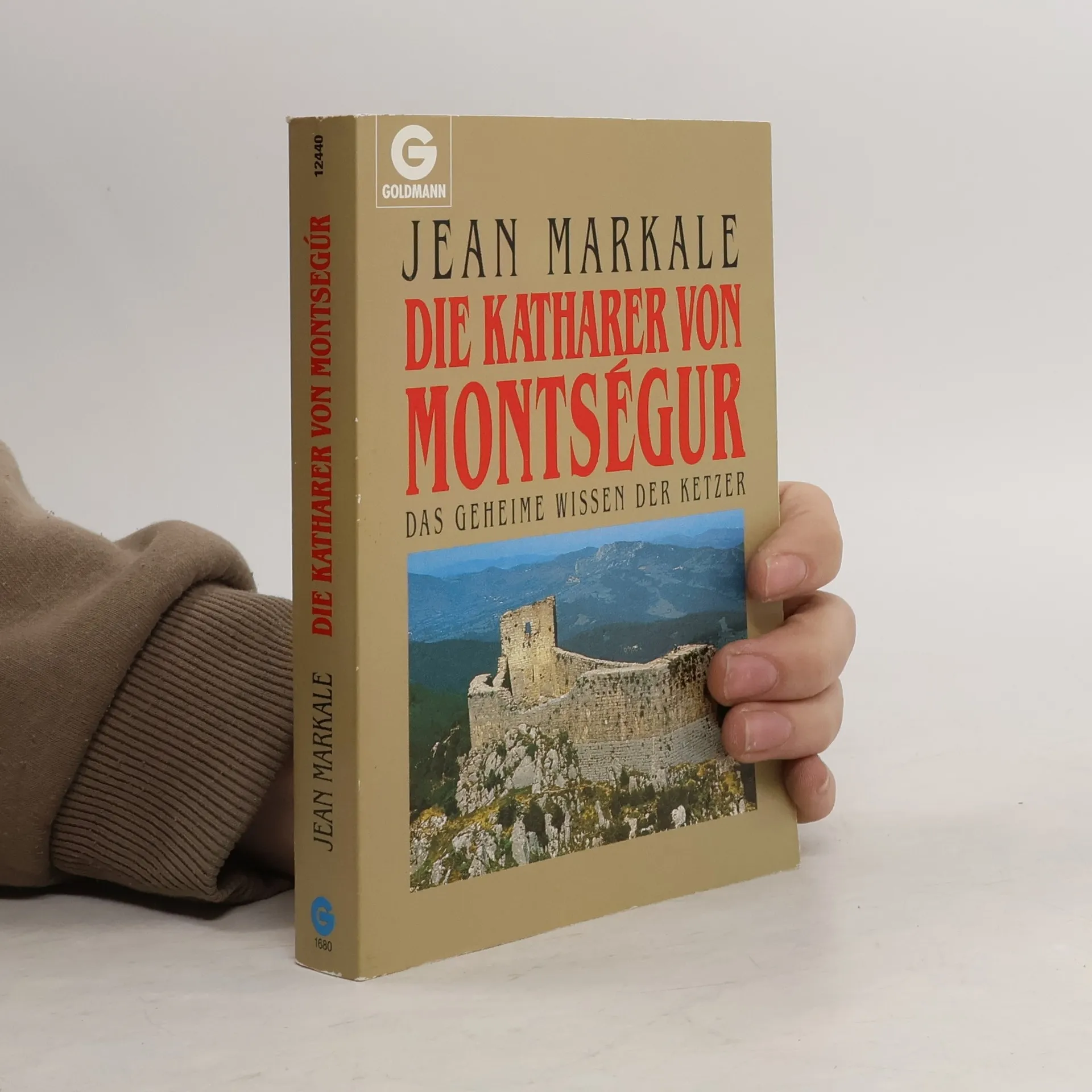
Jean Markale, seudónimo de Jean Bertrand, se sumerge profundamente en la civilización celta y el ciclo artúrico. Sus escritos exploran particularmente el papel de la mujer en el antiguo mundo celta y los misterios del Grial. El extenso trabajo de Markale abarca una diversa gama de temas, desde resúmenes míticos y conexiones ocultas como los Templarios y los Cátaros hasta misterios como Rennes-le-Château y civilizaciones antiguas. Si bien es elogiado por su amplia lectura, sus interpretaciones creativas y sus especulativas audacias argumentales a menudo generan controversia entre los académicos más convencionales.
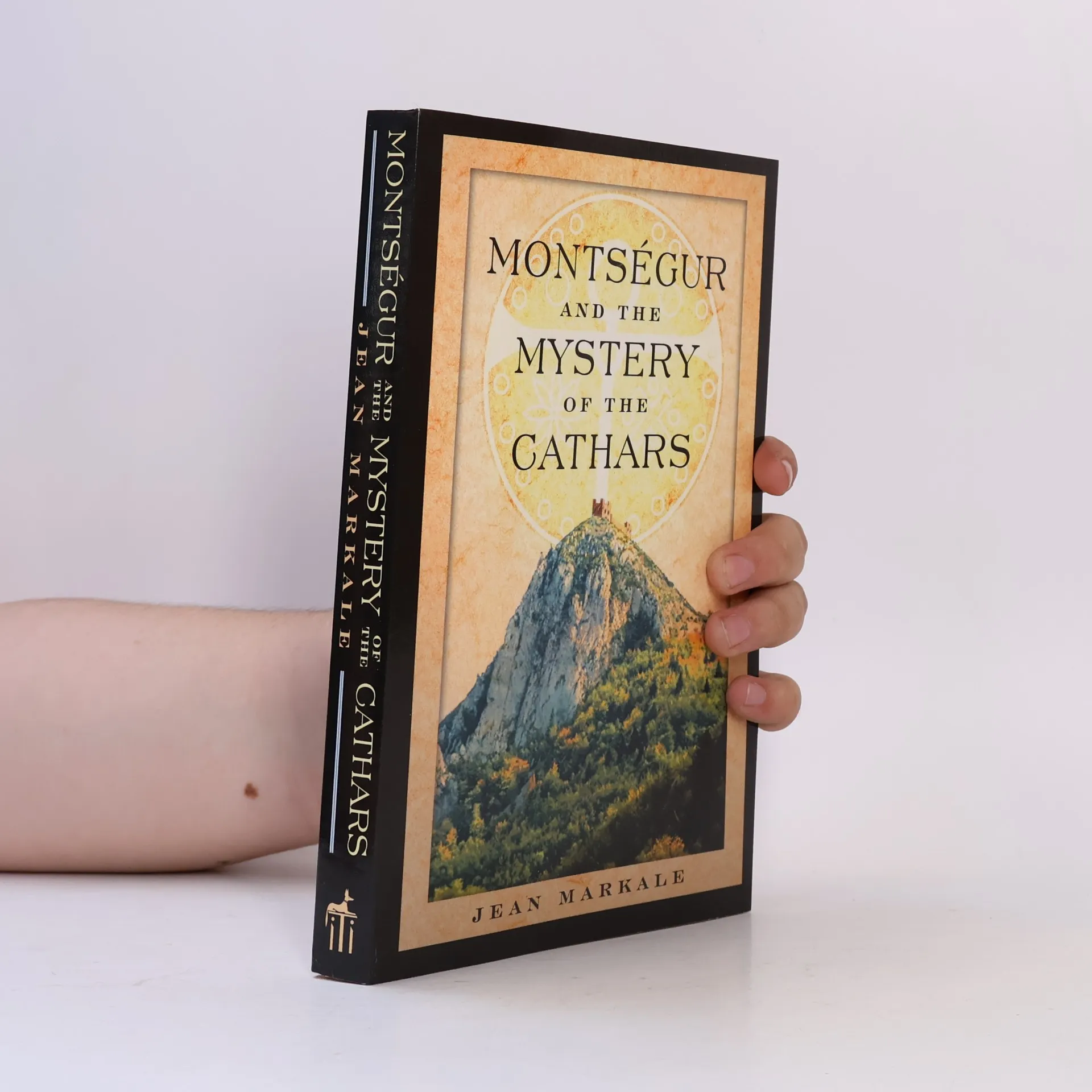
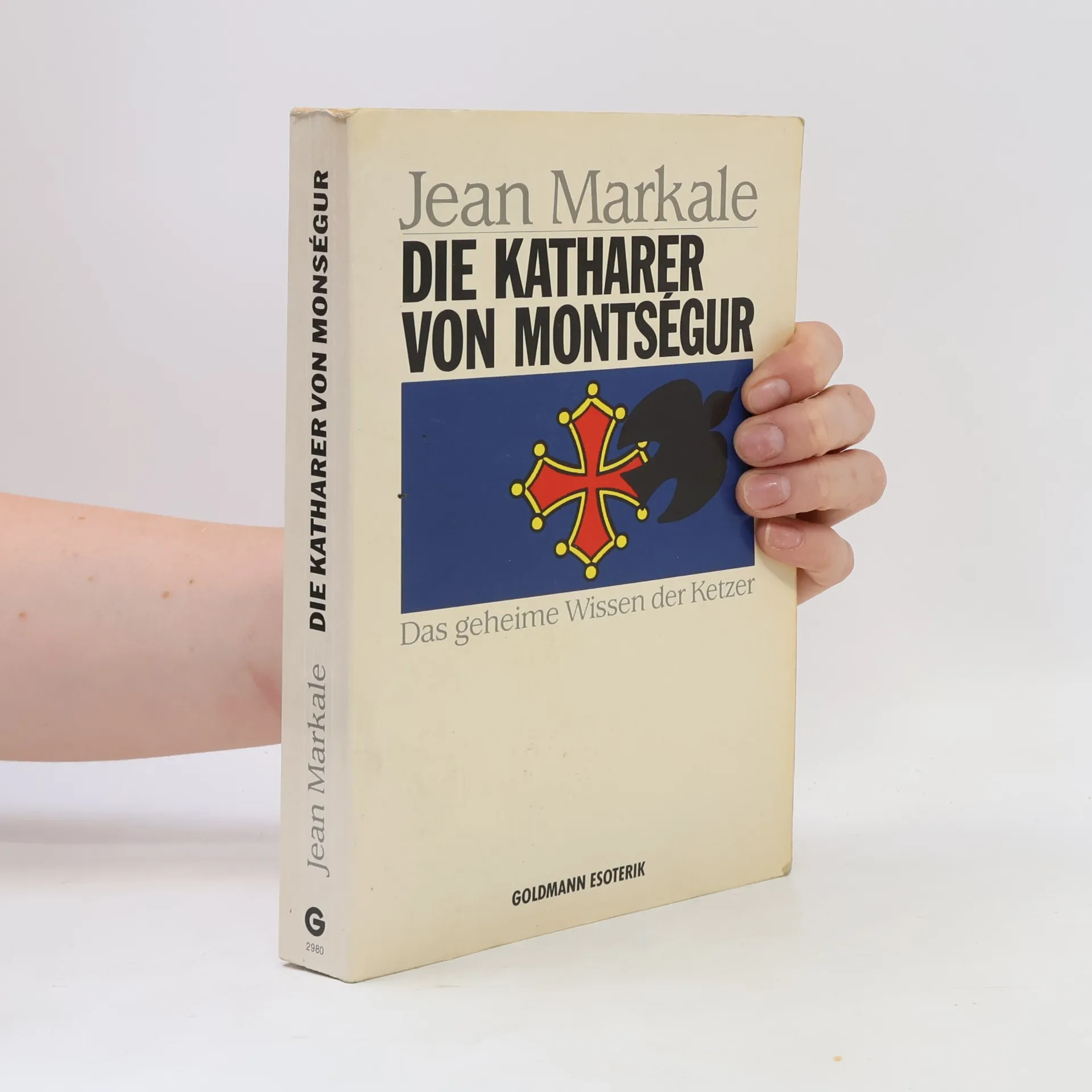
The book delves into the tragic fate of the Cathars, who were brutally persecuted after their stronghold, Montségur, fell in 1244. It explores the origins of their beliefs, tracing them back to ancient Zoroastrianism, and highlights their values of vegetarianism, non-violence, and tolerance. The author, Jean Markale, investigates the legend of a hidden treasure believed to have been taken by Cathar leaders before their capture, while also examining their connections with the Knights Templar and their cultural significance in medieval Occitania.
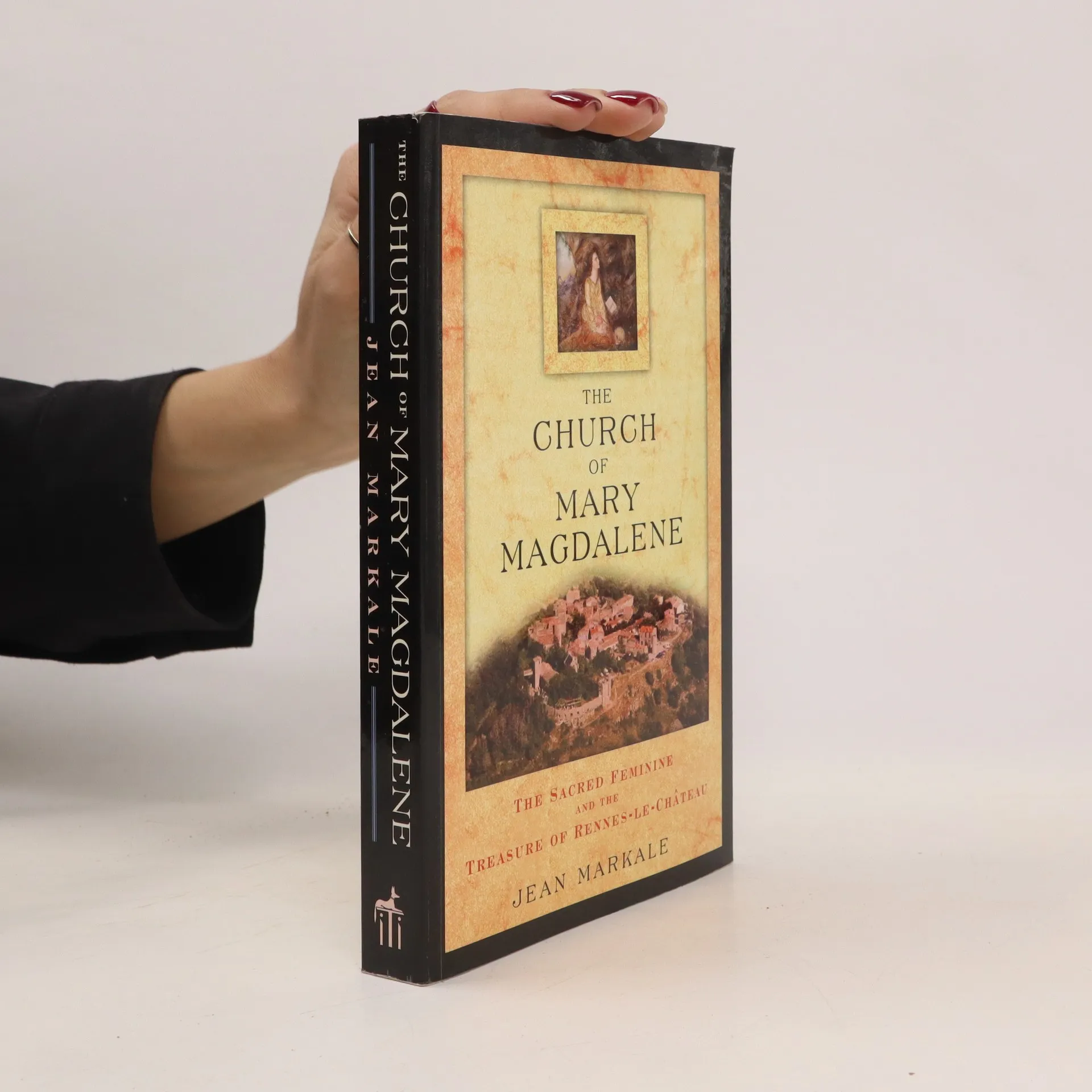
The small Church of Mary Magdalene in the remote village of Rennes-le-Chateau in southern France may well hold the key to the proof of Mary Magdalene's marriage to Jesus and the bloodline they founded. In 1885 the village of Rennes-le-Chateau welcomed a new priest, Abbe Sauniere. During his time there he ordered and oversaw a substantial -- and expensive -- restoration of the church. But where did this modest priest get the funds for this work? It is thought that he discovered something during the initial renovations that made him a very rich man and brought him to the attention of various power brokers of the time both from within the Church and from esoteric circles in Paris. Theories of what this discovery was have ranged from the gold pillaged from Delphi in Roman times and the treasure brought from Jerusalem by the Templars to the Cathar treasure said to have been spirited away from Montsegur days before that fortress fell. Even more curious and compelling, however, are the church renovations themselves and their ambiguous portrayal of Mary Magdalene. This depiction could shake the very foundations of the Church with its suggestion that Mary's role was that of the priestess who anoints the priest-king in preparation for his spiritual duties.
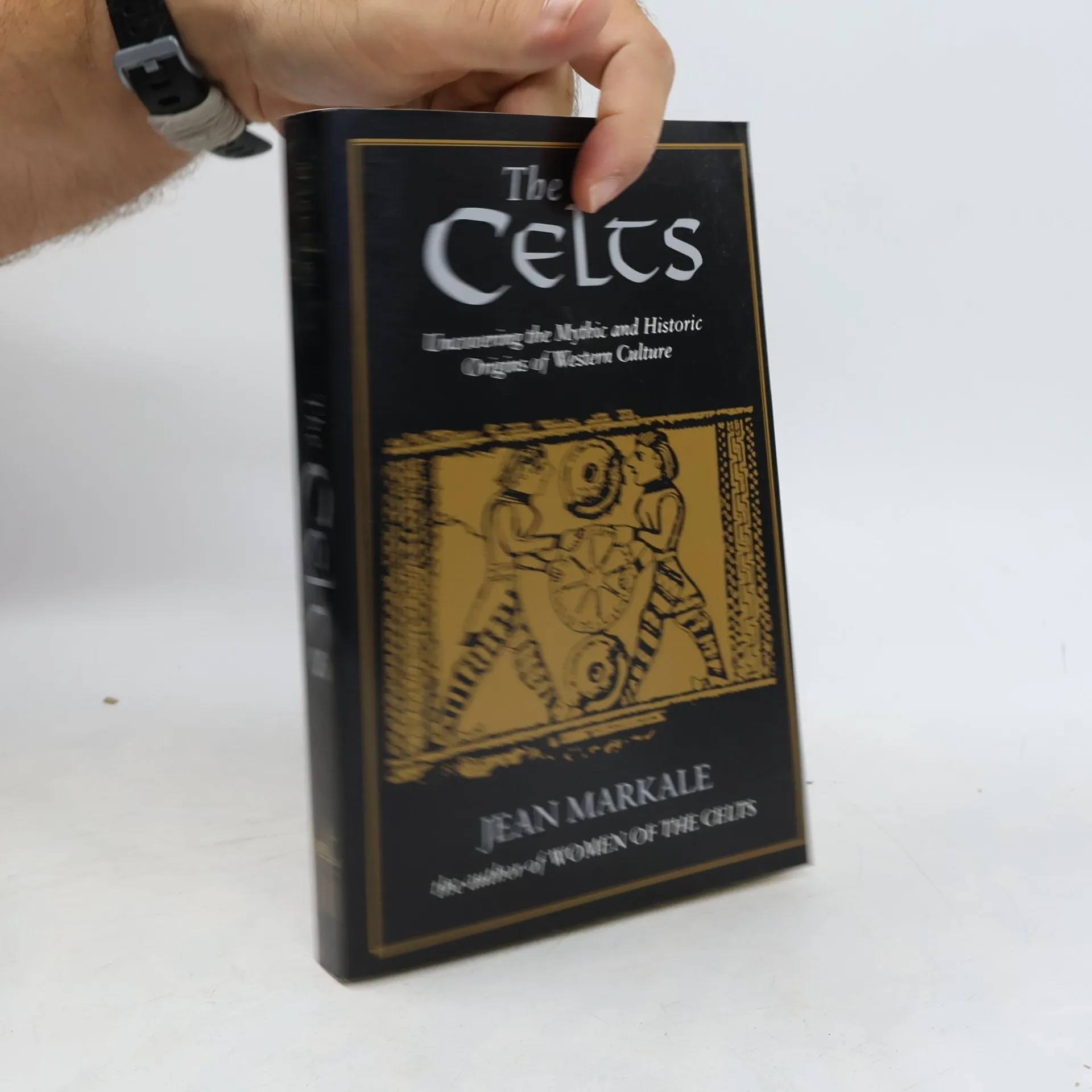
Uncovering the Mythic and Historic Origins of Western Culture
320 páginas
12 horas de lectura
While historians have tended to accord the Celts a place of minor significance in comparison to the Romans, The Celts firmly aligns the Celtic peoples as the primary European precedent to the Greco-Roman hegemony, restoring this culture to its true importance in the development of European civilization. An expert in Celtic studies, Markale regards myth as a branch of history, and explores mythological material to reveal the culture that gave rise to it. The alternative historical vision that emerges is both convincing and exciting.• One of the most comprehensive treatments of Celtic civilization ever written.• A cornerstone of Western civilization and the major source of its social, political, and literary values, Celtic civilization occupied the whole of Western Europe for more than a millennium.• Unlike the Middle Eastern forerunners of the Greco-Roman world, Celtic civilization is still alive today.
Reverence of the Divine Feminine from the Paleolithic to the Present
272 páginas
10 horas de lectura
Patriarchal societies forced the preeminent power of the feminine into an obscure and subservient position, yet the Great Goddess did not simply disappear when her position was usurped. This book provides evidence of the extraordinary permanence of her worship--even at the heart of those religions that tried to destroy her.
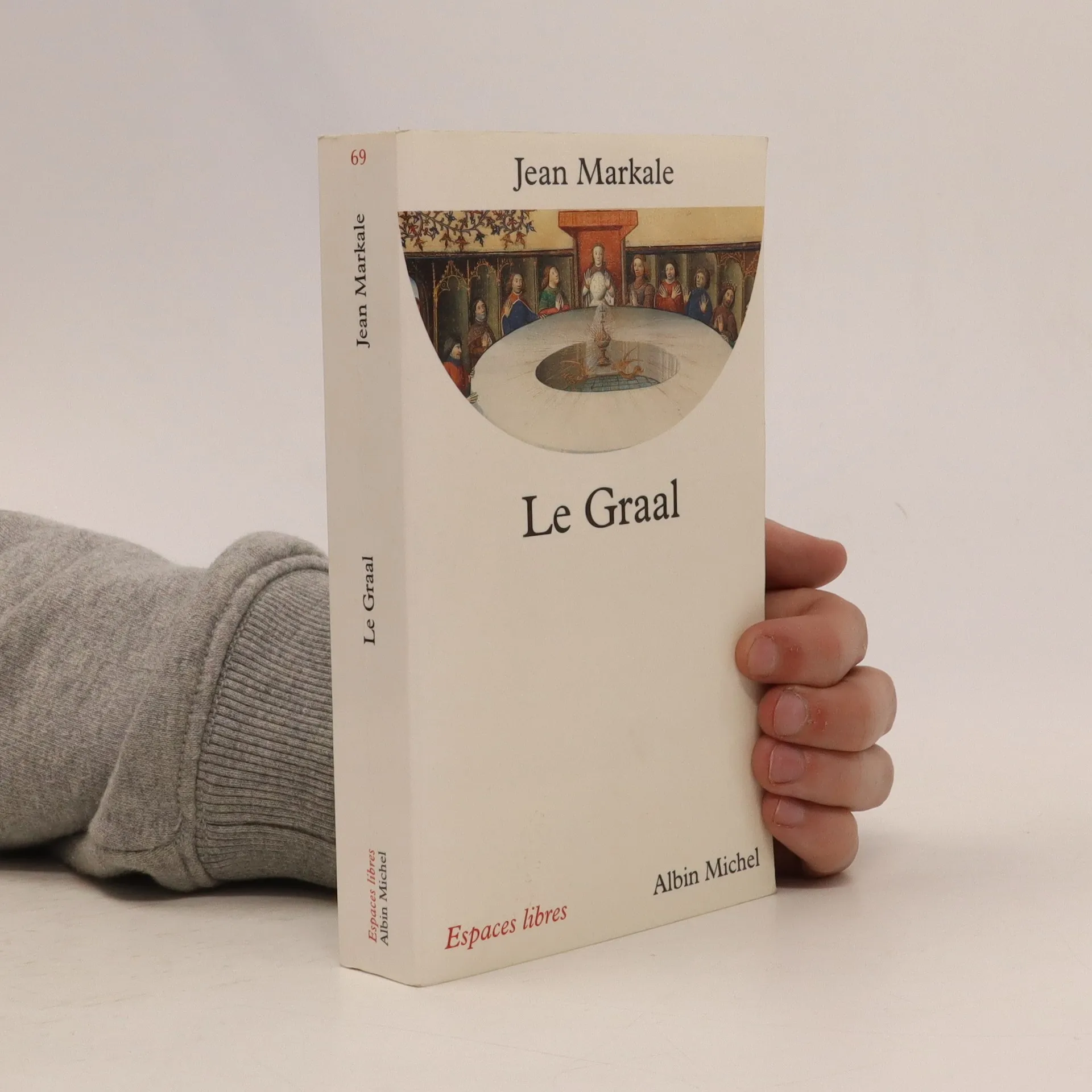
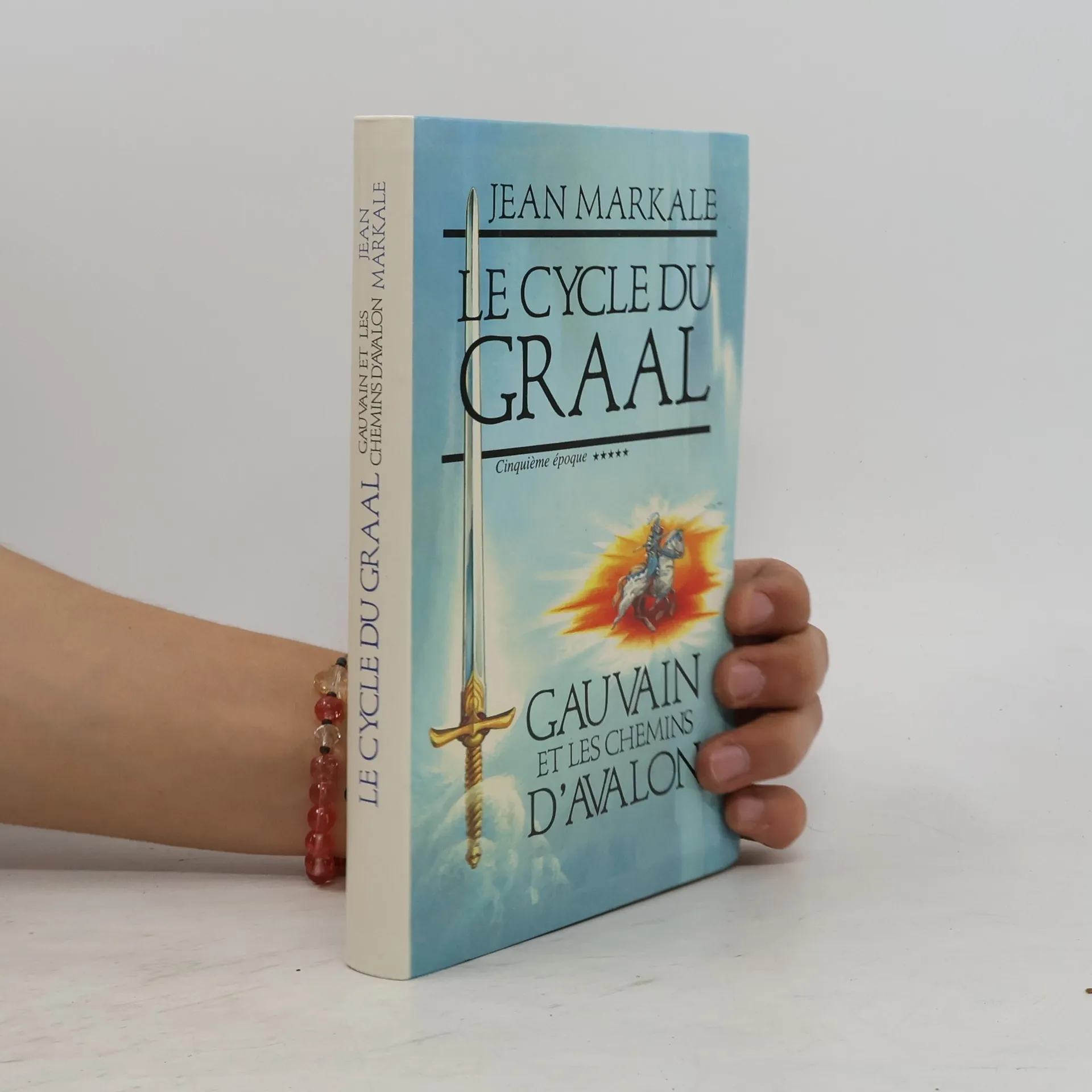
Aucun thème comme celui du Graal n'a autant hanté l'imaginaire humain. Jamais objet sacré n'a été aussi recherché et redouté à la fois. Le Graal est en fait l'archétype de l'objet merveilleux dans lequel chacun peut enfermer le but de sa propre quête : pour certains, il représente la grâce divine, la pierre philosophale ; pour d'autres, il est un trésor ou, plus prosaïquement, un épisode de la légende du roi Arthur.C'est à la poursuite de ce Graal, proche et inaccessible, que nous convie Jean Markale, grand spécialiste du monde celtique. Explorant les différentes versions du mythe apparues au cours du Moyen Âge occidental, il déchiffre les signes dont ces textes sont porteurs pour nous permettre d'en pénétrer le sens réel.Un grand livre, animé par le souffle de l'âme celte, où l'auteur nous fait découvrir un des moments privilégiés de la pensée mythique.
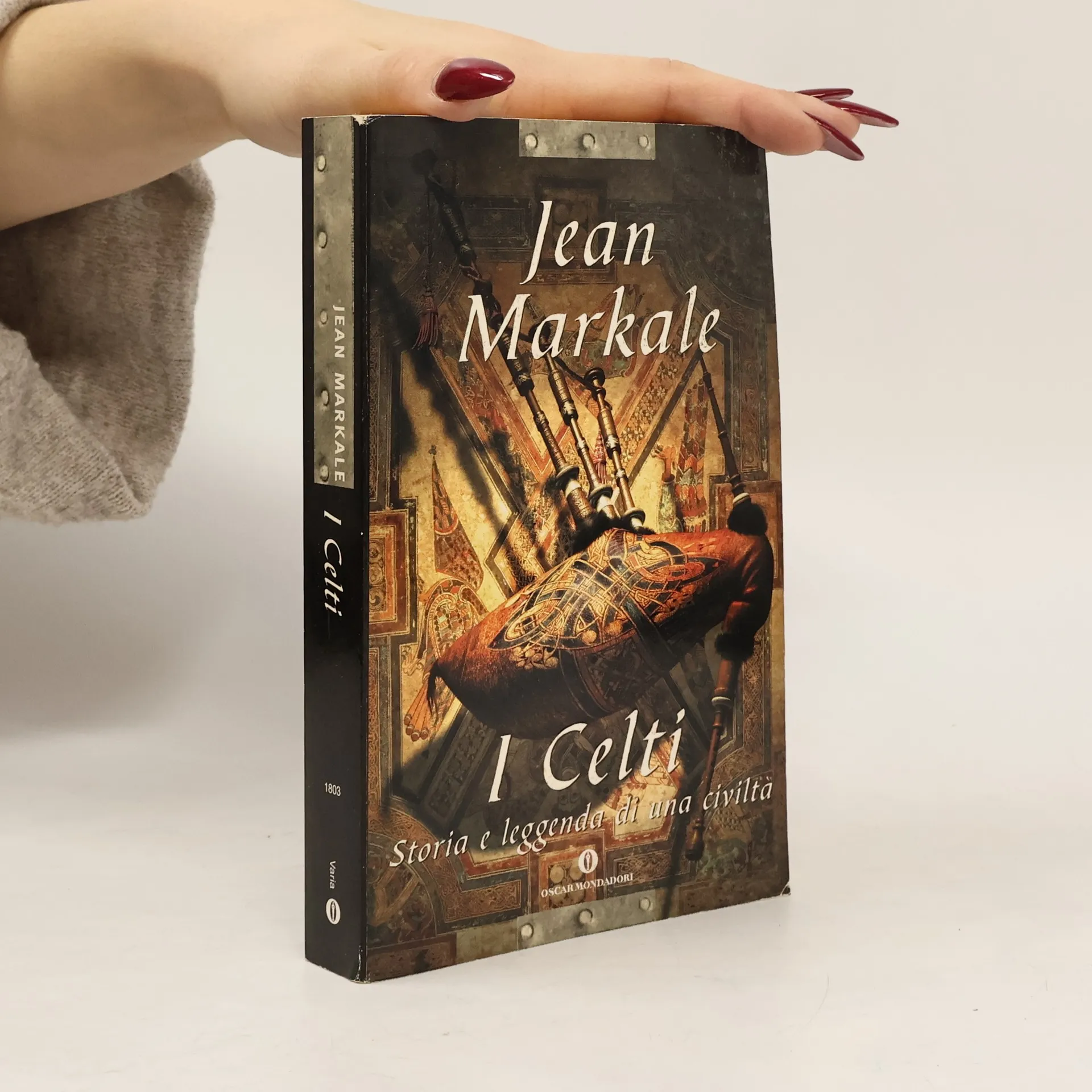
Dopo essersi imposti su gran parte d'Europa nell'Età del ferro, i Celti, sconfitti dai romani, si ritirarono, senza però mai scomparire definitivamente. Il loro spirito e la loro cultura cotinuano infatti a impregnare i territori che essi avevano anticamente dominato, infuenzando profondamente l'evoluzione filosofica, religiosa, morale e artistica dell'Occidente. Jean Markale, grande coinoscitore di questa civiltà, ha indagato nell'intricato miscuglio di realtà e leggende che costituisce l'epopea celtica, restituendocene un'immagine viva e appassionante. Il suo libro infatti non solo offre una ricostruzione aggiornatissima e rigorosa della vita, delle usanze e della mitologia celtiche, ma invita il lettore a guardarsi attorno per individuarne le suggestive, indelebili tracce nel mondo contemporaneo.
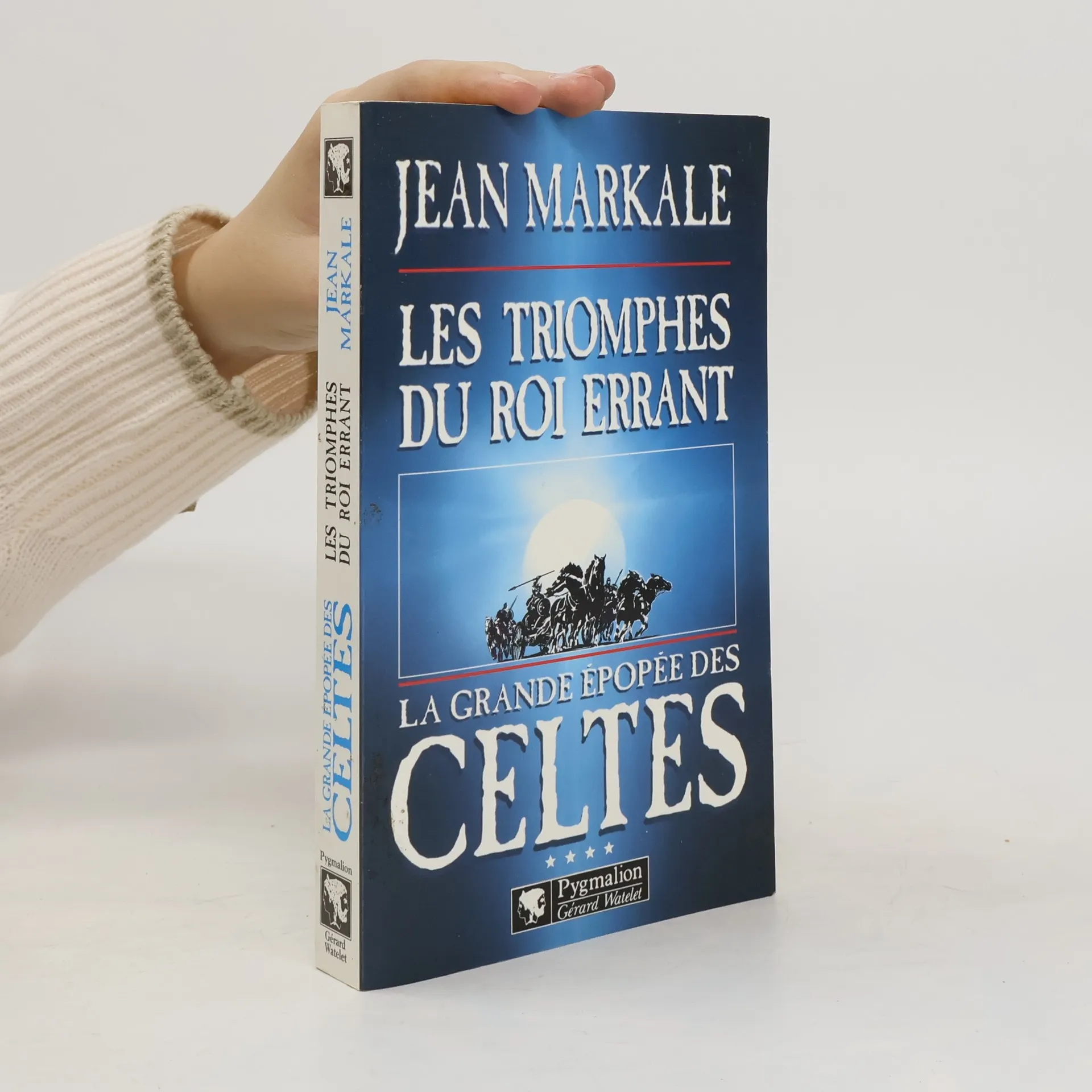
À travers les brumes qui nimbent leurs paysages, les dieux veillent sur les mythiques royaumes d'Irlande. Car les rois, élus selon des rites magiques, y sont soumis à d'étranges interdits. Pour les avoir transgressés, Conairé le Grand doit périr. Quels dangers vont courir à leur tour Conn aux cent batailles, son fils Art ou son petit-fils Cornac, en se lançant vers des rivages inconnus où d'irrésistibles fées les appellent ? Les Seigneurs de la Brume, héritiers des fils de la déesse Dana, rôdent dans l'ombre et régissent le destin. Sur ces contrées mythiques, se dresse soudain le visage rayonnant de Saint Patrick. Surnommé l'homme chauve, sa magie est supérieure à celle des druides : n'a-t-il pas chassé les serpents d'Irlande ? N'est-il pas à l'origine de la folie du roi Sweeny qui a osé défier un abbé ? Mais la puissance druidique n'a pas abdiqué son pouvoir devant le message évangélique. Elle engage encore des batailles fantastiques, déchaîne le feu et la tempête. Elle mène pourtant un combat perdu. Car peu à peu la foi chrétienne se répand, convertit et transforme le pays pour en faire la mémorable Ile des Saints. Dans ce dernier volume d'une magistrale série consacrée à la Grande Épopée des Celtes, Jean Markale nous conduit, grâce à son extraordinaire talent de conteur, aux confins de la légende et de l'histoire.
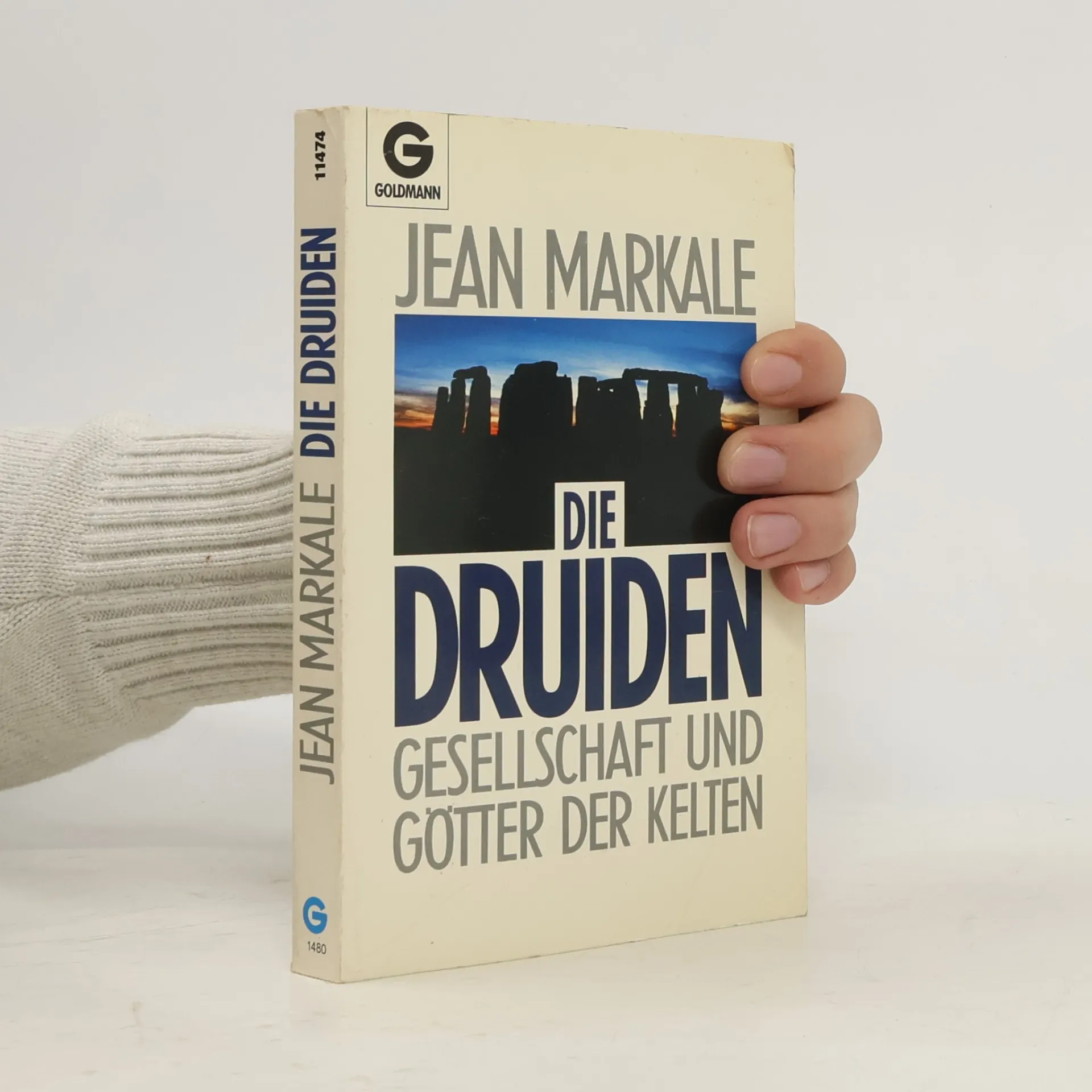
Ein sehr gut recherchiertes Werk, das die hochentwickelte spirituelle Lehre der keltischen Druiden wieder auferstehen lässt! Es bietet ein respektvolles Gegengewicht zu fernöstlichen Lehren wie Zen, Buddhismus und Sufi. Die Lehre der keltischen Druiden wird klar und fundiert beschrieben, als wäre der Autor dabei gewesen. Gleichzeitig wird sie in einen guten Zusammenhang mit dem Christentum gesetzt, wodurch westliche Leser erkennen, dass es auch in unseren Breitengraden wertvolle Lehren und Erkenntnisse gibt. Der Leser kann mit all den gesammelten Erfahrungen zu den Wurzeln der spirituellen Tradition zurückkehren. Beim Lesen wird die Vertrautheit dieser Lehren spürbar, und vieles, was in östlichen Religionen schwierig erscheint, wird klar und nachvollziehbar. Der Autor befreit das Druidentum von romantischen Vorstellungen und hat akribisch alle Erkenntnisse gründlich erforscht und belegt. Er erweist dem Druidentum einen wertvollen Dienst, indem er die alte keltische Lebensweise und Religion entstaubt und trügerische Vorstellungen beiseitewischt. Übrig bleibt eine eindrucksvolle, selbstbestimmte Spiritualität, die alles beinhaltet, was wir in modernen esoterischen Lehren suchen. Das Druidentum wird somit als fehlendes Bindeglied zwischen heutigen esoterischen Lehren und der christlichen Religion präsentiert.
Morgana fata, incantatrice, donna passionale, allieva di Merlino e feroce avversaria del fratello Artù. È un personaggio dai mille volti, al tempo stesso residuo della mitologia più antica, del tempo in cui gli dei avevano passioni, desideri e abitudini molto terrene e simbolo della nuova epoca rappresentata da Artù e dalla Tavola Rotonda che, in sintesi, significa unificazione del regno e introduzione delle regole feudali. Questa fata incantatrice trova due avversari degni di lei: l’amato Lancillotto che la respinge e il fratello, che finalmente prenderà coscienza della gelosia e della sete di potere di questa donna straordinaria, nella quale riponeva tutta la sua fiducia. Mentre Morgana tesse intrighi, dà alla luce un figlio, si sposa con un vecchio re, tende tranelli ai cavalieri dissoluti e piazza le allieve fedelissime nei punti chiavi del potere, cioè nei castelli più importanti, Merlino e la Dama del Lago vegliano sulla Bretagna. La fata Morgana è una figura chiave nell’epopea arturiana: oltre a mostrare il mondo dell’epoca attraverso occhi femminili molto penetranti, fa ordine nella complessa vicenda. Nascono bambini, in questo libro, Lancillotto e Bohort si scoprono padri e trovano parenti sconosciuti (persino un fratello). E prenderà forma il personaggio di Mordret, il figlio di Artù destinato al parricidio e alla distruzione del regno.
Aufbruch, Petticoats und Rock 'n' Roll - drei Schwestern und ihr Kaufhaus am Ku'damm in turbulenten Zeiten. Berlin, 1952: Man muss das Leben tanzen, das war schon immer Silvie Thalheims Motto. Während für Schwester Rike das Kaufhaus am Ku'damm an erster Stelle steht, will Silvie nach der dunklen Zeit des Krieges nur eins: das Leben in vollen Zügen genießen. In den Wirtschaftswunderjahren laufen die Geschäfte ohnehin bestens, das Kaufhaus Thalheim bietet die neueste Mode an. Petticoats und Nylonstrümpfe, dazu feine Kollektionen aus Italien. So träumt Silvie ihren eigenen Traum: als Rundfunkredakteurin beim RIAS Karriere zu machen. Doch seit ihr Zwillingsbruder aus dem Krieg heimgekehrt ist, hat sich die Dynamik in der Familie verändert. Oskar soll das Unternehmen leiten, gibt sich aber lieber dem Rausch durchfeierter Nächte hin. Als dann auch noch ein verhasster Konkurrent die Geschäfte torpediert und den Thalheims alles zu nehmen droht, wird Silvie klar, dass sie Verantwortung für das Kaufhaus und ihre Familie übernehmen muss…
Isabeau de Bavière, 1371 als Elisabeth von Bayern geboren und 1385 mit Karl VI. von Frankreich vermählt, gilt nicht nur bei den Franzosen als reine maudite, die ihren Sohn Karl VII. verstieß, um ihren Schwiegersohn Heinrich V. von England als Thronerben anzuerkennen und damit Frankreich an England zu verraten - die negative Gegenfigur zu Jeanne d'Arc. Der französische Historiker Jean Markale versucht, dieser Frau Gerechtigkeit widerfahren zu lassen, die mit 21 Jahren durch die geistige Umnachtung ihres Gemahls gezwungen war, politische Entscheidungen zu treffen, auf die sie in keiner Weise vorbereitet war.
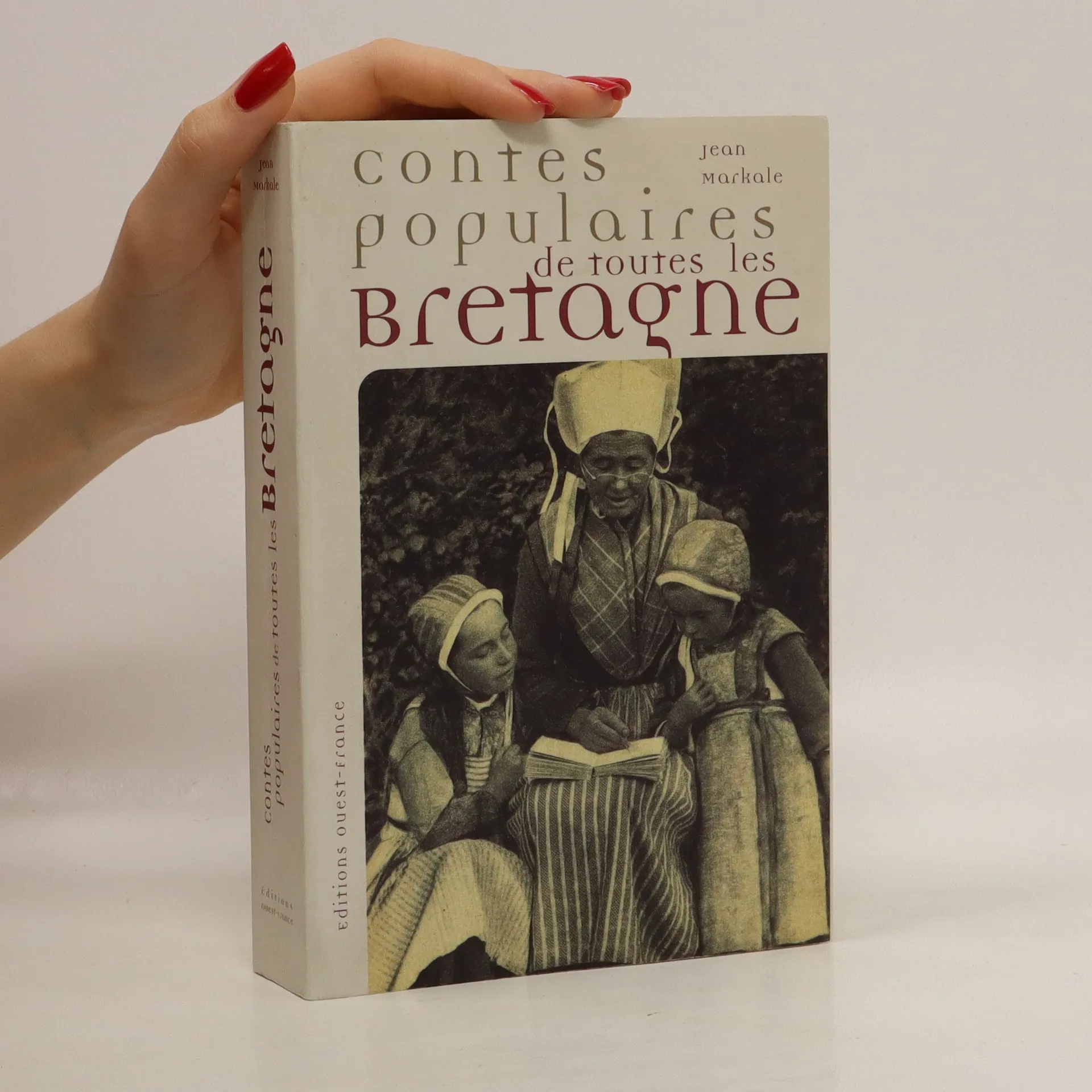
Les contes populaires de toutes les Bretagne permettent de redécouvrir ces histoires extraordinaires transmises oralement de génération en génération, qui constituent la richesse la plus authentique de la Bretagne. S'ils appartiennent à la tradition populaire universelle, ces contes ont été adoptés et actualisés selon l'esprit des Bretons : ils témoignent d'une véritable civilisation, à la fois rurale et maritime, parfaitement spécifique. Mais assez parlé ! Ecoutons maintenant la voix du conteur, celle de Jean Markale, qui nous plonge dans un univers merveilleux et fantastique. " La Dame blanche de Trécesson ", " La noix du Korrigan ", " Le Diable qui cherchait un métier "... Cinquante contes édifiants pour frémir et pour grandir.
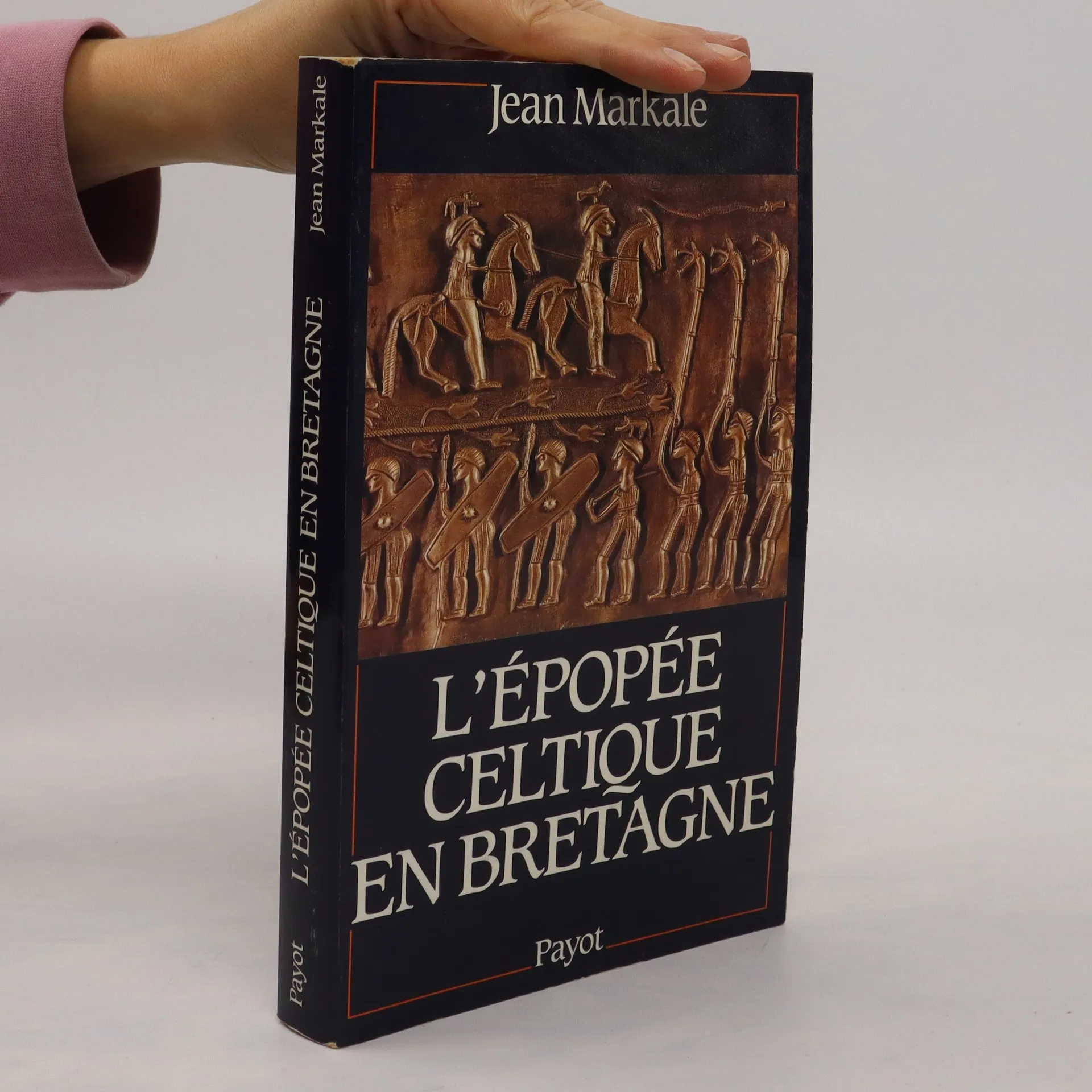
La littérature épique de la Bretagne est à la fois la moins connue et la plus populaire des littératures celtiques. Qui n'a jamais entendu parler du roi Arthur et des Chevaliers de la Table-Ronde, du Saint-Graal et de Tristan et Yseult? Mais qui connaît exactement l'origine de ces légendes? Ce livre est donc un document capital pour comprendre la littérature européenne des XIe et XIIIe siècles, notamment les littératures dites "courtoises". Il aidera les lecteurs à découvrir des oeuvres dont la valeur littéraire est aussi incontestable que l'intérêt documentaire, des oeuvres qui appartiennent de droit à la culture européenne.
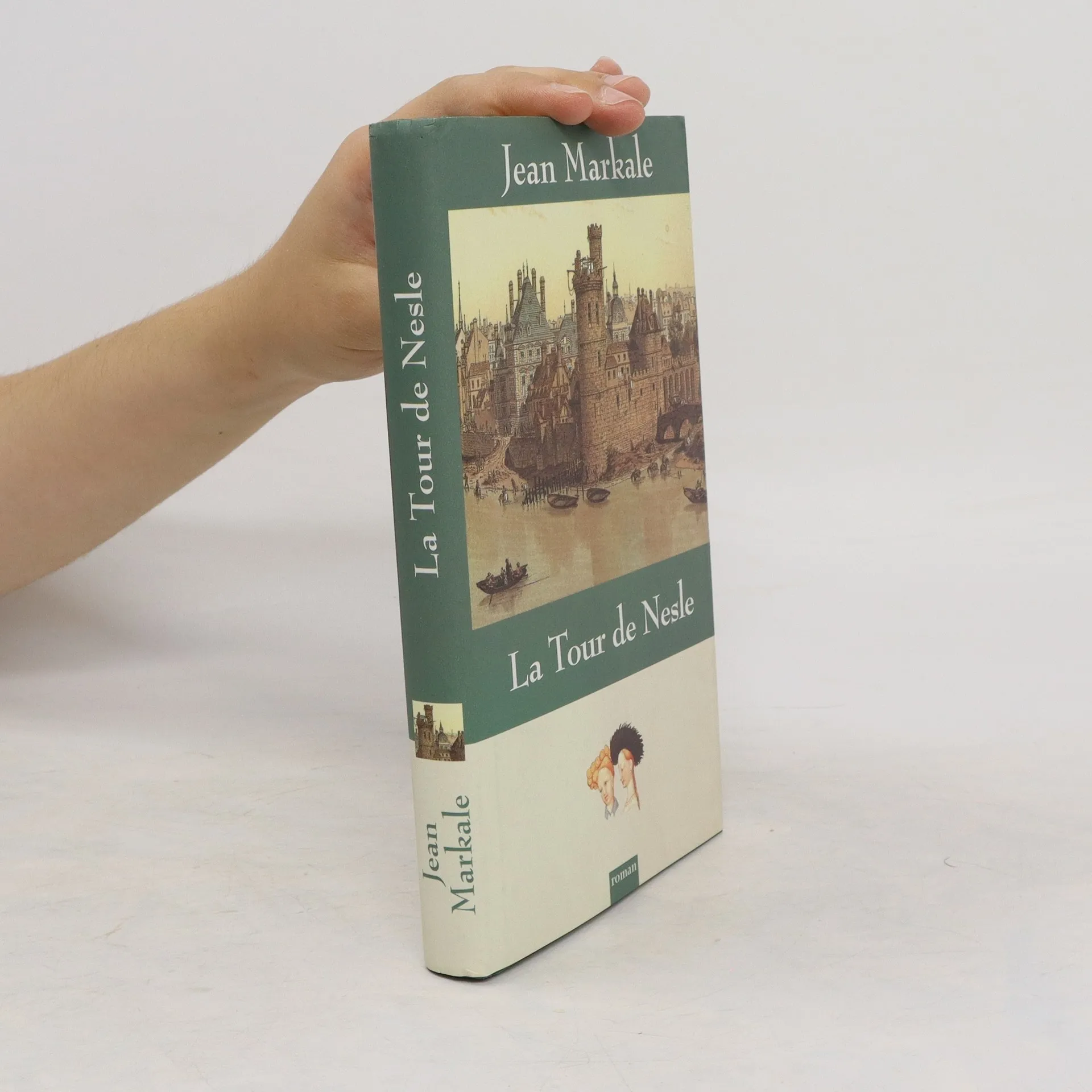
En 1314, en plein procès des Templiers, un scandale éclate à la cour de France : Marguerite de Bourgogne, Blanche et Jeanne de Bourgogne, les épouses des trois fils du roi Philippe le Bel, sont accusées d'adultère et arrêtées. Acquittement, emprisonnement à vie ou assassinat déguisé vont être le lot des trois jeunes femmes. Quant à deux de leurs amants, Philippe et Gautier d'Aulnay, ils seront, eux, atrocement suppliciés. Telle est l'histoire terrible de la Tour de Nesle à l'origine d'une très sombre légende. À l'en croire, les princesses y recevaient secrètement, à l'abri des infranchissables murailles, des amants pour une nuit, se livraient en leur compagnie à toutes les turpitudes, puis s'en débarrassaient à l'aube, en les faisant jeter dans la Seine, enfermés dans un sac. Avec son talent de conteur et la maîtrise dont il fait preuve dans l'investigation systématique de tous les textes existant sur un sujet, Jean Markale nous propose la reconstitution passionnante d'une histoire qui perdure à travers les siècles et n'en finit pas d'enflammer les imaginations.