Pietro Cataldi Orden de los libros (cronológico)


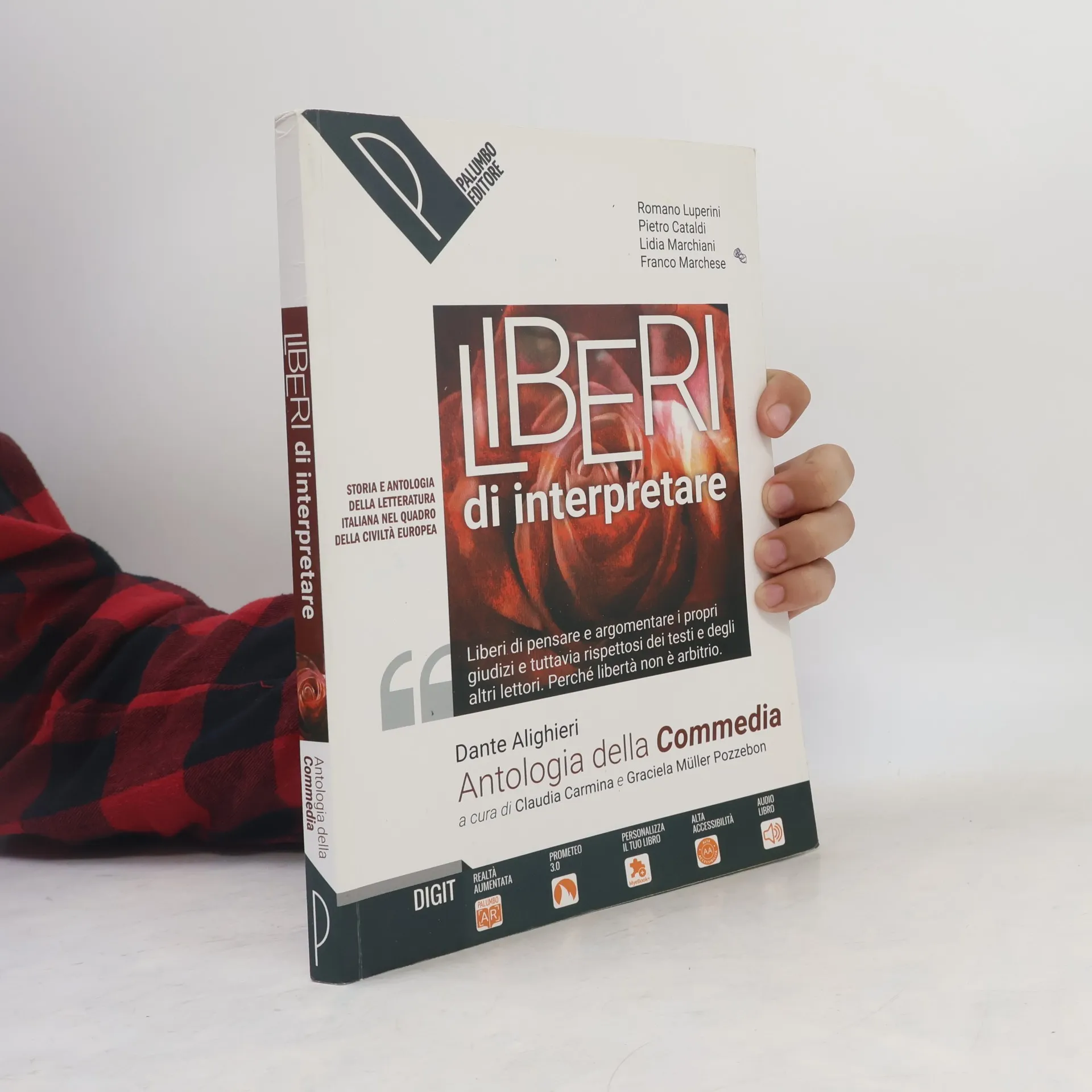
Liberi di interpretare
Storia e antologia della letteratura italiana nel quadro della civiltà europea
Un solido impianto culturale e didattico in linea con il nuovo esame di Stato. Liberi di interpretare si caratterizza per il solido impianto culturale e didattico e per la nuova impostazione strutturale, che rende il percorso lineare, riconoscibile, leggero pur mantenendo un forte valore scientifico e formativo, mettendo in primo piano proprio l'aspetto interpretativo che oggi caratterizza la nuova prova d'esame. In più, una nuova rubrica dal titolo Liberi di interpretare, propone Laboratori dell'interpretazione su nodi critici problematici.
Liberi di interpretare
Antologia della Commedia
Liberi di interpretare
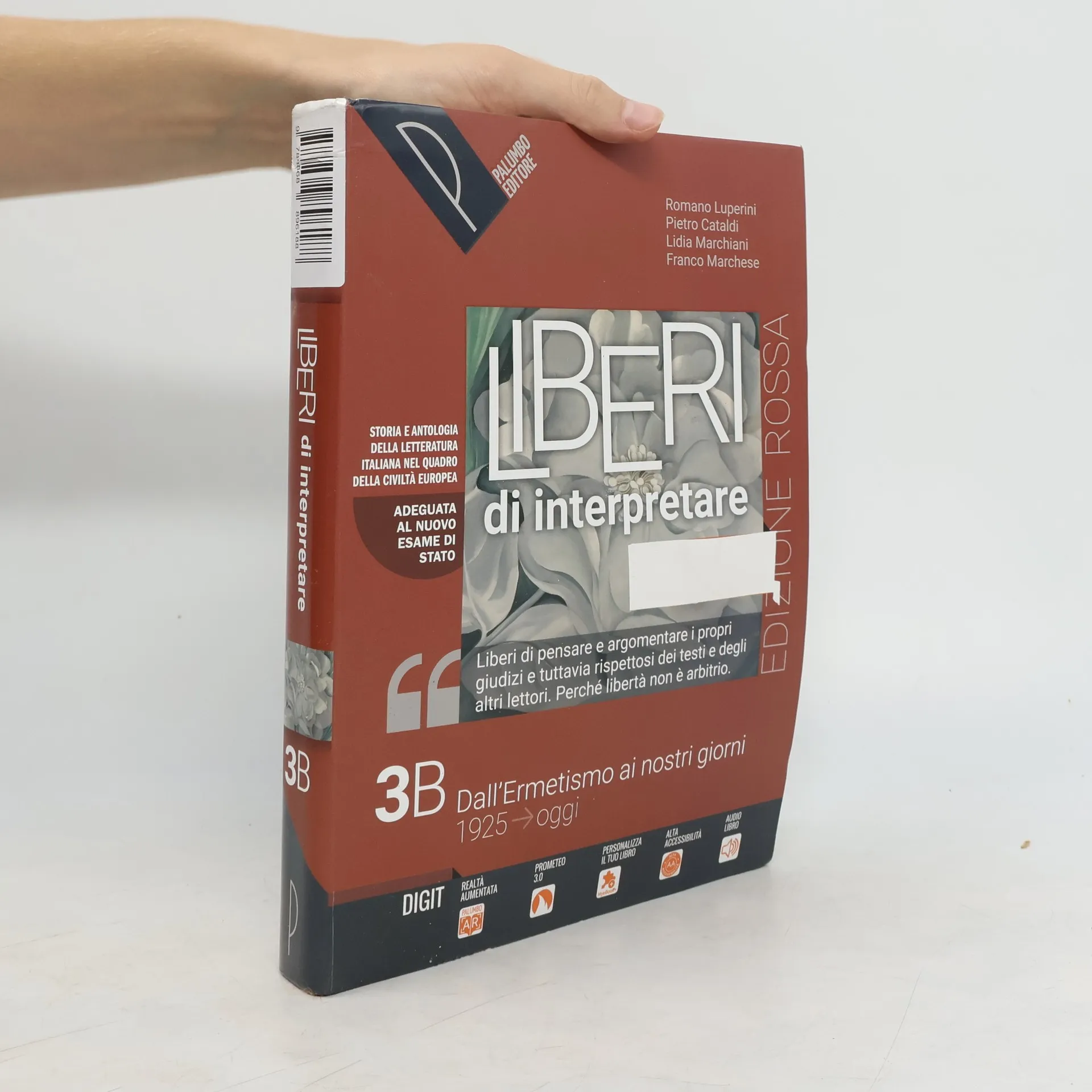
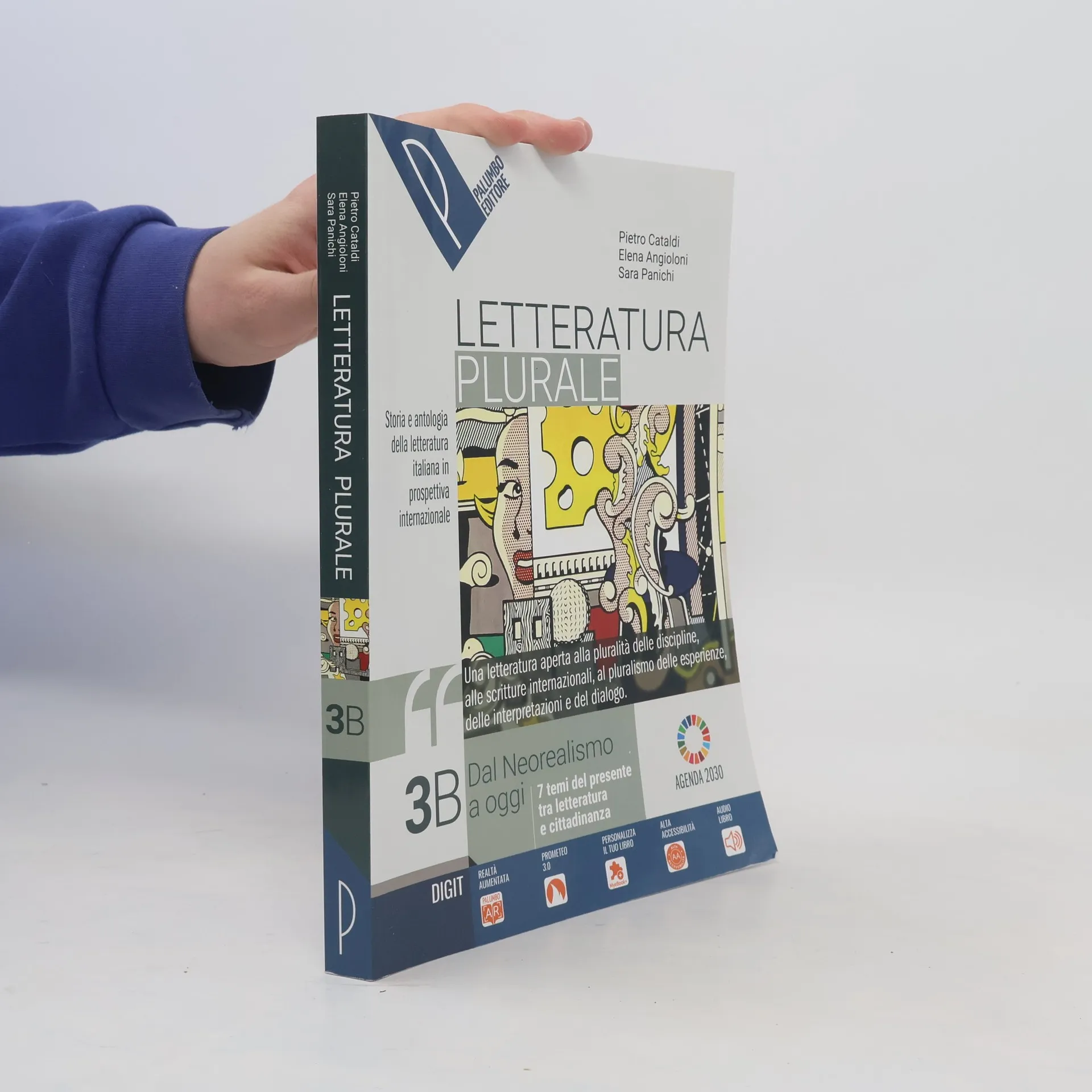
3B Dall'Ermetismo ai nostri giorni 1925 → oggi
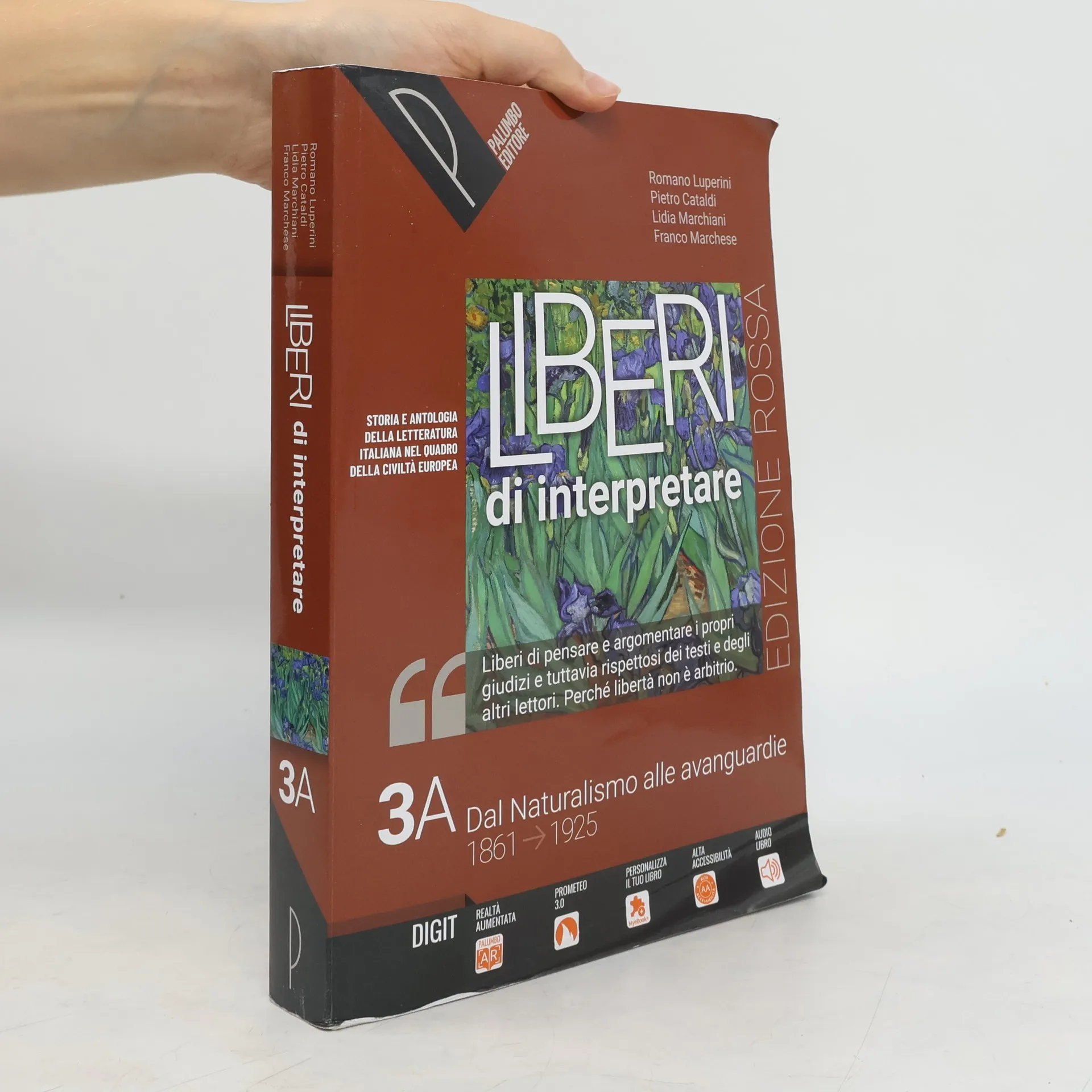
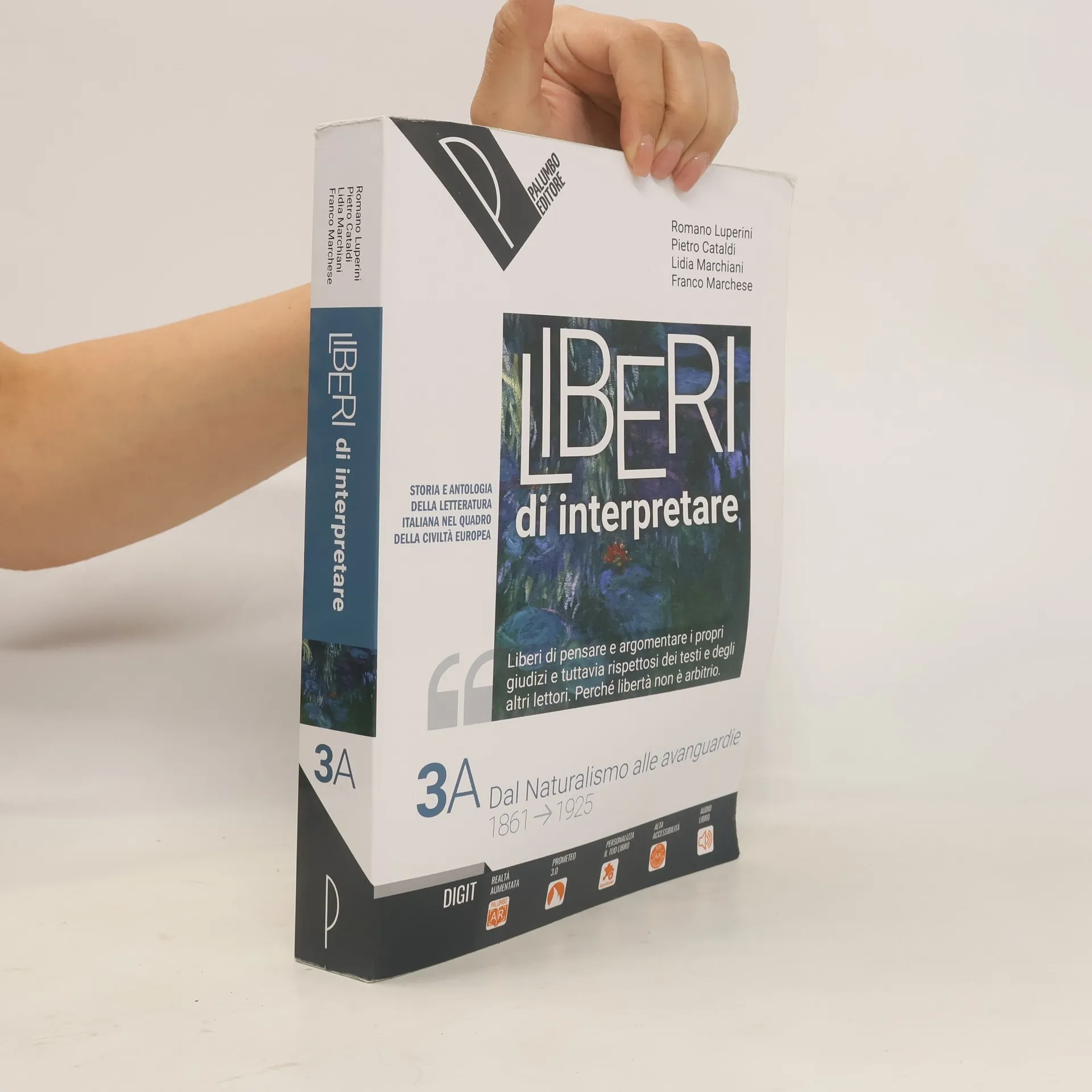
Liberi di interpretare 3A. Dal Naturalismo alle avanguardie 1861-1925
storia e antologia della letteratura italiana nel quadro della civiltà europea
- 983 páginas
- 35 horas de lectura
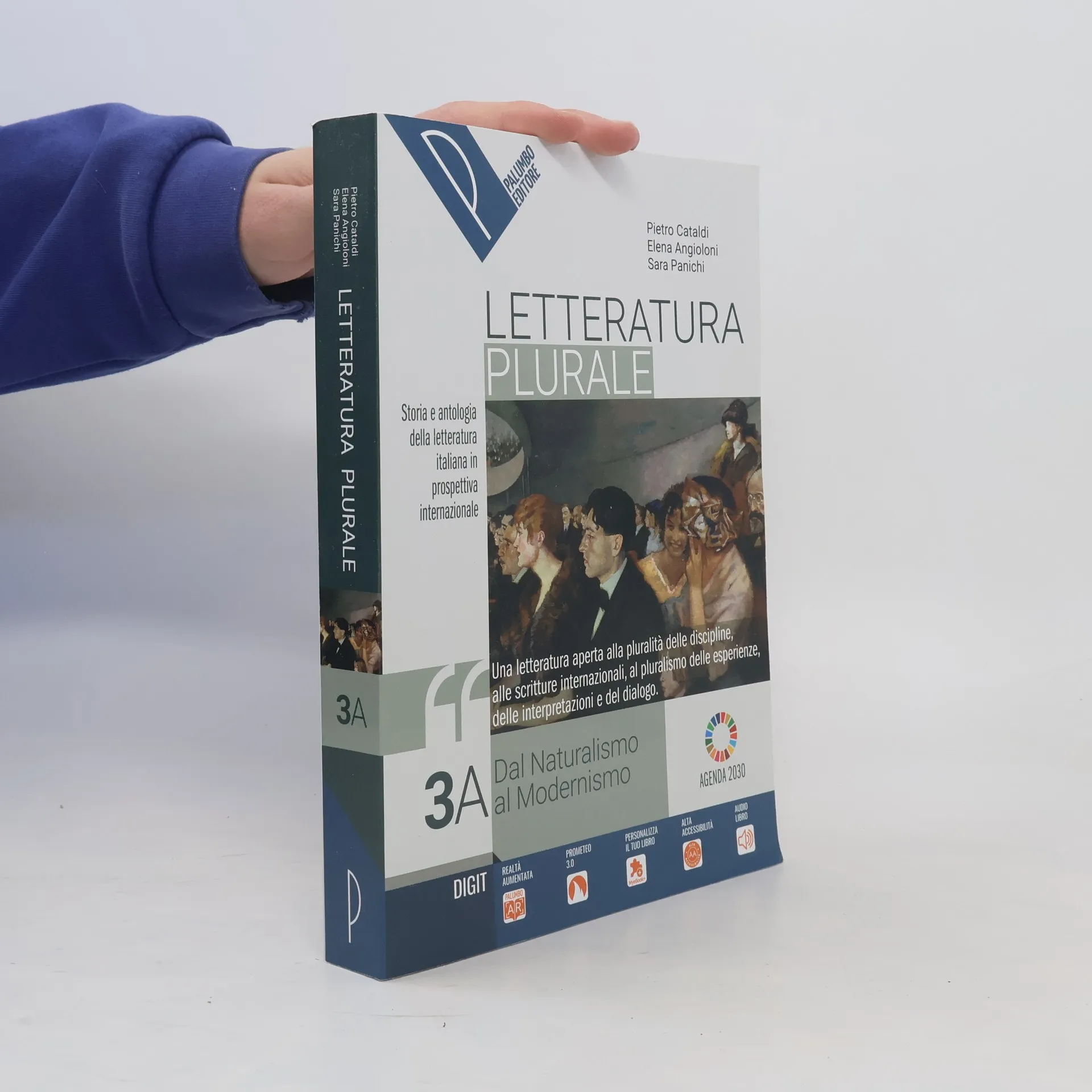
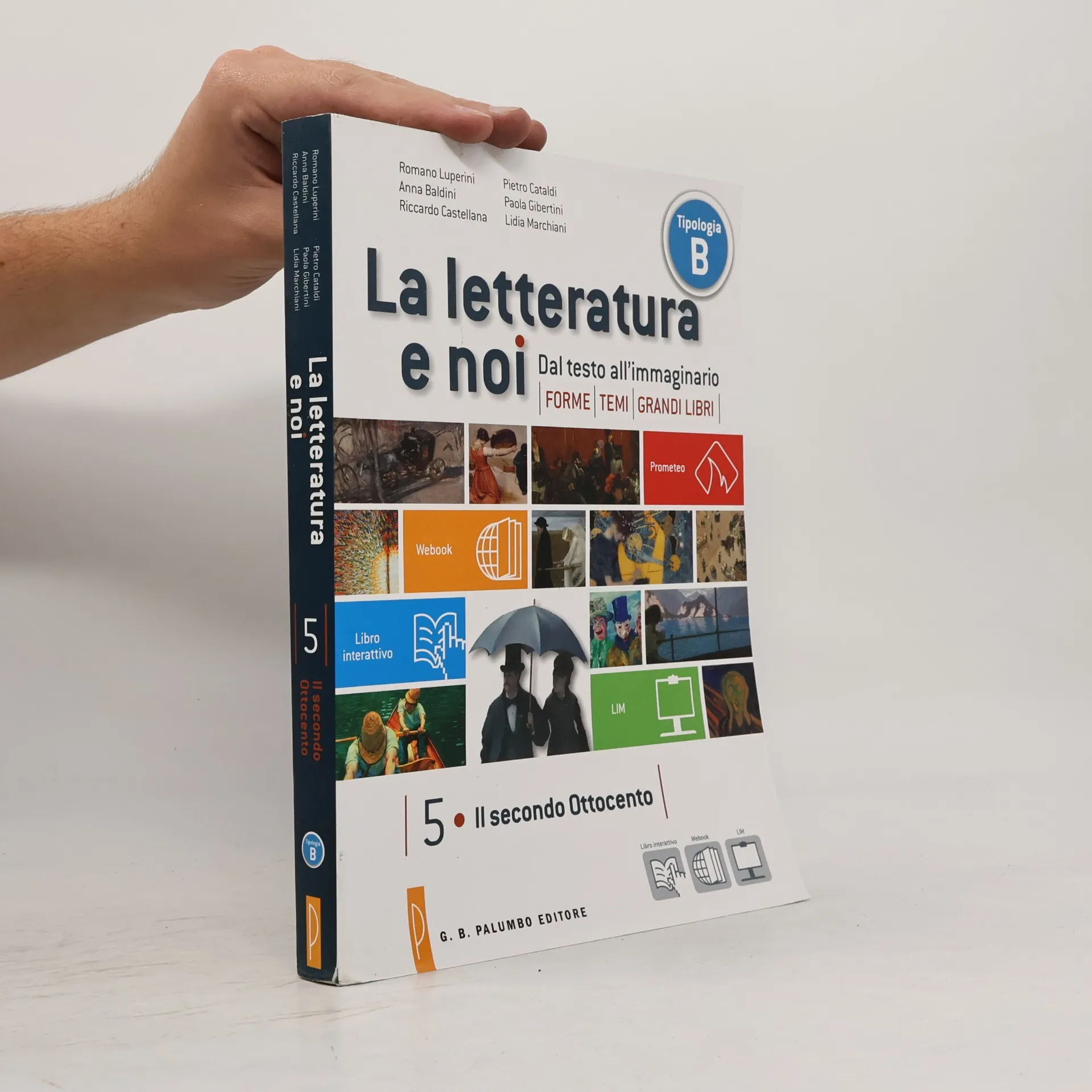
La letteratura e noi 5
Dal testo all'immaginario: Forme, temi, grandi libri - Il secondo Ottocento
Allopera si collega un sistema didattico integrato multimediale per lo studio della letteratura italiana: un repertorio in costante aggiornamento con centinaia tra vides, testi ed esercizi, percorsi di approfondimento, materiali aggiornamento, indicizzato e fruibile attraverso un motore di ricerca. Uno strumento per espandere la lezione tradizionale e per lavorare in una 'classe virtuale' interattiva. Questo manuale propone un NUOVO PARADIGMA DIDATTICO basato su • il metodo induttivo: in modo che il carattere di un'epoca si possa evincere dalla lettura dei testi; • i Grandi libri: analizzati sempre a partire dall'Incipit e attraversati tematicamente; • l'impianto tematico: che considera la letteratura come un grande serbatoio dell'immaginario.
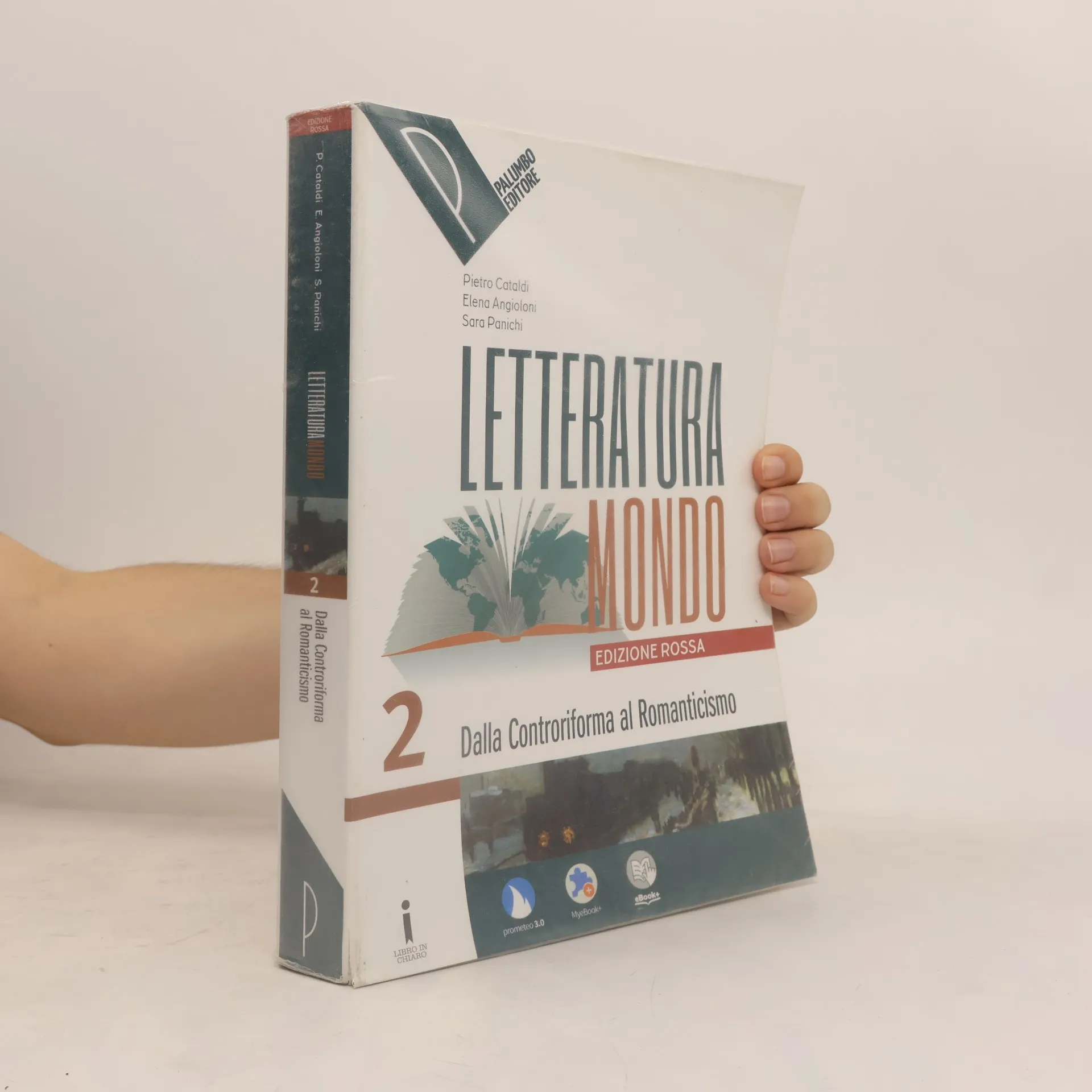
Letteratura mondo
Dalla Controriforma al Romanticismo - edizione rossa. Per le scuole superiori. Con e-book. Con 2 espansioni online.
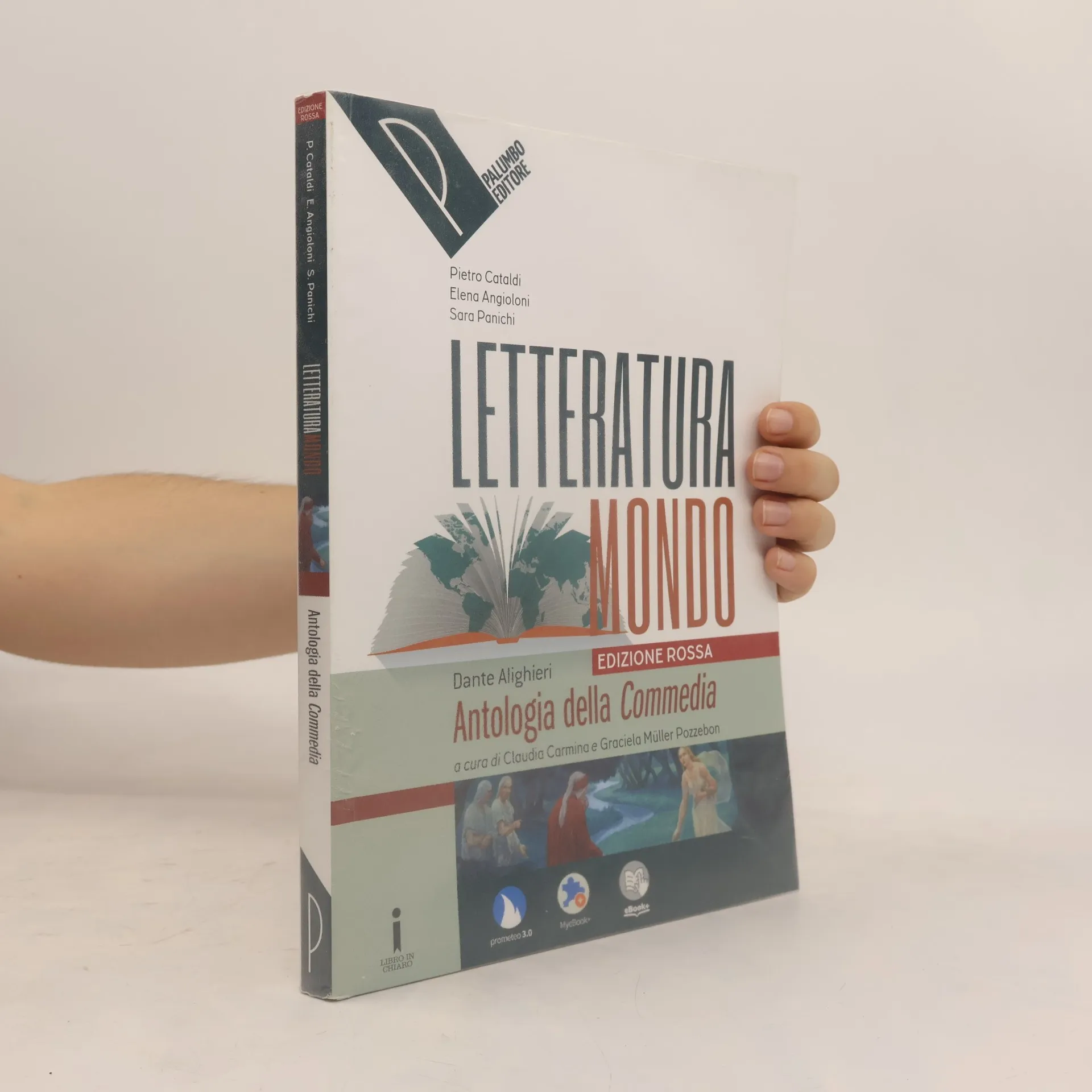
Letteratura Mondo
Antologia della Commedia - Edizione Rossa
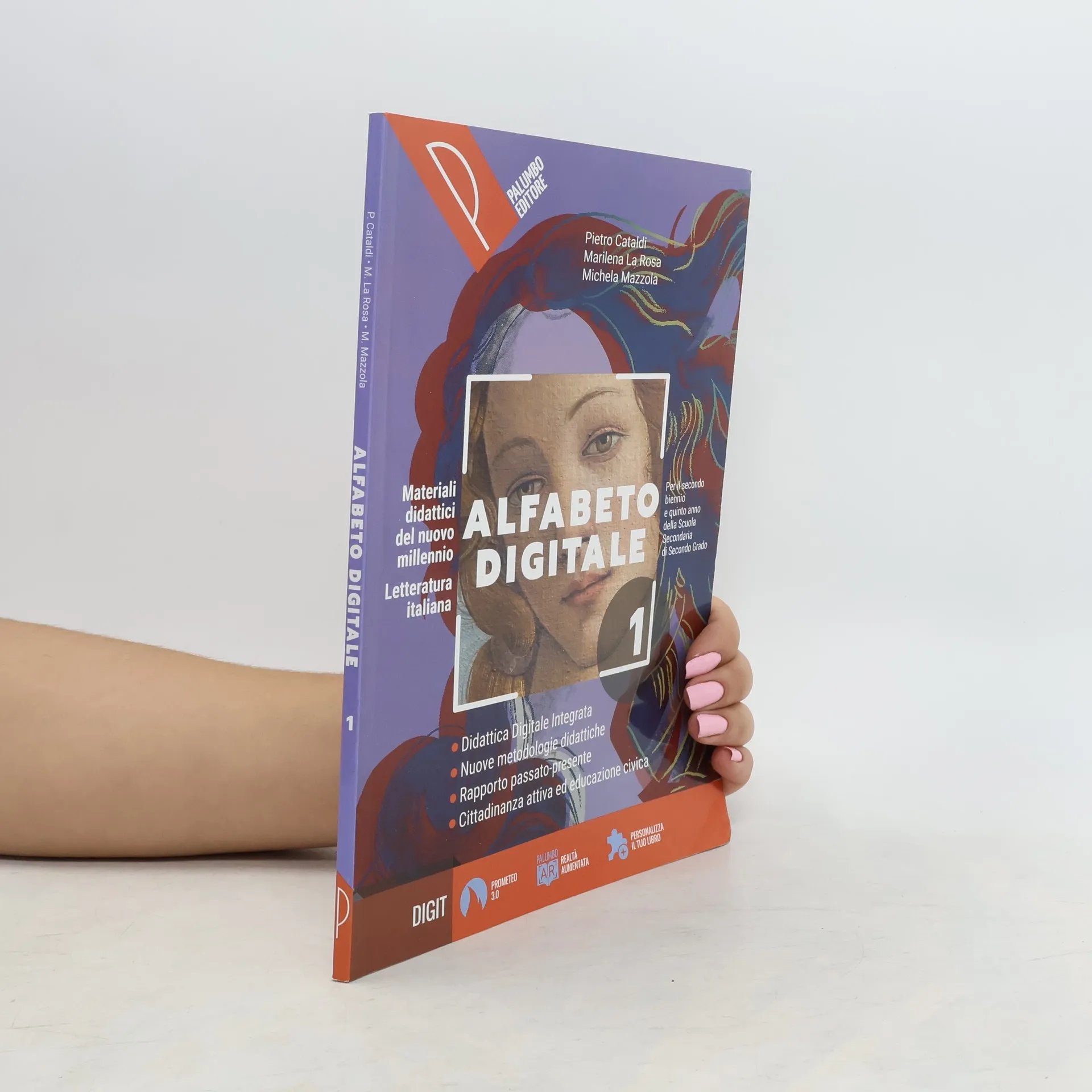
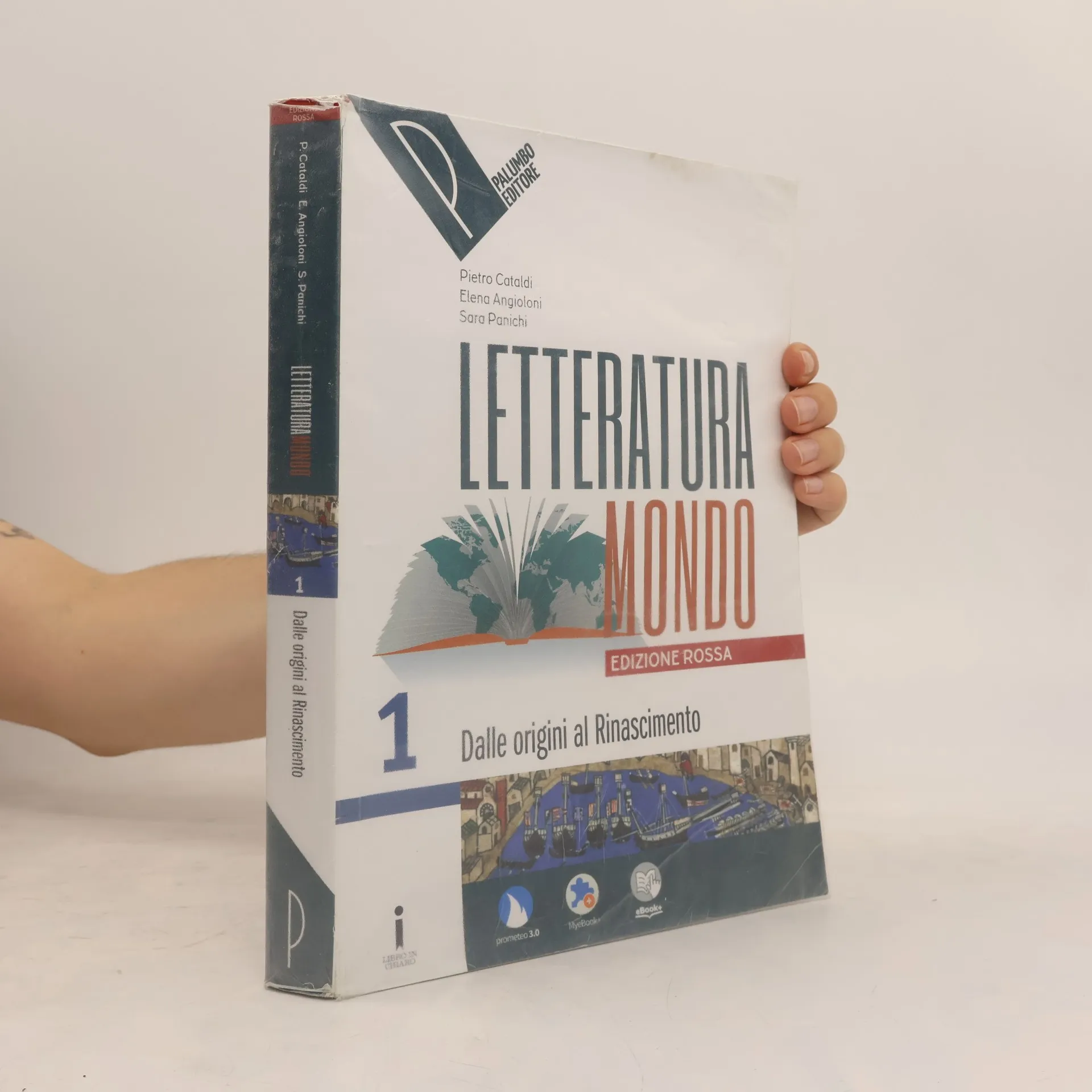
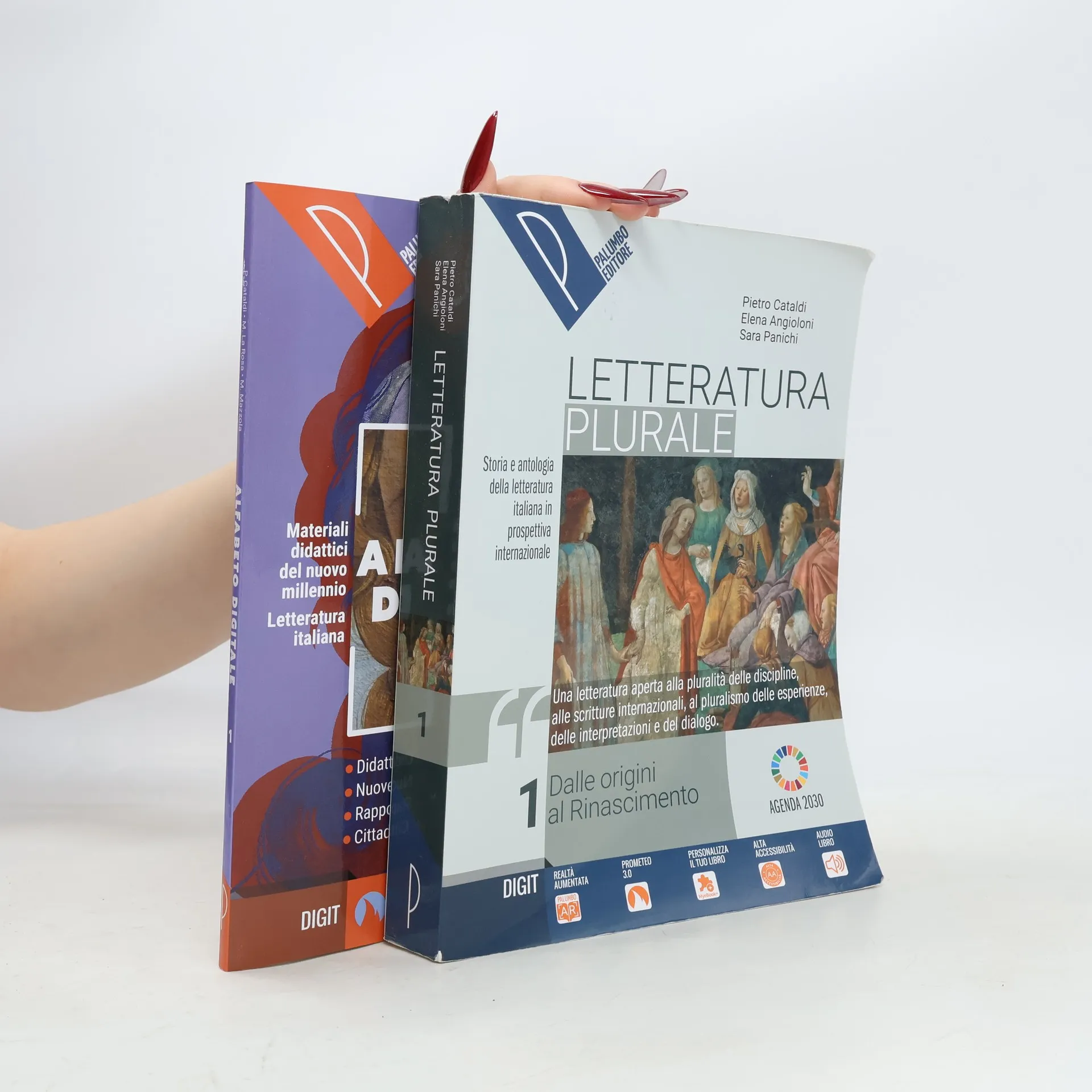
Una letteratura che osserva il mondo per inquadrare la letteratura italiana in una dimensione globale, collegando la lettura dei testi alle esperienze degli studenti. Presenta una storia letteraria chiara e ben organizzata. Il testo guida spiega la poetica, l'opera, il contesto e l'immaginario, offrendo lezioni attuali dall'autore. Include testi non letterari come documenti per comprendere epoche diverse o come spunti per attualizzazioni. La didattica per competenze mira a potenziare le abilità lessicali, linguistiche e di scrittura, sviluppando competenze trasversali. Propone attraversamenti tematici della letteratura del XXI secolo. Un volume dedicato alla scrittura offre strumenti per esercitare tali competenze e una guida per l'alternanza scuola-lavoro. La piattaforma multimediale Prometeo 3.0 supporta studenti e docenti, mentre MyeBook+ consente di personalizzare il manuale. Videolezioni su epoche e autori, con analisi del testo, sono arricchite da esercizi pratici. Le immagini attive offrono analisi interattive di opere d'arte, mentre i testi attivi permettono di esplorare forme e temi chiave. Infine, materiali inclusivi supportano il recupero con testi semplificati e risorse audio e video.
Letteraturamondo
La scrittura / Scuola & Lavoro - Edizione Rossa. Per le Scuole superiori. Dalle origini al Rinascimento
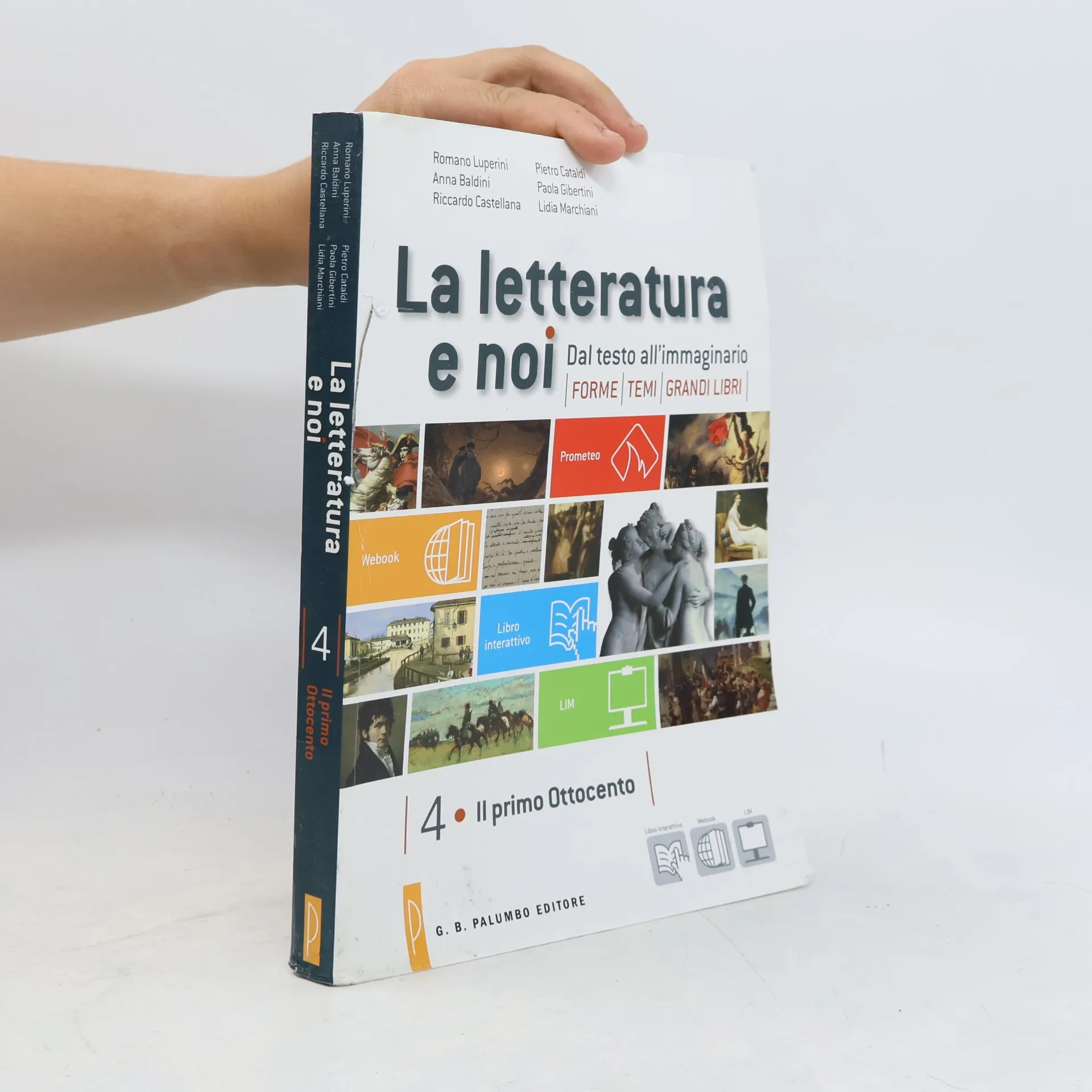
La letteratura e noi 4
Dal testo all'immaginario - Forme, temi, grandi libri
Questo manuale propone un nuovo paradigma didattico basato su Prometeo, sistema didattico integrato multimediale. All'opera si collega un sistema didattico integrato multimediale per lo studio della letteratura italiana, un repertorio in costante aggiornamento con centinaia di testi ed esercizi, percorsi di approfondimento, mappe concettuali, aggiornamento, indicizzato e fruibile attraverso un motore di ricerca. Uno strumento per espandere la lezione tradizionale e per lavorare in una 'classe virtuale' mediante: il metodo induttivo, in modo che il carattere di un'epoca si possa evincere dalla lettura dei testi; i Grandi libri, analizzati sempre a partire dall'Incipit e attraversati tematicamente; l'impianto tematico, che considera la letteratura come un grande serbatoio dell'immaginario.
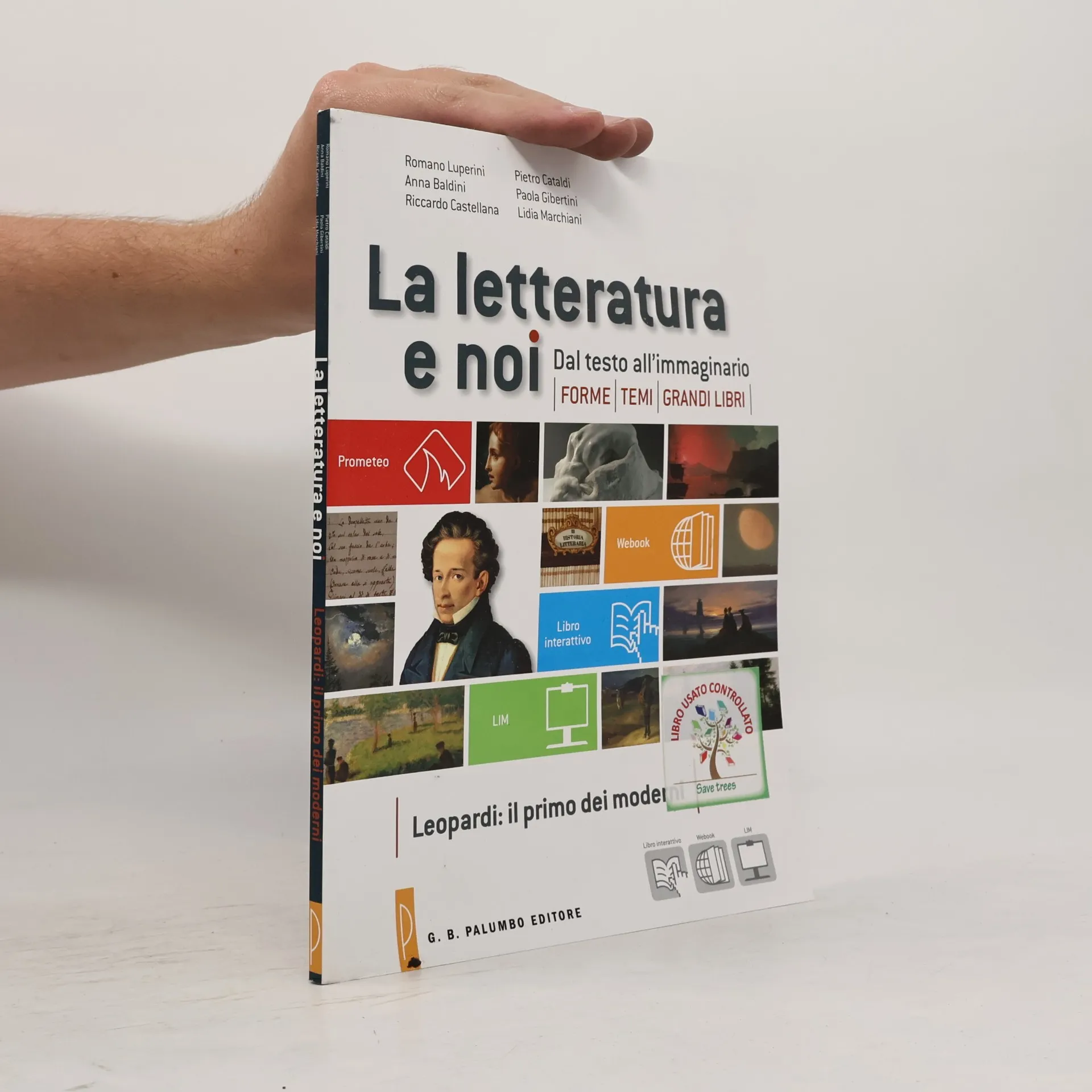
La letteratura e noi
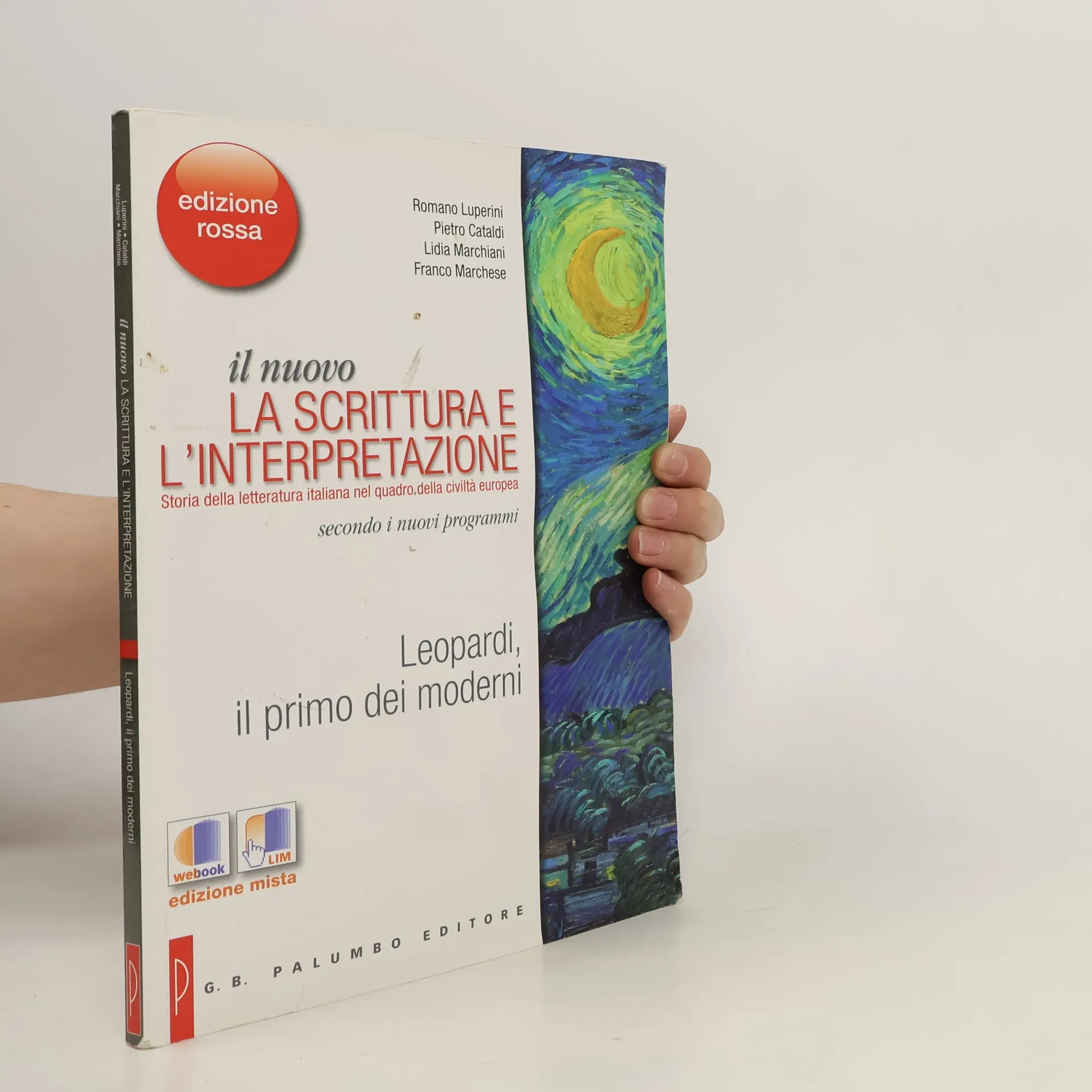
Dal testo all'immaginario - Leopardi: il primo dei moderni
Questo manuale propone un NUOVO PARADIGMA DIDATTICO basato su prometeo sistema didattico integrato multimediale. All'opera si collega un sistema didattico integrato multimediale per lo studio della letteratura italiana: un repertorio in costante aggiornamento con centinaia tra video, testi ed esercizi, percorsi di approfondimento, materiali di aggiornamento, indicizzato e fruibile attraverso un motore di ricerca. Uno strumento per espandere la lezione tradizionale e per lavorare in una 'classe virtuale' interattiva. Il metodo induttivo: in modo che il carattere di un'epoca si possa evincere dalla lettura dei testi; i Grandi libri: analizzati sempre a partire dall'Incipit e attraversati tematicamente; l'impianto tematico: che considera la letteratura come un grande serbatoio dell'immaginario.
Edizione Rossa - 5: Il nuovo. La scrittura e l'interpretazione
Storia della letteratura italiana nel quadro della civiltà europea - Secondo i nuovi programmi - Naturalismo, simbolismo e avanguardie (dal 1861 al 1925) - Per le scuole superiori. Con espansione online
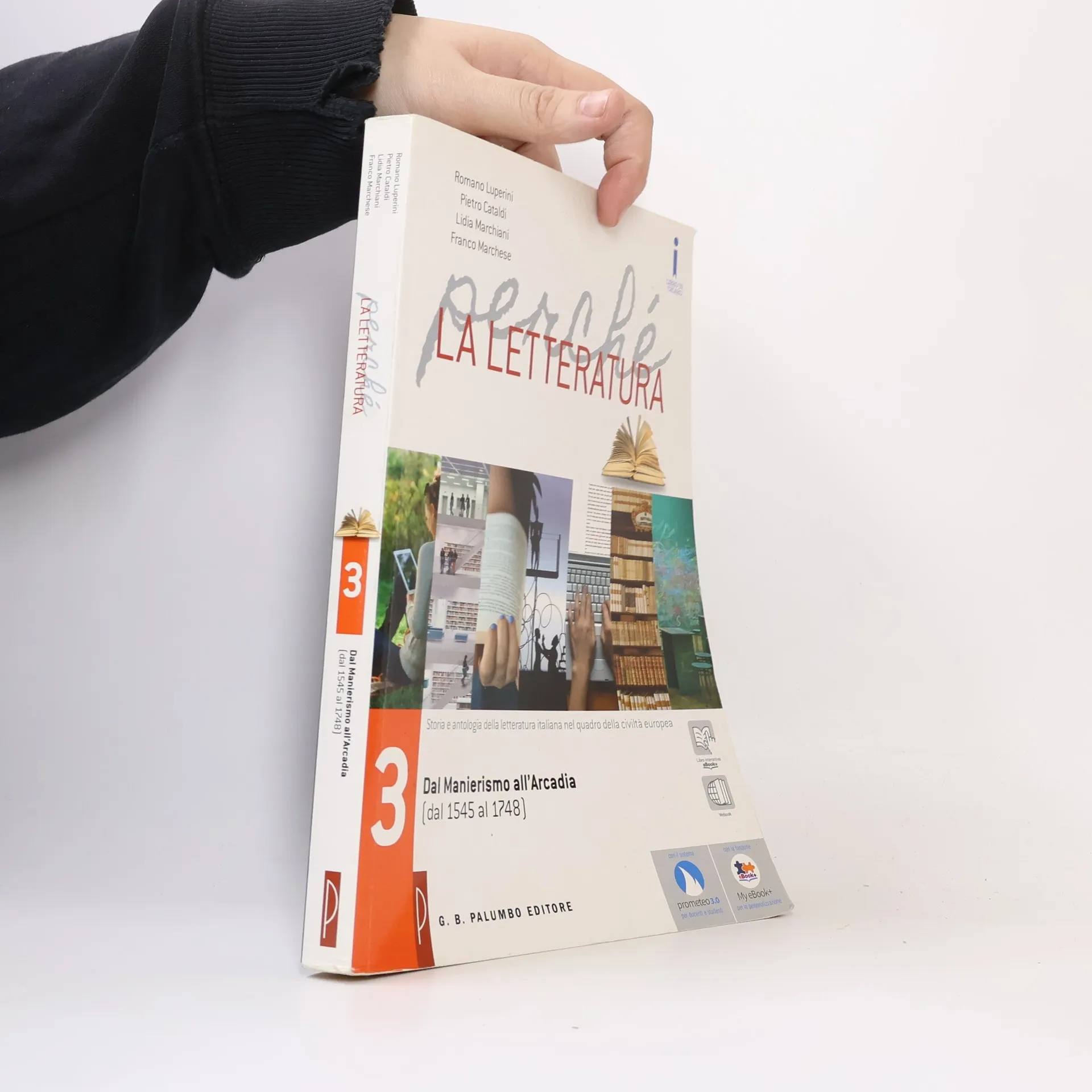
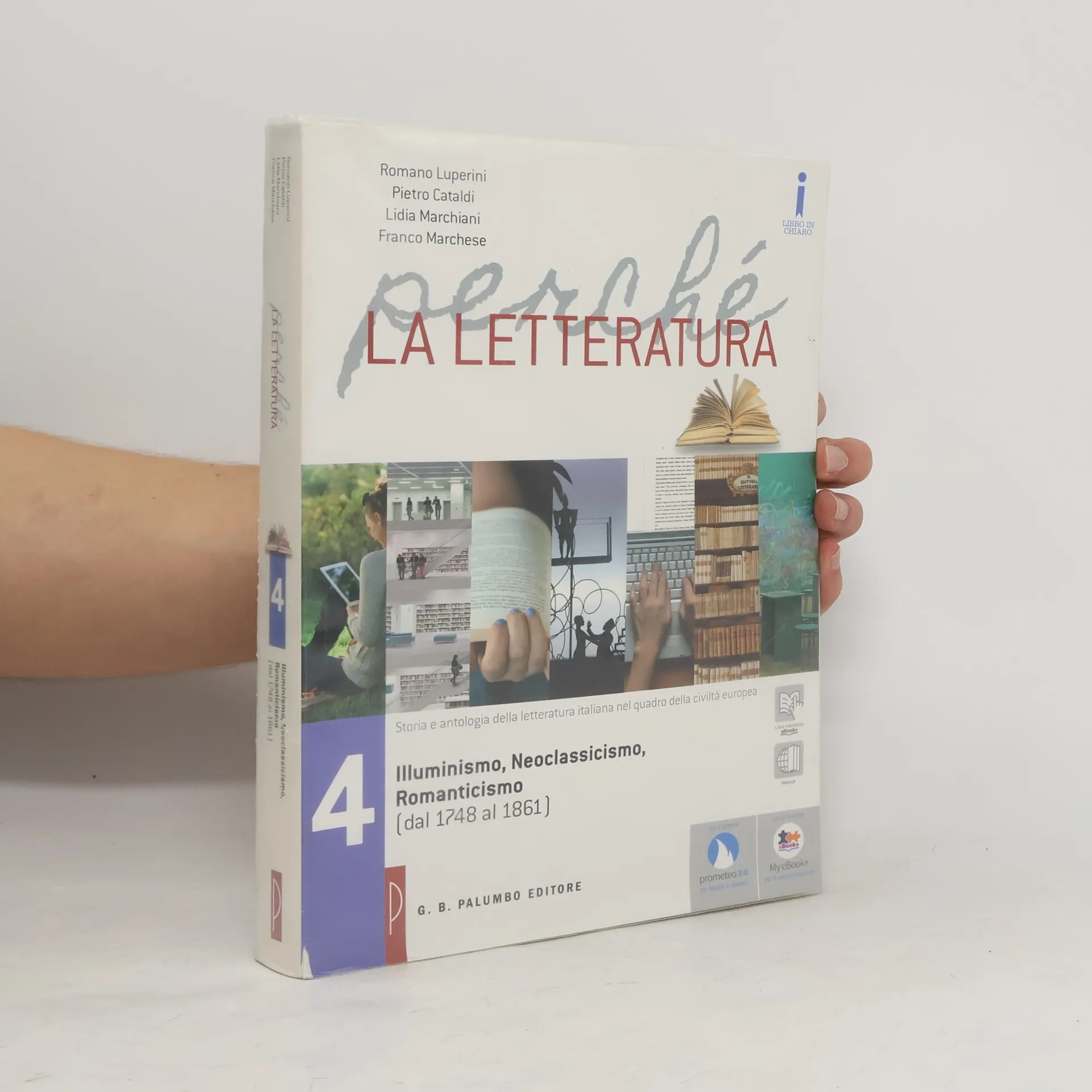
Perché la letteratura
Storia e antologia della letteratura italiana nel quadro della civiltà europea - Dal Manierismo all'Arcadia (dal 1545 al 1748) - Per le scuole superiori. Con e-book. Con espansione online.
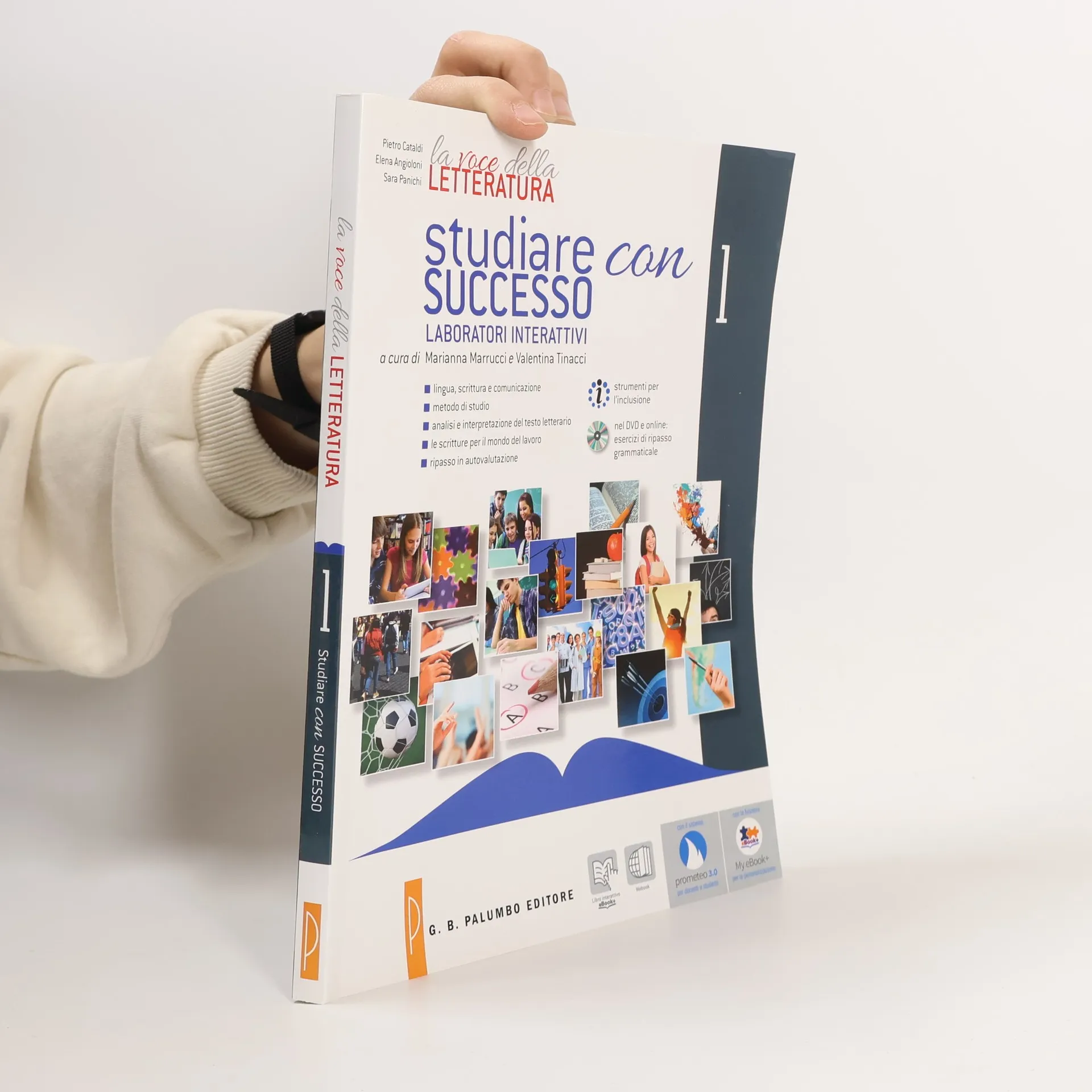
La voce della letteratura
Dalle origini al Rinascimento - Per le Scuole superiori. Con e-book. Con espansione online.
Perché la letteratura 4
Illuminismo, neoclassicismo, romanticismo
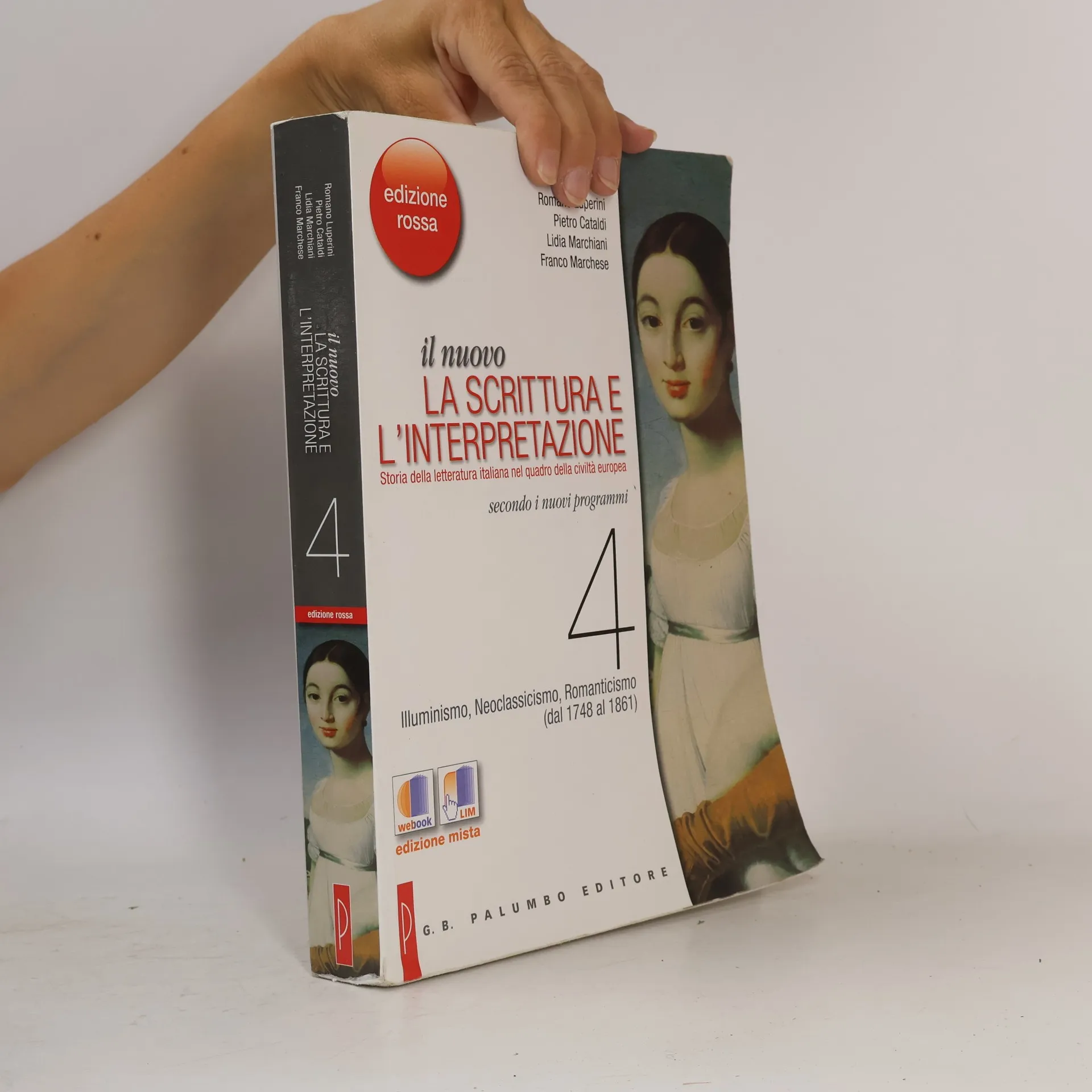
Edizione Rossa - 4: Il Nuovo la Scrittura e l'Interpretazione
Storia e antologia della letteratura italiana nel quadro della civiltà europea. Secondo i nuovi programmi. Illuminismo, Neoclassicismo, Romanticismo (dal 1748 al 1861) - per le scuole superiori
- 864 páginas
- 31 horas de lectura
La letteratura e noi
Dal testo all'immaginario - Forme temi grandi libri. Per la 3ª clase delle Scuole superiori. Con e-book. Con espansione online
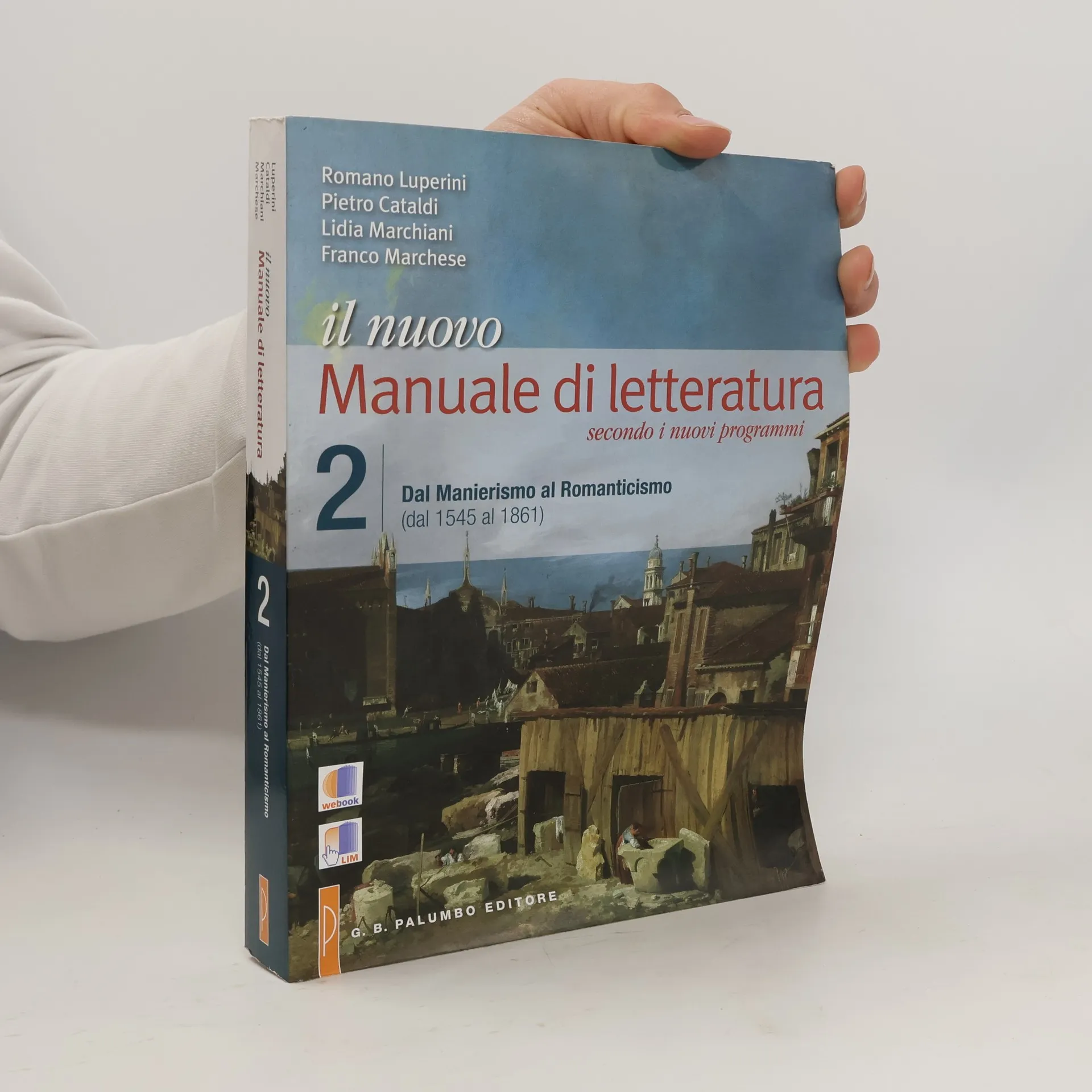
Il nuovo manuale di letteratura per le scuole superiori
Secondo i nuovi programmi - Dal Manierismo al Romanticismo (dal 1545 al 1861)
- 992 páginas
- 35 horas de lectura
Il nuovo. La scrittura e l'interpretazione. Ediz. rossa. Con espansione online. Per le Scuole superiori
- 800 páginas
- 28 horas de lectura
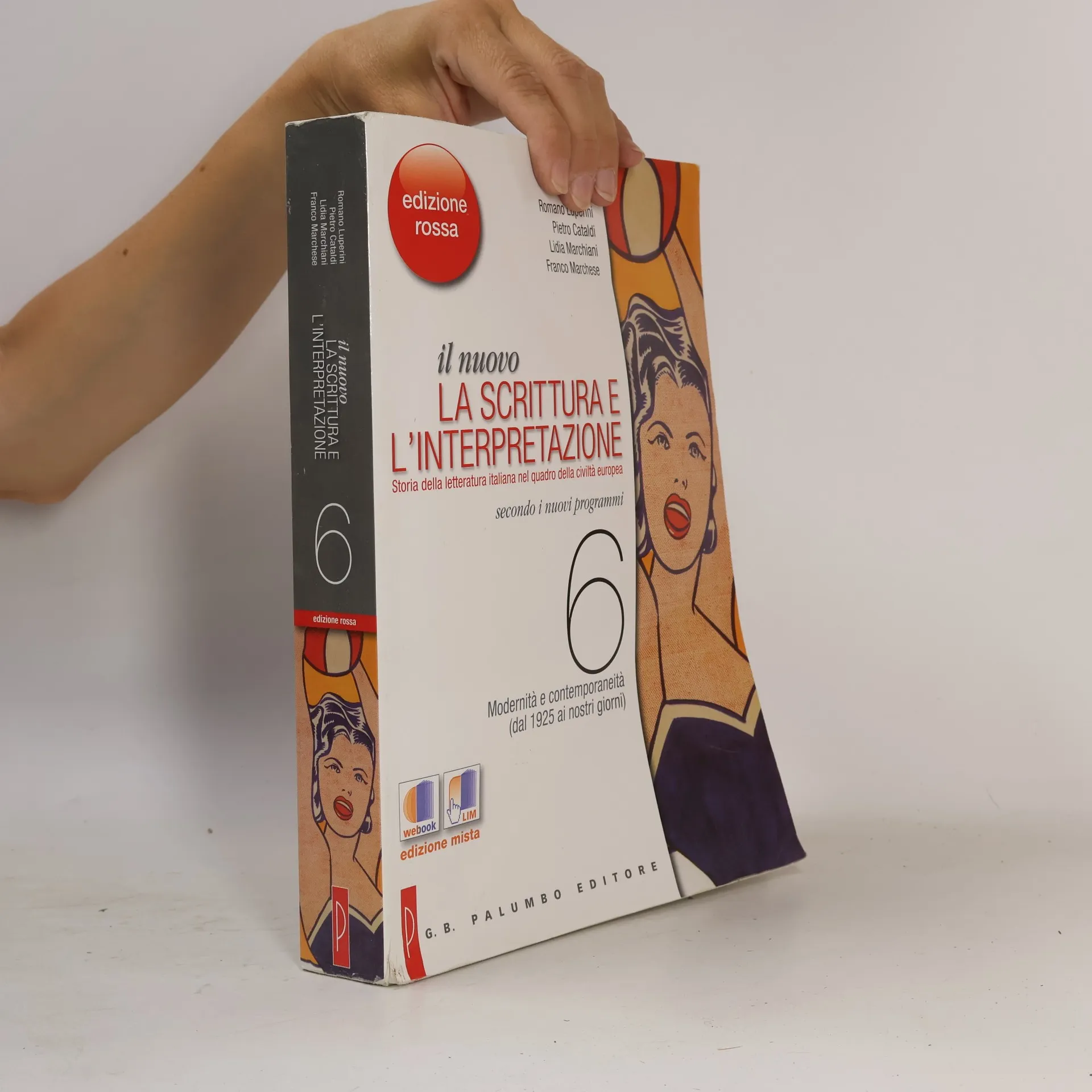
Edizione rossa - 6: Il nuovo. La scrittura e l'interpretazione
Storia della letteratura italiana nel quadro della civiltà europea secondo i nuovi programmi. Modernità e contemporaneità (dal 1925 ai nostri giorni). Con espansione online. Per le scuole superiori
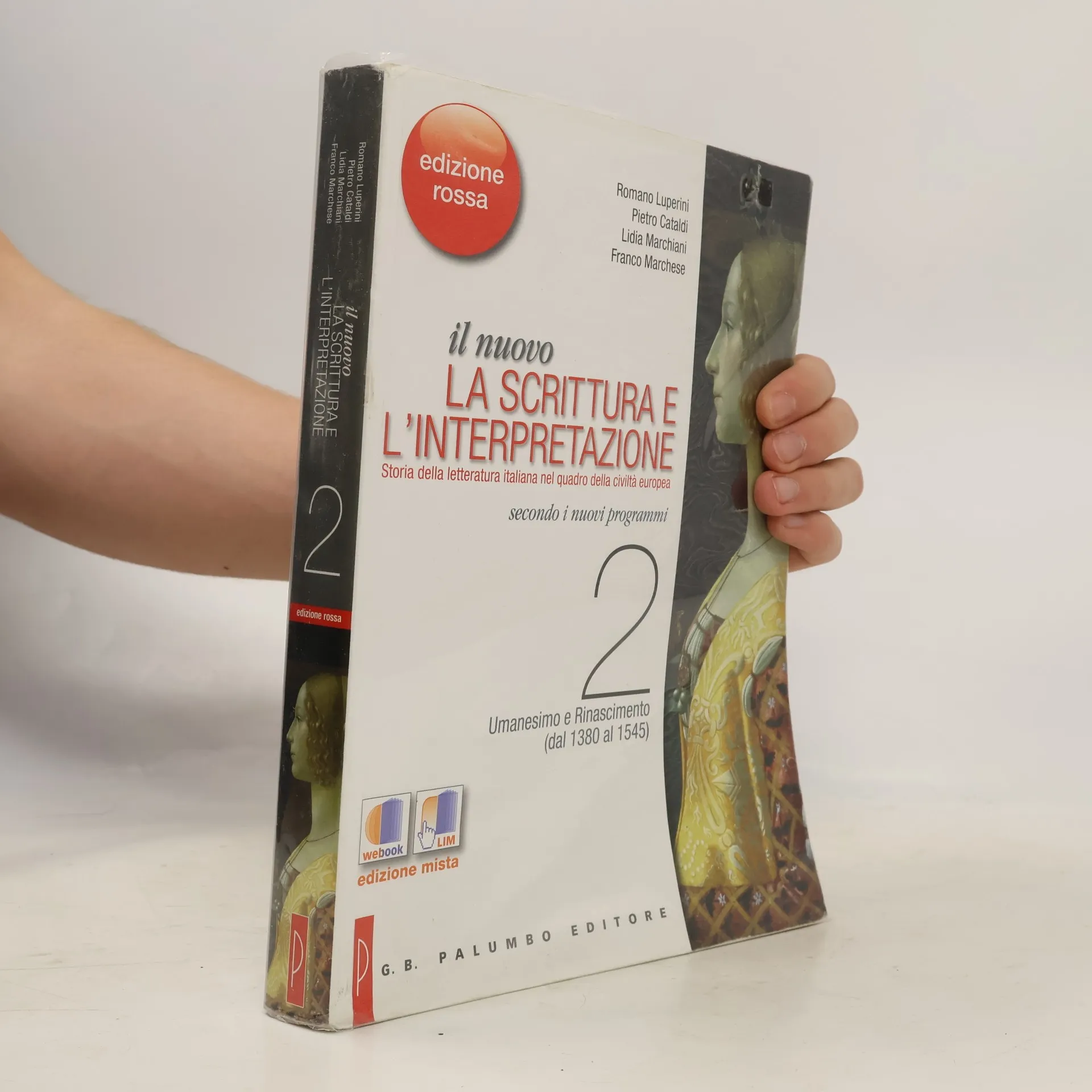
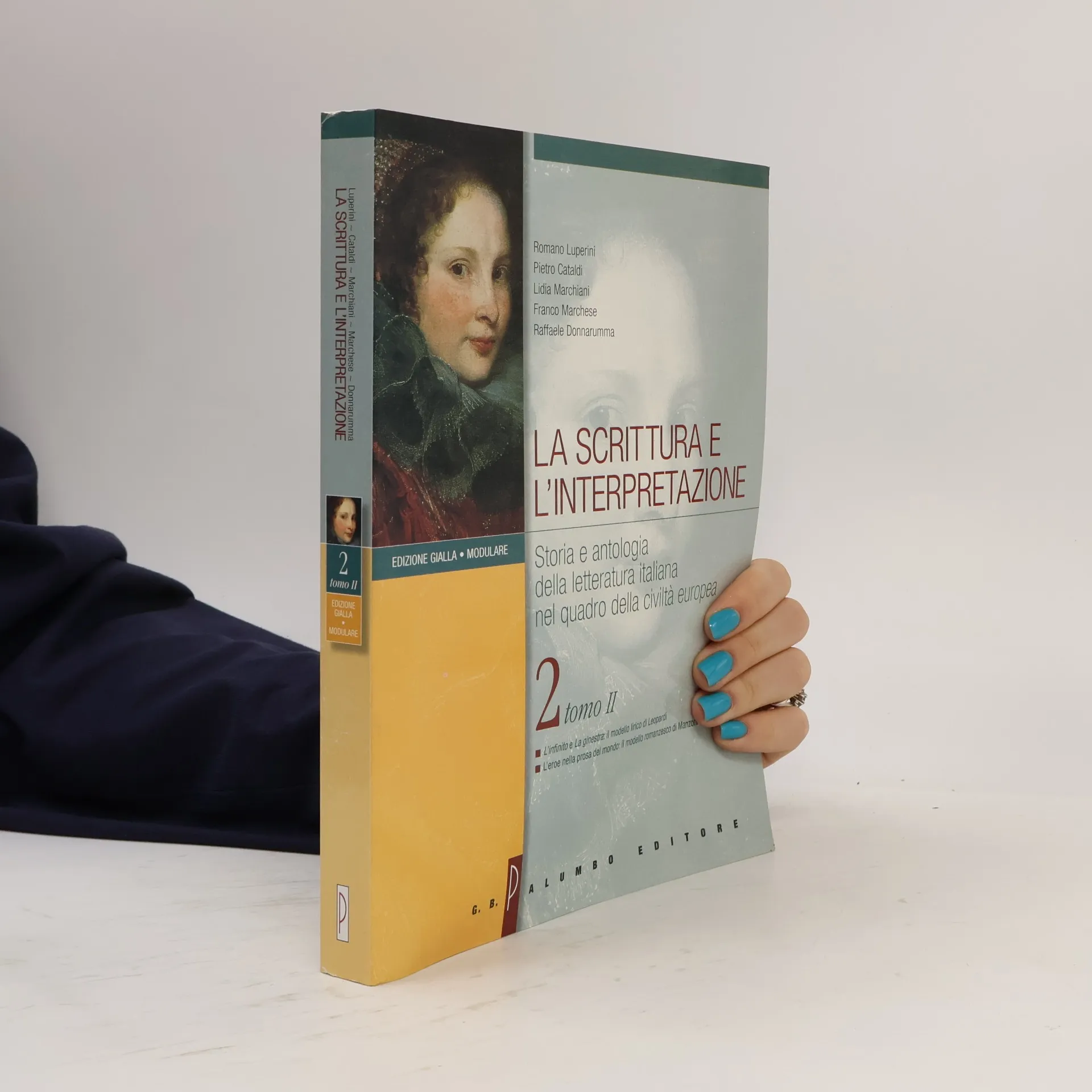
Edizione rossa - 2: Il nuovo. La scrittura e l'interpretazione
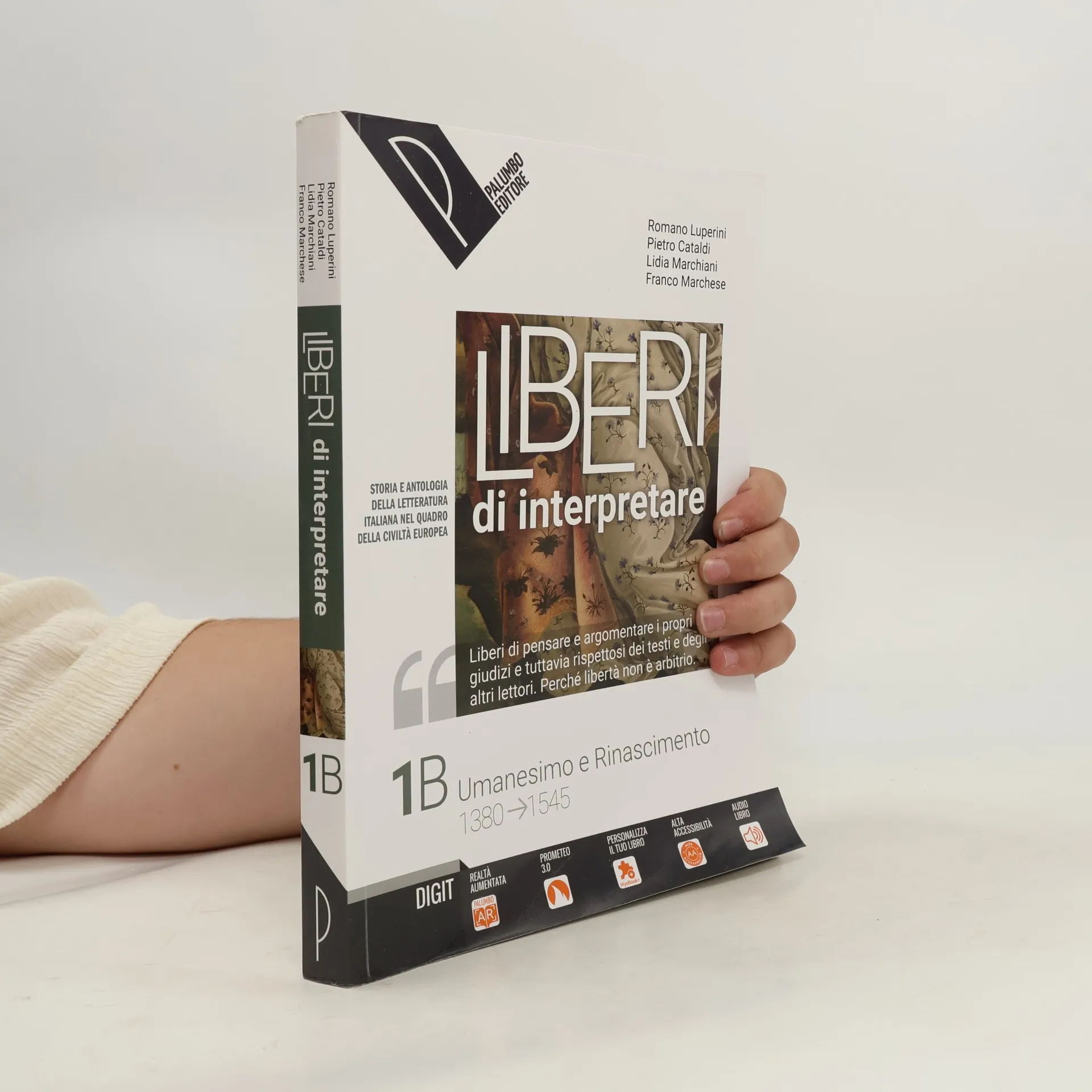
Storia della letteratura italiana nel quadro della civiltà europea - Secondo i nuovi programmi - Umanesimo e Rinascimento (dal 1380 al 1545). Con espansione online. Per le scuole superiori
Il nuovo. La scrittura e l'interpretazione. Con espansione online. Ediz. rossa. Per le scuole superiori
- 256 páginas
- 9 horas de lectura
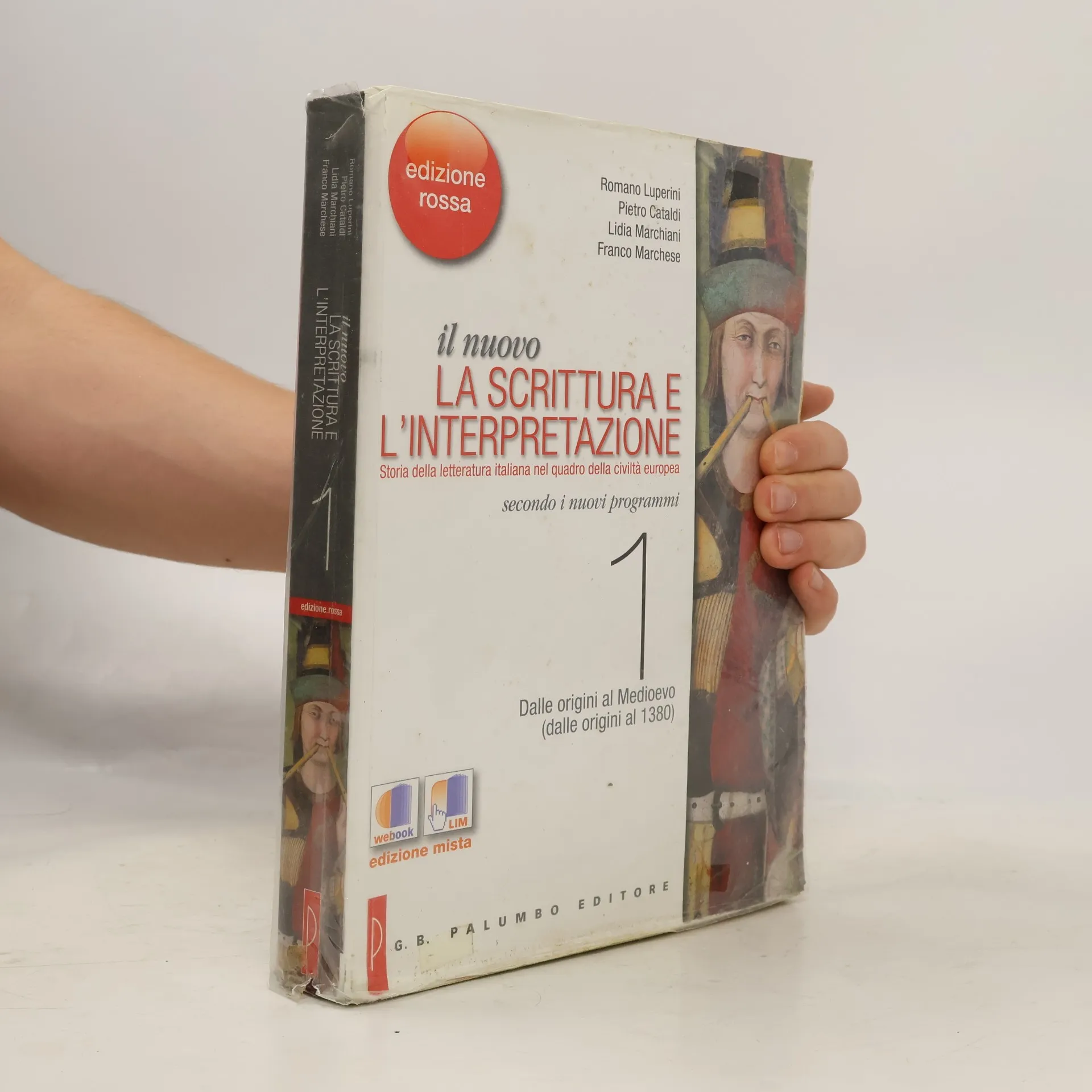
Edizione Rossa - 1: Il nuovo. La scrittura e l'interpretazione
Con espansione online. Per le Scuole superiori. Storia della letteratura italiana nel quadro della civiltà europea. Secondo i nuovi programmi. Dalle origini al Medioevo (dalle origini al 1380)
- 872 páginas
- 31 horas de lectura
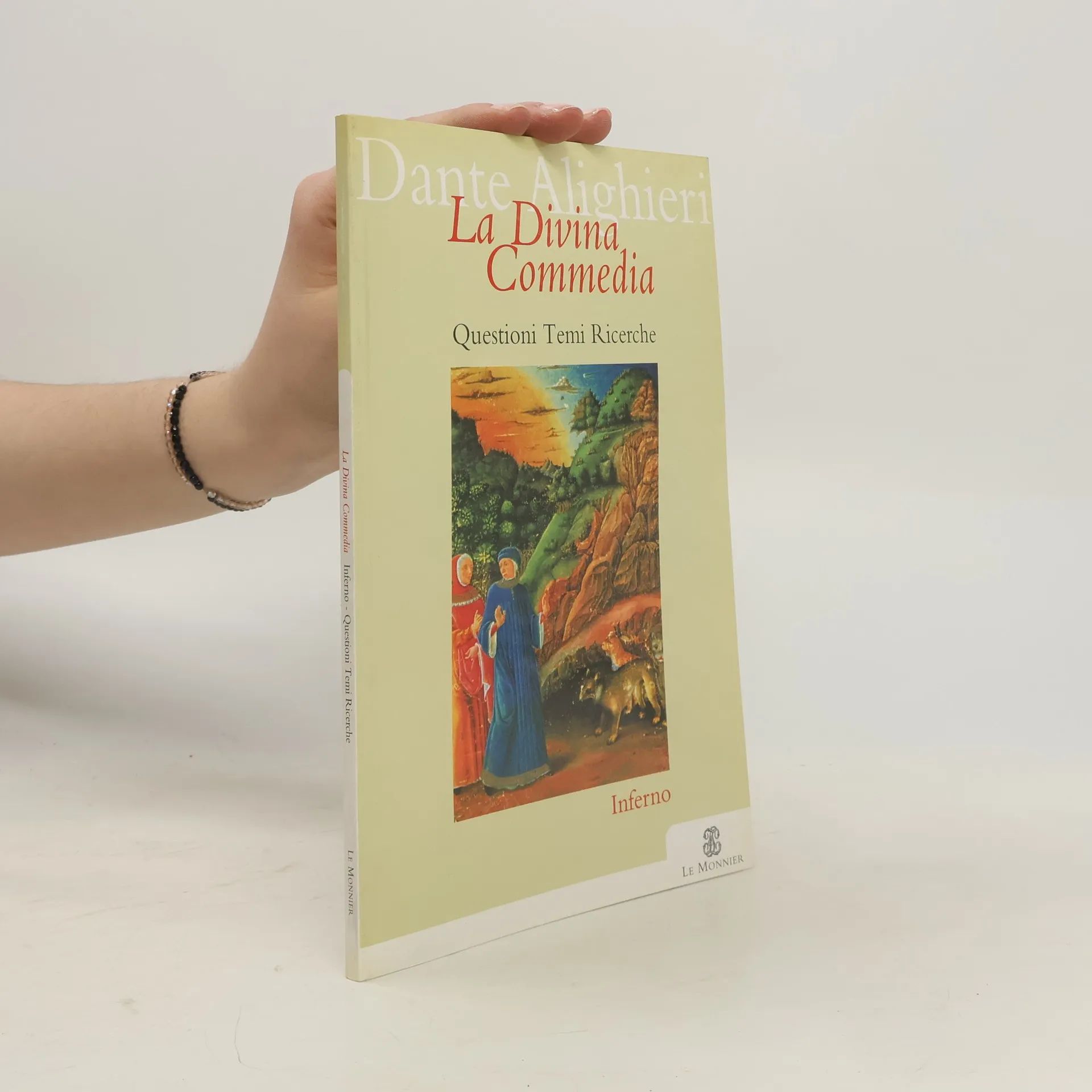
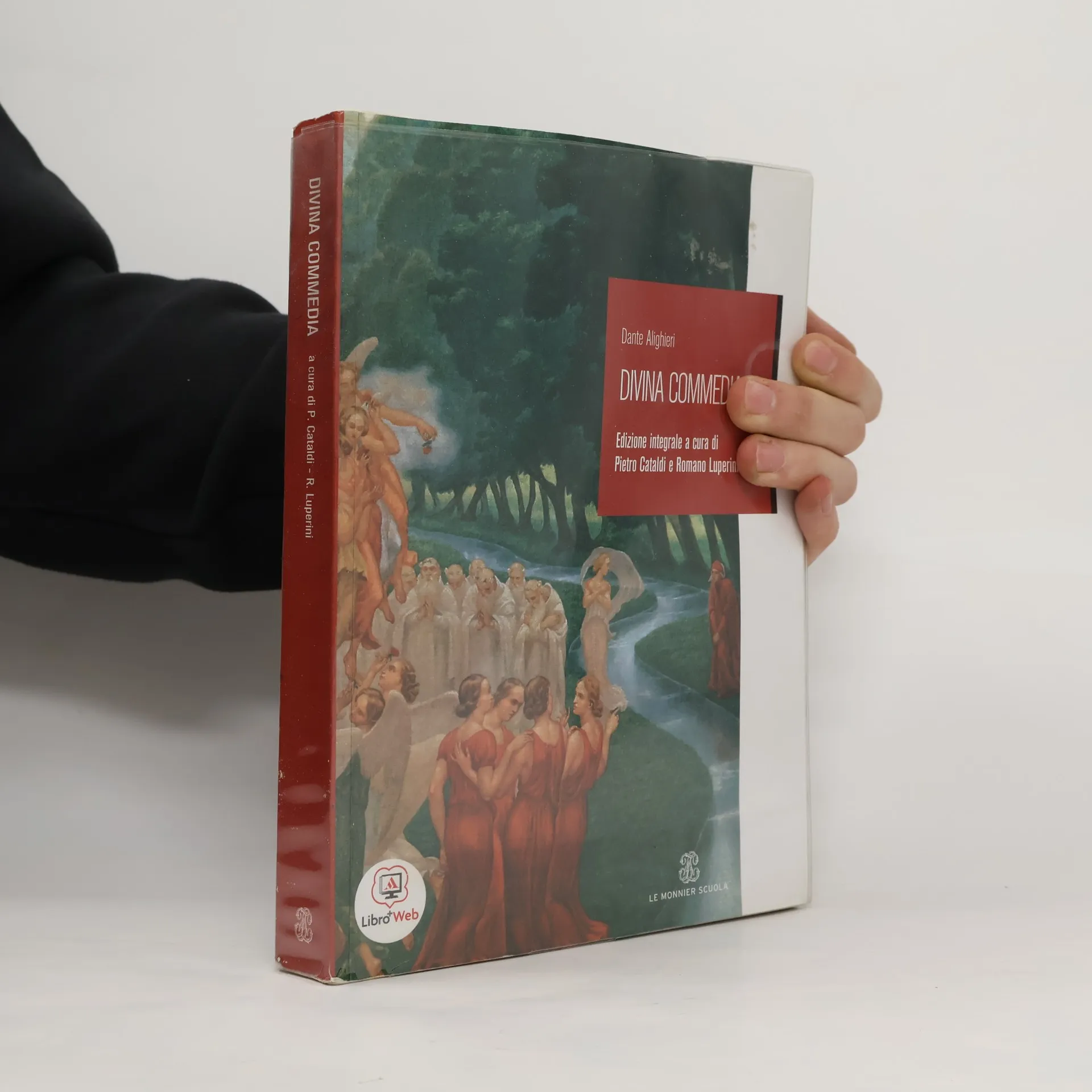
La Divina Commedia. Ediz. integrale. Con espansione online a cura di Pietro Cataldi e Romano Luperini
- 926 páginas
- 33 horas de lectura
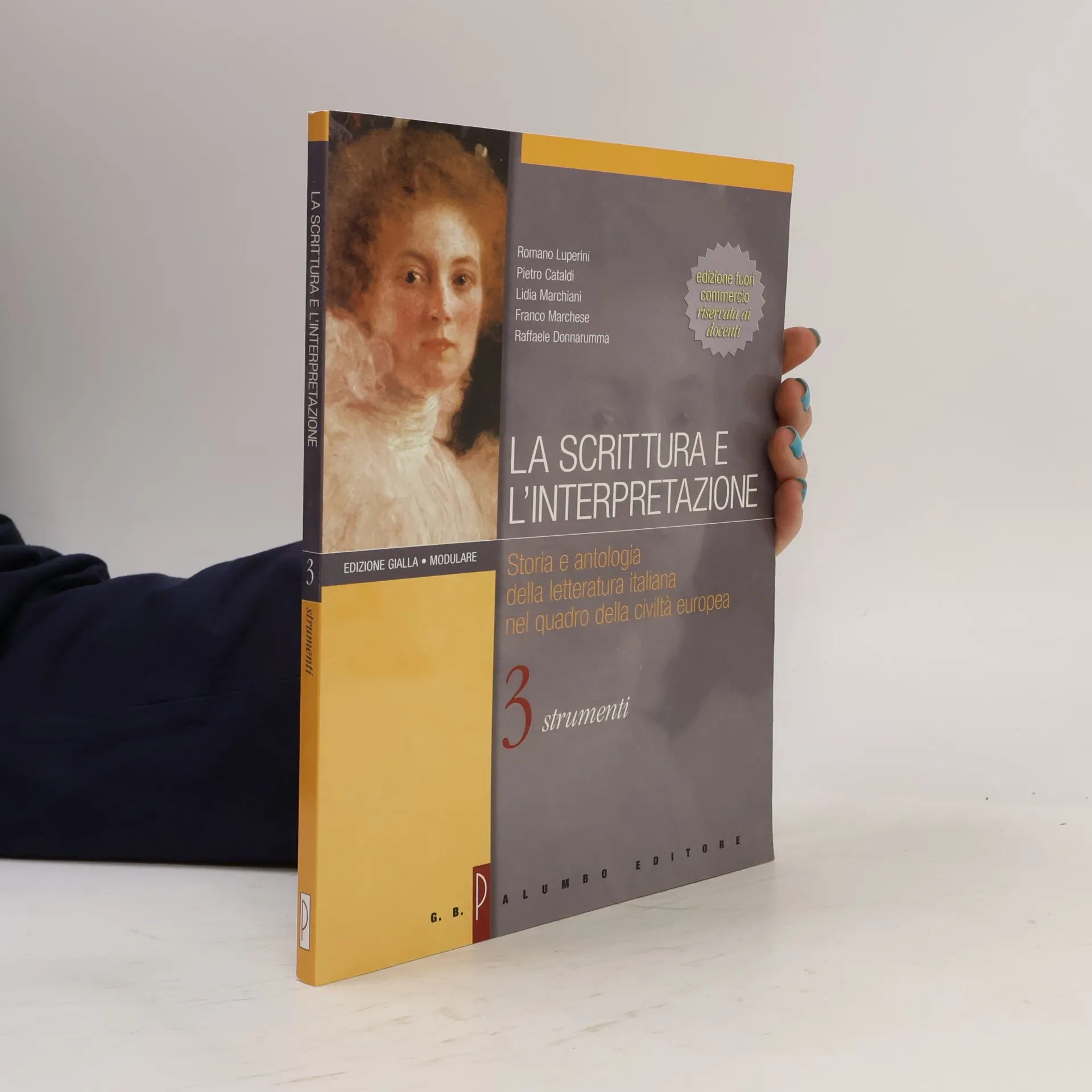
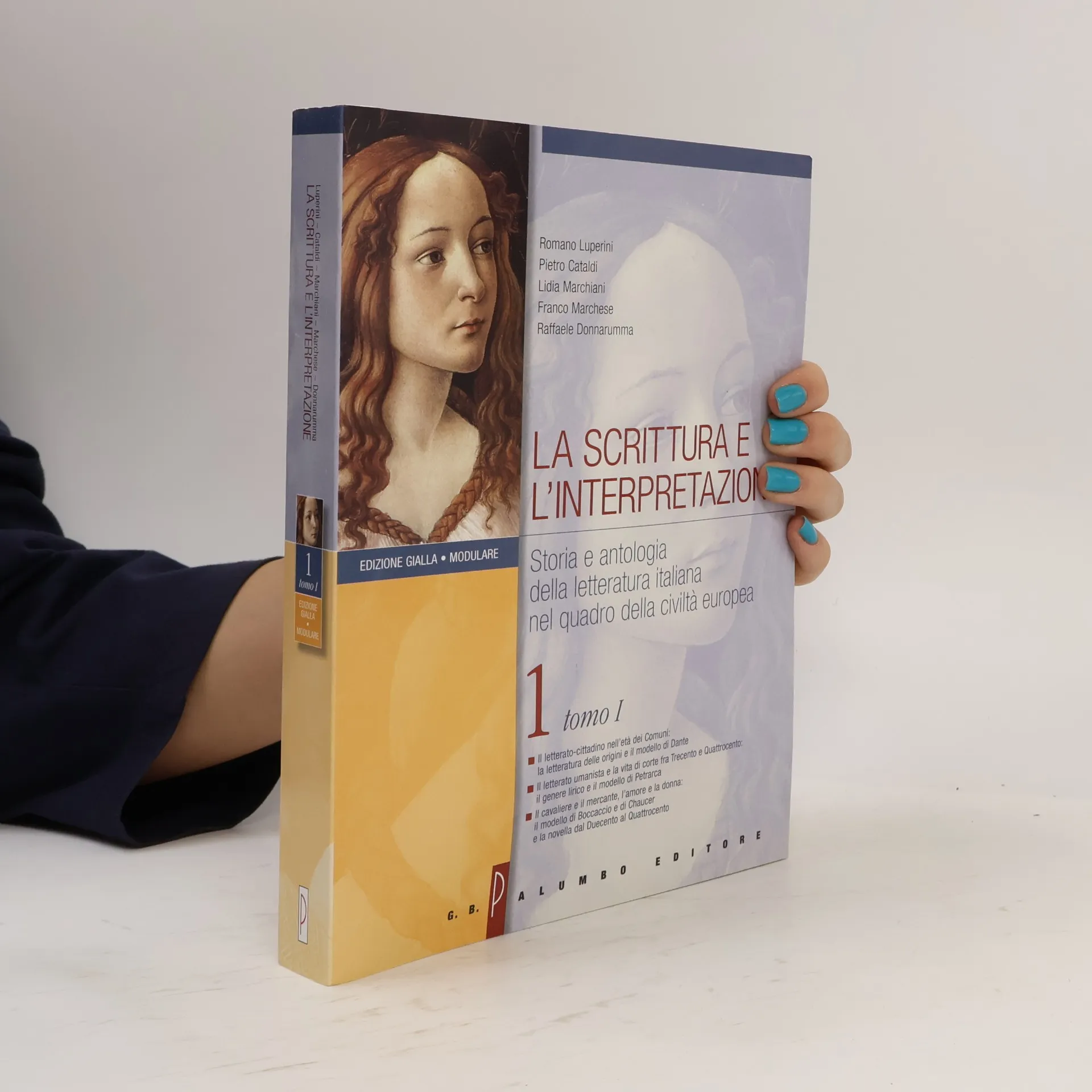
Edizione gialla modulare - 1: La scrittura e l'interpretazione
Storia e antologia della letteratura italiana nel quadro della civiltà europea - Per le scuole superiori
- 1600 páginas
- 56 horas de lectura
Dante Alighieri (1265-1321), padre de la lengua italiana, invirtió doce anos de su vida en escribir la Divina Comedia. Dos hechos biográficos -la muerte de su amada Beatriz y el exilio de su ciudad, Florencia- le sumieron en un estado de incertidumbre y desilusión que sólo logró superar a través de una poesía universalizante que dejó a las generaciones venideras una obra plena de belleza e inmortalidad, base de la literatura alegórica medieval. En la Divina Comedia Dante pretende decir lo que nunca ha sido dicho de mujer alguna: la exaltación del triunfo celestial de la amada, la expresión de un amor que transciende las dimensiones físicas de este mundo y se convierte en pura espiritualidad. El resultado final es un fantástico viajes hacia la redención que abarca todo el argumento existencial, desde la creación del hombre hasta su destino final, la divinidad. Angel Chiclana, de la Universidad Complutense, ofrece en su edición una auténtica guía de lectura, adaptando nuestra sensibilidad moderna a la ideología y la estética medievales y familiarizándonos con los personajes, acontecimientos, instituciones, fuentes literarias y el complejo teológico y filosófico del autor de esta obra cumbre de la literatura universal.