

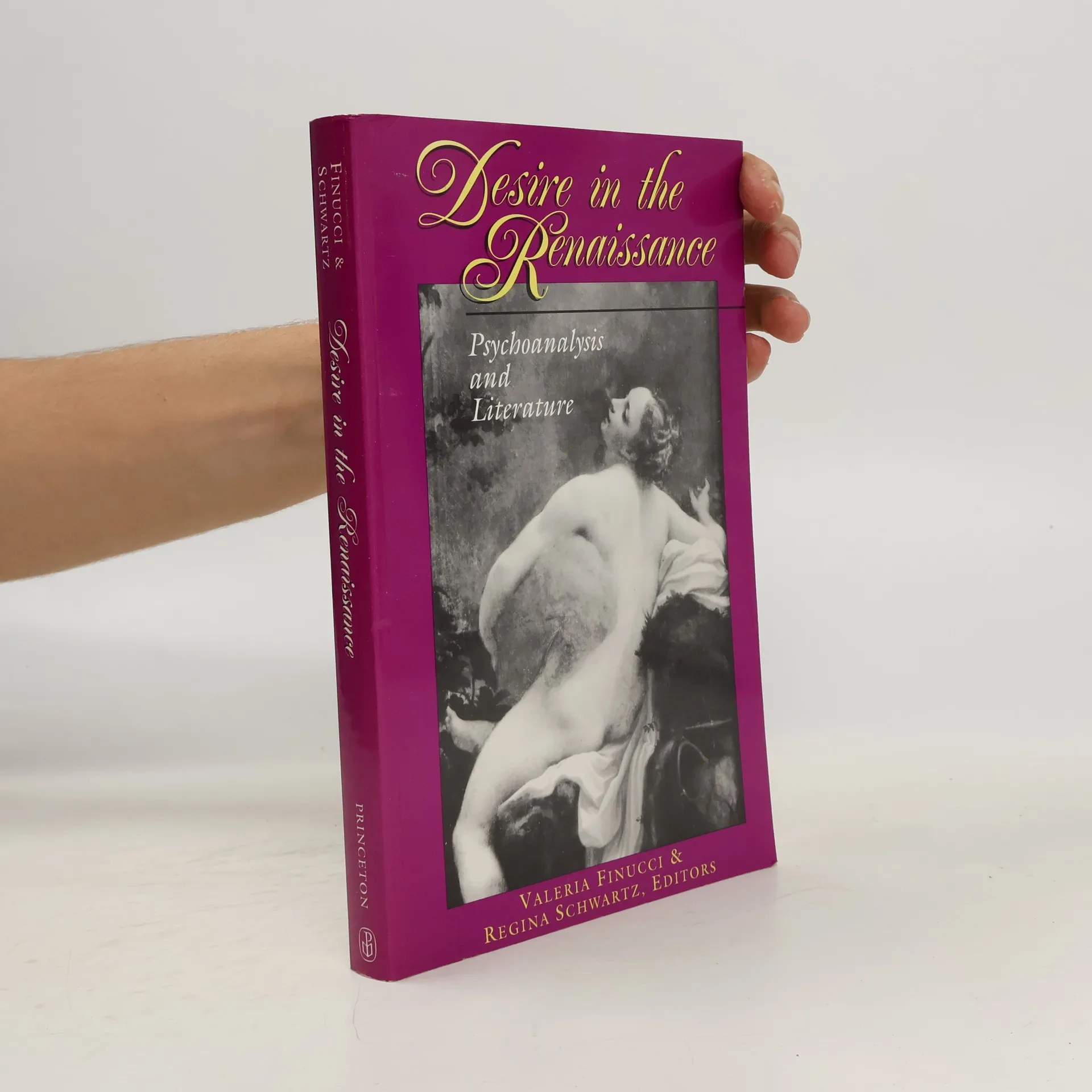
Drawing on various psychoanalytic approaches, ten critics explore how the "inner life" is portrayed in the Renaissance and its interaction with the "external" social and economic realms. The rise of capitalism and the nuclear family spurred Renaissance anxieties over identity, reflected in the period's literature. Much of this literature addresses themes prominent in psychoanalysis, such as mistaken identity, incest, voyeurism, mourning, and the uncanny. The essays cover a range of authors, from Spenser and Milton to Machiavelli and Ariosto, focusing on gender fluidity, the economics of rivalry, the power of the visual, and cultural echoes of the uncanny. Each discussion emphasizes language as a medium of desire, transgression, or oppression. The section "Faking It: Sex, Class, and Gender Mobility" features essays by Marjorie Garber, Natasha Korda, and Valeria Finucci. "Ogling: The Circulation of Power" includes contributions from Harry Berger, Lynn Enterline, and Regina Schwartz. "Loving and Loathing: The Economics of Subjection" presents essays by Juliana Schiesari and William Kerrigan, while "Dreaming On: Uncanny Encounters" features Elizabeth J. Bellamy and David Lee Miller.
Regina M. Schwartz Orden de los libros (cronológico)
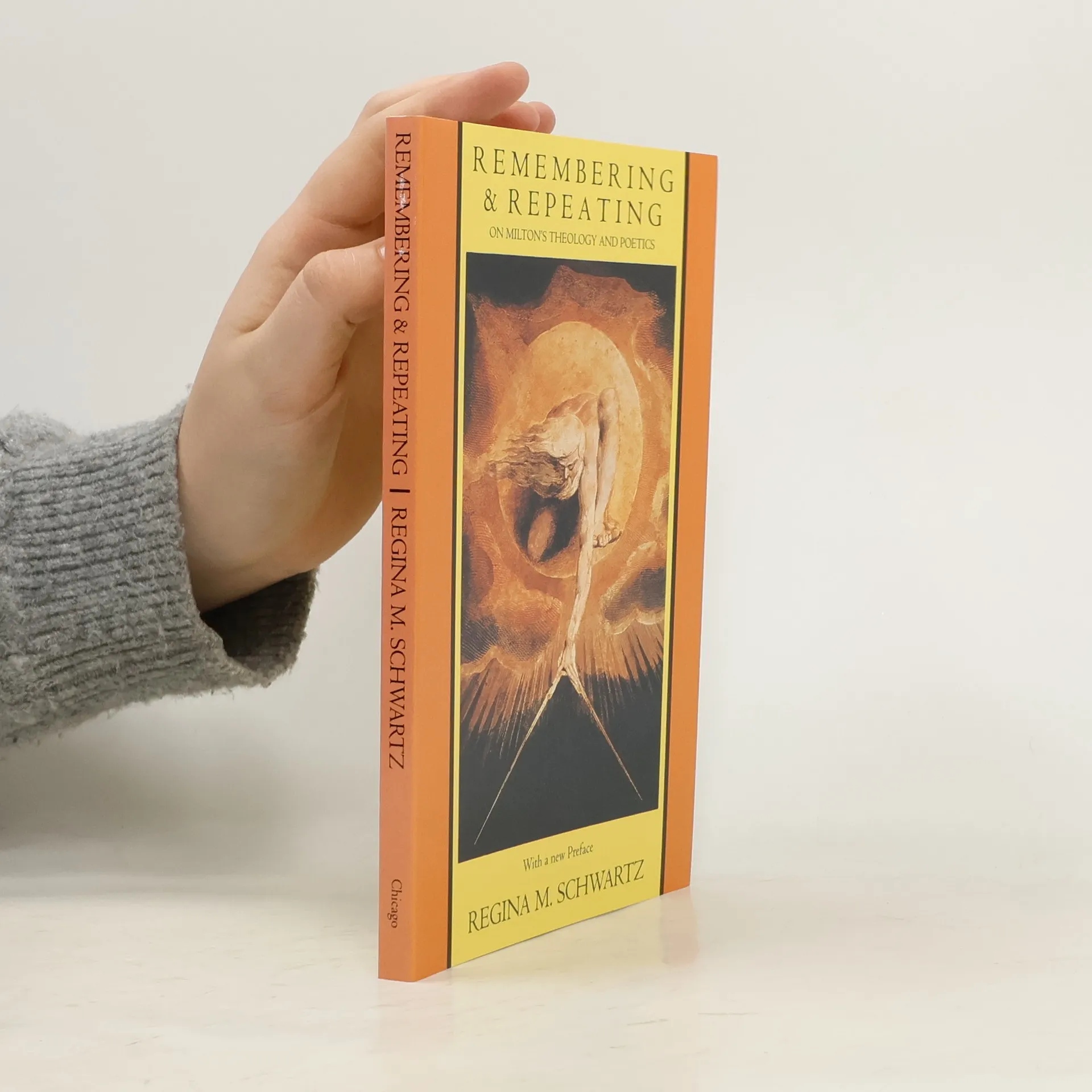
Remembering and Repeating
On Milton's Theology and Poetics - With a New Preface
- 158 páginas
- 6 horas de lectura
In this graceful and compelling book, Regina Schwartz presents a powerful reading of Paradise Lost by tracing the structure of the poem to the pattern of "repeated beginnings" found in the Bible. In both works, the world order is constantly threatened by chaos. By drawing on both the Bible and the more contemporary works of, among others, Freud, Lacan, Ricoeur, Said, and Derrida, Schwartz argues that chaos does not simply threaten order, but rather, chaos inheres in order. "A brilliant study that quietly but powerfully recharacterizes many of the contexts of discussion in Milton criticism. Particularly noteworthy is Schwartz's ability to introduce advanced theoretical perspectives without ever taking the focus of attention away from the dynamics and problematics of Milton's poem."—Stanley Fish