
Bookbot

Mark Lutz

    Mark Lutz es un líder mundialmente reconocido en la formación de Python y una figura pionera en la comunidad Python, autor de los primeros y más vendidos textos sobre el lenguaje. Su extenso trabajo ha sido fundamental para establecer Python como uno de los lenguajes de programación más utilizados a nivel mundial. Lutz ha participado activamente en el desarrollo y la promoción de Python desde 1992, comenzando a escribir libros y a impartir clases a mediados de los 90. Su profunda experiencia tanto en la enseñanza como en la escritura lo ha convertido en una figura central en el desarrollo de software, con contribuciones que abarcan compiladores, aplicaciones de scripting y sistemas cliente-servidor.

    Python. Wprowadzenie. Wydanie V
    (Alb-)Traumjob Redakteur
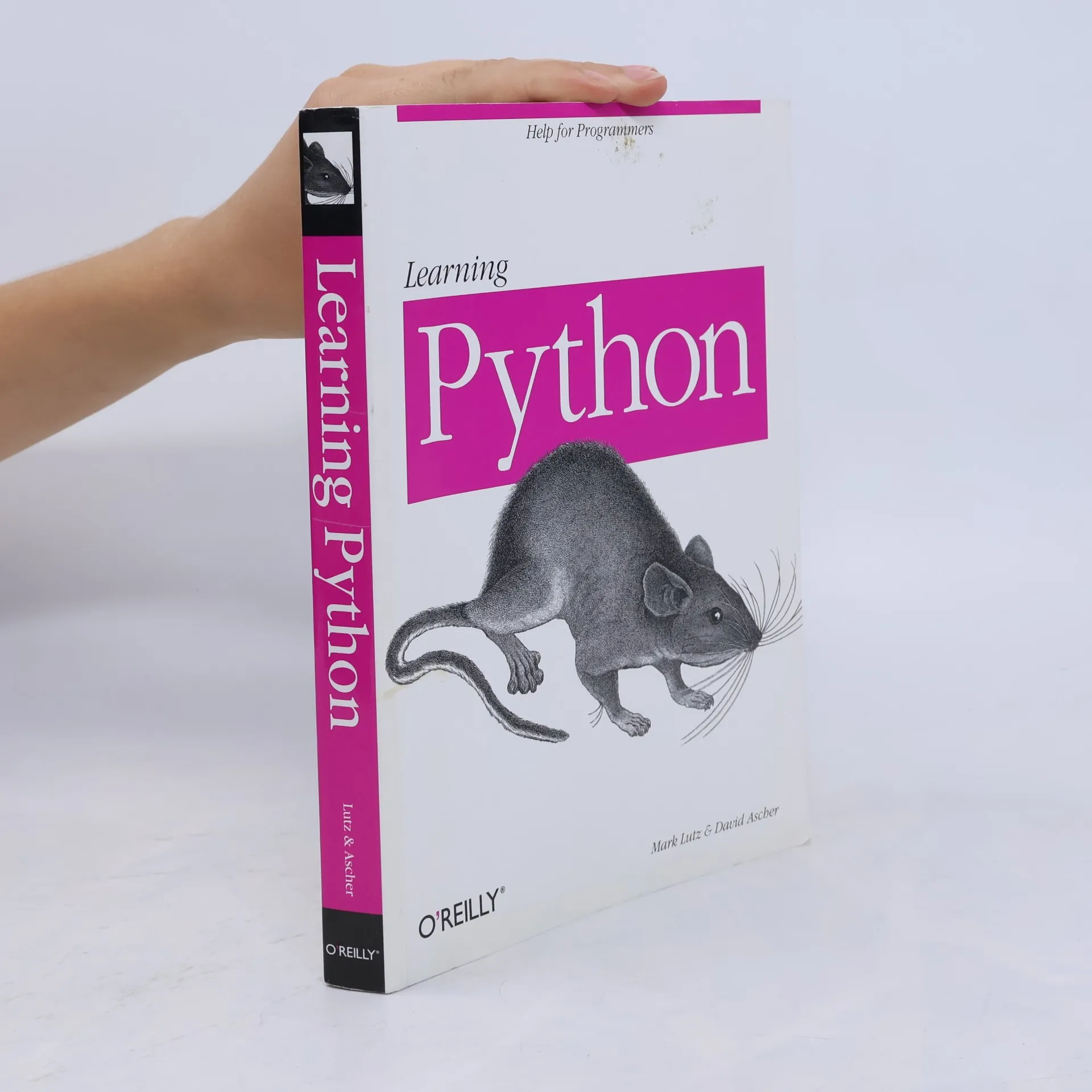
    Learning Python. Covers Python 2.6 and 3.x.
    Learning Python
    Programming Python
    Programming Python. Covers Python 3.x.
    • Python to wszechstronny, wieloparadygmatowy język programowania, który zyskuje popularność dzięki efektywności, czytelności kodu oraz jakości oprogramowania. Jego darmowość, łatwość nauki i przyjemność z pisania kodu sprawiają, że jest idealnym narzędziem dla zespołów deweloperskich w projektach różnej wielkości. Aby w pełni wykorzystać potencjał Pythona, warto zdobyć solidne podstawy, a następnie zgłębić bardziej zaawansowane koncepcje poprzez praktykę. Najnowsze wydanie podręcznika zostało gruntownie zaktualizowane i wzbogacone o dodatkowe treści, obejmujące wersje Pythona 3.X i 2.X, w tym 3.3 i 2.7. Zawiera opisy nowych mechanizmów, takich jak obsługa formatu JSON, moduł timeit, pakiet PyPy, generatory oraz wiele innych. Książka oferuje liczne ćwiczenia, quizy, ilustracje i przykłady kodu, stanowiąc kompendium dla osób pragnących szybko rozpocząć programowanie w Pythonie i tworzyć wydajny kod. W publikacji omówiono składnię Pythona, koncepcje iteracji, wbudowane typy obiektów, struktury programistyczne wyższego poziomu, programowanie funkcyjne oraz obiektowe, a także zaawansowane zagadnienia dla profesjonalistów. Już dziś zacznij pisać znakomity kod w Pythonie!

      Python. Wprowadzenie. Wydanie V2020
    • If you've mastered Python's fundamentals, you're ready to start using it to get real work done. Programming Python will show you how, with in-depth tutorials on the language's primary application domains: system administration, GUIs, and the Web. You'll also explore how Python is used in databases, networking, front-end scripting layers, text processing, and more. This book focuses on commonly used tools and libraries to give you a comprehensive understanding of Python's many roles in practical, real-world programming. You'll learn language syntax and programming techniques in a clear and co

      Programming Python. Covers Python 3.x.2011
      4,0
    • Learning Python. Covers Python 2.6 and 3.x.

      • 1162 páginas
      • 41 horas de lectura

      Google and YouTube use Python because it's highly adaptable, easy to maintain, and allows for rapid development. If you want to write high-quality, efficient code that's easily integrated with other languages and tools, this hands-on book will help you be productive with Python quickly -- whether you're new to programming or just new to Python. It's an easy-to-follow self-paced tutorial, based on author and Python expert Mark Lutz's popular training course. Each chapter contains a stand-alone lesson on a key component of the language, and includes a unique Test Your Knowledge section with practical exercises and quizzes, so you can practice new skills and test your understanding as you go. You'll find lots of annotated examples and illustrations to help you get started with Python 3.0. Learn about Python's major built-in object types, such as numbers, lists, and dictionaries Create and process objects using Python statements, and learn Python's general syntax model Structure and reuse code using functions, Python's basic procedural tool Learn about Python modules: packages of statements, functions, and other tools, organized into larger components Discover Python's object-oriented programming tool for structuring code Learn about the exception-handling model, and development tools for writing larger programs Explore advanced Python tools including decorators, descriptors, metaclasses, and Unicode processing

      Learning Python. Covers Python 2.6 and 3.x.2009
      4,0
    • Programming Python

      • 1596 páginas
      • 56 horas de lectura

      This third edition has been updated to reflect current best practices and the abundance of changes introduced by the latest version of the language, Python 2.5. Whether you're a novice or an advanced practitioner, you'll find this refreshed book more than lives up to its reputation. Programming Python, 3rd Edition, teaches you the right way to code. It explains Python language syntax and programming techniques in a clear and concise manner, with numerous examples that illustrate both correct usage and common idioms. By reading this comprehensive guide, you'll learn how to apply Python in real-world problem domains such as: GUI programming, Internet scripting, parallel processing, database management, networked applications. You'll also learn how to use the Python language in realistically scaled programs--concepts such as Object-Oriented Programming (OOP) and code reuse are recurring side themes throughout this text

      Programming Python1999
      4,0
    • Learning Python

      Powerful Object-Oriented Programming - 6th Edition

      • 1169 páginas
      • 41 horas de lectura

      Get a comprehensive, in-depth introduction to the core Python language with this hands-on book. Based on author Mark Lutz's popular training course, this updated sixth edition will help you quickly write efficient, high-quality code with Python. It's an ideal way to begin, whether you're new to programming or a professional developer versed in other languages. Complete with quizzes, exercises, and helpful illustrations, this easy-to-follow self-paced tutorial gets you started with Python 3.12 and all other releases in use today. With a pragmatic focus on what you need to know, it also introduces some advanced language features that have become increasingly common in Python code. This book helps you: Explore Python's built-in object types such as strings, lists, dictionaries, and files Create and process objects with Python statements, and learn Python's syntax model Use functions and functional programming to avoid redundancy and maximize reuse Organize code into larger components with modules and packages Code robust programs with Python's exception handling and development tools Apply object-oriented programming and classes to make code customizable Survey advanced Python tools including decorators, descriptors, and metaclasses Write idiomatic Python code that runs portably across a wide variety of platforms

      Learning Python1999
      4,0