Prohíbidas por los gobiernos estalinistas y objeto de culto entre los círculos de la cultura checa de los últimos treinta años, este volumen reúne una antología de sus piezas teatrales, testimonio único de la crisis del hombre inmerso en el atropello de l
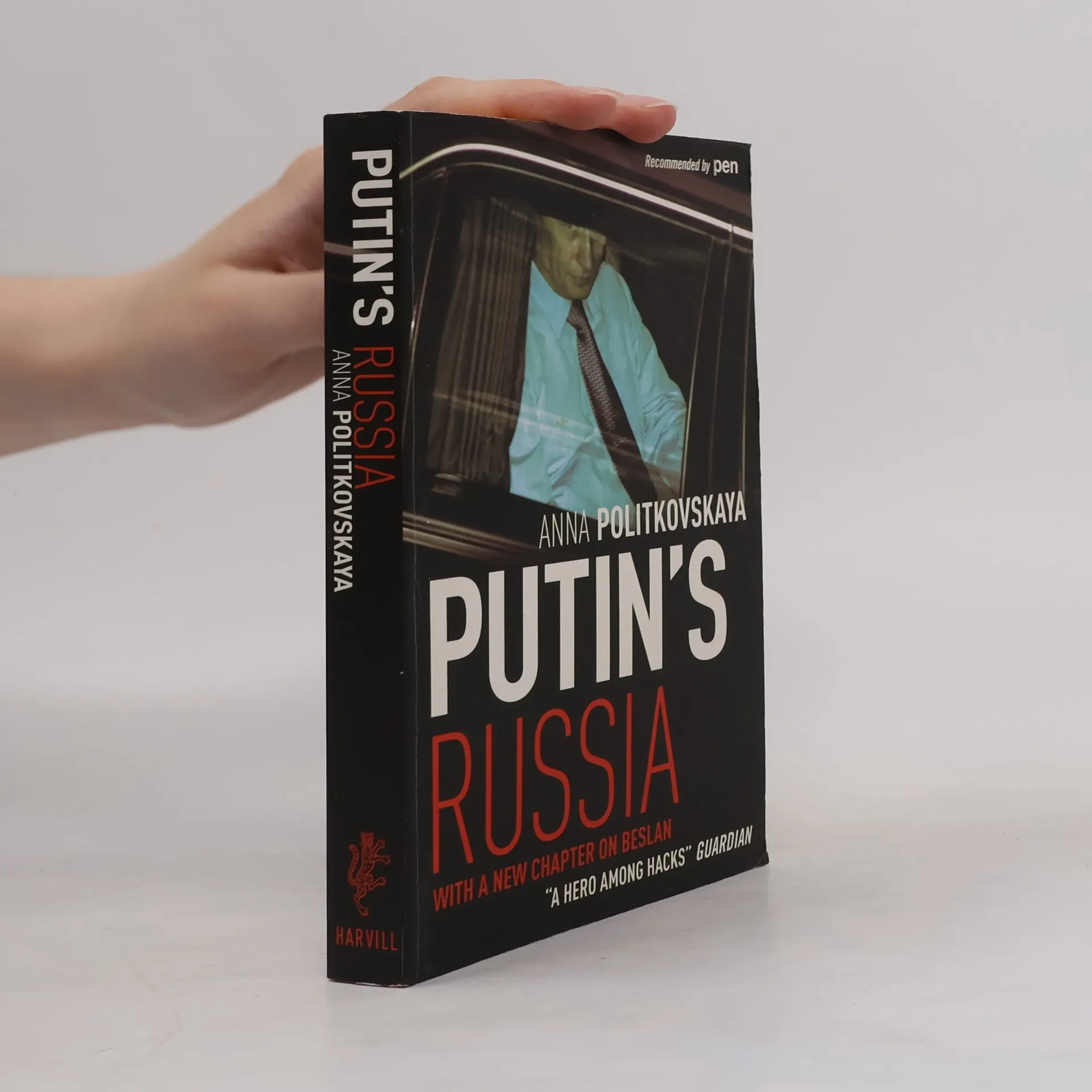
A former KGB spy, Vladimir Putin was named President of Russia in 2000. From the moment he entered the public arena he marketed himself as an open, enlightened leader eager to engage with the West. This book tells the story of Putin's iron grip on Russian life from the individual citizens whose situations have been shaped by his brand of tyranny.
Vasily Grossman wrote three novels about the Second World War, each offering a distinct take on what a war novel can be, and each extraordinary. A common set of characters links Stalingrad and Life and Fate, but Stalingrad is not only a moving and exciting story of desperate defense and the turning tide of war, but also a monumental memorial for the countless war dead. Life and Fate, by contrast, is a work of moral and political philosophy as well as a novel, and the deep question it explores is whether or not it is possible to behave ethically in the face of overwhelming violence. The People Immortal is something else entirely. Set during the catastrophic first months of the German invasion of the Soviet Union, this is the tale of an army battalion dispatched to slow the advancing enemy at any cost, with encirclement and annihilation its promised end. A rousing story of resistance, The People Immortal is the novel as weapon in hand.
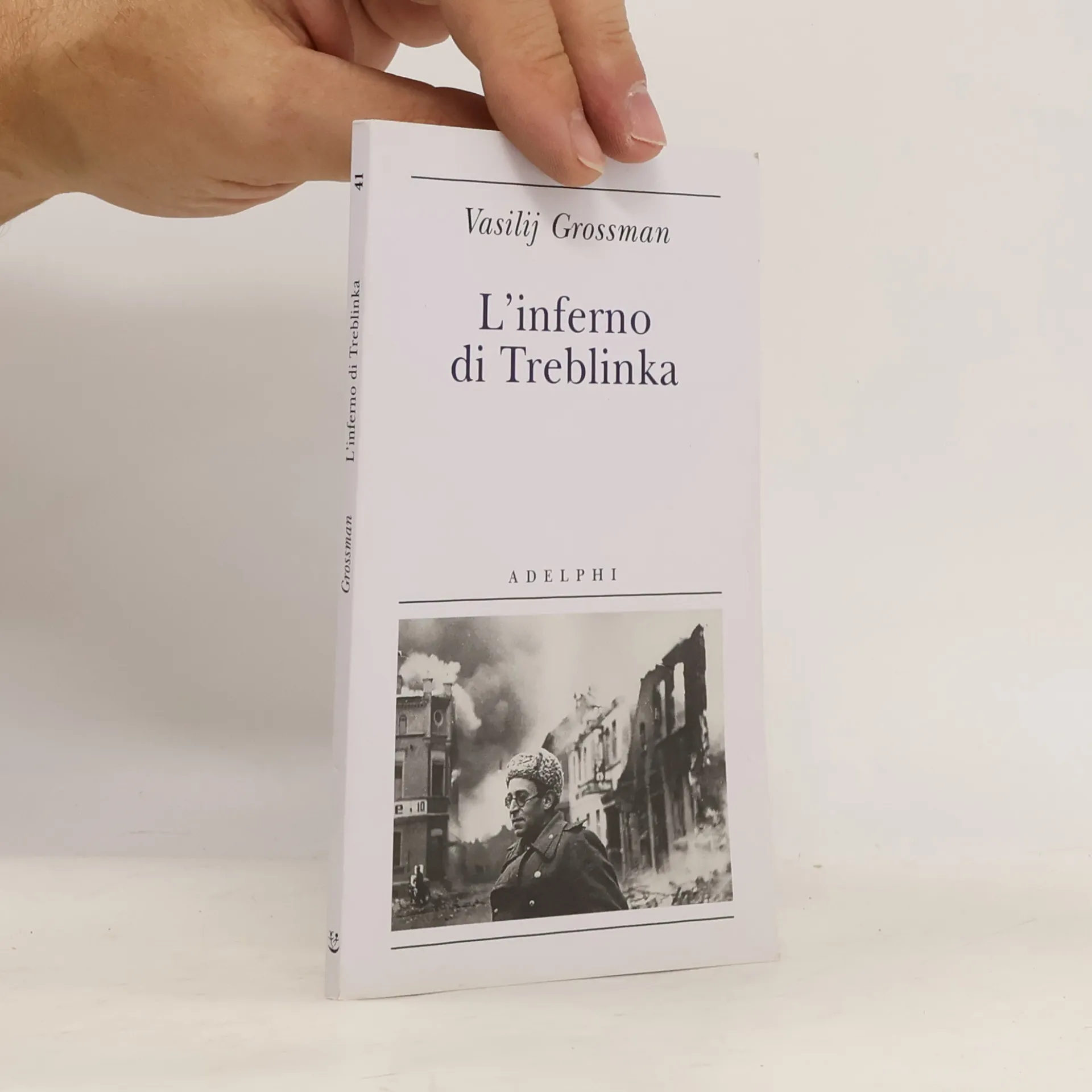
La più terribile fabbrica della morte nazista nel folgorante, esemplare reportage – fondato su testimonianze di prima mano e scritto subito dopo la liberazione del campo, nell’autunno 1944 – da un inviato d’eccezione.
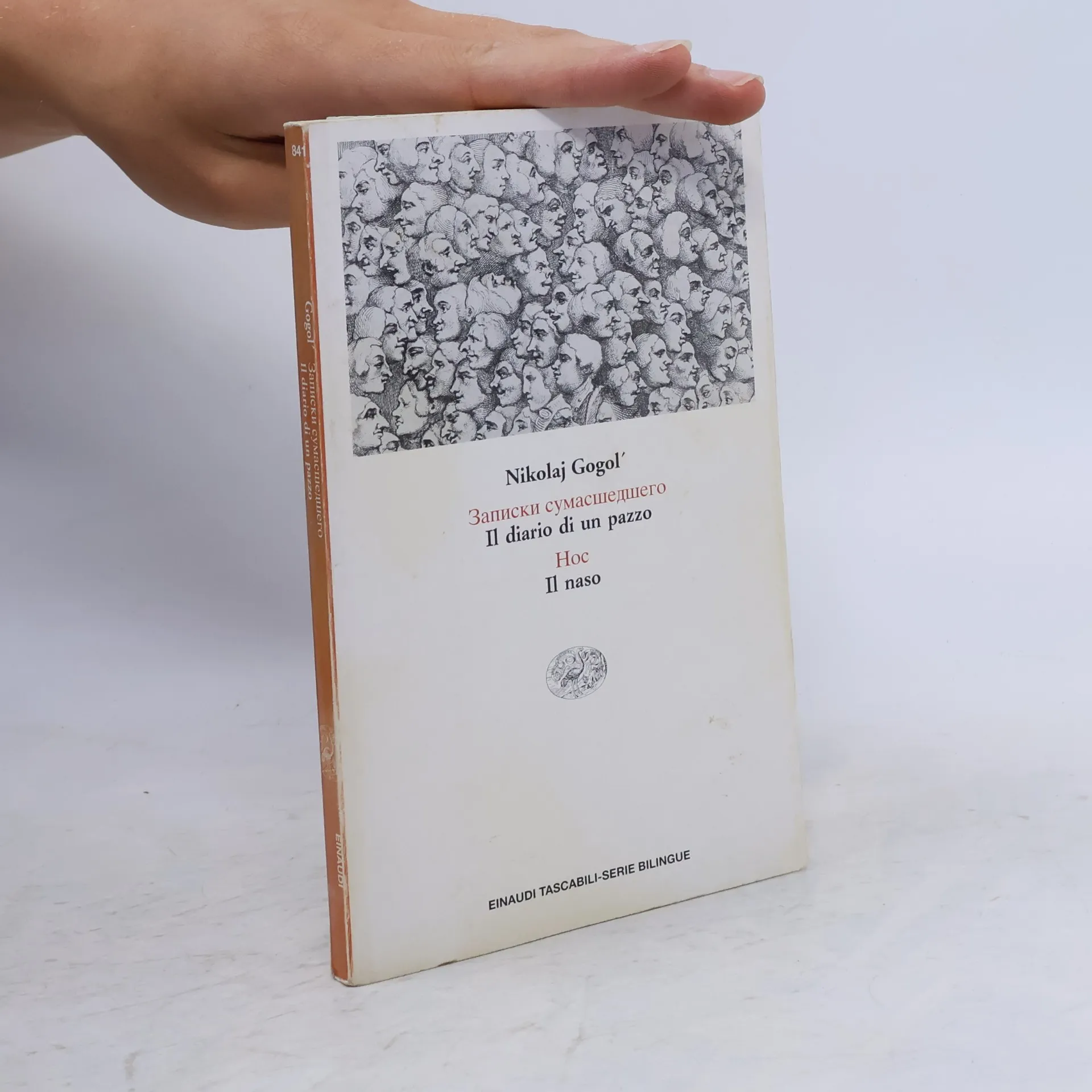
Ivan Jakovlevic frugacchiò cauto con il coltello e tastò col dito. «È consistente! - disse tra sé e sé. - Che diavolo sarà?» Ci infilò le dita e ne cavò... un naso! Ivan Jakovlevic restò di stucco; si fregò gli occhi e riprese a tastarlo: era un naso, proprio un naso! E per di piú gli pareva un naso conosciuto. Due dei racconti piú celebri usciti dalla penna di Gogol´ e che meglio danno corpo alla sua forza immaginifica e alla sua originalità linguistica. Il maggiore Kovalev del Naso, alla ricerca strenua e bizzarra della prominenza staccatasi dal suo viso, vaga per la città, e l'impiegatuccio Popriscin del Diario di un pazzo, assurto nella sua mente turbata ai fasti del trono di Spagna ma che nella cruda realtà è confinato in un mesto manicomio. Questi i personaggi che popolano le pagine di un maestro indiscusso del grottesco e di quel «realismo fantastico» di cui è stato progenitore.