In 1941, Henry Miller, the author of Tropic of Cancer, was commissioned by a Los Angeles bookseller to write an erotic novel for a dollar a page. Under the Roofs of Paris (originally published as Opus Pistorum) is that book. Here one finds Miller’s characteristic candor, wit, self-mockery, and celebration of the good life. From Marcelle to Tania, to Alexandra, to Anna, and from the Left Bank to Pigalle, Miller sweeps us up in his odyssey in search of the perfect job, the perfect woman, and the perfect experience.
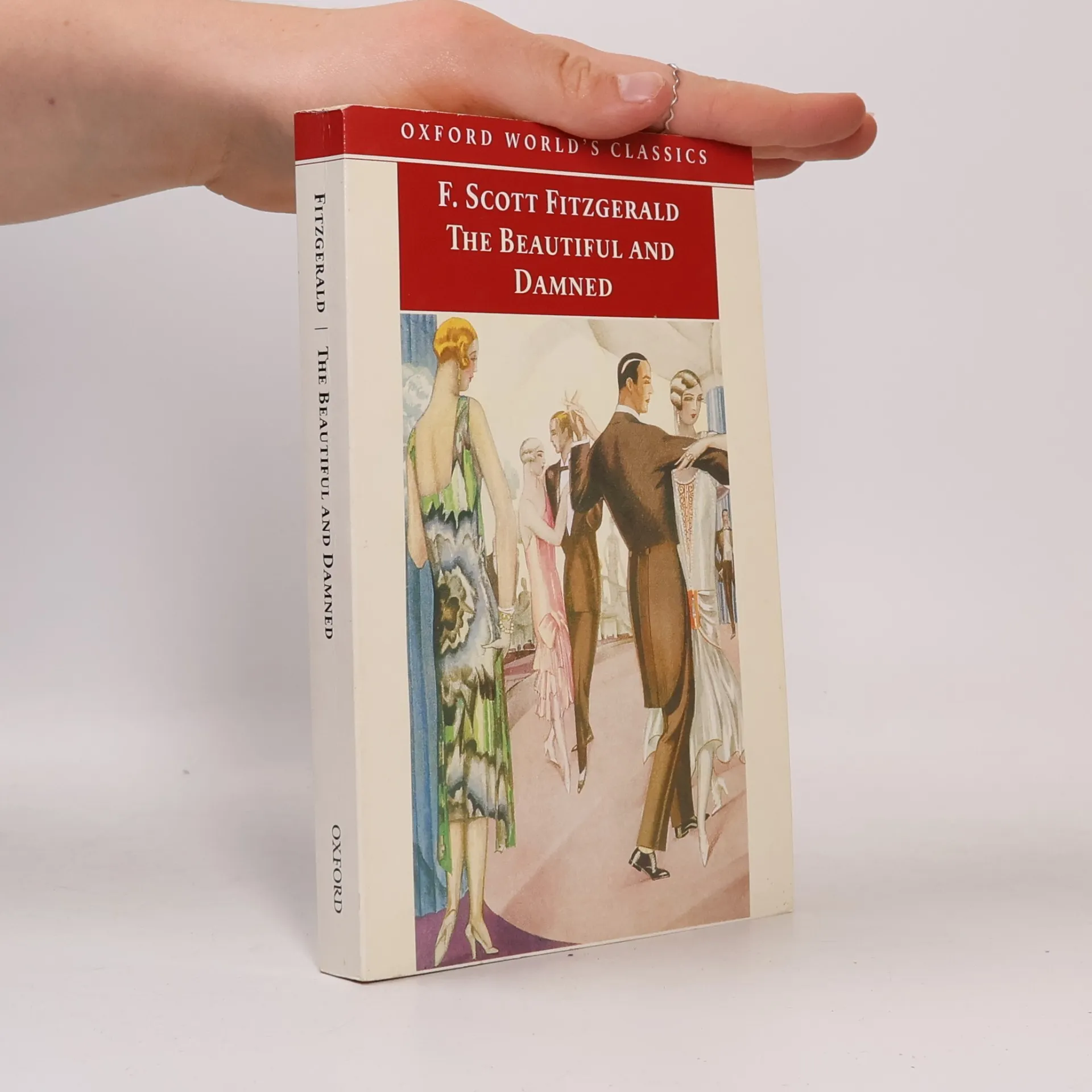
F. Scott Fitzgerald's second novel, The Beautiful and Damned (1922), is a savage and haunting satire of the young, rootless post-war generation who live intent only on the pursuit of wealth and decadent pleasure. Anthony Patch's marriage to the beautiful but selfish Gloria is idyllic at first but the union slowly disintegrates as reality sets in and their goal becomes Adam Patch's fortune. Gloria's beauty fades, and Anthony's drinking takes its toll. Charting the corrosive attraction of wealth and its malign influence, The Beautiful and Damned is also a vivid portrait of early twentieth-century New York and the sights and sounds of the city's burgeoning night life.
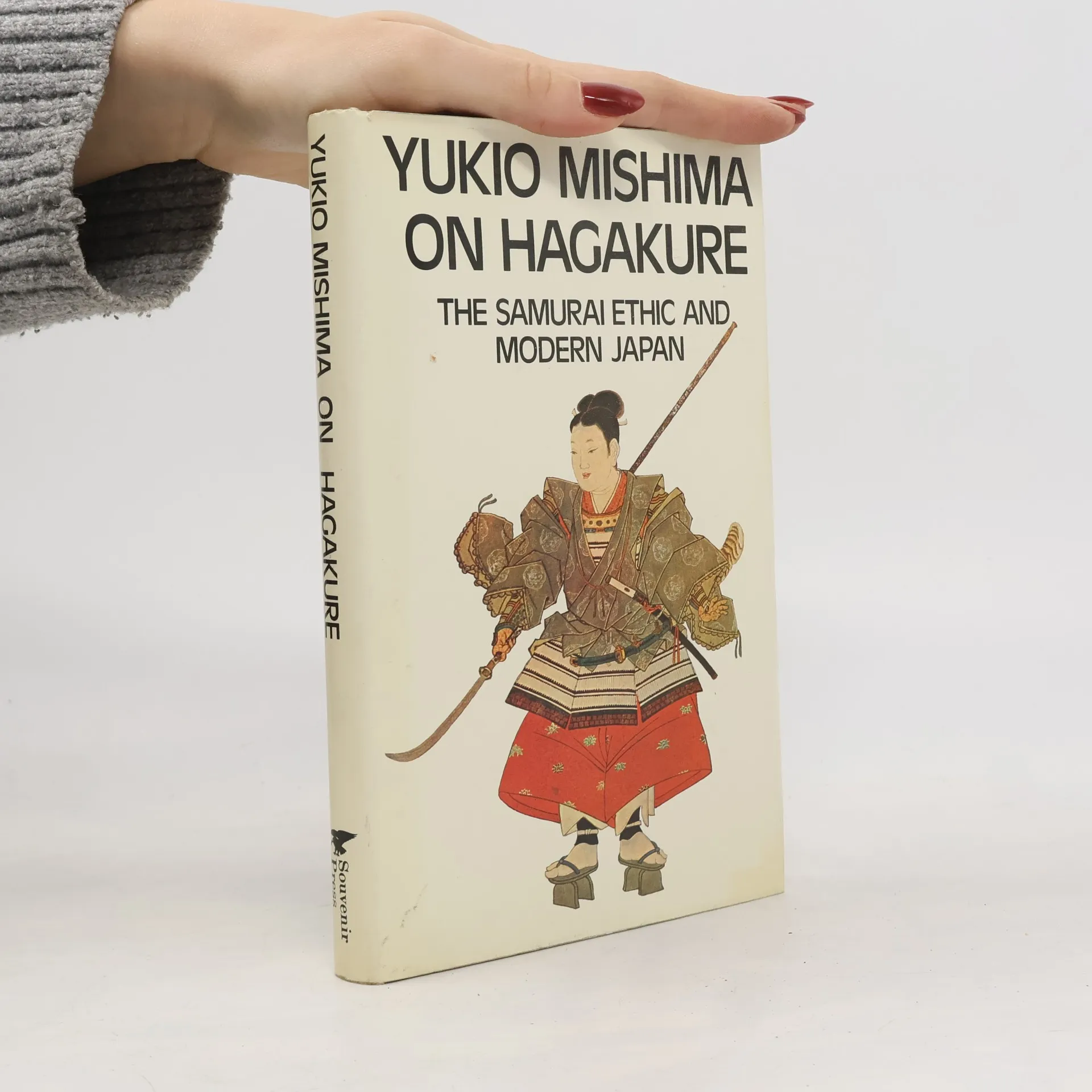
The original Hagakure contains the teachings of the samurai-turned-priest Jōchō Yamamoto (1659-1719), and was for generations preserved as moral and practical instructions for daimyo and samurai of Saga Han, a large domain in northwestern Kyushu. It later became known all over Japan, and during the Second World War Jōchō’s precept ‘I found that the Way of the Samurai is death’, became a slogan to spur on Kamikaze pilots. But the Hagakure is not only about death. In this, his adaptation and interpretation of it, Yukio Mishima deals with its teachings on action, subjectivity, strength of character, passion and love, and delights in giving prolific examples of Jōchō’s practical advice from proper behavior at a drinking party to child rearing. In the Hagakure , the most important influence on his life – and his death – Mishima saw striking similarities between his criticisms of materialistic post-war Japan and Jōchō’s criticisms of the sumptuous decadence of his contemporaries; and it is this emphasis which gives it its immediacy.
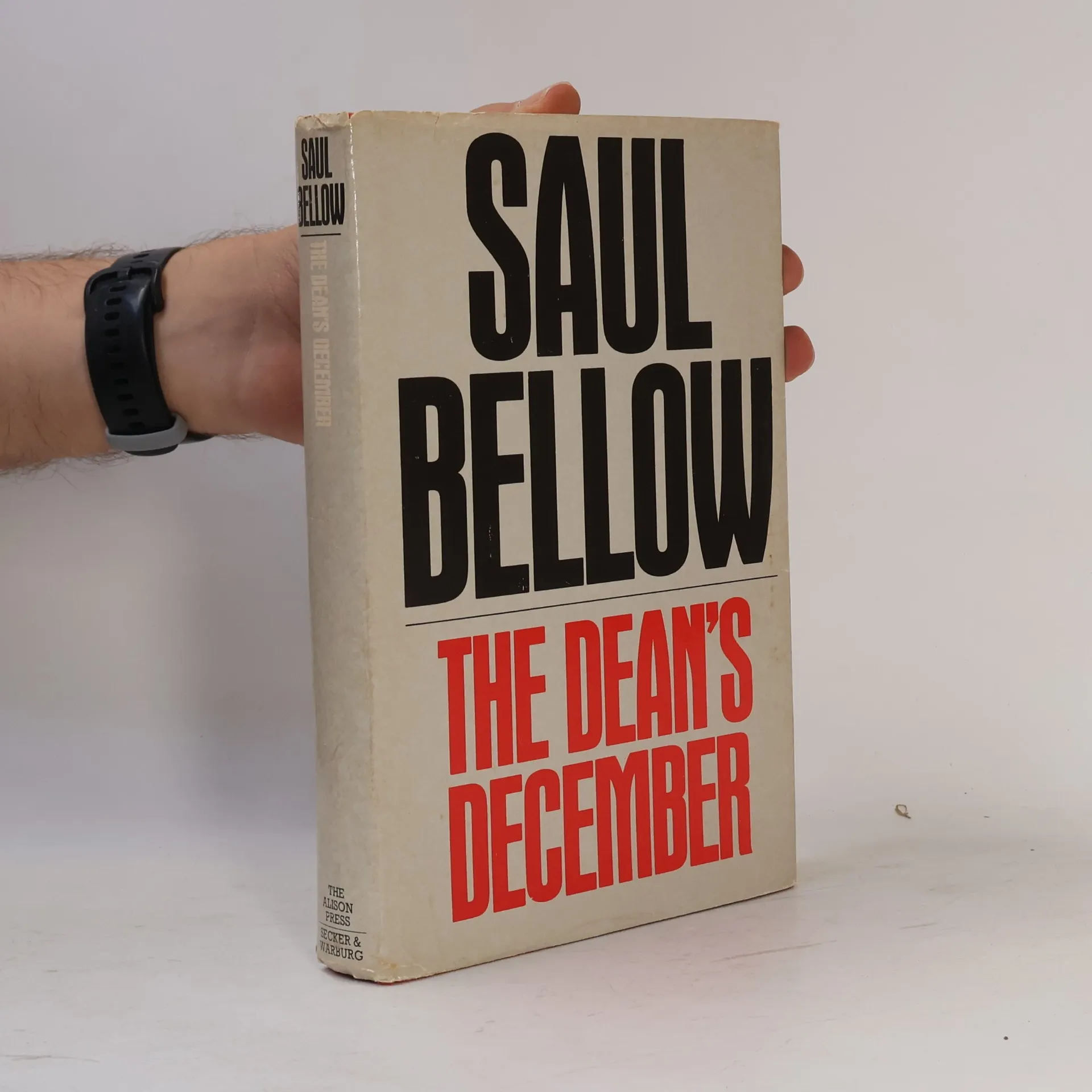
Corde, a Professor of Journalism and Dean at a Chicago university, faces a life-altering experience while accompanying his wife Minna, an esteemed astronomer, to Eastern Europe. Minna's mother has suffered a stroke and is hospitalized, prompting them to navigate an unfamiliar bureaucracy and adapt to life in her small apartment. As Corde supports Minna, he receives troubling news from Chicago: a student has been murdered, and family members pressure him to abandon his investigation. Additionally, articles he's writing for a magazine offend influential Chicagoans he once considered friends. A childhood companion, now a television pundit, reveals unexpected facets of Corde's character, forcing him to confront his own beliefs and values. As the narrative unfolds, it becomes evident that this trip is not merely a temporary escape but a pivotal moment that will irrevocably alter Corde's life. Blending Bellow's signature wit and erudition with a new sense of urgency and tension, the story captivates readers, offering a fresh perspective while maintaining the rich language and depth characteristic of his previous works.
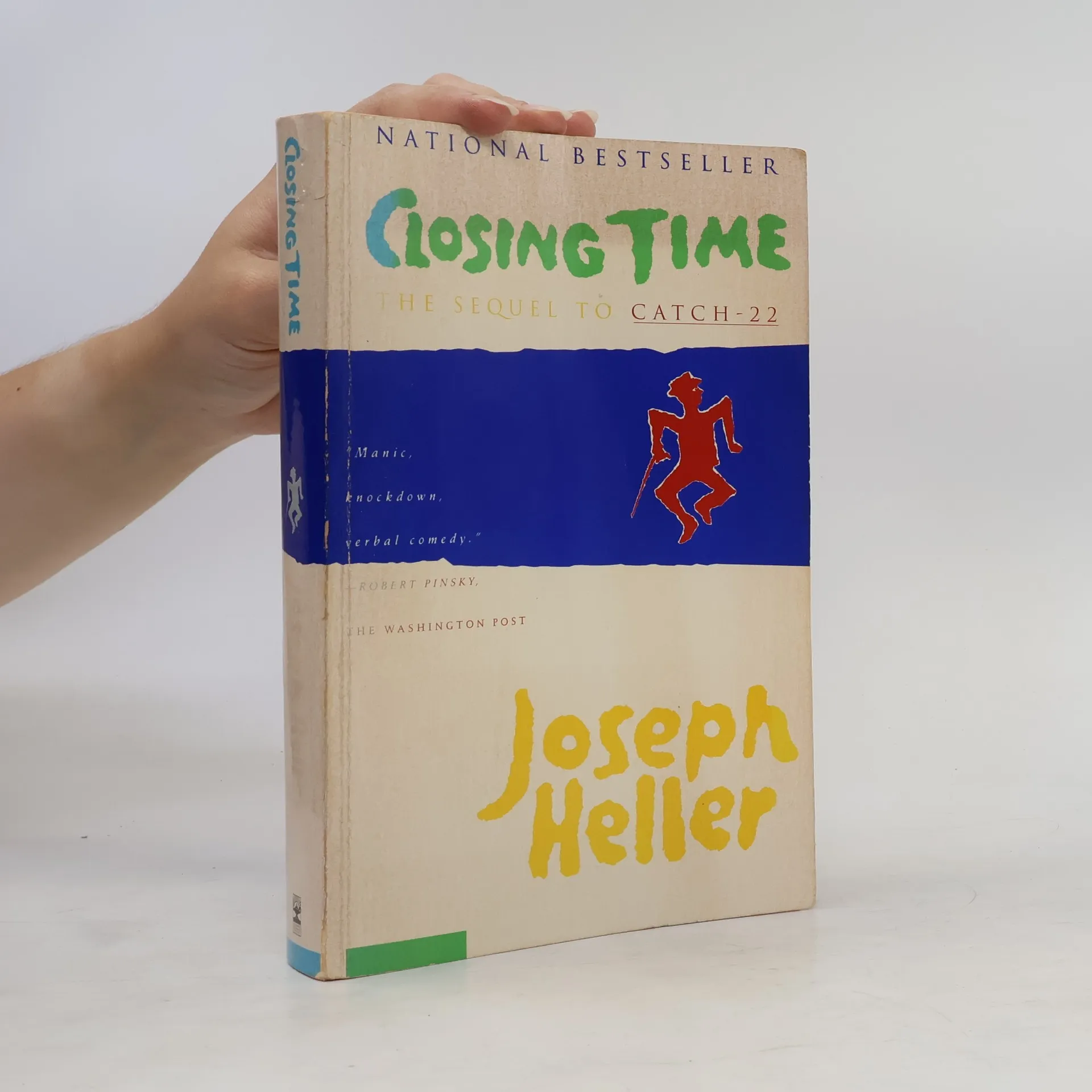
A darkly comic and ambitious sequel to the American classic Catch-22 . In Closing Time, Joseph Heller returns to the characters of Catch-22, now coming to the end of their lives and the century, as is the entire generation that fought in World War II: Yossarian and Milo Minderbinder, the chaplain, and such newcomers as little Sammy Singer and giant Lew, all linked, in an uneasy peace and old age, fighting not the Germans this time, but The End. Closing Time deftly satirizes the realities and the myths of America in the half century since WWII: the absurdity of our politics, the decline of our society and our great cities, the greed and hypocrisy of our business and culture -- with the same ferocious humor as Catch-22. Closing Time is outrageously funny and totally serious, and as brilliant and successful as Catch-22 itself, a fun-house mirror that captures, at once grotesquely and accurately, the truth about ourselves.
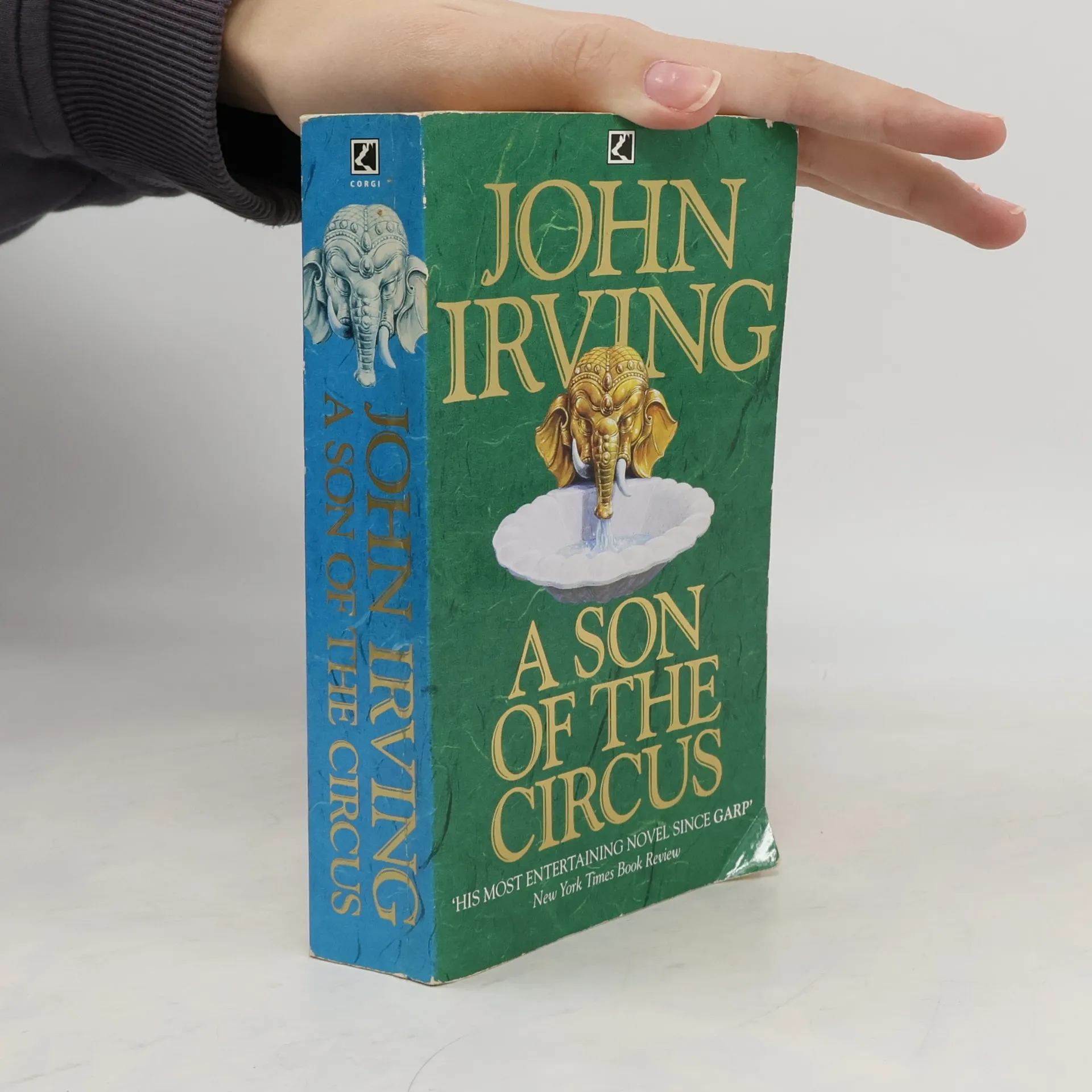
"A SON OF THE CIRCUS IS COMIC GENIUS....GET READY FOR IRVING'S MOST RAUCOUS NOVEL TO DATE." --The Boston Globe "Dr. Farrokh Daruwalla, reared in Bombay by maverick foes of tradition, educated in Vienna, married to an Austrian and long a resident of Toronto, is a 59-year-old without a country, culture or religion to call his own....The novel may not be 'about' India, but Irving's imagined India, which Daruwalla visits periodically, is a remarkable achievement--a pandemonium of servants and clubmen, dwarf clowns and transvestite whores, missionaries and movie stars. This is a land of energetic colliding egos, of modern media clashing with ancient cultures, of broken sexual boundaries." --New York Newsday "HIS MOST DARING AND MOST VIBRANT NOVEL...The story of circus-as-India is told with gusto and delightful irreverence." --Bharati Mukherjee The Washington Post Book World "Ringmaster Irving introduces act after act, until three (or more) rings are awhirl at a lunatic pace....[He] spills characters from his imagination as agilely as improbable numbers of clowns pile out of a tiny car....His Bombay and his Indian characters are vibrant and convincing." --The Wall Street Journal "IRRESISTIBLE...POWERFUL...Irving's gift for dialogue shines." --Chicago Tribune
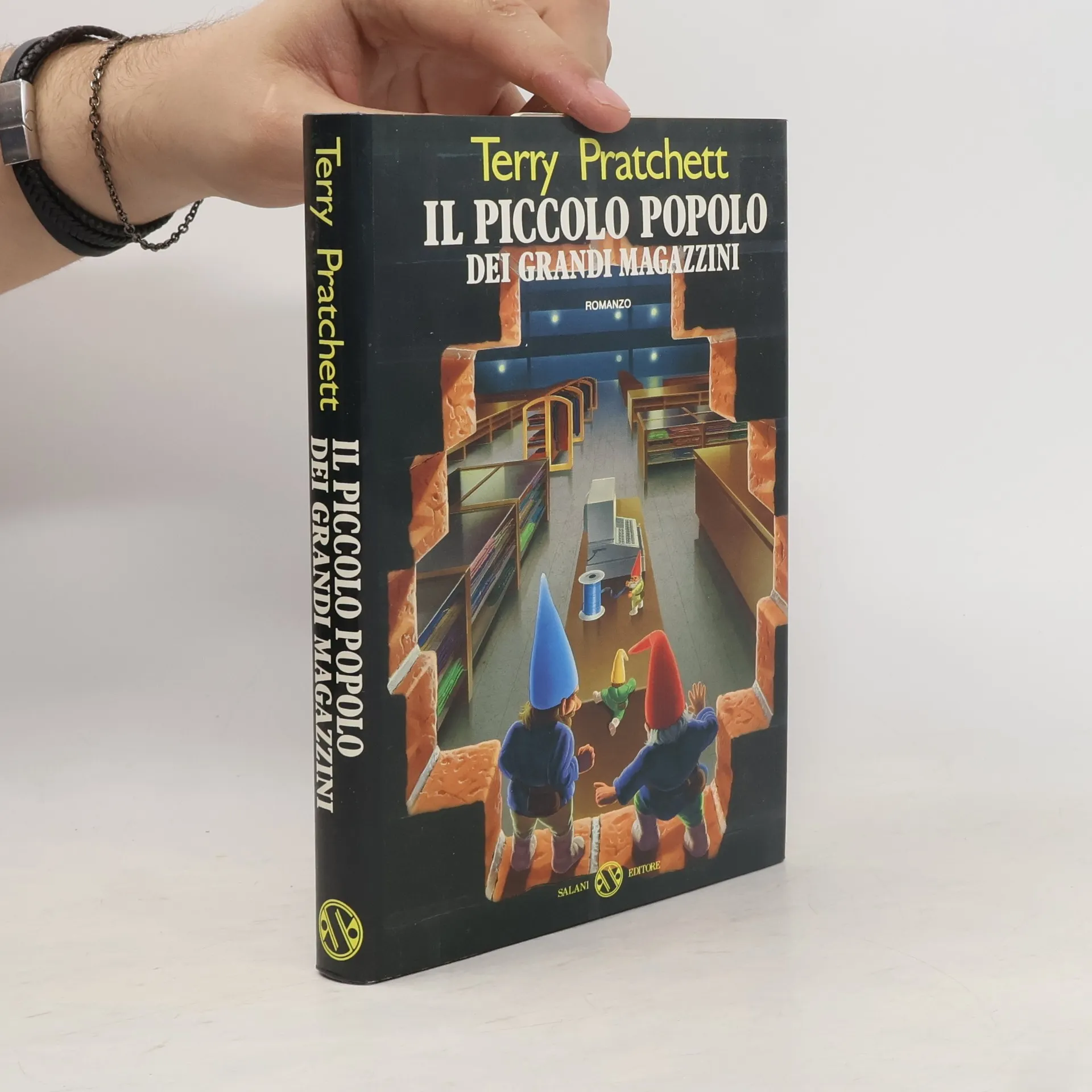
ALL'INIZIO... ... era F.lli Arnold (1905), il Grande Magazzino. Era la casa dei niomi, come si chiamano loro stessi, che avevano abbandonato la vita di campagna e si erano stabiliti sotto i pavimenti dell'umanità. Non che avessero niente a che fare con gli umani. Gli umani sono grossi, lenti e stupidi. I niomi vivono rapidamente. Per loro dieci anni sono come un secolo. Dato che vivevano nel Grande Magazzino da più di ottant'anni, si erano dimenticati che c'erano cose come il Sole, la Pioggia o il Vento. C'era solo l'Emporio, fondato dal leggendario F.lli Arnold (dal 1905) perché i niomi vi abitassero. Le loro piccole, rapide vite erano regolate dall'orario di chiusura e apertura. Le stagioni dell'anno erano i Saldi Invernali, le Collezioni Primavera, le Occasioni Estive e il Natale. E nell'Emporio arrivarono un giorno gli ultimi niomi che vivevano fuori. Loro sapevano che cos'erano il vento e la pioggia. Lo sapevano bene. Per questo cercavano di non averci più niente a che fare... Narratore appassionante, grande umorista, lucido osservatore delle contraddizioni del consumismo e della vita moderna, Terry Pratchett sarà una rivelazione per i lettori di tutte le età.
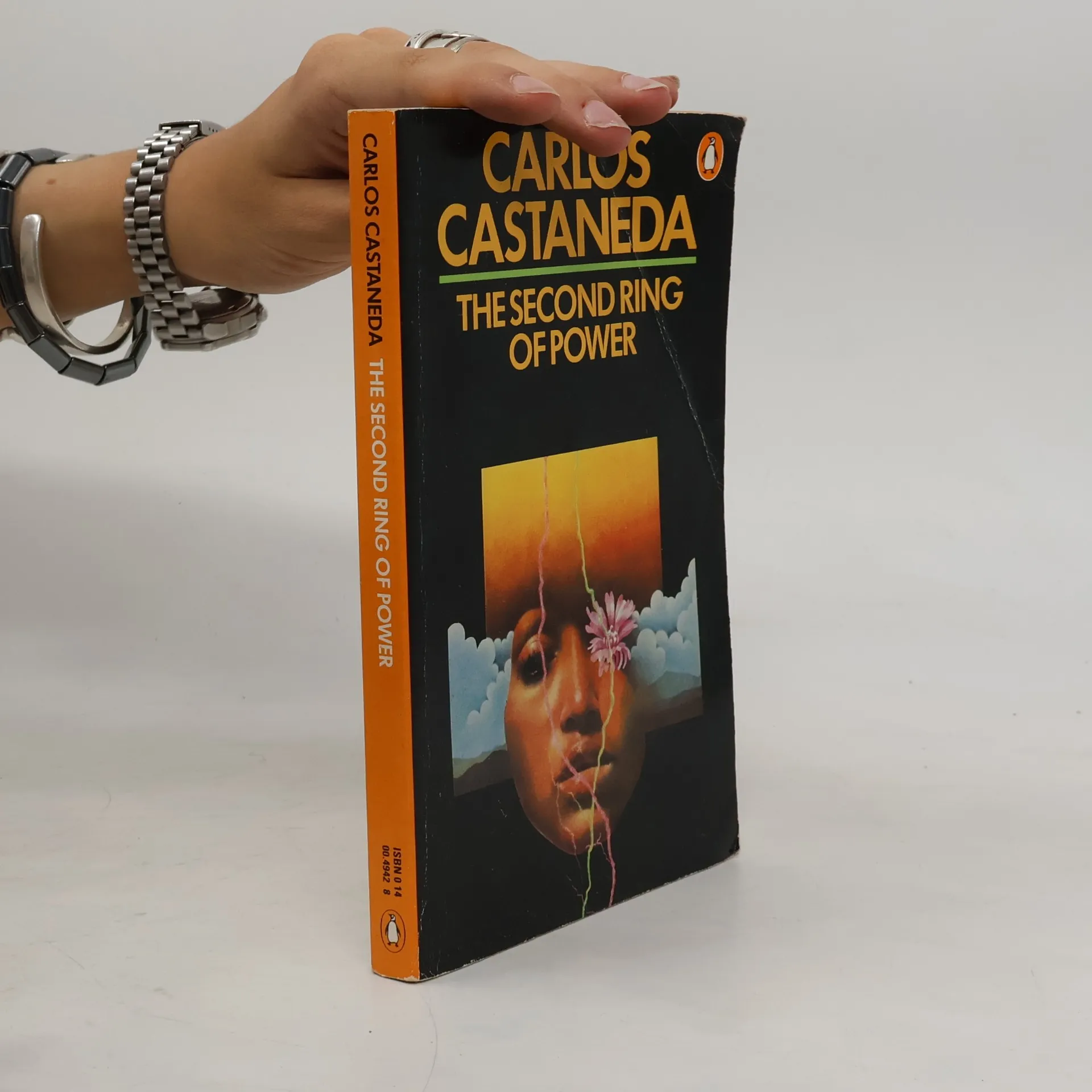
ENTER THE SORCERESS! Back from the abyss, Castaneda encounter his greatest test on the journey towards impeccability and freedom: to outwit and overpower the sorcery of Doña Soledad, herself transformed from a defeated and meaningless life to a warrior, a hunter and a "stalker of power." Now the combat will begin. Now the journey will continue. Till the last danger is faced...the final paradox embraced.
Quinto, un joven y apacible conejo, sufre unas visiones aterradoras sobre el futuro de su madriguera. Convertido en líder, Quinto y sus inseparables compañeros deciden abandonar cuanto conocen para fundar otro hogar. El viaje para encontrar un buen asentamiento donde empezar una nueva vida, así como las aventuras ligadas a los instintos de supervivencia de estos conejos, serán el eje de esta inolvidable historia. Nacida originalmente de un improvisado relato que Richard Adams contó a sus sobrinos durante un largo viaje en coche, esta novela, protagonizada exclusivamente por conejos, tiene el tono de una narración épica antigua, pero también encierra una aguda crítica de las relaciones de poder, un alegato ecológico de extraordinaria eficacia y una reflexión profunda y serena acerca de la dureza de la vida. La colina de Watership es un clásico de la literatura contemporánea traducido a más de veinte idiomas, que «mucho antes de Harry Potter cautivó la imaginación del público desde su aparición en 1972 hasta nuestros días y que ha vendido millones de ejemplares en todo el mundo», The Telegraph; «Esta historia bellísimamente escrita e intensamente conmovedora es la obra de una imaginación extraordinaria», Sunday Telegraph. Recuperación de un clásico de Seix Barral.
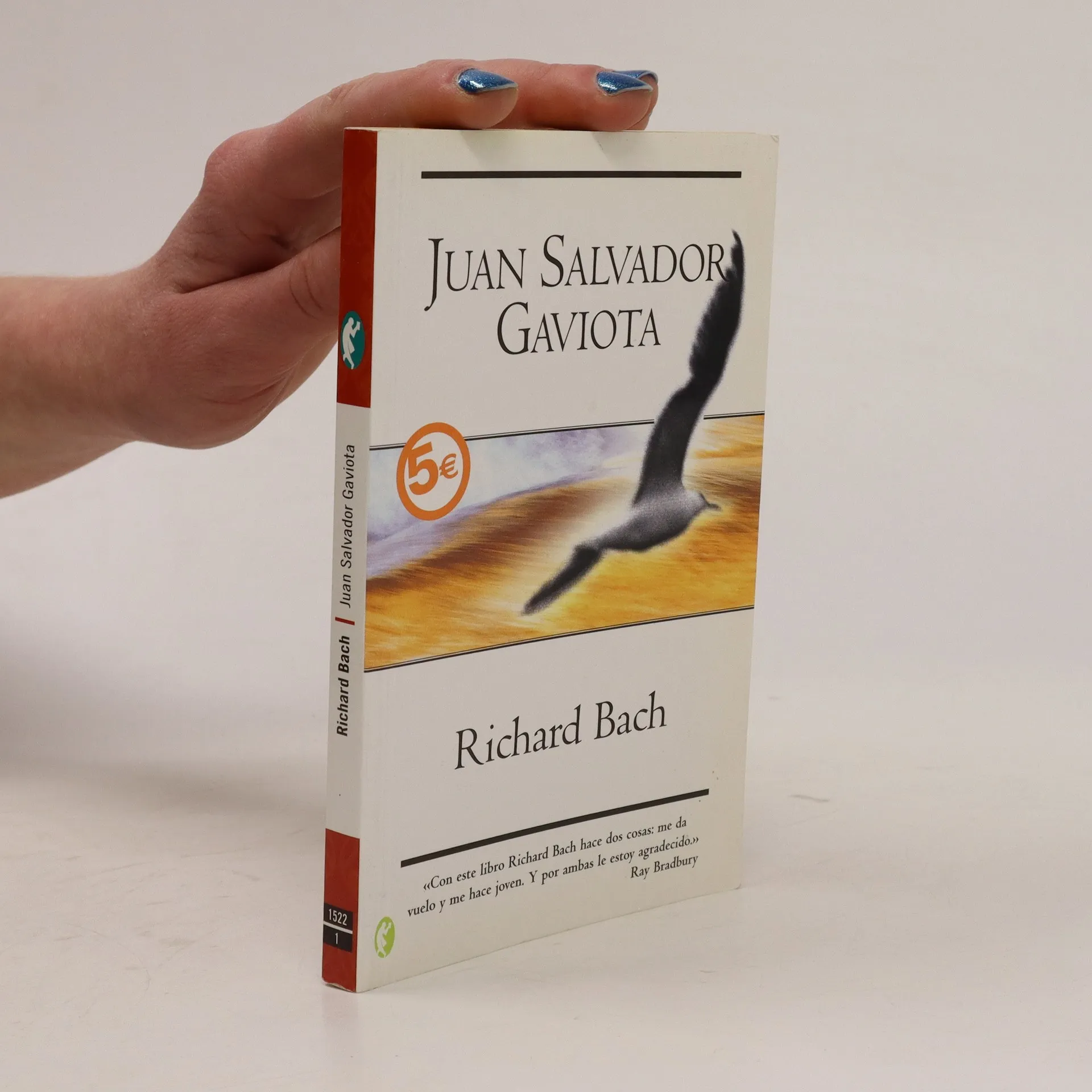
Porque él pasa tanto tiempo que perfecciona su forma del vuelo en vez de concentrarse en conseguir el alimento, una gaviota ostracized por el resto de la multitud.
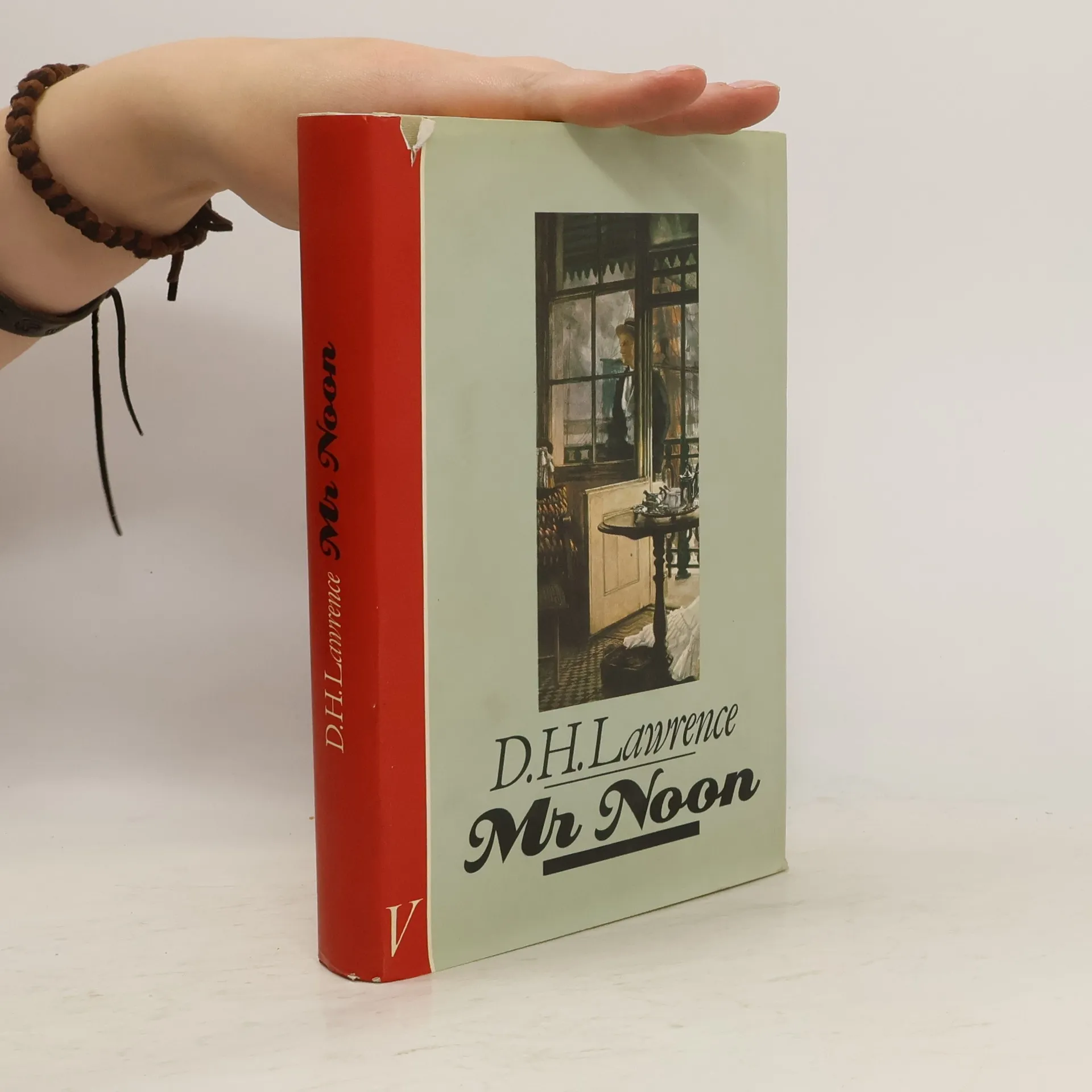
En Mr Noon se aborda la historia de Gilbert Noon, suerte de alter ego del autor, quien después que se conozca públicamente el idilio que ha mantenido con una muchacha, perderá su empleo de maestro de escuela y eso le hará lanzarse al exilio, a Alemania, dónde se enamora de una mujer casada. El manuscrito de la presente edición ocupa cinco cuadernos, divididos en dos partes. Sólo la primera parte fue revisada por el autor y se público, en 1934, en la novela Un amor moderno, posteriormente fue reproducida, en 1968, en Phoenix 11. La segunda parte de la obra, que había permanecido inédita, dobla en extensión a la primera y contiene numerosas referencias autobiográficas. El manuscrito completo de Mr Noon quedó en poder del editor estadounidense Thomas Seltzer, y por razones desconocidas, permaneció perdido durante cincuenta años. El 31 de Octubre de 1972 fueron recuperados los cinco cuadernos manuscritos. Coincidiendo con el centenario del nacimiento de David Herbert Lawrence, fue publicada la parte inédita, narración satírica, en gran parte autobiográfica, que el autor dejó inconclusa en 1922, dado que aún vivía la misma vida que estaba relatando.
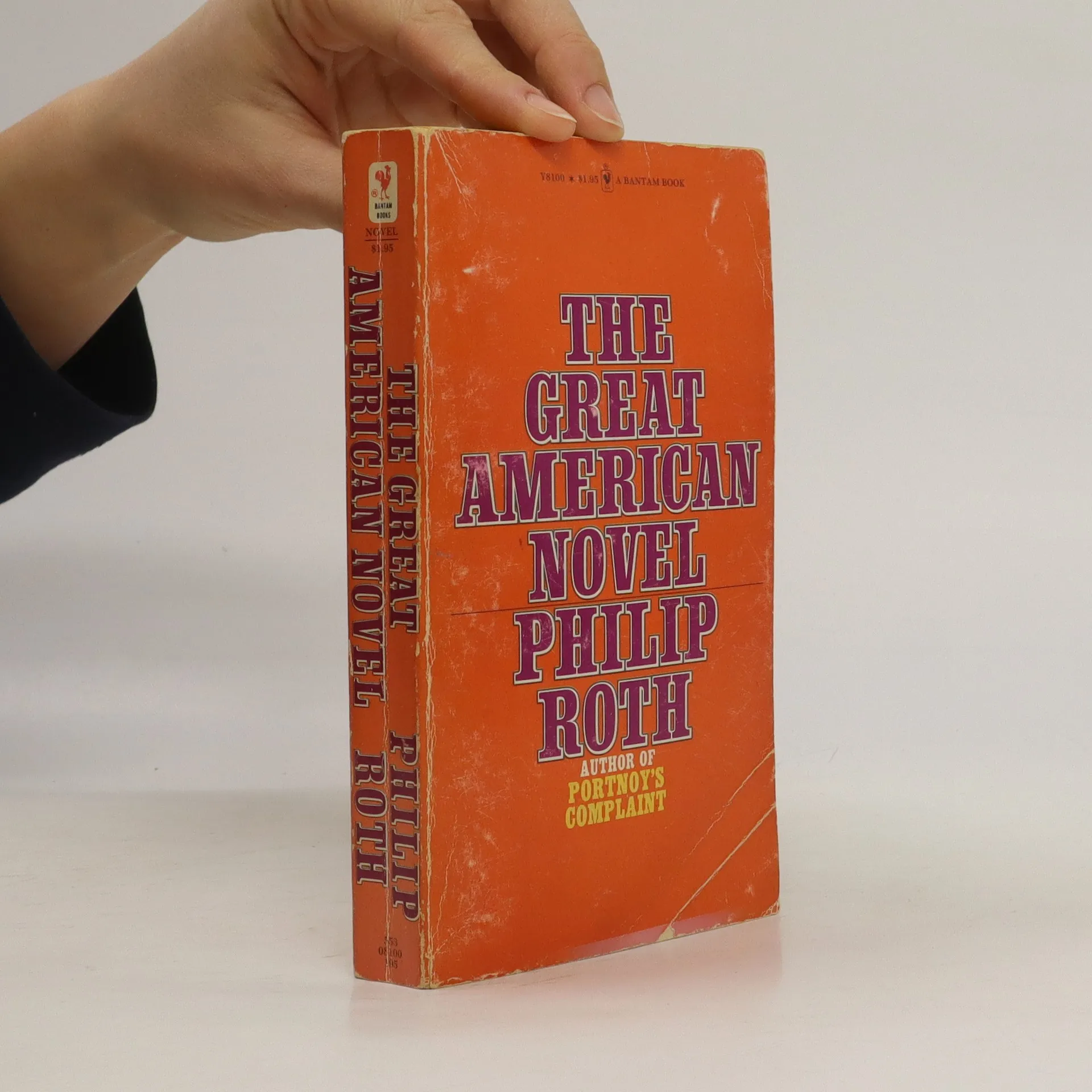
Gill Gamesh, John Baal, Rupert Mundys: If you've never heard of them, it's because of the Communist plot, and the capitalist scandal, that expunged the entire Patriot League from baseball memory. This novel turns baseball's status as national passtime and myth into an occasion for unfettered picturesque heroism and perfidy, and ebullient wordplay.