
Bookbot

Vine Deloria Jr.

    Vine Deloria Jr. fue un influyente autor y activista estadounidense cuya obra de 1969 atrajo la atención nacional sobre las problemáticas de los nativos americanos. Sus escritos impulsaron movimientos por los derechos indígenas y ofrecieron profundas perspectivas sobre la historia y la cultura de los pueblos originarios de Norteamérica. A lo largo de su carrera académica, estableció el primer programa de maestría en Estudios Indígenas Americanos en los EE. UU. y moldeó significativamente los campos de la ciencia política y el derecho. Su voz distintiva continúa resonando, desafiando las narrativas convencionales y abogando por las perspectivas indígenas.

    Red Earth, White Lies
    C.G. Jung and the Sioux Traditions
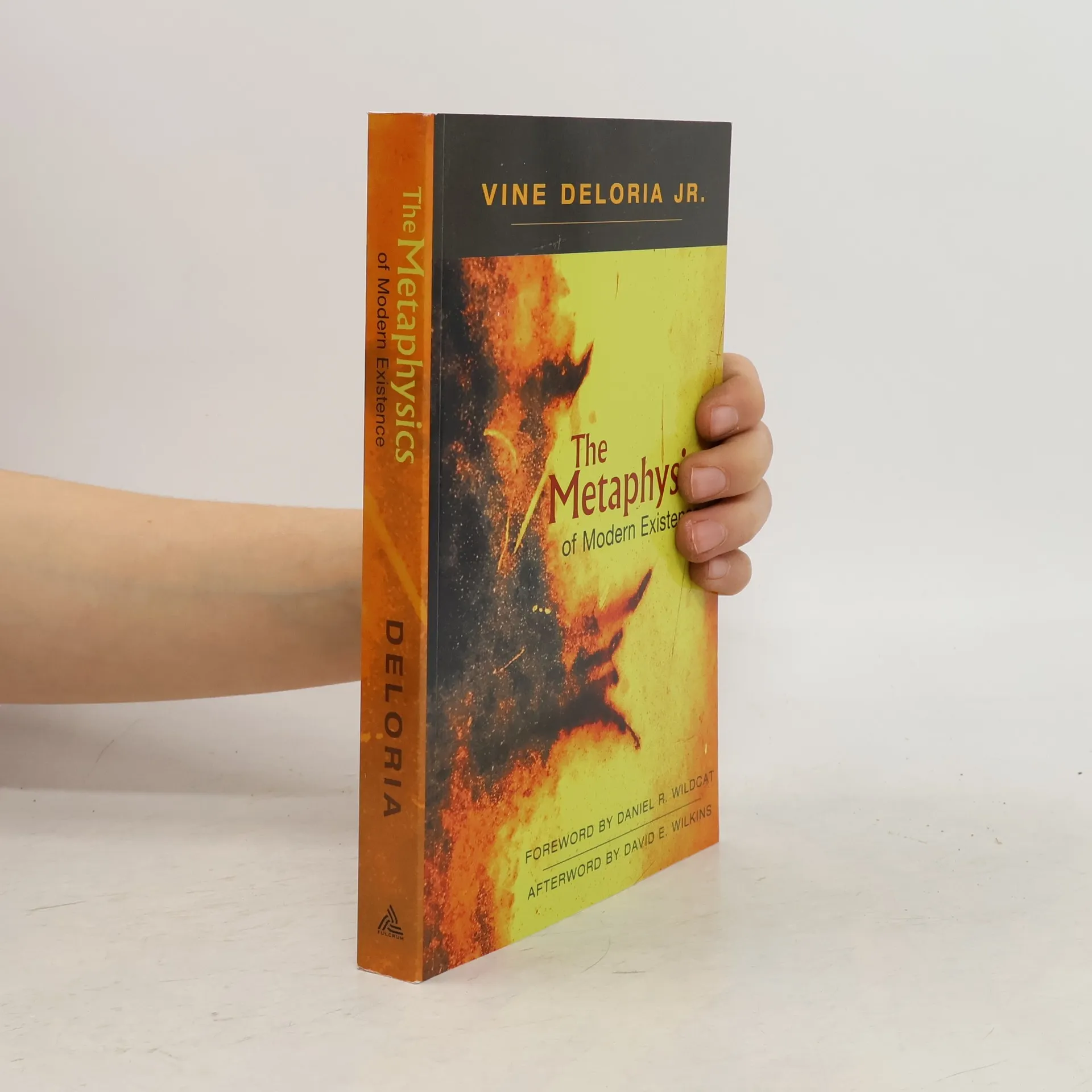
    The Metaphysics of Modern Existence
    • The Metaphysics of Modern Existence

      • 328 páginas
      • 12 horas de lectura

      Vine Deloria Jr., named one of the most influential religious thinkers in the world by Time, shares a framework for a new vision of reality. Bridging science and religion to form an integrated idea of the world, while recognizing the importance of tribal wisdom, The Metaphysics of Modern Existence delivers a revolutionary view of our future and our world. David E. Wilkins holds the McKnight Presidential Professorship in American Indian Studies at the University of Minnesota. Daniel R. Wildcat is the director of the American Indian studies program and the Haskell Environmental Research Studies Center at Haskell Indian Nations University.

      The Metaphysics of Modern Existence2012
      4,4
    • C.G. Jung and the Sioux Traditions

      Dreams, Visions, Nature and the Primitive

      • 226 páginas
      • 8 horas de lectura

      While visiting the United States, C. G. Jung visited the Taos Pueblo in New Mexico, where he spent several hours with Ochwiay Biano, Mountain Lake, an elder at the Pueblo. This encounter impacted Jung psychologically, emotionally, and intellectually, and had a sustained influence on his theories and understanding of the psyche. Dakota Sioux intellectual and political leader, Vine Deloria Jr., began a close study of the writings of C. G. Jung over two decades ago, but had long been struck by certain affinities and disjunctures between Jungian and Sioux Indian thought. He also noticed that many Jungians were often drawn to Native American traditions. This book, the result of Deloria's investigation of these affinities, is written as a measured comparison between the psychology of C. G. Jung and the philosophical and cultural traditions of the Sioux people. Deloria constructs a fascinating dialogue between the two systems that touches on cosmology, the family, relations with animals, visions, voices, and individuation.

      C.G. Jung and the Sioux Traditions2009
      4,2
    • Red Earth, White Lies

      Native Americans and the Myth of Scientific Fact

      • 271 páginas
      • 10 horas de lectura

      Vine Deloria, Jr., leading Native American scholar and author of the best-selling God is Red , addresses the conflict between mainstream scientific theory about our world and the ancestral worldview of Native Americans. Claiming that science has created a largely fictional scenario for American Indians in prehistoric North America, Deloria offers an alternative view of the continent's history as seen through the eyes and memories of Native Americans. Further, he warns future generations of scientists not to repeat the ethnocentric omissions and fallacies of the past by dismissing Native oral tradition as mere legends.

      Red Earth, White Lies1997
      4,1