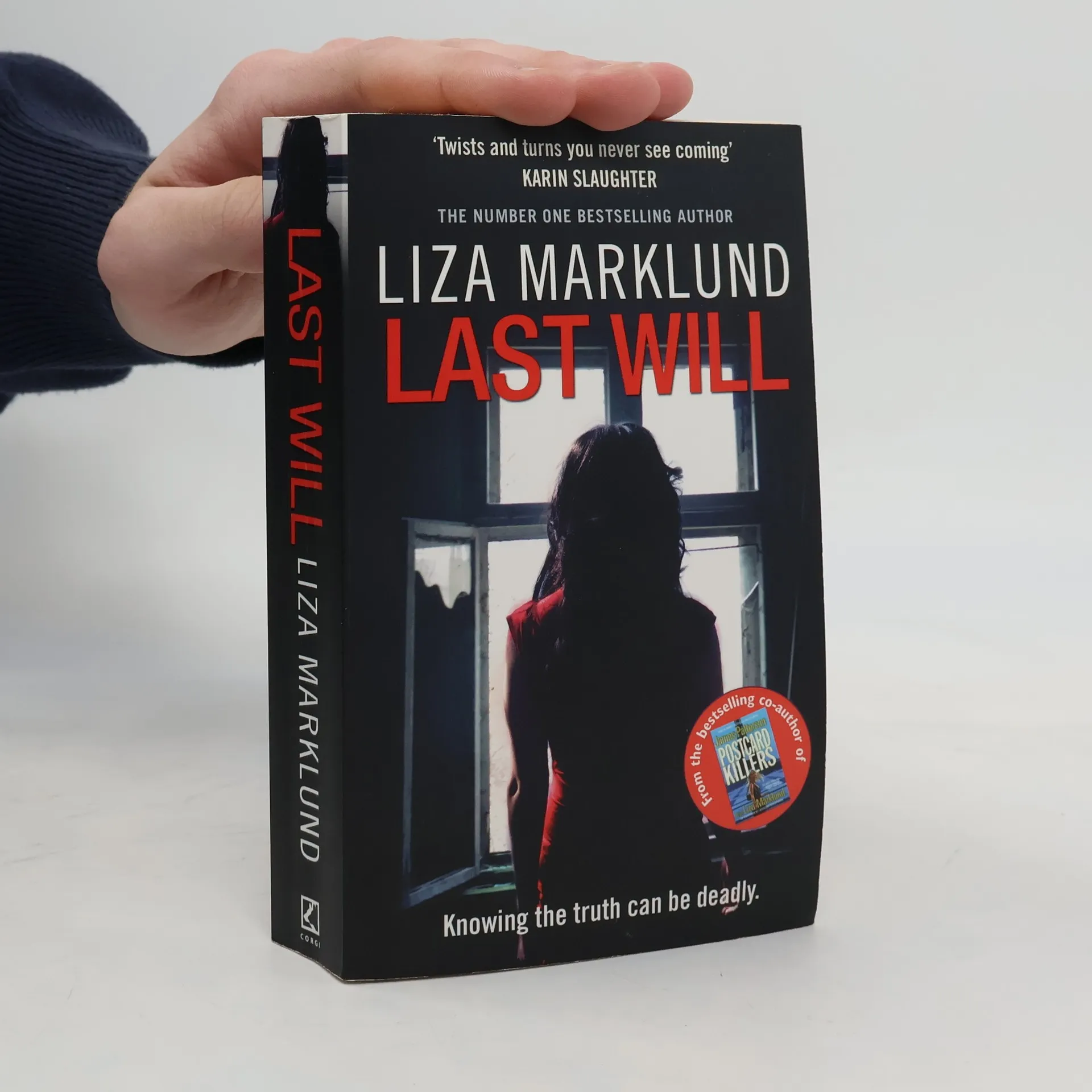
It is a frosty December night in Stockholm. Inside the City Hall, over a thousand guests attend the prestigious Nobel Prizewinners' dinner. But things are different tonight. Two shots are fired on the dance floor. Crime reporter Annika Bengtzon is there, covering the event for the Evening Post.
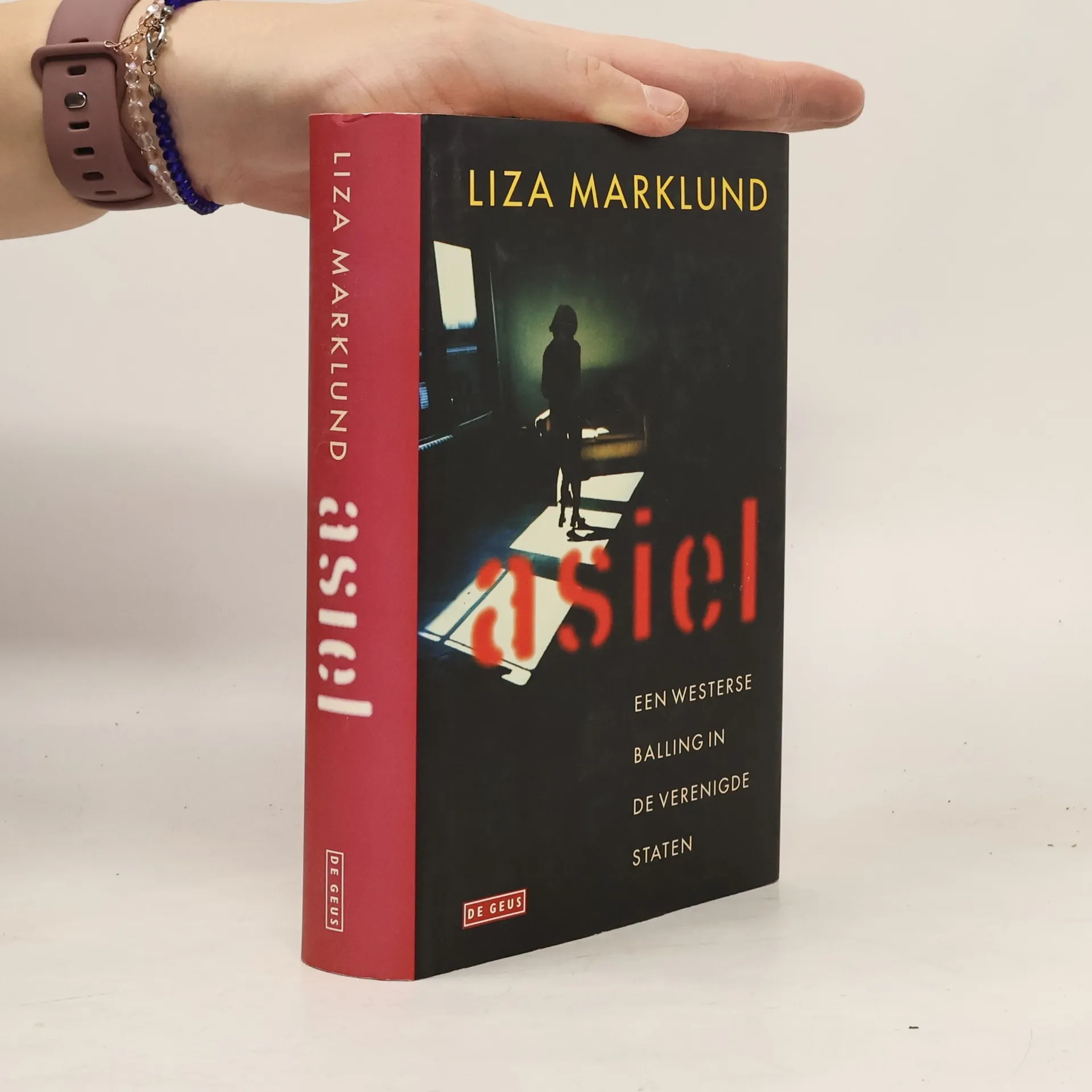
Een westerse balling in de Verenigde Staten - Druk 1
413 páginas
15 horas de lectura
Vervolg op Ondergedoken (2005)*, Liza Marklunds debuut uit 1995 waarin zij in romanvorm verslag deed over de belevenissen van de Zweedse Mia, een vrouw die al ruim twee jaar met haar man en twee kinderen zat ondergedoken omdat ze door haar Libanese ex-partner, de vader van haar oudste kind, bedreigd en gestalkt werd. In dit vervolg begrijpen Mia en haar gezin na vier jaar zo geleefd te hebben dat een gewoon leven in Zweden niet meer mogelijk is. Ze vluchten het land uit, eerst naar Zuid-Amerika - Chili en Argentinië - en uiteindelijk naar de Verenigde Staten. Na een jarenlange strijd krijgt Mia voor elkaar dat zij en haar gezin er asiel krijgen op grond van vrouwenmishandeling, de allereerste keer dat in de VS aan een Europese vrouw op die gronden asiel is verleend. Aangrijpend, onthutsend in romanvorm geschreven, waargebeurd verhaal over de gevolgen van stalking en geweld tegen vrouwen, over het balling zijn, in een vreemd land opnieuw moeten beginnen, en over asiel zoeken, met steeds de dreiging van de ex-partner op de achtergrond. In een korte epiloog staat hoe het de betrokkenen verder is vergaan.
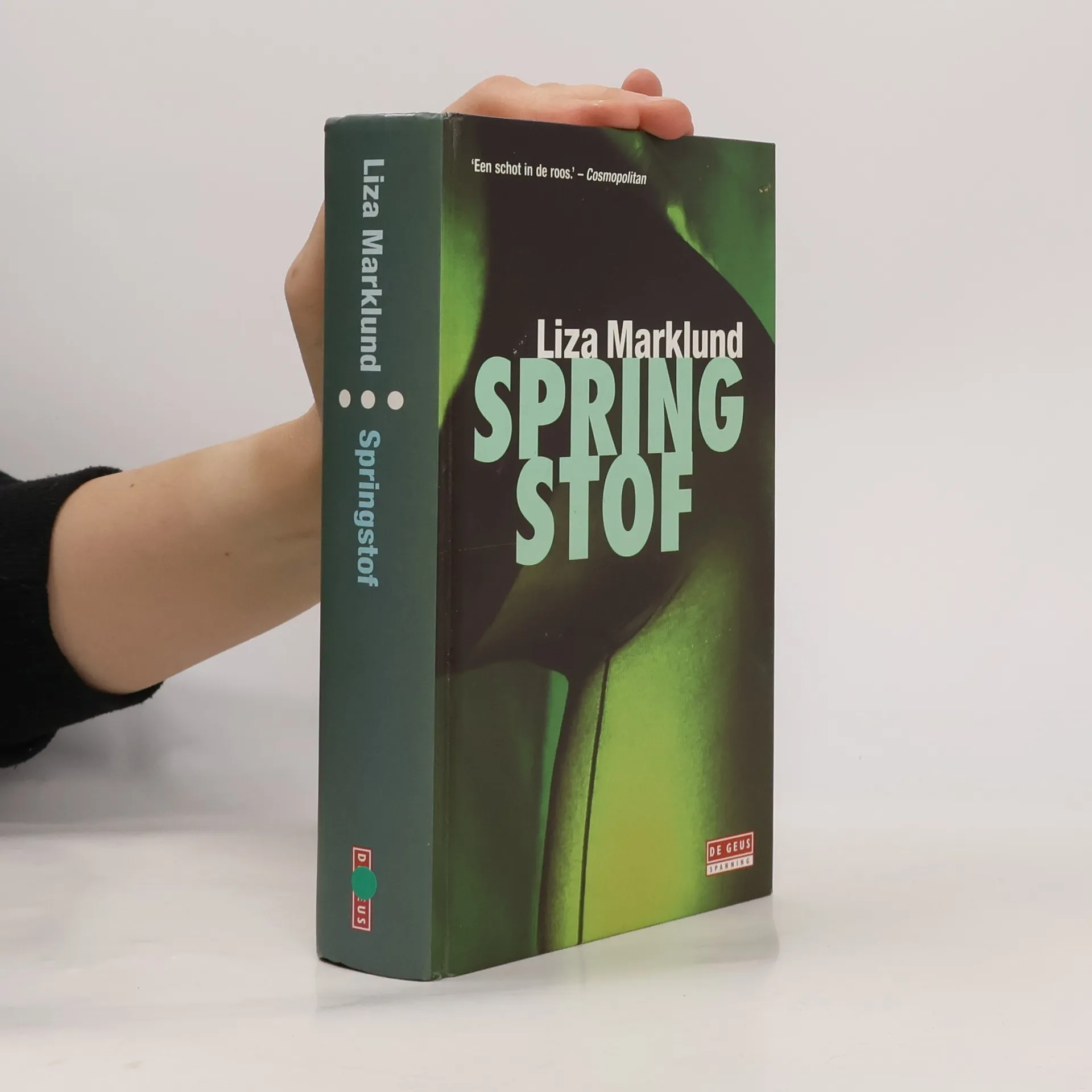
De moeder van twee jonge kinderen en chef van de misdaadredactie van een grote avondkrant in Stockholm belandt na een zware bomaanslag in het Olympisch stadion in een maalstroom van stress, overwerk en uitputting.
Annika Bengtzon, moeder en chef misdaadredactie van een avondkrant, wordt vlak voor Kerst uit bed gebeld. Er is een bom ontploft in het Olympisch Stadion, waar de voorbereiding van de Spelen in volle gang is. Annika heeft al snel het vermoeden dat het niet om een terroristische aanslag gaat, maar dat er een insider aan het werk is. Een tweede bom ontploft, opnieuw met dodelijke afloop. Dan maakt een jonge, verwarde vrouw zich kenbaar, die Annika meelokt naar het hol van de leeuw.
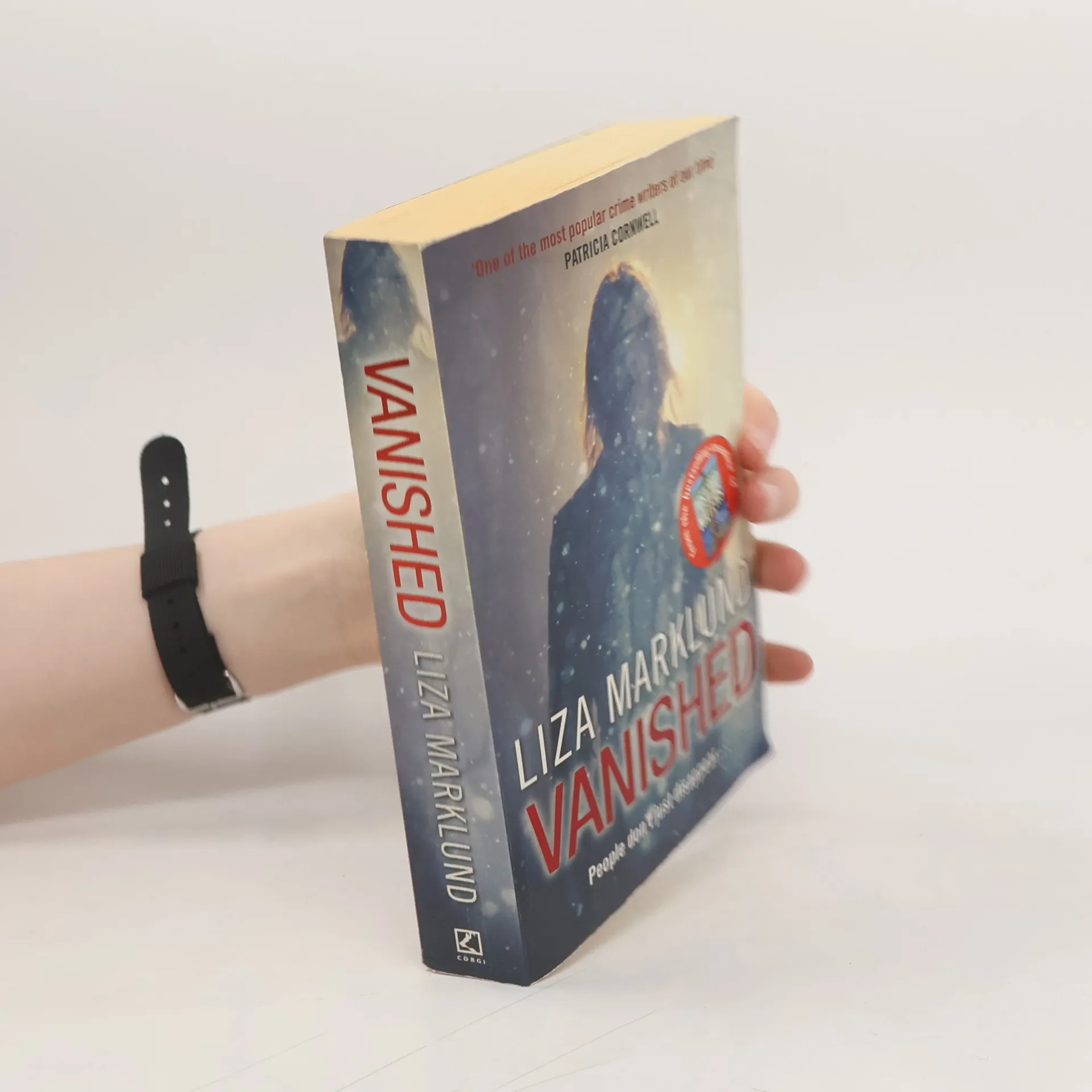
Stockholm is bustling with preparations for the upcoming summer Olympics when a bomb explodes in the city's new Olympic arena. One of the most powerful women in Sweden, Christina Furhage, is blown to bits. The police begin a wild and desperate chase for the killer, while crime reporter and mother of two, Annika Bengtzon, discovers connections no one else sees. Thus begins the first stand-alone crime novel by Liza Marklund, which follows the impulsive and passionate reporter Annika Bengtzon on her thrilling assignments.
Mitten im eisigen Winter wird im nordschwedischen Lulea ein Journalist
ermordet. Reporterin Annika Bengtzon vermutet einen Zusammenhang mit dem
Angriff auf einen Luftstützpunkt in den späten Sechzigern. Gegen den
ausdrücklichen Befehl ihres Chefs beginnt sie ihre Ermittlungen - das Morden
beginnt. Während Annika sich immer weiter in Terror und Gewalt um eine kleine
kommunistische Gruppe verstrickt, gerät ihre Ehe ins Wanken. Wie ehrlich ist
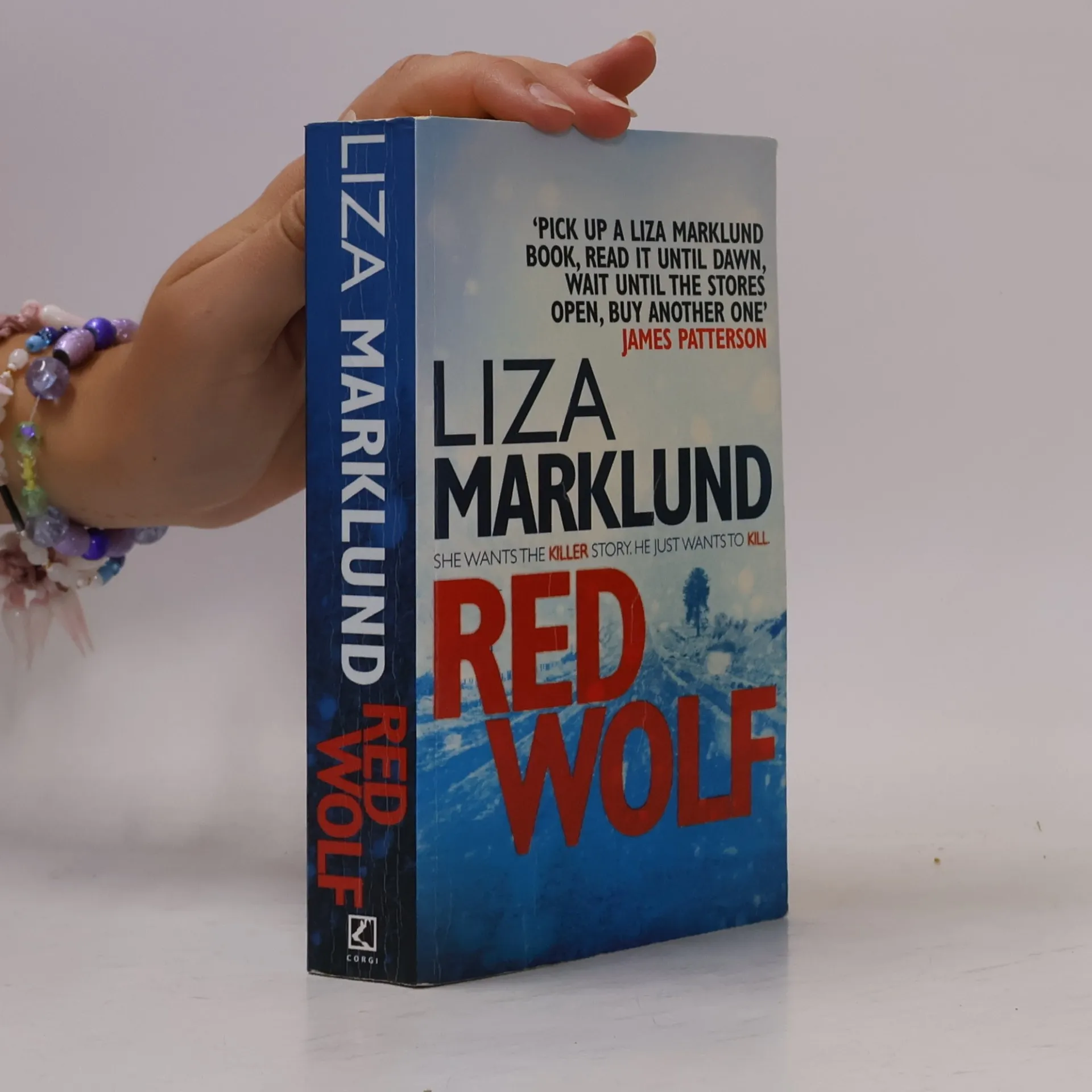
ihr eigener Mann? In the middle of the freezing winter, a journalist is
murdered in the northern Swedish town of Lulea. Crime reporter Annika Bengtzon
suspects that the killing is linked to an attack against an air base in the
late sixties. Against the explicit orders of her boss, Annika continues her
investigation of the death, which is soon followed by a series of shocking
murders. Annika quickly finds herself drawn into a spiral of terrorism and
violence centered around a small communist group called The Beasts. Meanwhile,
her marriage starts to slide, and in the end she is not only determined to
find out the truth, but also forced to question her own husband's honesty
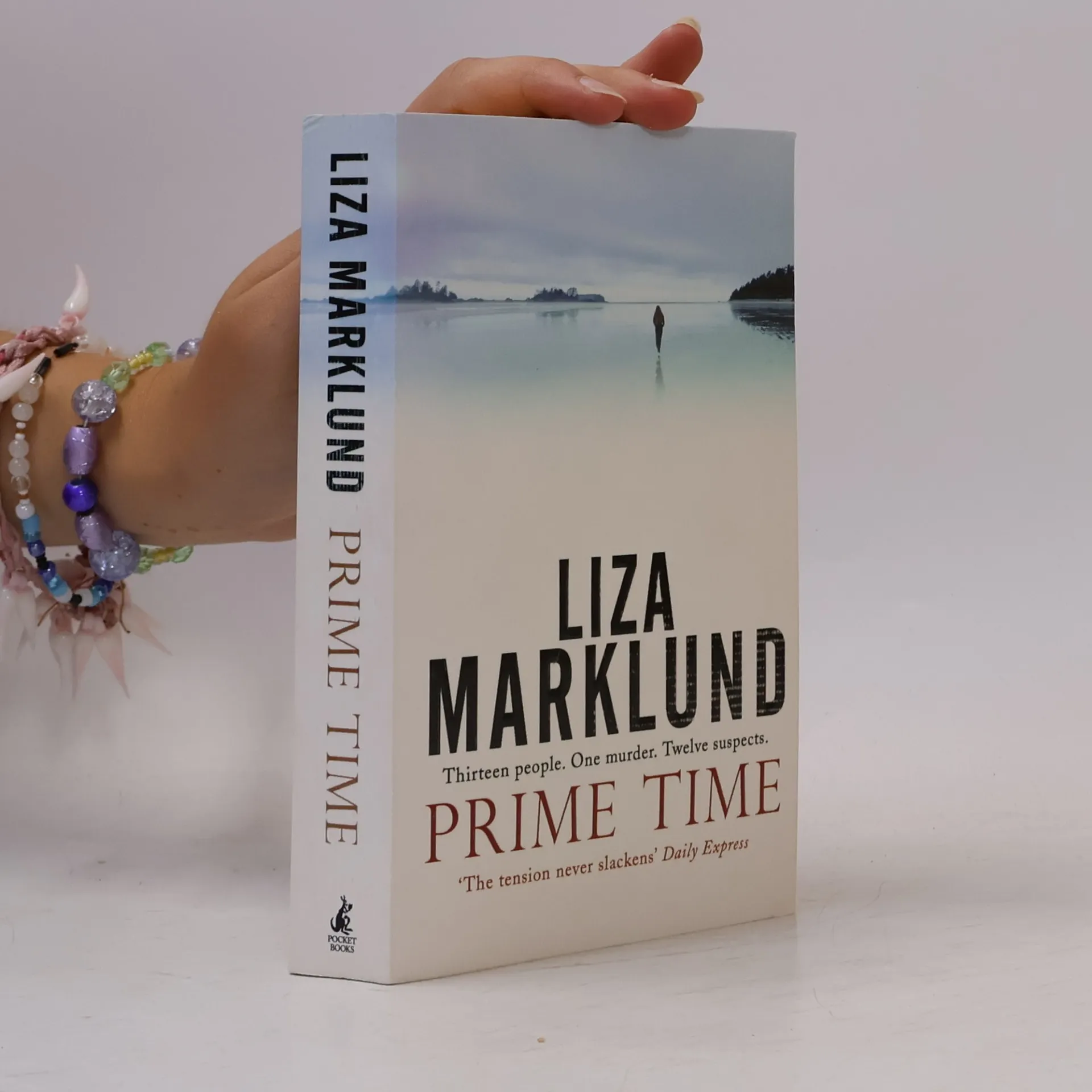
Thirteen people are spending the shortest night of the year together in an isolated manor house. On the morning of Midsummer's Eve, the brightest star in Swedish television, Michelle Carlsson, is found shot to death in a mobile control room. The murder turns Annika Bengtzon's world upside down. One of the suspects is her best friend. Annika's boyfriend, Thomas, accuses her of letting the family down. Anders Schyman, her boss, involves her in a public power struggle. Meanwhile there's a killer on the loose - and a tense drama about to unfold in the public eye.
“An uplifting family saga . . . [Marianne] Fredriksson provides a satisfyingly complex . . . chronicle of women and the burdens imposed by their family history, their gender and themselves. . . . Its message of reconciliation is transcendent.”—People Sweeping through one hundred years of Scandinavian history, this luminous story follows three generations of Swedish women—a grandmother, a mother, and a daughter—whose lives are linked through a century of great love and great loss. Resonating with truth and revelation, this moving novel deftly explores the often difficult but enduring ties between mothers and daughters, the sacrifices, compromises, and rewards in the relationships between men and women, and the patterns of emotion that repeat themselves through generations. If you have ever wanted to connect with the past, or rediscover family, Hanna's Daughters will strike a chord in your heart. . . . Praise for Hanna's Daughters “Brilliant . . . Hanna's Daughters outlines the lives of three generations of women and their complicated relationships with one another.”—USA Today “I loved Hanna's Daughters from the very first page, and I absolutely could not put it down. . . . Written with grace and wit, this novel deserves to be read, discussed, and cherished by future generations of mothers and daughters.”—Judith Guest, author of Ordinary People and Errands
Ocho años antes de los dramáticos sucesos de Dinamita... La reportera novata Annika Bengtzon acaba de empezar unas prácticas de verano en un importante periódico de Estocolmo, el Kvällspressen. Allí se encarga de la aburrida tarea de atender la línea telefónica de los chivatazos. Pero antes de que haya tenido la menor oportunidad de adentrarse en el frenético mundo del periodismo, aparece el cadáver desnudo de una chica joven en un cementerio. Una stripper que trabajaba en el club Studio Sex ha sido violada y estrangulada, y el principal sospechoso es un secretario del Gobierno. Annika rápidamente se da cuenta de que este caso puede ser la oportunidad para escribir su primer gran artículo y catapultarse a la fama. Aunque a medida que descubre el oscuro infierno de los clubes de alterne, se va internando peligrosamente en un mundo de sexo y violencia.


![Hanna's daughters : [a novel of three generations]](https://rezised-images.knhbt.cz/1920x1920/54678495.webp)