
Bookbot

Roberto Bacci

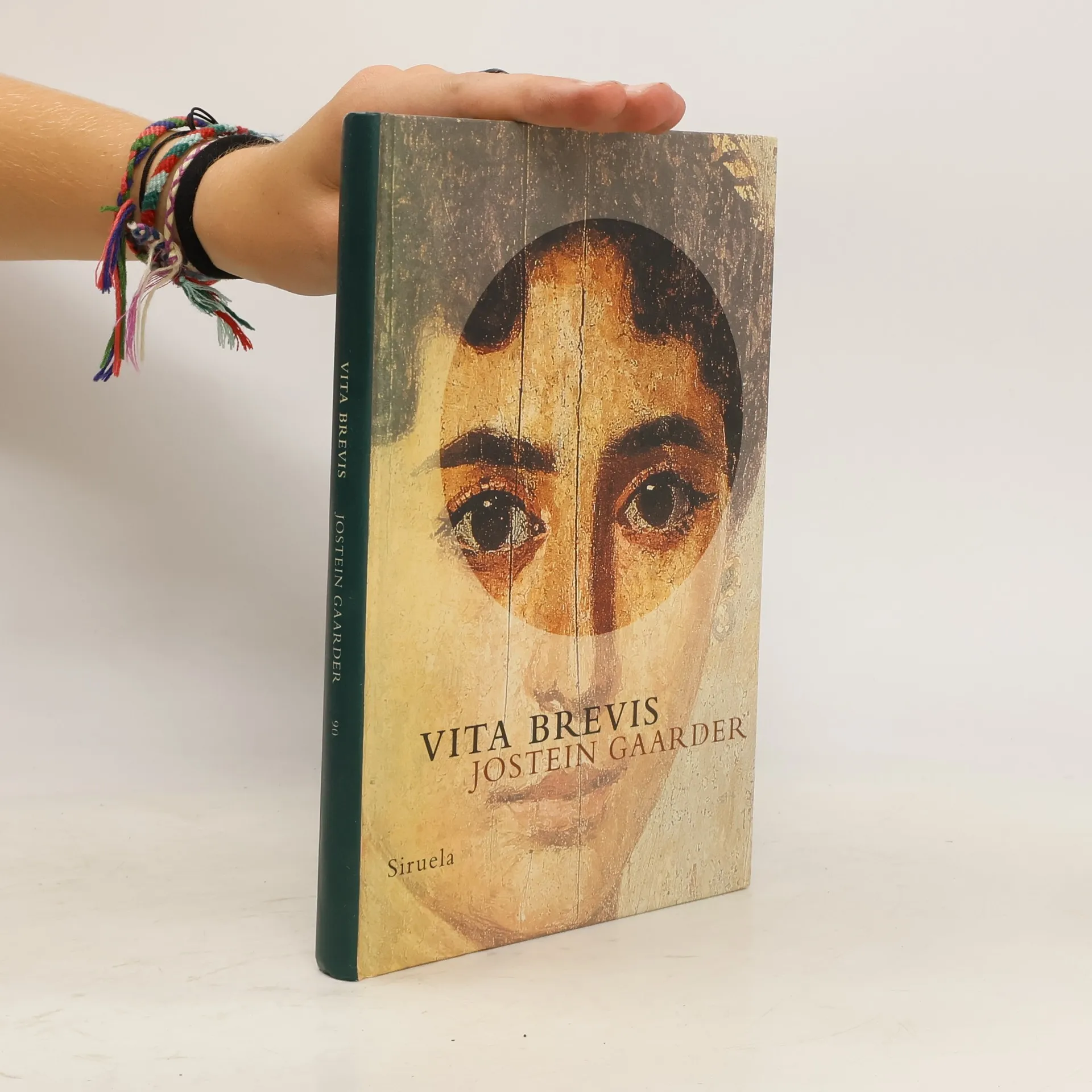
    Vita Brevis
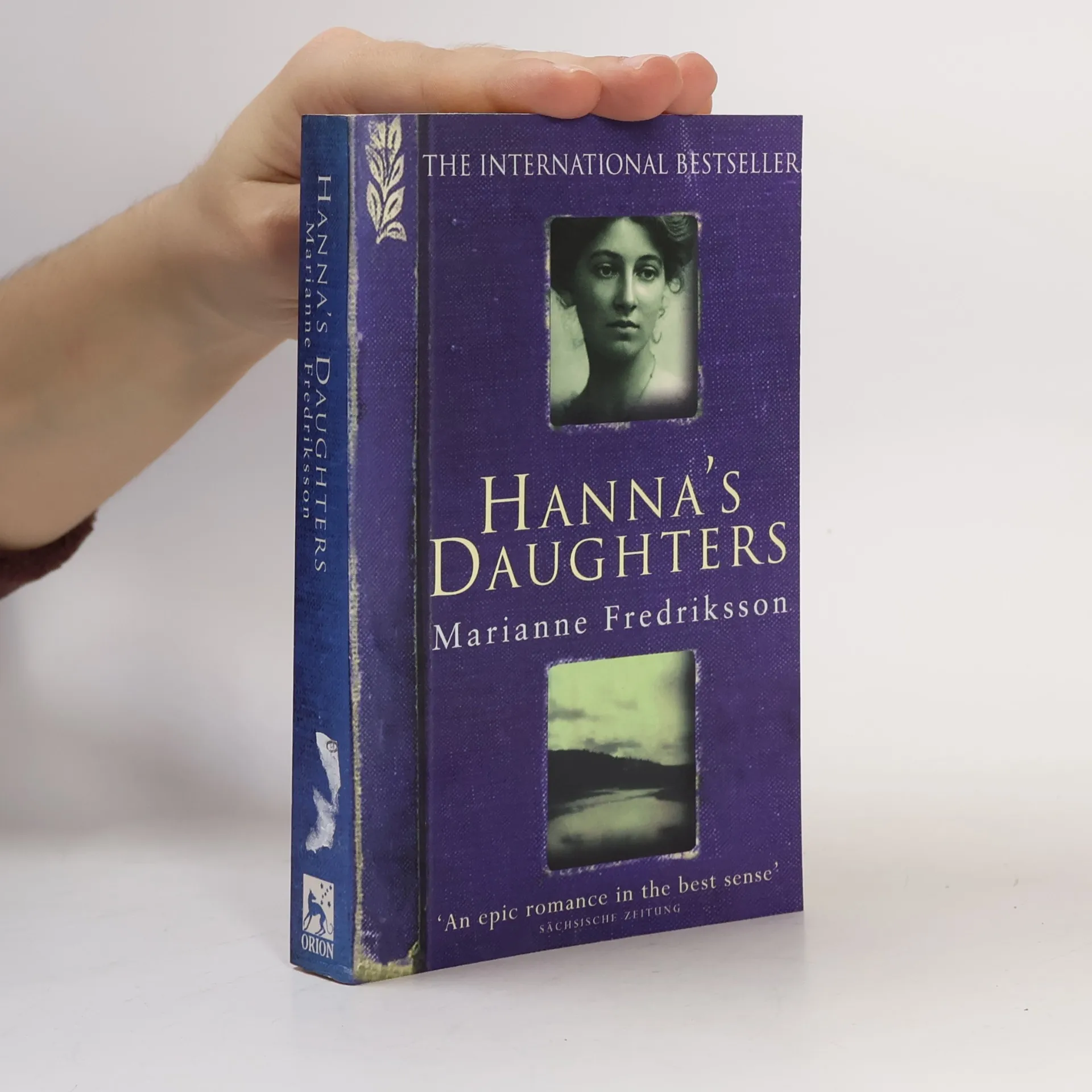
    Hannas Töchter
    El enigma y el espejo
    • 2009

      Vita Brevis

      • 130 páginas
      • 5 horas de lectura

      Se sabe, aunque la Iglesia siempre ha pasado de puntillas sobre este hecho, que San Agustin, mas tarde Padre de la Iglesia latina, tuvo en su juventud una amante que le dio un hijo al que amo con predileccion. Vita brevis (1996), la primera novela de Jostein Gaarder no dirigida al lector juvenil, es la carta manuscrita que supuestamente Floria, su amante, le escribio al hilo de la lectura de sus Confesiones, la obra fundamental del santo obispo de Hipona. En ella, con ironia y sarcasmo, critica a Agustin por haber abandonado el verdadero y autentico amor humano para entregarse a uno divino, del que poco se sabe.Vita brevis es una novela diferente, una ardiente defensa del amor sensual y una fervorosa critica a la represion religiosa de las pasiones y sentimientos humanos; una obra completamente distinta a las anteriores del autor, aunque lleve el inconfundible sello de su siempre alerta curiosidad filosofica.

      Vita Brevis
    • 2001

      El enigma y el espejo

      • 158 páginas
      • 6 horas de lectura

      It's almost Christmas. Cecilia lies sick in bed as her family bustle around her to make her last Christmas as special as possible. Cecilia has cancer. An angel steps through her window. So begins a spirited and engaging series of conversations between Cecelia and her angel. As the sick girl thinks about her life and prepares for her death, she changes subtly, in herself and in her relationships with her family. Jostein Gaarder is a profoundly optimistic writer, who writes about death with wisdom, compassion and an enquiring mind. 'Through a Glass, Darkly' will not only bring comfort to the bereaved. It will move and amaze everyone who reads it.

      El enigma y el espejo
    • 1999

      They meet on a spring day in the local garden center: Inge, a native Swede, lovely and refined, is a woman ruled by reason and her own deeply held moral beliefs; and Mira, a Chilean immigrant who still feels out of place in the cold Scandinavian north, and has spent far too much of her life searching for meaning. Intrigued by one another, the two women are nevertheless wary of the great cultural differences that seem to separate their lives. Yet both are single mothers devoted to their children, and both find joy and comfort in cultivating plants and flowers -- and so together, they begin to develop a close bond. Through many afternoons spent amid the beauty of Inge's garden, Mira slowly reveals the horrors of a shadowed past and the heartbreak involving her beloved daughter. As Mira and her family begin a wrenching journey of discovery, Inge unwittingly uncovers secrets in her own life that make her question the very order of her world . . . and wonder whether the truth is really what any of them needs to find -- or if, in fact, it is the truth that will destroy them.

      Hannas Töchter