

Bookbot

Granta: The Magazine of New Writing

    Esta revista literaria, que se originó en 1889 como una publicación estudiantil de la Universidad de Cambridge y lleva el nombre del río local, tiene una larga y distinguida historia. Inicialmente publicó las primeras obras de muchos escritores que más tarde alcanzarían gran renombre. Tras enfrentar dificultades financieras y apatía en la década de 1970, la publicación fue rescatada por un grupo de estudiantes de posgrado. La revitalizaron con éxito y de forma sorprendente como una revista dedicada a la nueva escritura, ampliando su alcance para involucrar tanto a escritores como a lectores más allá de los confines de la academia.

    Granta 65
    Granta 157: Should We Have Stayed at Home?
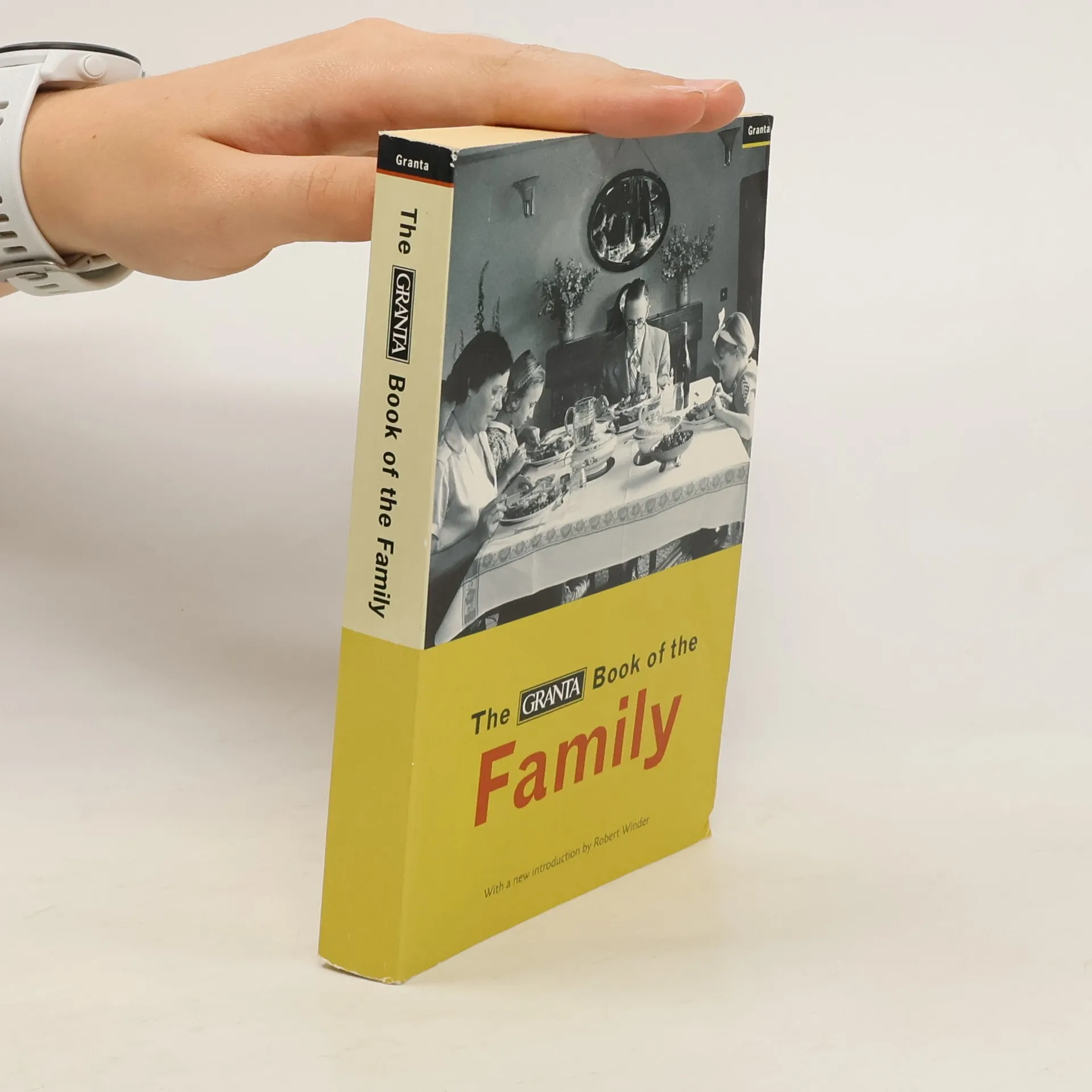
    The Granta Book of the Family
    • Granta 157: Should We Have Stayed at Home?

      Should We Have Stayed at Home?

      • 280 páginas
      • 10 horas de lectura

      From Antarctica to the US-Mexico border, and from a Siberian whale-killing station to Taipei's alleyways, these dispatches capture a world in constant motion, even in lockdown. Travel invites us to embrace the experience of being a stranger, highlighting that one person's frontier can be another's home. Nearly forty years after its first travel writing issue, a new generation of global writers redefines the genre in this edition, guest-edited by award-winning travel writer William Atkins. Contributions include Jason Allen-Paisant reflecting on childhood trees in Jamaica from Leeds, Carlos Manuel Alvarez navigating Cuba's customs, and Eliane Brum's journey from the Brazilian Amazon to Antarctica amid climate crisis. Francisco Cantu and Javier Zamora recount a former border guard's visit to the US-Mexico border with a childhood undocumented migrant. Jennifer Croft presents a richly illustrated essay on postcards and graffiti inspired by Los Angeles, while Bathsheba Demuth explores a whale-hunting station in Russia. Sinead Gleeson visits Brazil with Clarice Lispector, and Kate Harris engages with the Tlingit people in Alaska. Other notable pieces include Emmanuel Iduma's return to Lagos, Kapka Kassabova among gatherers in Bulgaria, and Taran Khan's encounters with Afghan migrants in Germany and Kabul. Jessica J. Lee searches for her mother's home in Taipei, and Sven Lindqvist offers a previously unpublished essay from 1987 in

      Granta 157: Should We Have Stayed at Home?2021
    • The Granta Book of the Family

      • 400 páginas
      • 14 horas de lectura

      The family: no relationship is more important, more powerful, or more enduring. Or potentially more destructive. Since the early 1980s, Granta has published fiction, memoir, biography, and reportage inspired by the most important institution in our lives. The best, and at times the most disturbing, pieces are collected here, including “Where He Was: Memories of My Father” by Raymond Carver; “Memoirs of a Bootlegger’s Son” by Saul Bellow; “Sugar Daddy” by Angela Carter; “Ramadan” by Mona Simpson; “Impertinent Daughters” by Doris Lessing; “Family Album” by Mikal Gilmore; “The Names of Women” by Louise Erdrich; and “The Up Escalator” by Bret Easton Ellis.

      The Granta Book of the Family2001
      3,9
    • Granta 65

      London

      • 288 páginas
      • 11 horas de lectura

      London at the end of the century comes attached to a new list of marketing superlatives--the most vibrant, the hippest, the coolest of the great global cities: London-New York-Paris-Tokyo. This may amount to no more than a passing coincidence of money, youth, and politics. But for now there is an optimism about London, and the gathering sense of a new London nationalism; the city as a cosmopolitan state.This special issue of Granta, the largest in the magazine's history, is all about London: 352 pages of fiction, reportage, memoir, and photography.

      Granta 651999