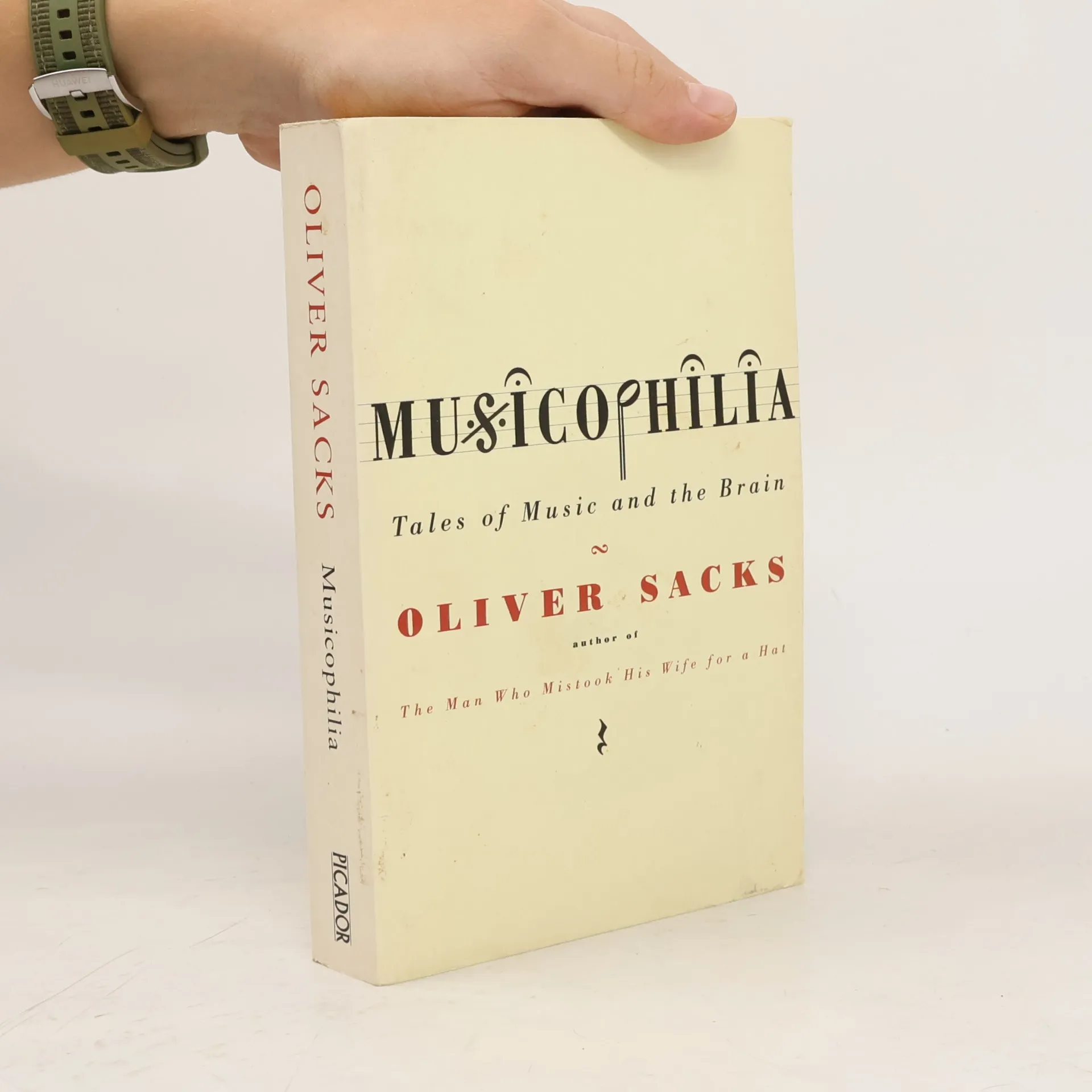
‘A humane discourse on the fragility of our minds, of the bodies that give rise to them, and of the world they create for us.’ Daily Telegraph Oliver Sacks’ compassionate tales of people struggling to adapt to different neurological conditions have fundamentally changed the way we understand our own minds. In Musicophilia, he examines the powers of music through the individual experiences of patients, musicians and everyday people – those struck by affliction, unusual talent and even, in one case, by lightning – to show not only that music occupies more areas of the brain than language does, but also that it can calm and organize, torment and heal. Always wise and compellingly readable, these stories alter our conception of who we are and how we function, and show us an essential part of what it is to be human. ‘Fascinating. Music, as Sacks explains, “can pierce the heart directly”. And this is the truth that he so brilliantly focuses upon – that music saves, consoles and nourishes us’ Daily Mail ‘Irresistible, astonishing and moving’ Spectator ‘Deeply warm and sympathetic’ Guardian
Han Visserman Orden de los libros (cronológico)

Zes verhalen van Ierse schrijvers.
Mercy : roman. Dutch
- 275 páginas
- 10 horas de lectura
De ongewenste dochter van een getrouwde vrouw en een pastoor groeit op bij een kluizenaar in een Canadees moeras.
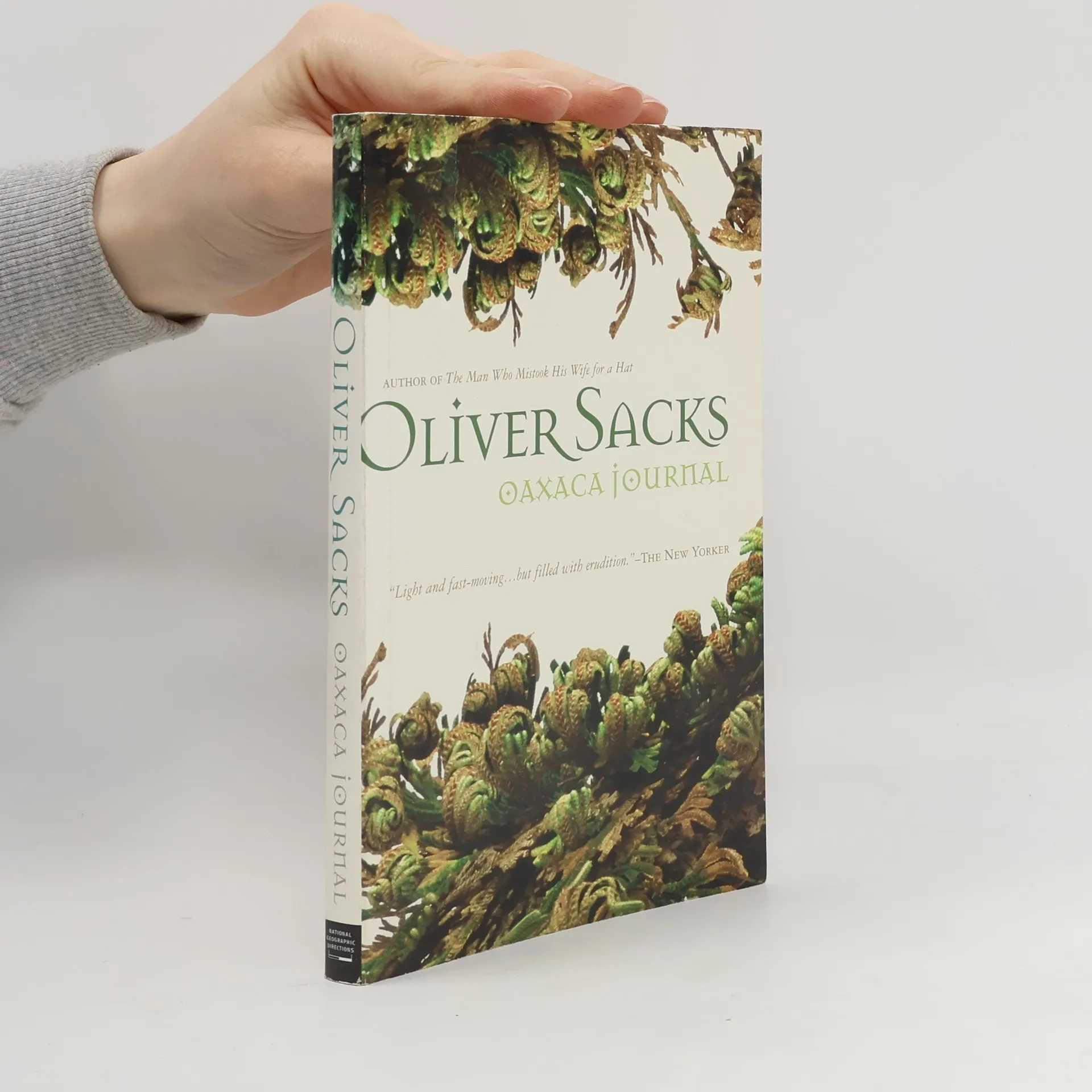
National Geographic Directions: Oaxaca Journal
- 160 páginas
- 6 horas de lectura
The best-selling author of Awakenings and The Man Who Mistook His Wife for a Hat, Oliver Sacks is well know as an explorer of the human mind—a neurologist with a gift for complex, insightful portrayals of people and their conditions. However, he is also a card-carrying member of the American Fern Society, and since childhood has been fascinated by these primitive plants and their ability to survive and adapt in many climates.Oaxaca Journal is Sacks's spellbinding account of his trip with a group of fellow fern enthusiasts to the beautiful, history-steeped province of Oaxaca, Mexico. Bringing together Sacks's passion for natural history and the richness of human culture with his sharp eye for detail, Oaxaca Journal is a captivating evocation of a place, its plants, its people, and its myriad wonders.
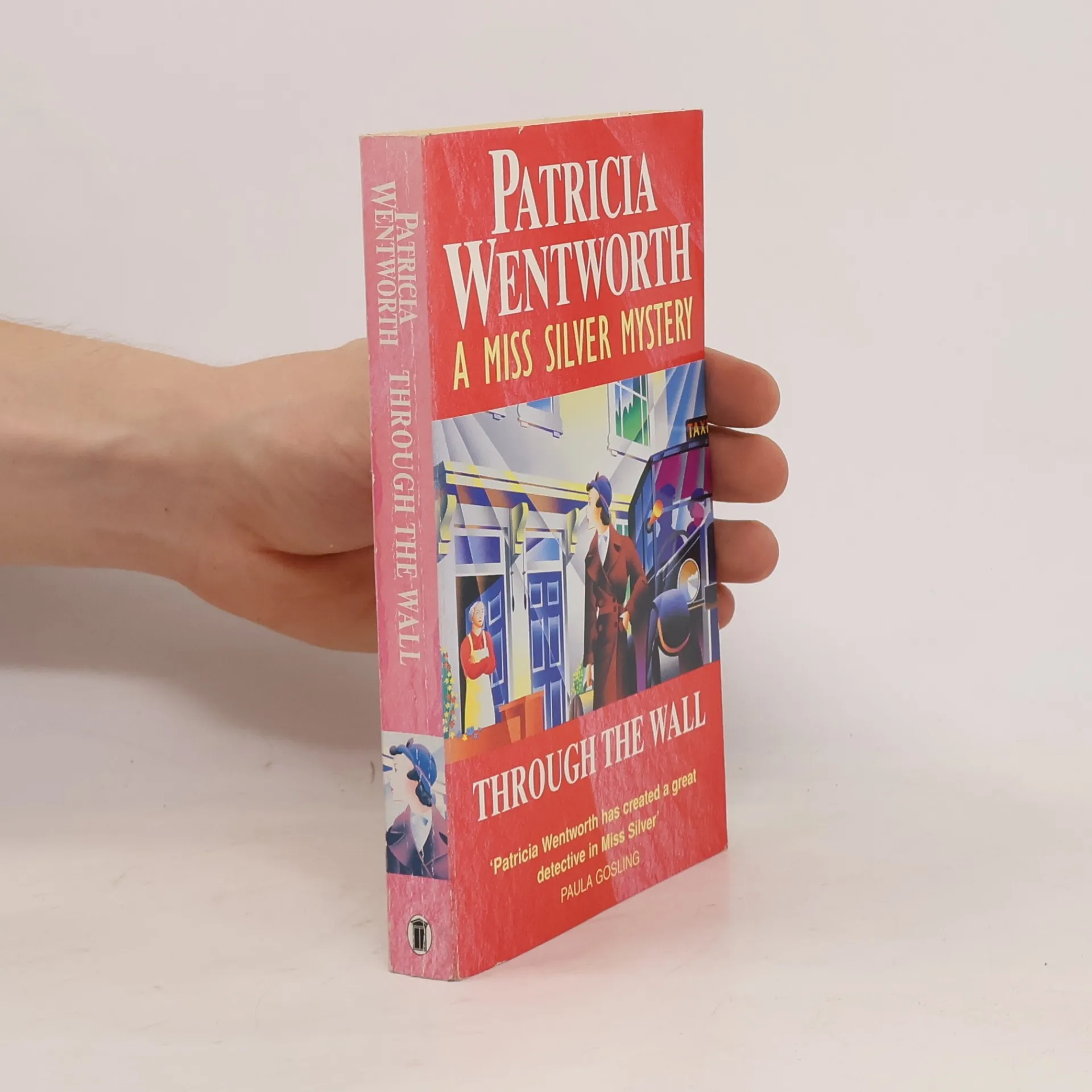
Through the Wall
- 256 páginas
- 9 horas de lectura
Most of Marion's relations would prefer her dead, and one of them will not stop at murder . . . Classic crime in stunning new packaging.
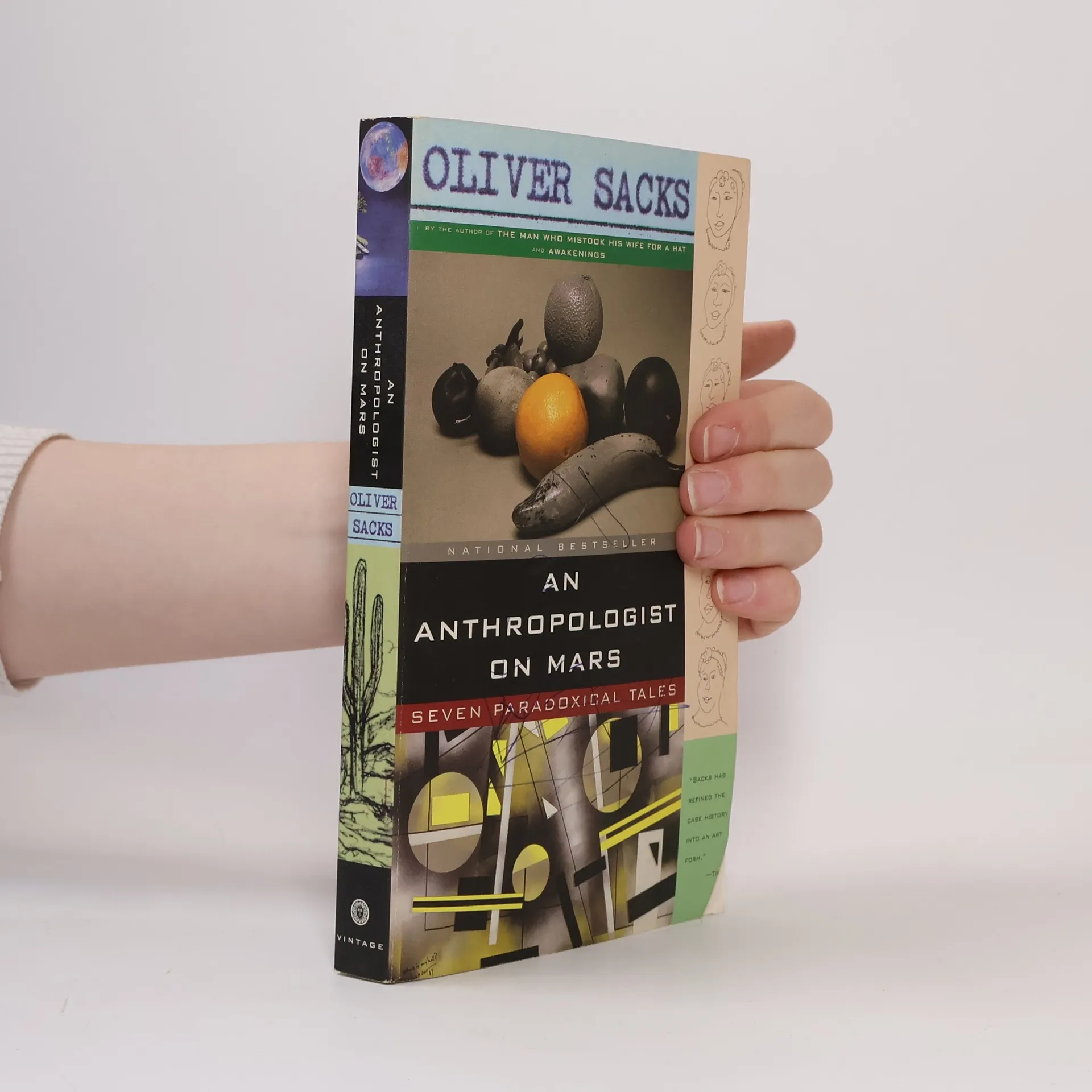
An Anthropologist On Mars
- 352 páginas
- 13 horas de lectura
THE INSPIRATION FOR THE NBC SERIES BRILLIANT MINDS • From the bestselling author of The Man Who Mistook His Wife for a Hat • Fascinating portraits of neurological disorder in which men, women, and one extraordinary child emerge as brilliantly adaptive personalities, whose conditions have not so much debilitated them as ushered them into another reality. Here are seven detailed narratives of neurological patients, including a surgeon consumed by the compulsive tics of Tourette's syndrome unless he is operating; an artist who loses all sense of color in a car accident, but finds a new sensibility and creative power in black and white; and an autistic professor who cannot decipher the simplest social exchange between humans, but has built a career out of her intuitive understanding of animal behavior. Sacks combines the well honed mind of an academician with the verve of a true storyteller.
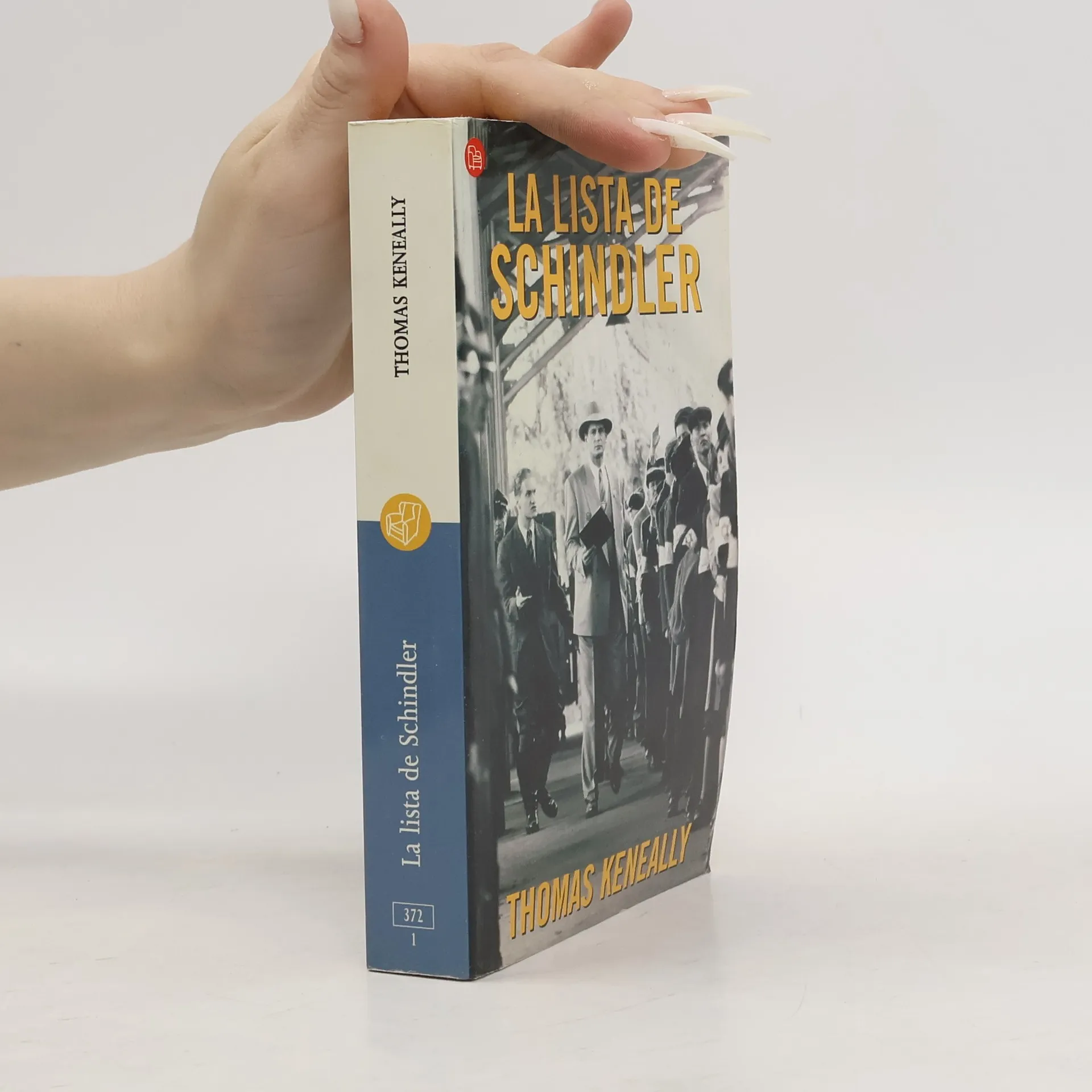
La lista de Schindler
- 647 páginas
- 23 horas de lectura
Era alto y rubio, alemán y católico; su nombre era Oskar Schindler y aunque estuviera casado, sus amantes se disputaban el privilegio de dedicarle una noche de diversión mientras el dinero corría por sus manos generosas con sospechosa alegría. Este hombre, que no tenía madera de santo y nunca pretendió ser un héroe, fue capaz de resolver a su manera la "cuestión judía" construyendo en Cracovia un campo de concentración que era a la vez una fábrica. Tras los muros de este campo albergó a miles de judíos, trasladándolos luego a un lugar seguro de Checoslovaquía. Figurar en la "lista de Schindler" era, para un judío sinónimo de salvación en una época en que los hornos de Auschwitz funcionaban noche y día. En Jerusalén, en la avenida de los Hombres Justos, hay un árbol que recuerda la emotiva historia de Oskar Schindler, que Thomas Keneally ha novelado con un respeto absoluto por los hechos históricos y la maestría indiscutible de un gran narrador. QUIEN SALVA LA VIDA DE UN HOMBRE SALVA AL MUNDO ENTERO.
Dubbelspoor naar de dood
- 200 páginas
- 7 horas de lectura
De Amsterdamse rechercheur Van der Valk tracht de herkomst van anonieme dreigbrieven in een Drents dorpje te achterhalen.