

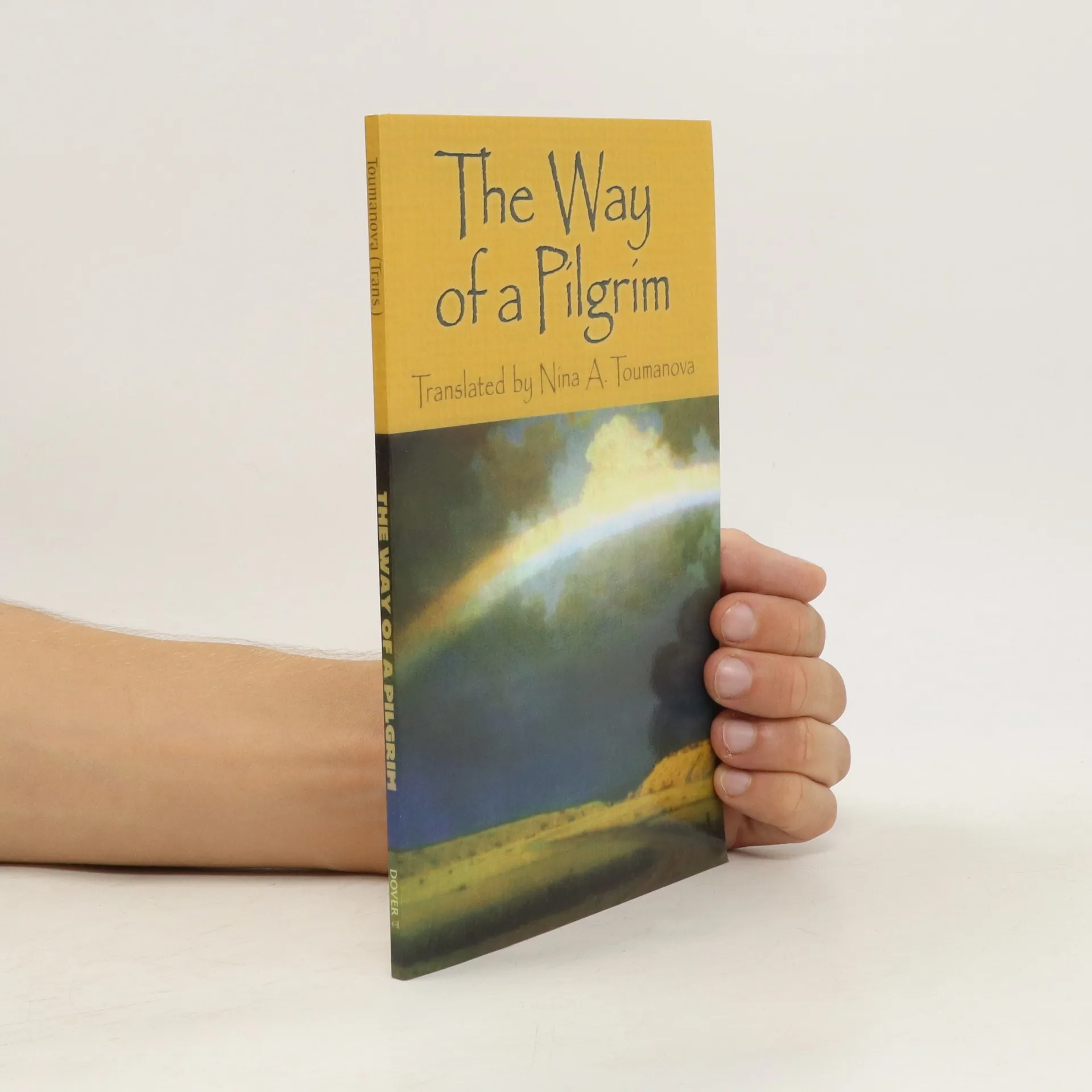
"In 1884 there appeared in Russia a slim volume containing four short tales. They told of a pilgrim, a lone wanderer, led by his quiet curiosity and a deep spiritual longing to undertake a lifelong journey across the land. A folk hero, a figure familiar from the works of Tolstoy and Leskov, this gentle pilgrim and his simple story would soon travel the world - and would even, much later, traverse the pages of JD Salinger's Franny and Zooey as the 'small pea-green cloth-bound book' that Franny keeps close in her handbag. The pilgrim's ancient journey takes him from a city monastery through forests, fields and the steppes of Siberia. He walks by day and by night, through rains and summer months, finding food and shelter where he can. Along the way, he encounters priests and professors, convicts, nuns and beggars, a tipsy old man in a soldier's greatcoat, from whom he slowly gathers great stores of wisdom and experience. But at the heart of his journey is his time spent praying as he journeys on alone, discovering the peace and consolation that come of constant prayer and silent contemplation. Simple and sincere, The Way of a Pilgrim paints an enduring picture of a life of detachment through wandering and prayer. And, as the pilgrim makes his way through the wilds, he invites us to travel with him, along an ancient path into an immense, mystical landscape."-- Amazon.com
Milli Martinelli Orden de los libros (cronológico)


Diario de un joven médico
- 200 páginas
- 7 horas de lectura
Brilliant stories that show the growth of a novelist's mind, and the raw material that fed the wild surrealism of Bulgakov's later fiction. With the ink still wet on his diploma, the twenty-five-year-old Dr. Mikhail Bulgakov was flung into the depths of rural Russia which, in 1916-17, was still largely unaffected by such novelties as the motor car, the telephone or electric light. How his alter-ego copes (or fails to cope) with the new and often appalling responsibilities of a lone doctor in a vast country practice — on the eve of Revolution — is described in Bulgakov's delightful blend of candid realism and imaginative exuberance.
Hadjí Murat
- 216 páginas
- 8 horas de lectura
La novela se abre con un breve preludio en el que, al volver de un paseo, el narrador, con gran dificultad, recoge «un magnífico cardo en flor de la especie que llamamos cardo tártaro». El cardo es ya el implícito emblema de Hadjí Murat: ¡Cuánta energía y vitalidad! ¡Con qué tenacidad defendió su vida y qué cara la vendió! Hadjí Murat es la excepción más grandiosa del último Tolstoi, pues ahí el viejo chamán rivaliza con Shakespeare. La extraordinaria facultad de Shakespeare a la hora de dotar de una existencia exuberante incluso a los personajes más secundarios, a la hora de henchirlos de vida, es inteligentemente absorbida por Tolstoi. Todo el mundo en Hadjí Murat posee una vívida individualidad: Shamil, el zar Nicolás, Avdéiev, el desdichado soldado ruso muerto en una escaramuza o el príncipe Vorontsov, a quien Hadjí Murat se entrega. El catálogo parece interminable, como en las obras mayores de Shakespeare. Está también Vorontsov, jefe del ejército ruso, y su edecán, Lorís-Mélikov, que se encarga de la custodia de Hadjí Murat, así como Butler, un heroico oficial capaz de apreciar las cualidades del jefe tártaro.También resultan muy convincentes las dos mujeres más destaca das del relato: la princesa María Vasílievna, casada con el joven Vorontsov, y María Dimítrievna, la amante de un oficial de poco rango.Harold Bloom