

Compra 10 libros por 10 € aquí!
Bookbot

Sholom Aleichem

    Sholom Aleichem se convirtió en una figura central de la literatura yiddish, reconocido por la naturalidad en el habla de sus personajes y la precisión de sus descripciones de la vida en el shtetl. Sus narrativas capturaron hábilmente momentos auténticos de la vida judía; los primeros críticos a menudo destacaban la alegría de sus personajes como una forma de afrontar la adversidad. Sin embargo, críticos posteriores percibieron un trasfondo trágico más profundo en su escritura. A menudo se le comparaba con el "Mark Twain judío" por sus similitudes estilísticas y el uso de seudónimos, y su obra resonó tanto en audiencias adultas como infantiles.

    Kasrylewka
    The Song of Songs
    My First Love Affair and Other Stories
    • 2002

      My First Love Affair and Other Stories

      • 384 páginas
      • 14 horas de lectura

      The 20 selections in this volume, lovingly translated by Curt Leviant with all the warmth and spirit of the original Yiddish, encomapss some of Sholom Aleichem’s finest tales, among them “Progress in Kasrilevke,” “Summer Romances,” “Birth,” “There’s No Dead,” “Someone to Envy,” “Three Widows,” “Homesick,” “On America,” “A Home Away from Home,” “To the Hot Springs,” and the title story.Filled with richly atmospheric details and accurate, affectionate characterizations, this collection is sure to delight devotees of this incomparable master of satire and wit.

      My First Love Affair and Other Stories
    • 1996

      The Song of Songs

      • 112 páginas
      • 4 horas de lectura

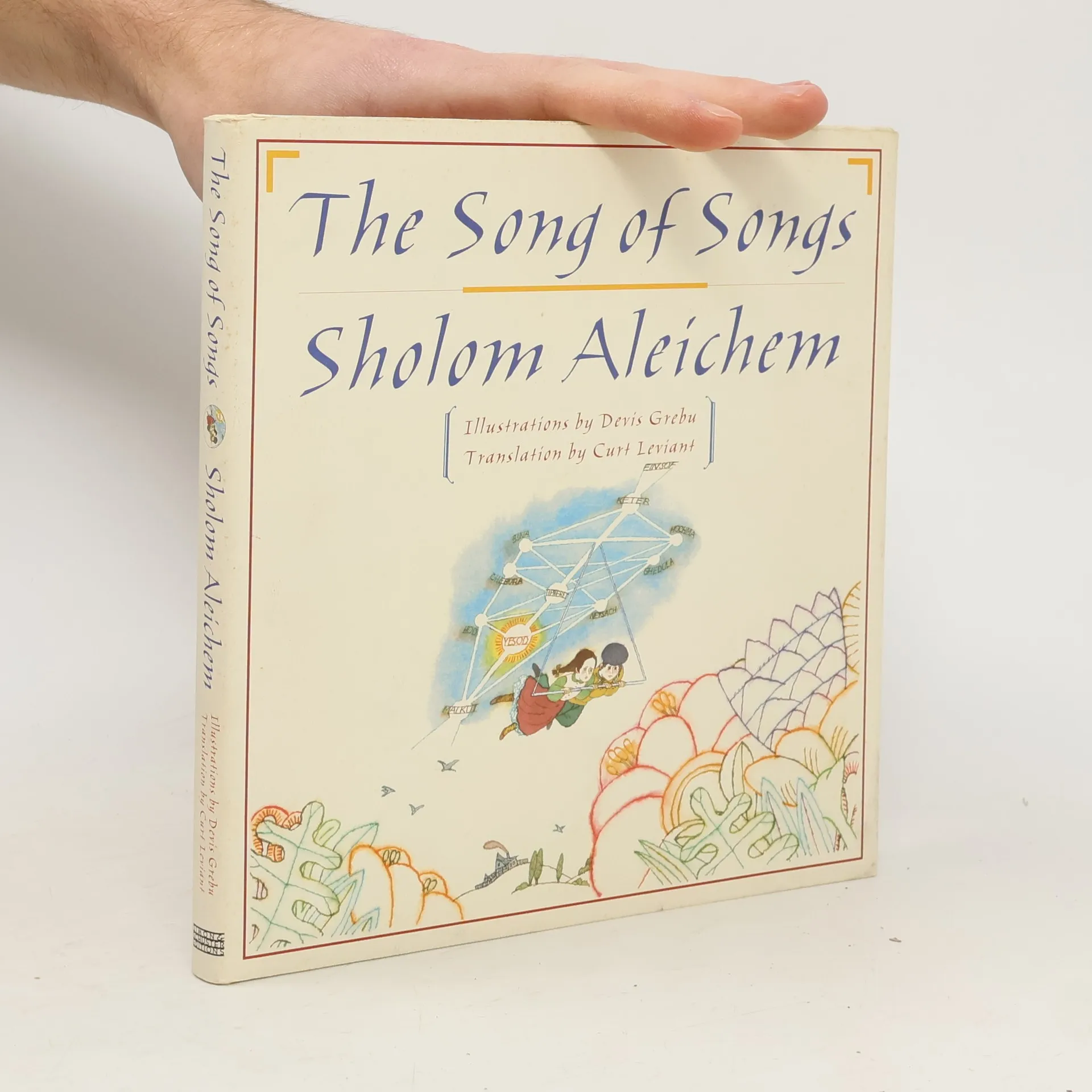
      A tender Jewish tale follows the story of a young boy named Shimek who finds himself falling in love with Buzie, the daughter of his deceased brother, and due to shyness can only express his feelings through quoting the Bible. 15,000 first printing.

      The Song of Songs
    • 1991

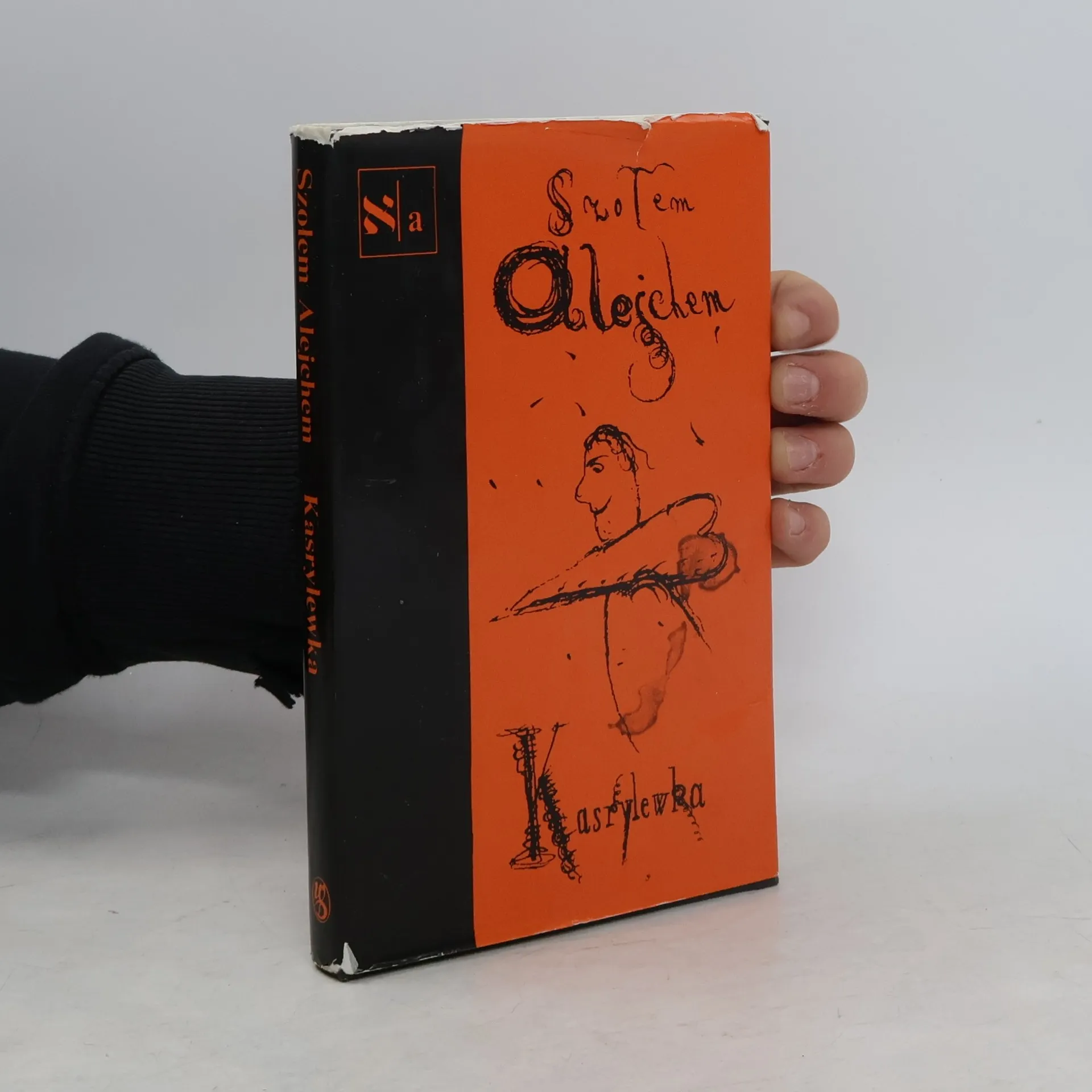
      Kasrylewka

      • 288 páginas
      • 11 horas de lectura

      Inside Kasrilevke is full of the special magic of Sholom Aleichem: the clear view, the kind of knowing that would break the spirit if it were not reported with a wry smile and a loving heart. It is written in the form of a guidebook to the author's small, legendary home town, revisited after years in the great world. The growing town has streetcars ("Where do we start?" "Today"). It has hotels ("But if it isn't just so, don't blame me"). It has restaurants, bars, a theater ("The one and only Adler from America"). But before these monstrous modernities befell the author, they had befallen the townspeople themselves, whose survival had come to depend on an indignant acceptance of indignity from fellow man and, let it be whispered, from God Himself. Ben Shahn's delightful drawings are not mere illustrations of incidents and a way of life; the people of the town are realized and project themselves off the page.

      Kasrylewka