
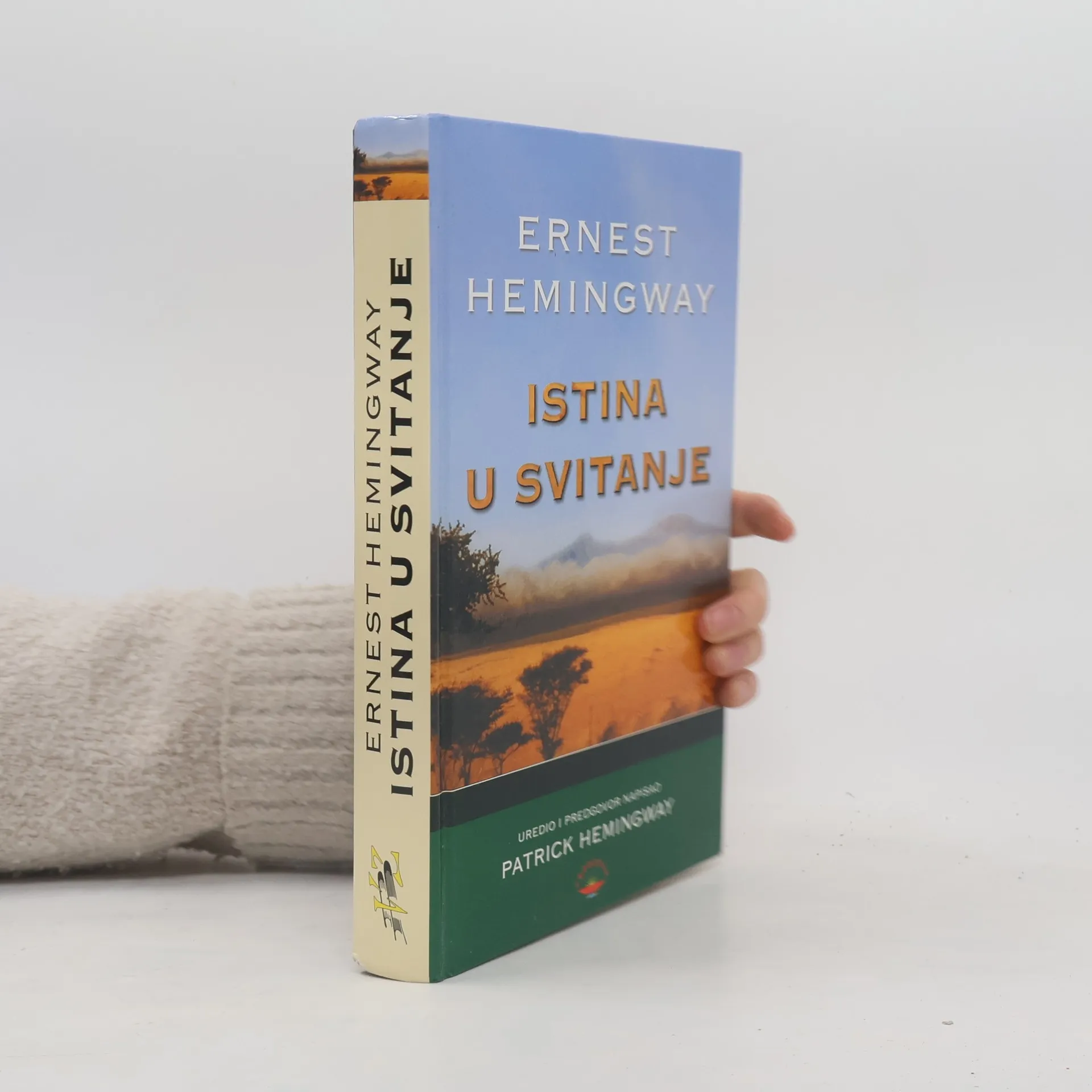
The book offers a unique perspective on Ernest Hemingway's role as a father through a collection of letters exchanged with his son Patrick over two decades. It provides intimate insights into their relationship, showcasing Hemingway's thoughts, emotions, and parenting style, revealing a more personal side of the renowned author.
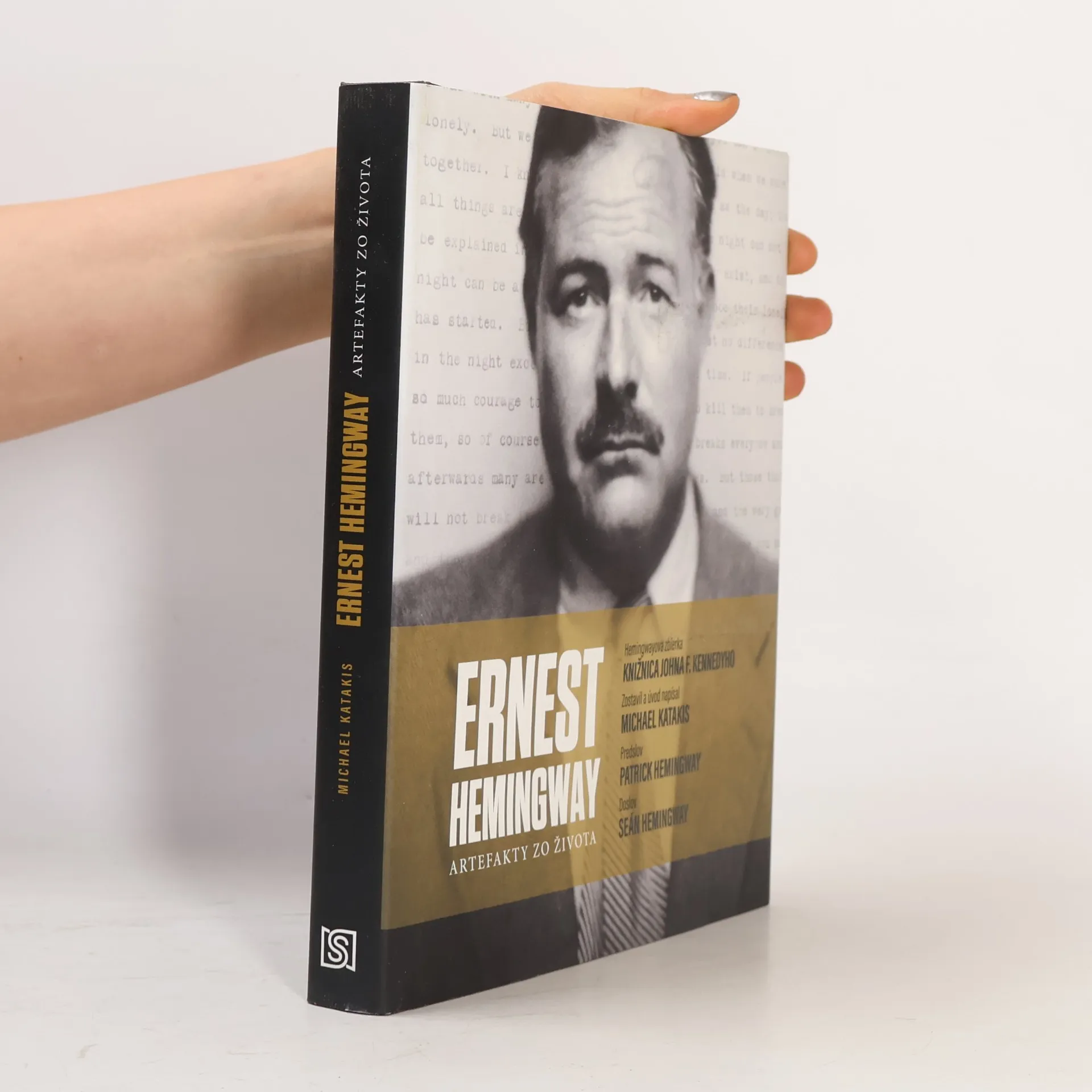
Unikátna publikácia vás prevedie životom slávneho amerického spisovateľa Ernesta Hemingwaya prostredníctvom dokumentov, fotografií a artefaktov, ktoré po sebe zanechal a ktoré sa stali zbierkovými predmetmi vďaka jeho synovi a vnukovi. Pre mnohých je Hemingway skôr mýtus než človek z mäsa a kostí. Bol vojakom, športovcom, vášnivým milencom a vynikajúcim spisovateľom, no aký bol jeho ozajstný život? Ako vyzeral ako usmiate dieťa či mladý muž v uniforme? Čo písal v osobných listoch a čo si poznamenával na cestovných lístkoch? Kniha odpovedá na tieto a ďalšie otázky, pričom zostavil ju správca Hemingwayovej pozostalosti Michael Katakis. Obsahuje predhovor jeho syna Patricka a doslov vnuka Seána, pričom rozpráva o živote velikána svetovej literatúry prostredníctvom predmetov, momentov a myšlienok, ktoré ho formovali. Ponúka vyše štyristo pôsobivých artefaktov, vrátane fotografií a úprimných listov, a vytvára doteraz nevídaný portrét geniálneho spisovateľa.
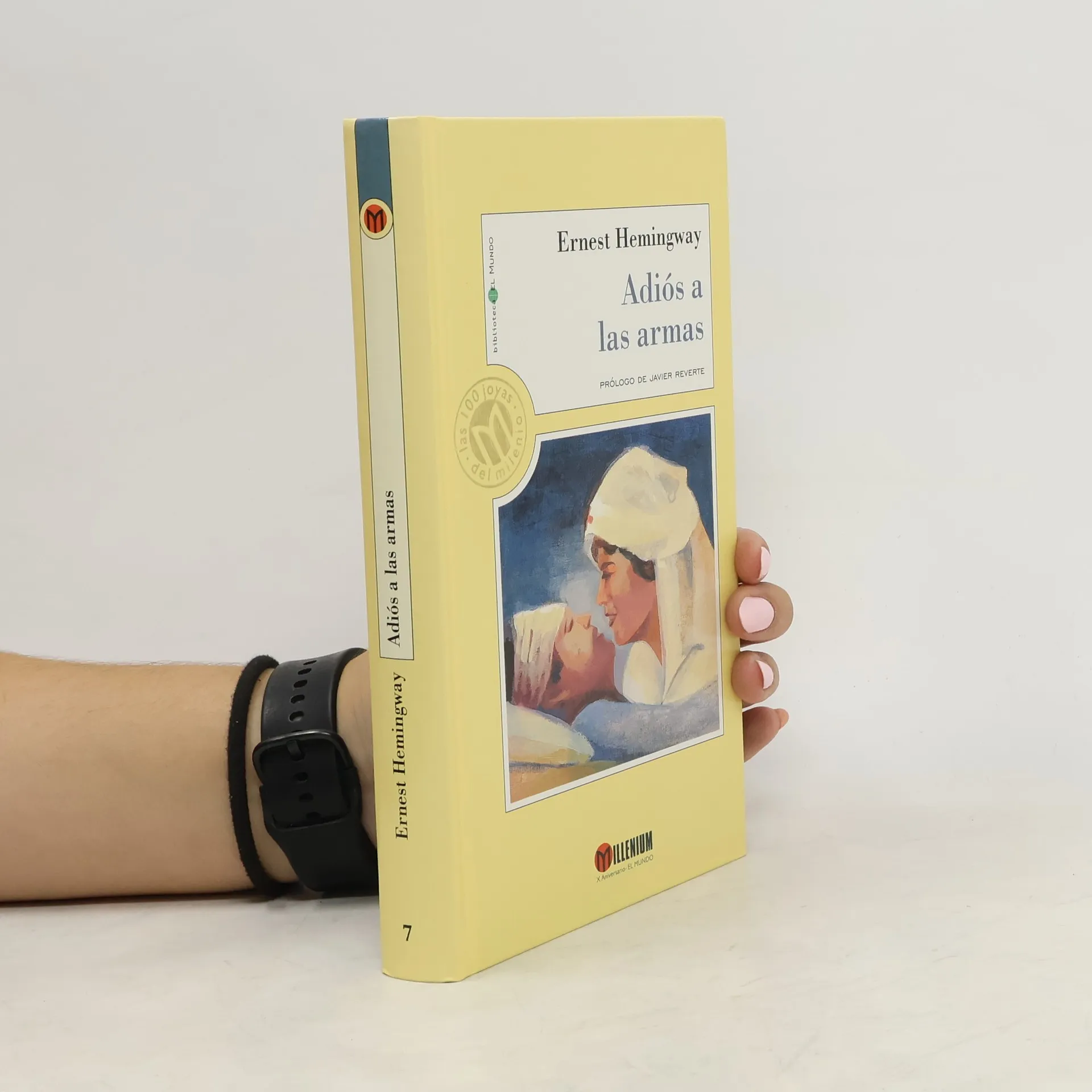
Historia de amor conmovedora en medio de la tormenta de la guerra. El teniente americano Frederic Henry sirve en el cuerpo de ambulancias del ejército italiano durante la Primera Guerra Mundial. Estacionado en el norte de Italia, conoce a la hermosa enfermera inglesa Catherine Barkley y se enamora de ella. Sin embargo, su apasionado romance se ve ensombrecido por las atrocidades de la guerra. Frederic se dirige al frente con un pequeño grupo, que pierde durante la ofensiva, y debe decidir si desertar o morir. ¿Puede esperar un golpe de suerte en tiempos tan oscuros? En "Adiós a las armas", Hemingway se inspira en sus propias experiencias bélicas. En esta cautivadora prosa semi-autobiográfica, retrata las crudas realidades de la guerra, su sinsentido y la brutalidad sin razón, así como el sufrimiento de los amantes atrapados en fuerzas superiores a los deseos individuales. El retrato del protagonista refleja la soledad y la desilusión de la "generación perdida", aquellos que alcanzaron la adultez durante la Primera Guerra Mundial.
Un grupo de americanos e ingleses afincados en Pars. Personajes desgarrados, errticos y descritos con tal veracidad que acabarn dando nombre a esa Generacin Perdida, terminada la Primera Guerra Mundial. Sus andanzas desde la Rive Gauche a los Sanfermines, narradas con pulso tenso, en una atmsfera desesperadamente vital, y amenazante.
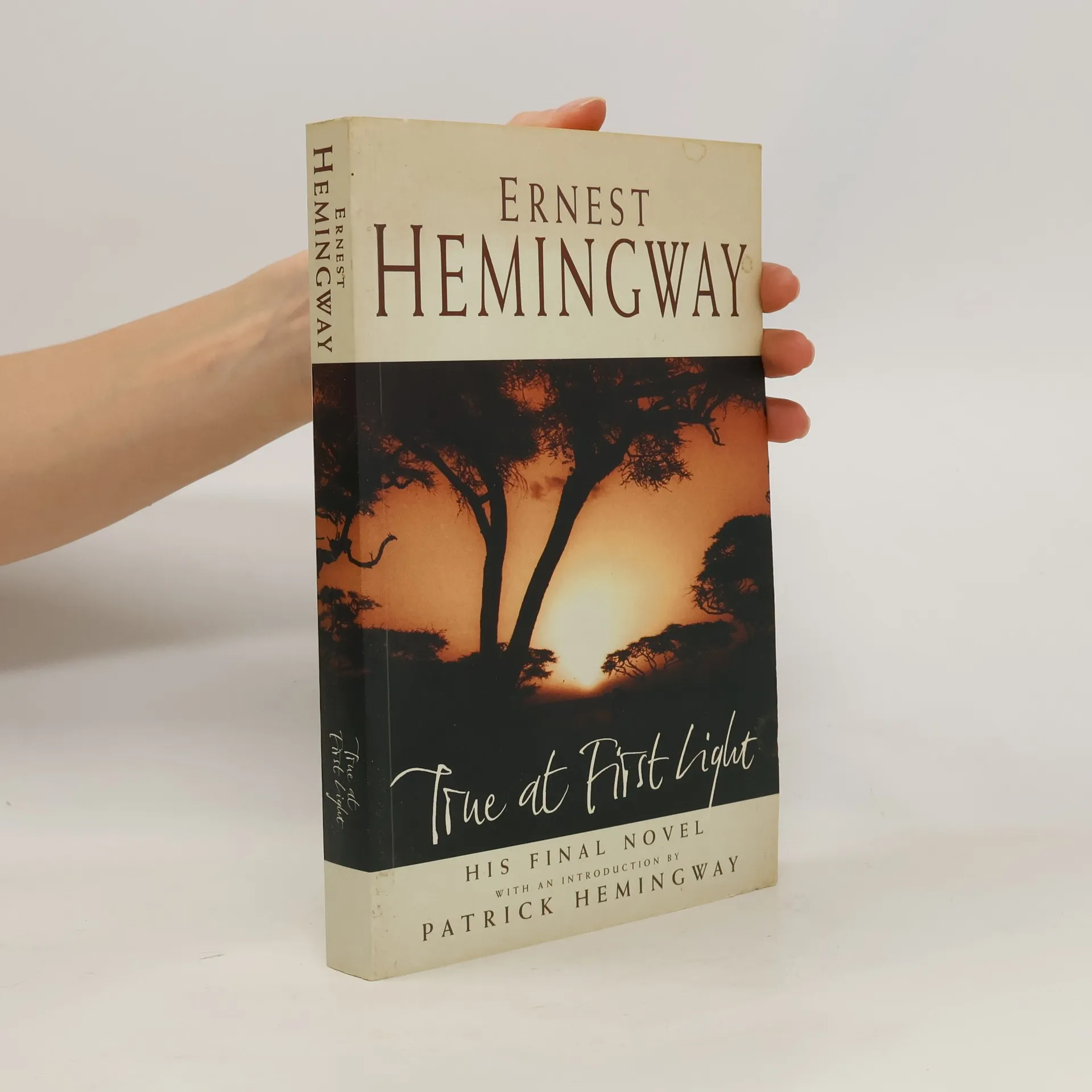
Ernest Hemingway's final posthumous work is labeled "a fictional memoir," emerging amid controversial editing. Despite lacking the clarity of his best works, it remains quintessentially Hemingway. The narrative unfolds against the backdrop of the Mau Mau rebellion in 1953 Kenya, where the era of "great white hunters" is fading. Hemingway is portrayed as a revered figure by the local gun bearers and scouts. The story follows two parallel quests: Mary, Hemingway's fourth wife, pursues a massive black-maned lion, while Hemingway becomes infatuated with Debba, a young African woman. Intriguingly, Mary accepts Debba as a "supplementary wife," all while criticizing Hemingway for his drinking and behavior in camp.
Atmosphere and attitude overshadow plot, with Mary confronting Hemingway as a "conscience-ridden murderer," a stance that heightens the tension in the hunting scenes. Hemingway's reflections on the lion he describes as "Mary's lion" evoke a poignant beauty, illustrating his mastery of language. While some criticize the book's structure and moments of self-indulgence, the power of Hemingway's prose shines through. The work's value lies in its raw honesty, offering a glimpse of a master navigating his creative process.