
Bookbot

Margaret Wheatley

    1 de enero de 1941
    A Simpler Way
    Finding Our Way
    Restoring Sanity
    Leadership and the New Science
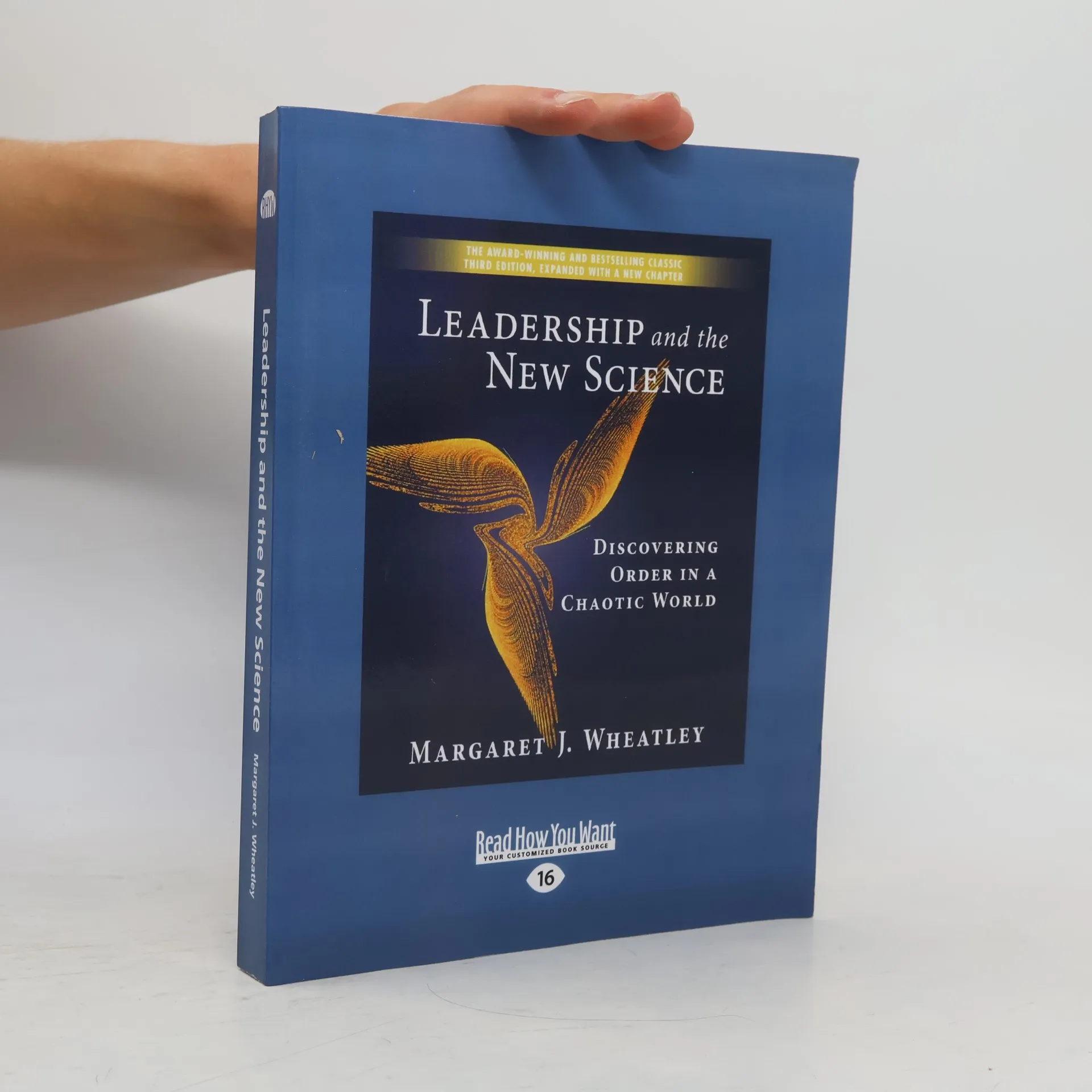
    Leadership and the New Science. Discovering Order in a Chaotic World
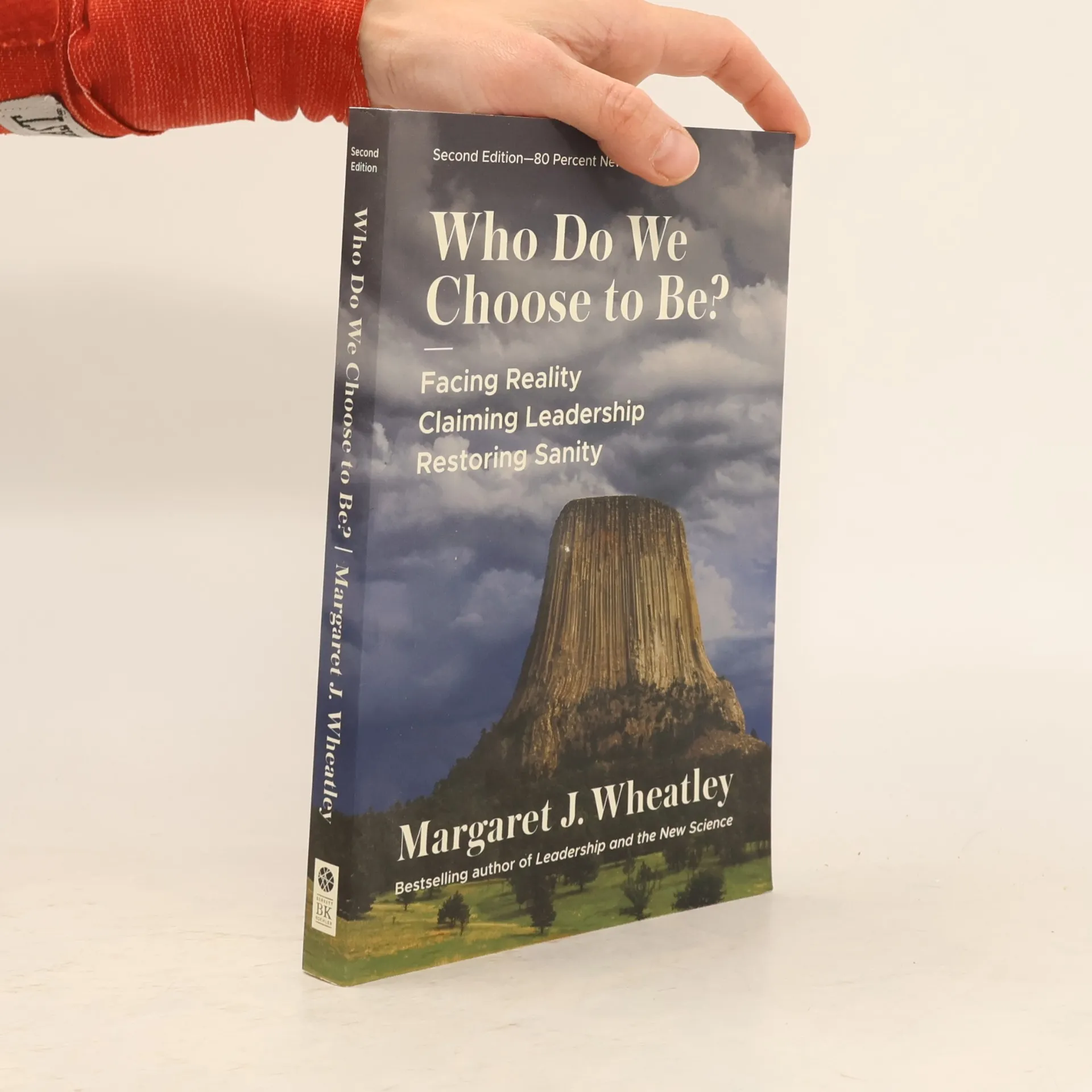
    WHO DO WE CHOOSE TO BE
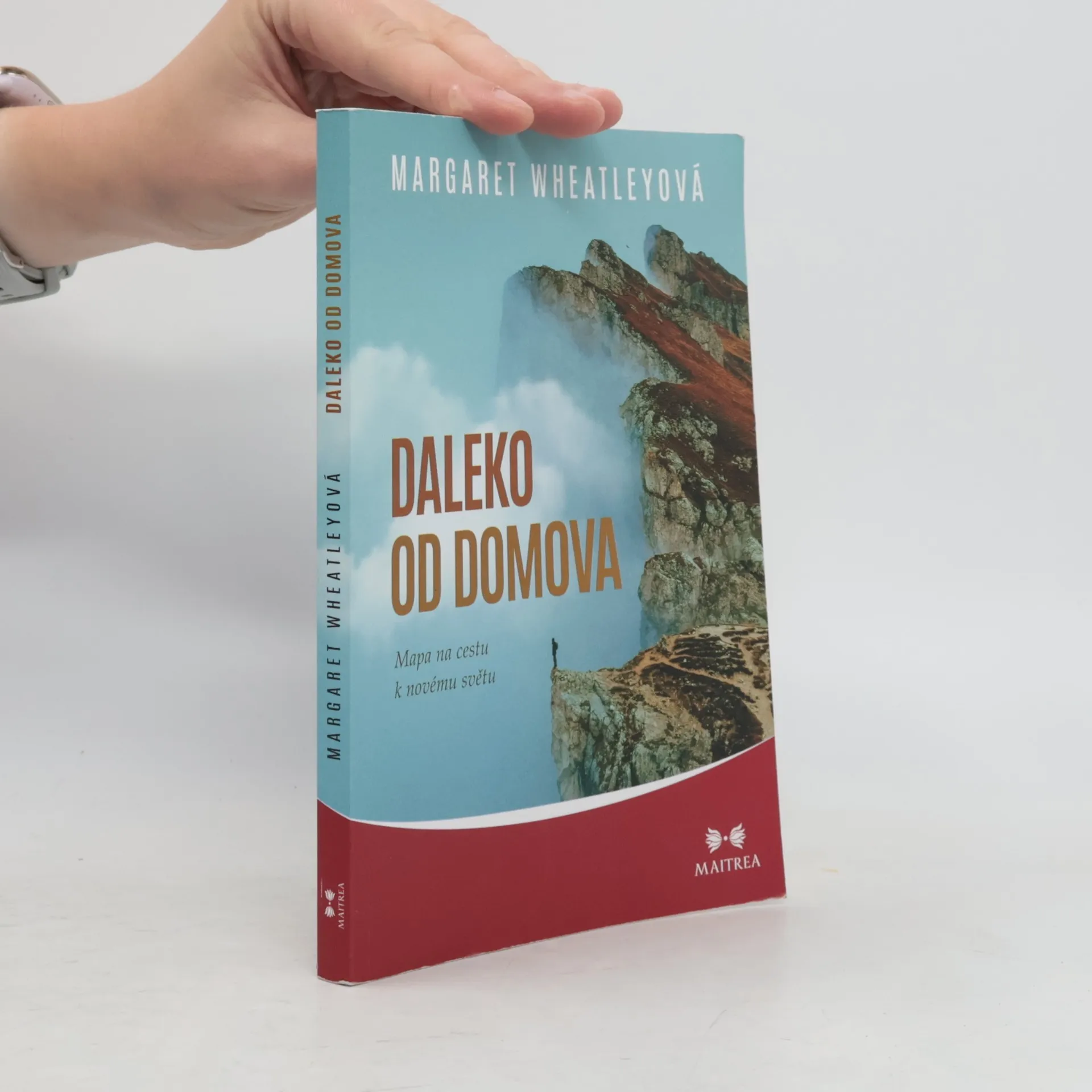
    • POZVÁNÍ NA CESTU BOJOVNÍKA Tuto knihu jsem psala pro vás, kteří se svou prací, ať už jakoukoli, snažíte pomáhat druhým. A kteří se v dnešní době cítíte stále vyčerpanější, frustrovanější a zdeptanější, přestože zároveň zažíváte chvíle radosti, sounáležitosti a pevnějšího odhodlání pokračovat. Tato kniha radí, jak můžeme aktivně, obětavě a s potěšením provozovat své živobytí, když si vědomě zvolíme novou roli – roli bojovníků za lidského ducha. Tato kniha mapuje cesty, po nichž jsme dospěli až sem – do světa, který nikdo z nás nechce, kde převládla chamtivost, sobectví a represivní moc – pravý opak toho, oč jsme tak horlivě usilovali. Mapy těchto cest ukazují ve vší nahotě chmurnou realitu dneška a projasňují nám úsudek, který potřebujeme, chceme-li být skutečně užiteční. Tato kniha nabízí mapy pro budoucnost – vedoucí k proměně smutku, rozhořčení a frustrace v pochopení a soucit, abychom mohli této době sloužit se ctí, ohleduplností a odvahou. Jako bojovníci za lidského ducha objevujeme, jak dělat správně svou práci, která je naším celoživotním posláním. S nadšením se zapojujeme do dění, ztělesňujeme hodnoty, které jsou nám drahé, nelpíme na výsledcích a pečujeme o vztahy s druhými lidmi. Sloužíme lidem a věcem, na nichž nám záleží, a změnou chceme spíše být, než jí dosáhnout. Pojďme společně objevovat toto „umění boje“.

      Daleko od domova : mapa na cestu k novému světu2021
      4,0
    • WHO DO WE CHOOSE TO BE

      • 336 páginas
      • 12 horas de lectura

      This book is born of my desire to summon us to be leaders for this time as things fall apart, to reclaim leadership as a noble profession that creates possibility and humaneness in the midst of increasing fear and turmoil. I know it is possible for leaders to use their power and influence, their insight and compassion, to lead people back to an understanding of who we are as human beings, to create the conditions for our basic human qualities of generosity, contribution, community and love to be evoked no matter what. I know it is possible to experience grace and joy in the midst of tragedy and loss. I know it is possible to create islands of sanity in the midst of wildly disruptive seas. I know it is possible because I have worked with leaders over many years in places that knew chaos and breakdown long before this moment. And I have studied enough history to know that such leaders always arise when they are most needed. Now it's our turn.

      WHO DO WE CHOOSE TO BE2017
      4,2
    • Leadership and the New Science launched a revolution by demonstrating that ideas drawn from quantum physics, chaos theory, and molecular biology could improve organizational performance. Margaret Wheatley called for free-flowing information, individual empowerment, relationship networks, and organizational change that evolves organically -- ideas that have become commonplace. Now Wheatley's updated classic, based on her experiences with these ideas in a diverse number of organizations on five continents, is available in paperback.

      Leadership and the New Science. Discovering Order in a Chaotic World1999
      4,1
    • "Each of us lives and works in organizations designed from Newtonian images of the universe," Margaret Wheatley writes in this groundbreaking book. "Our assumptions come to us from seventeenth-century physics, from Newtonian mechanics. ... But the science has changed. If we are to continue to draw from the sciences to create and manage organizations, then we need to at least ground our work in the science of our times. We need to stop seeking after the universe of the seventeenth century and begin to explore what has become known to us in the twentieth century."" "Wheatley takes the reader on a mind-opening journey into the "new science"--The revolutionary discoveries in quantum physics, chaos theory, and molecular biology that are changing our understanding of the universe. And she applies these scientific concepts to offer new light on the fundamental issues of organizing work, people, and life, including : how can we find order in a chaotic world?; how is order different than control?; how can we create more participative, open, and adaptive organizations?; how can we reconcile individual autonomy and organizational control?; and what leads to organizational growth and self-renewal instead of decline and death?"--Jaquette

      Leadership and the New Science1992
      4,1