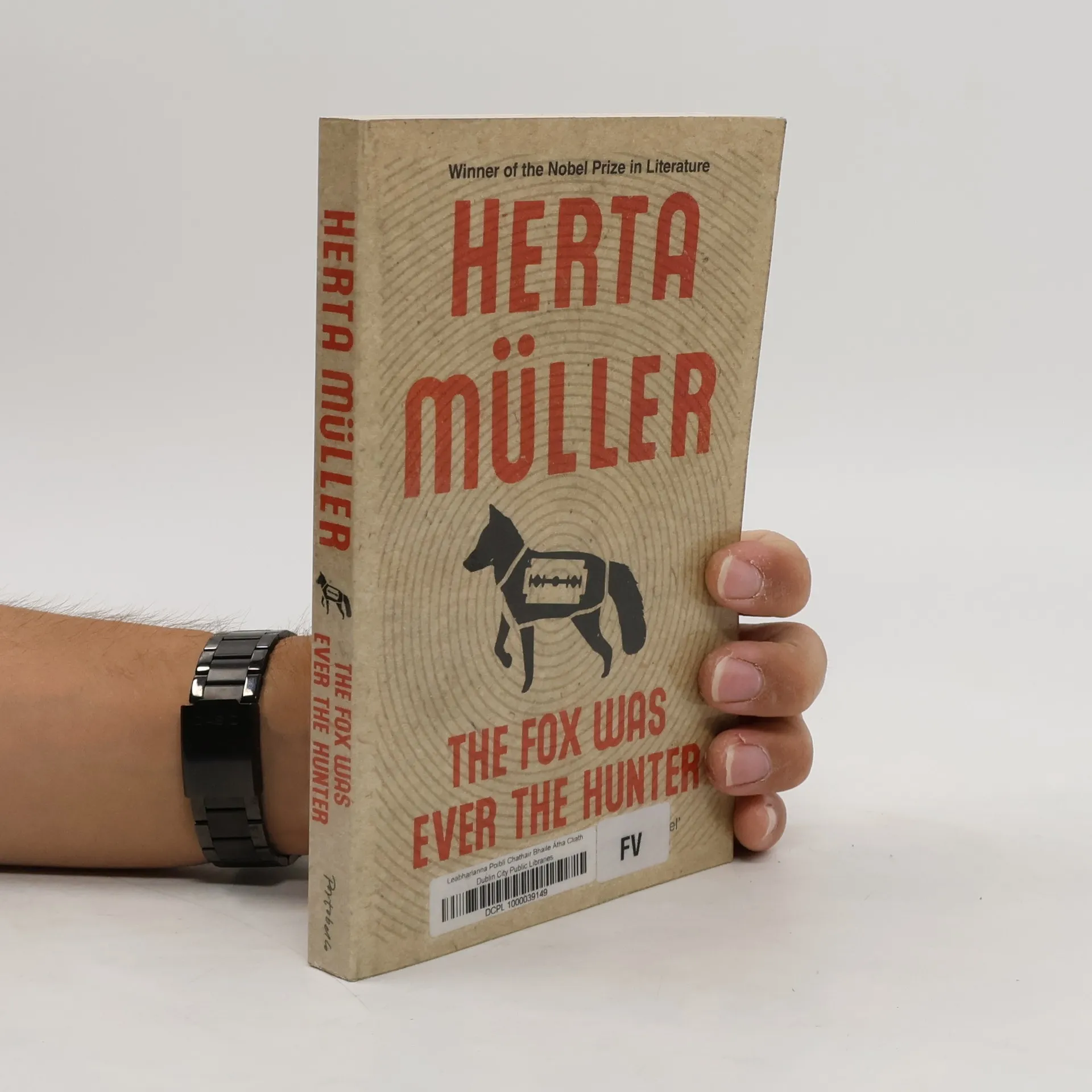
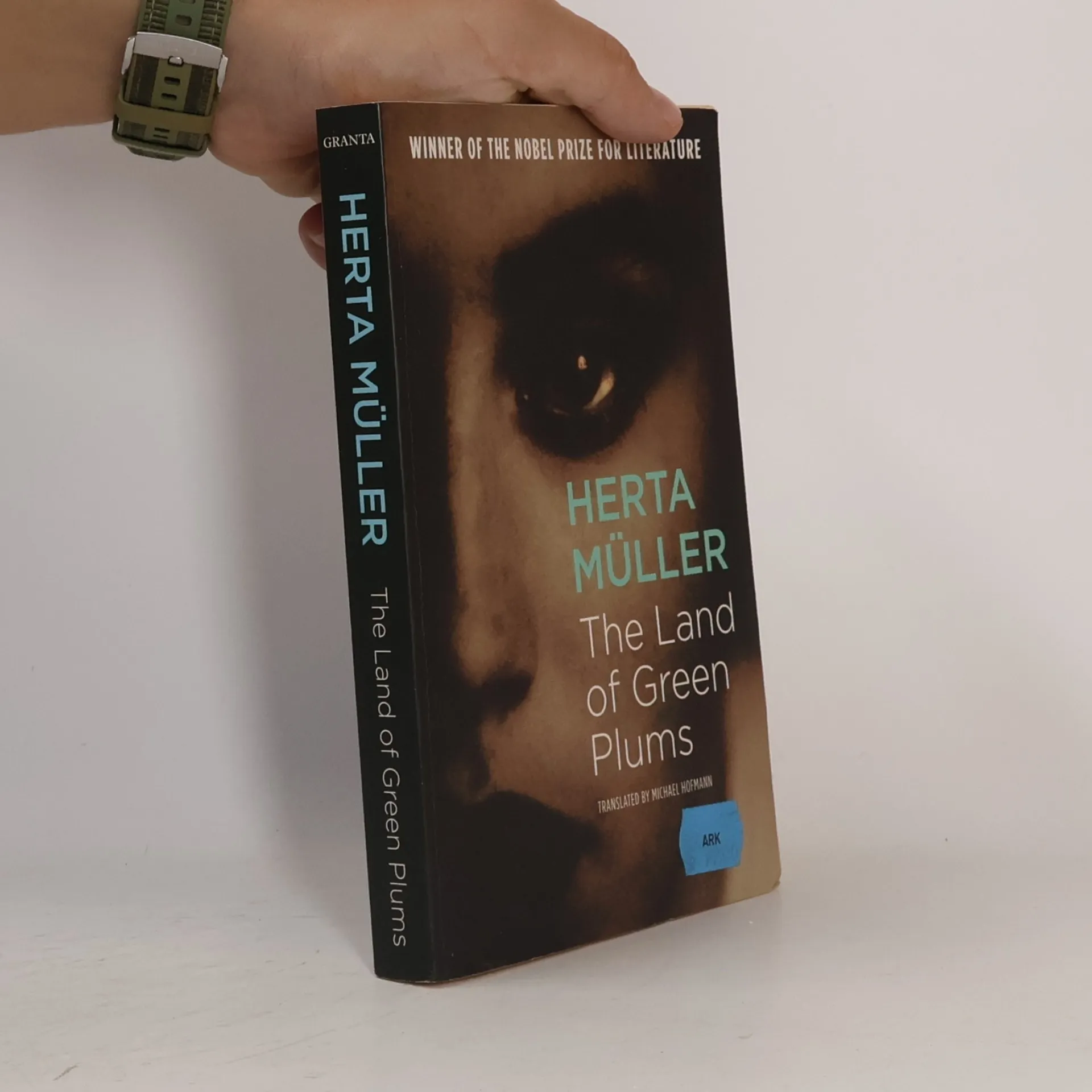
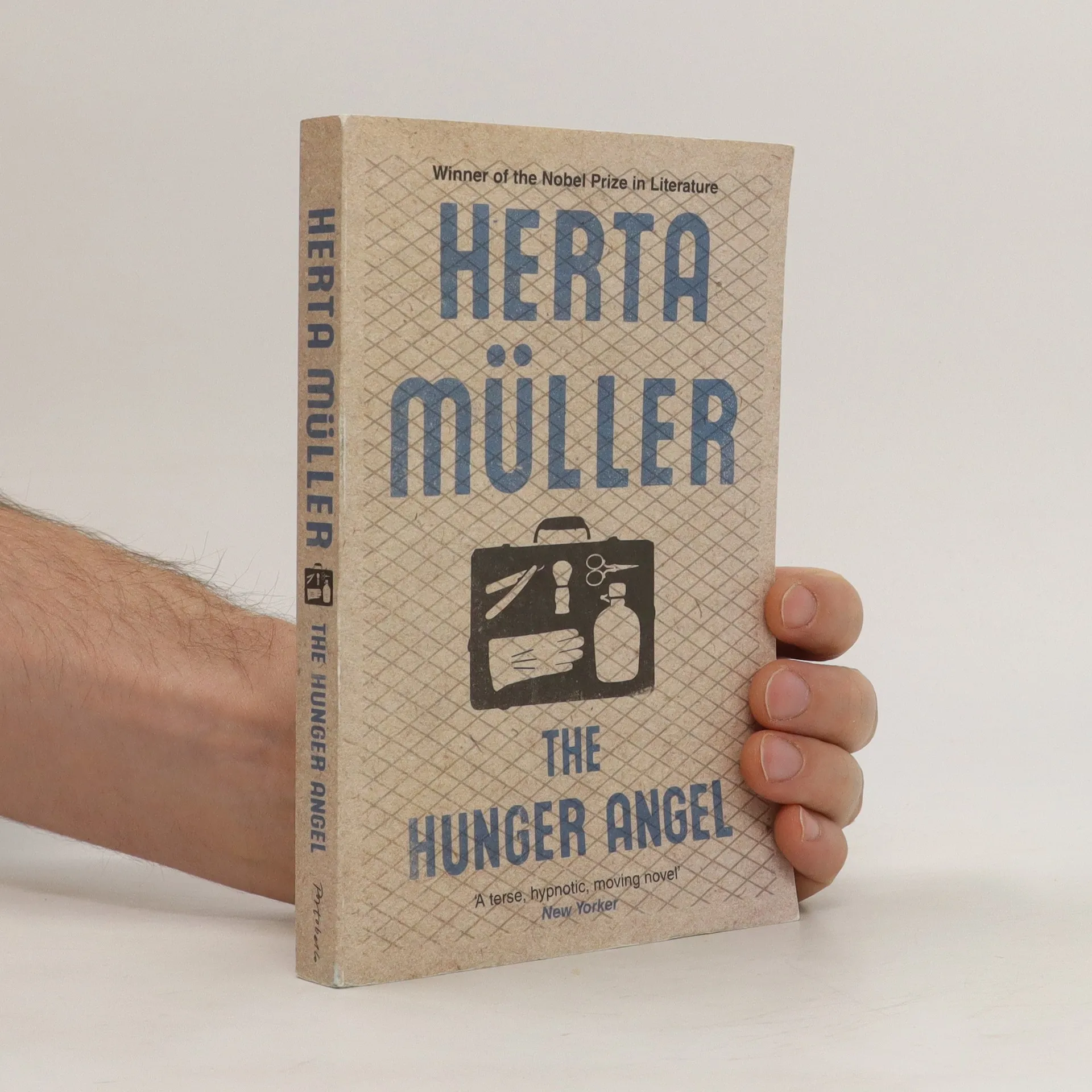
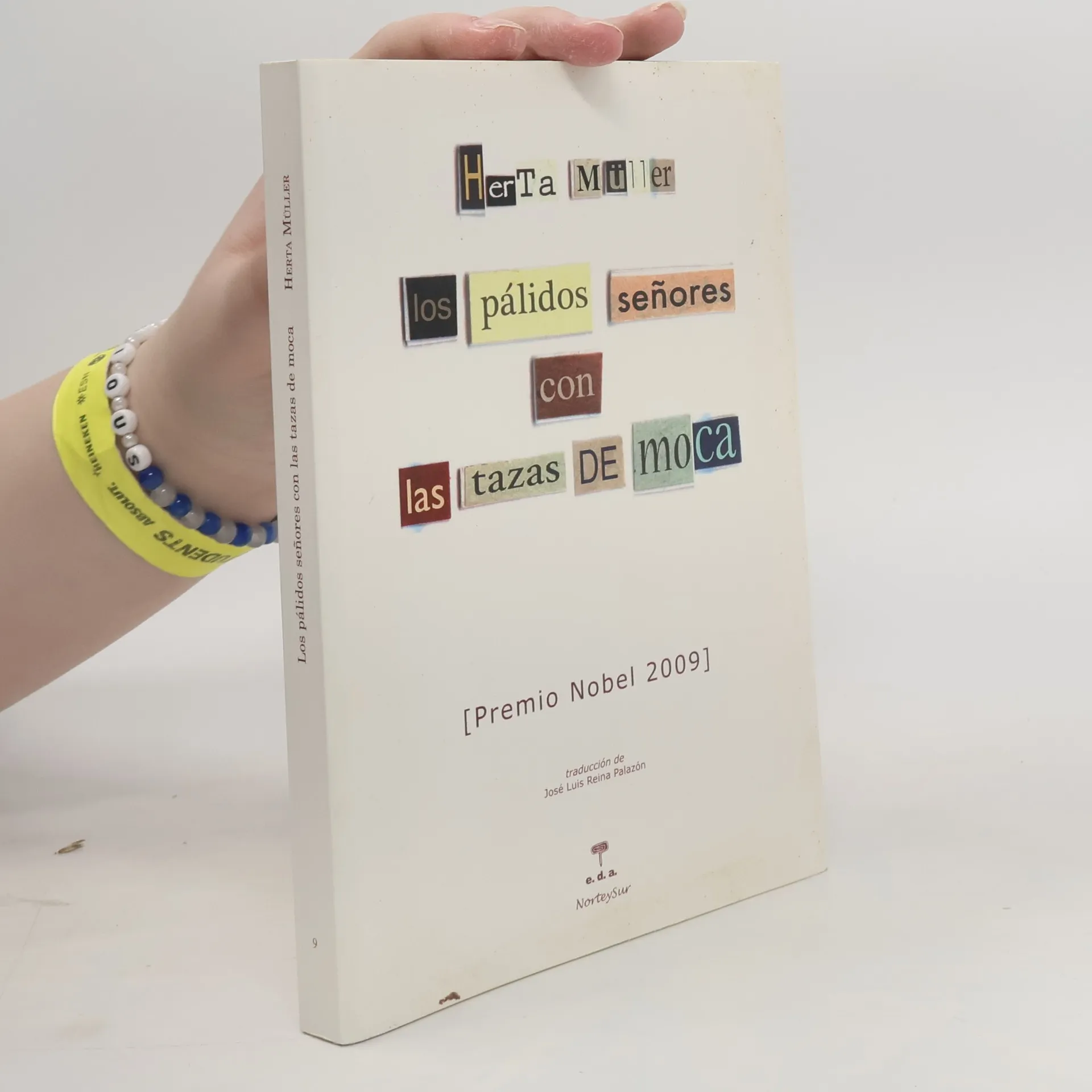
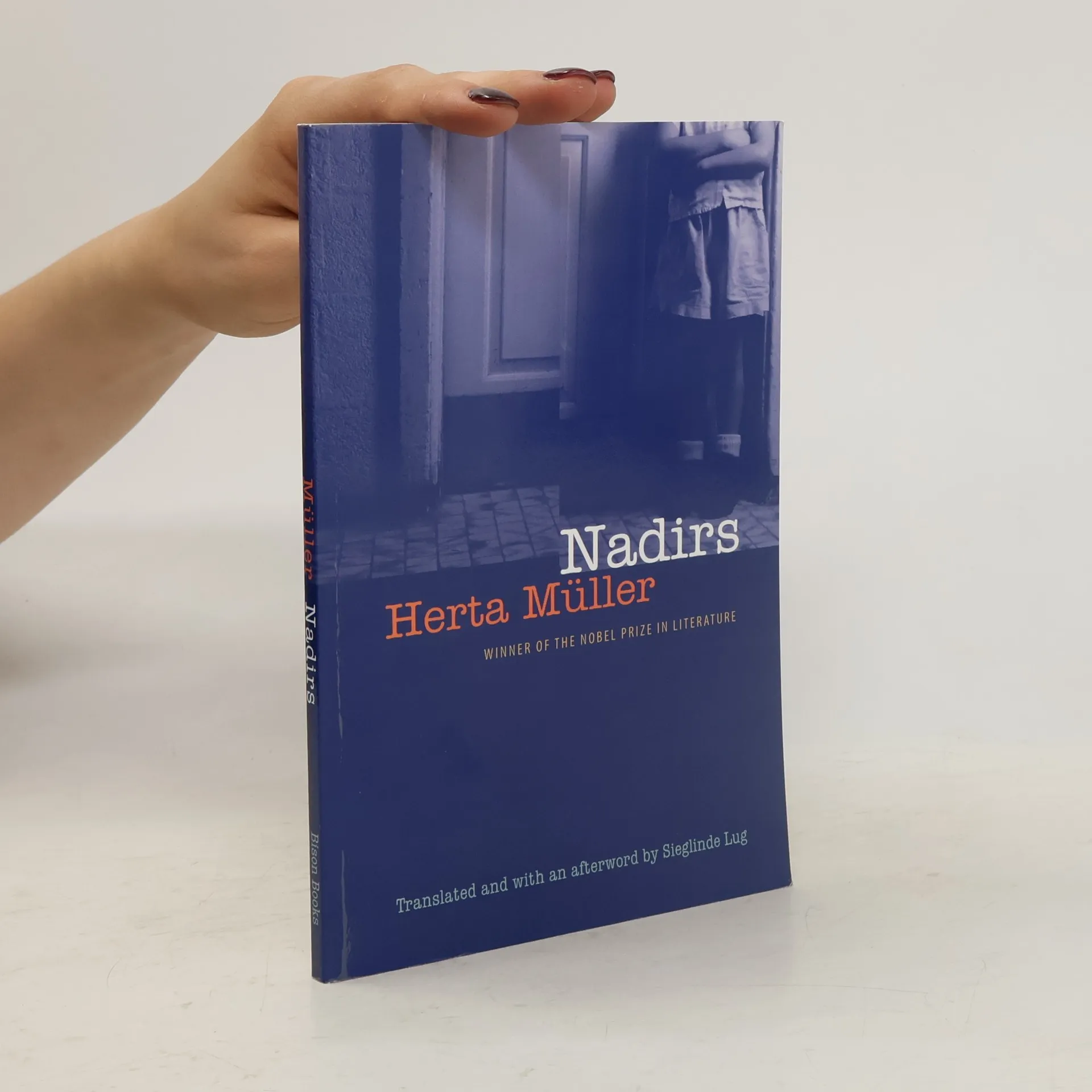
La obra de Herta Müller se centra en las vidas de aquellos desposeídos de propiedades y estatus. Con concentración poética y la franqueza de la prosa, retrata los paisajes de los desfavorecidos. Sus escritos profundizan en temas complejos de opresión y resiliencia humana. Su visión literaria explora las profundidades de la experiencia humana bajo sistemas opresivos.
Un placer literario y visual, poema y collage a la vez: Herta Müller compone sus textos a partir de recortes de periódicos e imágenes, de modo que cada poema se convierte en una collage tanto juguetona como artísticamente coherente. Un libro maravilloso e incomparable que muestra las formas lúdicas que puede adoptar la fantasía poética.
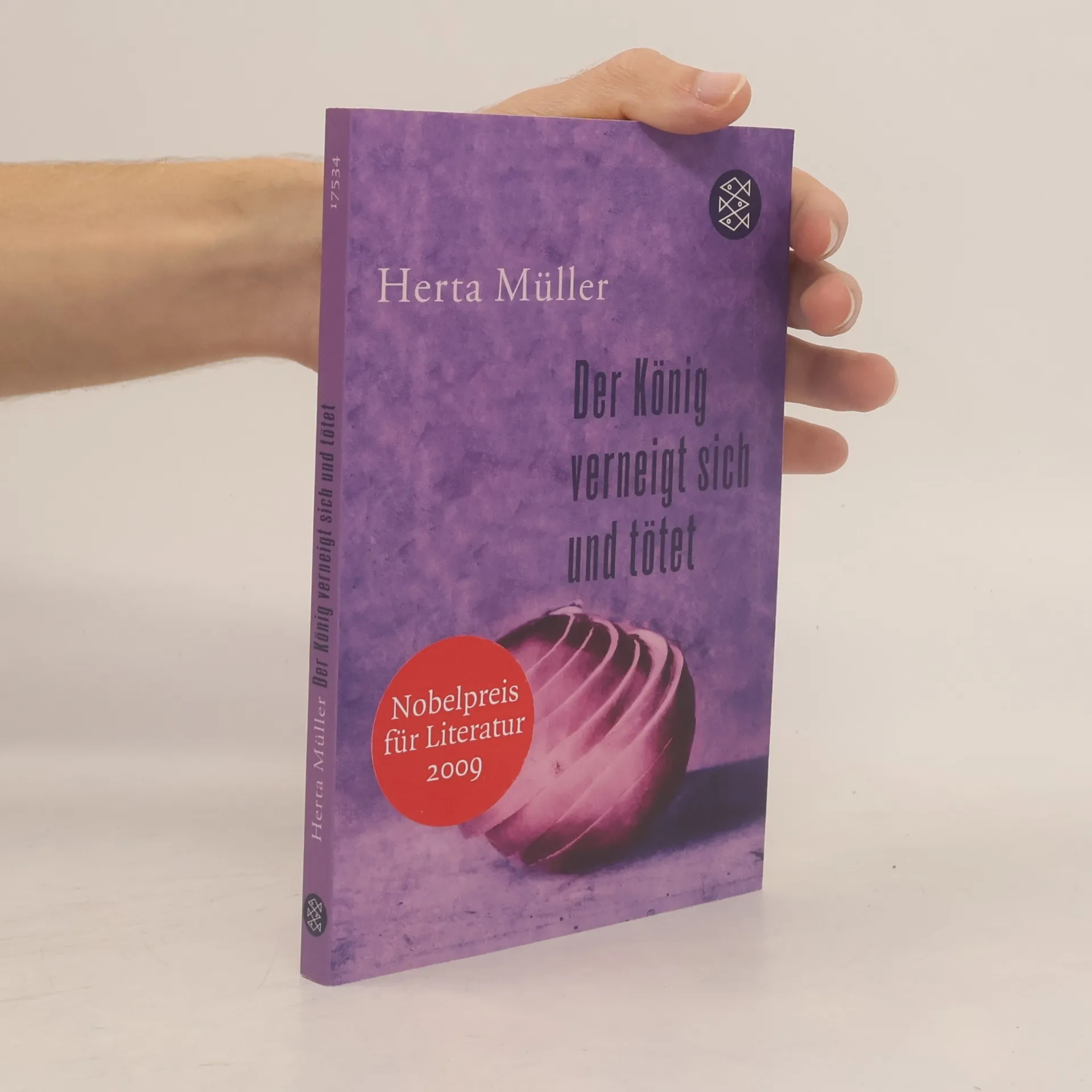
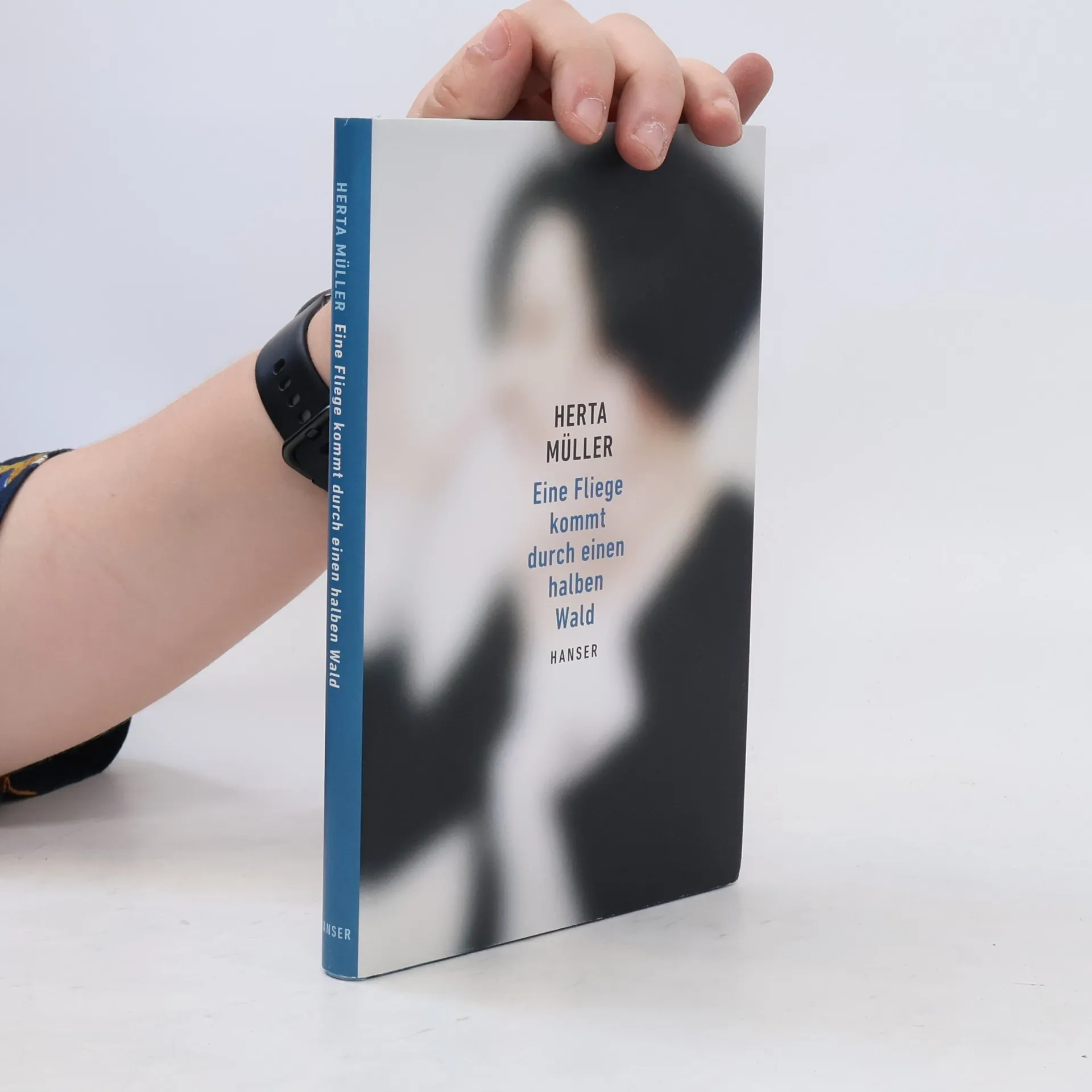
«En rumano es muy frecuente decir: "He vuelto a ser un faisán", que significa: "He vuelto a fracasar", "No lo he logrado". O sea, en rumano, el faisán es un perdedor.» Herta Müller El faisán es un ave que no vuela, vive en el suelo, es una presa fácil que no puede escapar. En esta obra la autora refleja la resignación y desesperanza interior de los años previos a su exilio. Aborda el destino de una familia de origen alemán que espera con ansiedad la autorización para abandonar Rumanía. Los personajes, asfixiados por unas fronteras no solamente geográficas, trazadas por los aparatos represivos de la dictadura, reflejan una gran tensión entre escritura, política y vida cotidiana. «Precisamente ahora, 20 años tras la caída del muro de Berlín, es una señal maravillosa que se honre con el Nobel de Literatura a una escritora que ha vivido esta experiencia en carne propia.» Angela Merkel
The first publication of the poetry of Liu Xia, wife of the imprisoned Nobel Peace Prize recipient Liu Xiaobo I didn't have a chance to say a word before you became a character in the news, everyone looking up to you as I was worn down at the edge of the crowd just smoking and watching the sky. A new myth, maybe, was forming there, but the sun was so bright I couldn't see it. --from "June 2nd, 1989 (for Xiaobo)" Empty Chairs presents the poetry of Liu Xia for the first time freely in both English translation and in the Chinese original. Selected from thirty years of her work, and including some of her haunting photography, this book creates a portrait of a life lived under duress, a voice in danger of being silenced, and a spirit that is shaken but so far indomitable. Liu Xia's poems are potent, acute moments of inquiry that peel back to expose the fraught complexity of an interior world. They are felt and insightful, colored through with political constraints even as they seep beyond those constraints and toward love.
'I know you'll return'. These are his grandmother's last words to him. Leo has them in his head as he boards the truck at 3am on a freezing mid-January morning in 1945. They keep him company during the long journey to Russia. They keep him alive - through hunger, pain, and despair - during his time in the brutal Soviet labour camps. And, eventually, they bring him back home.
Set in Romania at the height of Nicolae Ceausescu's reign of terror, this haunting novel tells the story of a group of young students, each of whom has left the impoverished provinces in search of better prospects in the city. It is a profound and powerful look at a totalitarian state which comes to inhabit every aspect of life; to the extent that everyone, even the most strongest, must either bend to the oppressors, or resist them and perish.
Juxtaposing reality and fantasy, nightmares and dark laughter, this title
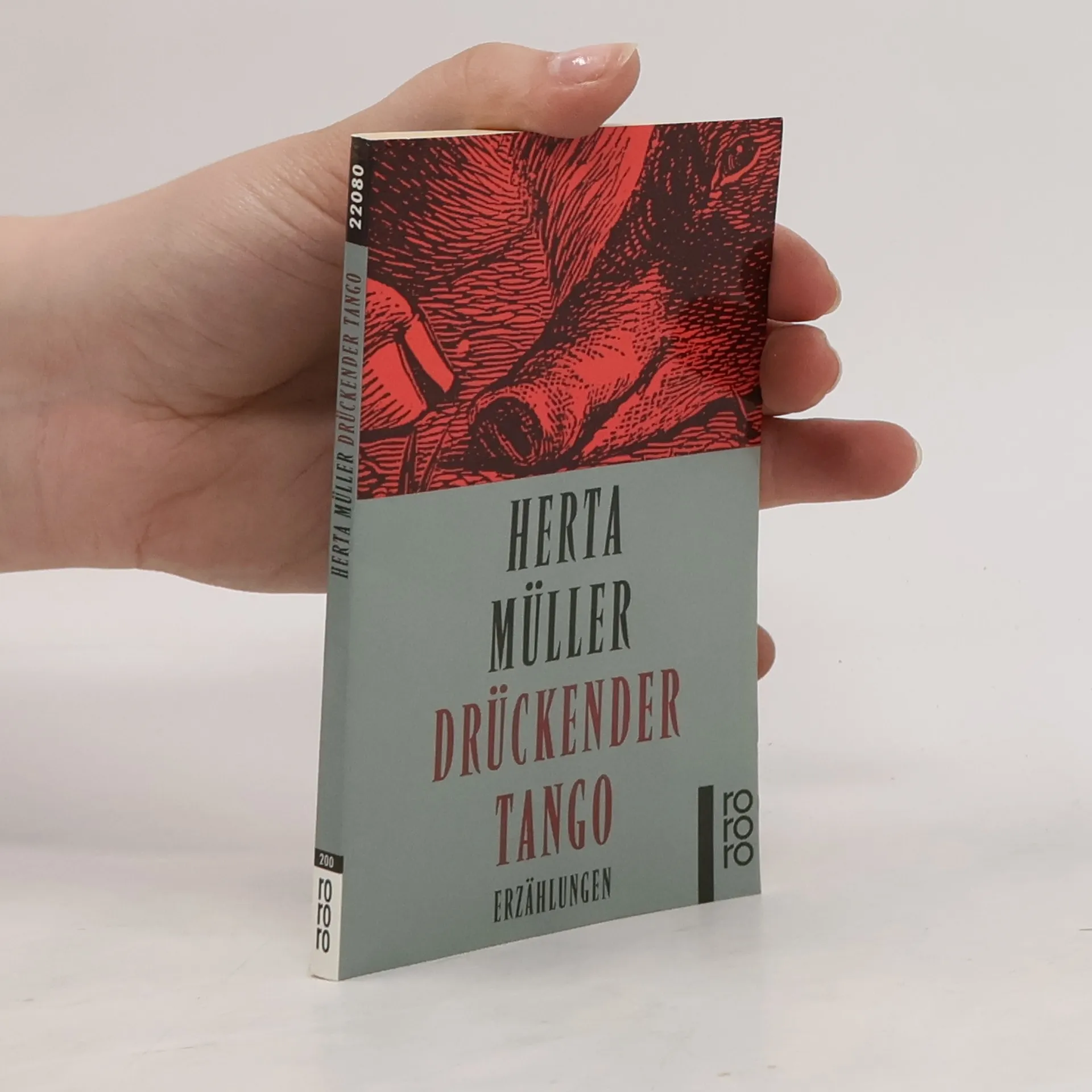
presents a collection of largely autobiographical stories based on Herta
Muller's childhood in the Romanian countryside.
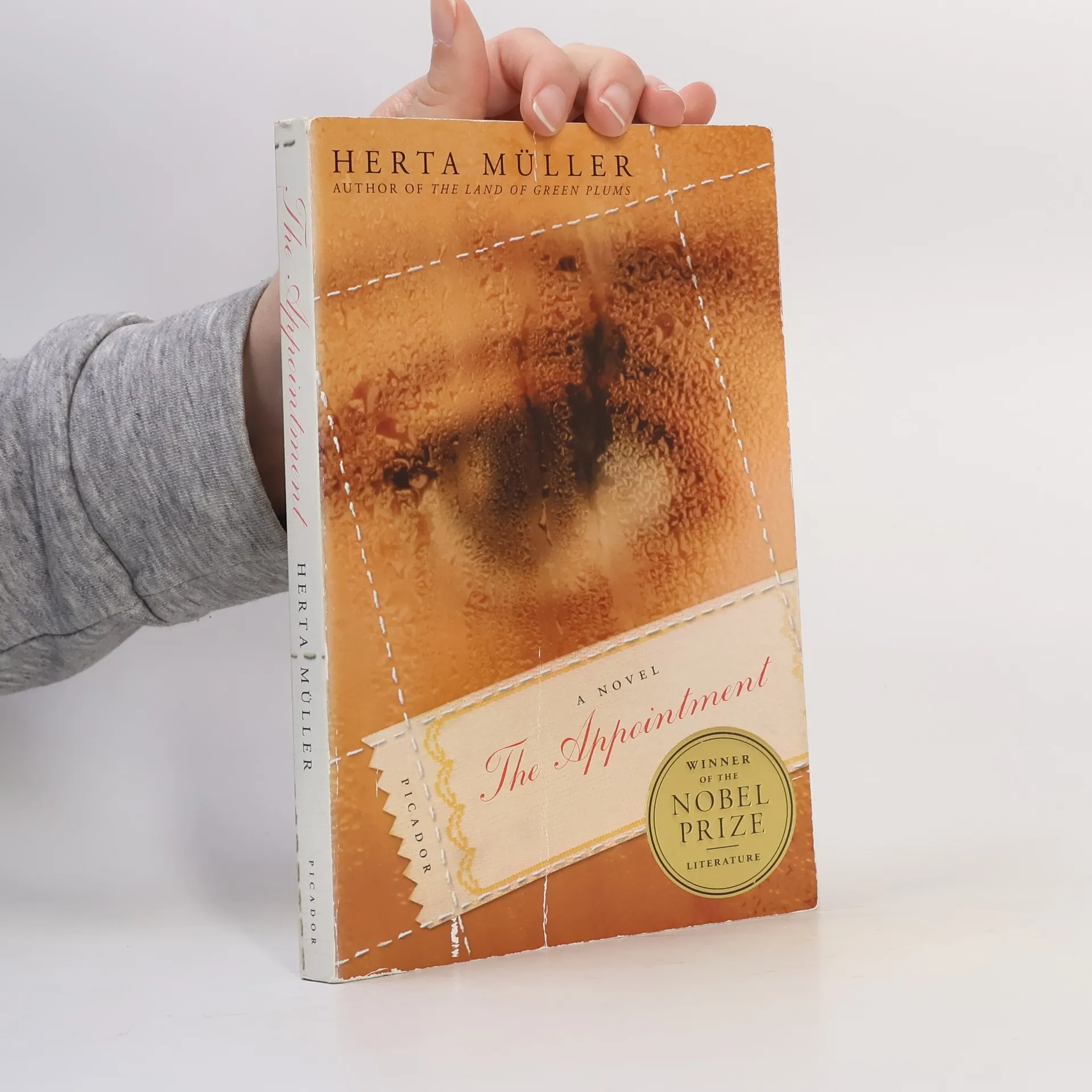
From the winner of the IMPAC Award, a fierce novel about a young Romanian woman's discovery of betrayal in the most intimate reaches of her life"I've been summoned. Thursday, ten sharp." Thus begins one day in the life of a young clothing-factory worker during Ceaucescu's totalitarian regime. She has been questioned before; this time, she believes, will be worse. Her crime? Sewing notes into the linings of men's suits bound for Italy. "Marry me," the notes say, with her name and address. Anything to get out of the country.As she rides the tram to her interrogation, her thoughts stray to her friend Lilli, shot trying to flee to Hungary, to her grandparents, deported after her first husband informed on them, to Major Albu, her interrogator, who begins each session with a wet kiss on her fingers, and to Paul, her lover, her one source of trust, despite his constant drunkenness. In her distraction, she misses her stop to find herself on an unfamiliar street. And what she discovers there makes her fear of the appointment pale by comparison.Herta Müller pitilessly renders the humiliating terrors of a crushing regime. Bone-spare and intense, The Appointment confirms her standing as one of Europe's greatest writers.
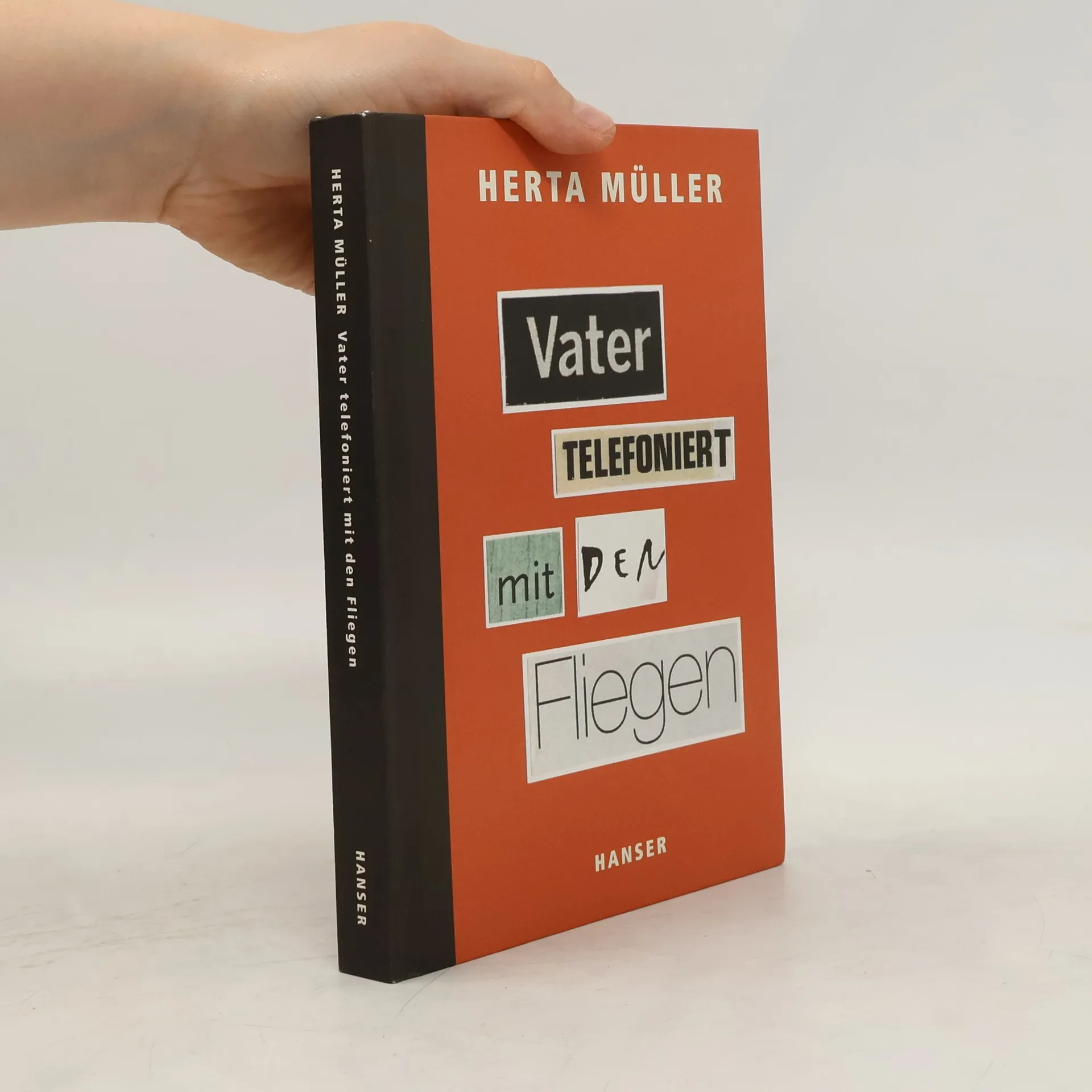
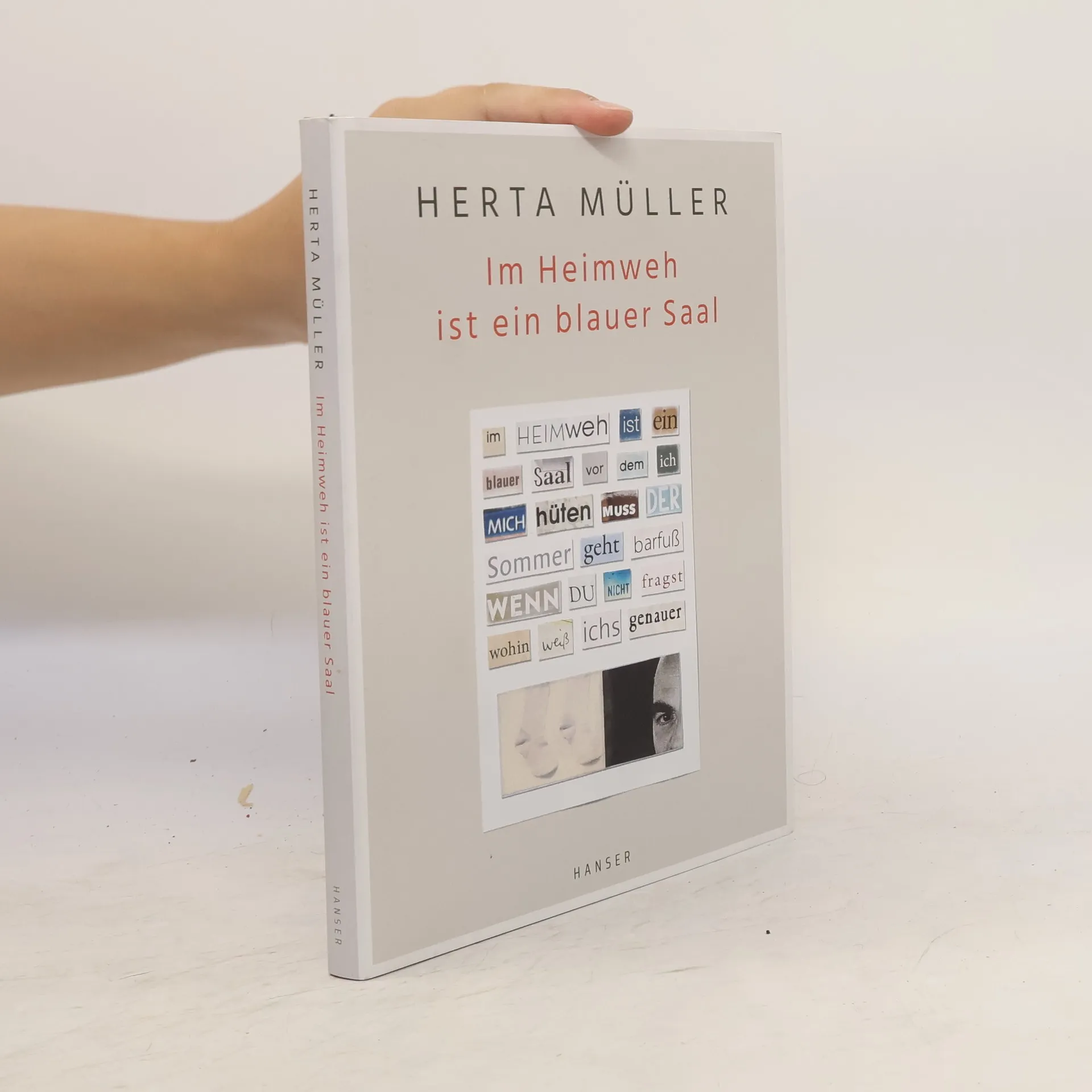
„Heimweh ist keine gute Idee“ – eine Wort für Wort gefundene Geschichte der Literaturnobelpreisträgerin Herta MüllerHerta Müller erfindet eine neue literarische Form des Erzählens. Eine Geschichte in Collagen. Gezeigt werden Szenen im Auffanglager einer deutschen Kleinstadt. Einer der Beamten in der Erzählung ist ein gewisser Herr Fröhlich von der Prüfstelle B. Ein anderer breitet bei jeder Begegnung die Arme aus wie ein Vogel und sagt Oh, Oh, Oh. Aberwitzige Gespräche mit ihnen werden zu einem unfreiwillig komischen Schlagabtausch. Und dann ist da das Heimweh der Geflohenen, das immer größer wird und an den Himmel anwächst. Meisterlich versteht es Herta Müller, Bilder dafür zu finden, wie sich Ohnmacht anfühlt, und was Willkür anrichtet. Sie sind rätselhaft, abgründig, manchmal auch komisch, und immer hochpoetisch.
Der 'Fremde Blick' ist kein literarisches Merkmal, er entsteht vielmehr durch Überwachung und Verfolgung in einem totalitären Staat. Herta Müller erzählt eindringlich, wie sich ihr 'Fremder Blick' unter der Diktatur Ceausescus in Rumänien entwickelte, und wie sie ihn bei ihrer Auswanderung nach Deutschland unweigerlich mitbringen musste.
Herta Müller hat eine neue Form im Umgang mit Wörtern gefunden: ein poetisches Puzzle aus Zeitungspapier - ein Wunderwerk der Phantasie. Die aus Rumänien stammende Literaturnobelpreisträgerin 2009 schickt einzelne Wörter auf die Reise, dichtet mit der Schere: Aus Zeitungen und Zeitschriften schneidet sie Wörter, Buchstaben und Bilder heraus und stellt diese zusammen, bis sie sich reimen. Die derart komponierten Texte sind so frei, dass sie sich niemand hätte ausdenken können - ein Wunderwerk der Phantasie.
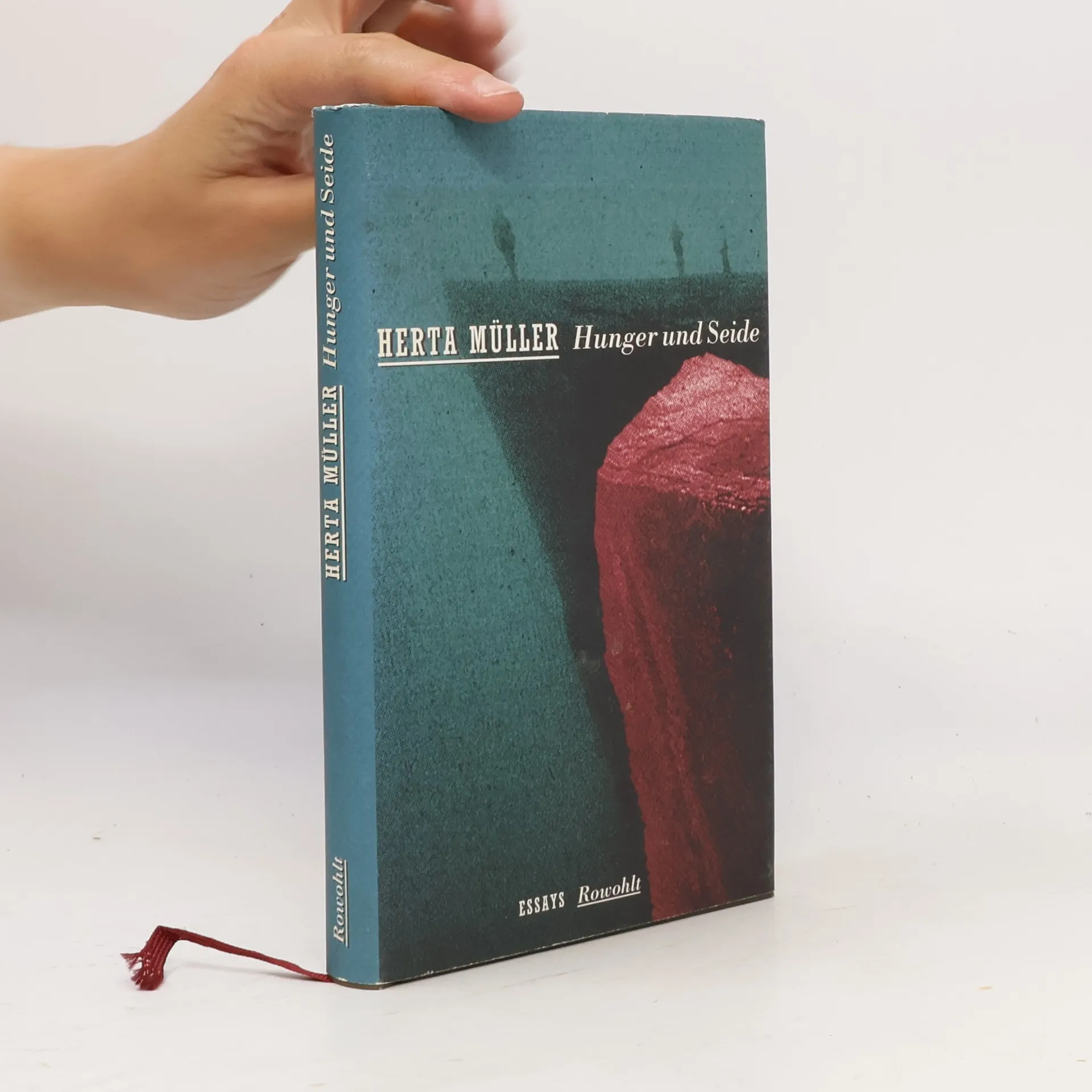
"Hunger und Seide" enthält Herta Müllers Essays aus den Jahren von 1990 bis 1995, also den Zusammenbruch des Sozialismus und das Entstehen neuer kurzlebiger Utopien: "Wenn Utopien, während sie ausgedacht und aufgeschrieben werden, von einem Satz zum anderen auch nur einen Augenblick in einem einzigen Menschen lachen, essen, gehen oder schlafen müssten, gäbe es keine.“ Wahrheit und Lüge, Aufrichtigkeit und Betrug, Macht und Widerstand in der Diktatur, das sind die großen Themen der mit dem Literaturnobelpreis ausgezeichneten Autorin. "Ein Satz von Herta Müller kann einen Roman ersetzen" – die Worte von Verena Auffermann (Süddeutsche Zeitung) charakterisieren auch die Kraft dieser Essays.
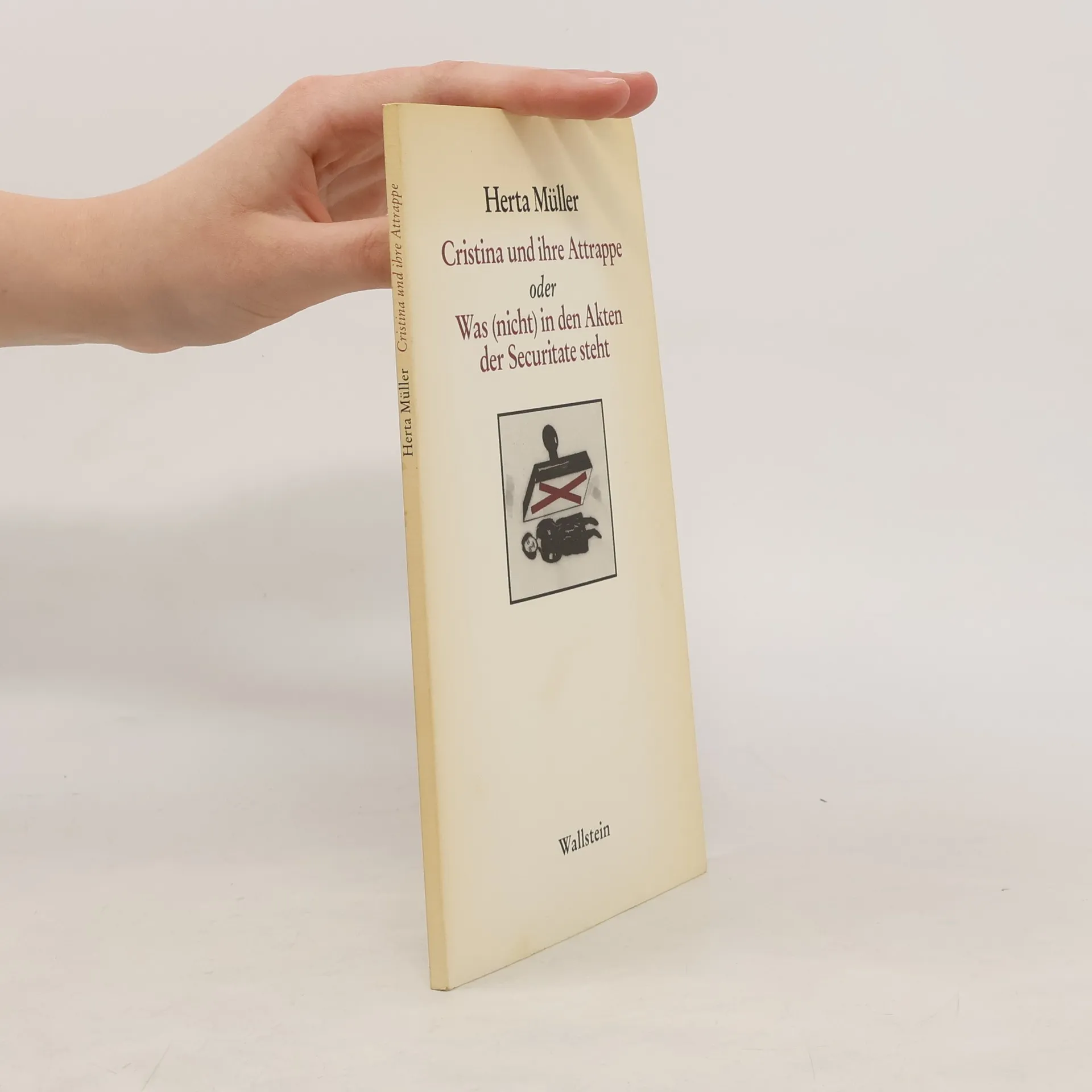
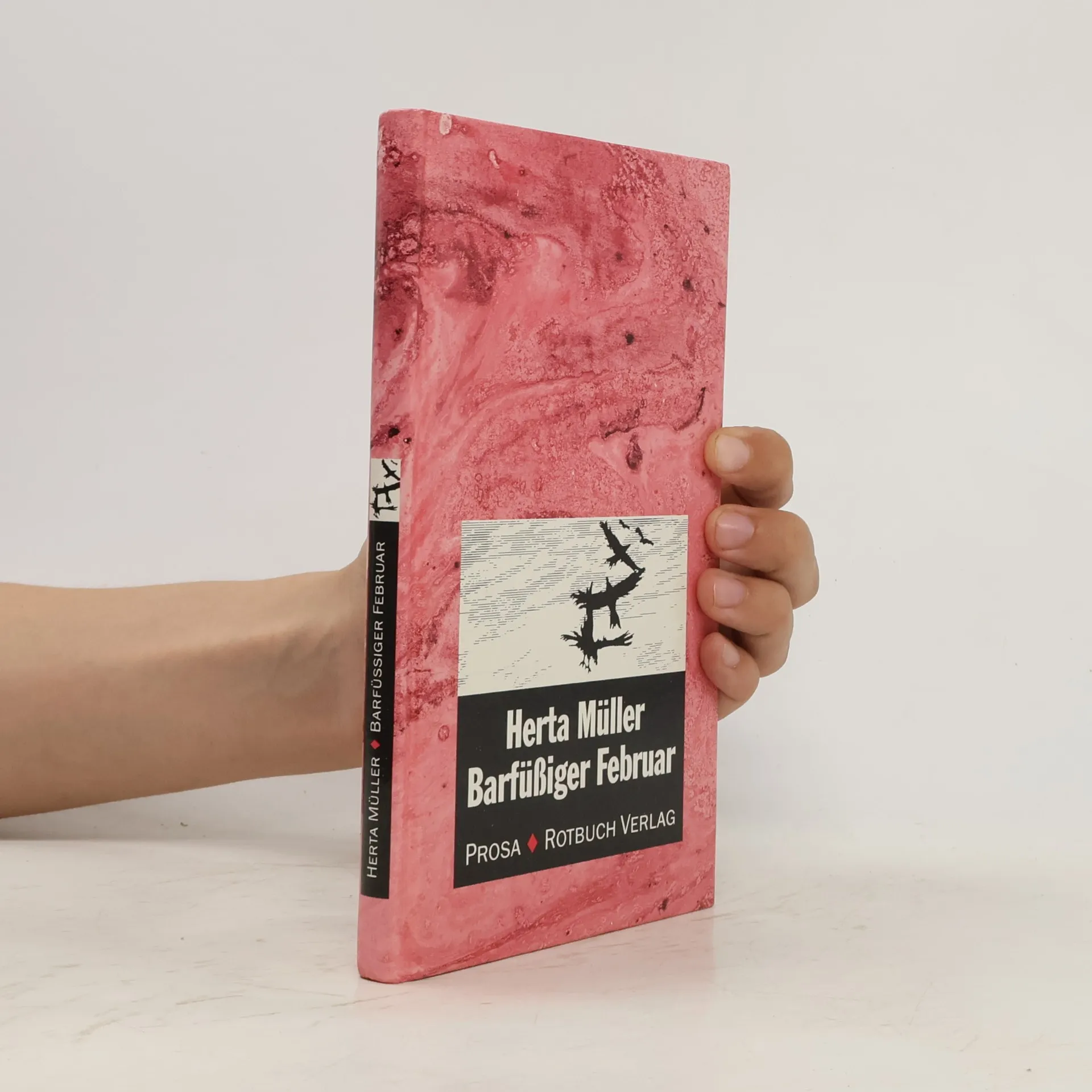
Ein erschreckendes Bild über die Unterwanderung einer postdiktatorischen Gesellschaft, die sich auch heute noch nicht aus dem Griff ihrer Peiniger befreien kann. »Der Geheimdienst Ceausescus, die Securitate, hat sich nicht aufgelöst, sondern nur umbenannt in SRI (Rumänischer Informationsdienst)«. Erst zehn Jahre nach Einrichtung des rumänischen Pendants zur »Gauck-Behörde« und zahlreichen zermürbenden Anfragen und Bittgesuchen erhält Herta Müller Einsicht in ihre über 900 Seiten starke »Securitate-Akte« und muss feststellen, dass man diese in den vergangenen Jahren nicht nur frisiert, sondern regelrecht entkernt hat. Über die Schikanen, mit denen man sie in den siebziger Jahren beispielsweise zur Mitarbeit für die Securitate zu zwingen versuchte, lässt sich in den manipulierten Unterlagen über »Cristina« nichts mehr nachlesen. Eindrucksvoll beschreibt Herta Müller, wie sie und ihre Freunde selbst heute noch bei Besuchen in Rumänien vom SRI, dem heutigen rumänischen Geheimdienst, überwacht und in ihrer Bewegungsfreiheit eingeschränkt werden.
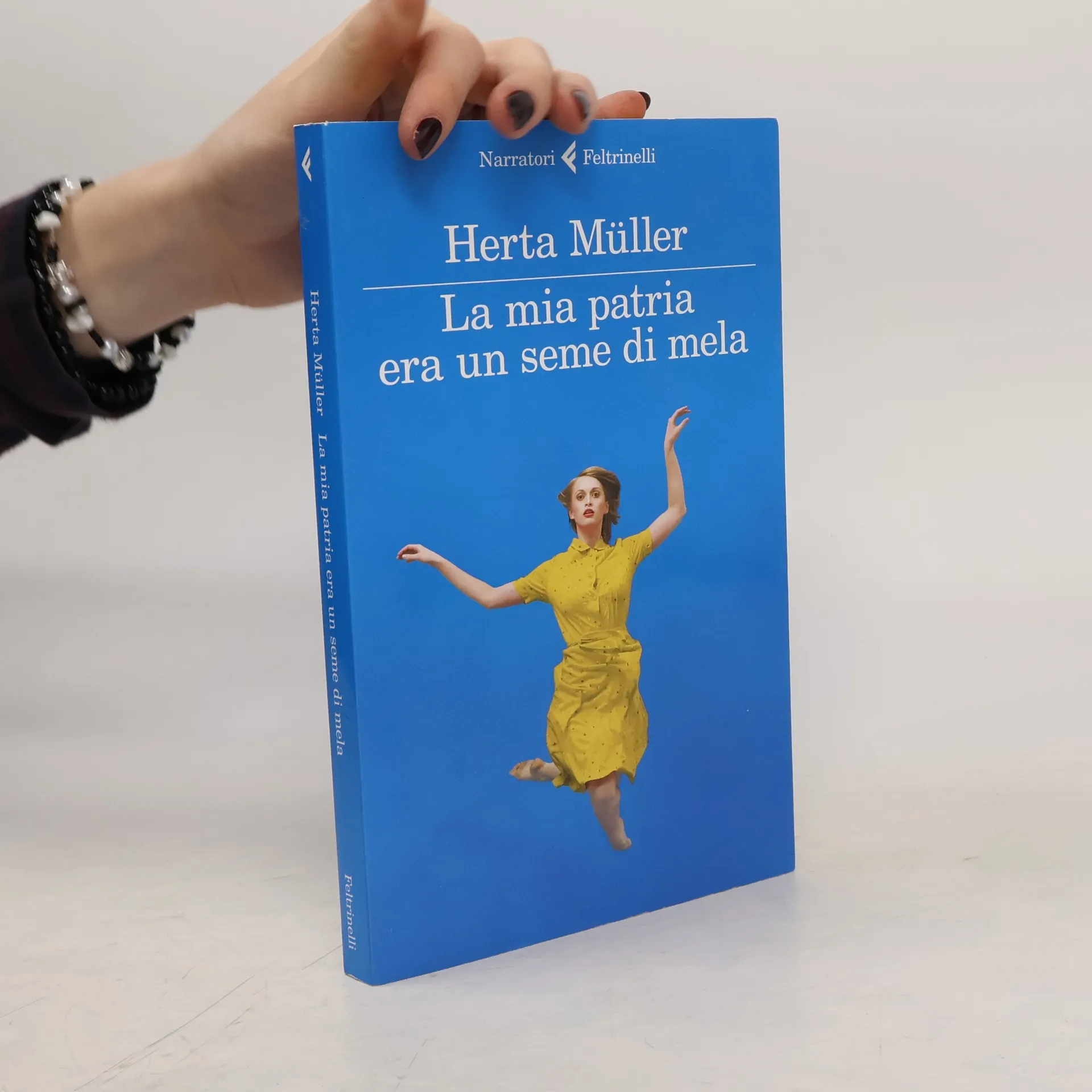
Una conversazione che è quasi un romanzo, un’autobiografia che sorge in un dialogo con un’interlocutrice sensibile e discreta. Quando Herta Müller parla di sé e delle esperienze che l’hanno formata, sono subito presenti le immagini, i motivi stessi della sua narrativa che il lettore non mancherà di cogliere. E questi accompagnano il racconto di un’infanzia in un villaggio del Banato rumeno, osservato dagli occhi di una bambina che crea per sé fantastici mondi paralleli, prima di approdare al mondo parallelo per eccellenza che è la scrittura. C’è poi la vita nella dittatura di Ceausescu e nella soffocante ombra dei suoi servizi segreti, cui segue l’emigrazione a Berlino Ovest verso la fine degli anni ottanta. Dall’infanzia solitaria nella campagna rumena al premio Nobel nel 2009, La mia patria era un seme di mela racconta la parabola di una vita vissuta nella letteratura e in un’inflessibile sincerità delle parole.
Die Grundthemen von Herta Müllers Werk, die Auseinandersetzung mit einem diktatorischen Regime als moralische und ästhetische Herausforderung und die Bedeutung der Sprache, durchziehen auch diese Rede, die sie 2001 vor Abiturienten hielt.
In drei Vorträgen reflektiert Herta Müller die existentiellen Bedingungen des Schreibens. Am Beispiel des Expressionisten Theodor Kramer, am Beispiel von Ruth Klüger und schließlich am Beispiel der durch Selbstmord aus dem Leben gegangenen Lyrikerin Inge Müller zeigt Herta Müller die unauflösliche Verbindung von Text und Leben der Autoren. Mehr noch: Die Texte geben persönlich Gelebtes als einzige Voraussetzungen ihrer selbst an. Dieses eindringliche Plädoyer für eine existentiell beglaubigte, aus Erlebtem sich formende Literatur muß sicher auch als Herta Müllers eigene Poetik gelesen werden.
Diese Kolumnen, geschrieben von September 1990 bis Dezember 1991 für die Schweizer Monatszeitschrift „Du“, reichen weit über die Tagesaktualität hinaus. sie reflektieren die Situation und die Stimmung einer Zeit, hochpolitisch und hochpoetsich in jedem Satz, in jedem Bild. Angeregt von einem politischen Ereignis oder einem alltäglichen Erlebnis, geprägt von einer so eigensinnigen wie eigensinnlichen Wahrnehmung und Sprache, irritieren und faszinieren diese Texte zugleich. Innerhalb des literarischen Schaffens von Herta Müller fügen sich die Kolumnen zu einem eigenständigen Werkkomplex, der auch als Gegenstück zu ihren Poetik-Vorlesungen zu verstehen ist. Facetten einer deutschen Welt, Feuilletons im klassischen Sinn.
Das eindrucksvolle Bild einer Lebenserfahrung unter absoluter Herrschaft: Herta Müller, die bedeutende und sprachmächtige Autorin, wuchs auf im Rumänien unter der Diktatur Ceausescus. Hier erfuhr sie Sprache als Instrument der Unterdrückung, aber auch als Möglichkeit des Widerstands und der Selbstbehauptung gegenüber der totalitären Macht. Und dieses Sprachbewusstsein stellt sie neben Erinnerungen an die Kindheit in den Mittelpunkt ihrer poetischen und politischen Selbstbefragung.
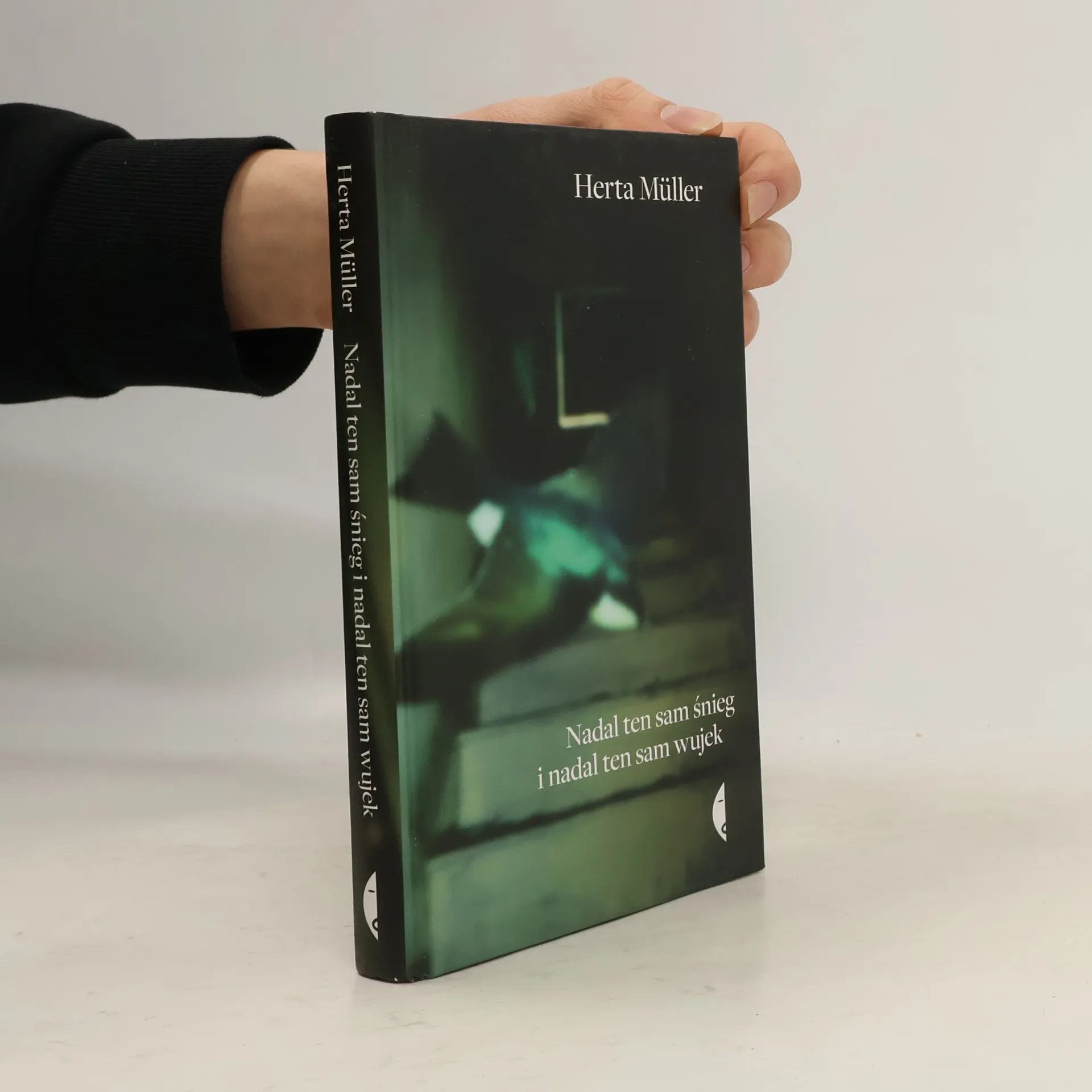
Herta Müller, znana z wybitnych powieści, uhonorowana za swą twórczość Nagrodą Nobla w dziedzinie literatury, całe życie pisze jeden bezbrzeżny tekst o związku jednostki z historią. Tym razem opowiada o sobie i swoim życiu w znakomitych esejach. Pisze o strachu i przemocy, o przyjaciołach i zdrajcach, o masie i władzy, o tym, jakie pocieszenie w największej rozpaczy daje literatura.
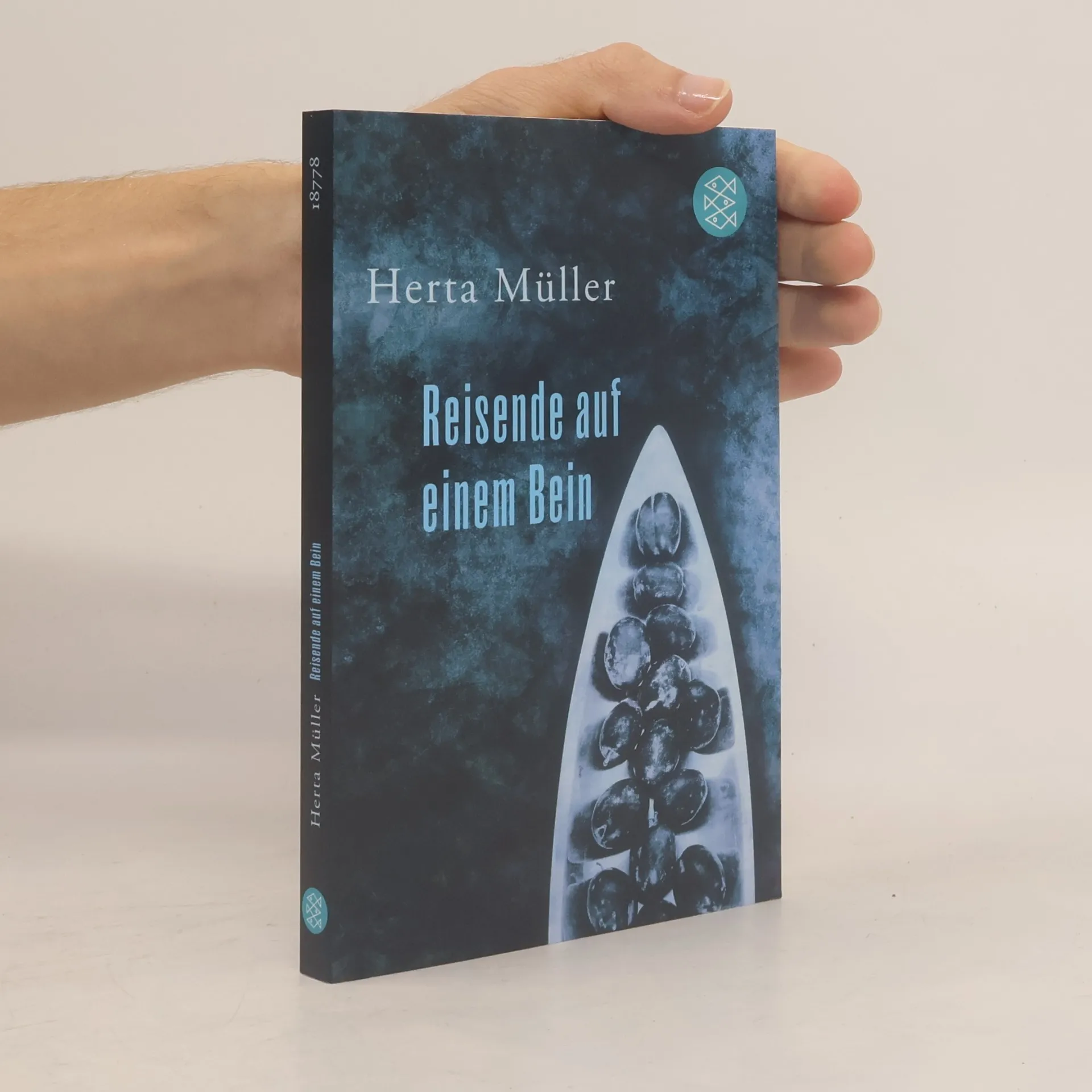
Nach ihrer Ausreise aus dem Rumänien Ceauçescus könnte für Irene ein neues Leben im Westberlin der späten 80er Jahre beginnen. Aber innerlich ist sie weder ganz abgereist, noch ist sie endgültig im Neuen angekommen. Sie hat die alte Heimat verloren und keine neue gewonnen, die neue bleibt verschlossen: "In dem anderen Land", sagte Irene, "hab ich verstanden, was die Menschen so kaputtmacht. Die Gründe lagen auf der Hand. - Und hier", sagte Irene, "Ich kann sie nicht sehen. Es tut weh, täglich die Gründe nicht zu sehn." Im neuen Land tragen die Dinge Namen, die nicht zu ihnen passen, zersplittert die Welt in unzählige Detailbeobachtungen, die sie orientierungslos und handlungsunfähig zurücklassen. Einsam durchstreift sie Bahnhofslandschaften und Durchgangsorte, auch in ihren Beziehungen mit Männern bleibt sie innerlich allein. "Reisende auf einem Bein", erstmals erschienen 1989, ist der erste Prosaband Herta Müllers nach ihrer Übersiedelung aus Rumänien nach Berlin: eine bewegende Geschichte von Ferne und Nähe, Abreise und Ankunft - und der Leere dazwischen, in der wir schmerzhaft uns selbst spüren.
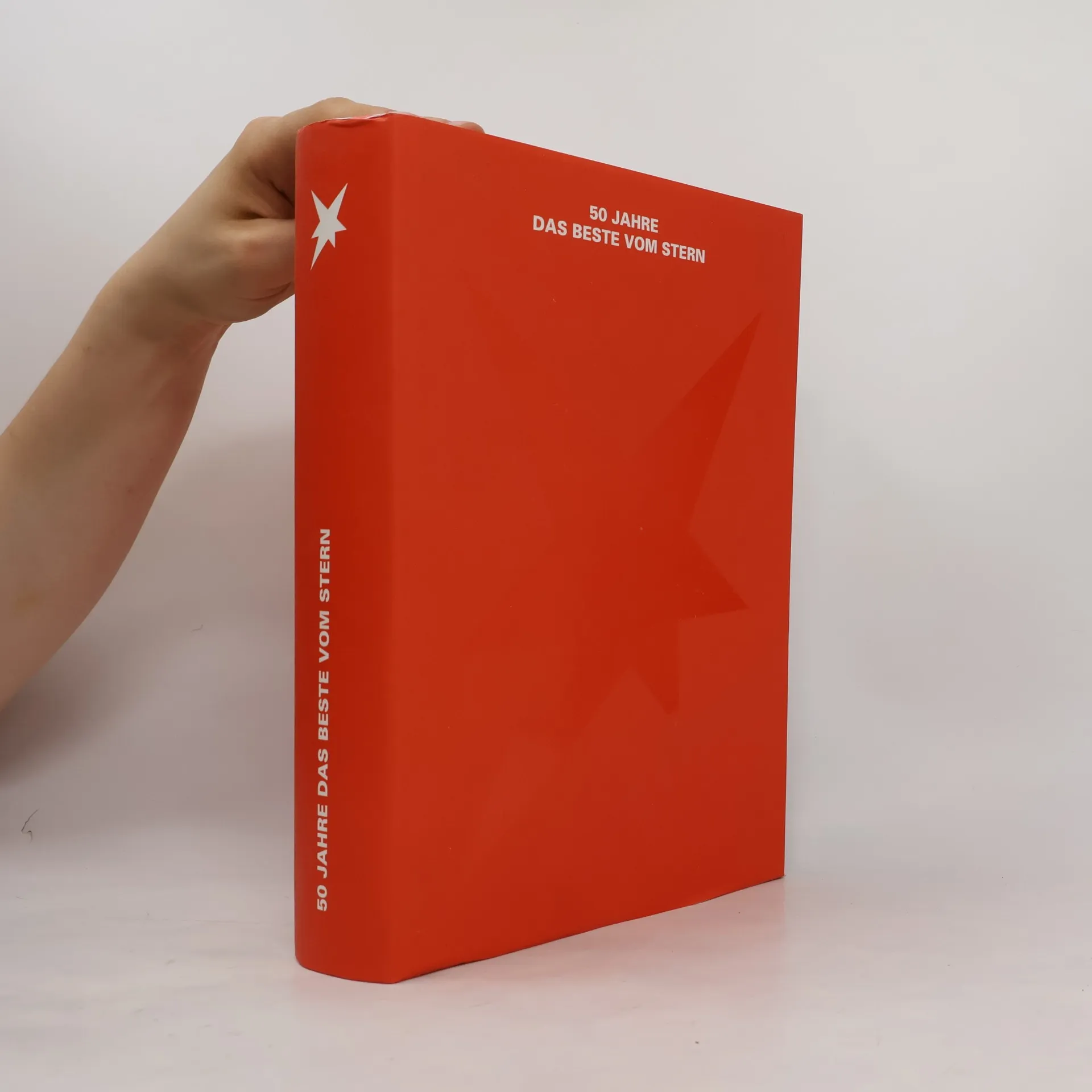
Bilder, die man nicht vergißt. Reportagen, die ergreifen. Dazu prominente Zeitzeugen: Prinzessin Soraya und Günter Grass, Gabriele Henkel und Michail Gorbatschow, Hildegard Knef und Richard von Weizsäcker, Dagmar Berghoff und Oswalt Kolle, Jil Sander und Rolf Hochhuth-sie alle und viele mehr erzählen Geschichten, die sie bewegten - oder die Welt. Eine aufregende Zeitreise durch die letzten 50 Jahre
In dem Leinenband "Am Rand der Pfütze" werden unveröffentlichte Schwarzweißfotografien von Axel Heller präsentiert, die die Essays von Herta Müller begleiten. Die Bilder, entstanden in Rumänien, reflektieren Müllers Kindheit und die Gefährdung der Demokratie in Europa. Der Band enthält auch signierte Originalphotographien in Vorzugsausgaben.
-Gedicht-Collagen von Herta Müller -Nobelpreisträgerin für Literatur 2009 -Literatur- und Kunstkalender zugleich -Format 49,5 x 68,5 cm -Stabile Spiralbindung mit einem Aufhänger Die 12 poetischen Collagen in diesem Poster-Kalender stammen von der Schriftstellerin Herta Müller, ausgezeichnet mit dem Nobelpreis für Literatur 2009. Schon lange gehören neben Romanen, Erzählungen, Lyrik und Essays diese außergewöhnlichen Gedichtbilder zu ihren zentralen Ausdrucksmitteln. Scheinbar spielerisch stellt sie sie aus gefundenen Wörtern und Wortschnipseln zusammen, die sie aus Druckschriften ausschneidet und katalogisiert. Dieser Kalender ist zum einen ein anspruchsvoller literarischer Kalender mit überraschenden Texten, die Geschichten erzählen und beim Leser Assoziationsspielräume eröffnen. Zum anderen macht ihn die Collage-Technik in Kombination mit dem Lettering zu einem ganz besonderen Kunstkalender. Dieser DUMONT Kalender wurde in Deutschland gestaltet, gedruckt und verarbeitet, er ist Made in Germany. Dies gilt auch für das eingesetzte Papier, welches allen Standards einer zertifizierten und umweltverträglichen Herstellung entspricht. In jedem Kalender steckt unsere Liebe zum Detail und unsere langjährige Erfahrung. Wir freuen uns, dass Sie uns vertrauen und wir Sie in Ihrem Lebensraum tagtäglich ein wenig begleiten dürfen. Wir versprechen Ihnen: Mit DUMONT Kalendern treffen Sie immer eine gute Wahl!
Die Nobelpreisträgerin Herta Müller über Würde und Freiheit, Exil und Heimat und die subversive Kraft des Lachens Ob Herta Müller die Werke von Böll, Liao Yiwu oder Goldschmidt liest, oder sich mit dem politischen Geschehen befasst: stets ergreift sie Partei für die Aufrichtigkeit. Sie kennt die subversive Kraft des Lachens, und sie weiß, dass Diktatoren nichts so schlecht vertragen wie die Wahrheit. Aber auch ihr Blick auf unsere Gesellschaft ist unbestechlich. Stehen wir für unsere Werte ein, wenn es um den Schutz von Minderheiten, Verfolgten und Exilsuchenden geht? Politisch-literarische Wortmeldungen der Nobelpreisträgerin aus dem letzten Jahrzehnt. Eindringlich und hochaktuell.
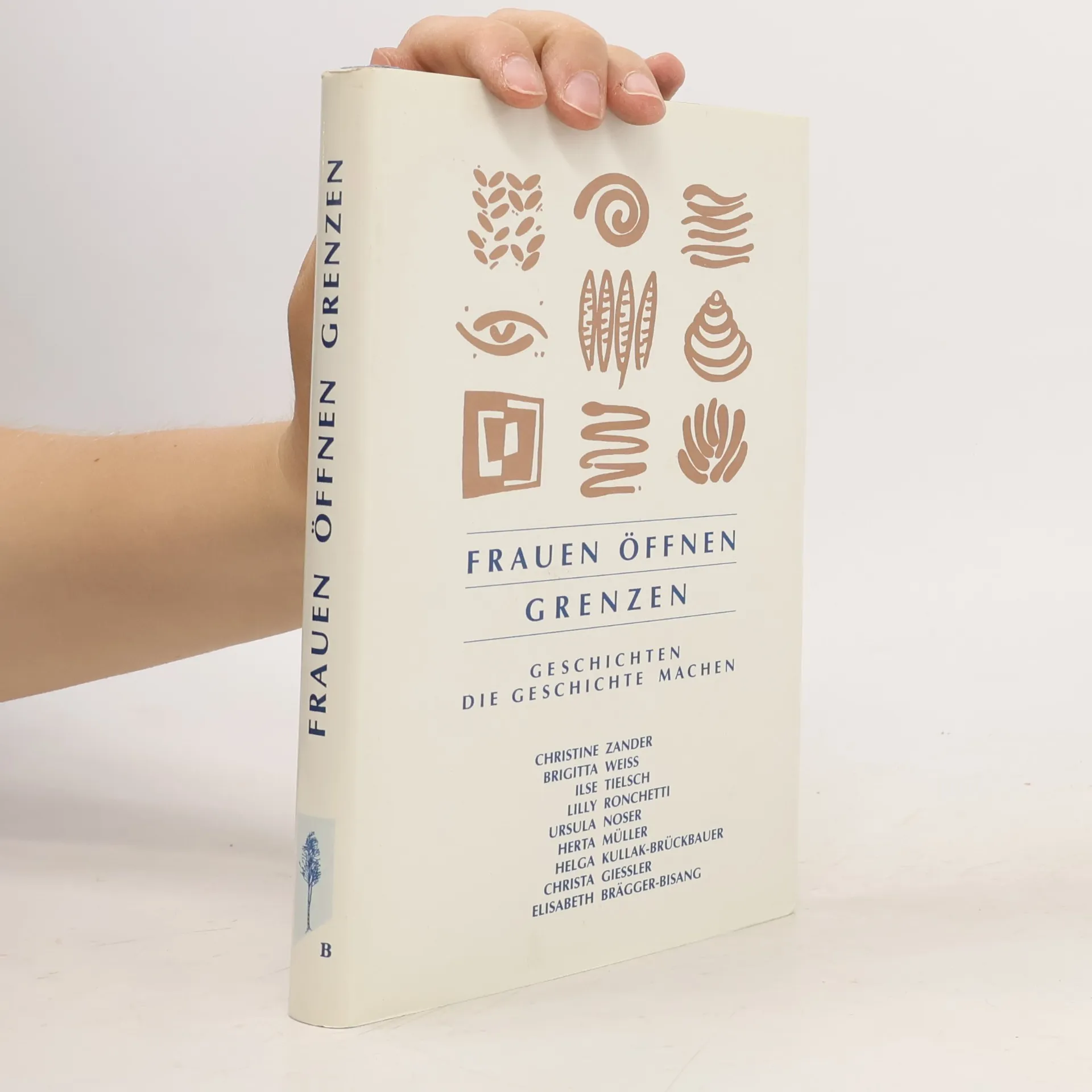
Essays von Herta Müller Photographien von Barbara Klemm
91 páginas
4 horas de lectura
Der Band enthält sechs Essays von Herta Müller, in denen sie, stets autobiographisch fundiert, über Leben und Lebenswirklichkeit im kommunistischen Rumänien sowie in den frühen Jahren nach der Diktatur nachdenkt. In dem erstmals in Buchform veröffentlichen Essay "Ein Ausweg nach innen" beschreibt die Nobelpreisträgerin, wie kindliche, sinnliche Erlebnisse bis heute ihre Lyrik prägen. Barbara Klemm begleitet die Texte mit schwarzweissen Reportagephotographien, die in den siebziger und neunziger Jahren in Rumänien entstanden; sie sind zum Grossteil unveröffentlicht und stimmen auf die Wörter Herta Müllers ein und erzählen im Bild die Texte weiter.0Von dieser Ausgabe gibt es diverse Vorzugsausgaben mit signierter Originalphotographie von Barbara Klemm. Diese sind nur direkt beim Verlag zu bestellen.
"Kurz nachdem ich aus Rumänien kam, war ich viel unterwegs. Ich wollte mich bei Freunden melden", schreibt Herta Müller. "Aber die Ansichtskarten hatten so gräßlich mißratene Farben. Eines Tages kaufte ich weiße Karteikarten, einen Klebestift und fing an, im Zug mit der Nagelschere aus der Zeitung ein Schwarzweiß-Bild und Wörter auszuschneiden." Fortan dichtet sie mit Schere und Papier. Herta Müllers berühmte Collagen sind beides zugleich: Kunstwerk und Gedicht, Spiel und poetischer Ernst. Und unversehens taucht im geklebten Gedicht das auf, worum es eigentlich geht: die Wirklichkeit – denn "vielleicht haben auch Wörter ein schimmerndes Gemüt und betreiben Amtsmissbrauch…"
In "Die Nacht ist aus Tinte gemacht" erzählt die Berliner Schriftstellerin Herta Müller ihre Kindheit im rumänischen Banat. Aus dem Gespräch heraus, ohne Manuskriptvorlage, erzeugt ihre behutsam sich vorantastende Stimme eine dichte, spannungsreiche Atmosphäre, in der vor dem Ohr des Hörers eine Welt zum Leben erweckt wird, die nur noch in der Erinnerung existiert.Das Leben der Banater Schwaben in Nitzkydorf ist geprägt von bäuerlichen Bräuchen und harter Arbeit. Die Abgeschlossenheit dieses kleinen Kosmos bekommt durch den Schulbesuch erste Risse: Im ständigen Wechsel zwischen Dialekt, Hochdeutsch und Rumänisch entdeckt das Kind, dass die Sprachen ganz unterschiedliche Augen haben, mit denen je andere Dinge wahrgenommen werden können. Durch die Risse wird aber auch die Gewalt deutlicher erkennbar, die in den Körpern sitzt, derer sich die politischen Regime brutal ermächtigen. Für die 1953 Geborene sind die Folgen von Krieg, Deportation der Mutter in ein stalinistisches Straflager, Alkoholismus des Vaters und Enteignung der Familie alltäglich spürbar. So beschreibt Herta Müller ihre Kindheitsängste im Rückblick - als sie auf die Nachstellungen und Drangsalierungen durch den gefürchteten Geheimdienst Securitate zu sprechen kommt als Einübung in die spätere "Angst aus politischen Gründen". Angst, die in der Diktatur Ceausescus bewusst zum Machterhalt eingesetzt wurde.
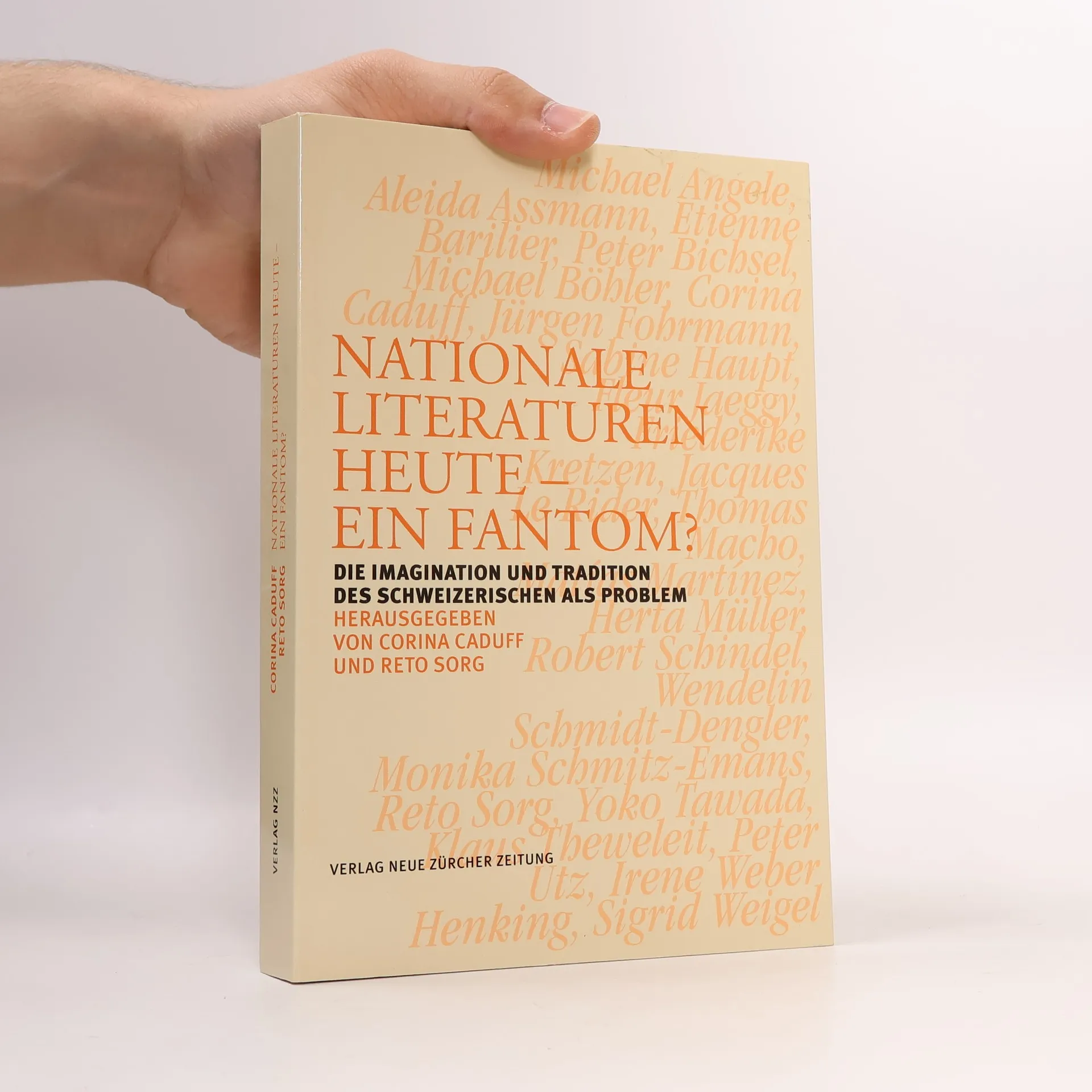
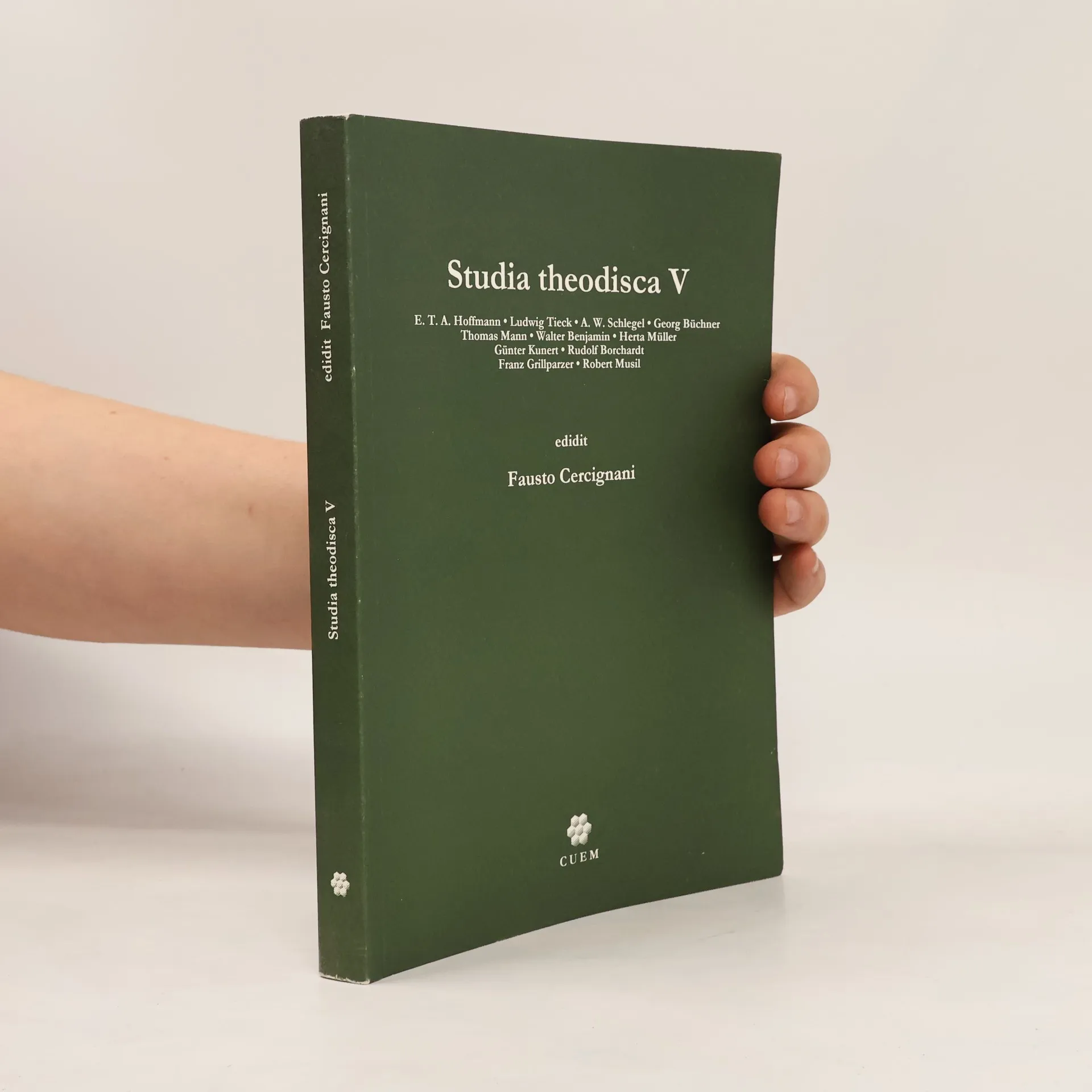
Der Begriff der Nationalliteratur ist im 20. Jahrhundert in Verruf geraten. Davon unbeeindruckt redet man weiterhin von der Schweizer oder von der italienischen Literatur, ohne dass dabei das Schweizerische oder das Italienische leicht zu bestimmen wären.
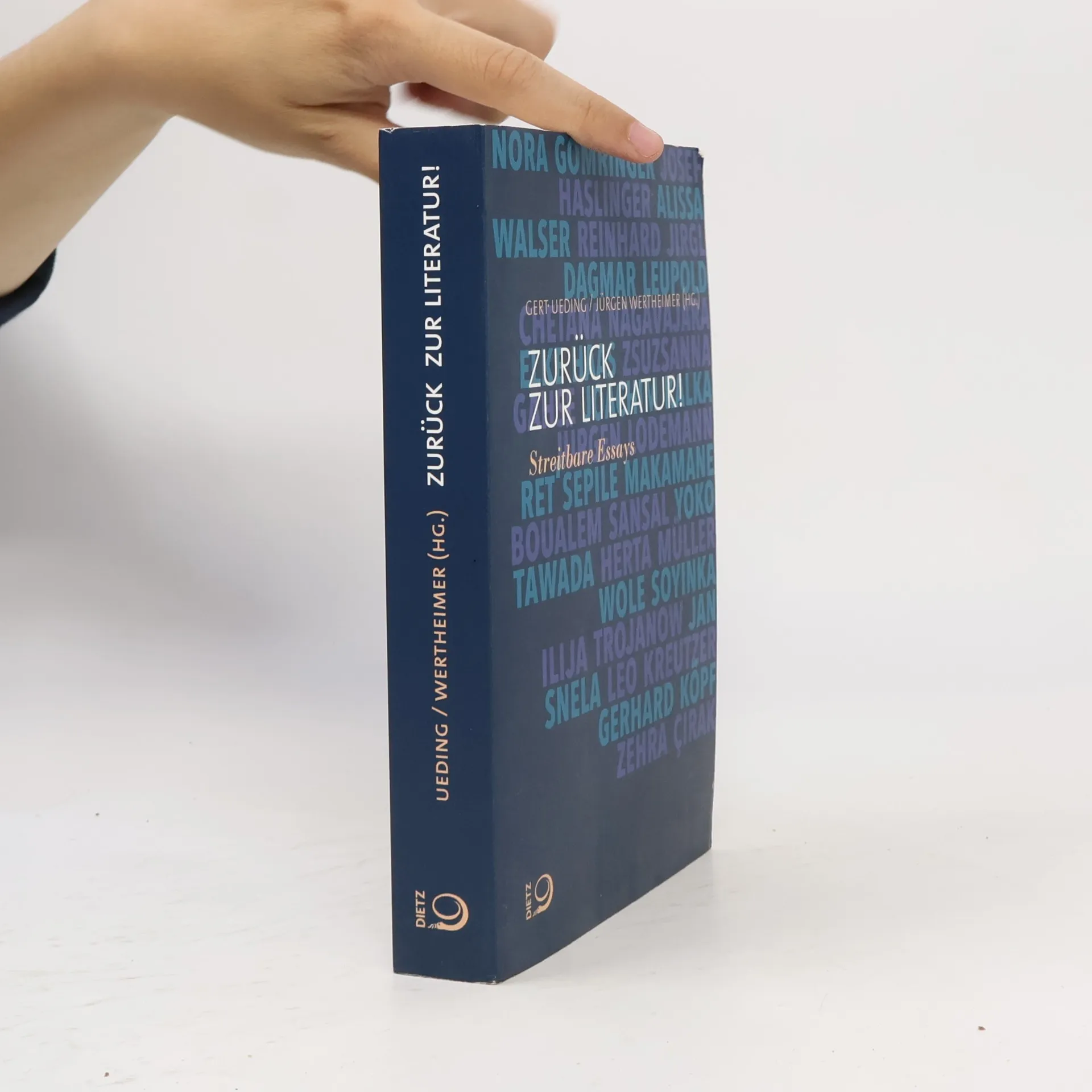
Mit Beiträgen von zahlreichen Autoren wird die essentielle Rolle der Literatur für das öffentliche und private Leben hervorgehoben. Sie ist entscheidend für die (Charakter-)Bildung, das Verständnis von Kultur und die menschliche Identität. Die alarmierende Marginalisierung der Literatur in Schulen, Hochschulen und der populären Kultur führt zu einem drohenden Verlust von Wissen, freiheitlichem Denken und gesellschaftlicher Orientierung. Anstatt elitäre Bildungstraditionen zu bewahren, wird auf die Gefahren hingewiesen, die mit der Reduktion auf „das Wesentliche“ und der Vermeidung von Überforderung einhergehen. Die Flut kontextloser Bilder trägt zur Verarmung des Denkens und zur politischen Sterilisierung bei. Besonders besorgniserregend ist der Verlust von Text- und Lesekompetenz sowie der Fähigkeit, in komplexen und ambivalenten Zusammenhängen zu denken und zu empfinden. Auch das, was man als „Möglichkeitssinn“ bezeichnet, ist durch den Verzicht auf Literatur bedroht, was eine wichtige Waffe im Kampf gegen Fundamentalismen gefährdet. Der Band diskutiert sowohl die Ursachen und Folgen dieser Entwicklung als auch mögliche Vorschläge zum Widerstand.