

Compra 10 libros por 10 € aquí!
Bookbot

William Rosen

    William Rosen fue un historiador y autor que dio vida a temas complejos a través de una narrativa cautivadora. Su estilo, que utilizaba anécdotas para tejer hilos de descubrimiento e innovación, atraía a los lectores a las historias de la ciencia y la tecnología. Rosen argumentó que la capacidad de medir los avances incrementales es clave para la innovación sostenida, lo que refleja su profundo interés en cómo el progreso moldea el mundo. Su obra demuestra la interconexión de los eventos históricos y los avances científicos, así como su impacto en la civilización humana.

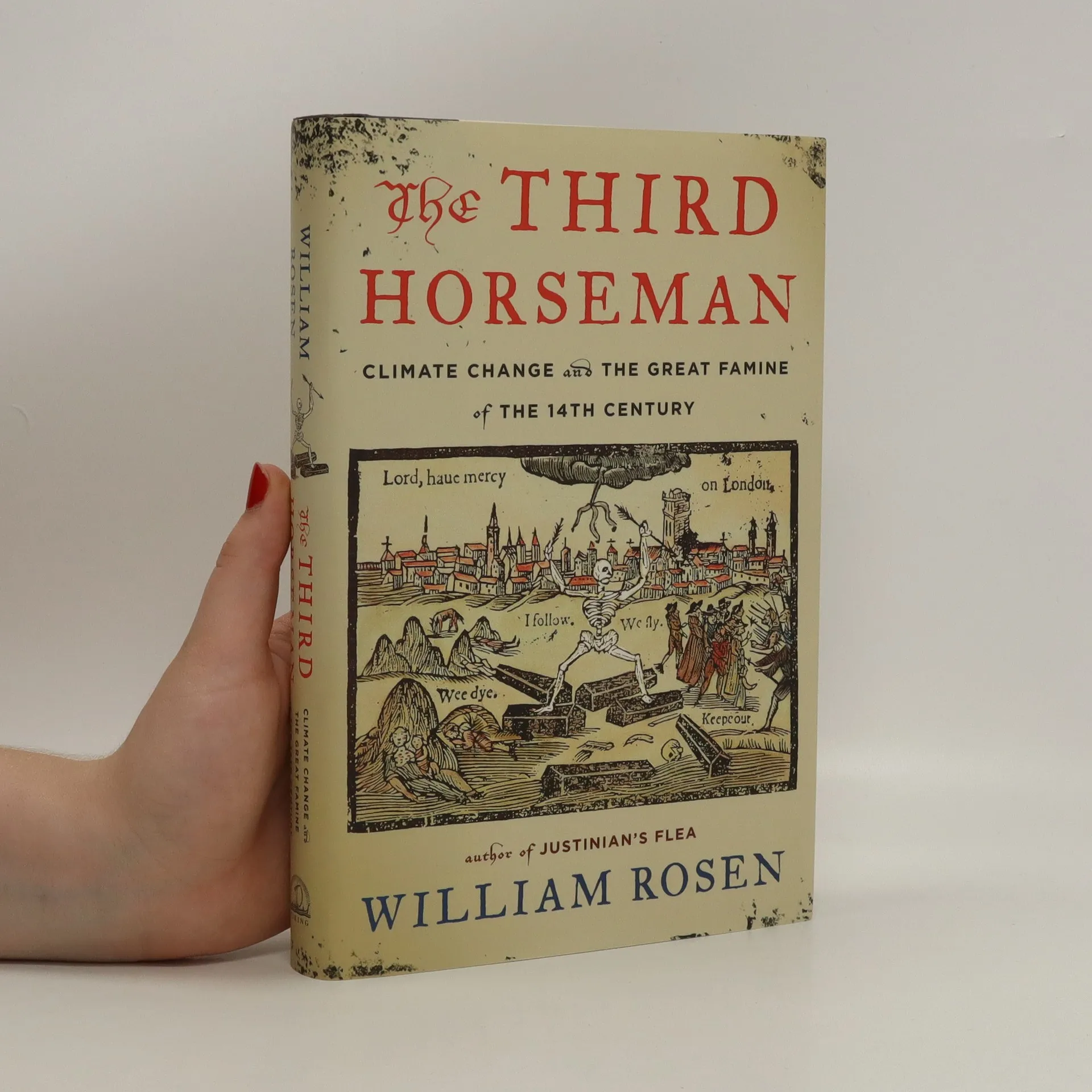
    The third horseman
    Justinian's Flea
    • Justinian's Flea

      The First Great Plague and the End of the Roman Empire

      • 384 páginas
      • 14 horas de lectura

      The narrative unfolds the dramatic clash between a minuscule organism and a powerful empire, exploring themes of survival, resilience, and the far-reaching impacts of nature on human history. Through vivid storytelling, the author delves into the intricate relationship between humanity and the natural world, highlighting how a seemingly insignificant entity can challenge and reshape the course of an empire. Rich in historical detail, this epic tale captures the tension and consequences of this extraordinary encounter.

      Justinian's Flea
    • The third horseman

      • 302 páginas
      • 11 horas de lectura

      In May 1315, relentless rain began in northern Europe, lasting until August, followed by the coldest winters in a millennium. Two animal epidemics decimated nearly 80 percent of livestock, while wars in Scotland, England, France, and Flanders ravaged farmland. Over seven years, these calamities resulted in the deaths of six million people—one eighth of Europe's population. This period marked one of the most catastrophic events in European history, known as the Great Famine. The narrative explores the intertwined forces that led to this disaster, linking feudalism, agricultural economics, climatology, and chivalric warfare to illustrate how impersonal traumas transformed hunger into starvation. Key figures, including Scotland's William Wallace and Robert Bruce, stand against Edward II of England, whose failures highlight shifting demographics. By integrating current scientific theories and economic models, the author underscores the implications of these historical events for contemporary climate change. This compelling account, rich in detail and insight, serves as a poignant reminder of how gradual shifts can disrupt the fragile balance of life and death throughout history.

      The third horseman