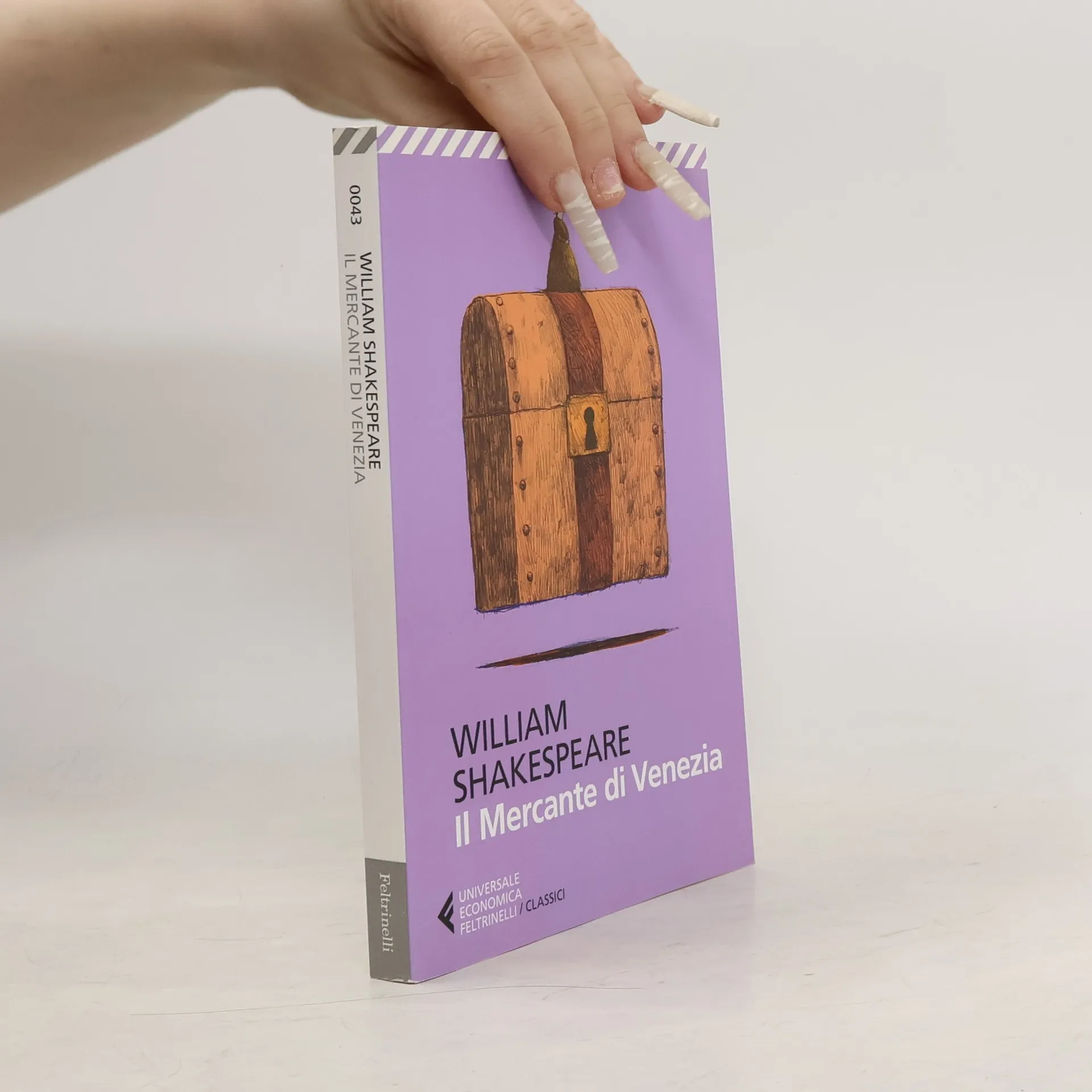
In this lively comedy of love and money in sixteenth-century Venice, Bassanio wants to impress the wealthy heiress Portia but lacks the necessary funds. He turns to his merchant friend, Antonio, who is forced to borrow from Shylock, a Jewish moneylender. When Antonio's business falters, repayment becomes impossible--and by the terms of the loan agreement, Shylock is able to demand a pound of Antonio's flesh. Portia cleverly intervenes, and all ends well (except of course for Shylock).
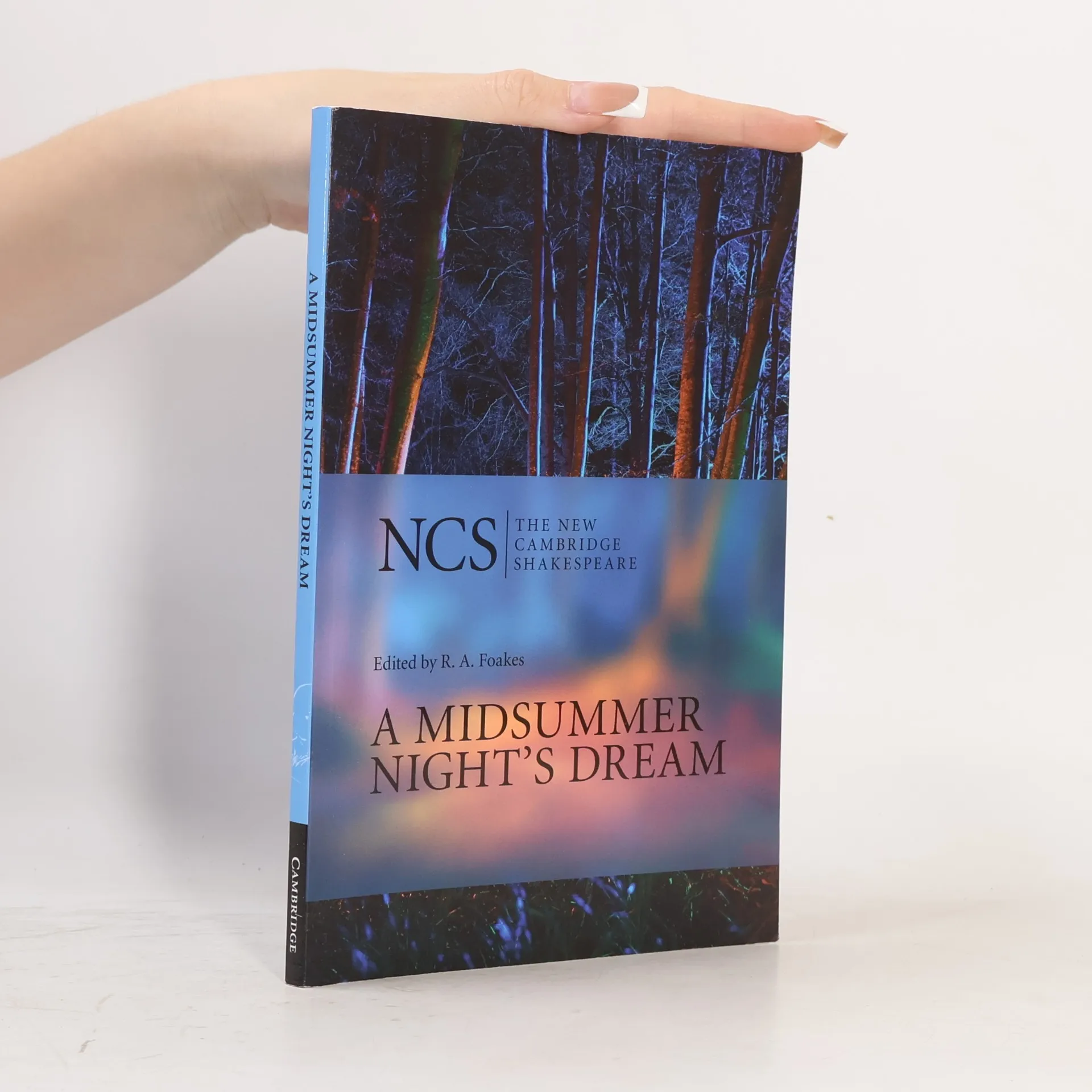
In "A Midsummer Night's Dream," written around the same time as "Romeo and Juliet," four intertwining stories unfold. As Theseus, Duke of Athens, prepares to marry the Amazon Hippolyta after defeating her in battle, the relationships between two pairs of young lovers (Hermia and Lysander, Helena and Demetrius) and even those between the fairy monarchs Oberon and Titania are fraught with complications. Set in a forest filled with supernatural beings, the magic of a flower and the meddling of Puck, a mischievous sprite, create and then resolve a night of sensory chaos. Adding to this mix is an irresistible troupe of actors intent on staging comical tales of love, miraculous transformations, and a remarkable variety of poetic expression, resulting in one of Shakespeare's most enchanting comedies. The play has inspired countless theatrical and cinematic adaptations, animated films, music, operas, ballets, paintings, and comics.
Folger Shakespeare Library The world's leading center for Shakespeare studies Freshly edited text based on the best early printed version of the play Full explanatory notes conveniently placed on pages facing the text of the play Scene-by-scene plot summaries A key to famous lines and phrases An introduction to reading Shakespeare's language An essay by leading Shakespeare scholar, Christy Desmet, providing a modern perspective on the play Illustrations from the Folger Shakespeare Library's vast holdings of rare books The Folger Shakespeare Library in Washington, D.C., is home to the world's largest collection of Shakespeare's printed works, and a magnet for Shakespeare scholars from around the globe. In addition to exhibitions open to the public throughout the year, the Folger offers a full calendar of performances and programs.
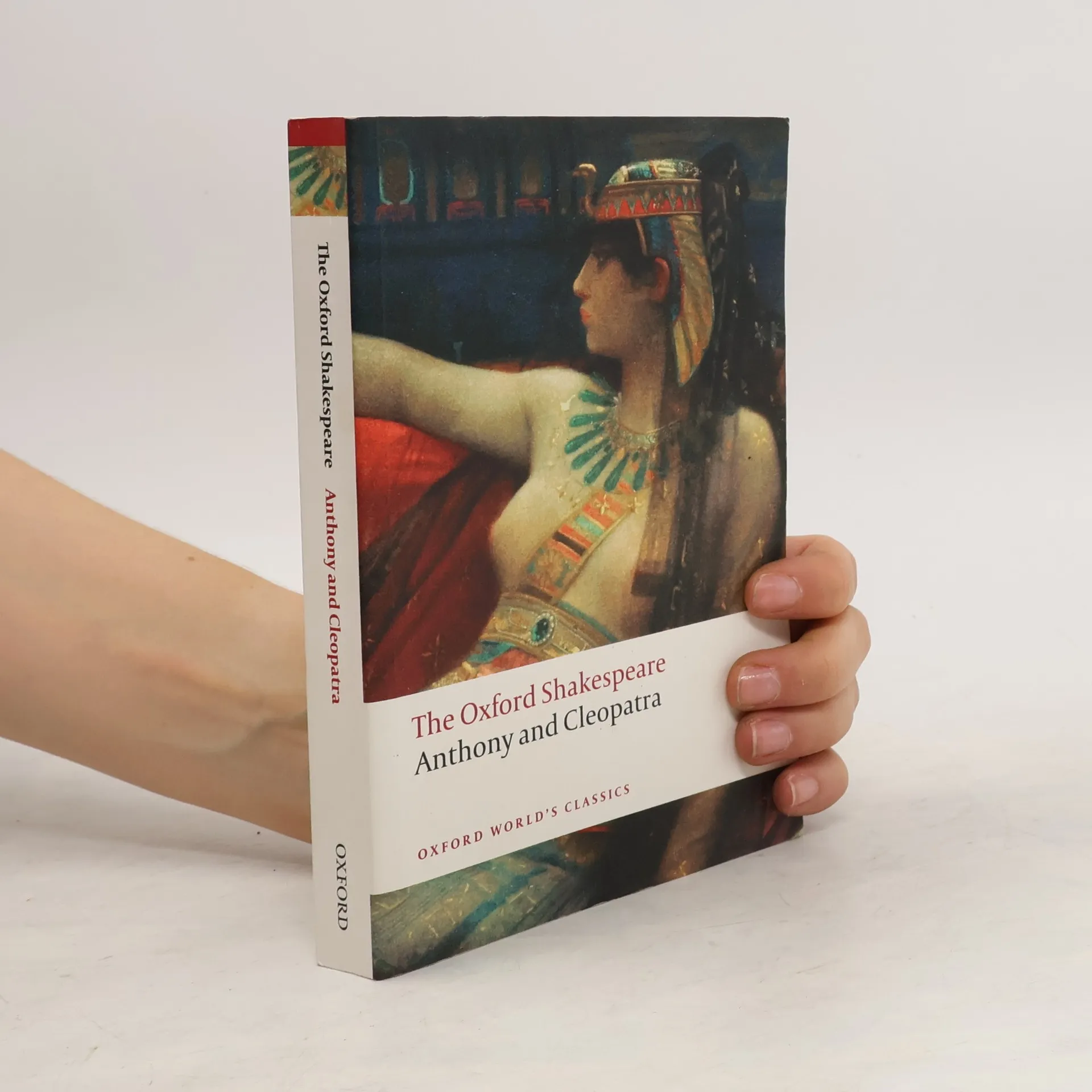
Antonio y Cleopatra, última tragedia de amor de Shakespeare, es la única en la
que el tema amoroso está fatalmente ligado a la lucha por el poder. La acción
se despliega en una continua alternancia entre Roma y Alejandría como extremos
opuestos del mundo antiguo y símbolos del conflicto de Antonio entre su deber
romano y su pasión egipcia. Escrita hacia 1607, parece que en ella Shakespeare
se hubiera propuesto enfrentarse a las tendencias neoclásicas ya iniciadas en
su época y desafiar la racionalidad de lectores y espectadores. Pues, si osado
es el amor de los protagonistas, el estilo y la estructura de la obra no lo
son menos. Sea o no, como se ha sugerido, una obra experimental,áAntonio y
Cleopatraáes sin duda diferente, y no es de extranar que se la haya llamado la
tragedia gozosa de Shakespeare: no lloramos la pérdida trágica que nos
presenta, sino que su final nos agrada y satisface. Fue Coleridge el primer
poeta que se sintió hechizado por el estilo deáAntonio y Cleopatra,
singularmente por la audacia de sus aciertos expresivos. Sin embargo, hubo que
esperar al siglo XX para que sea generalmente reconocida: T.S. Eliot la
proclamó, conáCoriolano, el mayor logro artístico de su autor, y, según Harold
Bloom, si alguien quiere ver lo que Shakespeare era capaz de hacer, y en una
sola obra, lo puede encontrar en ésta.
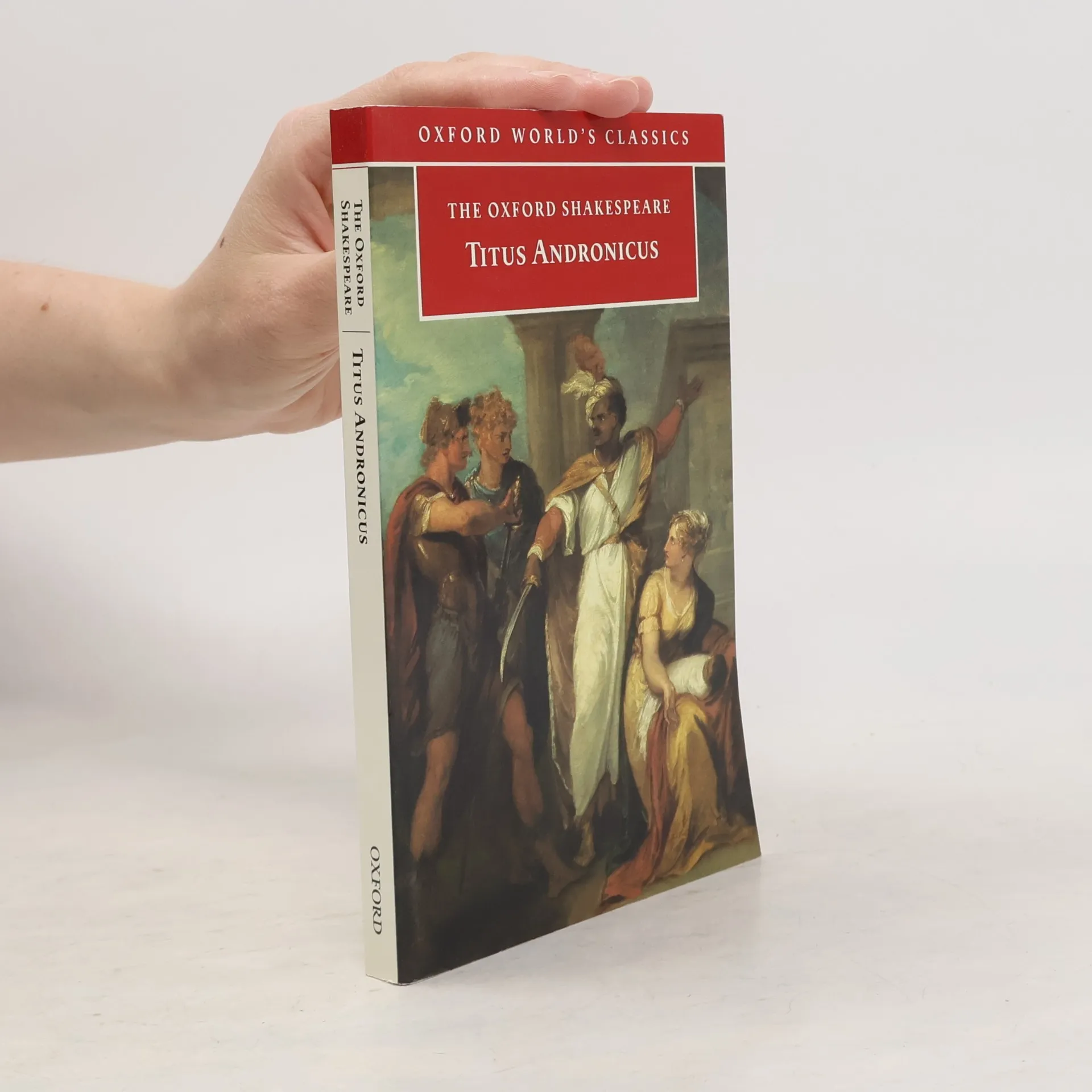
The author offers a reappraisal of Shakespeare's bloodiest tragedy, Titus Andronicus. The text puts forward arguments regarding the date of the play, its sources and its early stage history.
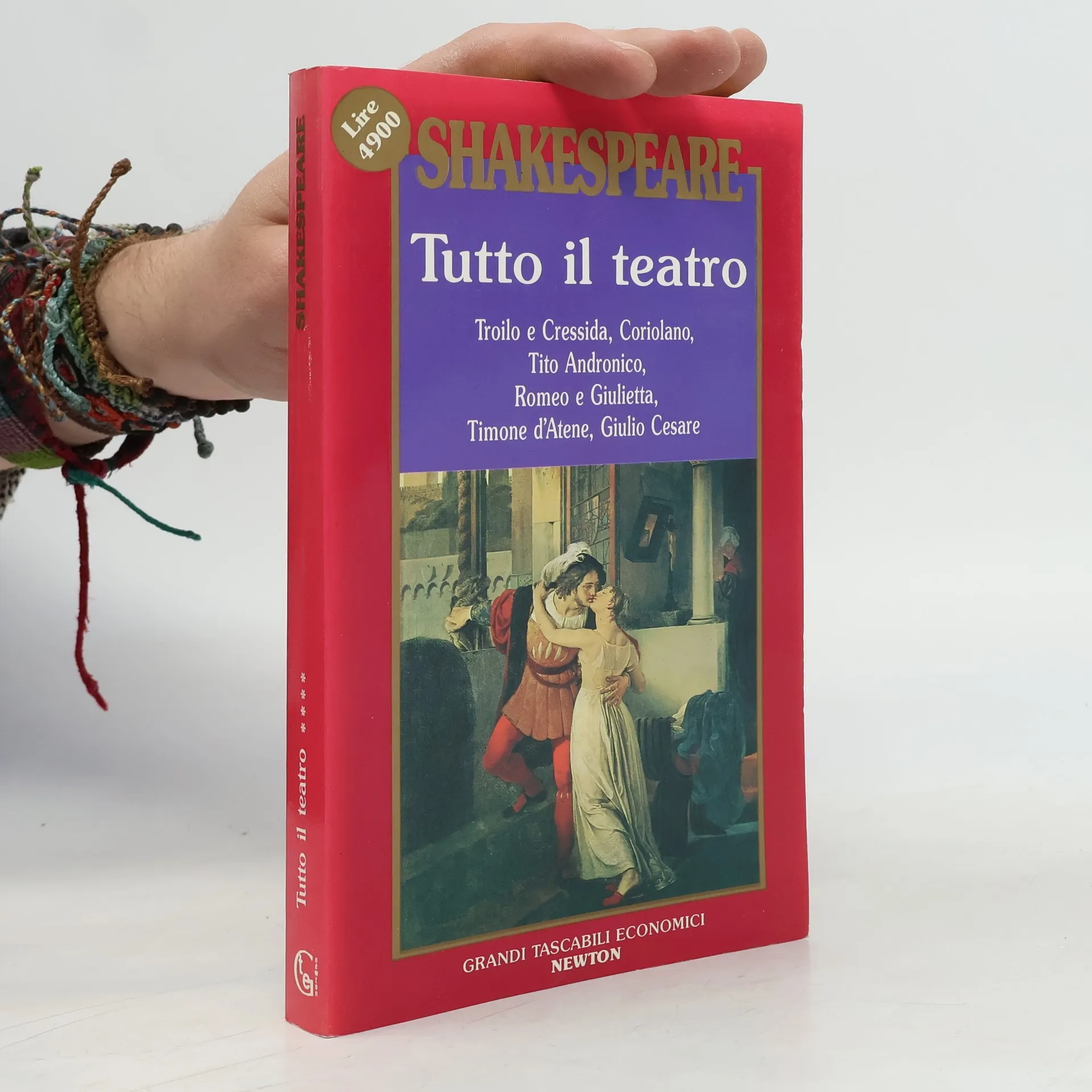
Troli e Cressida, Coriolano, Tito Andronico, Romeo e Giulietta, Timone d'Atene, Giulio Cesare
391 páginas
14 horas de lectura
"Non appartenne a un'epoca, ma a tutti i tempi", disse di Shakespeare Ben Jonson. William Shakespeare è considerato infatti da sempre il più grande autore teatrale mai esistito. La straordinaria energia creativa e la vastità della sua produzione suscitarono nei romantici l'immagine di una "forza immane della natura", di un "genio universale". Oggi, dopo oltre quattro secoli dalla nascita, Shakespeare non cessa di stupirci per la complessità, la bellezza, la varietà e la "modernità" dei personaggi e delle trame.