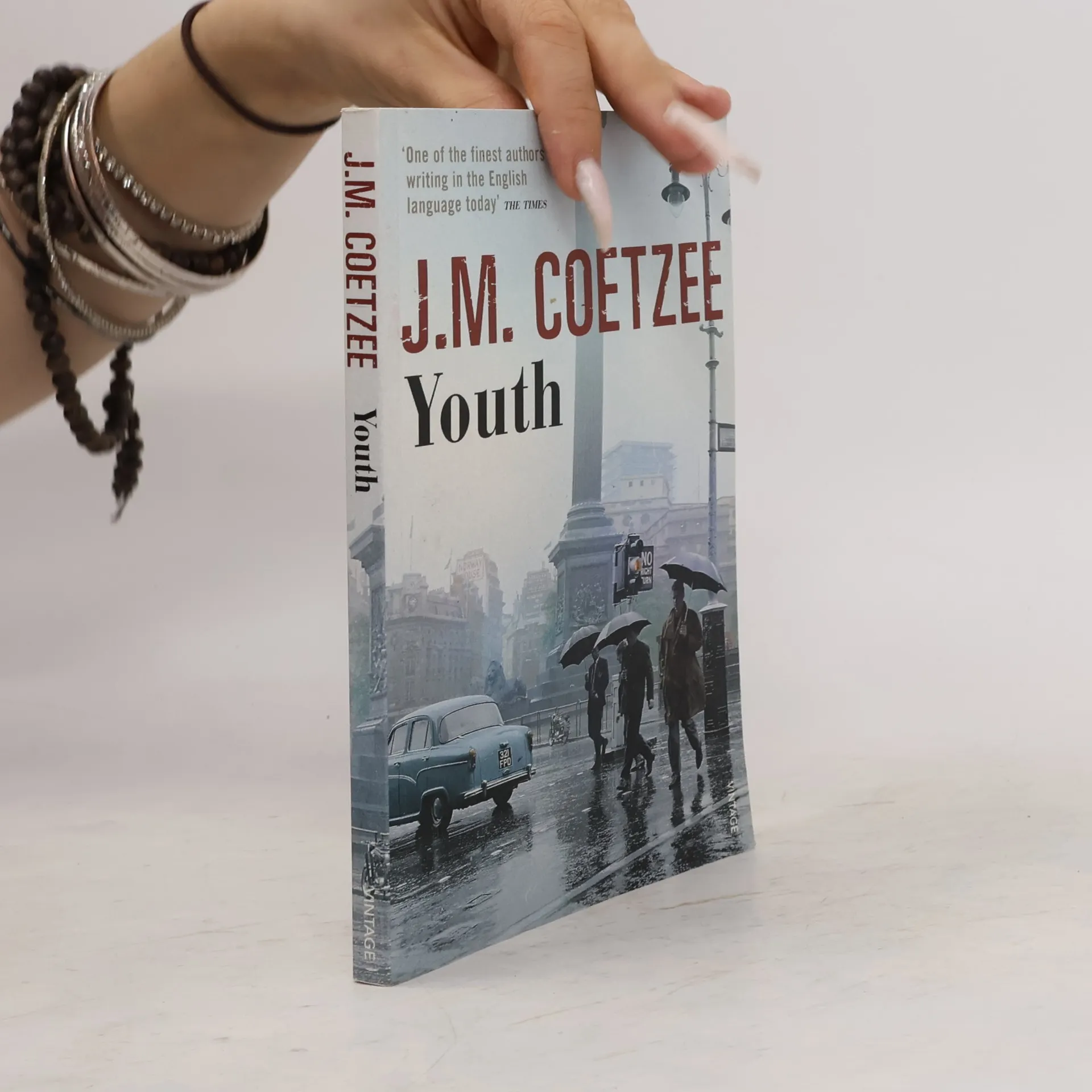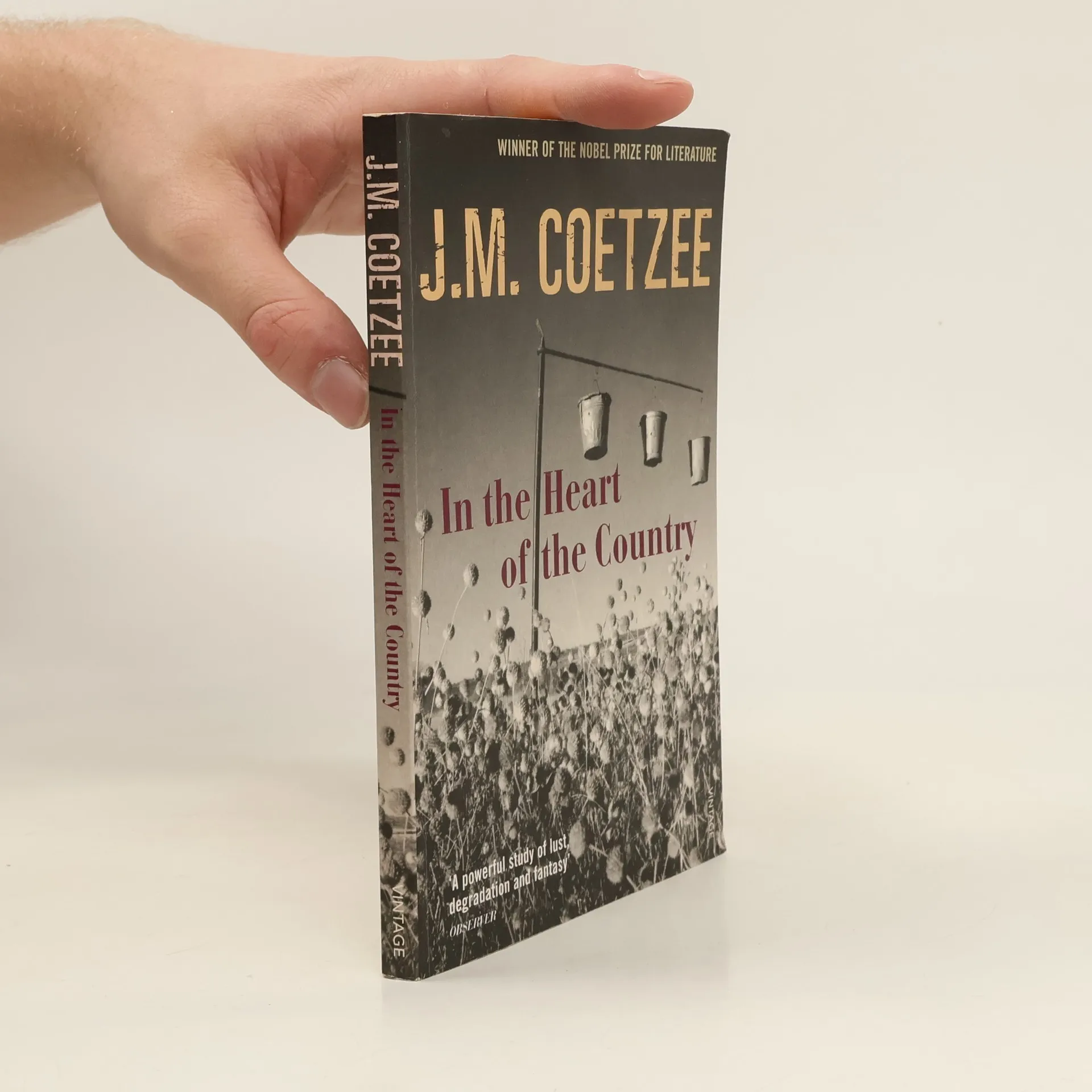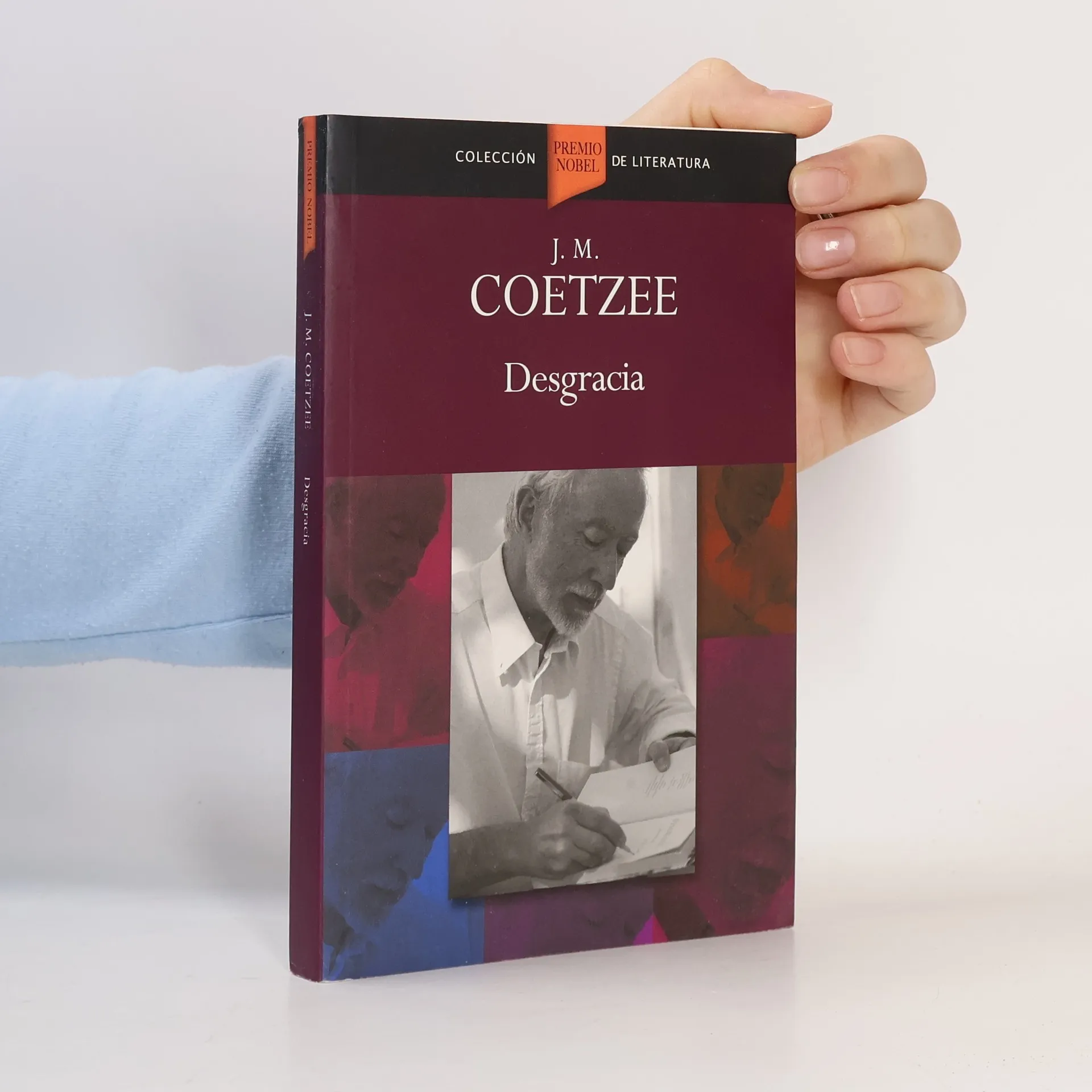
Tiene diez años. Vive en Worcester, una pequeña localidad al norte de Ciudad del Cabo, con una madre a la que adora y detesta a la vez, un hermano menor y un padre por quien no siente respeto alguno. Lleva una doble vida - en el colegio es el alumno modélico, el primero de la clase; en casa, un pequeño déspota. Los secretos, los engaños y los miedos le atormentan; el amor por la granja familiar y por el veld, las desnudas mesetas sudafricanas, le arraigan a la tierra.
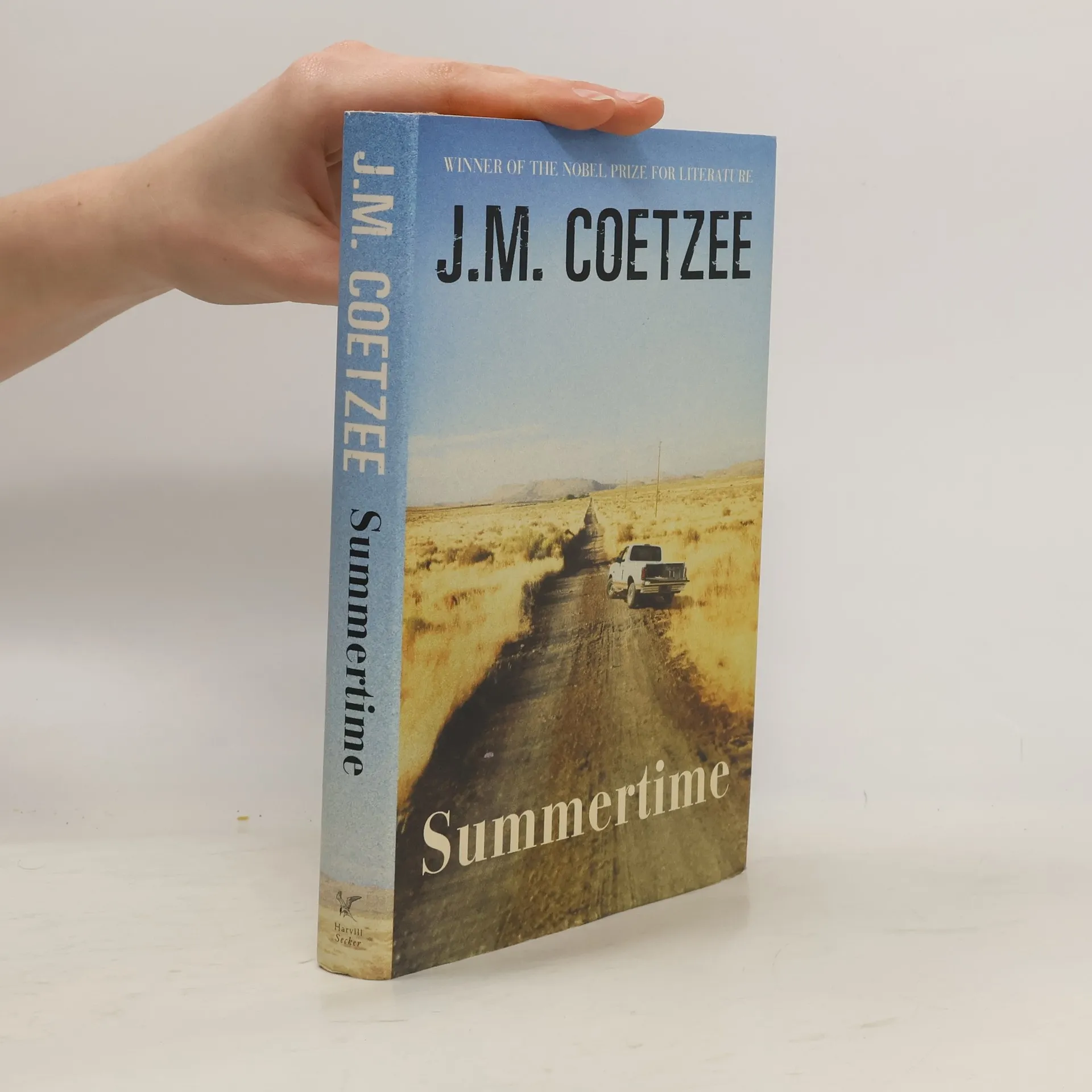
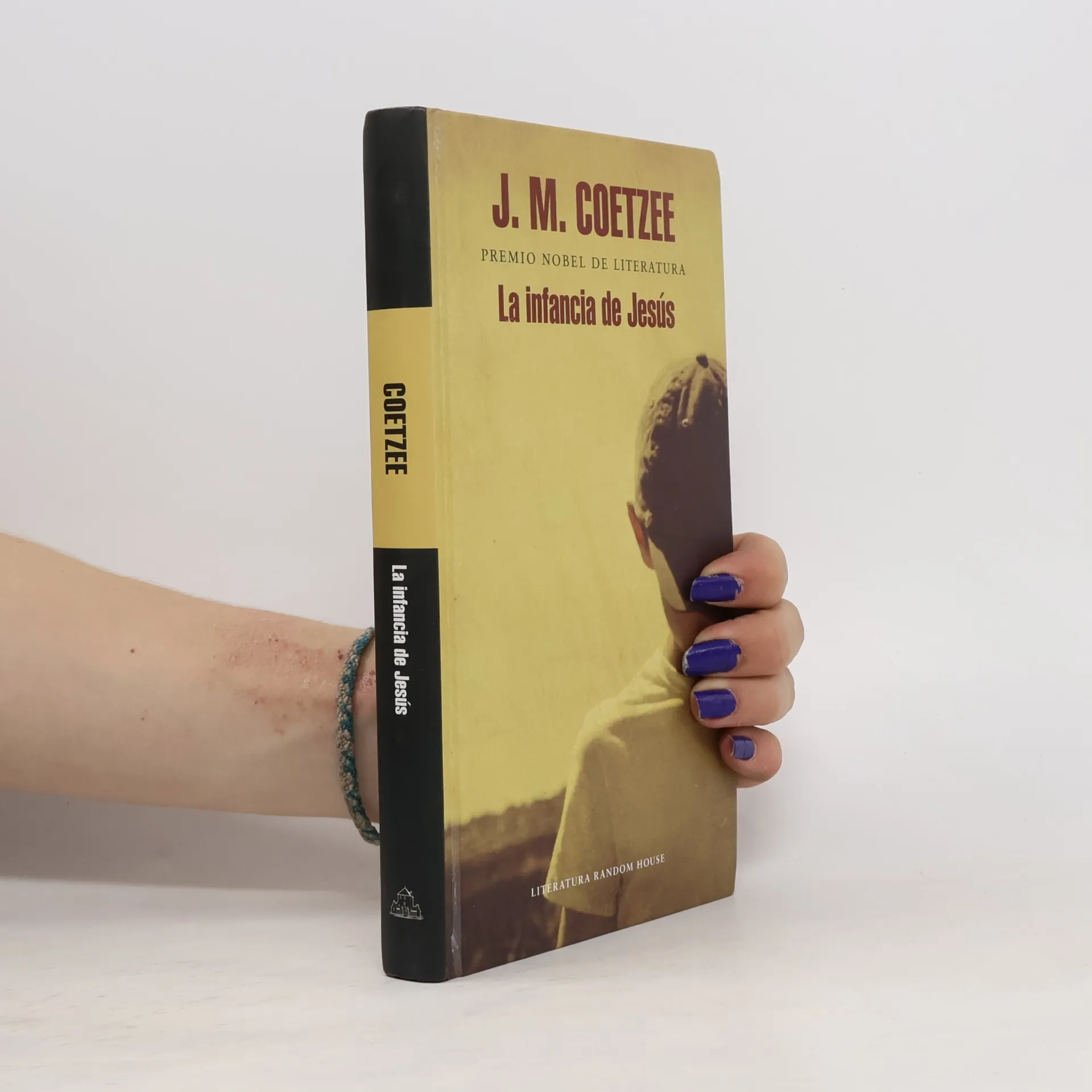
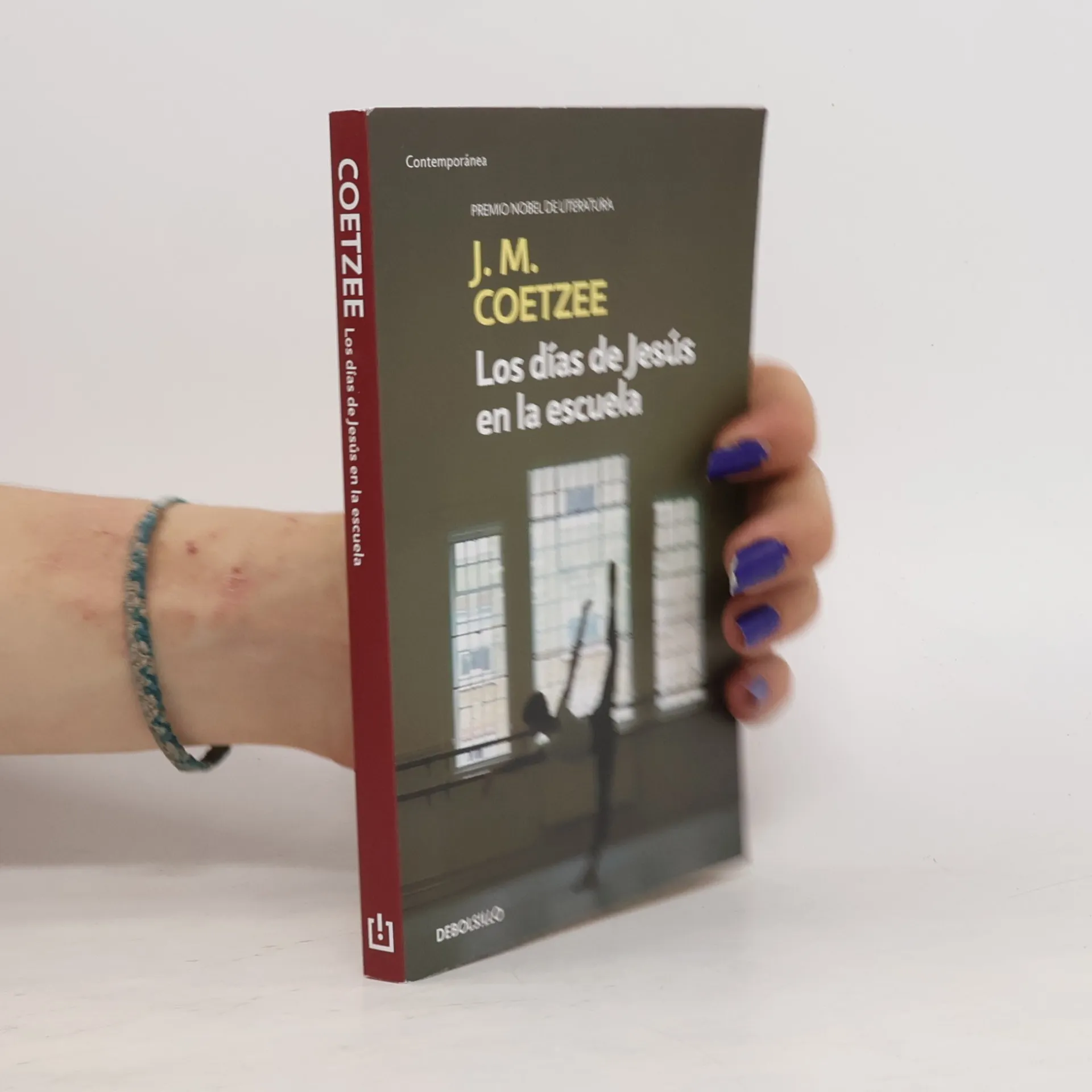
«Cuando cruzas el océano en barco, todos los recuerdos se te borran y empiezas una vida completamente nueva. Así es la cosa. No hay nada antes. No hay Historia. El barco amarra en el puerto, bajamos por la pasarela y nos zambullimos en el presente. El tiempo empieza entonces.» David es un niño que siempre hace preguntas. Simón e Inés, que cuidan de él, intentan responderle de la mejor manera posible. Acaban de instalarse en el pueblo de Estrella para empezar una nueva vida. David ya tiene amigos y su perro Bolívar le hace compañía. Pero, a punto de cumplir siete años, ha llegado el momento de escolarizarlo. Así que lo inscriben en la Academia de Danza. Allí, con sus nuevas zapatillas doradas, aprende a bajar los números del cielo. Pero también descubre algunas cosas terribles que los adultos son capaces de hacer. En este fascinante relato alegórico, Coetzee se enfrenta con maestría a las grandes cuestiones sobre la infancia, lo que significa ser padre, la constante batalla entre emoción e intelecto y cómo elegimos vivir nuestra vida.
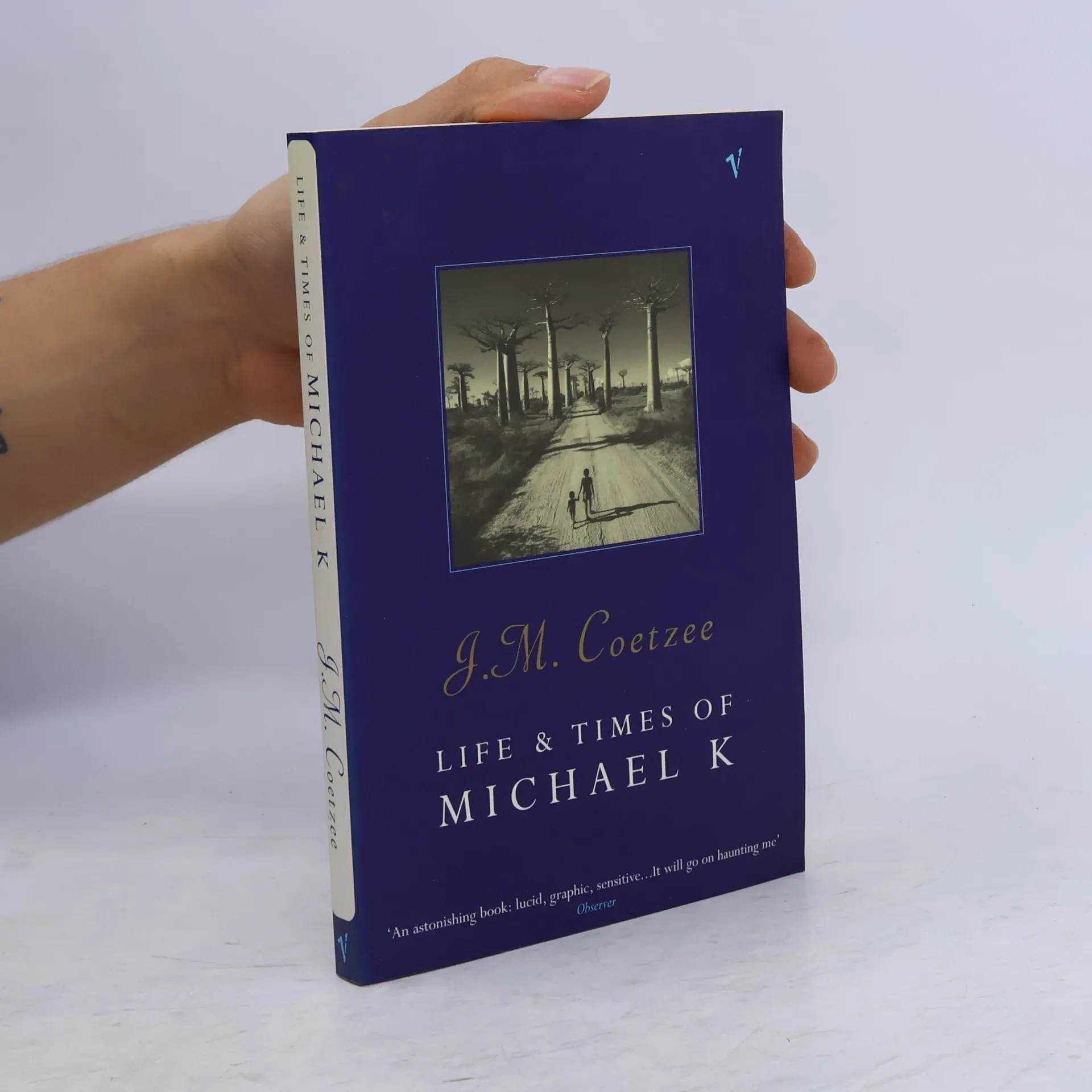
En un nuevo país, Simón y David, un hombre y un niño, deben olvidar su pasado y adaptarse a su nueva vida. A pesar de la confusión y la falta de apoyo, Simón encuentra trabajo en el puerto y reflexiona sobre la dignidad del trabajo. Su misión es encontrar a la madre del niño, enfrentándose al olvido colectivo de los recién llegados.
Author J.M. Coetzee sold his house in Cape Town, unaware that he was leaving behind unique documents from his teenage years. In the attic of his former home, the new owners discovered a forgotten brown suitcase and a large cardboard box, containing a complete photographic archive of old prints and negatives from Coetzee’s childhood never seen before. The book also has an exclusive interview with John Coetzee about his boyhood and photo experiments.
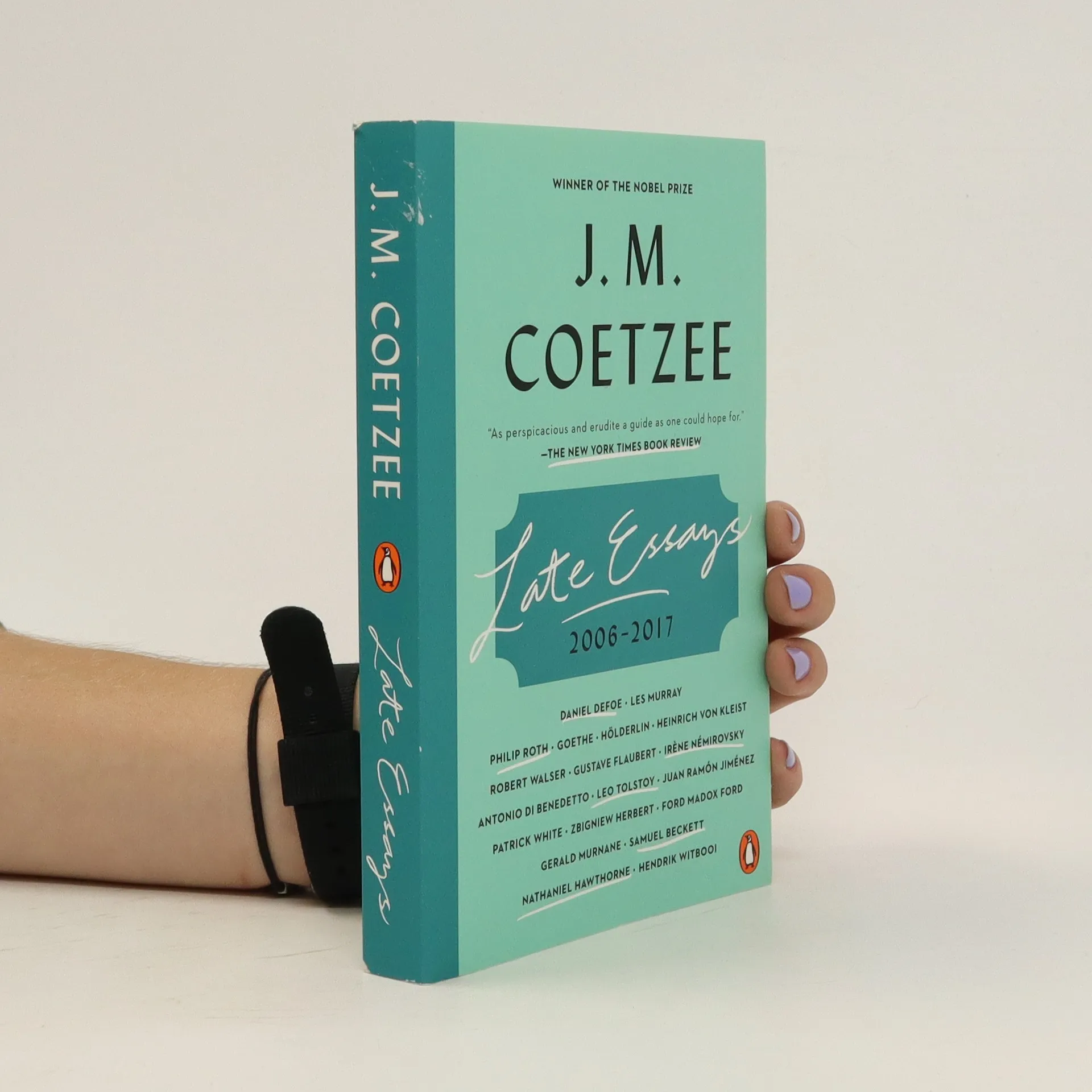
A new collection of twenty-three literary essays from the Nobel Prize–winning author. J. M. Coetzee’s latest novel, The Schooldays of Jesus, is now available from Viking. J. M. Coetzee is not only one of the most acclaimed fiction writers in the world, he is also an accomplished and insightful literary critic. In Late Essays: 2006–2016, a thought-provoking collection of twenty-three pieces, he examines the work of some of the world’s greatest writers, from Daniel Defoe in the early eighteenth century to Goethe and Irène Némirovsky to Coetzee’s contemporary Philip Roth. Challenging yet accessible, literary master Coetzee writes these essays with great clarity and precision, offering readers an illuminating and wise analysis of a remarkable list of works of international literature that span three centuries.
Celebrated author J. M. Coetzee delivers a radiant new novel that showcases his masterful storytelling. Known for his profound exploration of complex themes, Coetzee weaves a narrative that captivates and challenges readers. The book reflects on the human condition, blending introspection with social commentary, making it a significant addition to contemporary literature. Through rich prose and compelling characters, it invites readers to engage with its thoughtful insights and emotional depth.
J.M. Coetzee presents a coherent, unorthodox analysis of censorship from the perspective of one who has lived and worked under its shadow. The essays collected here attempt to understand the passion that plays itself out in acts of silencing and censoring. He argues that a destructive dynamic of belligerence and escalation tends to overtake the rivals in any field ruled by censorship. From Osip Mandelstam commanded to compose an ode in praise of Stalin, to Breyten Breytenbach writing poems under and for the eyes of his prison guards, to Aleksander Solzhenitsyn engaging in a trial of wits with the organs of the Soviet state, Giving Offense focuses on the ways authors have historically responded to censorship. It also analyzes the arguments of Catharine MacKinnon for the suppression of pornography and traces the operations of the old South African censorship system.
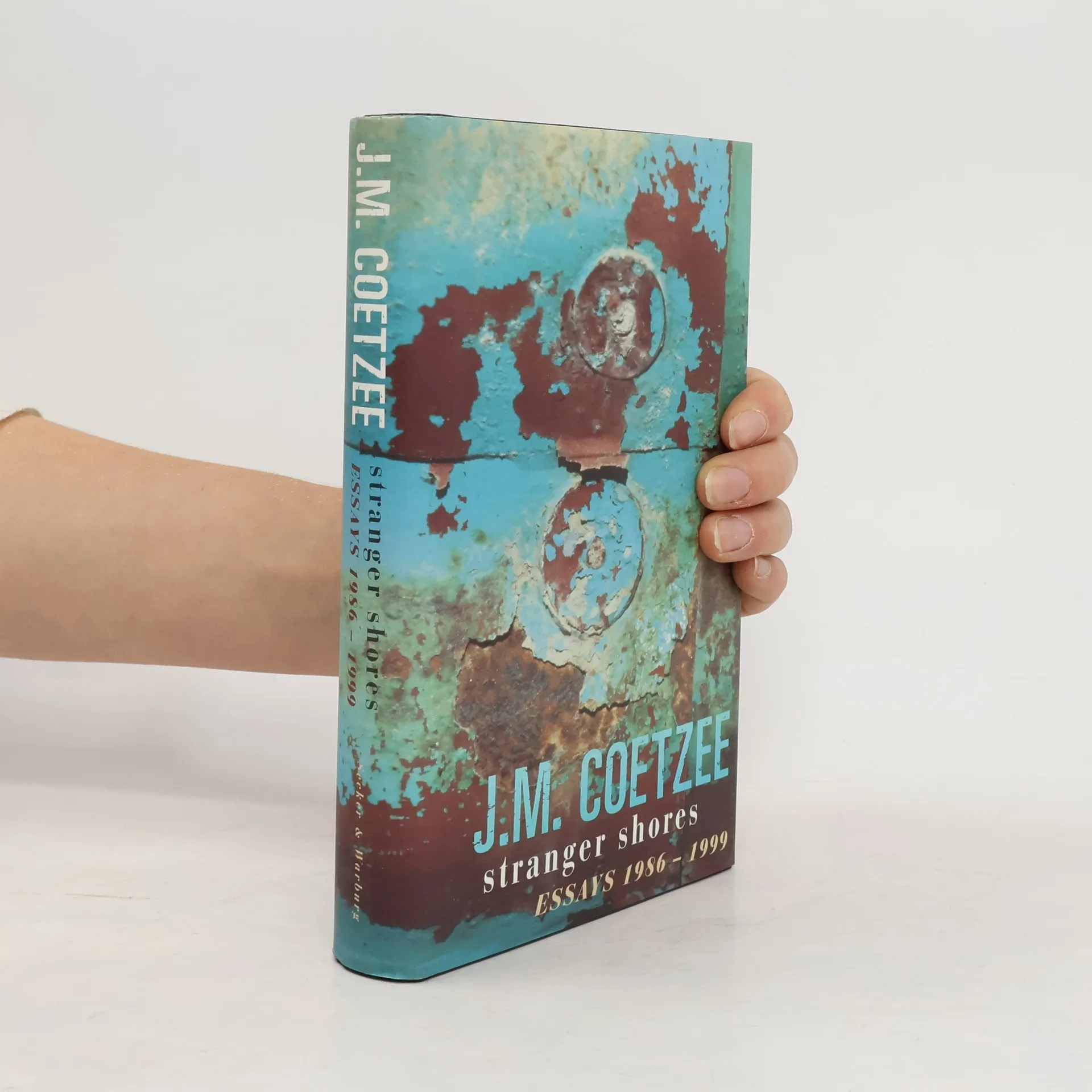
Coetzee's essays from 1986 to 1999, Inner Workings gathers together his
literary essays from 2000 to 2005. Coetzee further explores the work of six of
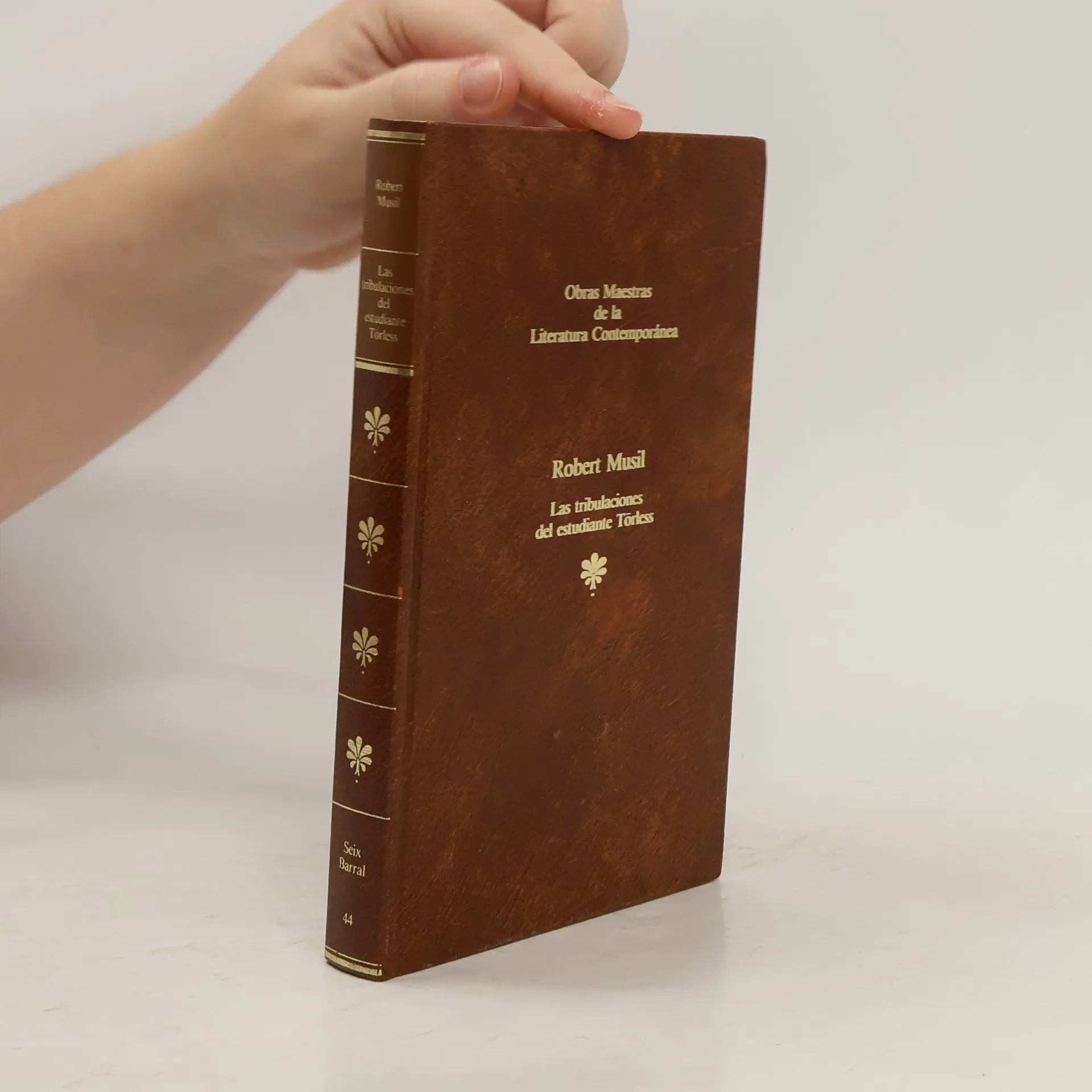
twentieth-century German literature's greatest writers: Robert Musil, Robert
Walser, Walter Benjamin (the Arcades Project), Joseph Roth, Gunter Grass, W.G.
A writer of JM Coetzee's stature needs no preamble... This book emerges as an
engaging series of master classes in novel writing, from which we might distil
a selection of dos and don'ts Lauren Elkin Guardian