Émile Zola is regarded as one of the most significant French novelists of the 19th century and a founder of Naturalism. He initially published loosely connected novels and worked as a journalist before conceptualizing most of his works as part of a cycle that illuminates the social and political realities of his time. The twenty novels in this series narrate the family saga of the Rougons and Macquarts, addressing the conflict between the bourgeoisie and the working class. Zola, a moderate leftist, aimed to enrich conservative French literature with progressive elements. The novels are arranged in chronological order and tackle central societal issues. The cycle includes titles such as "The Fortune of the Rougons," "Nana," "Germinal," and "Doctor Pascal," each depicting various aspects of life under the Second Empire. Zola's work is considered crucial for understanding the social structures and conflicts of his era and has left a lasting impact on literature.
Luisa Collodi Libros
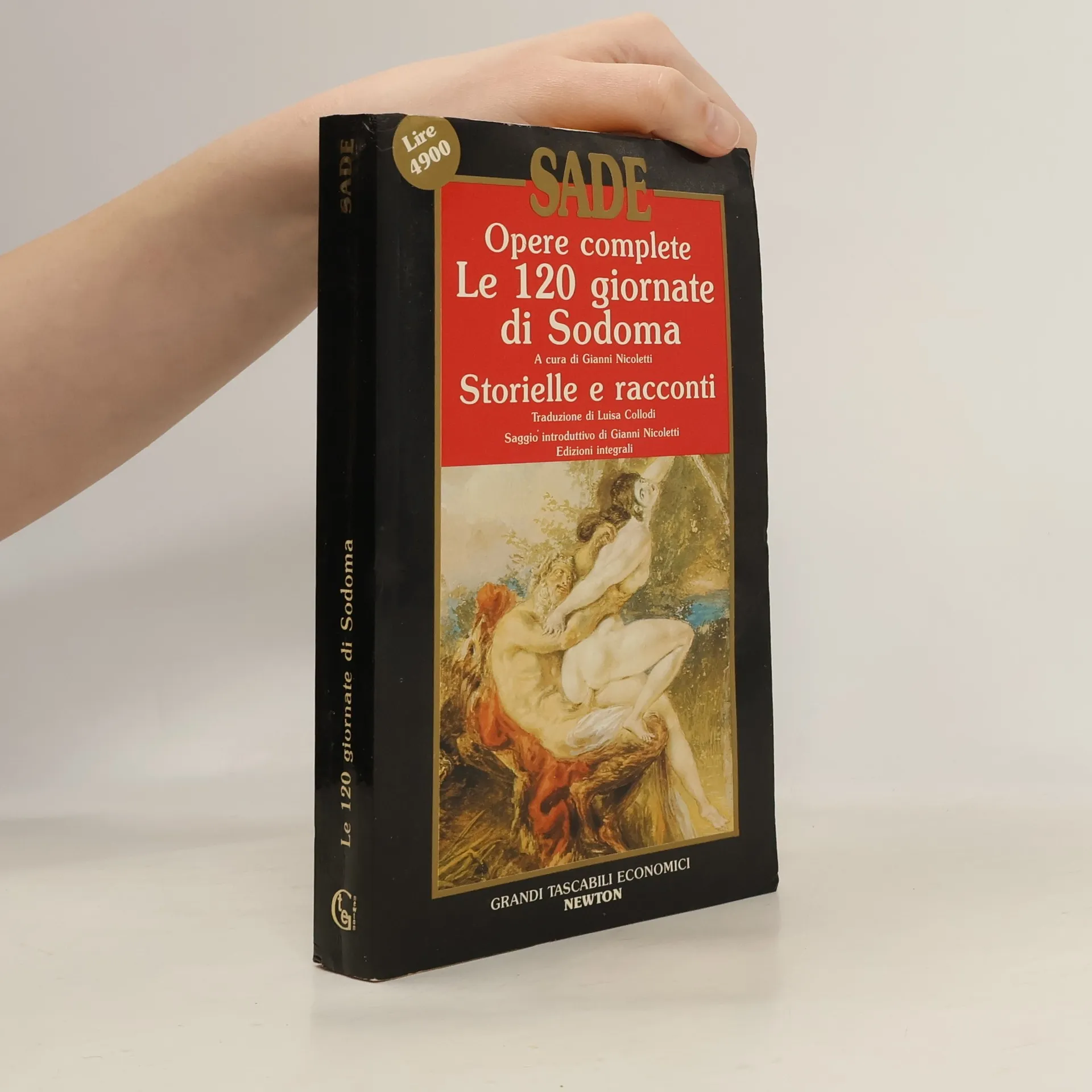

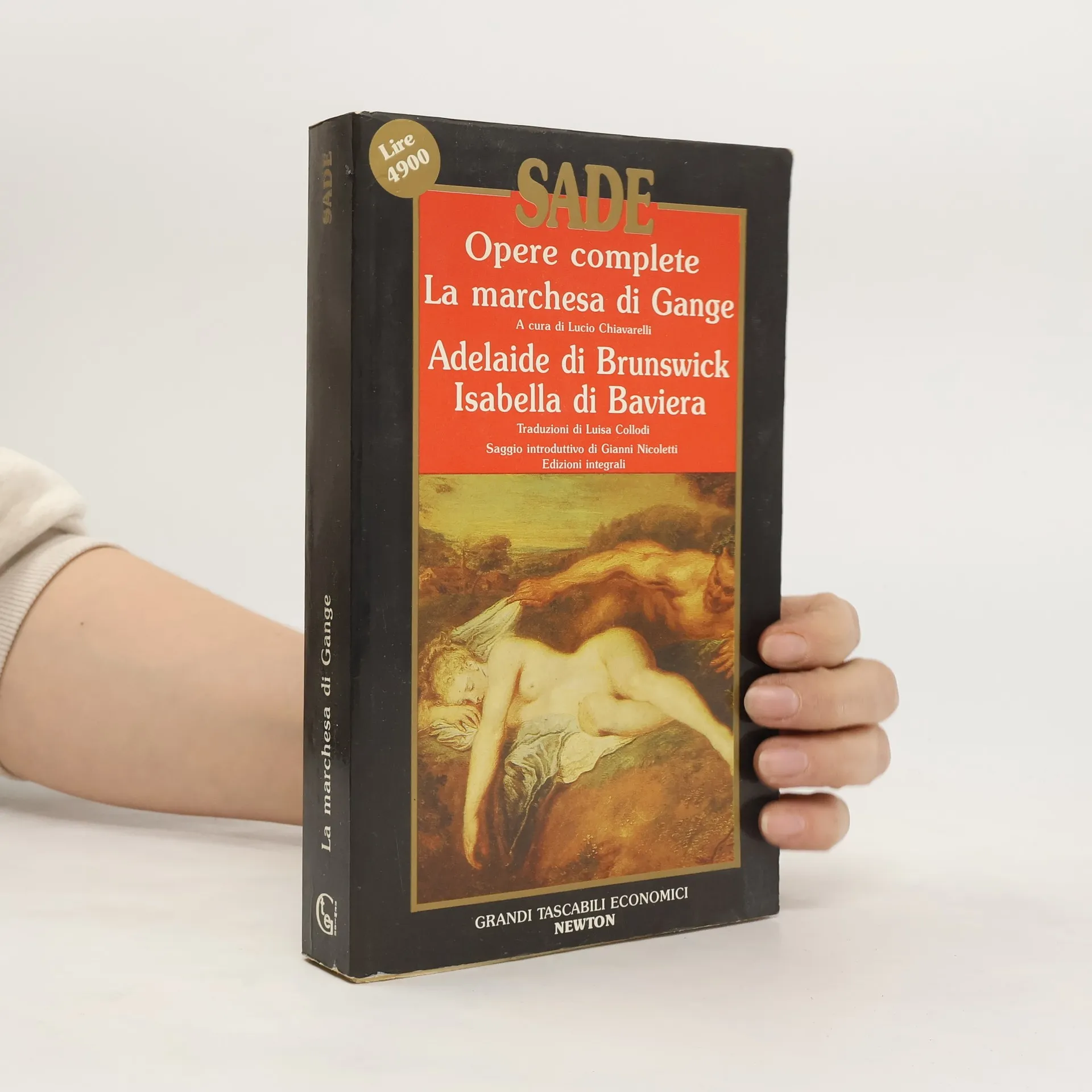
La marchesa di Gange; Adelaide di Brunswick; Isabella di Baviera
Edizioni integrali
- 496 páginas
- 18 horas de lectura
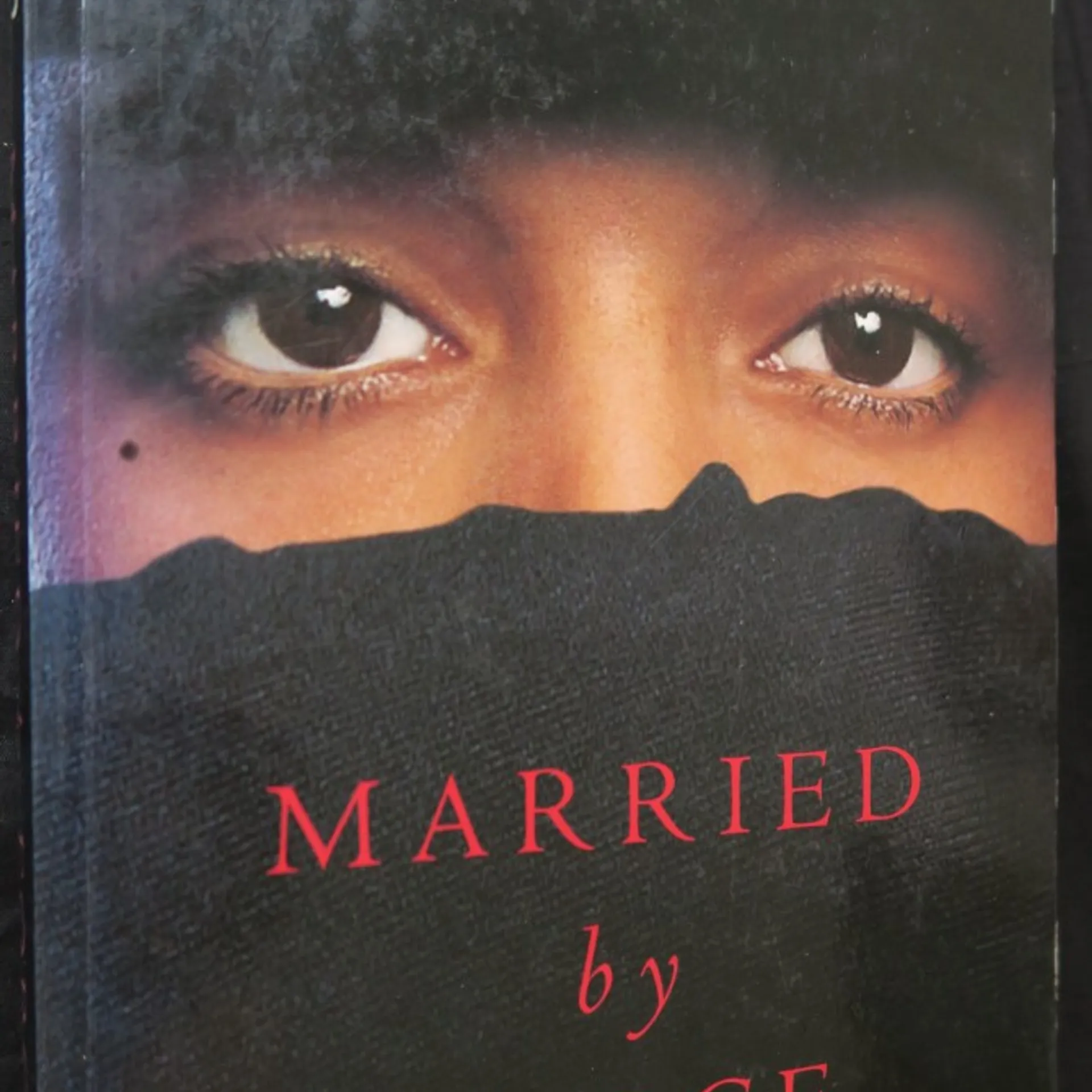
Married by Force
- 256 páginas
- 9 horas de lectura
A devastating first-hand testimony exposing the cruel and widespread practice of forced marriage 'I was twenty years old and dreamed of marrying for love.' Leila was born and brought up in France by Moroccan-born parents. But her romantic dreams were shattered when she was forced by her father to marry a man she'd never met, fifteen years older than her, and whose language she couldn't understand. The husband she didn't love beat her regularly in an attempt to force her into submission. With extraordinary courage, Leila fought back against the weight of family tradition to regain her liberty and dignity. And despite the very real risks, she has left her husband and speaks out openly against the evils of forced marriage.
Money
- 416 páginas
- 15 horas de lectura
Inspired by real events and meticulously researched by Zola, Money is, in the wake of recent financial scandals, an all-too-topical exploration of the dynamics of greed, the excesses of capitalism and its dangerous relationship with politics and the press.
Adorned with gripping cover art by Man Ray and translated by renowned scholar Dr. Paul J. Gillette, this dramatic collection of de Sade writings includes "Justine," "Juliette," "120 Days of Sodom," "Philosophy In The Bedroom" and many works often scattered among "pastiche" versions of de Sades oeuvre. Free of the author's repetitions, polemics and syntactically complex 18th century phrases, this edition captures the drama of de Sade's forays into human sexuality including such practices as voyeurism, fetishism, and, most famously, sadism. Vilified by critics in the 1800s as "Monstrous… depraved… An odious book by an even more odious man," de Sades depiction of his personal adventures has been studied and enjoyed by readers in light of the 20th and 21st centuries. Readers will also discover a mind as free as de Sades adventures were uninhibited, for he discusses natural evolution 25 years before Darwin's birth; postulates the existence of the unconscious mind a century before Sigmund Freud; and probes social mores decades before the work of Margaret Mead. He also espouses political ideas that were put into practice by such diverse figures as Joseph Stalin, Adolph Hitler and Fidel Castro. Born into French nobility in 1740, Marquis de Sade continues to open minds to new human experience more than 250 years later in this dramatic new release from Holloway House Publishing.
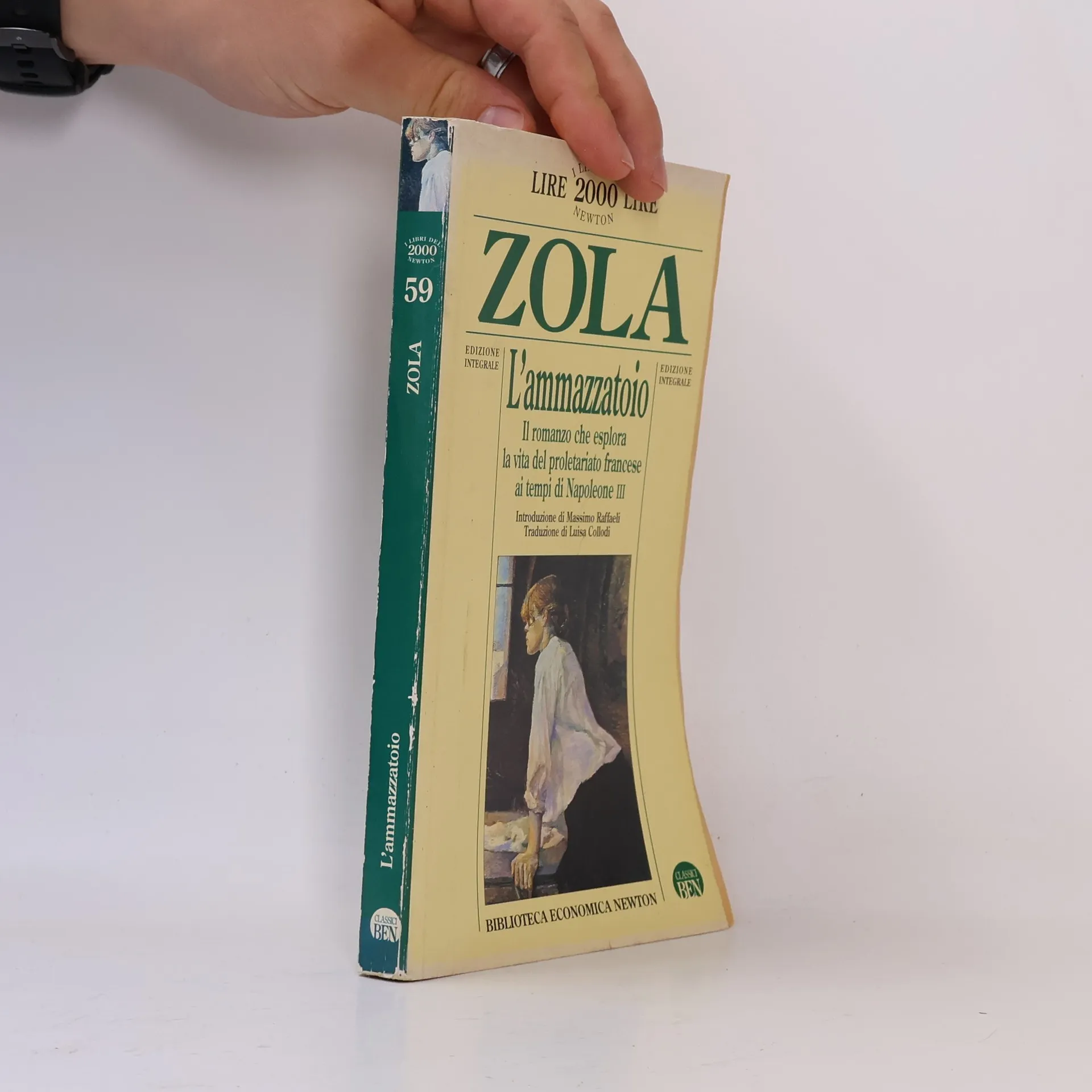
Biblioteca economica Newton - 59: L'ammazzatoio
Il romanzo che esplora la vita del proletariato francese ai tempi di Napoleone III - Edizione integrale
- 320 páginas
- 12 horas de lectura
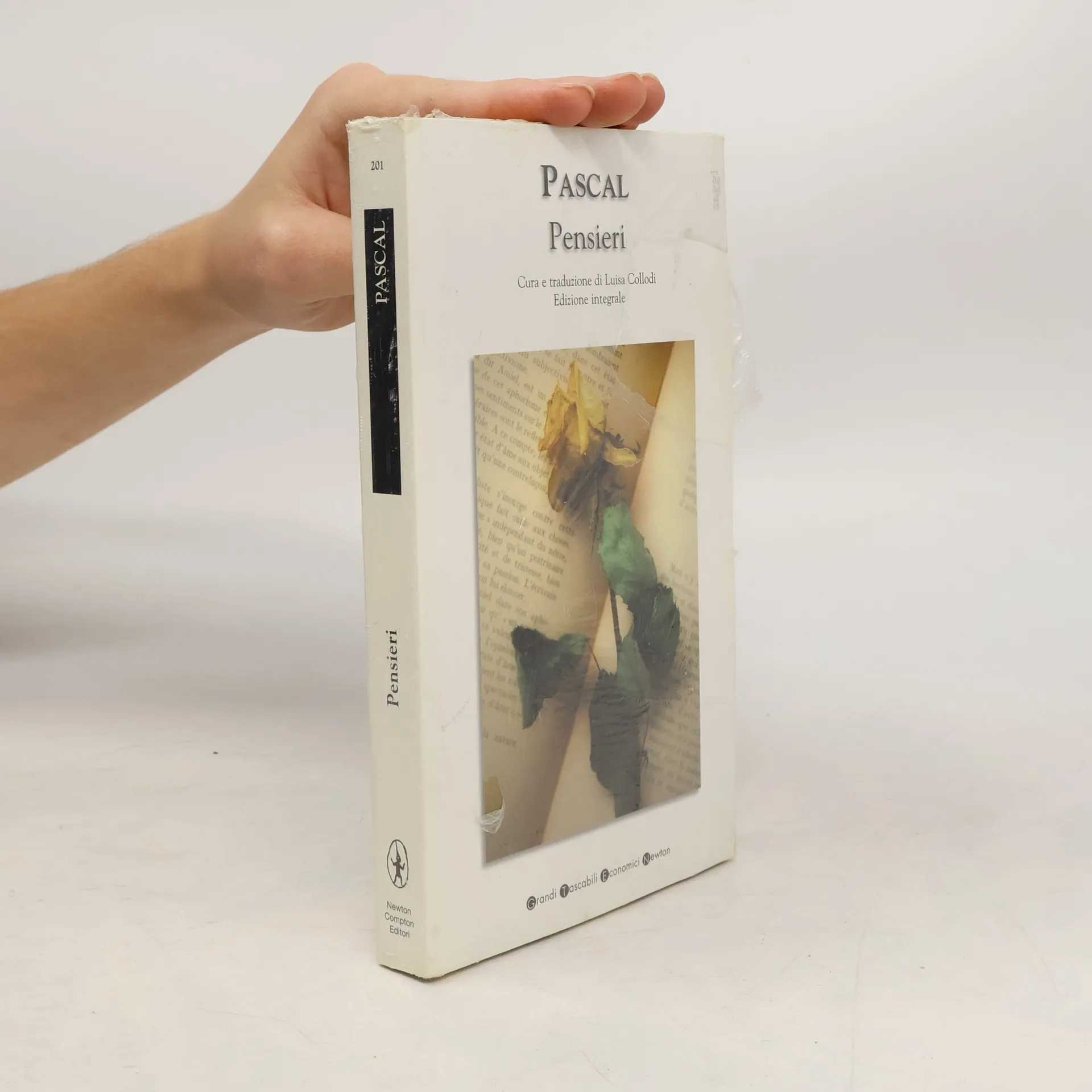
Grandi Tascabili Economici Newton - 201: Pensieri. Ediz. integrale
- 282 páginas
- 10 horas de lectura