The Big Green Tent is the kind of book for which the term Russian novel was
invented. A sweeping saga, it tells the story of three school friends who meet
in 1950s Moscow and go on to embody the heroism, folly, compromise, and hope
of the Soviet dissident experience.
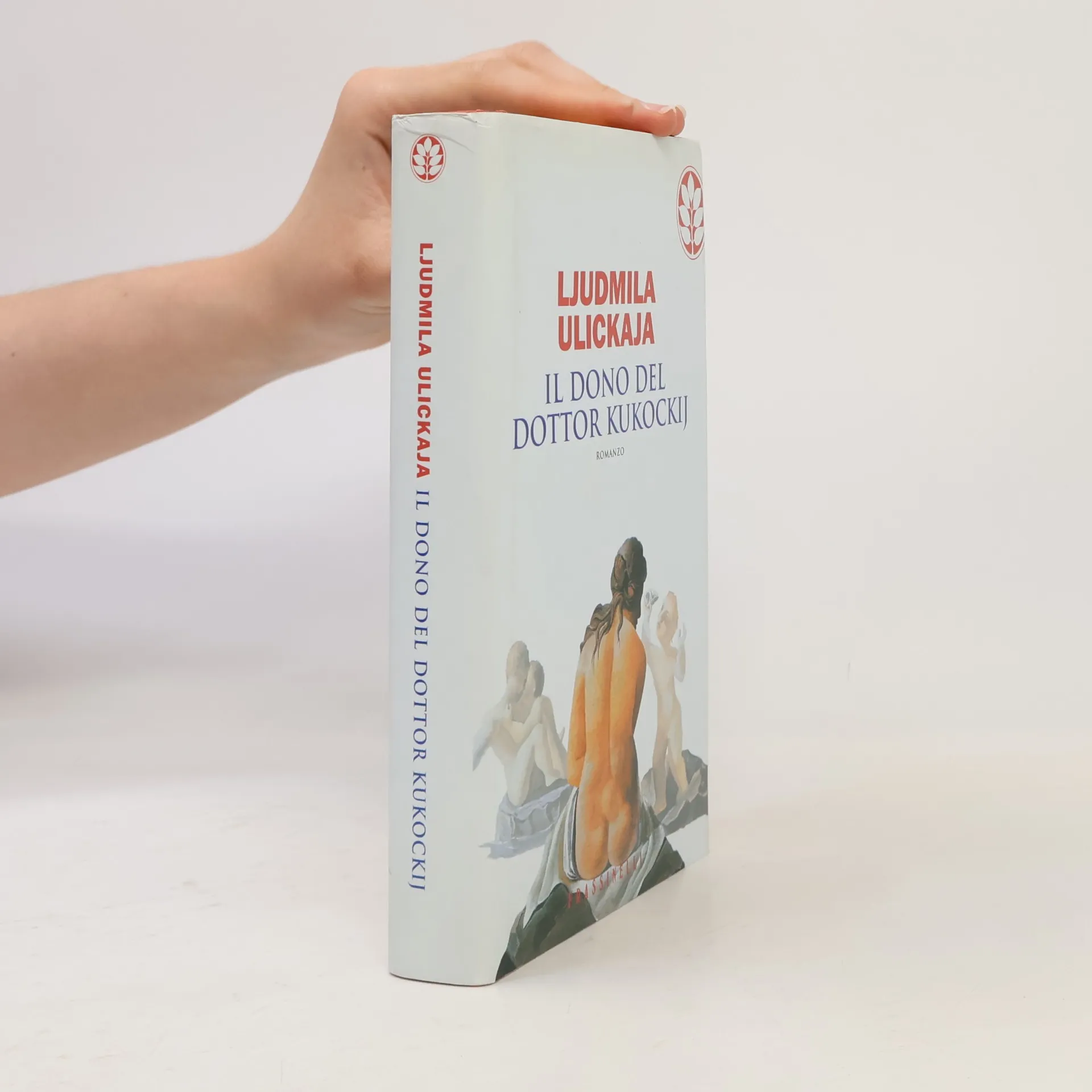
Il dottor Kukockij è un uomo profondamente altruista e integro, un medico geniale che ha un dono unico: è capace di vedere all'interno del corpo umano. E anche la moglie, la dolce Elena, ha una sua prerogativa: quella di accedere a misteriose dimensioni ultraterrene, in cui la realtà materiale riceve una sua sublimazione. Mitigate da una iniziale armonia, le differenze tra i coniugi divengono presto la causa di una crisi che scava tra i due, con loro grande stupore, un abisso incolmabile. E poi c'è Tanja, la figlia, una vera epigona delle eroine tolstoiane: bellissima e talentuosa, si brucia per vivere a fondo la vita senza compromessi. Una storia densa e complessa, ambientata tra la seconda guerra mondiale e gli anni Sessanta.
Canine conspiracies, spurned lovers, murderous greed, jealousy, politics,
power and knitting: Pelagia and the White Bulldog marks the beginning of an
addictively entertaining new crime series from the internationally bestselling
author, Boris Akunin.
Brilliant stories that show the growth of a novelist's mind, and the raw material that fed the wild surrealism of Bulgakov's later fiction. With the ink still wet on his diploma, the twenty-five-year-old Dr. Mikhail Bulgakov was flung into the depths of rural Russia which, in 1916-17, was still largely unaffected by such novelties as the motor car, the telephone or electric light. How his alter-ego copes (or fails to cope) with the new and often appalling responsibilities of a lone doctor in a vast country practice — on the eve of Revolution — is described in Bulgakov's delightful blend of candid realism and imaginative exuberance.
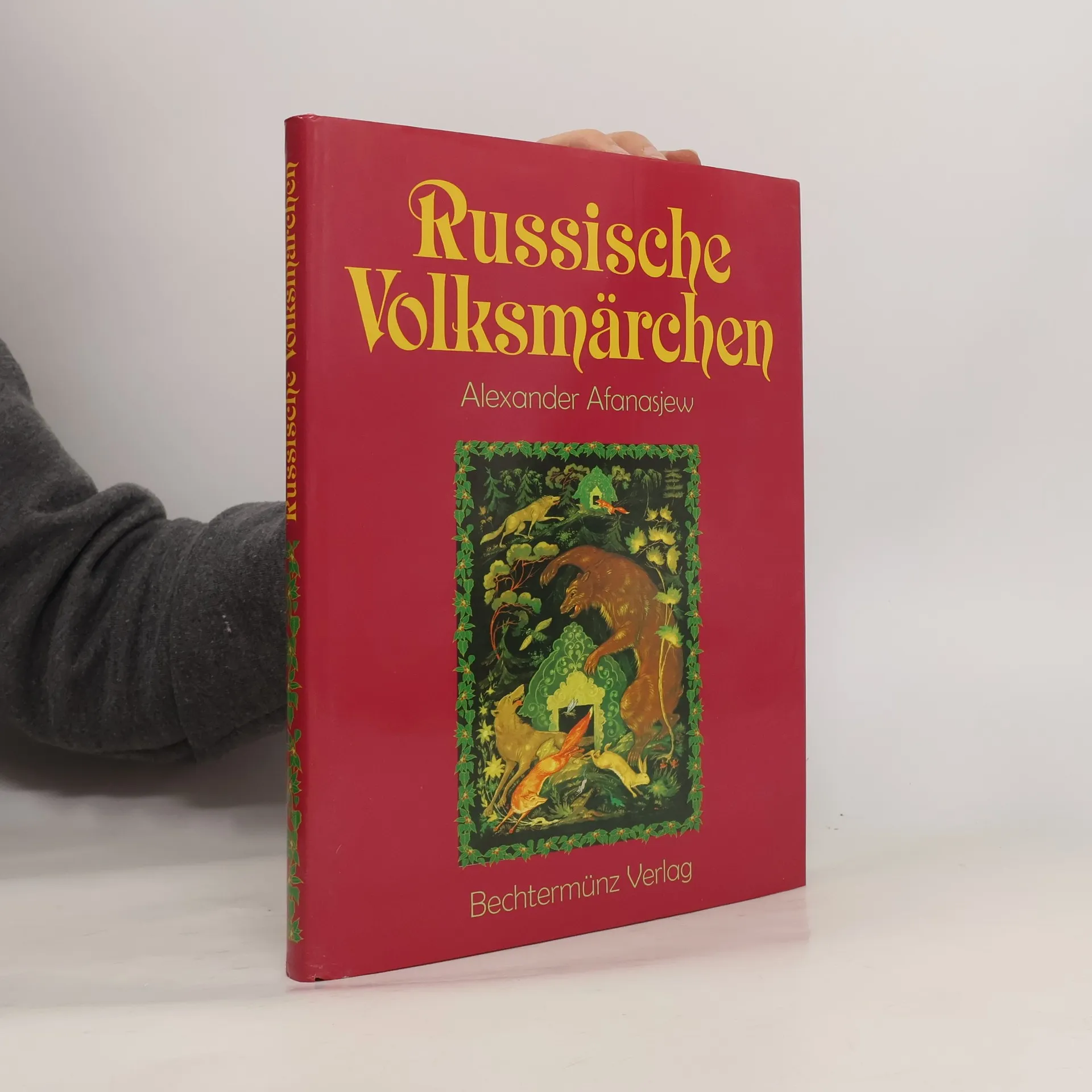
Die großartige Sammlung russischer Volksmärchen von Alexander Afanasjew (1826–1871) verzauberte schon Generationen von Lesern in aller Welt. Ihr Reiz speist sich aus dem Reichtum der russischen Erzähltradition und der schier grenzenlos wirkenden Vielfalt ihrer Stoffe. Afanasjew gilt zu Recht als der russische Grimm: Ähnlich wie dem berühmten deutschen Brüderpaar ging es ihm um die Bewahrung des wertvollen literarischen Erbes seiner Sprache, um das Bewußtsein, welch grandioser Schatz in den mythischen Märchenerzählungen seines Landes liegt.