

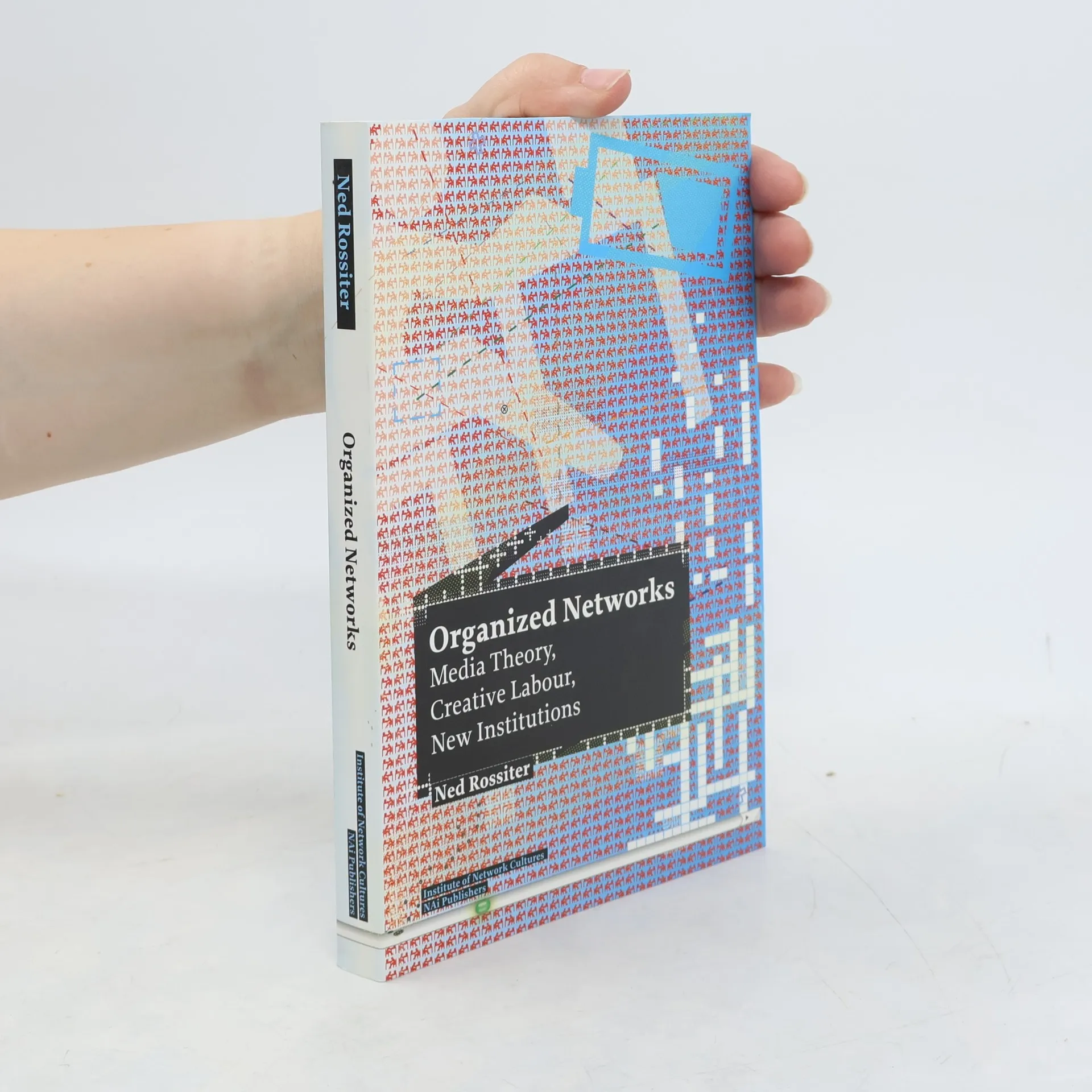
The celebration of network cultures as open, decentralized, and horizontal all too easily forgets the political dimensions of labour and life in informational times. Organized Networks sets out to destroy these myths by tracking the antagonisms that lurk within Internet governance debates, the exploitation of labour in the creative industries, and the aesthetics of global finance capital. Cutting across the fields of media theory, political philosophy, and cultural critique, Ned Rossiter diagnoses some of the key problematics facing network cultures today. Why have radical social-technical networks so often collapsed after the party? What are the key resources common to critical network cultures? And how might these create conditions for the invention of new platforms of organization and sustainability? These questions are central to the survival of networks in a post-dotcom era. Derived from research and experiences participating in network cultures, Rossiter unleashes a range of strategic concepts in order to explain and facilitate the current transformation of networks into autonomous political and cultural 'networks of networks'.
Ned Rossiter Libros

about the The MyCreativity Reader is a collection of critical research into the creative industries. The material develops out of the MyCreativity Convention on Int. Creative Industries Research held in Amsterdam, November 2006. This two-day conference sought to bring the trends and tendencies around the creative industries into critical question. The Òcreative industriesÓ concept was initiated by the UK Blair government in 1997 to revitalise de-industrialised urban zones. Gathering momentum after being celebrated in Richard FloridaÕs best-seller The Creative Class (2002), the concept mobilised around the world as the zeitgeist of creative entrepreneurs and policy-makers. Despite the euphoria surrounding the creative industries, there has been very little critical research that pays attention to local and national and variations, working conditions, the impact of restrictive intellectual property regimes and questions of economic sustainability.