

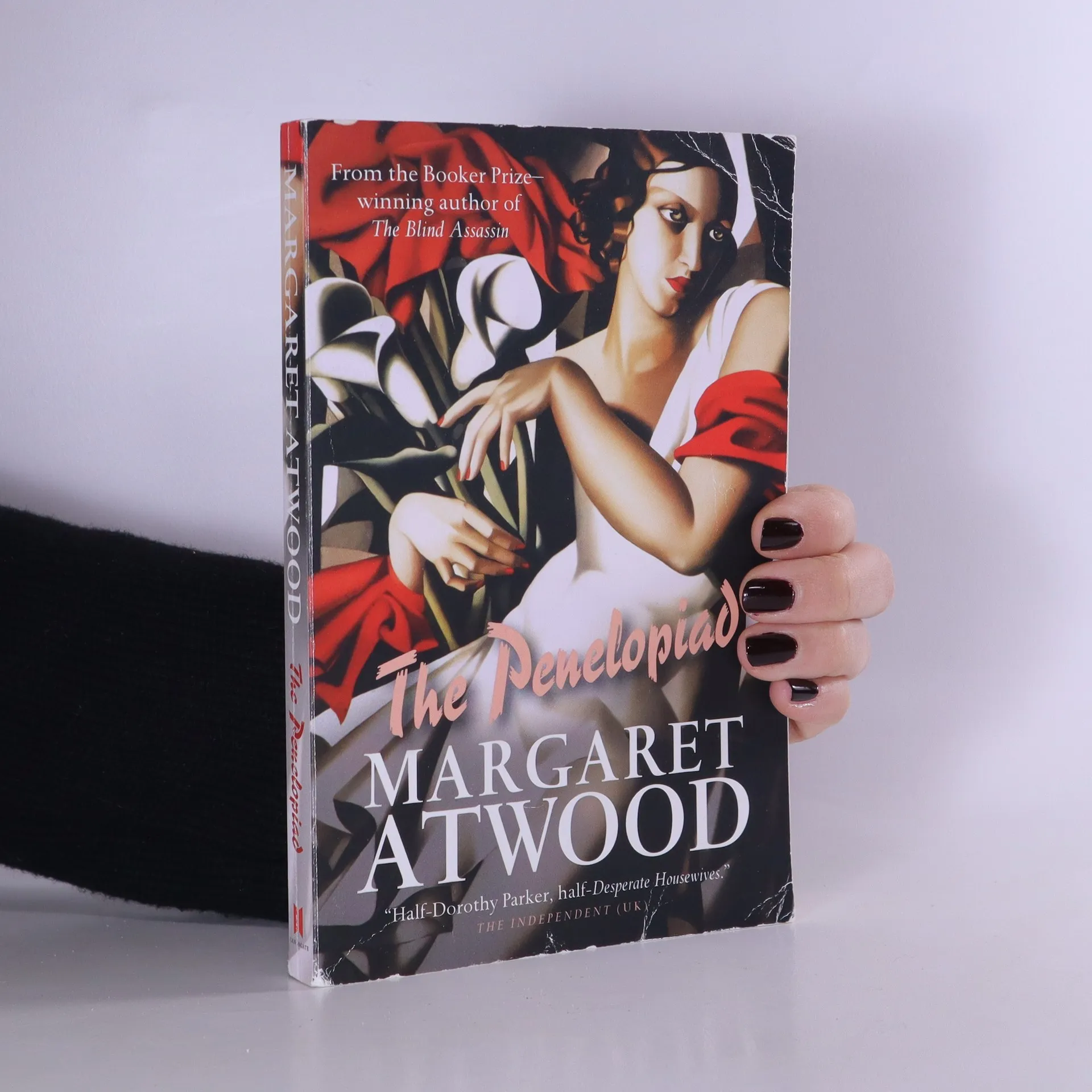
Now that all the others have run out of air, it's my turn to do a little story-making.In Homer's account in The Odyssey, Penelope—wife of Odysseus and cousin of the beautiful Helen of Troy—is portrayed as the quintessential faithful wife, her story a salutary lesson through the ages. Left alone for twenty years when Odysseus goes off to fight in the Trojan War after the abduction of Helen, Penelope manages, in the face of scandalous rumors, to maintain the kingdom of Ithaca, bring up her wayward son, and keep over a hundred suitors at bay, simultaneously. When Odysseus finally comes home after enduring hardships, overcoming monsters, and sleeping with goddesses, he kills her suitors and—curiously—twelve of her maids.In a splendid contemporary twist to the ancient story, Margaret Atwood has chosen to give the telling of it to Penelope and to her twelve hanged maids, asking: "What led to the hanging of the maids, and what was Penelope really up to?" In Atwood's dazzling, playful retelling, the story becomes as wise and compassionate as it is haunting, and as wildly entertaining as it is disturbing. With wit and verve, drawing on the story-telling and poetic talent for which she herself is renowned, she gives Penelope new life and reality—and sets out to provide an answer to an ancient mystery.
Margherita Crepax Orden de los libros (cronológico)


Їсти, молитися, кохати
- 416 páginas
- 15 horas de lectura
«Їсти, молитися, кохати» - надзвичайно щира розповідь жінки про духовне переродження і позитивні зміни у житті. Автор книги на власному прикладі довела, що навіть після найбільших криз можна не лише відновитися, а й відкрити в собі нові грані, можливості та рівні переживань. Героїня її роману - письменниця Ліз – розчарована у сімейному житті та зневірена в особистому щасті. Жінка втрачає головне: сенс та смак до життя. Аби набратися сил та повернутися до життя, Ліз вирішує подорожувати. На її шляху три країни: Італія, Індонезія та Індія. Там вона вчиться їсти зі смаком, молитися з відкритим серцем та кохати, наче вперше.
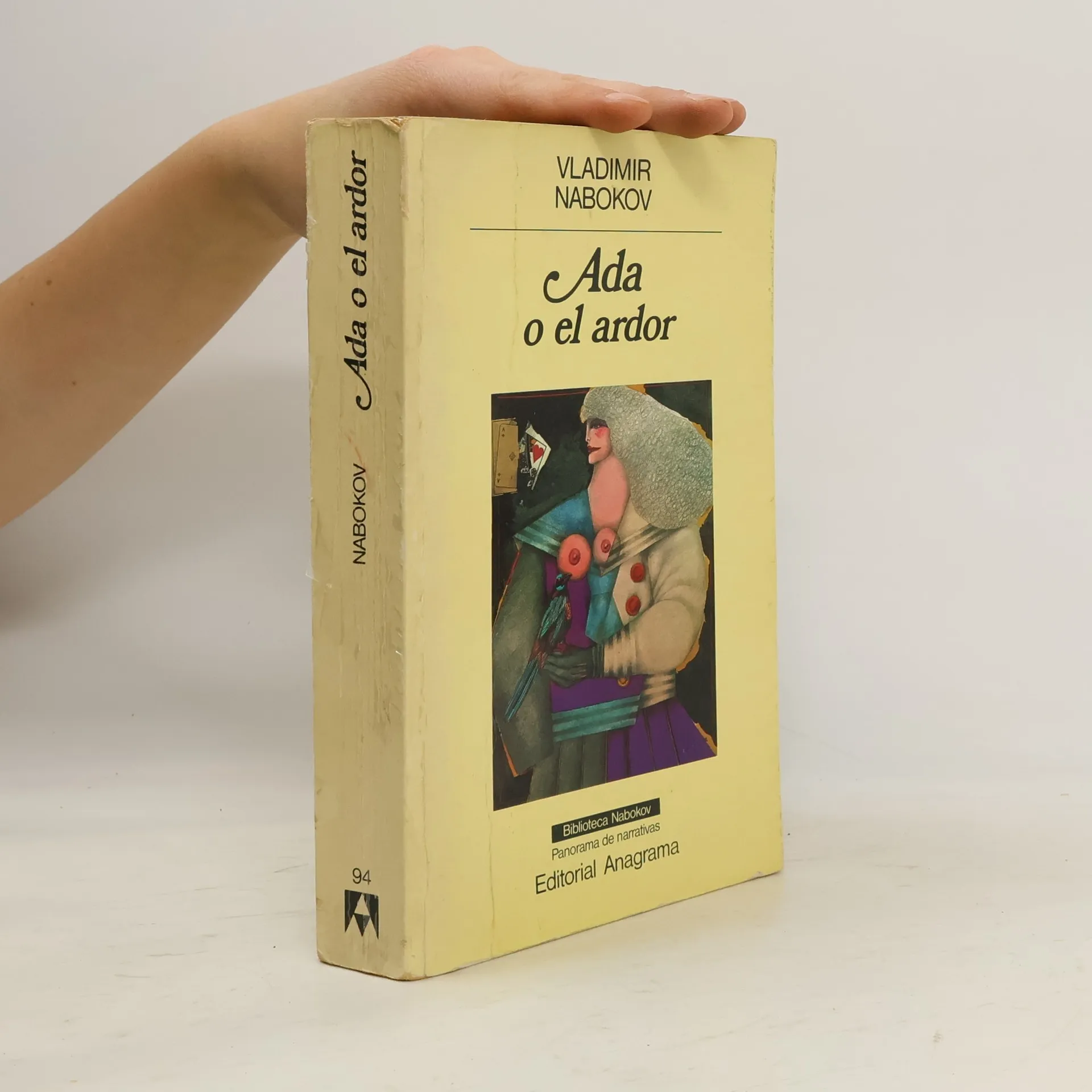
Ada o el ardor
- 480 páginas
- 17 horas de lectura
Publicada dos semanas después del setenta aniversario de Nabokov, "Ada o el ardor" supone la cumbre de la narrativa de uno de los autores más relevantes del siglo XX. En ella se aborda la singular crónica familiar e historia de amor (incestuoso), de Ada y Veen, dos hermanos que, habiendo crecido separados creen que su parentesco es más lejano del que en realidad es y por ello, siendo ambos adolescentes, se atreven a cruzar la línea y mantener un encuentro sexual en la finca familiar de Ardis (el Jardín del Edén), que supone el inicio de un idilio que a lo largo de los años será rico en encuentros y desencuentros. Con motivo del noventa y siete cumpleaños de Van, inmersos en la más placentera nostalgia, contemplan los distintos avatares de su amor convencidos de que la felicidad y el éxtasis más ardoroso están al alcance de la mano de todo aquel que conserve el arte de la memoria. Además de dicha historia, enmarcada en un país imaginario que es una mezcla de Estados Unidos y Rusia, este libro también es un tratado filosófico sobre la naturaleza del tiempo, una paródica historia del género novelesco, una novela erótica, un canto al placer y una reivindicación del Paraíso entendido como algo que no hay que buscar en el más allá, sino en la Tierra.
Los crímenes del balnerio
- 311 páginas
- 11 horas de lectura
Nastia Kaménskaya, mientras se halla descansando en un balneario se ve envuelta en un asunto de trata de blancas, agentes infiltrados, pornografía y asesinatos.