


Bookbot

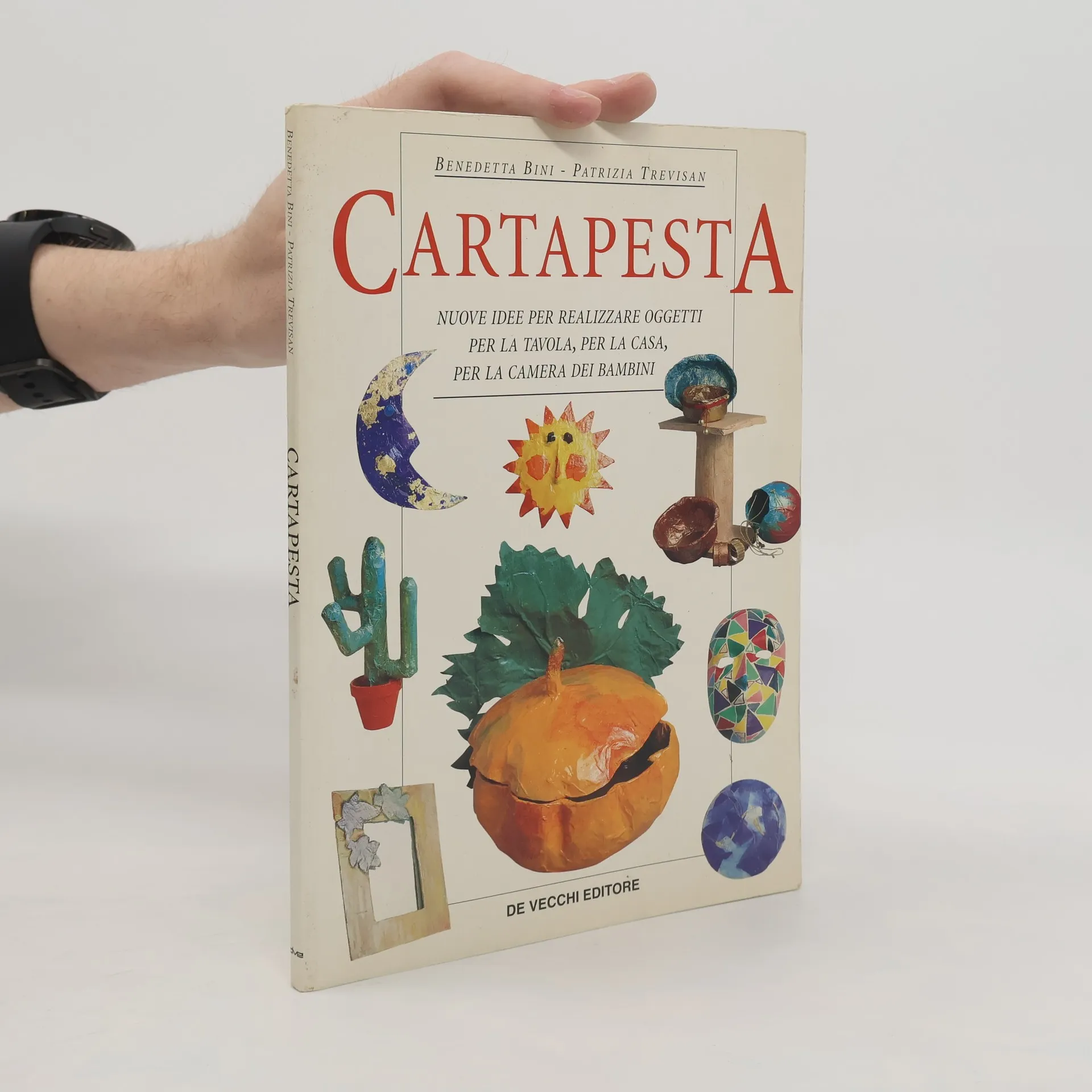
Benedetta Bini

    Cartapesta. Nuove idee per realizzare oggetti per la tavola, per la casa, per la camera dei bambini
    The Europeans
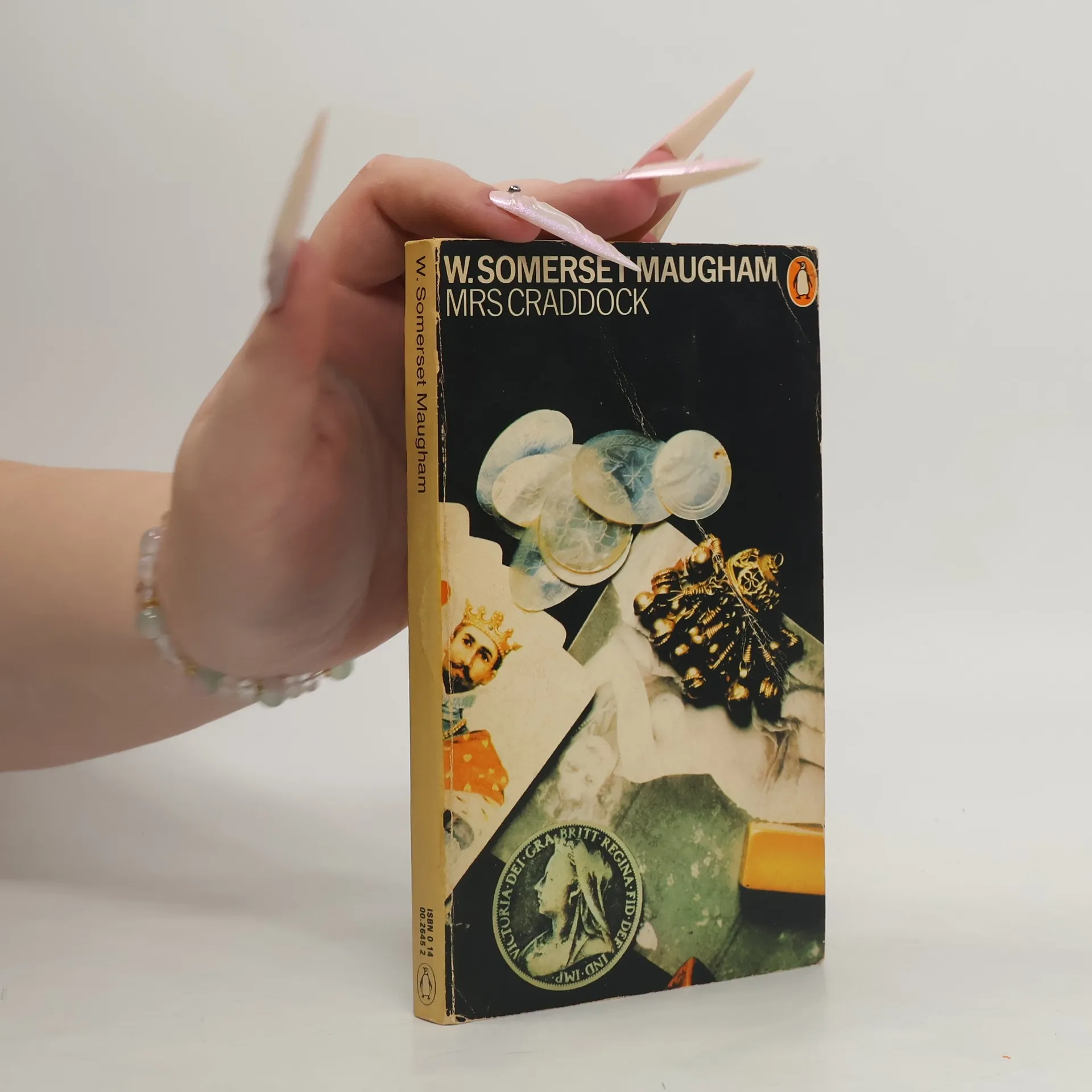
    Mrs Craddock
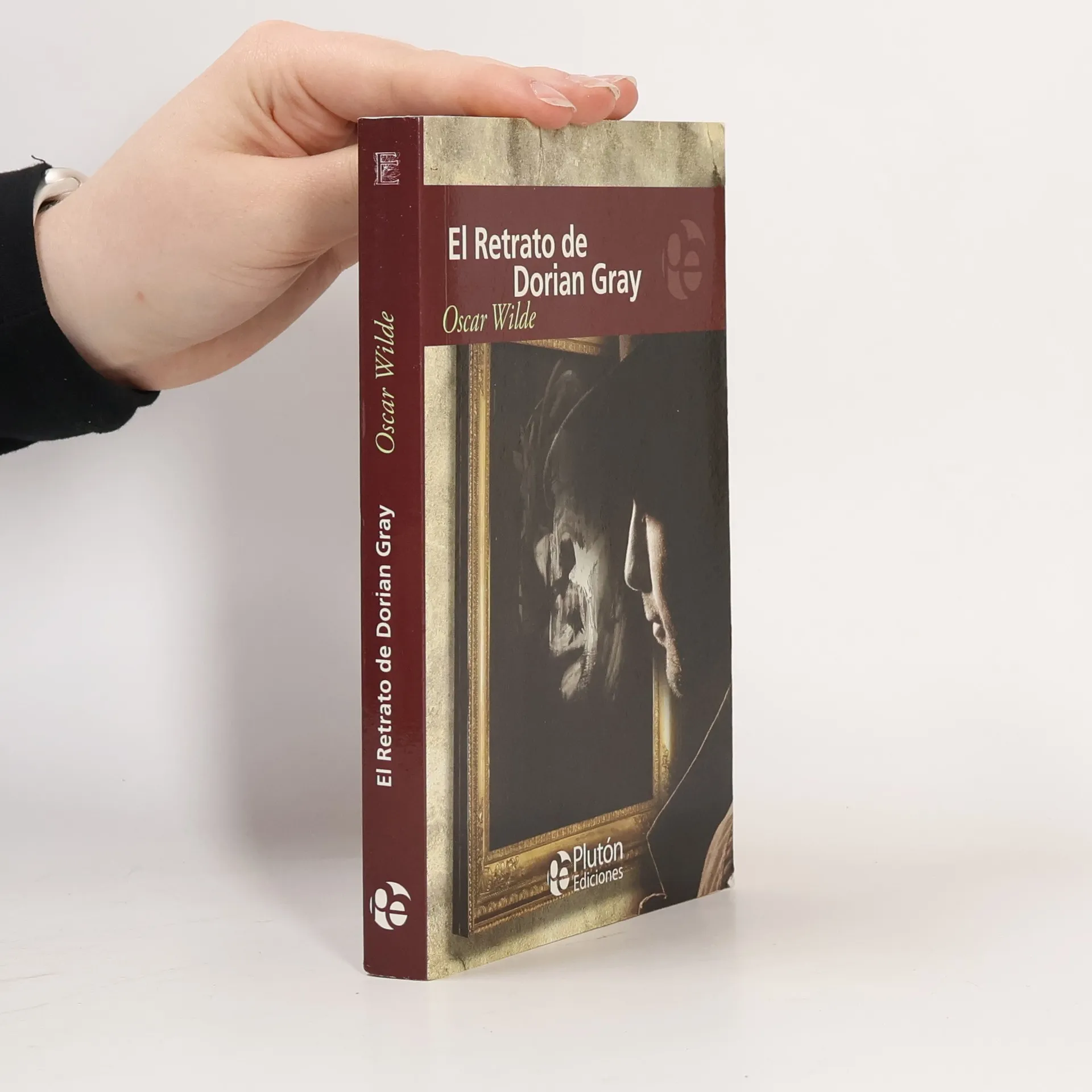
    El retrato de Dorian Grey
    • El retrato de Dorian Grey

      • 285 páginas
      • 10 horas de lectura

      Joven agraciado y bellísimo, dotado de 'toda la pasión del espíritu romántico y toda la perfección de lo griego', Dorian Gray es, cuando lo retrata el distinguido pintor Basil Hallward, la encarnación de la armonía vital incorrupta. Sin embargo, inevitablemente, las pasiones, la maldad, el impetuoso torrente de la vida, irrumpen en su existencia. Para su asombro, Gray descubre que es su retrato quien va asumiendo su deterioro físico y moral, protegiendo, en apariencia, su inmaculada imagen.

      El retrato de Dorian Grey
      4,2
    • Set in the final years of the 19th century, "Mrs Craddock" tells the story of a young and attractive woman of independent means who marries beneath her. On her 21st birthday, when she comes into her deceased father's money, Bertha Ley announces, to the dismay of her former guardian, that she is going to marry 27-year-old Edward Craddock, her steward. Having written about a subject that was considered daring at the time, Maugham had some difficulty finding a publisher. Completed in 1900, the novel was eventually published in 1902 by William Heinemann, but only on the condition that the author remove passages which, according to Heinemann, might offend readers. A successful and popular book, Mrs Craddock was reissued in 1903 and again in 1908. In 1938 the first non-Bowdlerized version, stylistically improved by Maugham, was published.

      Mrs Craddock
      3,8
    • Eugenia, Baroness Mnster, wife of a German princeling who wishes to be rid of her, crosses the ocean with her brother Felix to seek out their American relatives. Their voyage is prompted, apparently, by natural affection; but the Baroness has also come to seek her fortune. The advent of these visitors is viewed by the Wentworths, in the suburbs of Boston, with wonder and some apprehension. The brilliant Eugenia fascinates her impressionable cousins and their more worldly neighbour, butshe is baffled by these people, 'to whom fibbing was not pleasing'. Meanwhile Felix, painter of trifling sketches, eases them all in and out of various amorous complications, with 'no fear of not being, in the end, agreeable'.

      The Europeans
      3,7