

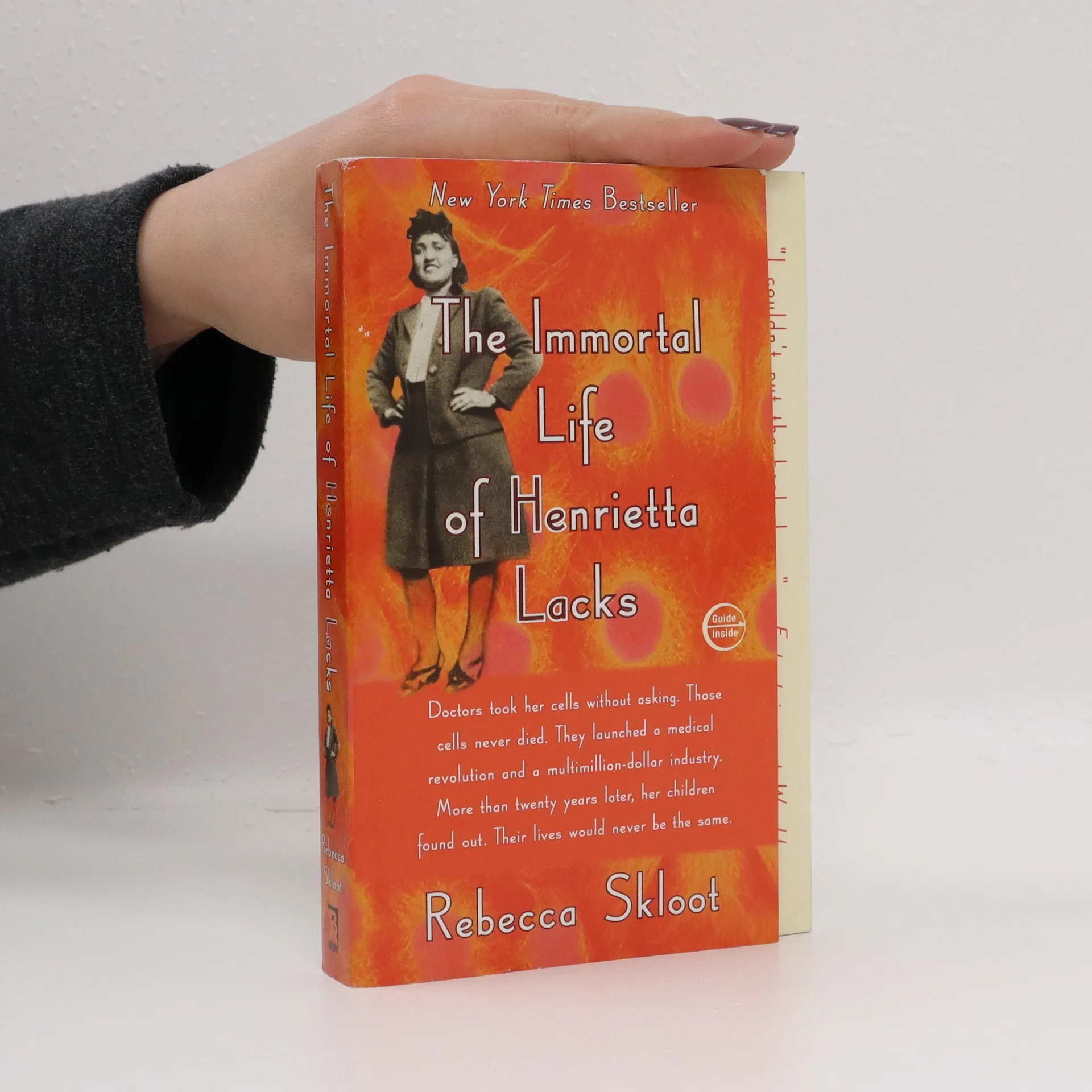
"Her name was Henrietta Lacks, but scientists know her as HeLa. She was a poor Southern tobacco farmer, yet her cells--taken without her knowledge--became one of the most important tools in medicine. The first "immortal" human cells grown in culture, they are still alive today, though she has been dead for more than sixty years. HeLa cells were vital for developing the polio vaccine; uncovered secrets of cancer and viruses; helped lead to in vitro fertilization, cloning, and gene mapping; and have been bought and sold by the billions. Yet Henrietta Lacks is buried in an unmarked grave. Her family did not learn of her "immortality" until more than twenty years after her death, when scientists began using her husband and children in research without informed consent. The story of the Lacks family is inextricably connected to the dark history of experimentation on African Americans, the birth of bioethics, and the legal battles over whether we control the stuff we are made of"--Publisher's description
Luigi Civalleri Orden de los libros (cronológico)


Spillover. Die neuen Seuchen, englische Ausgabe
- 592 páginas
- 21 horas de lectura
Examines the emergence and causes of new diseases all over the world, describing a process called “spillover” where illness originates in wild animals before being passed to humans and discusses the potential for the next huge pandemic. 70,000 first printing.
The Suspicions of Mr. Whicher
- 384 páginas
- 14 horas de lectura
It is a summer's night in 1860. In an elegant detached Georgian house in the village of Road, Wiltshire, all is quiet. Behind shuttered windows the Kent family lies sound asleep. At some point after midnight a dog barks. The family wakes the next morning to a horrific discovery: an unimaginably gruesome murder has taken place in their home. The household reverberates with shock, not least because the guilty party is surely still among them. Jack Whicher of Scotland Yard, the most celebrated detective of his day, reaches Road Hill House a fortnight later. He faces an unenviable task: to solve a case in which the grieving family are the suspects. The murder provokes national hysteria. The thought of what might be festering behind the closed doors of respectable middle-class homes - scheming servants, rebellious children, insanity, jealousy, loneliness and loathing - arouses fear and a kind of excitement. But when Whicher reaches his shocking conclusion there is uproar and bewilderment. A true story that inspired a generation of writers such as Wilkie Collins, Charles Dickens and Arthur Conan Doyle, this has all the hallmarks of the classic murder mystery - a body; a detective; a country house steeped in secrets. In The Suspicions of Mr Whicher Kate Summerscale untangles the facts behind this notorious case, bringing it back to vivid, extraordinary life.
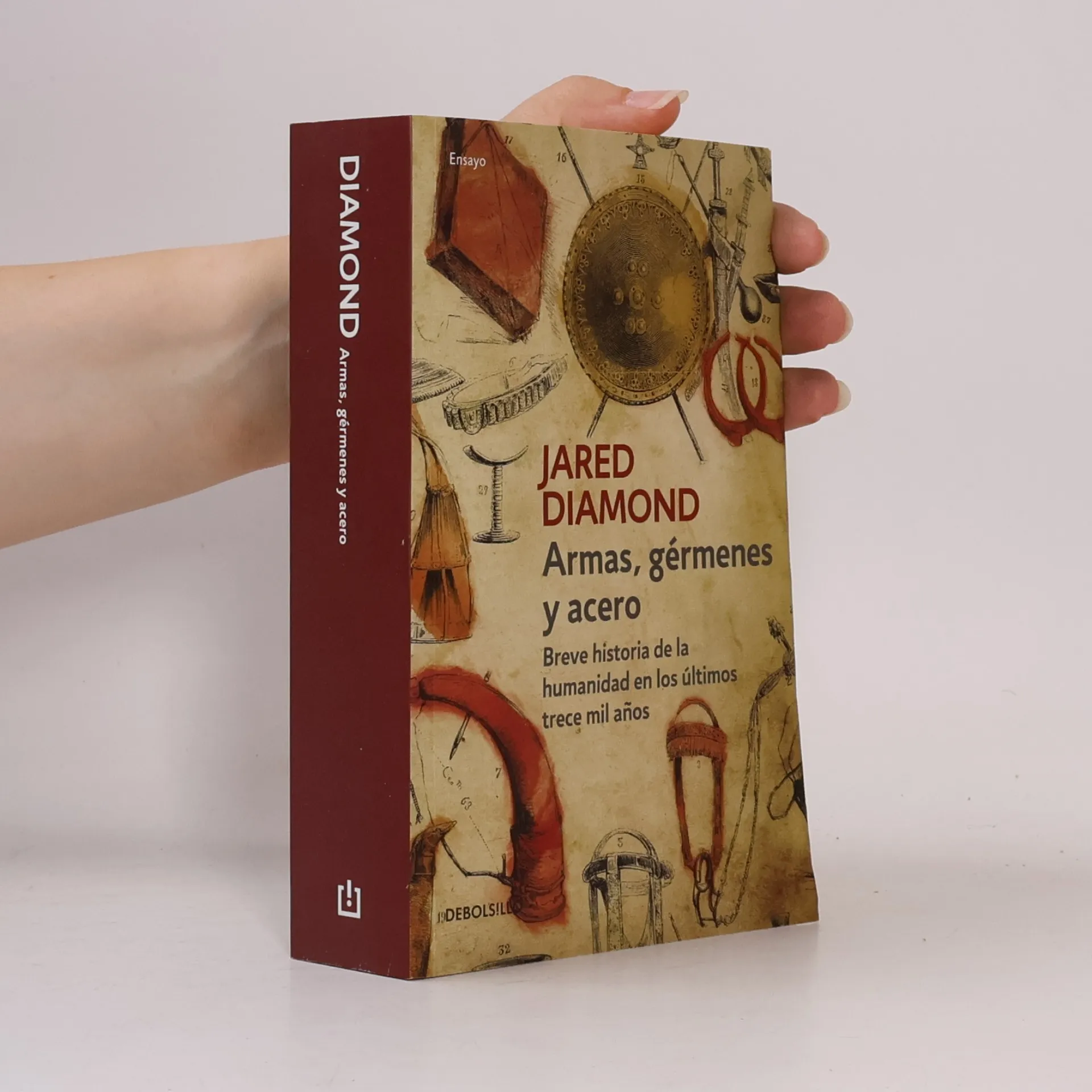
Armas, germenes y acero / Guns, Germs, and Steel
The Fates of Human Societies
- 592 páginas
- 21 horas de lectura
Hace trece mil años, la evolución de las sociedades humanas comenzó a divergir. La domesticación de animales y el cultivo de plantas en regiones como China y Mesoamérica otorgaron ventajas iniciales a sus habitantes. Sin embargo, los orígenes de la agricultura y la ganadería son solo parte de la explicación de los diferentes destinos de los pueblos. Aquellas sociedades que superaron la fase de cazadores-recolectores encontraron más oportunidades para desarrollar escritura, tecnología y estructuras políticas, además de sobrevivir a gérmenes nocivos y crear poderosas armas. El profesor Jared Diamond demuestra que la diversidad cultural se basa en diferencias geográficas, ecológicas y territoriales, analizando cómo evolucionó la humanidad y por qué algunos pueblos avanzaron hacia la civilización mientras que otros se estancaron. Este libro ofrece una comprensión profunda de la historia humana, argumentando que factores geográficos y ambientales moldearon el mundo moderno. Las sociedades que lograron un avance en la producción de alimentos superaron el estadio de cazadores-recolectores, desarrollando religión, gérmenes y armas, y conquistando culturas preliterarias. Ganador del Pulitzer y otros prestigiosos premios, este trabajo desmantela teorías raciales sobre la historia humana.