
Bookbot

Liesbeth Dillo

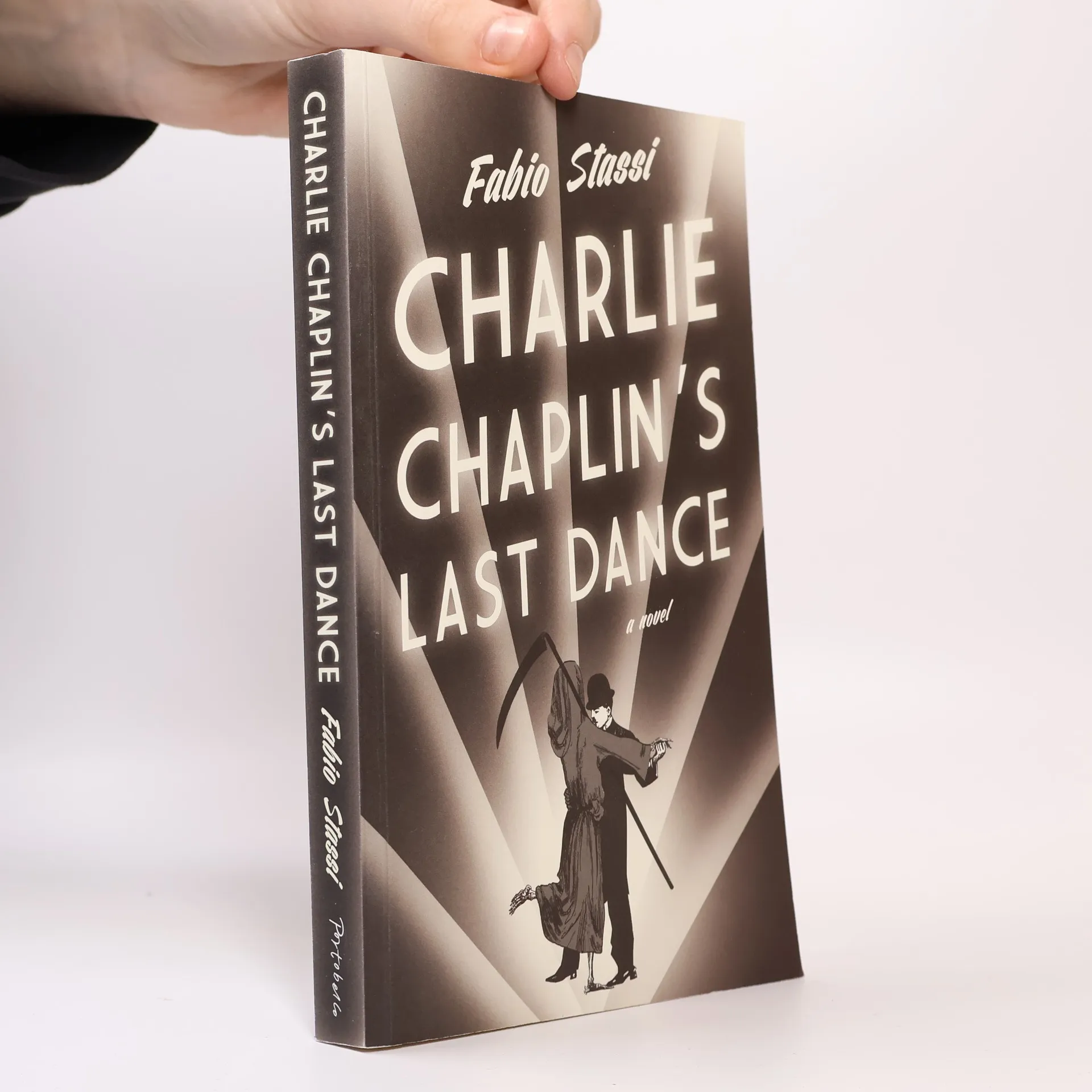
    Charlie Chaplin's Last Dance
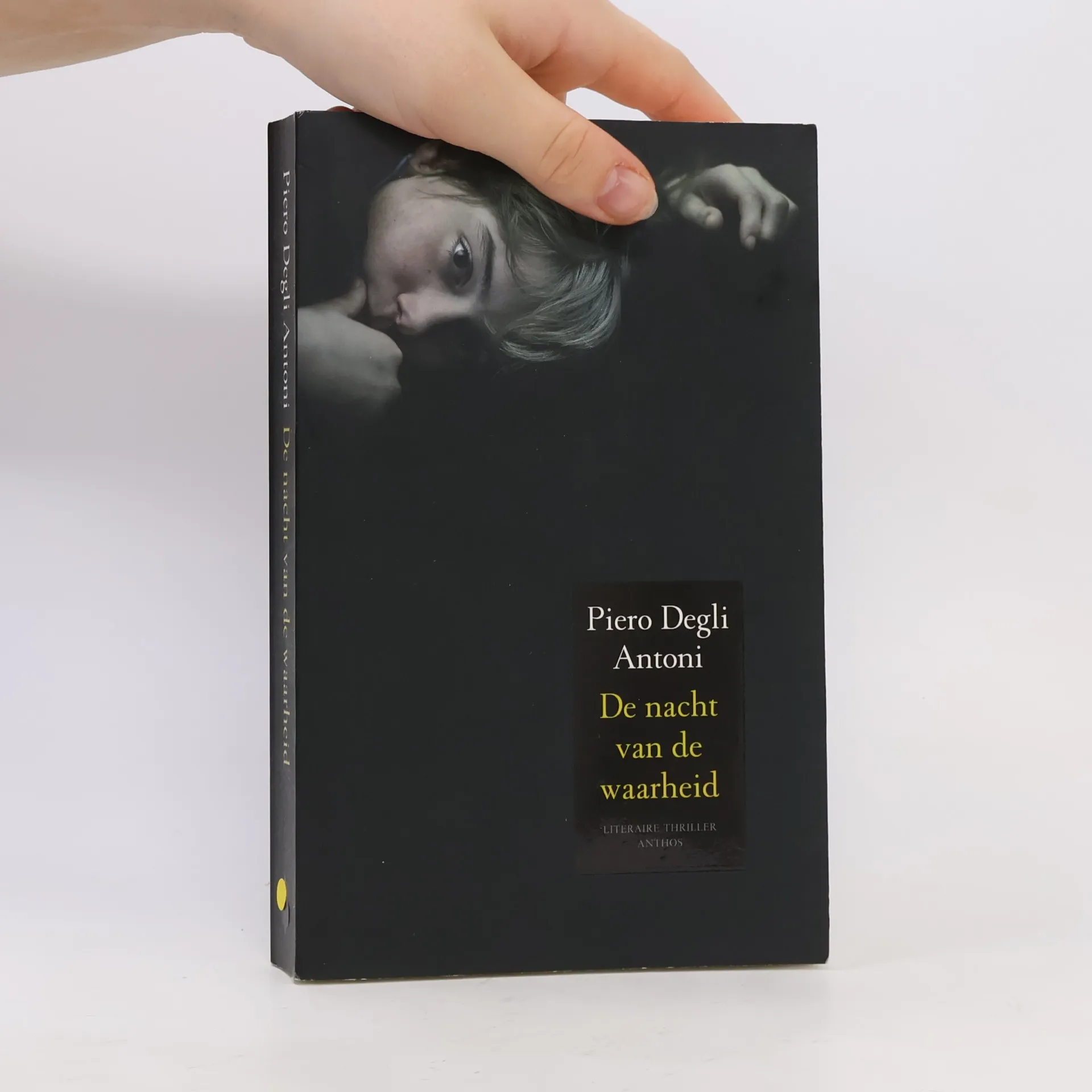
    Het laatste concert
    El fotógrafo de Auschwitz
    • El fotógrafo de Auschwitz

      Una conmovedora novela sobre el prisionero que documentó el horror nazi

      • 368 páginas
      • 13 horas de lectura

      Wilhelm Brasse, prisionero número 3444 en Auschwitz, fue obligado entre 1940 y 1945 a capturar en fotografías cada detalle espantoso de la vida en el campo. Confrontado diariamente con la desesperación y el sufrimiento de los prisioneros, Brasse se dio cuenta de que debía hacer algo para hacer públicas estas atrocidades. Una y otra vez, arriesgó su vida al entregar fotos y negativos a la resistencia polaca. Sin embargo, incluso en los campos de muerte, Brasse encontró inesperadas muestras de esperanza: el valor de los resistentes, un pequeño gesto amable y el hallazgo del amor en el lugar más improbable del mundo, le convencieron de que, incluso cara a cara con la muerte, algunas personas nunca pierden su humanidad ni la esperanza de una vida mejor.

      El fotógrafo de Auschwitz
      4,4
    • Het laatste concert

      • 221 páginas
      • 8 horas de lectura

      Alexander Norberg, een wereldberoemd orkestdirigent, beëindigt onverwachts zijn loopbaan en doet dat met een gedenkwaardig concert: hij wil het fameuze Stabat Mater van Pergolesi ten gehore brengen. Als locatie kiest hij een oude kathedraal in IJsland. Voor het concert worden slechts tweeënvijftig mensen uitgenodigd, willekeurige personen die worden gekozen uit het telefoonboek van Reykjavik. IJsland houdt de adem in.

      Het laatste concert
      3,7
    • Charlie Chaplin's Last Dance

      • 240 páginas
      • 9 horas de lectura

      'A day without laughter is a day wasted.' It is Christmas Day when Charlie Chaplin receives a visit from Death. The great actor is 82 years old, but not yet ready to face the final curtain. Desperate to see his teenage son grow up, the actor strikes a deal: if he manages to make Death laugh, he will win an extra year of life. As he awaits his final, fatal encounter, Chaplin composes an impassioned letter to his son, in which he attempts to tell him about his past, from his impoverished childhood in England (with an alcoholic father and a mother who went mad) to the heights of success on the silver screen in America, via stints in the circus and vaudeville, and odd jobs as a newspaper hawker, printer, boxer and embalmer. As well as being the story of the evolution of a comic genius, this is the story of the evolution of cinema and how a beam of light on a white screen fired the imagination of an entire nation. As in his silent films, Charlie's adventures are simultaneously tragic and comic. The narrative flickers at a frenetic clip from false starts and early failures to eventual triumph in the magical moment when - before the eyes of a stupefied film crew - Charlie became the Tramp: with a little moustache, a shuffling slantwise walk, a cane and a dusty bowler hat, one of the most iconic figures of the golden age of cinema was born.

      Charlie Chaplin's Last Dance
      3,9