
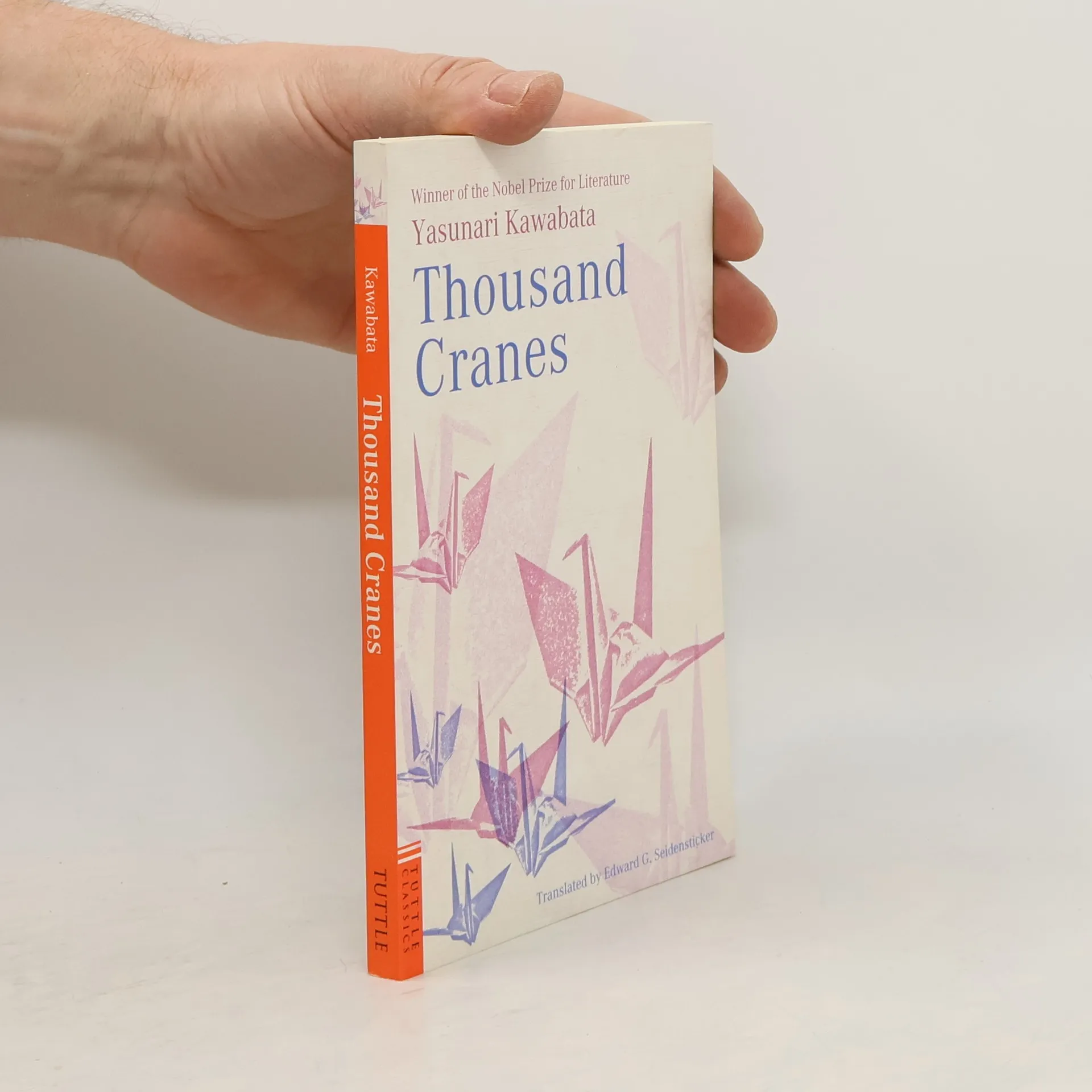
Kikuji has been invited to a tea ceremony by a mistress of his dead father, only to find that the mistress’ rival and successor is also present. He falls for her, with devastating consequences. By 1949 Yasunari Kawabata, the first Japanese author to win the Nobel Prize for Literature, felt that the tradition of the tea ceremony had been degraded. In this delicate novella he uses the ceremony as a powerful vehicle for loneliness, yearning and loss of history.
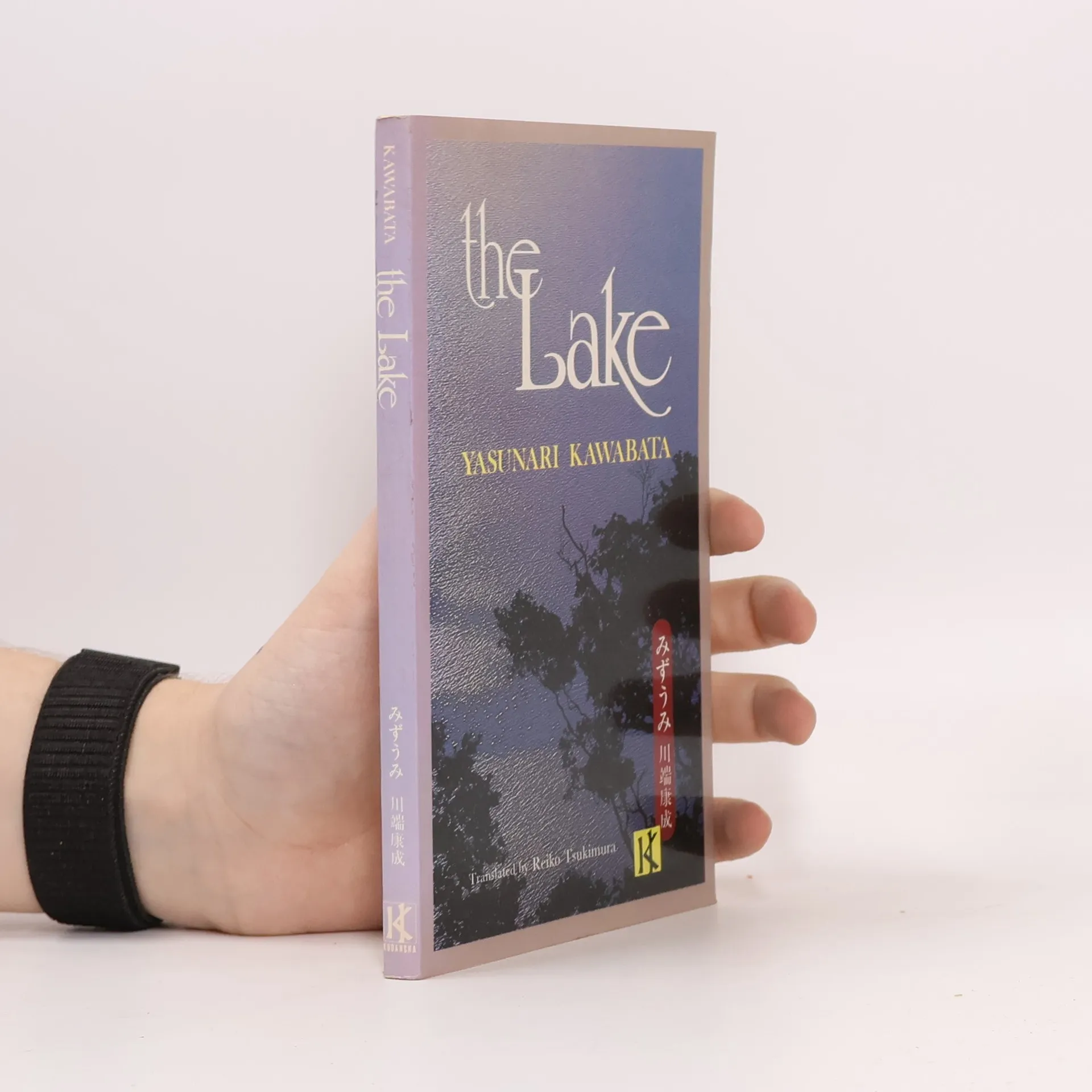
The Lake is the history of an obsession. It traces a man's sad pursuit of an unattainable perfection, a beauty out of reach, admired from a distance, unconsummated. Homeless, a fugitive from an ambiguous crime, his is an incurable longing that drives him to shadow nameless women in the street and hide in ditches as they pass above him, beautiful and aloof. For their beauty is not of this world, but of a dream--the voice of a girl he meets in a Turkish bath is "an angel's," the figures of two students he follows seem to "glide over the green grass that hid their knees." Reality is the durable ugliness that is his constant companion and is symbolized in the grotesque deformity of the hero's feet. And it is the irreconcilable nature of these worlds that explains the strangely dehumanized, shadowy quality of the eroticism that pervades this novel. In a sense The Lake is a formless novel, a "happening," making it one of the most modern of all Kawabata's works. Just as the hero's interest might be caught by some passing stranger, so the course of the novel swerves abruptly from present to past, memory shades into hallucination, dreams break suddenly into daylight. It is an extraordinary performance of free association, made all the more astonishing for the skill with which these fragments are resolved within the completed tapestry.
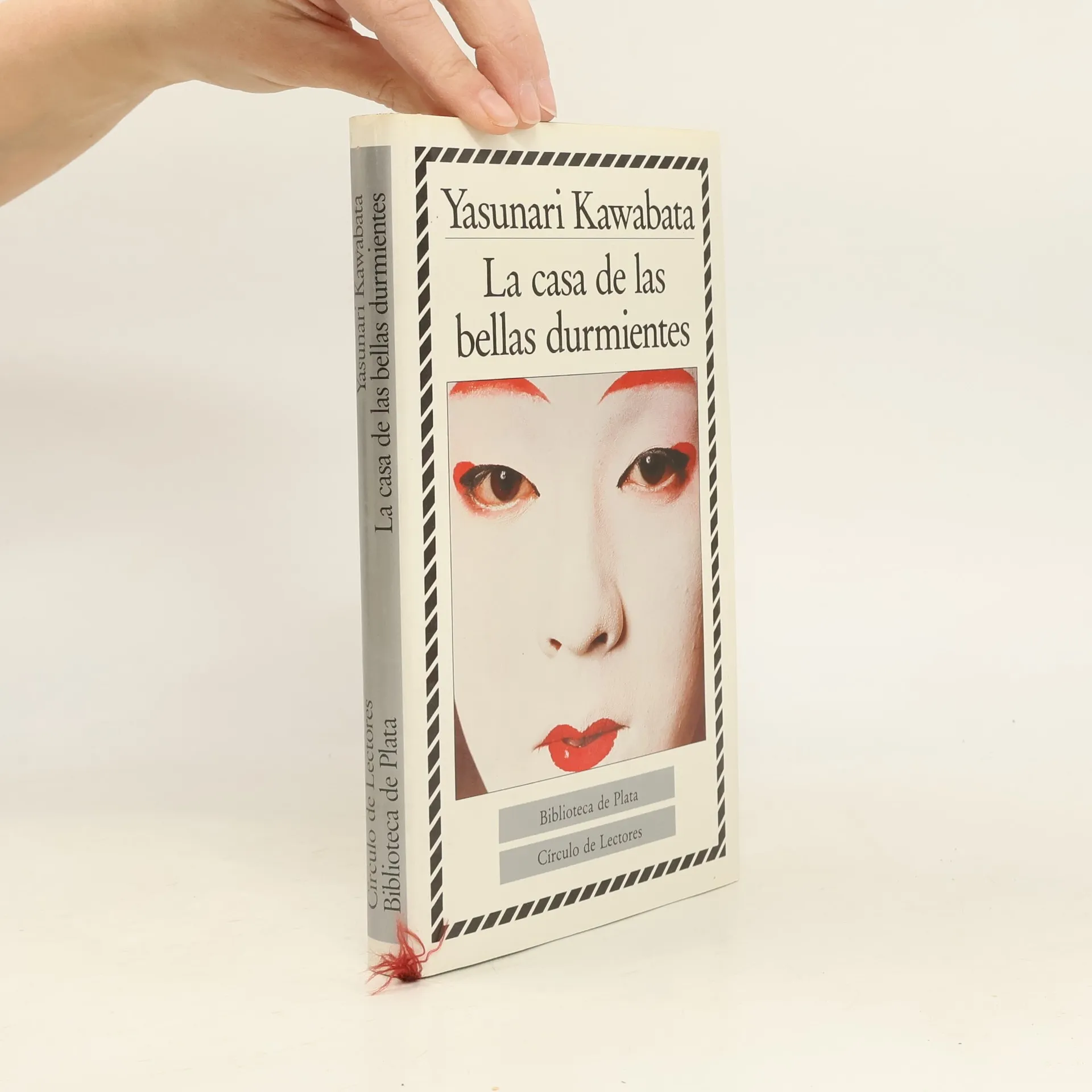
El viejo Eguchi, un solitario anciano, llega a una posada. En ella los hombres mayores pagan para dormir con bellaa jóvenes, adormecidas de antemano y sin tocarlas. La finalidad es revivir los recuerdos que puede producir la juventud tan cercana. Y es así como el anciano Eguchi, sin saberlo, empieza a recordar a una mujer de su juventud y el romance que vivieron durante su huida amorosa. «Es una obra maestra esotérica, es la obra máxima de Kawabata y una de las creaciones más valiosas de la literatura japonesa» —Yukio Mishima. «Breve, bella y profunda, deja en el ánimo del lector la sensación de una metáfora cuyos términos no son fáciles de desentrañar» —Mario Vargas Llosa.
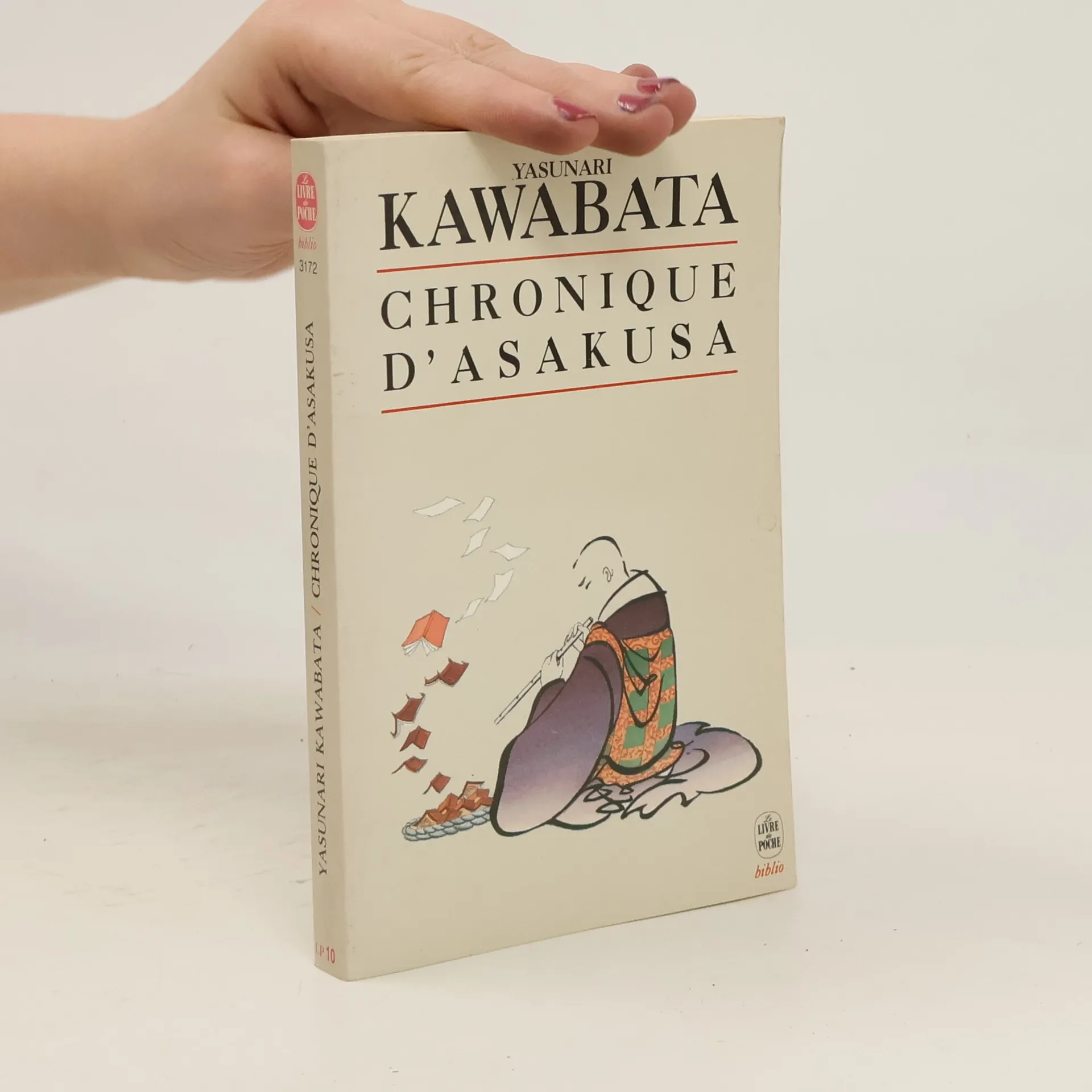
Leurs yeux se cherchA]rent et au moment oA leurs regards allaient se fondre, les bras de l'homme l'attirA]rent vers lui et il posa son visage sur la jeune femme. - ImbA(c)cile ! dit Yumiko en repoussant la bouche de l'homme de la paume de sa main droite. Les dents n'A(c)taient-elles pas teintA(c)es par le poison des pilules que Yumiko lui avait enfoncA(c)es dans la bouche ? Elles avaient fondu en libA(c)rant le liquide. - DA(c)cidA(c)ment, tu n'es qu'un imbA(c)cile ! Akagi blAamit soudain et s'effondra. Yasunari Kawabata.Chronique d'Asakusa, ou la banale histoire de Yumiko, une jeune femme qui voulait croire aux merveilles de l'amour dans le Tokyo des annA(c)es 30. Texte intA(c)gral