Carl Schmitt fue un jurista y teórico político alemán cuyas influyentes obras surgieron durante la República de Weimar. Sus teorías sobre la soberanía, la crisis de la democracia parlamentaria y la política arraigada en la distinción amigo-enemigo moldearon su pensamiento. Si bien Schmitt pretendía defender la Constitución de Weimar, sus escritos en ocasiones señalaron un giro hacia un marco político más autoritario. Su obra posterior se centró en el derecho internacional, criticando el cosmopolitismo liberal y culminando en su obra fundamental sobre el ordenamiento jurídico internacional.
La obra de Carl Schmitt ocupa un lugar preonderante en la historia del pensamiento politico del siglo XX. Con el desarrollo de su teoria de la decision, abiertamente antidemocratica, Schmitt participo el proceso que condujo a la disolucion de la endeble Republica de Weimar y a la instauracion del regimen nacionalsocialista en Alemania. La publicacion de este volumen, mas que tratar de justificar la afinidad ideologica del jurista, busca presentar el corpus esencial de su prolifico y controvertido trabajo.
When Germany was defeated in 1945, both the Russians and the Americans undertook mass internments in the territories they occupied. The Americans called their approach 'automatic arrest'.
Written during the Weimar Republic, the Nazi era, and the Cold War, this collection of occasional pieces provides an instructive look at the ways in which Carl Schmitt employed his theories in order to make judgments about contemporary historical events and problems. Covering topics such as the political significance of universalism and jurisprudence, the meaning of the partisan, the world-historical significance of the Cold War, the deterioration of metaphysics into "values," the relationship between theoretical concepts and concrete historical situations, and his views on thinkers such as Machiavelli, Bodin, and Rousseau, these essays establish a revealing counterpoint to his more formal work. They react on the one hand directly to contemporary political questions and demonstrate the way in which he saw the immediate historical significance of his ideas. On the other hand, he also feels free to provide in these pieces the kinds of methodological reflections that help us to better understand the particular epistemological framework that makes his thought so unique.
Provides an interpretation of the Weimar Constitution. This book presents an
argument that the legitimacy of a constitution depends on a sovereign decision
of people. It develops an understanding of liberal constitutionalism that
makes room for a strong, independent state. It includes an introduction by
Jeffrey Seitzer and Christopher Thornhill.
Carl Schmitt is widely recognized as one of the most important political
theorists of the 20th century. This is the only remaining work by Carl Schmitt
which has not yet been translated into English.
In the International Law of the Jus Publicum Europaeum
372 páginas
14 horas de lectura
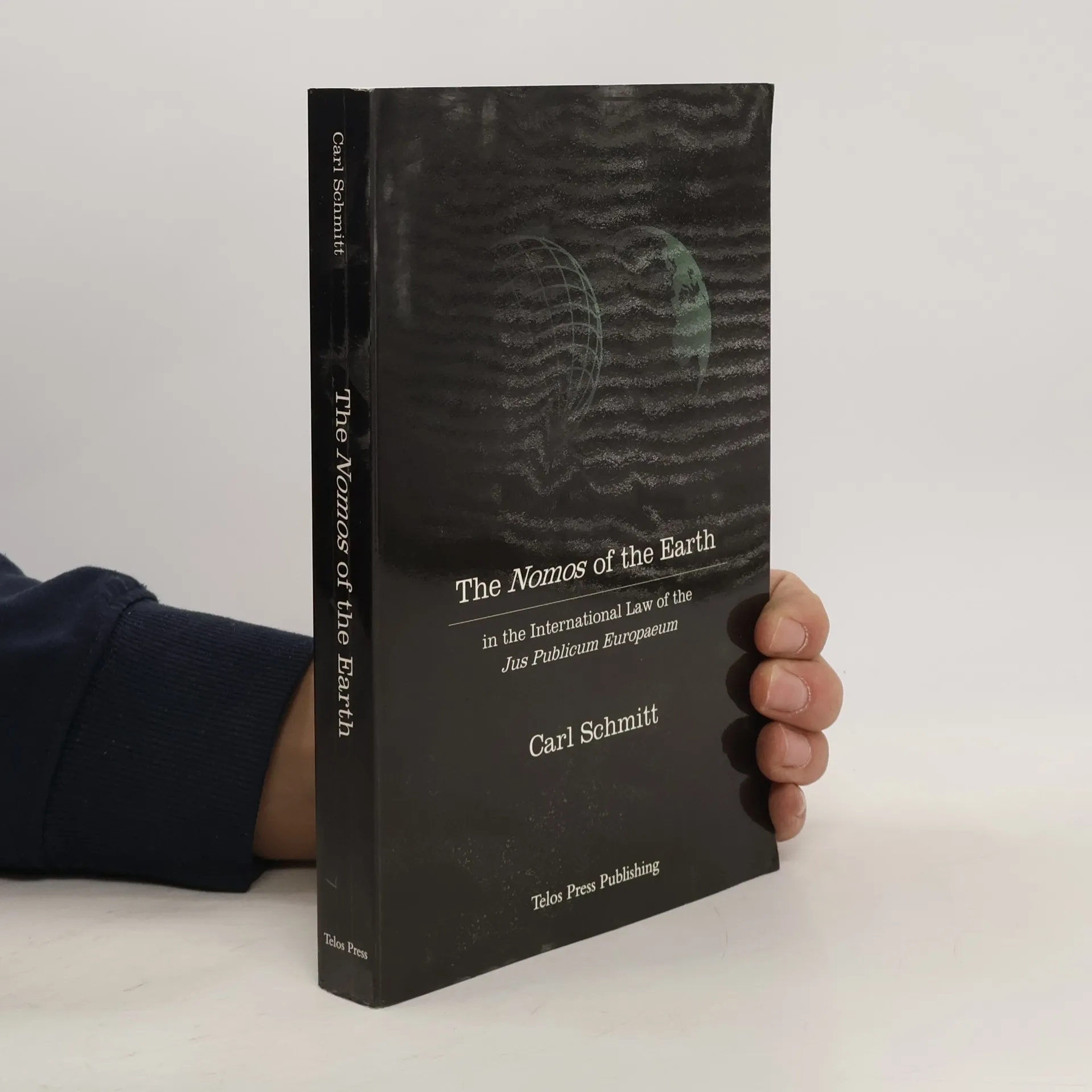
The Nomos of the Earth is Schmitt's most historical and geopolitical book. It describes the origin of the Eurocentric global order, which Schmitt dates from the discovery of the New World, discusses its specific character and its contribution to civilization, analyzes the reasons for its decline at the end of the 19th century, and concludes with prospects for a new world order. It is a reasoned, yet passionate argument in defense of the European achievement -- not only in creating the first truly global order of international law, but also in limiting war to conflicts among sovereign states, which in effect civilized war. In Schmitt's view, the European sovereign state was the greatest achievement of Occidental rationalism; in becoming the principal agency of secularization, the European state created the modern age. Since the problematic of a new nomos of the earth has become even more critical with the onset of the postmodern age and postmodern war, Schmitt's text is even more timely and challenging.
Carl Schmitt ranks among the original and controversial political thinkers of
the twentieth century. This book contains translations of Schmitt's 1958
commentary on the work, explanatory notes, and an appendix including articles
of the Weimar constitution.
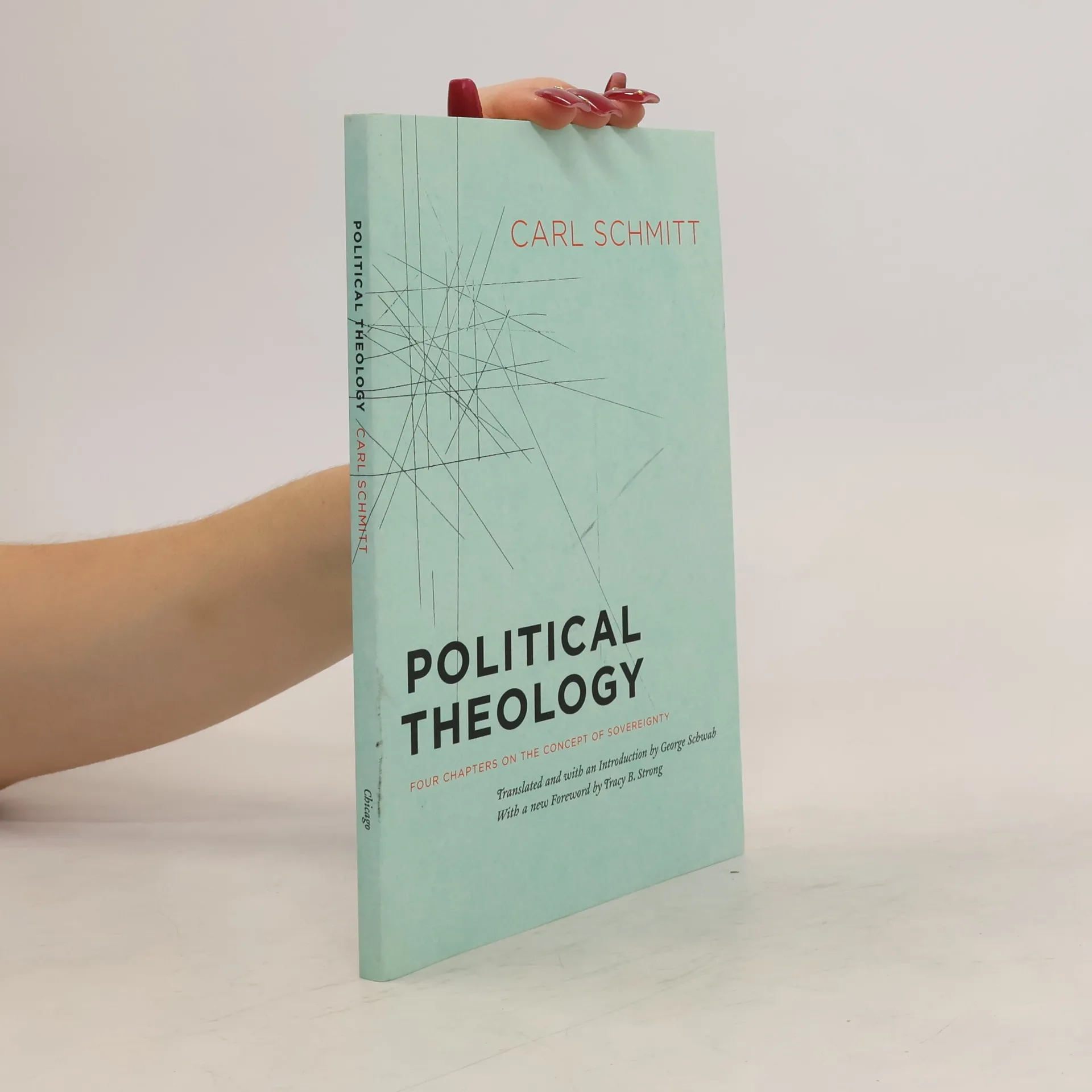
Written in the intense political and intellectual tumult of the early years of
the Weimar Republic, this book develops the distinctive theory of sovereignty
that made Carl Schmitt one of the most significant and controversial political
theorists of the twentieth century. Schmitt concludes this book with a
critique of liberalism.
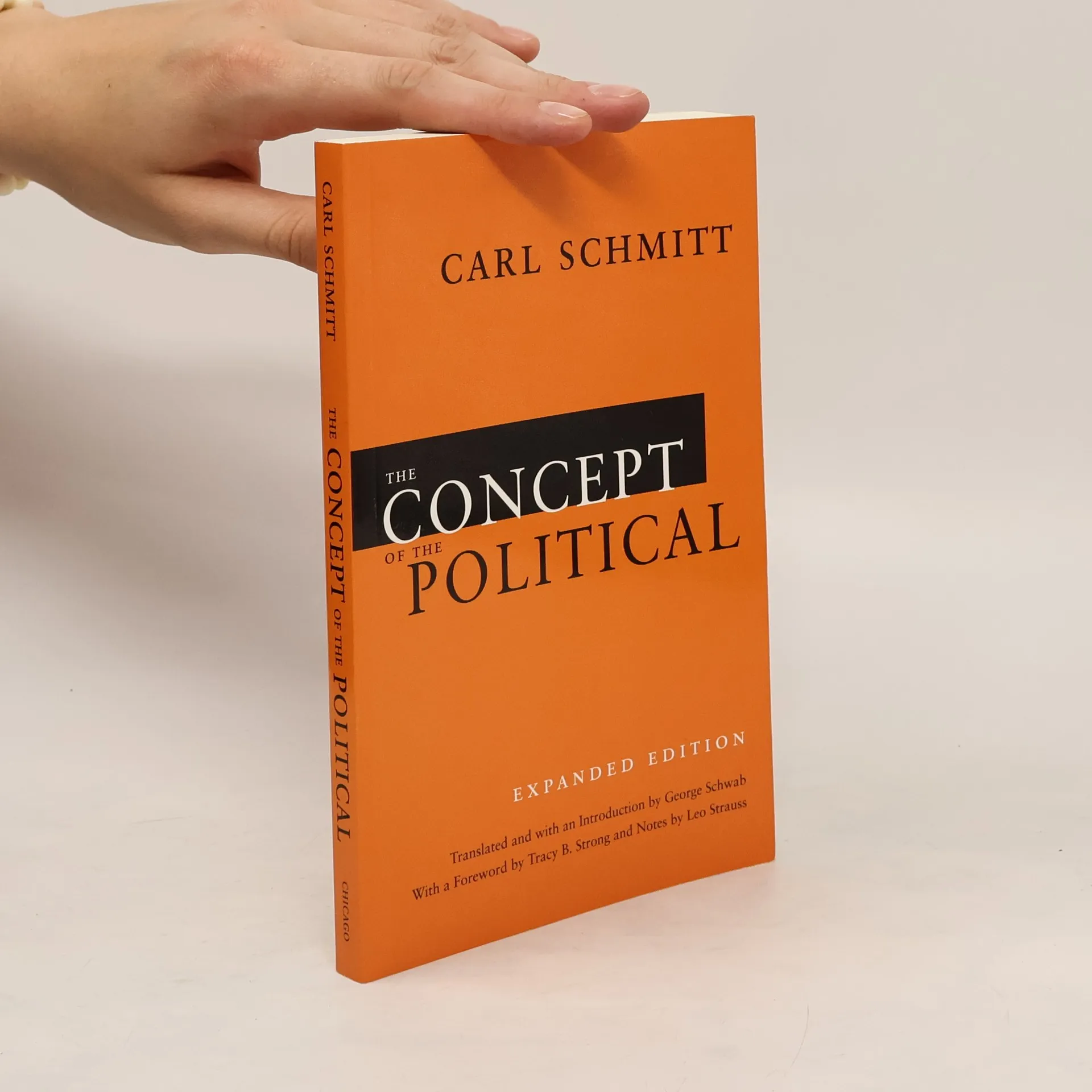
In this, his most influential work, legal theorist and political philosopher Carl Schmitt argues that liberalism’s basis in individual rights cannot provide a reasonable justification for sacrificing oneself for the state—a critique as cogent today as when it first appeared. George Schwab’s introduction to his translation of the 1932 German edition highlights Schmitt’s intellectual journey through the turbulent period of German history leading to the Hitlerian one-party state. In addition to analysis by Leo Strauss and a foreword by Tracy B. Strong placing Schmitt’s work into contemporary context, this expanded edition also includes a translation of Schmitt’s 1929 lecture “The Age of Neutralizations and Depoliticizations,” which the author himself added to the 1932 edition of the book. An essential update on a modern classic, The Concept of the Political, Expanded Edition belongs on the bookshelf of anyone interested in political theory or philosophy.
Writing in 1938 under the pretext of studying the significance of the symbol of the leviathan in Hobbes' theory of state, Schmitt alludes to the demise of the Third Reich because of its rapid transformation into a totalitarian polity. As Schmitt recognizes, in this state, the Hobbesian protection-obedience axiom is being heavily tilted in favor of obedience at the expense of protection. When this occurs, Schmitt observes, "the soul of a people" betakes "itself on the 'secret road' that leads inward. Then grows the counterforce of silence and stillness," and public power and force "may be ever so completely and emphatically recognized and ever so loyally respected, but only as a public and only an external power it is hollow and already dead from within."
Focusing on Carl Schmitt's concept of political theology, William Rasch explores its relevance beyond the Weimar controversies, situating it within a wider historical framework. He critically engages with the secularization of medieval theological ideas, offering insights into how these patterns influence contemporary political thought without advocating for theocratic interpretations. This examination provides a nuanced understanding of Schmitt's legacy in modern political discourse.
Dílo z roku 1923 představuje ranou práci významného právního a politického filosofa Carla Schmitta. V tomto brilantním textu se autor zaměřuje na specifickou povahu racionality spojené s katolickou církví, kterou kontrastuje s myšlením ekonomicko-technického věku. Význam ratio, jež stojí za autoritou katolické církve, spočívá v jeho schopnosti být jednotou protikladů (complexio oppositorum) a reprezentovat duchovní ideu či osobu. Schmitt také zdůrazňuje důležitou distinkci mezi reprezentací a pouhým zastoupením, čímž přispívá k porozumění klíčovým konceptům politické filosofie. Ekonomické myšlení, postrádající jakoukoli ideu k reprezentování, není schopno politiky v jejím pravém smyslu, což vede k depolitizaci veřejného prostoru.
Schmittova kritika ekonomicko-technického myšlení se logicky vymezuje vůči socialismu a kapitalismu, které mají společné myšlenkové základy. Jak sám konstatuje, „Velký podnikatel nemá jiný ideál než Lenin, totiž ‚elektrifikovanou zemi‘.“ Oba se spíše přou o metodu elektrifikace. Jeho polemický tón se nevyhýbá ani anarchismu či tezím Maxe Webera, což podtrhuje aktuálnost jeho myšlenek.
Záznamy pod souhrnným názvem Glossarium představují pozdního Carla Schmitta, kontroverzního myslitele německého 20. století. Zápisky vznikly v poválečné době, kdy Schmitt bilancuje minulost, vypořádává se se svými resentimenty, vyjadřuje se k současnému dění, ale především rozvíjí staré i nové filozofické, právní a literárněvědné úvahy. Český překlad Glossaria zahrnuje všech pět dílčích knih a je opatřen obsáhlým komentářem.
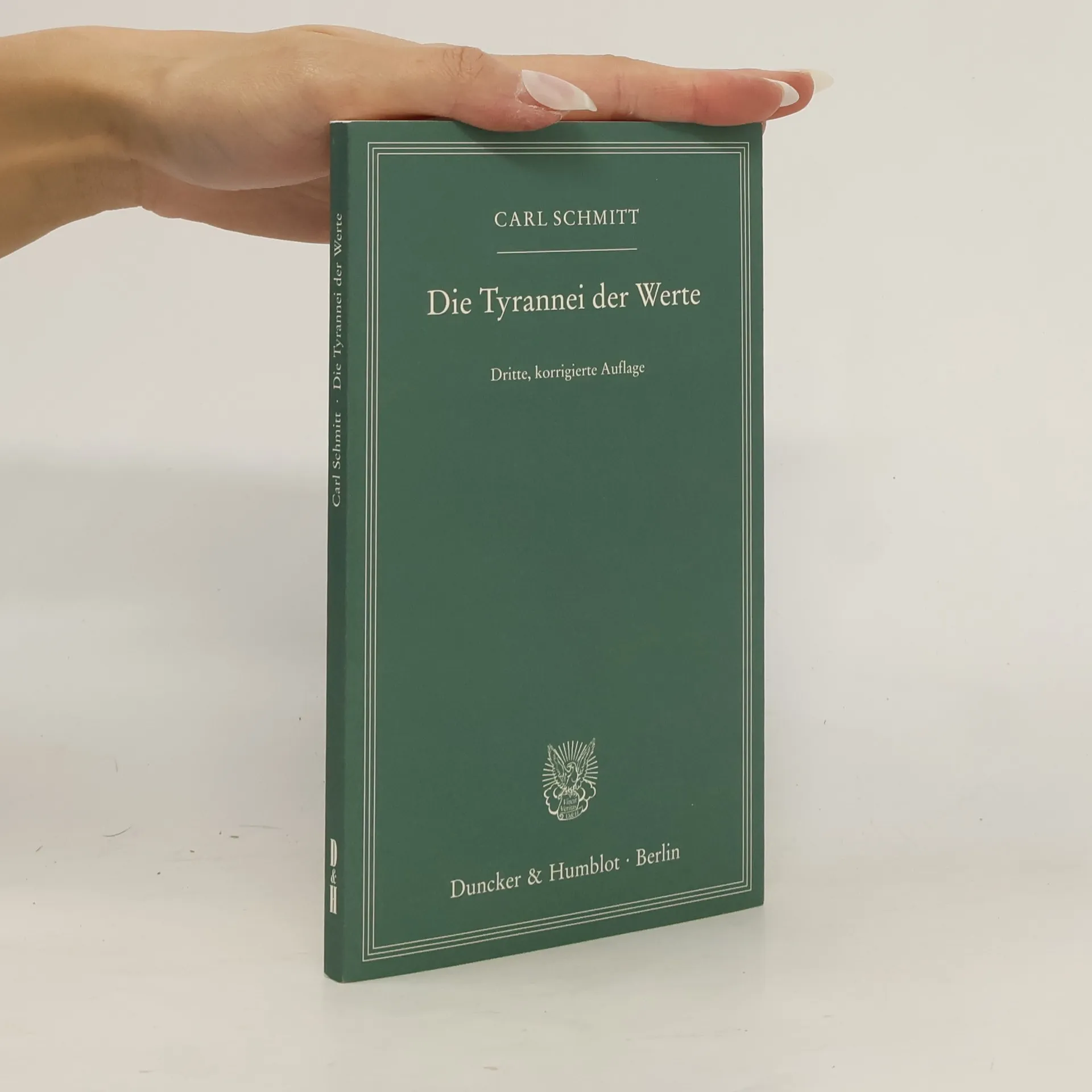
Carl Schmitt war ein Meister der polemischen Traktate und Pamphlete, dessen literarische Form als brûlot bezeichnet werden kann – ein entflammbarer Text, der darauf abzielt, das Schiff des Gegners in Brand zu setzen. In seiner Schrift über die „Tyrannei der Werte“ wird die zentrale These bereits im Titel deutlich: Werte bieten dem Gemeinwesen und seinem Recht keinen festen Grund, sondern verschärfen dessen Probleme. Besonders wenn Werte als Mittel zur Schaffung von Gemeinsamkeit betrachtet werden, können sie destruktiv wirken. In der jungen Bundesrepublik, die nach den Verwerfungen durch Nationalsozialismus und Krieg nach Werten strebte, kritisiert Schmitt diese Haltung scharf. Obwohl seine These klar erscheint, wirft sie grundlegende Fragen auf: Auf welcher Ebene bewegt sich Schmitts Argumentation? Geht es um politische Philosophie, Ethik oder Verfassungsrecht? Schmitt selbst deutet an, dass er „Überlegungen eines Juristen zur Wert-Philosophie“ anstellt. Sein Text befindet sich somit in einem schwierigen Spannungsfeld zwischen Philosophie und Jurisprudenz. Der Autor möchte sowohl Philosophen als auch Juristen ansprechen, läuft dabei jedoch Gefahr, beide zu enttäuschen.
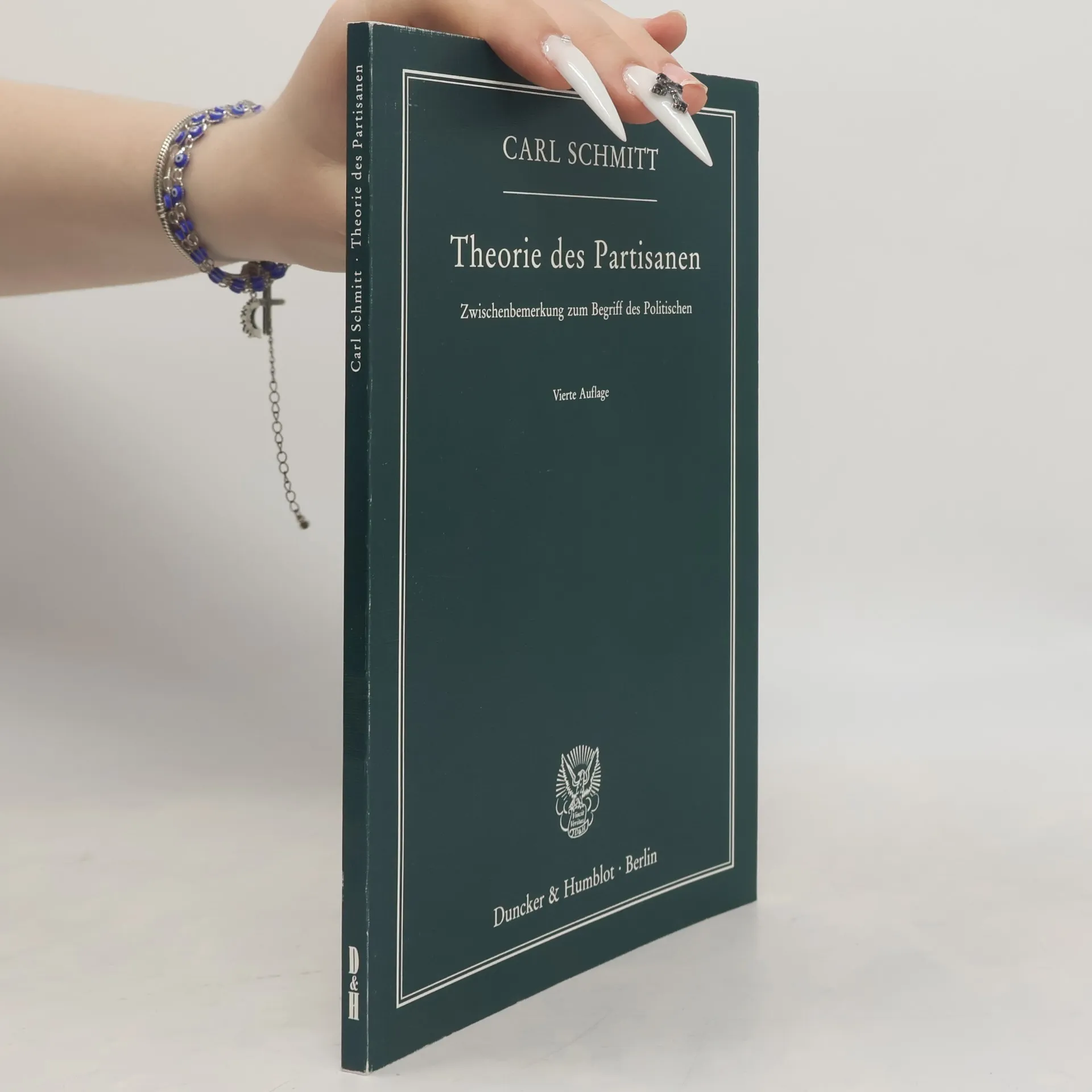
»Die Ausgangslage für unsere Überlegungen zum Problem des Partisanen ist der Guerrilla-Krieg, den das spanische Volk in den Jahren 1808 bis 1813 gegen das Heer eines fremden Eroberers geführt hat. In diesem Kriege stieß zum ersten Male Volk (...) mit einer modernen, aus den Erfahrungen der französischen Revolution hervorgegangenen, gut organisierten, regulären Armee zusammen. Dadurch öffneten sich neue Räume des Krieges, entwickelten sich neue Begriffe der Kriegführung und entstand eine neue Lehre von Krieg und Politik. Der Partisan kämpft irregulär. (...) Zu allen Zeiten der Menschheit und ihrer vielen Kriege und Kämpfe hat es Kriegs- und Kampfregeln gegeben, und infolgedessen auch Übertretung und Mißachtung der Regeln. (...) Nur ist dabei zu beachten, daß, für eine Theorie des Partisanen im ganzen, die Kraft und Bedeutung seiner Irregularität von der Kraft und Bedeutung des von ihm in Frage gestellten Regulären bestimmt wird. (...)« Aus der Einleitung
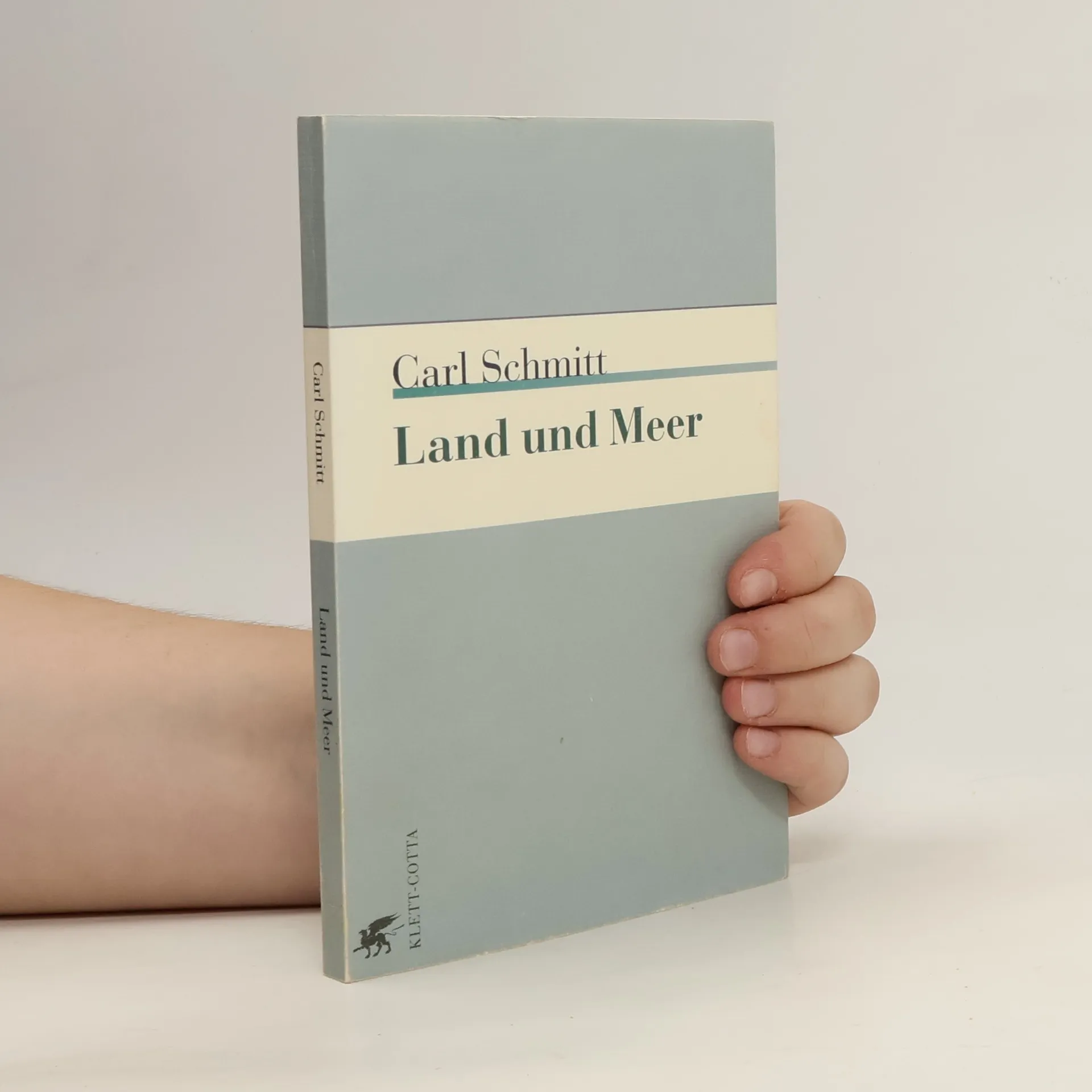
»Land und Meer« - die elementaren Gegebenheiten menschlichen Daseins und Handelns bestimmen den Charakter Ordnungen des Völkerrechts und der Kriege. Die unterschiedlichen Auffassungen der Nationen und Staatsmänner von Politik, Krieg, Feindschaft, Recht und Humanität wurzeln im eigenen Verhältnis zum Raum. Erstmals 1942 erschienen, leitet dieses Buch das Spätwerk Carl Schmitts ein. Was ist der »Nomos der Erde«, und gibt es die Chance für einen weltumspannenden Frieden? Geschichte wird uns hier als Auseinandersetzung zwischen »Landtretern« und »Seeschäumern« nahegebracht. Sie erreicht im Kampf zwischen England und Frankreich unter Napoleon ihren Höhepunkt. »Land und Meer« hat Carl Schmitt nicht nur als Theoretiker vorgetragen, sondern auch seiner Tochter Anima erzählt. So beschwört er das Ambiente der Piraterie ebenso, wie es ihm scharfsichtig gelingt, das Kalkül absolutistischer Feldherren zu erfassen.
In diesem erstmals 1956 veröffentlichten Essay versucht Carl Schmitt Hamlet von seiner konkreten Situation her zu fassen. Er entdeckt das Tabu einer Königin - Maria Stuart - und die Wechselbeziehungen zwischen der Figur Hamlet und dem geschichtlichen König Jakob. An diese Einbrüche der Wirklichkeit ins Spiel knüpft er die Frage nach dem Ursprung des tragischen Geschehens, nach der Quelle der Tragik, die er eben in der historischen Wirklichkeit findet.
Der Briefwechsel zwischen Carl Schmitt und seiner zweiten Ehefrau Duschka beleuchtet die zentrale Rolle, die sie in seinem Leben spielte. Ihre ruhige und überlegene Art half, seine Stimmungsschwankungen und Unsicherheiten zu kompensieren, besonders in der kritischen Zeit von 1945 bis 1947, als Schmitt inhaftiert war und mit einer Verurteilung als Kriegsverbrecher konfrontiert wurde. Diese Korrespondenz ist besonders wertvoll, da sie sich auf einen schlecht dokumentierten Zeitraum in Schmitts Biografie konzentriert. Duschka stabilisierte den unsicheren Gelehrten mit ihren menschlichen Qualitäten, ihrer Gelassenheit und ihrem Mut. Carl Schmitt war sich dieser stabilisierenden Wirkung bewusst und erkannte sie stets an. Der Austausch der Briefe zeigt nicht nur die Unterstützung, die Duschka ihrem Mann bot, sondern dokumentiert auch eine große Liebe. Ihre Bewährungsprobe fiel in die Zeit nach dem Zweiten Weltkrieg, als Schmitt aufgrund seines NS-Engagements in amerikanischer Haft war. Die Drohung einer Anklage als Kriegsverbrecher belastete ihn stark, obwohl sie nie konkretisiert wurde. Der Fokus der Korrespondenz auf diese schwierige Zeit macht ihren besonderen Wert aus und bietet Einblicke in die emotionale und psychologische Dynamik zwischen den beiden.
Die Korrespondenz von Roman Schnur, einem engagierten Schmittianer, offenbart sein tiefes Interesse an der französischen Rechts- und Ideengeschichte. Seine Auseinandersetzungen und späteren Studien über osteuropäische Länder wie Polen und Ungarn zeigen seine Überzeugung von einer weiterhin lebendigen europäischen Rechtstradition, trotz der Herausforderungen durch die Sowjetisierung. Schnur tritt als einzigartiger Denker auf, der sich intensiv mit rechtlichen und ideologischen Fragestellungen auseinandersetzt.
Mit ergänzenden Beiträgen aus der Zeit des Zweiten Weltkriegs
572 páginas
21 horas de lectura
Der Band bietet eine umfassende Dokumentation der frühen Schriften von Carl Schmitt im Dritten Reich, die zur Diskussion über seine Rolle bei der Etablierung der nationalsozialistischen Herrschaft beitragen. Enthalten sind sowohl unselbständige Aufsätze als auch bedeutende Monographien wie „Das Reichsstatthaltergesetz“ und „Staat, Bewegung, Volk“. Ergänzend werden nach 1936 erschienene Titel und eine Bibliographie aller Werke Schmitts von 1933 bis 1944 bereitgestellt, wodurch eine fundierte Grundlage für die Analyse seiner juristischen und politischen Einflüsse geschaffen wird.
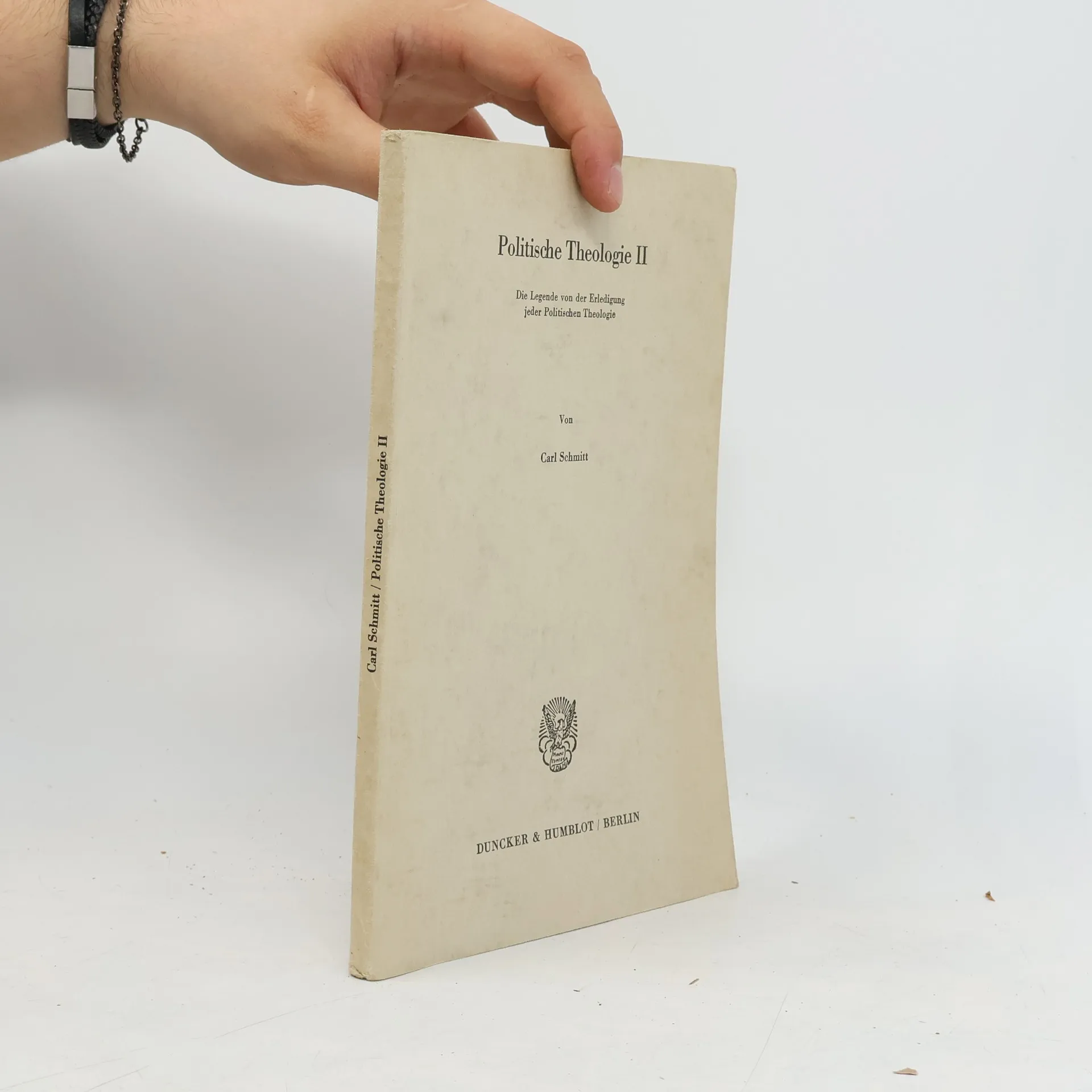
Hinweis zur Orientierung des Lesers Einführung I. Die Legende von der
endgültigen theologischen Erledigung Inhalt der Legende - Hans Barions Kritik
der Politischen Theologie - Die gegenwärtige Aktualität der Erledigungs-
Legende (Hans Maier - Ernst Feil - Ernst Topitsch) II. Das legendäre Dokument
Entstehung und zeitliche Begrenzung des Stoffes - Politisch-theologische
Einschaltung: le roi règne et ne gouverne pas - Begrenzung von Stoff und
Fragestellung auf der politischen Seite: Die Monarchie - Begrenzung von Stoff
und Fragestellung auf der theologischen Seite: Der Monotheismus - Eusebius als
der Prototyp Politischer Theologie - Die Konfrontation Eusebius - Augustinus
III. Die legendäre Schlußthese Die Aussagen der Schlußthese - Die Aussagekraft
der Schlußthese Nachwort. Zur heutigen Lage des Problems: Die Legitimität der
Neuzeit Personenverzeichnis
Carl Schmitt gehört zu den wichtigsten Hobbes-Forschern des 20. Jahrhunderts. Nach seinem schmalen Buch Der Leviathan von 1938 veröffentlichte er 1965 eine weitere Hobbes-Abhandlung, die seiner liberalismuskritischen und antisemitischen Stoßrichtung eine christliche Gegendeutung zur Seite stellte. Sie entstand unter dem direkten Eindruck der hier erstmals publizierten, Korrespondenz mit dem Theologen und Karl-Barth-Schüler Dietrich Braun (1928–2014), der die mythologische Wendung zum Symbol des Leviathan als religiösen Kern kongenial ernst nahm. Schmitt hatte sich 1963 mit einer Postkarte an den gerade erst promovierten Pfarrerssohn Dietrich Braun gewandt, und fand in ihm einen respektvollen, aber eigenständigen Denkpartner. Braun und Schmitt begegnen sich in ihren Briefen trotz der theoretischen und theologischen Gräben, die sie trennen, ohne Ressentiment und verdeutlichen so die Möglichkeit, sich trotz unterschiedlicher Meinungen intellektuell miteinander auseinanderzusetzen. Die Edition ergänzt die intensiven, argumentativen Briefe durch ein Gutachten Karl Barths über Brauns Hobbes-Dissertation sowie weitere Materialien und ermöglicht es, einem akademischen Gespräch zu lauschen, das seinesgleichen sucht.
mit Interventionsverbot für raumfremde Mächte. Ein Beitrag zum Reichsbegriff im Völkerrecht. Vierte, um ein Personenregister ergänzte Auflage der Ausgabe von 1941
Carl Schmitt (1888–1985) führte eine umfangreiche Korrespondenz mit einer Vielzahl von Persönlichkeiten, darunter Künstler, Wissenschaftler und Juristen. Einige seiner Briefe, wie die an Ernst Jünger und Armin Mohler, wurden in den letzten Jahren veröffentlicht. 1989 erschien eine Sammlung von Briefen des Leipziger Studentenpfarrers Werner Becker an Schmitt, die von 1923 bis 1978 reichen. Diese Briefe bieten Einblicke in Schmitts Gedanken, auch wenn seine Antworten nicht mehr erhalten sind. 2003 wurde eine Korrespondenz zwischen Schmitt und Ludwig Feuchtwanger veröffentlicht, die von 1931 bis 1933 reicht. In Spanien war Álvaro d'Ors, ein Römischrechtler, ein intensiver Briefpartner Schmitts. Ihre Bekanntschaft begann über d'Ors' Vater Eugenio d'Ors, der mit Schmitt befreundet war. 1944 trafen sie sich persönlich, und ihre Korrespondenz begann 1948 und endete 1983. Diese Briefe, begleitet von zahlreichen Begegnungen in Deutschland und Spanien, zeigen die Verflechtung ihrer theoretischen und praktischen Interessen sowie die Unterschiede in ihren Denkansätzen. Der Austausch behandelt zentrale Themen wie den Nomos der Erde, Ausnahme und Norm sowie politische Theologie. Die Herausgeberin bietet umfassende Anmerkungen, die den Lesern Zusammenhänge und unbekannte Persönlichkeiten näherbringen. Diese Briefe gewähren tiefere Einblicke in das Denken Schmitts und sind ein bedeutendes Zeitdokument der Geistesgeschichte Deutschlands und Sp
Die kommentierte Sammlung umfasst 87 Briefe und Postkarten des 17- bis 25-jährigen Carl Schmitt an seine Schwester Auguste. Diese Schriftstücke sind überwiegend familiär geprägt, wobei Schmitt als Schüler, Student und junger Wissenschaftler das Fachspezifische weitgehend ausklammert. Die Auseinandersetzung mit dem umstrittensten Juristen des 20. Jahrhunderts wirft Fragen zu seiner frühen Prägung durch Familie und Elternhaus auf, die diese Briefe erheblich beleuchten. Der rheinische Katholizismus, der Andersgläubigen gegenüber tolerant ist, prägt Schmitts Umfeld, zunächst in der katholischen Diaspora des Sauerlands und später im westlichen Deutschland, wo er lebt und arbeitet. Diese Toleranz fördert seine Bereitschaft, in der liberalen Industriegesellschaft des Kaiserreichs vor dem Ersten Weltkrieg das Schicksal der unteren Mittelklasse zu akzeptieren und den Willen, in diesem System aufzusteigen. Die Briefe widerlegen nicht nur Legenden über Schmitt, sie dokumentieren auch die Entwicklung eines jungen Talents, seinen Hunger nach Kunst und sein außergewöhnliches Bildungsniveau. Zudem zeigen sie sein selbstloses Engagement für Verwandte und Freunde sowie die Entwicklung eines eigenen Stils, der von humorvollen bis zu prägnanten Formulierungen reicht, besonders im Freundeskreis von Dichtern wie Theodor Däubler. Eine Einführung des Herausgebers skizziert Schmitts Lebensweg und seine geistige Entwicklung.
Staat, Großraum und Nomos sind zentrale Themen in Carl Schmitts Werk, die sich gegenseitig ablösen. Der Staat soll der Bedrohung der menschlichen Individualität durch Bürgerkrieg widerstehen; der Großraum verhindert den Zugang zu einem nihilistischen Universalismus, der Ordnung und Ortung zerstört. Der neue Nomos der Erde, der aus einem Pluralismus abgegrenzter Großräume entsteht, soll das Projekt einer globalen Einheit scheitern lassen, das unter dem scheinbar wohlwollenden Motto „Pax et securitas“ ein anti-christliches Vorhaben darstellt. Auffällig ist die nachlassende Randschärfe dieser Schlüsselbegriffe, die die zunehmende Unordnung des 20. Jahrhunderts widerspiegeln. Schmitt konfrontiert diese Entwicklungen zunächst mit Gewissheit, dann mit Zuversicht und schließlich mit Hoffnung. Der vorliegende Band versammelt wichtige, teils schwer zugängliche Texte Schmitts, ergänzt durch bibliographische und ideengeschichtliche Erläuterungen des Herausgebers. Diese Sammlung zeigt, dass Schmitts Bedeutung weniger in seinen Antworten als in seinen Fragen liegt. Der kontemplative Schmitt, der sich als „geräuschlos und nachgiebig wie ein stiller Fluß“ beschrieb, stellte sich den Herausforderungen des Politischen und nicht dem vorgezeichneten Fluchtweg in die Kultur. Diese Spannung verleiht den hier präsentierten Studien und Aufsätzen ihren intellektuellen Reiz und beleuchtet die gegenwärtige Krise.
Die Schrift fußt auf der 1930 erschienenen Arbeit „Der Völkerbund und das politische Problem der Friedenssicherung“, die 1934 von Schmitt erweitert und in der vorliegenden Form veröffentlicht wurde. Die Arbeit ist seitdem vergriffen. Ihr photomechanischer Neudruck kommt dem Wunsch nach einer umfassenden Verfügbarkeit des Werks des großen Denkers nach, das durch die gegenwärtigen Versuche, Systeme kollektiver Sicherheit wirksam zu machen, besondere Aktualität erfährt.
Carl Schmitts Dissertation erschien im Jahr 1910 in erster Auflage. Der später so einflussreiche staatstheoretische Denker hat am Anfang seiner akademischen Karriere mit einer Arbeit aus dem Strafrecht promoviert. Dabei geht er sein Thema als dezidierter Positivist an; er wendet sich bei der terminologischen Klärung des geltenden Rechts gegen alle philosophischen Ambitionen und kriminalpsychologischen Erwägungen. Für die Strafrechtsdogmatik ist nicht der umfassende Begriff der Schuldarten, sondern der Begriff Schuld zentral. Dessen Bedeutung soll ohne den materialen Inhalt des Begriffs in rein formalem Sinn bestimmt werden. Schmitts Hauptthese ist, dass Vorsatz und Fahrlässigkeit keine Schuldarten sein können, sondern lediglich Schuldindiz sind. Er wendet sich damit gegen die Ansicht, die das Bewusstsein der Rechtswidrigkeit als Strafbarkeitsvoraussetzung fordert. In der zweiten Auflage sind formale Korrekturen aus dem Handexemplar des Autors berücksichtigt und zusätzlich weitere strafrechtliche und frühe rechtsphilosophische Beiträge von Carl Schmitt aufgenommen.
Der Briefwechsel zwischen Rudolf Smend und Carl Schmitt ist ein zentrales Dokument der Geschichte des öffentlichen Rechts und der wichtigste Juristenbriefwechsel Schmitts. Beide Autoren waren prägende Figuren im »Richtungsstreit« der Weimarer Staatsrechtslehre. Smend, der bisher nicht publizierte Korrespondenzen hatte, wird hier erstmals sichtbar. Er unterstützt Schmitts Berufungen nach Greifswald und Bonn, und die Familien sind einige Jahre freundschaftlich verbunden. Bis 1929 ist die Korrespondenz besonders intensiv, wobei beide offen über Fakultätsfragen und die Akteure des Richtungsstreits sprechen. Nach 1930, besonders 1933, trennen sich ihre politischen Wege, doch der Austausch bleibt bestehen. 1938 widmet Schmitt sein Buch Leviathan Smend als »besten Weggenossen«. Auch aus den Kriegsjahren stammen bedeutende Briefe, in denen sie ihre Wertschätzung ausdrücken und auf den Richtungsstreit zurückblicken. Nach 1945 beeinflussen beide von ihren gegensätzlichen Positionen erneut die deutsche Staatsrechtslehre. Obwohl sie sich nicht mehr persönlich treffen, hält Smend den Kontakt, um Schmitts Entwicklung zu beobachten. Die späten Briefe sind förmlich, jedoch untergründig spannend, ohne die Verfassungsfragen der Bundesrepublik zu thematisieren. 1961 bricht Schmitt den Kontakt ab. Der Briefwechsel beleuchtet die Streitfragen der deutschen Staatsrechtslehre und wird durch zahlreiche Materialien ergänzt, darunter Tagebuchnotizen un
Wie kann man wissen, ob eine gerichtliche Entscheidung korrekt ist? Diese Frage stellt sich uns allen, die wir wünschen, dass das Recht uns zur Seite steht, wenn wir es brauchen. In Gesetz und Urteil gibt der damals noch nicht umstrittene Carl Schmitt dieser Frage eine überraschende Antwort, die uns heute vielleicht mehr denn je anspricht. In diesem brillanten und gelehrten Jugendwerk zeigt sich bereits Schmitts Vorliebe für Rhetorik, Stil und insbesondere für gegensätzliche Konzepte, durch die er berühmt werden sollte: Freund/Feind; Legalität/Legitimität; Theologie/Politik; Regel/ Ausnahme; Staat/Bewegung/Volk; Land/Meer; aber auch Jude/Arier. Mit der Untersuchung der Beziehung von Gesetz und Urteil hat alles begonnen. Gibt es Harmonie oder Spannung? Deduktion oder Trennung? Kontinuität oder Bruch? Hierin liegt das gesamte Problem des Rechtsstaats und des Staates der Legalität – eine immer offene Frage.
Carl Schmitt führte in verschiedenen Lebensphasen Tagebuchaufzeichnungen. Ab Februar 1915 diente er als Kriegsfreiwilliger in München und war bald im Stellv. Generalkommando des I. bayerischen Armeekorps tätig. Dort leitete er bis 1919 ein Subreferat, das sich mit der Genehmigung oder dem Verbot politisch brisanter Schriften, der Beobachtung der Friedensbewegung und der Verbreitung feindlicher Propaganda beschäftigte. Die jetzt erstmals veröffentlichten Tagebucheintragungen bieten, ähnlich wie die bereits publizierten aus der Zeit 1912 bis Anfang 1915, einen tiefen Einblick in seine zerrissene Existenz zwischen einer spannungsreichen Ehe und dem Militärdienst, den er anfangs als Bestrafung empfand. Besonders die bislang unbekannten Dokumente aus der Militärbehörde, die auf etwa 140 Seiten abgebildet sind, sind entscheidend für das Verständnis von Schmitts Verhältnis zum Pazifismus. Sie gewähren Einblicke in die „Werkstatt“ seines Denkens, in der die ersten Fassungen seiner später berühmten Werke „Politische Romantik“ und „Die Diktatur“ entstanden. Auch die anonym veröffentlichten Artikel aus der Rubrik „Aus dem Lager unserer Feinde“ in der Hamburger Woche, die Schmitt aus ausländischen Zeitungen während seiner Dienstzeit zusammenstellte, sind neu. Dieses Buch ist unverzichtbar für alle, die mehr über die frühe Formationsphase eines der einflussreichsten deutschen Gelehrten des 20. Jahrhunderts erfahren möchten.
Carl Schmitt war ein Denker konkreter Situationen. Angesichts der Literatur zu seiner Bedeutung als Kulturkritiker, Geschichtsphilosoph oder homme de lettres wird oft vergessen, daß er in erster Linie der Betrachter der höchst handgreiflichen Politik seiner Zeit und ihrer ideologischen Verschleierungen war. Doch erst in Bonn, wo er 1922–1928 lehrte, wurde Schmitt zum Theoretiker des Politischen, der rasch auf die Ereignisse reagierte. Hier erlebte er die Besetzung der Rheinlande und mußte deren Abtrennung vom Reich befürchten, hier erfuhr er deren Weiterung: die Besetzung des Ruhrgebiets durch französische und belgische Truppen im Januar 1923. Diese Maßnahmen erfolgten im Namen von Recht und Legalität, sollten die »Heiligkeit der Verträge« sichern und basierten auf einem Völkerrecht, das aus deutscher Sicht als Fortsetzung des Krieges mit anderen Mitteln erschien. Die Juridifizierung der Politik und der gewollte Mangel an Sichtbarkeit des Feindes, zur Verschärfung der Feindschaft führend und im diskriminierenden Kriegsbegriff mündend, wurden von nun an wichtige Themen Schmitts. Angesichts heutiger weltpolitischer Ereignisse, deren Politikziel, Herstellung von freiheitlichen und demokratischen Verhältnissen, vielen nur als Vorwand für eigentlich gemeinte Ziele wie ökonomische Expansion, geostrategische Kontrolle und Strafkrieg erscheint, sind Schmitts damalige Überlegungen von fortdauernder Aktualität.
Im Nachlass des Juristen und politischen Denkers Carl Schmitt finden sich Tagebuchaufzeichnungen, die in der mittlerweile fast vergessenen Gabelsberger Stenographie verfasst sind. Der 23-jährige Schmitt, der als Referendar am Oberlandesgericht Düsseldorf arbeitet und in Anwaltskanzleien seinen Lebensunterhalt verdient, reflektiert in seinen Eintragungen über den Alltag, Psychoanalyse sowie über den Staat und die Rolle des Individuums. Er setzt sich mit Denkern wie Vaihinger, Weininger und Rathenau auseinander und kritisiert den Sprachphilosophen Fritz Mauthner in einem fiktiven Brief. Zudem dokumentiert er seine große Liebe zu Pavla von Dorotic, die ihn zu leidenschaftlichen Liebesbriefen inspiriert. Inmitten seiner verzweifelten Bemühungen, in der wohlhabenden Gesellschaft nicht unterzugehen, entdeckt er Kierkegaards Texte über Schicksal und Genie. Diese Erkenntnis führt ihn zu der Einsicht, dass er kein Verrückter, sondern ein Ausnahmetalent ist, geprägt von Licht und Schatten. Seine Tagebuchaufzeichnungen sind durch Gedanken, Zustandsbeschreibungen und Selbstanalysen geprägt, die den jungen Schmitt als aufstrebenden Intellektuellen der Kaiserzeit zeigen. Bis 1915 hat er bereits klar und logisch argumentierende Bücher verfasst, die ihn bekannt machen. Seine komplexe Persönlichkeit wird durch die Einschätzung seines Arbeitgebers, Geheimrat Hugo am Zehnhoff, verdeutlicht, der Schmitts klares Denken und sein chaotisches Privatl
»Man kann, sagt Heraklit, nicht zweimal durch denselben Fluß gehen. So kann man auch nicht zweimal dieselbe Rede halten oder denselben Aufsatz schreiben. Die folgenden Reden und Aufsätze aus den Jahren 1923 bis 1939 sind dieser Wahrheit in vollem Maße unterworfen und wollen ihr in keiner Weise entgehen. Sie sind in einem bestimmten Augenblick in den Fluß der Zeit eingegangen und heute längst nicht mehr in meiner Hand. […]« (Carl Schmitt, aus dem Vorwort) In der neuen Auflage des Werkes wurden die Korrekturen berücksichtigt, die im Handexemplar des Verfassers eingetragen sind. Es befindet sich im Nachlass Carl Schmitts, Landesarchiv NRW, Abtlg. Rheinland RW 265 Nr. 28283. Die Korrekturstellen sind im Text durch Anmerkungen in eckigen Klammern gekennzeichnet, die Korrekturen selbst sind in dem Haupttext als Anhang nach dem Register beigefügt. (Vorbemerkung zur vierten, korrigierten Auflage von Gerd Giesler)