
Bookbot

Tim Harford

    27 de septiembre de 1973

    Tim Harford es miembro del consejo editorial del Financial Times. Su columna, “The Undercover Economist”, revela las ideas económicas detrás de las experiencias cotidianas y se publica en el Financial Times y se distribuye internacionalmente. De manera única, dirige una sección de problemas, “Dear Economist”, donde las cuestiones personales de los lectores del FT son respondidas con humor y empleando la teoría económica más reciente.

    Tim Harford
    The data detective : ten easy rules to make sense of statistics
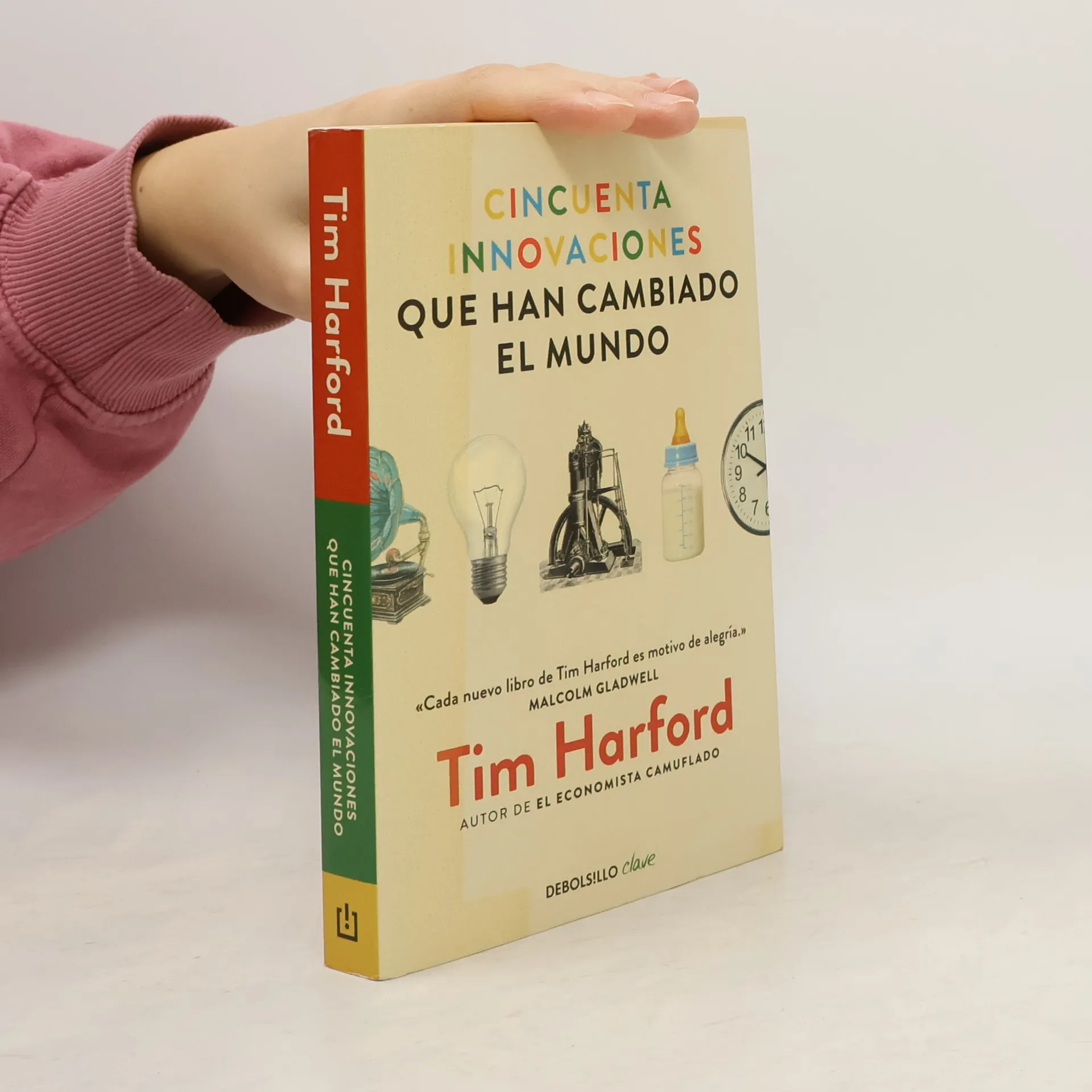
    Fifty things that made the modern economy
    The Truth Detective
    How to Make the World Add Up
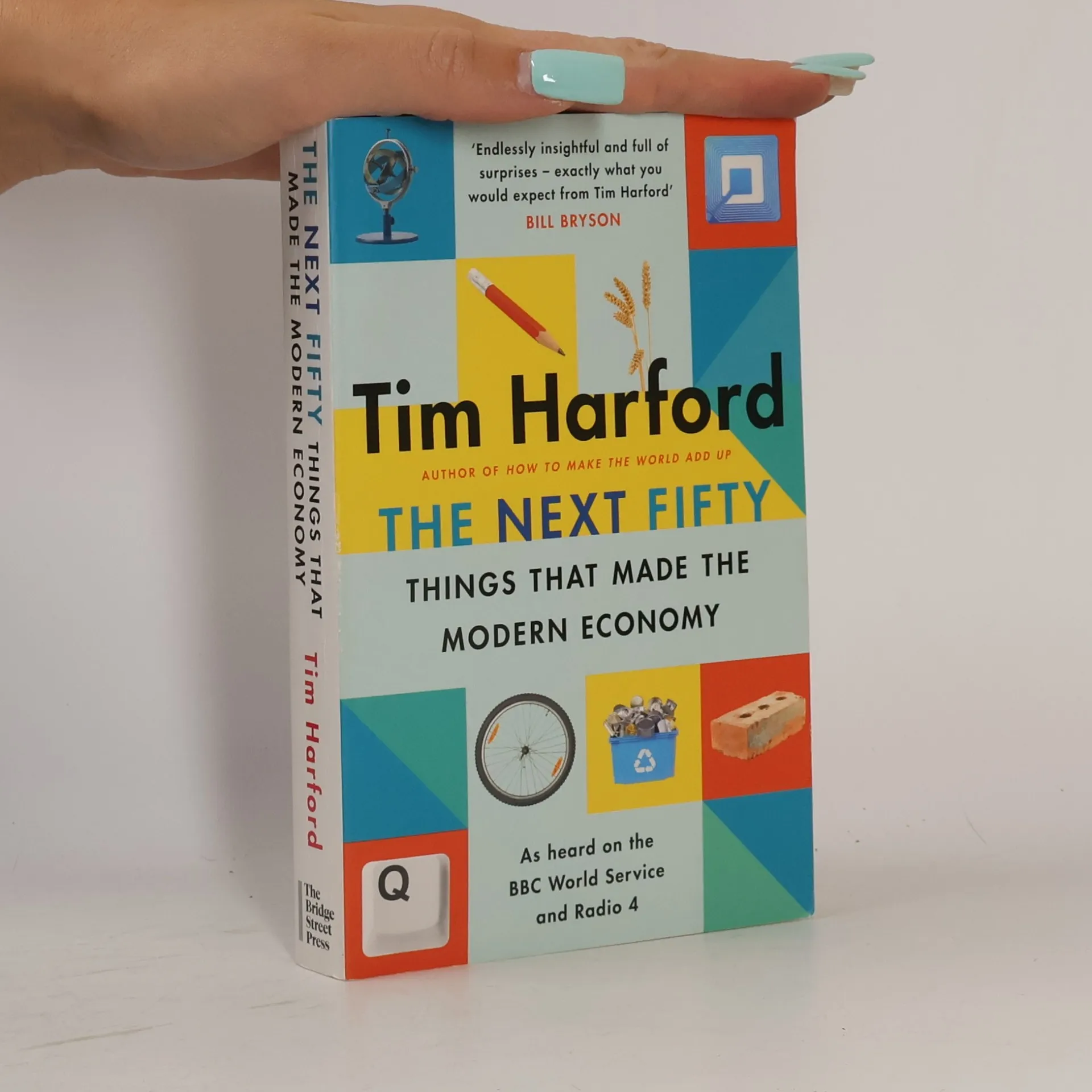
    The Next Fifty Things that Made the Modern Economy
    El economista camuflado ataca de nuevo
    • The Truth Detective

      • 191 páginas
      • 7 horas de lectura

      Exploring the themes of truth and perception, this book encourages readers to challenge their understanding of the world. It offers insights that promote smarter living and a fresh perspective on everyday experiences. Through its engaging narrative, readers are invited to uncover deeper truths that can transform their outlook and enhance their lives.

      The Truth Detective2023
      3,8
    • From “one of the great (greatest?) contemporary popular writers on economics” (Tyler Cowen) comes a smart, lively, and encouraging rethinking of how to use statistics .Today we think statistics are the enemy, numbers used to mislead and confuse us. That’s a mistake, Tim Harford says in The Data Detective . We shouldn’t be suspicious of statistics—we need to understand what they mean and how they can improve our they are, at heart, human behavior seen through the prism of numbers and are often “the only way of grasping much of what is going on around us.” If we can toss aside our fears and learn to approach them clearly—understanding how our own preconceptions lead us astray—statistics can point to ways we can live better and work smarter.As “perhaps the best popular economics writer in the world” ( New Statesman ), Tim Harford is an expert at taking complicated ideas and untangling them for millions of readers. In The Data Detective , he uses new research in science and psychology to set out ten strategies for using statistics to erase our biases and replace them with new ideas that use virtues like patience, curiosity, and good sense to better understand ourselves and the world. As a result, The Data Detective is a big-idea book about statistics and human behavior that is fresh, unexpected, and insightful.

      The data detective : ten easy rules to make sense of statistics2021
      4,1
    • In Fifty Things that Made the Modern Economy, the revolutionary, acclaimed book, radio series and podcast, bestselling economist Tim Harford introduced us to a selection of fifty radical inventions that changed the world. Now, in this new book, Harford once again brings us an array of remarkable, memorable, curious and often unexpected 'things' - inventions that teach us lessons by turns intimate and sweeping about the complex world economy we live in today. From the brick, blockchain and the bicycle to fire, the factory and fundraising, and from solar PV and the pencil to the postage stamp, this brilliant and enlightening collection resonates, fascinates and stimulates. It is a wonderful blend of insight and inspiration from one of Britain's finest non-fiction storytellers.
      The Next Fifty Things that Made the Modern Economy2020
      4,1
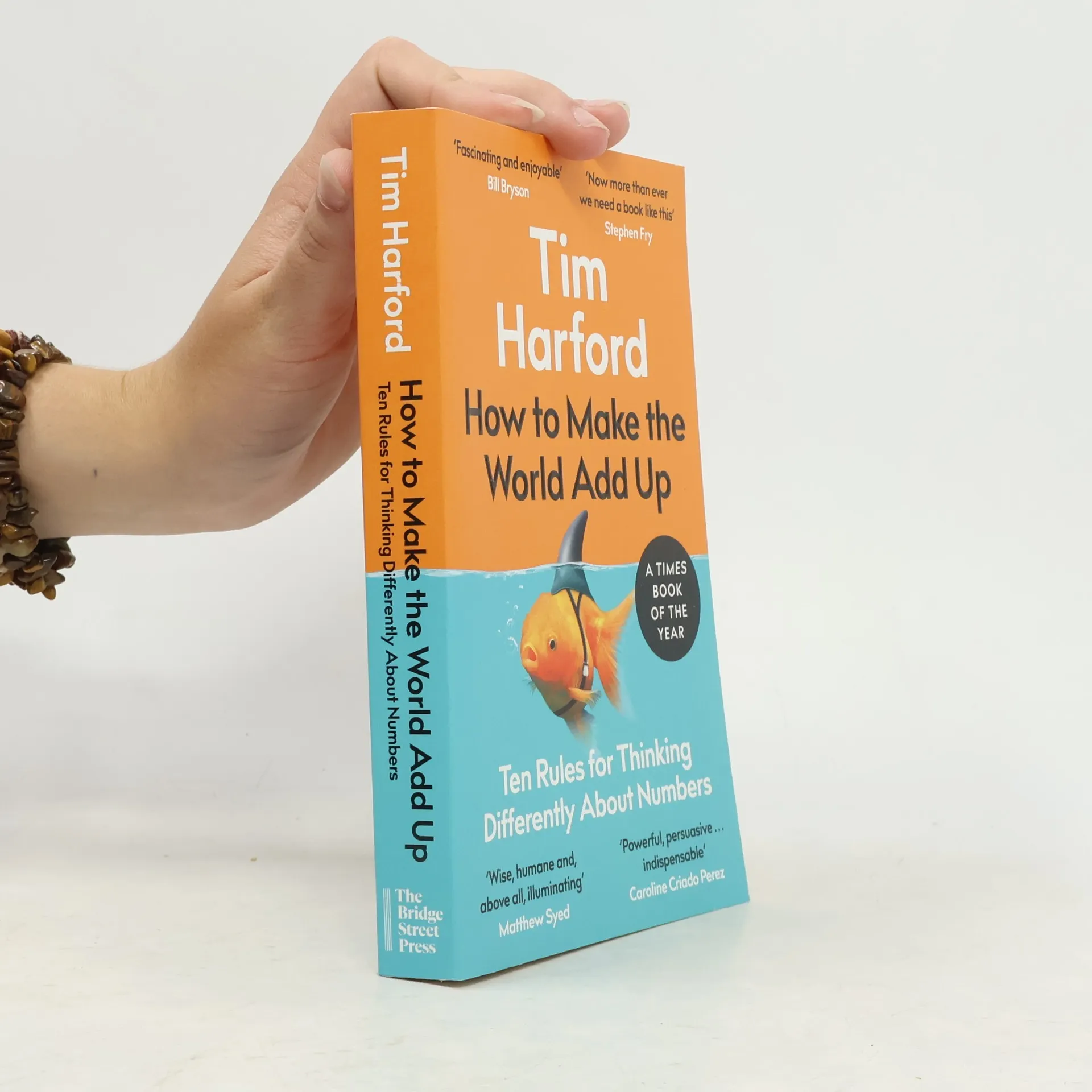
    • How to Make the World Add Up

      • 304 páginas
      • 11 horas de lectura

      Using his trademark narrative skills, Tim Harford takes us deep into the world of statistics and shows how important and powerful they can be

      How to Make the World Add Up2020
      4,2
    • From the tally-stick to Bitcoin, the canal lock to the jumbo jet, each invention in Tim Harford's fascinating new book has its own curious, surprising and memorable story, a vignette against a grand backdrop. Step by step, readers will start to understand where we are, how we got here, and where we might be going next. Hidden connections will be laid bare: how the barcode undermined family corner shops; why the gramophone widened inequality; how barbed wire shaped America. We'll meet the characters who developed some of these inventions, profited from them, or were ruined by them. We'll trace the economic principles that help to explain their transformative effects. And we'll ask what lessons we can learn to make wise use of future inventions, in a world where the pace of innovation will only accelerate

      Fifty things that made the modern economy2017
      4,1
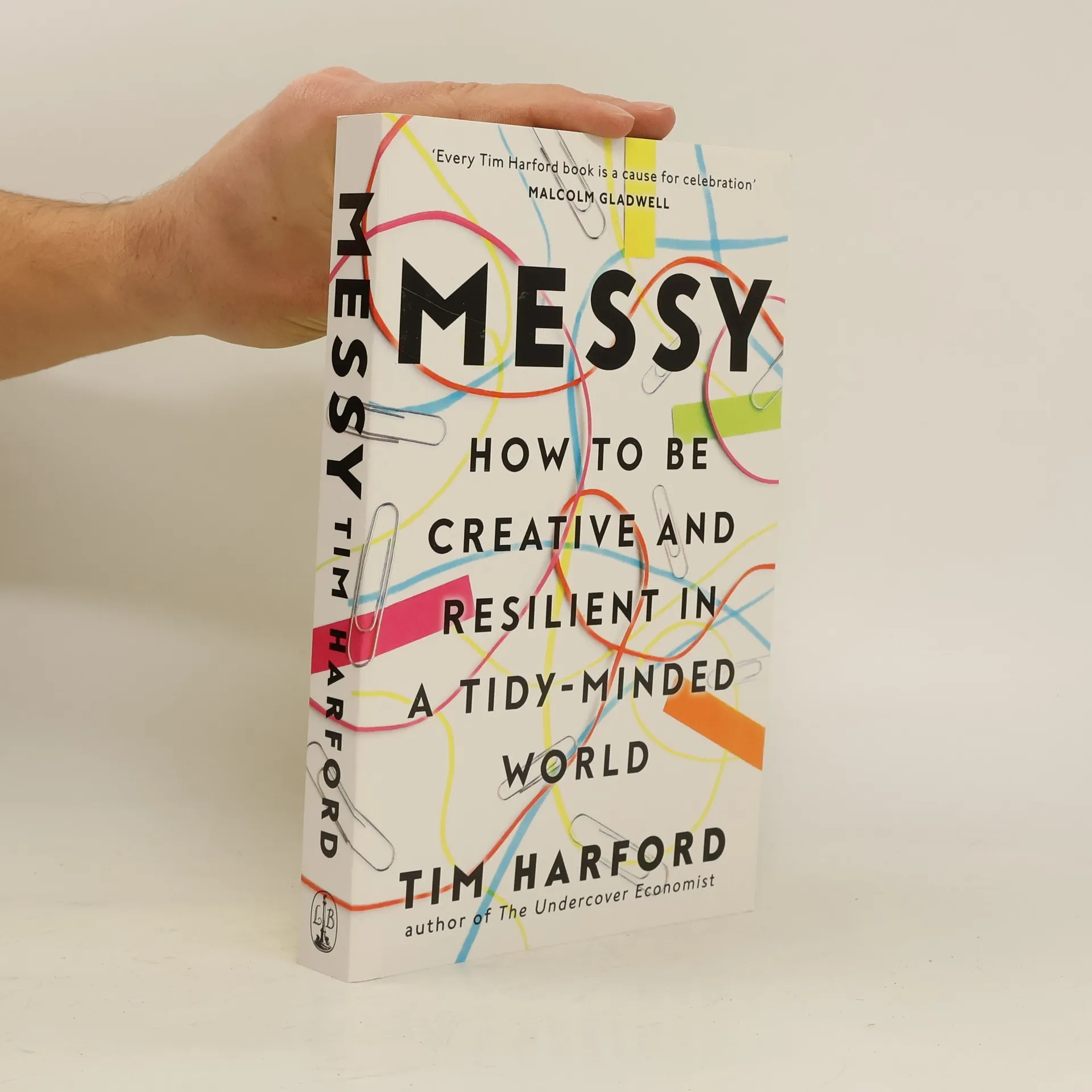
    • The urge for tidiness is deeply ingrained in human nature, with many feeling threatened by chaos or ambiguity. We find comfort in systems, scripts, and categorization, which can be beneficial to a point—think of libraries, global trade, and scientific collaboration. However, the push for order has gone too far, driven by corporate and bureaucratic pressures that demand everything be labeled and neatly organized. This tidy mindset, now aided by technology, is encroaching on our personal lives, from structuring children's play to relying on algorithms for romance. Excessive tidiness can lead to rigidity and sterility, stifling creativity and responsiveness. In this exploration, Tim Harford illustrates how qualities we cherish—like resilience and innovation—thrive in messiness. He advocates for embracing disorder in various aspects of life: at home, in the workplace with cluttered desks, in creative environments, and in our approaches to business and politics. By allowing for some chaos and ambiguity, we can foster a more dynamic and productive existence. It's time to appreciate the advantages of a little mess.

      Messy: How to be creative and resilient in a tidy-minded world2016
      3,9
    • Who Gets What and Why

      The Hidden World of Matchmaking and Market Design

      • 260 páginas
      • 10 horas de lectura

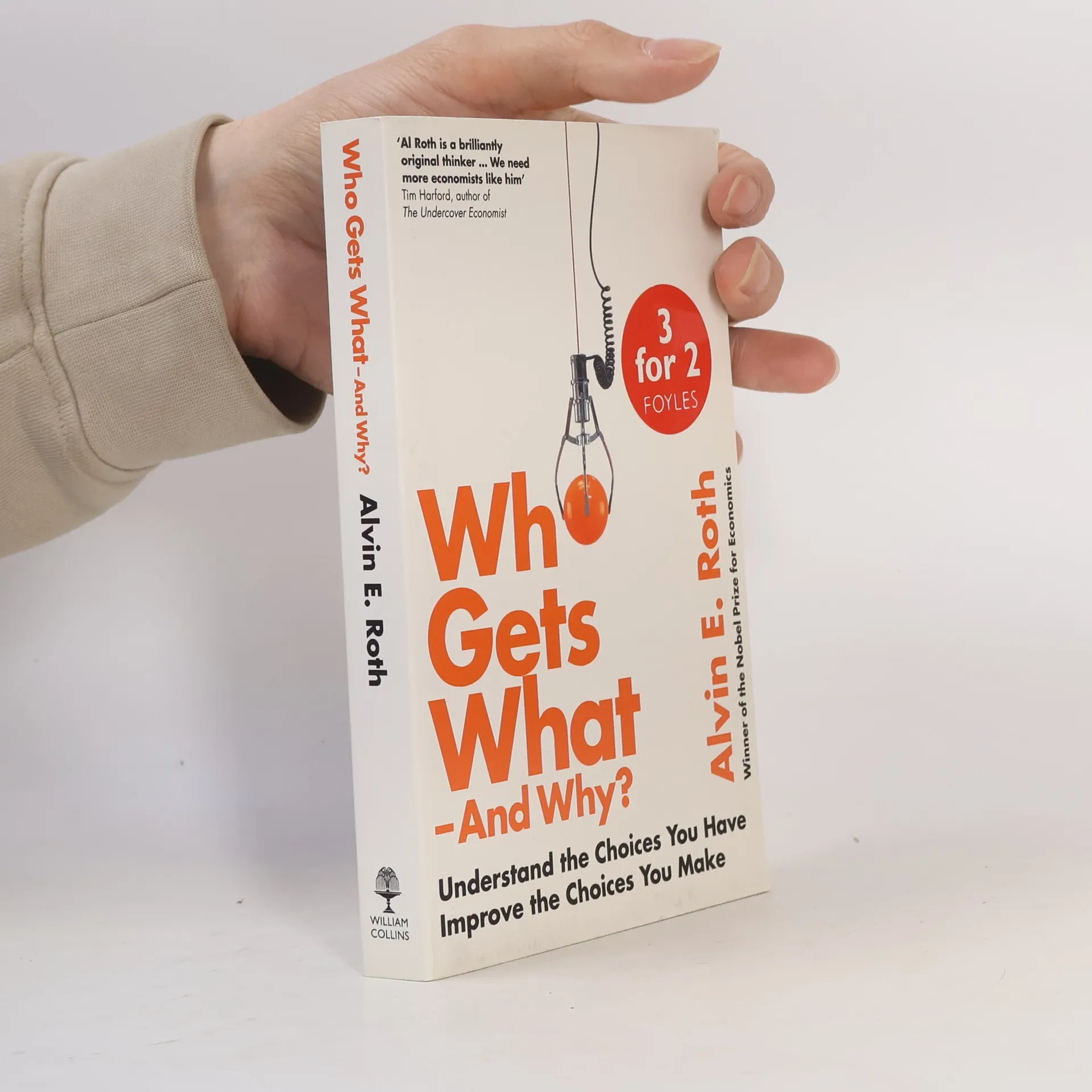
      How our lives are shaped not only by the choices we make, but by the choices we have. In many parts of life – jobs, housing, medical care, education, even a date on the internet – price is not the only determinant of who gets what. So how do the other processes that influence who gets which goods, jobs, university places and partners really work? In ‘Who Gets What’, Nobel Prize winning economist Alvin Roth uncovers the global rules of how markets allocate, how matchmaking shapes lives, where markets exist that we may not even realise, and how everything about our biggest experiences – from getting accepted at university or living where we want – can be better understood and negotiated when one understands the design of those matching markets. The distribution of rewards is often unfair, but it’s seldom as random as it seems, and Roth reveals just how much of our life takes place in marketplaces, and leads us to a new understanding of who gets what and why. For fans of ‘Freakonomics’ and ‘Thinking Fast and Slow’ this groundbreaking book sheds new light on the politics of free markets, and how many things that we choose in life also must choose us.

      Who Gets What and Why2015
      3,4
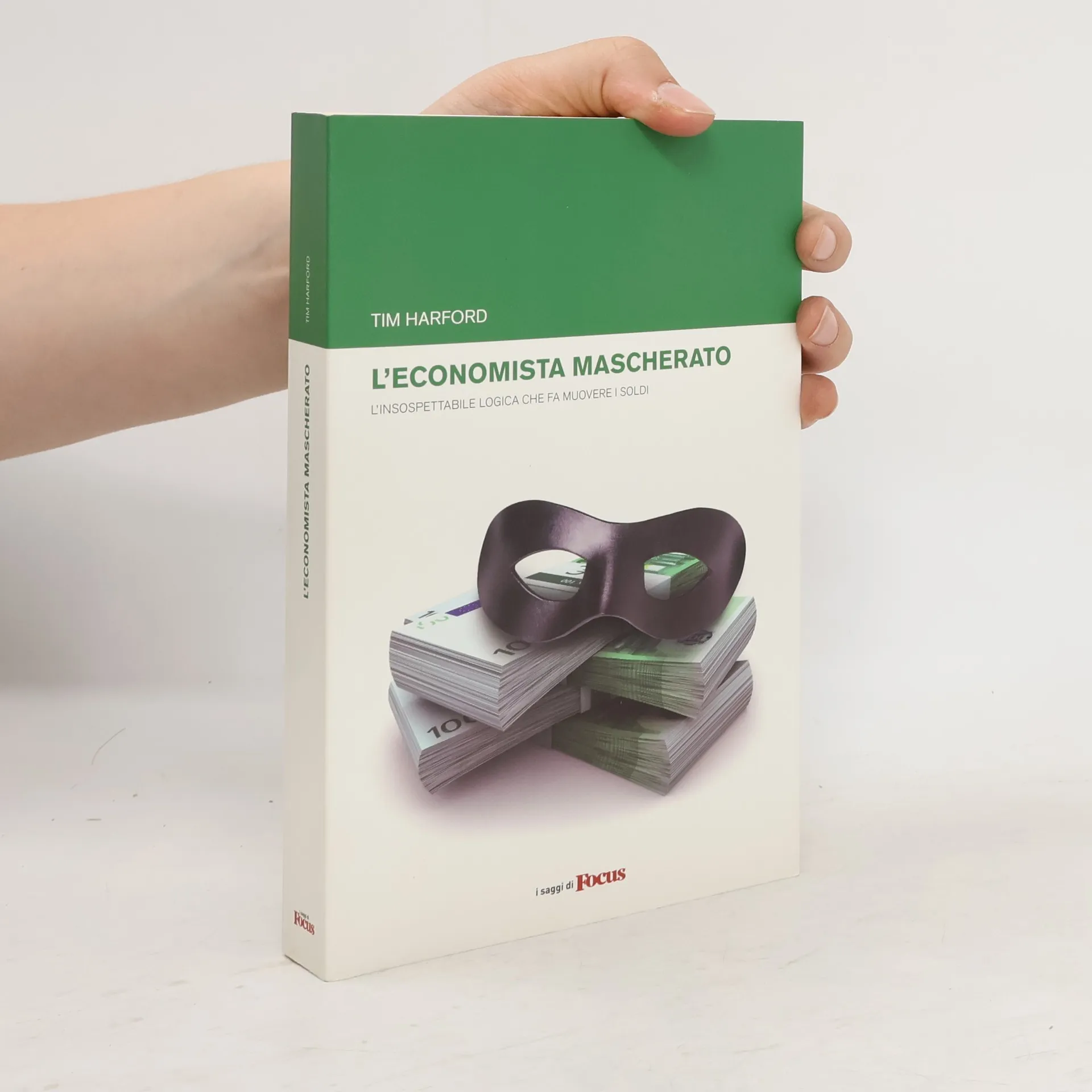
    • El economista camuflado ataca de nuevo

      • 272 páginas
      • 10 horas de lectura

      Tras la gran recesion, la economía se ha convertido en un tema que nadie puede ignorar. Todos, desde las amas de casa hasta los inversores en bolsa, necesitan comprender cómo funciona la economía mundial. En su nuevo libro el autor desmitifica la macroenomía, prescinde de terminologías huecas y descubre la verdad de cómo funciona en realidad la economía del mundo. Este libro plantea respuestas a cuestiones como: ¿qué sucedería si se cancelara la deuda de todo el mundo?; ¿qué pasará con el euro?; ¿por qué los bancos continúan pagando unos bonus de escándalo?; ¿cómo se crea realmente empleo? ; o ¿llegarán los países emergentes a controlar la economía mundial? Con los conocimientos de auténtico experto y la inteligencia de un divulgador, el autor explica lo que está pasando de verdad, más allá de los grandes titulares, por qué nos afecta a todos sin excepción y qué podemos hacer para entenderlo

      El economista camuflado ataca de nuevo2013
      3,9
    • EIN GLÄNZEND GESCHRIEBENES PLÄDOYER FÜR EIN NEUES DENKEN IN WIRTSCHAFT, POLITIK UND ALLTAG Finanzkrise, Klimawandel, Armut, Terrorismus: Die Welt von heute ist voll komplexer Probleme. Und sie verändert sich rasend schnell. Lösungen erhoffen wir uns zumeist von Fachleuten und Entscheidern. Aber Politiker und Wirtschaftsbosse liegen regelmäßig daneben, und Expertenmeinungen erweisen sich bald als Schnee von gestern. Was also tun? Tim Harford sagt: Es gibt keine Patentlösungen. Vielmehr müssen wir Dinge ausprobieren. Und damit leben, dass sich manches als Fehlschlag entpuppen wird. Denn nur wenn wir offen mit Fehlern umgehen, können wir aus ihnen lernen und uns gleichsam tastend einer Lösung nähern. Wie das geht, wie wir Kreativität fördern und Innovationen anstoßen können, erklärt er anhand von wissenschaftlichen Erkenntnissen und spannend erzählten Beispielen aus den verschiedensten Bereichen. «Ein großartiges Buch.» Sunday Times «Eines der besten Wirtschaftsbücher des Jahres.» Handelsblatt «Beser kann man es kaum machen.» Nature «Ein ungemein erhellendes Buch … mit vielen Beispielen, klasse geschrieben und präzise auf den Punkt gebracht. Leseempfehlung!» Süddeutsche Zeitung «Ein unterhaltsames Buch. Informativ. Überraschend - wie ein guter Roman.» Deutschlandfunk

      Trial and error2012
      2,0
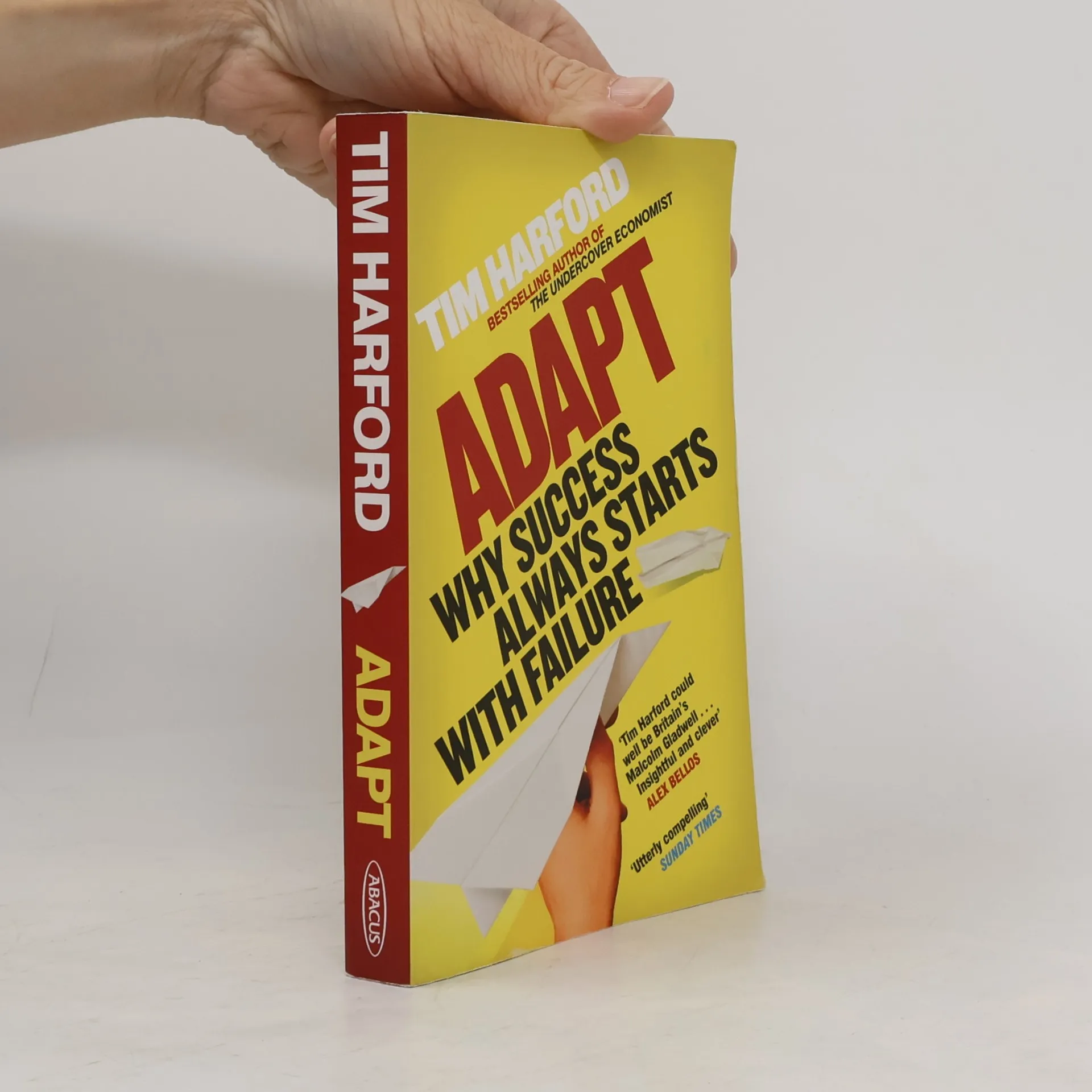
    • Everything we know about solving the world's problems is wrong. Out: Plans, experts and above all, leaders. In: Adapting - improvise rather than plan; fail, learn, and try again In this groundbreaking new book, Tim Harford shows how the world's most complex and important problems - including terrorism, climate change, poverty, innovation, and the financial crisis - can only be solved from the bottom up by rapid experimenting and adapting. From a spaceport in the Mojave Desert to the street battles of Iraq, from a blazing offshore drilling rig to everyday decisions in our business and personal lives, this is a handbook for surviving - and prospering - in our complex and ever-shifting world.

      Adapt. Why Success Always Starts with Failure2011
      3,9
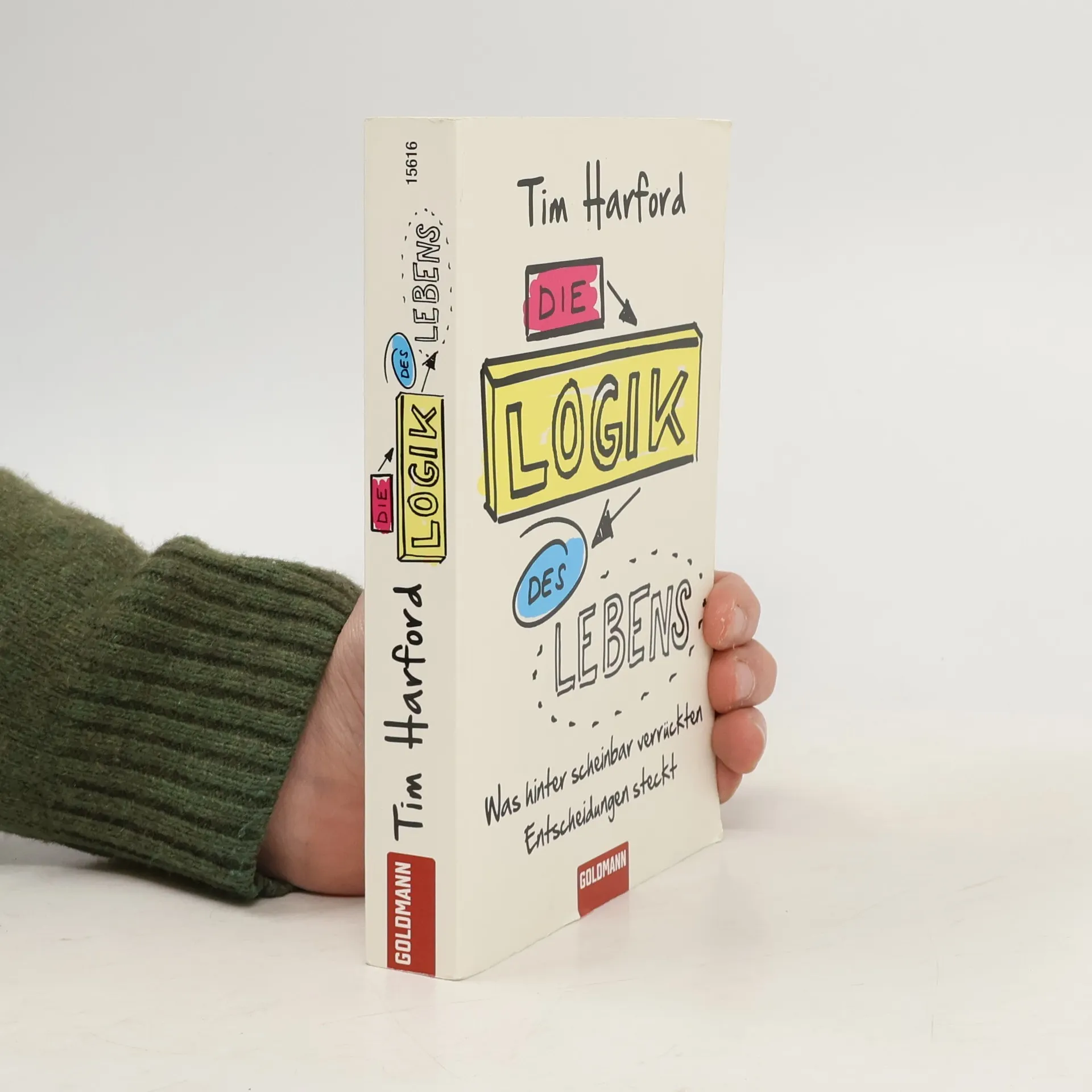
    • Die Logik des Lebens

      Was hinter scheinbar verrückten Entscheidungen steckt

      • 349 páginas
      • 13 horas de lectura

      Menschliches Verhalten erscheint oft zutiefst unlogisch. Aber ist das wirklich so? Für den preisgekrönten Wirtschaftsjournalisten und Bestseller-Autor Tim Harford prägen rationale Motive unser Verhalten viel stärker als bisher angenommen. Seine Theorie verdeutlicht er anhand einer Fülle von Fallbeispielen. Warum sind Chefs meistens überbezahlt? Was ist die Ursache des Oralsex-Booms? Warum setzt sich das Wohl der Wenigen auch in einer Demokratie häufig gegen das Wohl der Vielen durch? Durch Harfords Röntgenblick kommt die verborgene Logik des Lebens zum Vorschein.

      Die Logik des Lebens2010
      4,0
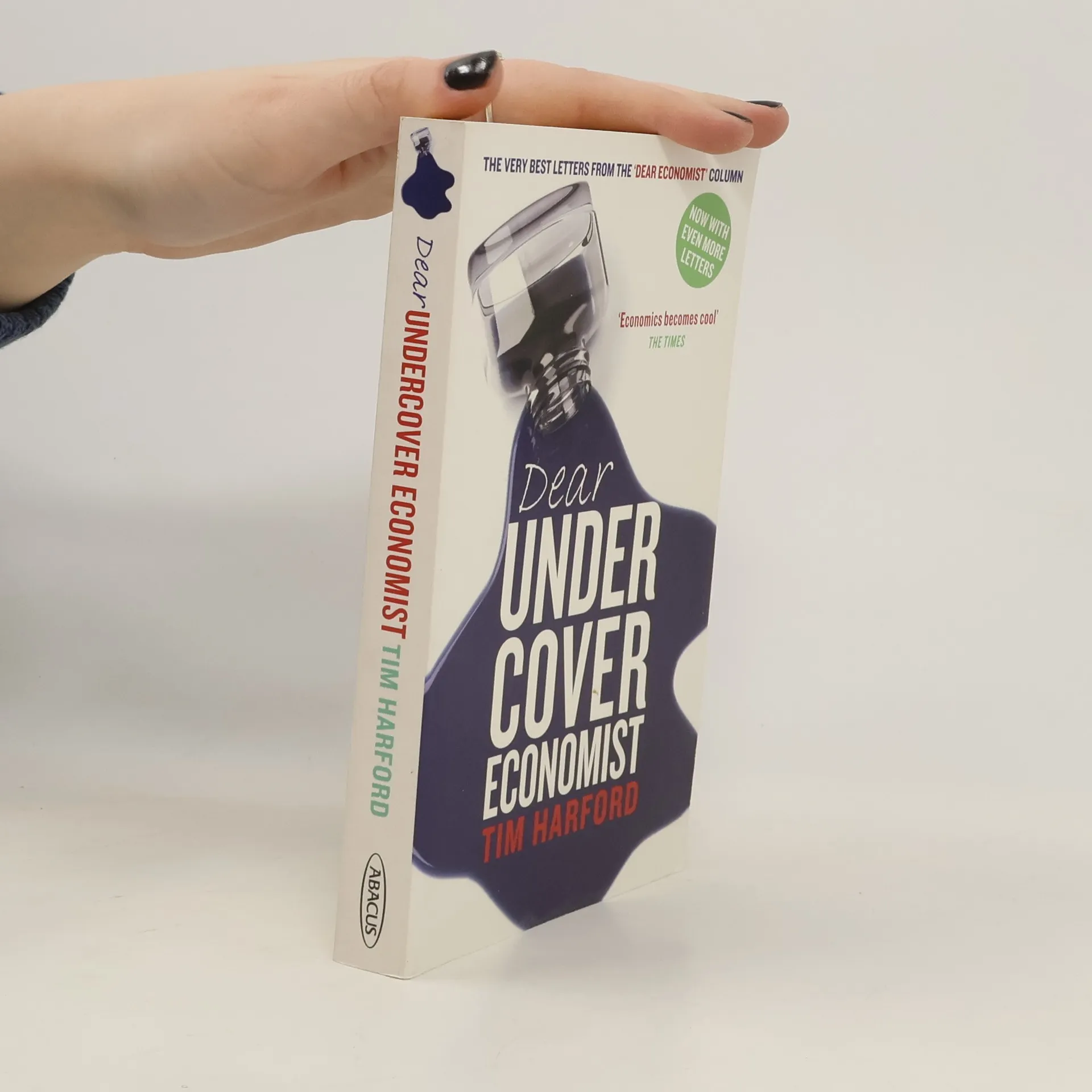
    • Dear undercover economist

      • 192 páginas
      • 7 horas de lectura

      Are there tangible benefits in flossing? Is it wrong to fake orgasms? What does the perfect online dating ad look like? Should we bother doing the ironing? Is it really impossible to buy the perfect Christmas gift? (Other than this book, of course.) Economists might not be the first people you would think of to give you advice on such diverse areas as parenting, the intricacies of etiquette or the dark arts of seduction. But for years bestselling author Tim Harford has been doing just that: answering the most challenging questions in his brilliant column, where he uses the tools of economics to give practical advice about everyday dilemmas, conundrums and concerns. From family rows and the stock market to buying socks or speed dating, you'll find within these pages a witty - and of course rational - explanation for almost everything you ever wanted to know about life.

      Dear undercover economist2009
      3,8
    • Tim Harford má daleko do nudného učitele moderní ekonomie, protože mu jde hlavně o praxi. Uvědomuje si totiž, že jeho obor není jen suchopárná věda, ale pojednává také o tom, jaké ekonomické problémy v každodenním životě řešíme a jak by se lidem i jejich financím mohlo vést lépe - což jim většina odborníků bohužel dosud nedokázala názorně vysvětlit. Aby předvedl, že je to proveditelné, poodkrývá čtenářům prostřednictvím desítek příkladů triky prodejců, odhaluje jim nejen mnohá úskalí nakupování, velkoměstské dopravy, ale i systémů zdravotní péče, ochrany životního prostředí či fungování akciových trhů a mezinárodního obchodu. Současně poukazuje na překážky stojící v cestě konkurenčnímu prostředí volných trhů, jež projevují přirozenou schopnost učinit náš svět lepším místem k životu. Pro jednu z nejžádanějších britských knih dneška je charakteristický jízlivý náhled na nejrůznější obchodní praktiky a zádrhely i nechuť vůči zažitým nepravdám a klišé. Autor v ní však neopomíjí ani starost o budoucnost obyvatel třetího světa, kterou nelze v podmínkách sílící globalizace ztrácet ze zřetele. Harfordův pronikavý výklad, připomínající podle recenzentů "náhled na všední den, viděný očima pronikavýma jako rentgen", zároveň vyzáří množství ostrovního humoru, neboť postupuje v duchu nejlepších popularizátorských tradic, jimž nic lidského není cizí.

      Důvtipný zákazník. Jak prohlédnout triky prodejců2008
      3,7
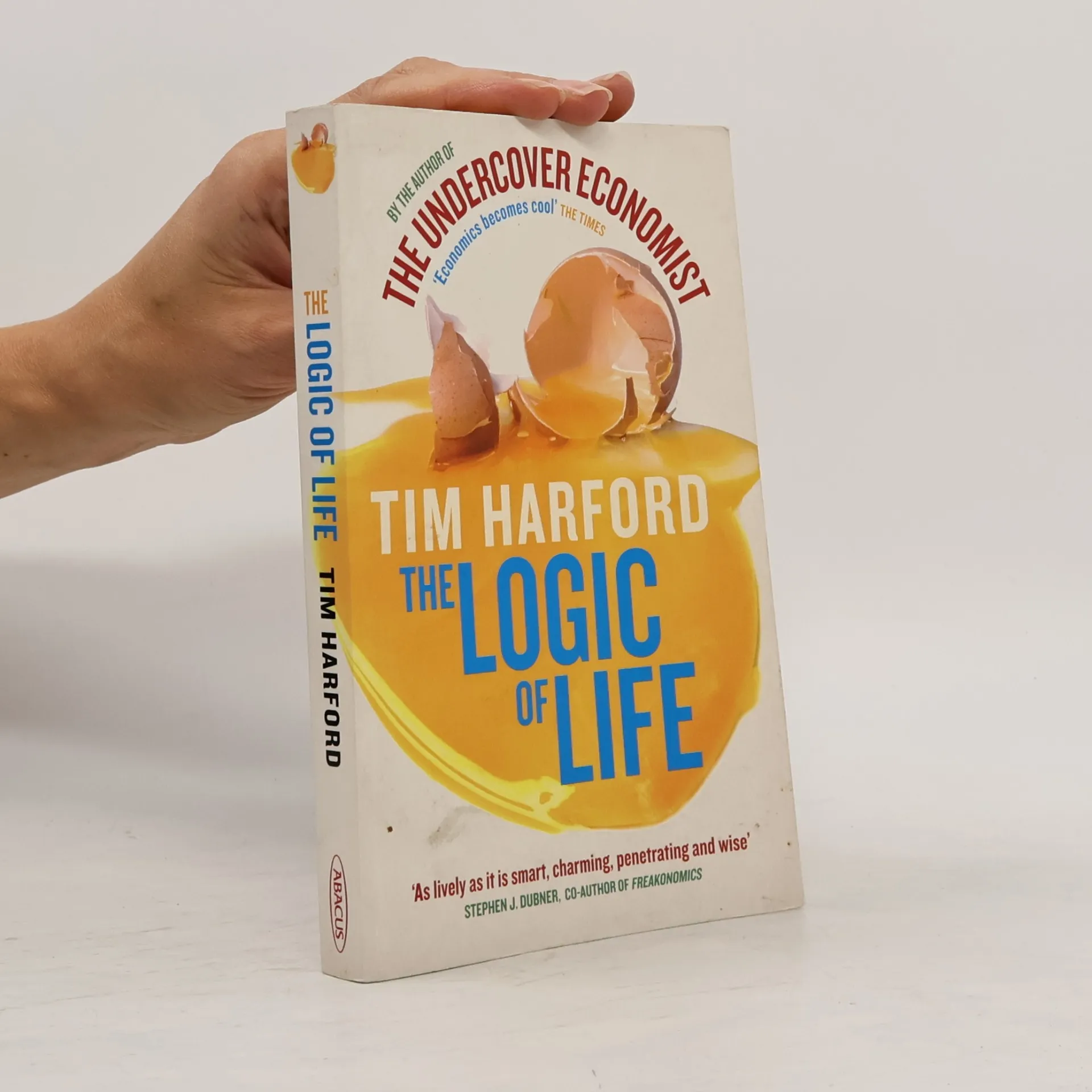
    • From the author of 'The Undercover Economist, ' this book applies the economics of rational choice theory to modern life. Harford explains, for example, why drug addicts and teenage muggers can be rational, why suburbal sprawl and inner city decay are rational, and why the endless meetings and injustices of working life are rational

      The logic of life : uncovering the new economics of everything2008
      3,8
    • The Undercover Economist

      • 288 páginas
      • 11 horas de lectura

      Who makes most money from the demand for cappuccinos early in the morning at Waterloo Station? Why is it impossible to get a foot on the property ladder? How does the Mafia make money from laundries when street gangs pushing drugs don't? Who really benefits from immigration? How can China, in just fifty years, go from the world's worst famine to one of the greatest economic revolutions of all time, lifting a million people out of poverty a month? Looking at familiar situations in unfamiliar ways, THE UNDERCOVER ECONOMIST is a fresh explanation of the fundamental principles of the modern economy, illuminated by examples from the streets of London to the booming skyscrapers of Shanghai to the sleepy canals of Bruges. Leaving behind textbook jargon and equations, Tim Harford will reveal the games of signals and negotiations, contests of strength and battles of wit that drive not only the economy at large but the everyday choices we make.

      The Undercover Economist2006
      3,8