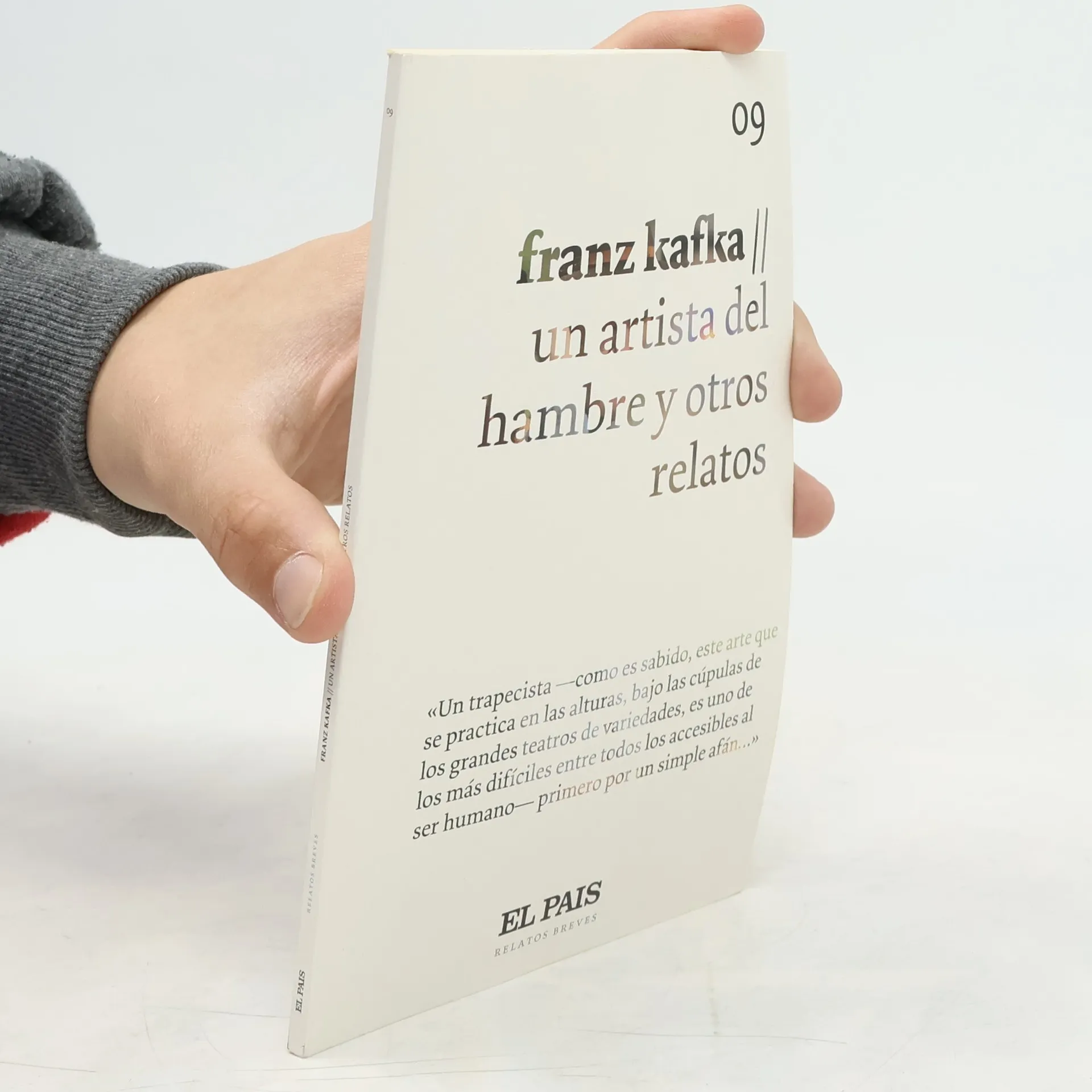
Un artista del hambre (título original en alemán: Ein Hungerkünstler), es un relato corto escrito por Franz Kafka en 1922 pero no fue publicado hasta 1924, después de su muerte. El protagonista es una arquetípica creación de Kafka, un individuo marginado y victimizado por la sociedad.
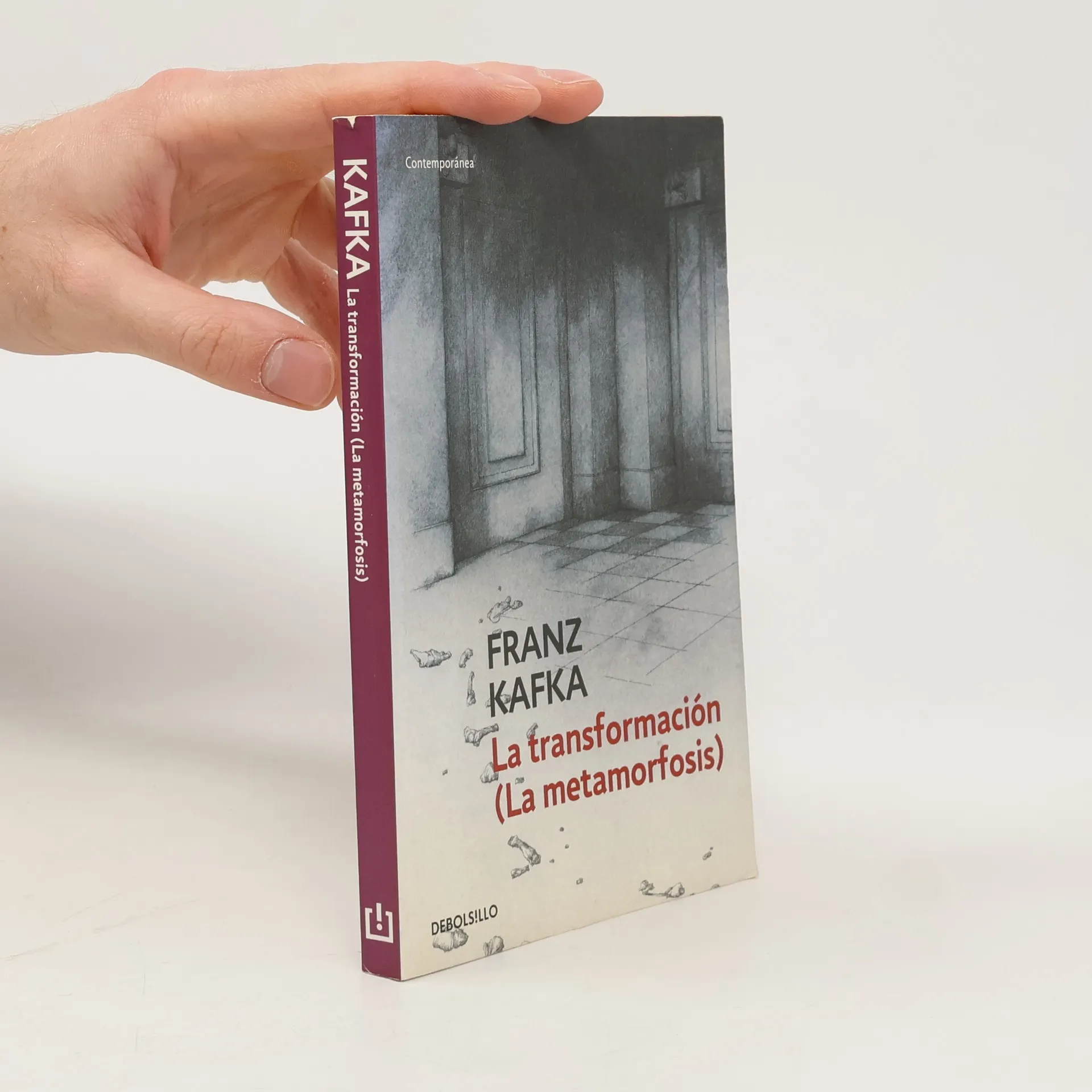
Una de las obras capitales de la literatura moderna sobre las pesadillas de la existencia La transformación, o metamorfosis, de Gregor Samsa en un bicho monstruoso, similar a un enorme escarabajo, es uno de los hitos de la literatura universal. Franz Kafka escribió el relato en 1915 y lo publicó por primera vez en la revista mensual Die Weissen Blätter . En noviembre de ese mismo año, el título se imprimió como libro independiente bajo el sello de la editorial Kurt Wolff, con fecha anticipada de 1916. En este volumen, la más conocida y divulgada pesadilla kafkiana es objeto de una nueva traducción a cargo de Juan José del Solar, que ha tenido presentes la luz que arroja sobre la obra de Kafka la edición crítica de la editorial S. Fischer, que ha obligado, felizmente, a reeditar bajo nuevos parámetros a un autor que está considerado el más emblemático del siglo XX. La crítica ha «El mundo de Kafka es, en verdad, un universo indecible donde el hombre se da el lujo torturante de pescar en una bañera, a sabiendas de que no saldrá nada.»Albert Camus «La más indiscutible virtud de Kafka es la invención de situaciones intolerables.»Jorge Luis Borges «La literatura de Kafka es tan cruel e intrincada como una pesadilla. La destrucción del yo planea por sus páginas como algo inminente e ineludible.»Rafael Narbona, El Cultural
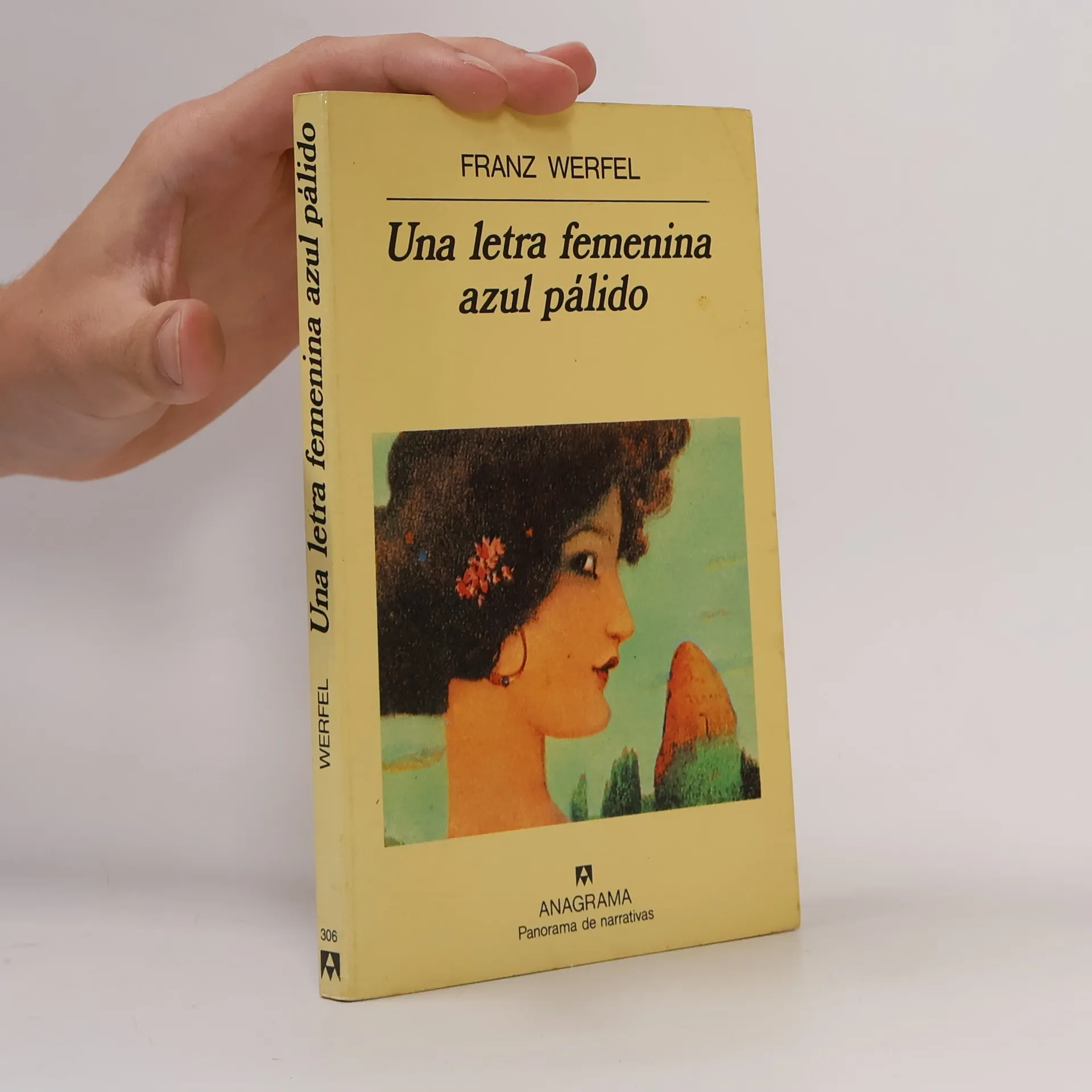
In February 1940, Franz Werfel embarked on a new short novel, a departure from his earlier bestsellers, which would unfold as a tragicomic tale reflecting a world on the brink of becoming inhospitable. This narrative serves as a prelude to Holocaust literature, centering on a suppressed love triangle involving Leonidas Tachezy, a high-ranking Austrian bureaucrat; his younger wife Amelie; and Vera Wormser, a Jewish woman from his past. Leonidas had fallen in love with Vera when she was just fourteen, but after marrying Amelie, he encounters Vera again in a German university town. He promises her marriage but ultimately withdraws from her life, returning to his comfortable existence until a letter arrives, penned in Vera's unmistakable pale blue ink. In a manner reminiscent of Humbert Humbert in Lolita, Leonidas recounts his "crime" against Vera to an imaginary courtroom, revealing the characters' evasions and self-deceptions. The story captures the essence of interwar Austria, highlighting the complexities of anti-Semitism and the diverse Austrian populace. This NEA-award-winning translation makes Werfel's novella accessible to a new generation, affirming his place alongside contemporaries like Mann, Kafka, and Musil in the literary canon.