The book explores the rich and evolving significance of pink throughout history, revealing its transformation from a masculine hue in the eighteenth century to its modern feminization linked to the Barbie doll. It details the development of pink pigments, the cultural symbolism attached to the color, and its associations with various themes such as softness, pleasure, and sexuality. With captivating illustrations, it offers a comprehensive visual and social history of pink in art, fashion, literature, and everyday life from antiquity to the present.
Michel Pastoureau Orden de los libros (cronológico)
17 de junio de 1947
Michel Pastoureau es un historiador francés de renombre cuyas obras profundizan en la historia de los símbolos visuales, en particular los colores y los animales. Su investigación explora cómo han evolucionado estos símbolos y el impacto que han tenido en el pensamiento y la cultura occidentales. Pastoureau aborda su trabajo con una erudición notable, diseccionando la intrincada red de significados incrustados en estos elementos visuales. Su escritura ofrece a los lectores una nueva perspectiva sobre temas que a menudo se dan por sentados, revelando sus profundos fundamentos culturales.


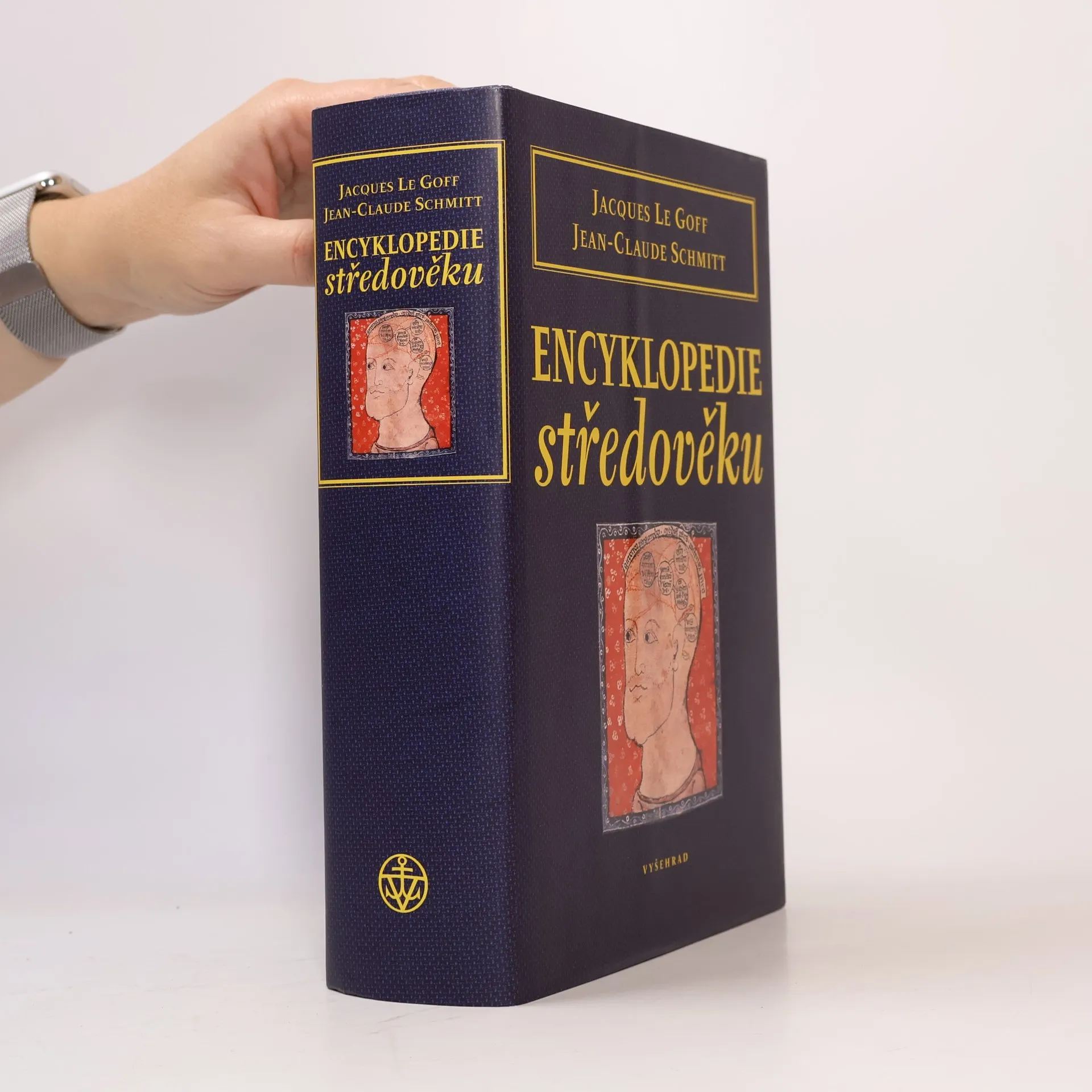
Encyklopedie středověku
- 936 páginas
- 33 horas de lectura
Dva přední francouzští historici-medievalisté v knize shromáždili přes osm desítek hesel, samostatných a ucelených esejů, věnovaných podstatným skutečnostem a tématům středověkého života: nalezneme mezi nimi jak tradiční témata politických dějin („Král“, „Šlechta“, „Válka a křížová výprava“), dějin hospodářských („Peníze“, „Řemeslníci“, „Půda“), kulturních („Katedrála“, „Literatura a literatury“, „Poutnictví“, „Symbol“), tak hesla věnovaná základním vrstevnicím mentální krajiny středověkého člověka, často už pouhým názvem naznačující napětí mezi protikladnými složkami pojednávaných témat: „Mužství a ženství“, „Řád a stavy“, „Střed a periferie“, „Svoboda a otroctví“, „Ústní a písemné“. Stranou nezůstávají ani „periferie“ středověkého Západu: „Byzanc a Západ“, „Islám“ či „Moře“. Složení autorského kolektivu je podobně rozmanité – převažují v něm autoři francouzští, ale vedle nich nalézáme i odborníky z Itálie, Německa, Anglie, Spojených států, Polska i Ruska. Podařilo se tak encyklopedii vtisknout celoevropský rozměr, byť její zaměření zůstává v první řadě západoevropské a v samém centru pozornosti je pochopitelně Francie. Díky knize dojde čtenář k hlubšímu pochopení oné nejednoznačné, vzrušující a v mnohém klíčové epochy evropských dějin.
Presents a fascinating visual, social, and cultural history of the color white in European societies, from antiquity to today. Illustrated throughout with a wealth of captivating images ranging from the ancient world to the twenty-first century
Dass ein bestimmter Geschmack oder ein spezieller Geruch eine ganze Dominokette an Erinnerungen auslösen kann, dass das Gedächtnis eine sinnliche Erfahrung speichert und mit bestimmten Gefühlen verknüpft, ist in der Literatur oft beschrieben worden. Dass die verlorene Zeit jedoch ebenso spontan und scheinbar unwillkürlich mittels Farben und Formen wiedergefunden werden kann, zeigt Michel Pastoureau in diesem schillernd bunten anekdotischen Essay. Er erzählt von blauen Hosen und von Rotkäppchens Haube, von Trikots und Farbfilmen, von schwarzen Katzen und monochromen Menüs, von Mondrian und Vermeer, von Vierfarbkugelschreibern und Rotgrünblindheit. Wie beiläufig verbindet er in seinem kurzweiligen Parcours private Erinnerungen mit soziologischen, historischen und naturwissenschaftlichen Erkenntnissen. Nach der Lektüre wird man die bunte Welt mit anderen Augen sehen!
Yellow
- 240 páginas
- 9 horas de lectura
Traces the history of yellow around the world, telling the story of the color's evolving place in art, religion, fashion, literature, science, and everyday life, and revealing how its meaning has changed profoundly over millennia and varied among cultures
Das große Wappenbuch der Ritter vom Goldenen Vlies
- 256 páginas
- 9 horas de lectura
Die Pracht der Farben ist atemberaubend. Ritter mit kühner Helmzier wirbeln im Kampf, die Kostüme über und über mit Wappen verziert. Pferde bäumen sich auf. Schwerter sausen nieder. Das Wappenbuch des Ordens vom Goldenen Vlies verbindet kraftvolle Dynamik und leuchtende Schönheit zu einem faszinierenden Universum. Der Band bietet erstmals eine hochwertige Reproduktion der gesamten Handschrift, die 1436-1437 in Nordfrankreich geschaffen wurde. Sie enthält 79 ganzseitige Reiterbilder, welche die Ordensritter sowie bedeutende Herrscher und Kirchenfürsten aus ganz Europa darstellen. Hinzu kommen 950 Wappen der Gesandten, die 1435 am Vertrag von Arras mitwirkten. Der renommierte Historiker Michel Pastoureau führt in die Heraldik ein und beschreibt Entstehung und Bedeutung der Handschrift. Überraschende Einsichten in die Modernität mittelalterlicher Wappen verrät sein Gespräch mit Jean-Charles de Castelbajac, das mit fantasievollen Zeichnungen des bekannten Modeschöpfers illustriert ist.
Dans son ouvrage Les Couleurs de nos souvenirs, Michel Pastoureau s'était intéressé à l'histoire des rapports entre couleurs et société sur plus d'un demi-siècle (1950-2010). Poursuivant ses enquêtes, il les fait porter sur une période plus courte et propose aujourd'hui un regard et une réflexion sur les pratiques de la couleur de notre temps. Fait de notes prises sur le vif, d'expériences personnelles, de propos débridés, de digressions savantes ou de récits pleins d'humour, ce Journal chromatique des cinq dernières années nous conduit sur les terrains les plus divers : le vocabulaire et les faits de langue, la vie quotidienne et le spectacle de la rue, le vêtement et les phénomènes de mode, l'art et la littérature, le cinéma, les musées, la publicité, le monde politique, les jardins publics, les chambres d'hôtel et les terrains de sport. Tour à tour descriptif et narratif, ludique et poétique, ce Journal souligne combien la couleur, omniprésente dans nos sociétés contemporaines où sa fonction première est de signaler, de classer et de hiérarchiser, reste heureusement une source de plaisir et un lieu pour rêver.
Red
- 213 páginas
- 8 horas de lectura
Praise for Michel Pastoureau's Green :[S]umptuously illustrated. . . . These are books to look at, but they are also books to read. . . . Individual colors find their being only in relation to each other, and their cultural force depends on the particular instance of their use. They have no separate life or essential meaning. They have been made to mean, and in these volumes that human endeavor has found its historian. - Michael Gorra, New York Review of Books
Green
- 239 páginas
- 9 horas de lectura
This beautifully illustrated book presents a captivating history of the color green in European societies from prehistoric times to the present. The author examines how the perception and meaning of green have evolved in art, clothing, literature, religion, science, and daily life, revealing how cultural shifts have altered our understanding of colors over millennia. Filled with engaging anecdotes, it illustrates green's ambivalence as a symbol of life, luck, and hope, yet also of disorder, greed, and poison. The challenges of producing and fixing green pigments contributed to its association with changeability, reflecting childhood, love, and money. It wasn't until the Romantic period that green firmly became linked with nature. The text explores various historical connections, including its ties to the Roman emperor Nero, its significance in Islam, Goethe's view of it as the color of the middle class, and the speculation that ancient Greeks might not have perceived green. Additionally, it discusses how artists like Kandinsky and the Bauhaus rejected the color. Ultimately, the narrative reveals a history of dramatic reversal: once overlooked, green is now a prominent symbol of environmentalism and the quest to protect the planet. With its striking design and compelling narrative, this work will appeal to those interested in history, culture, art, fashion, media, or design.
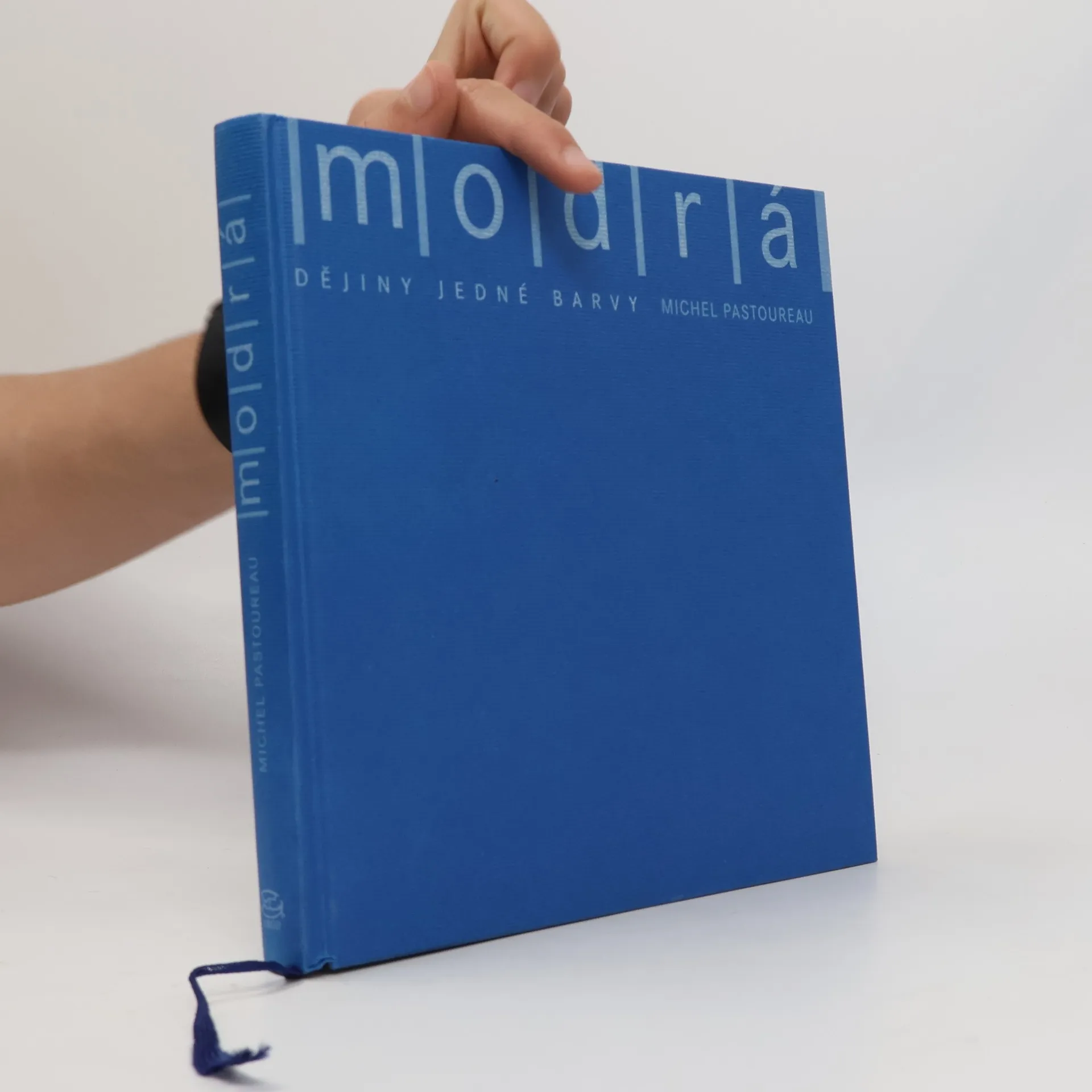
Francouzský historik kulturních dějin Michel Pastoureau, který se dlouhodobě věnuje zkoumání symbolů (nejen barev ale i zvířat a také heraldikou, analyzuje v této knize vývoj a proměny symboliky modré barvy v dějinách evropského Západu. Řekové ani Římané jí žádnou větší pozornost nevěnovali, dokonce ji pokládali za nepříjemnou na pohled. Naopak dnes se jedná o barvu, jejíž obliba v celé Evropě daleko předčí barvy ostatní (včetně zelené a červené). Autor se zamýšlí nad příčinami této proměny a zabývá se významem a symbolikou modré barvy v oblečení, každodenním životě stejně jako v literatuře a v umění od dob klasického starověku, ve středověké i v současné Evropě.
Das mittelalterliche Bestiarium
- 112 páginas
- 4 horas de lectura
Ob Hund, Löwe, Einhorn oder Drache - im Mittelalter verschwimmen die Grenzen zwischen realen und imaginierten Tieren. So sind die Zeichnungen von gepunkteten Panthern und blauen Löwen in mittelalterlichen Handschriften nicht als naturgetreue Abbilder zu verstehen, sondern vielmehr symbolisch zu deuten. Dass Tiere gerade in der christlichen Symbolik eine wichtige Rolle spielen, ist uns vertraut: Wir kennen das Lamm Gottes und die Taube des Heiligen Geistes. Doch wer weiß, dass der „Kampf“ zwischen dem Löwen als König der Tiere und dem Bären als König des Waldes für den Kampf des Christentums gegen das Heidentum steht. Oder dass der Drache den Erzfeind der Kirche darstellt, weshalb Geistliche wie Heilige auf Bildern oft triumphierend einen Fuß auf den besiegten Drachen stellen. Michel Pastoureau führt in diesem schön gestalteten kleinen Buch ein bildreiches und buntes Bestiarium vor - und eröffnet so einen ganz eigenen Zugang zu mittelalterlichen Lebens- und Vorstellungswelten.
Francouzský historik kulturních dějin Michel Pastoureau, který se dlouhodobě věnuje zkoumání symbolů (nejen barev ale i zvířat a také heraldikou, analyzuje v této knize vývoj a proměny symboliky modré barvy v dějinách evropského Západu. Řekové ani Římané jí žádnou větší pozornost nevěnovali, dokonce ji pokládali za nepříjemnou na pohled. Naopak dnes se jedná o barvu, jejíž obliba v celé Evropě daleko předčí barvy ostatní (včetně zelené a červené). Autor se zamýšlí nad příčinami této proměny a zabývá se významem a symbolikou modré barvy v oblečení, každodenním životě stejně jako v literatuře a v umění od dob klasického starověku, ve středověké i v současné Evropě.
The Bear
- 384 páginas
- 14 horas de lectura
From antiquity to the Middle Ages, the bear's centrality in cults and mythologies left traces in European languages, literatures, and legends. Michel Pastoureau considers how this once venerated creature was deposed by Christianity and continued to sink lower in the symbolic bestiary before rising again in Pyrrhic triumph as the teddy bear.
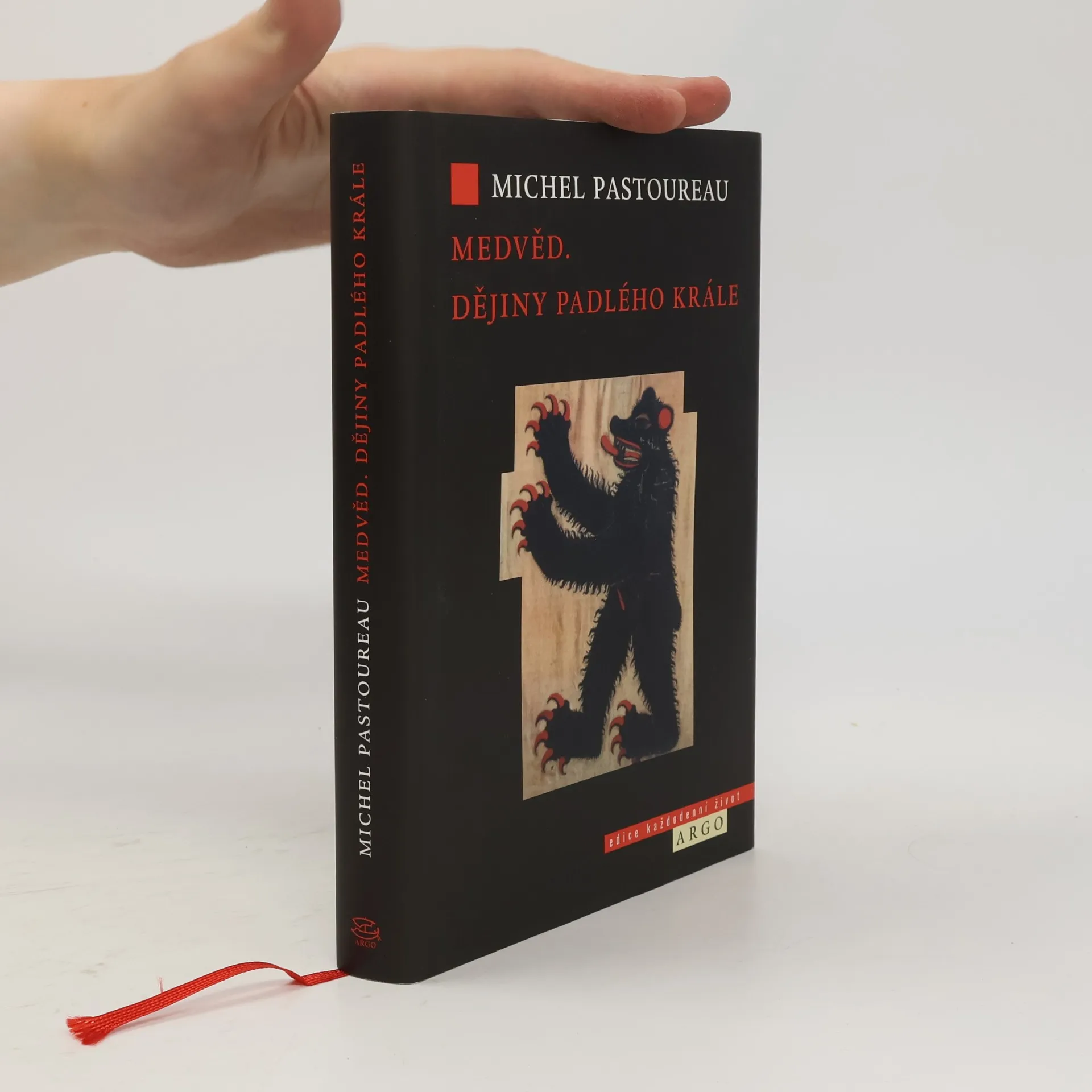
Po dlouhý čas nebyl v Evropě za krále zvířat pokládán lev, nýbrž medvěd, vnímaný jako dávný předek člověka. Kult medvěda sahající do prehistorických dob pronikl i do ikonografie a pověstí středověku a narazil na odmítavý postoj křesťanských teologů. Francouzský historik Michel Pastoureau se zabývá různými aspekty boje církve proti těmto představám a proměnám postavení této šelmy v symbolice středověku: vybíjením medvědů, proměnou respektované šelmy v cirkusové zvíře, prosazováním lva na zvířecí trůn. Jako historik kulturních dějin svoji studii dovádí až do moderní doby, kdy se setkáváme s posledním ozvukem dávného úzkého vztahu mezi paleolitickým člověkem a medvědem, a zamýšlí se nad fenoménem šelmy, která se stává hračkou - plyšovým medvídkem - strážným andělem dětských snů a zároveň předmětem adorace.
What remains of the colours of our childhood? What are our memories of a blue rabbit, a red dress, a yellow bike – and were they really those colours? What colours do we associate with our student years, our first loves, our adult lives? How does colour leave its mark on memory? In an attempt to answer these and other questions, Michel Pastoureau presents us with a journal about colours that covers half a century. Drawing on personal recollections, he retraces the recent history of colours through an exploration of fashion and clothing, everyday objects and practices, emblems and flags, sport, literature, museums and art. This text – playful, poetic, nostalgic – records the life of both the author and his contemporaries. We live in a world increasingly bursting with colour, in which colour remains a focus for memory, a source of delight and, most of all, an invitation to dream.
Les animaux célèbres
- 336 páginas
- 12 horas de lectura
Longtemps délaissé par les historiens, l'animal est désormais un objet d'études à part entière. Envisagé dans ses rapports avec l'homme, il nous apprend mille choses sur la société, l'économie, la culture, la vie religieuse et symbolique. Michel Pastoureau a choisi ici quarante animaux célèbres. Certains ont réellement existé (les éléphants d'Hannibal, la bête du Gévaudan), d'autres sont empruntés à la Bible (la baleine de Jonas), à la mythologie (le Minautore), d'autres encore à la littérature (le perroquet de Flaubert) ou à la réalité de notre monde, et ce jusqu'au monstre du loch Ness ou Félix le chat...
Lange Zeit war in Europa nicht der Löwe, sondern der Bär König der Tiere, dem kultische Verehrung, Furcht und Bewunderung entgegengebracht wurde: Er galt in verschiedenen europäischen Kulturen als ein Mittler zwischen Diesseits und Jenseits, als Verwandter oder Ahnherr des Menschen. Unter den germanischen und skandinavischen Völkern nahm der Bär eine herausragende Stellung im symbolischen Bestiarium der Krieger und Fürsten ein und erwies sich als ernstzunehmender Rivale des christlichen Erlösers. Grund genug für die Missionare und Theologen, einen physischen wie symbolischen Vernichtungsfeldzug gegen ihn zu initiieren. Mehr als tausend Jahre lang wurde er verfolgt, dämonisiert und herabgesetzt, bis die tief verwurzelten Vorstellungen von seiner Würde und Unbesiegbarkeit dem Bild eines lasterhaften und satanischen Tieres, später dem einer tölpelhaften und törichten Kreatur gewichen waren.
Black - The History of a Color
- 210 páginas
- 8 horas de lectura
Black, favorite color of priests and penitents, artists and ascetics, fashion designers and fascists, has always stood for powerfully opposed ideas: authority and humility, sin and holiness, rebellion and conformity, wealth and poverty, good and bad. In this book, the author of Blue now tells the fascinating social history of the color black in Europe. In the beginning was black, he tells us. The archetypal color of darkness and death, black was associated in the early Christian period with hell and the devil but also with monastic virtue. In the medieval era, black became the habit of courtiers and a hallmark of royal luxury. Black took on new meanings for early modern Europeans as they began to print words and images in black and white, and to absorb Isaac Newton's announcement that black was no color after all. During the romantic period, black was melancholy's friend, while in the twentieth century black (and white) came to dominate art, print, photography, and film, and was finally restored to the status of a true color. For the author, the history of any color must be a social history first because it is societies that give colors everything from their changing names to their changing meanings, and black is exemplary in this regard. In dyes, fabrics, and clothing, and in painting and other art works, black has always been a forceful and ambivalent shaper of social, symbolic, and ideological meaning in European societies.
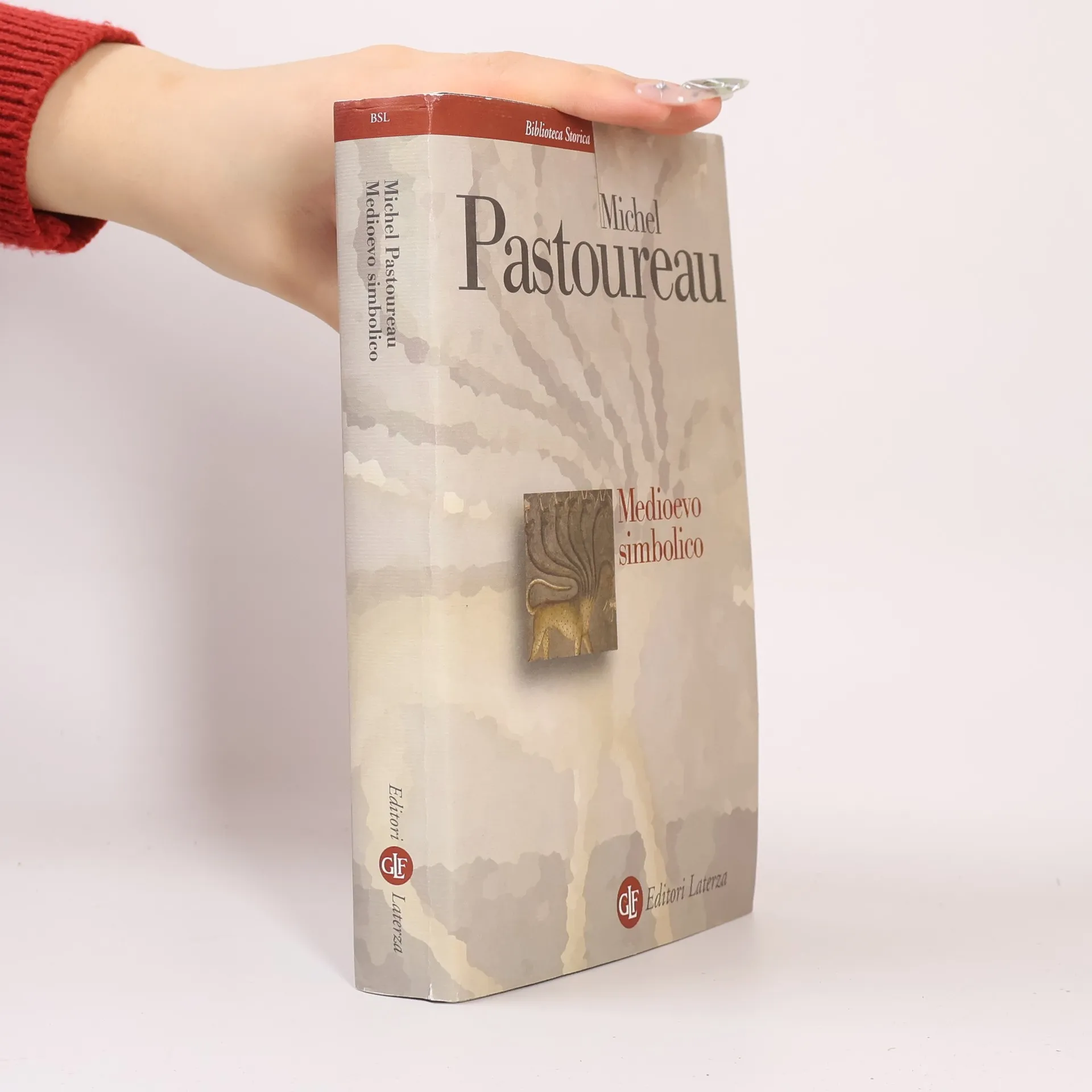
Medioevo simbolico
- 404 páginas
- 15 horas de lectura
I processi intentati agli animali, la mitologia del legno e degli alberi, il bestiario delle favole, l’arrivo del gioco degli scacchi in Europa, la storia e l’archeologia dei colori, l’origine delle armi e delle bandiere, l’iconografia di Giuda, la leggenda del re Artù e quella di Ivanhoe: questi sono alcuni dei temi trattati da Michel Pastoureau in questa Storia simbolica del Medioevo occidentale. L’autore, che costruisce questa storia da tre decenni, ci conduce su terreni documentari vari: il lessico e i fatti di lingua, i testi letterari e didattici, le armi e i nomi propri, le immagini e le opere d’arte. Ovunque, Michel Pastoureau sottolinea con forza quanto questa storia simbolica degli animali e delle piante, dei colori e delle immagini, dei segni e dei sogni, lontana dall’opporre alla realtà sociale, economica o politica, ne sia una delle componenti essenziali. Per lo storico, l’immaginario fa sempre parte della realtà.
Le petit livre des couleurs (French Edition)
- 121 páginas
- 5 horas de lectura
Ce n'est pas un hasard si nous voyons rouge, rions jaune, devenons verts de peur, bleus de colère ou blancs comme un linge. Les couleurs ne sont pas anodines. Elles véhiculent des tabous, des préjugés auxquels nous obéissons sans le savoir, elles possèdent des sens cachés qui influencent notre environnement, nos comportements, notre langage, notre imaginaire. Les couleurs ont une histoire mouvementée qui raconte l'évolution des mentalités. L'art, la peinture, la décoration, l'architecture, la publicité, nos produits de consommations, nos vêtements, nos voitures, tout est régi par ce code non écrit.
The Devil's Cloth
- 160 páginas
- 6 horas de lectura
What do prostitutes, referees, and Renaissance clowns have in common? They all wear stripes, and The Devil's Cloth tells us why. Pastoureau's lively study of stripes offers a unique perspective on the evolution of fashion, taste, and visual codes in Western culture. schovat popis
Blue
- 216 páginas
- 8 horas de lectura
. . . a rich volume, intelligently illustrated. . . . With sure-footed scholarship, trenchant opinions, Michel Pastoureau goes beyond a perfunctory visit: he makes us realize the importance of this material and avoids the errors of a number of other historians.--Le Monde
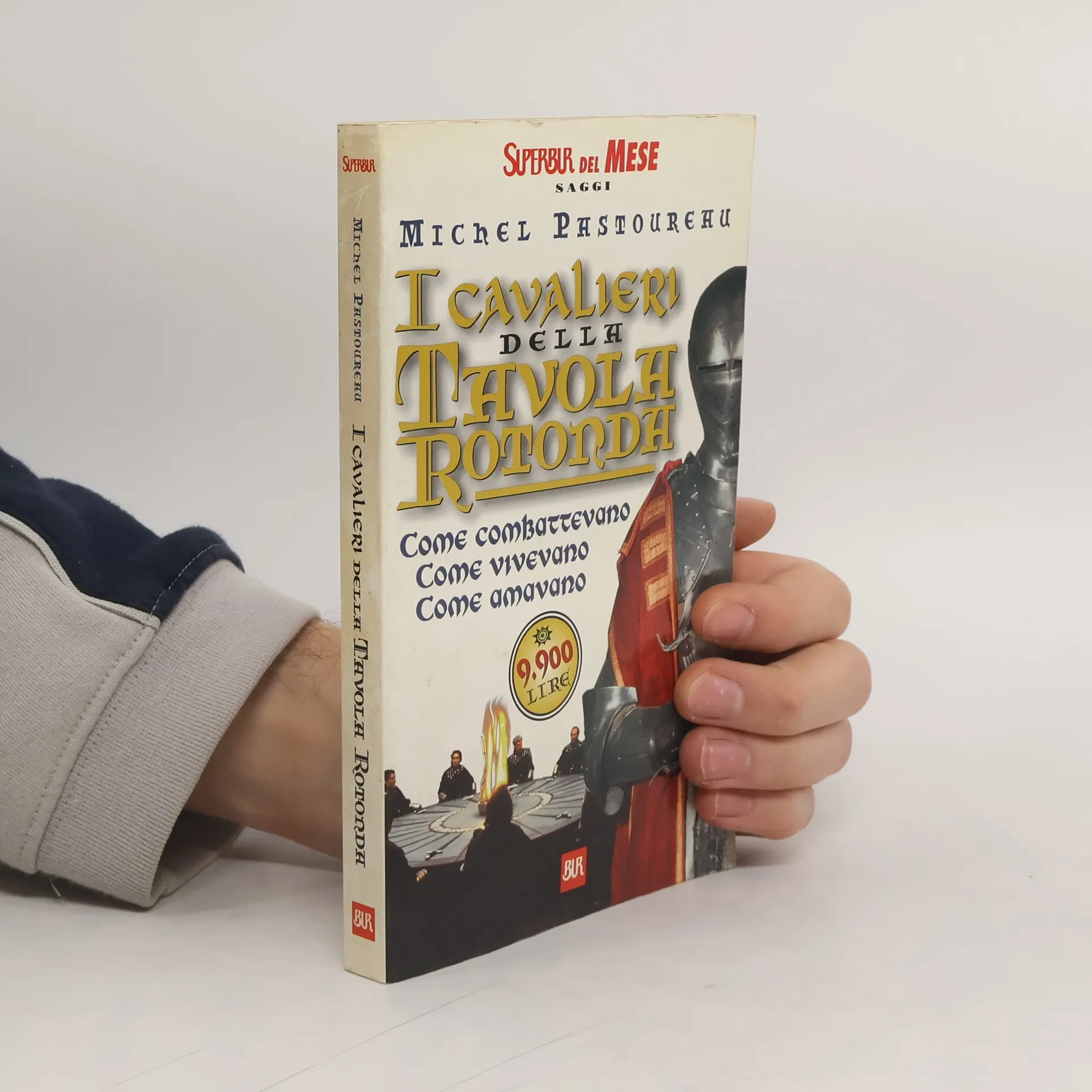
I cavalieri della tavola rotonda
Come combattevano, come vivevano, come amavano
- 224 páginas
- 8 horas de lectura
Des Teufels Tuch. Eine Kulturgeschichte der Streifen und der gestreiften Stoffe
- 141 páginas
- 5 horas de lectura
Im Mittelalter galt der Streifen als Zeichen sozialer Ausgrenzung und wurde mit dem Teufel assoziiert. Im Verlauf der Geschichte, von der Renaissance bis ins 20. Jahrhundert, wandelte sich die gesellschaftliche Einstellung und Streifen wurden zum Symbol für Freiheit, Jugend und Lebensfreude.
Les Châteaux forts
- 96 páginas
- 4 horas de lectura
Les châteaux forts, lieux empreints de mystère et de grandeur... Comment sont-ils nés, il y a de cela plus de dix siècles ? Comment les construisait-on ? Et pour quel usage ? Ont-ils évolué au fil de l'histoire ? Comment y ont vécu et se sont battus les maîtres de ces forteresses ainsi que le peuple des alentours ? A toutes ces questions, et à beaucoup d'autres, ce livre apporte des réponses claires, et nous plonge dans l'univers passionnant de la civilisation médiévale à travers l'évocation des témoins toujours vivants que sont les châteaux forts. " En savoir plus ", le savoir des meilleurs spécialises dans les domaines les plus variés : histoire, sciences, culture et civilisation, vie quotidienne... Pour le plaisir de connaître ou pour préparer un exposé, cette collection encyclopédique offre une documentation complète, actuelle et vivante. En fin d'ouvrage, la rubrique " En savoir plus " contribue à piquer la curiosité du lecteur et à élargir l'horizon de ses connaissances.
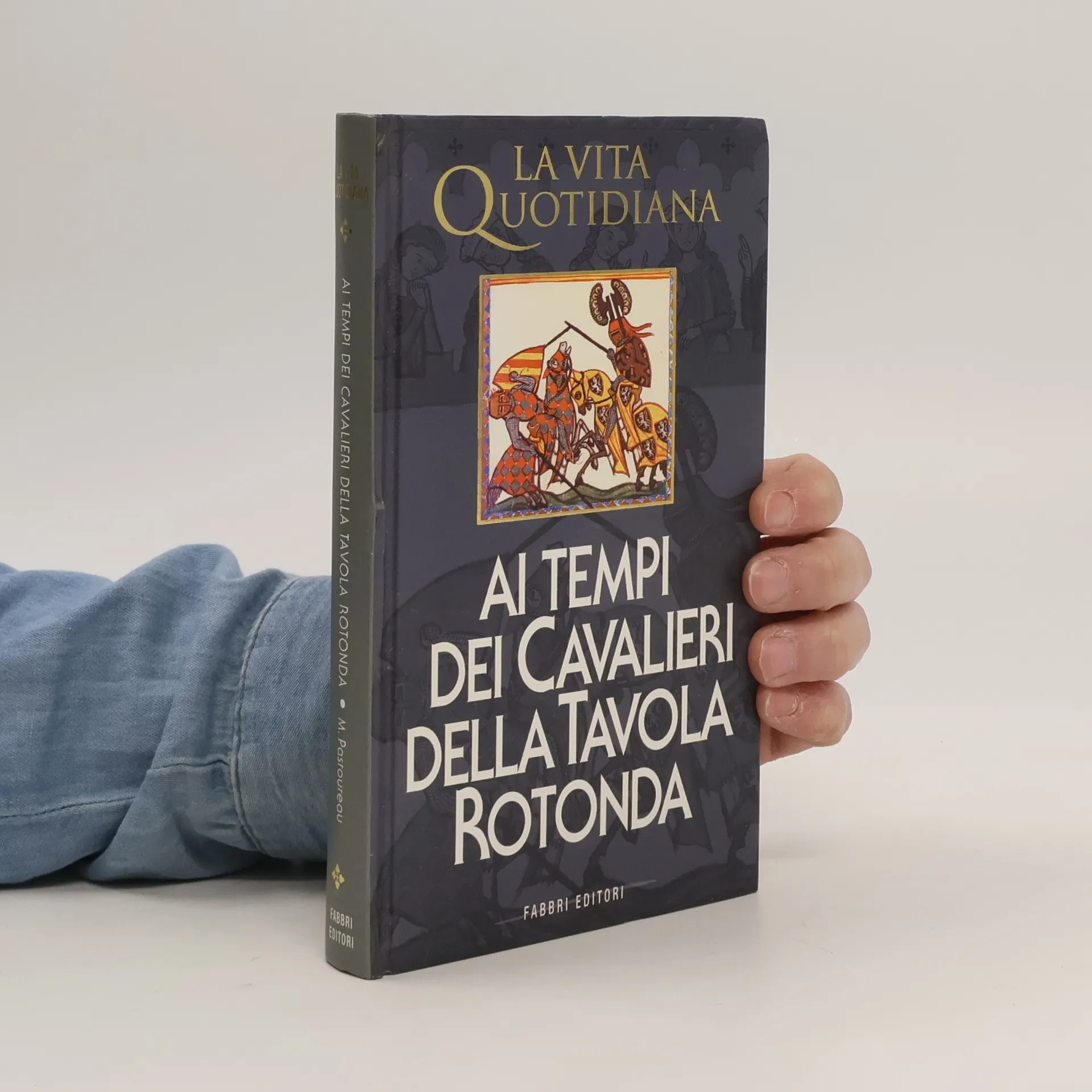
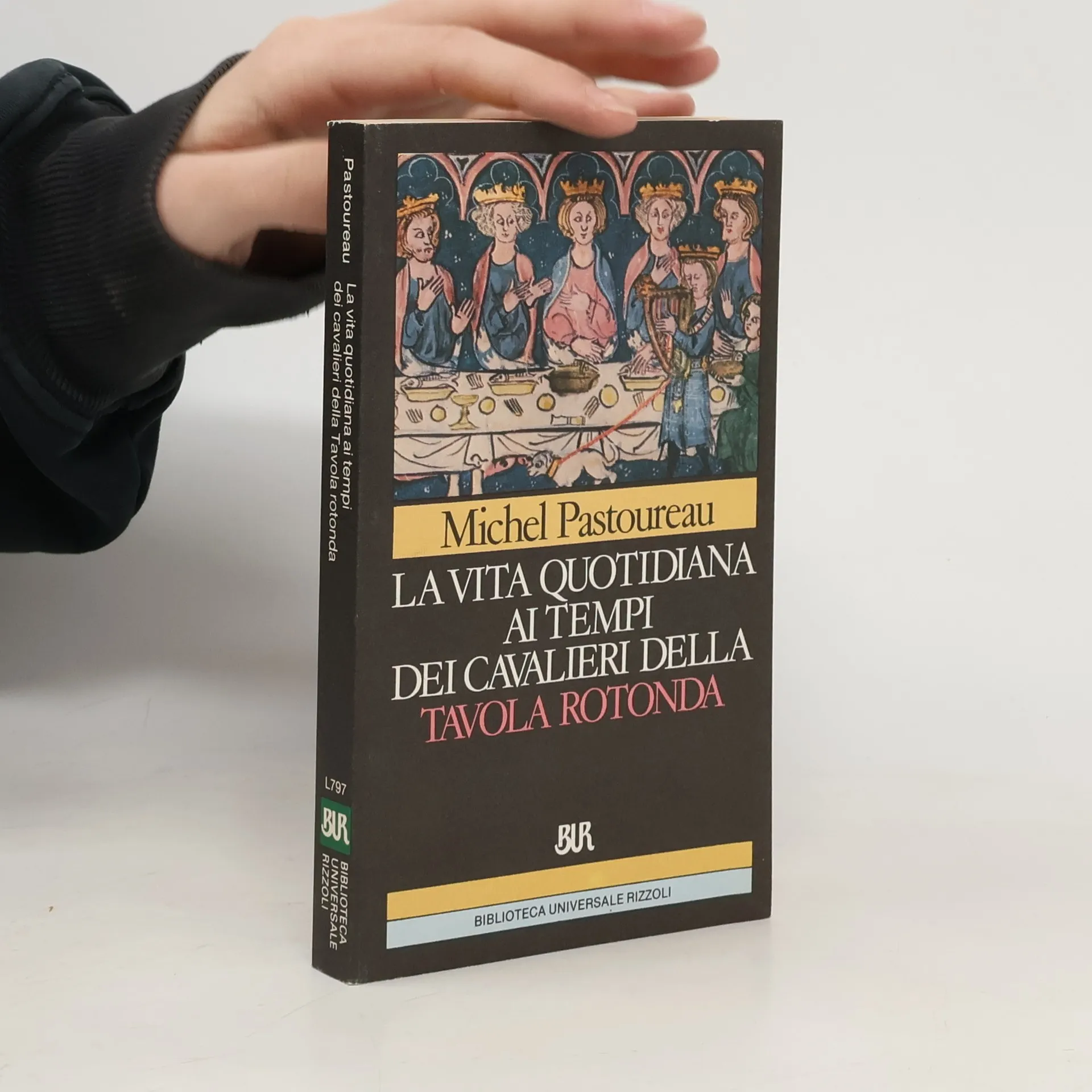
La vita quotidiana in Francia e Inghilterra al tempo dei cavalieri della Tavola rotonda
- 240 páginas
- 9 horas de lectura