Bookbot

Ronald Noppers

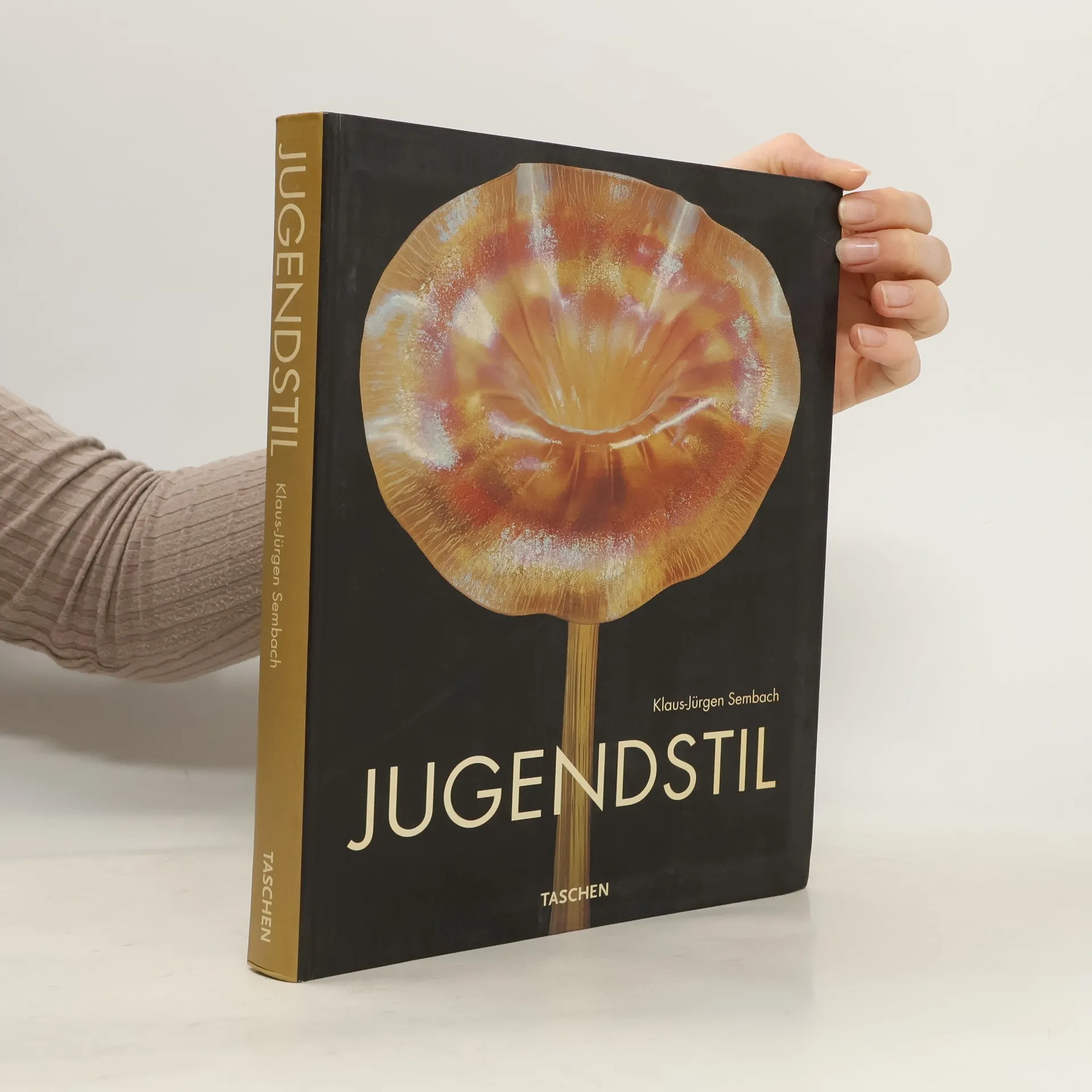
    Jugendstil
    Paul Klee
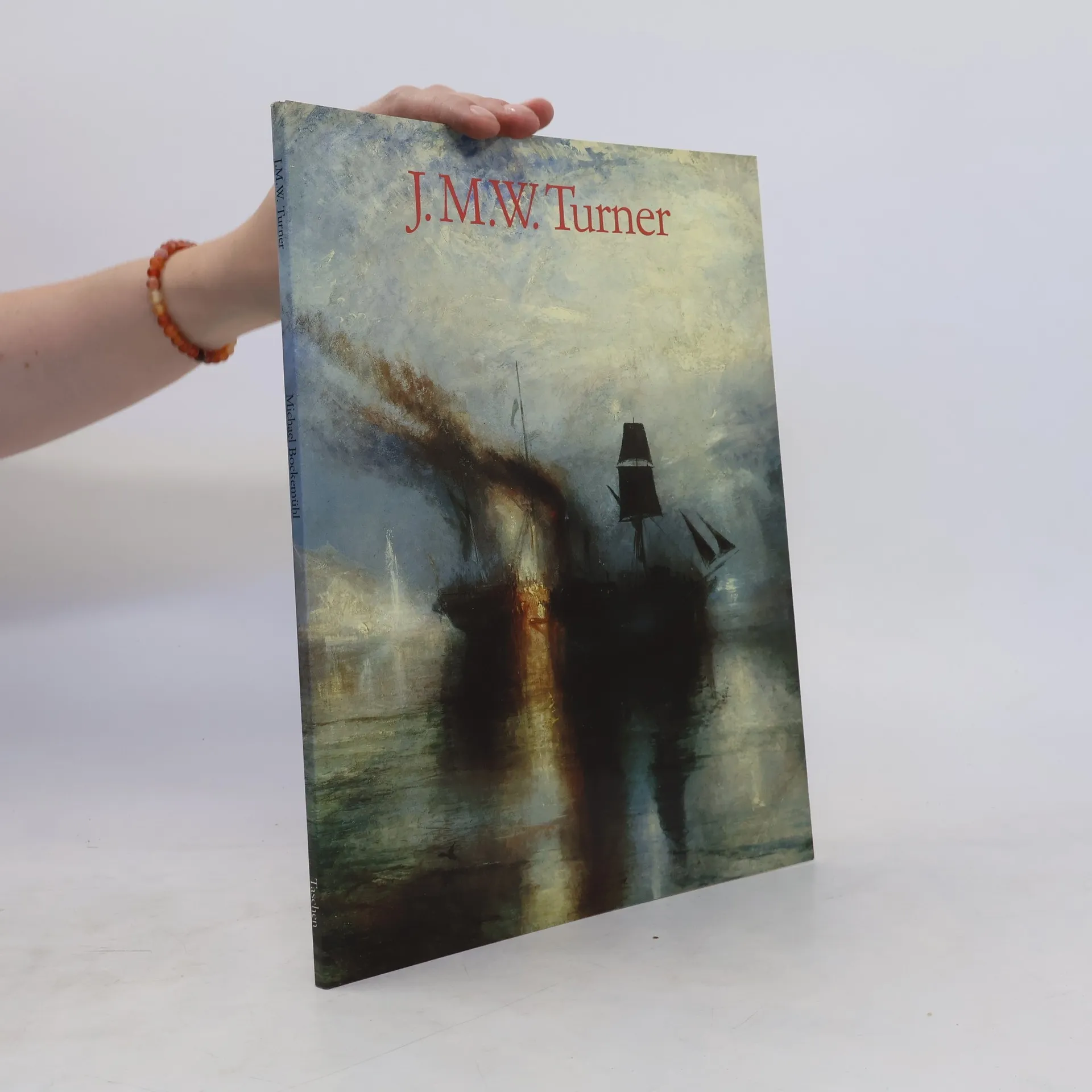
    J.M.W. Turner
    • Jugendstil

      De utopie van de verzoening

      • 240 páginas
      • 9 horas de lectura
      Jugendstil2002
    • Paul Klee

      • 96 páginas
      • 4 horas de lectura

      Geometrical figures and hieroglyphic elements: The delightfully unclassifiable work of a master painter Designated as "degenerate" by the Nazis, Paul Klee (1879-1940) is today considered one of the most important artists of the 20th century. His works stand out for the variety in their forms of artistic expression. His Tunisian water-colours depicting landscape, architecture and, above all, the North African light of this Mediterranean land constitute the true beginning of Klee's painting career. Although these paintings still fall under the heading of 'objective, ' they already exhibit indications of his tendency toward abstraction and a language of forms. Geometrical figures and hieroglyphic elements characterize the majority of these works, which for this reason seem reminiscent of 'naive' and playful children's painting. In reality, however, Klee's paintings have their roots in theoretical considerations, their recurrent symbols conveying personal and at times political content. About the Series: Each book in TASCHEN's Basic Art series features: a detailed chronological summary of the life and oeuvre of the artist, covering his or her cultural and historical importance a concise biography approximately 100 illustrations with explanatory captions

      Paul Klee1993
      3,9
    • J.M.W. Turner

      The World of Light and Colour

      • 96 páginas
      • 4 horas de lectura

      As a blind person would see the world if the gift of sight suddenly returned - so might one describe the effect of Turner's paintings on the observer. John Ruskin, the uncompromising nineteenth century defender of the painting of William Turner (1775-1851) spoke of the 'innocence of the eye', which perceives the colors and forms of the world before it recognizes their significance. But in order to develop such a style, Turner first had to overcome the entire legacy of late rococo academic teachings. He was simultaneously a romantic and a realist - and yet he was neither. His landscapes, far in advance of their time, have been called forerunners of Impressionism, but they also posses traits that influenced Expressionism, and many of his late compositions are thoroughly surrealistic. Contents Observation -a method of approach Early days -expertise becomes evident Completed structure becomes open form The artist´s world: Mental conception and pictorial realization The open picture and its manifestation The "open secret" of colour J. M. W. Turner 1775-1851: Chronology Notes

      J.M.W. Turner1991
      4,1