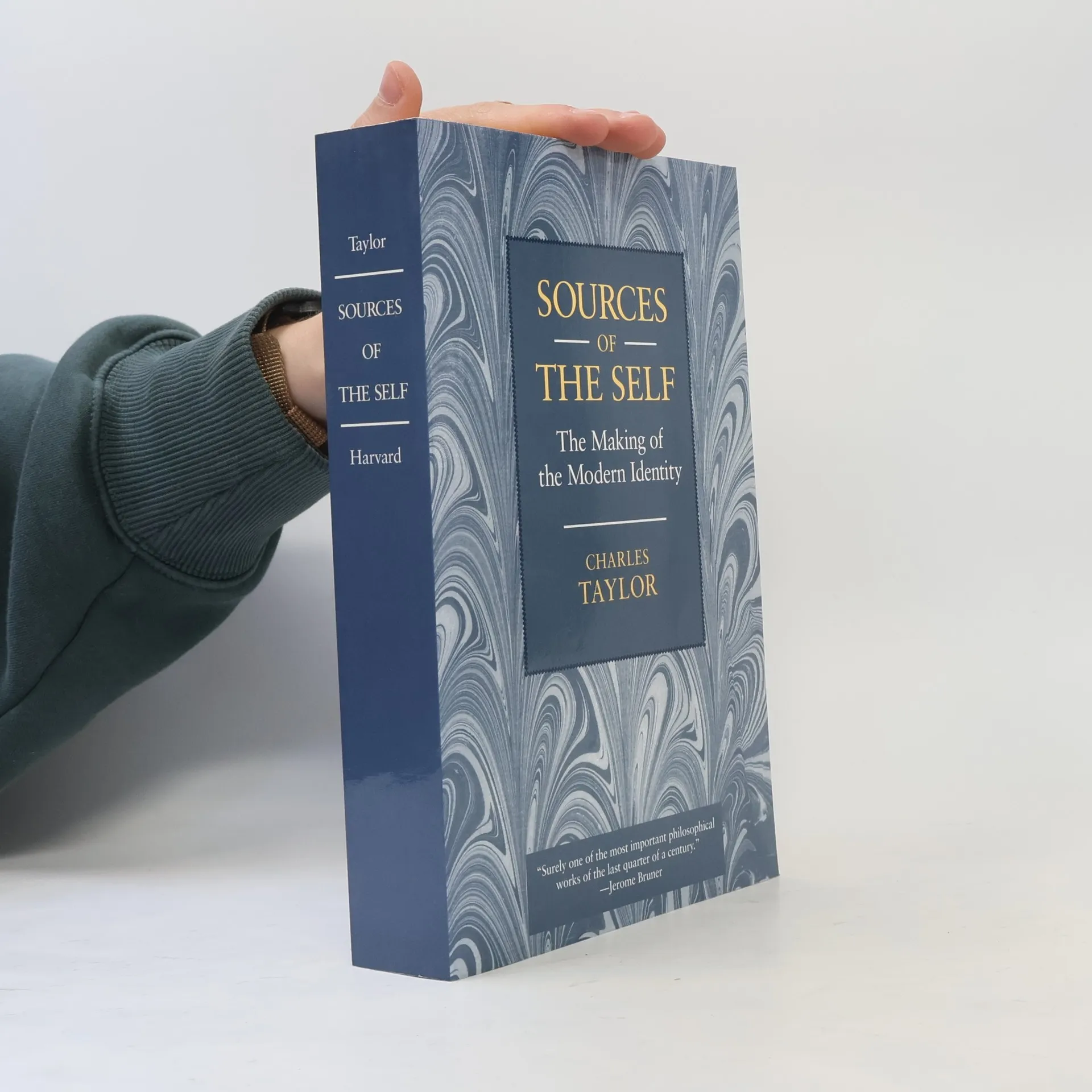
Según Descartes, el conocimiento existe en forma de ideas, que supuestamente representan el mundo. Esta epistemología -ideas que median entre la realidad externa y nuestra mente- sigue ejerciendo un control sobre el pensamiento occidental. Sin embargo, como muestran Dreyfus y Taylor, el conocimiento consiste en mucho más que en las representaciones explícitas que formulamos. Ganamos en conocimiento del mundo mediante un compromiso corporal con las cosas, las manejamos, nos movemos entre ellas y nos interrogamos sobre su significado.
The book features a curated collection of published papers organized into two volumes, highlighting the cohesive themes and overarching direction of the author's research. Each volume aims to showcase the essential unity of the work, providing readers with a comprehensive understanding of the subject matter.
As a key subject for children in an ever more sophisticated world, the grasp of science and the basic principles behind it are explored in The Kingfisher Science Encyclopedia. Arranged thematically, the text seeks not just to provide factual information, but help the reader to enquire and collect and use evidence in the exploration of new topics.
A Guide to the Finest Wine Producers of the Cote d'Or - Third Edition
288 páginas
11 horas de lectura
With full details of the makers and winemaking styles of over 140 domaines, this is the fullest, most authoritative and truly penetrating analysis available of this complex wine region. Fully revised Third Edition.
Almost everyone would agree that the place of religion in our societies has changed profoundly over the years. This book takes up the question of what these changes mean—of what, precisely, happens when a society in which it is virtually impossible not to believe in God becomes one in which faith is only one human possibility among others.
The Explanation of Behaviour was the first book written by the renowned philosopher Charles Taylor. A vitally important work of philosophical anthropology, it is a devastating criticism of the theory of behaviourism, a powerful explanatory approach in psychology and philosophy when Taylor's book was first published. However, Taylor has far more to offer than a simple critique of behaviourism. He argues that in order to properly understand human beings, we must grasp that they are embodied, minded creatures with purposes, plans and goals, something entirely lacking in reductionist, scientific explanations of human behaviour. Taylor's book is also prescient in according a central place to non-human animals, which like human beings are subject to needs, desires and emotions. However, because human beings have the unique ability to interpret and reflect on their own actions and purposes and declare them to others, Taylor argues that human experience differs to that of other animals. Furthermore, the fact that human beings are often directed by their purposes has a fundamental bearing on how we understand the social and moral world. Taylor's classic work is essential reading for those in philosophy and psychology as well as related areas such as sociology and religion. This Routledge Classics edition includes a new Preface by the author and a new Foreword by Alva No , setting the book in philosophical and historical context.
Charles Taylor delves into the poetry of the Romantics and their heirs, a foundation of his distinctive philosophy of language. Taylor holds that Romantic poetry responded to disenchantment: with old cosmic orders depleted, artists groped to articulate new meanings by bringing connections to life rather than merely reasoning abstractly about life.
Everywhere we hear talk of decline, of a world that was better once, maybe fifty years ago, maybe centuries ago, but certainly before modernity drew us along its dubious path. While some lament the slide of Western culture into relativism and nihilism and others celebrate the trend as a liberating sort of progress, Charles Taylor calls on us to face the moral and political crises of our time, and to make the most of modernity’s challenges. “The great merit of Taylor’s brief, non-technical, powerful book...is the vigor with which he restates the point which Hegel (and later Dewey) urged against Rousseau and Kant: that we are only individuals in so far as we are social...Being authentic, being faithful to ourselves, is being faithful to something which was produced in collaboration with a lot of other people...The core of Taylor’s argument is a vigorous and entirely successful criticism of two intertwined bad ideas: that you are wonderful just because you are you, and that ‘respect for difference’ requires you to respect every human being, and every human culture—no matter how vicious or stupid.” —Richard Rorty, London Review of Books
A new edition of the highly acclaimed book Multiculturalism and "The Politics of Recognition," this paperback brings together an even wider range of leading philosophers and social scientists to probe the political controversy surrounding multiculturalism. Charles Taylor's initial inquiry, which considers whether the institutions of liberal democratic government make room--or should make room--for recognizing the worth of distinctive cultural traditions, remains the centerpiece of this discussion. It is now joined by Jürgen Habermas's extensive essay on the issues of recognition and the democratic constitutional state and by K. Anthony Appiah's commentary on the tensions between personal and collective identities, such as those shaped by religion, gender, ethnicity, race, and sexuality, and on the dangerous tendency of multicultural politics to gloss over such tensions. These contributions are joined by those of other well-known thinkers, who further relate the demand for recognition to issues of multicultural education, feminism, and cultural separatism. Praise for the previous edition:
Quick, Savory and Creative Recipes to Kick Start A Healthy Lifestyle
110 páginas
4 horas de lectura
Emphasizing the benefits of an Anti-Inflammatory diet, this book offers a collection of delicious recipes that align with healthy eating habits. It provides essential information on the foods to embrace and those to avoid, making it simpler to adopt a nutritious lifestyle. With a focus on flavor and health, readers will find practical guidance to enhance their well-being through mindful eating.
Lavishly illustrated, Exploring The Science and Technology of Tones and Tunes explains in a nonmathematical way the underlying science of music, musical instruments, tones, and tunes. The author explores the magical quality and science of music, facilitating pleasure and the understanding in both young and older readers. Based primarily on the highly successful series of Christmas lectures given by the author in 1989-1990 at the Royal Institution, this book contains an expanded version of what he demonstrated to live audiences in excess of 2,000 as well as over 10 million television viewers.
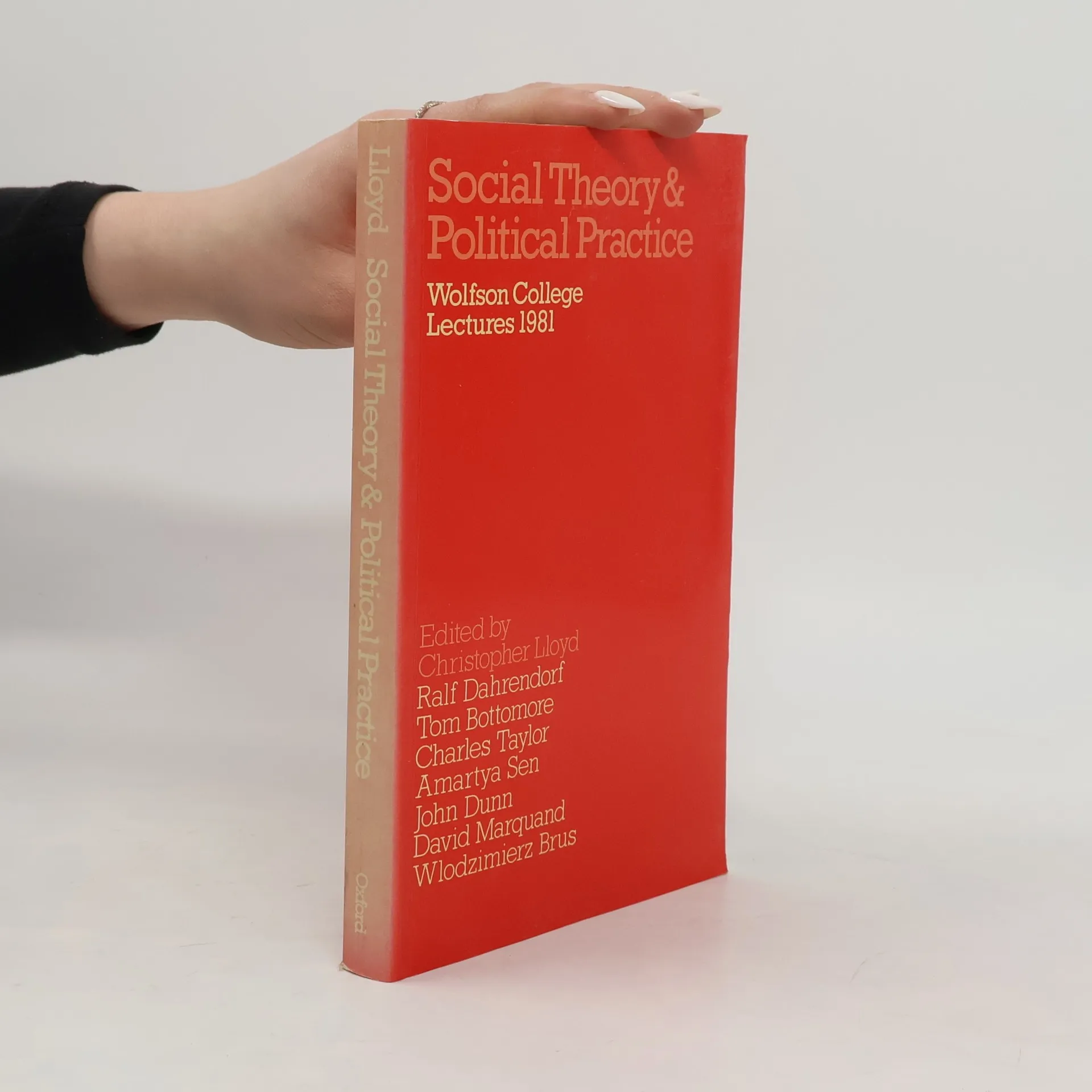
Wolfson College Lectures 1981: • Reflections on social theory and political practice — by Ralf Dahrendorf • Social theory and politics in the history of social theory — by Tom Bottomore • Political theory and practice — by Charles Taylor • Accounts, actions, and values : objectivity of social science — by Amartya Sen • Social theory, social understanding, and political action — by John Dunn • The collapse of consensus : ideology in British politics — by David Marquand • Marxism and Communism — by Wlodzimierz Brus
Obsah Taylorovy knihy vystihuje lépe její název, pod nímž byla poprvé vydána – neduhy moderny. Odkazuje na hlavní předmět Taylorova rozboru, jímž jsou neduhy moderny a určité zneklidnění, které problematické stránky moderní doby provází.
Ausgehend von William James' 1902 erschienener Untersuchung "Die Vielfalt religiöser Erfahrung" verfolgt Charles Taylor die Verschiebungen im Verhältnis von Religion, Individuum und Gesellschaft, von Spirituellem und Politischem bis in die Gegenwart. Der Rückzug des religiösen aus der öffentlichen Sphäre hat die Religion nicht ins Private eingeschlossen; vielmehr verbirgt sich hinter diesem Prozeß eine Kulturrevolution: Der moderne »expressive« Individualismus hat eine Vielfalt neuer Religionsformen und -gemeinschaften hervorgebracht, die auf die traditionellen Formen zurückwirkt und die Gesellschaft verändert. Der Ort der Religion muß neu bestimmt werden.
Charles Taylor zählt zu den großen Philosophen unserer Zeit. In eindringlichen Analysen hat er (wie in den hier exemplarisch für sein Werk stehenden drei Aufsätzen) die Ursprünge der modernen Identität rekonstruiert. Zugleich hat er damit eine innovative Neu-Erzählung des säkularen Zeitalters verfasst.Menschenrechte, Religion und Gewalt bilden die zentralen Angelpunkte seines Denkens. In immer neuen Anläufen zeigt er Wege auf, wie die vielfältigen Krisen der Gegenwart moralisch, politisch und gesellschaftlich besser gelöst werden könnten: Wer die Gegenwart verstehen will, kommt an den kritischen Analysen Taylors nicht vorbei.
Charles Taylor, Professor für Politische Philosophie an der McGill-Universität in Montreal, ist einer der originellsten und einflußreichsten Sozialphilosophen der Gegenwart. Die im vorliegenden Band enthaltenen Texte sind Beiträge zu einer neuen »philosophischen Anthropologie«, die gegenüber dem atomistischen Menschenbild der neuzeitlichen Philosophie an die Abhängigkeit aller menschlichen Fähigkeiten und Errungenschaften von der sozialen Gemeinschaft erinnert. Taylor verfolgt sein philosophisches Ziel auf vielfältige Weise: in polemischer Auseinandersetzung mit reduktionistischen Strömungen in der Psychologie und Sprachphilosophie, in der systematischen Vergegenwärtigung der »kommunitaristischen« Einsichten der antiken Philosophie Platons und Aristoteles' und schließlich im Dialog mit konkurrierenden Ansätzen in der zeitgenössischen Philosophie. Stets versucht er, auf dem Weg der kritischen Argumentation behutsam die Grundlagen eines nicht reduktionistischen Menschenbildes herauszuarbeiten.
Charles Taylors große Hegel-Monographie bietet nicht nur eine umfassende Darstellung des gesamten Hegelschen Systems im Lichte der sozialphilosophischen Diskussion, sondern auch eine allgemeinverständliche Einführung in die Hegelsche Philosophie für Leser, die mit dem Hegelschen Denken wenig vertraut sind.
Jazyk není jen nástrojem kódování a sdělování informací, ani prostředkem
přenášení myšlenek od jednotlivce k jednotlivci. Podílí se na jejich formování
a jako podstatně společenská instituce pomáhá každému z nás porozumět vlastní
orientaci na pozadí hodnotového horizontu, jenž dohromady skládá dlouhodobá
síť společenských vztahů. Kniha významného kanadského filozofa, nositele
Templetonovy ceny Charlese Taylora přináší plody jeho mnoho desítek let
trvajícího promýšlení tradičních dilemat filozofie jazyka.
Religion ist nichts Eindeutiges. »Religion« ist ein Begriff, der gerne missbraucht wird und dessen Vielschichtigkeit zu ergründen lohnt. Charles Taylor arbeitet sich aus zwei Perspektiven heran: aus einer statischen (indem er den durch militante oder spirituelle Gruppen festgelegten Sinn des Begriffs betrachtet) und aus einer flexibleren (indem er die Verbindungen und Differenzen von Religion zu Magie, Spiritualismus und Säkularismus herausarbeitet). Sein Essay demonstriert, was große Philosophie auch in kleinster Form zu leisten vermag.
In der philosophischen Auseinandersetzung zwischen Liberalismus und Kommunitarismus gehört Charles Taylor eher zur Seite der Kommunitaristen. Geht der Liberalismus von einem Individuum aus, das unabhängig von Wertüberzeugungen und frei von sozialen Bindungen ist, betont Taylor die Rolle des Gemeinwesens und die Einbindung des Individuums in die Werte seiner Kultur. Mit der Erfahrung eigener politischer Aktivität diskutiert Taylor in seinen Aufsätzen unter dem Titel Wieviel Gemeinschaft braucht die Demokratie? Themen wie Nationalismus, Ausgrenzung, Solidarität und analysiert den Individualismus der Moderne.